Custom key holders are among the most underrated products in the branded accessories market. They sit in every customer's pocket or bag, are handled multiple times daily, and serve as constant brand touchpoints. For fashion brands, retailers, and corporate buyers, custom key holders represent a low-cost, high-impact product category that delivers outsized brand value relative to its production cost.
Whether you are launching a luxury leather key fob to complement your wallet collection, creating promotional key holders for a trade show, or developing a range of branded accessories for your boutique, understanding the manufacturing landscape is essential. This guide covers every aspect of custom key holder production, from materials and construction to branding techniques, costs, and supplier selection.
The Market for Custom Key Holders
The promotional products industry values key holders as one of the top ten most distributed promotional items globally. In the fashion accessories market, branded key holders occupy a unique position: they bridge the gap between functional utility and brand expression. The global key chain market alone was valued at over $6 billion in 2024 and continues growing at approximately 5% annually.
For fashion brands specifically, key holders serve multiple strategic purposes. They function as entry-level luxury products, gift items, corporate merchandise, and brand loyalty tools. A $25-$45 branded key holder introduces customers to your brand at a fraction of the cost of your primary products while maintaining premium perception.
Types of Custom Key Holders
Key holders come in numerous styles, each suited to different brand positions and price points. Understanding the full range helps you make informed decisions about your product development.
Leather Key Fobs
The most popular style in fashion branding, leather key fobs consist of a leather strap or tab attached to a metal keyring. They can be simple single-layer constructions or complex multi-piece assemblies with hardware, embossing, and decorative elements. Leather fobs are ideal for fashion brands, luxury retailers, and premium corporate gifting programs.
Metal Key Holders
Zinc alloy, stainless steel, and brass key holders offer durability and a premium feel. They support intricate designs through die-casting or CNC machining, including 3D elements, enamel fills, and custom shapes. Metal key holders are popular for automotive brands, sports teams, and luxury fashion houses.
Silicone and Rubber Key Holders
Molded silicone and rubber key holders are cost-effective options for high-volume distribution. They support full-color printing, custom shapes, and flexible designs. While not suitable for luxury positioning, they excel in promotional contexts and youth-oriented brands.
Multi-Function Key Holders
Modern key holders increasingly incorporate additional functions: bottle openers, USB drives, Bluetooth trackers, LED lights, or multitools. These hybrid products command higher price points and offer additional utility that recipients value and retain long-term.
| Key Holder Type | Production Cost | MOQ | Best For | Lead Time |
|---|---|---|---|---|
| Leather Key Fob (Simple) | $1.50 - $3.00 | 200 pcs | Fashion brands, boutiques | 20-30 days |
| Leather Key Fob (Premium) | $3.00 - $8.00 | 200 pcs | Luxury brands, gifting | 30-45 days |
| Metal Key Holder (Die-Cast) | $2.00 - $6.00 | 300-500 pcs | Corporate, automotive | 30-40 days |
| Silicone/Rubber | $0.50 - $2.00 | 500 pcs | Promotional, events | 15-25 days |
| Multi-Function | $4.00 - $12.00 | 300 pcs | Tech brands, premium | 35-50 days |
Material Selection Guide
The material you choose determines the quality perception, durability, cost, and branding possibilities of your key holders. Each material has distinct characteristics that make it suitable for specific applications.
Full-Grain Leather
The premium choice for fashion brands. Full-grain leather key fobs develop a beautiful patina over time and communicate quality craftsmanship. They work best for brands positioned in the luxury or premium segment. Available in multiple thicknesses (1.2mm-2.0mm for key holders is typical), with various finishing options including natural, waxed, or glazed.
Top-Grain Leather
Offers excellent quality at a more accessible price point. Top-grain leather accepts dyes and finishes well, making it ideal for brands that need color consistency across large production runs. It is the most popular leather choice for fashion brand key holders due to its balance of quality and cost-effectiveness.
Genuine Leather (Split Leather)
The most economical genuine leather option. While not as durable as full or top-grain, split leather still provides authentic leather quality at a significantly lower cost. Best for brands producing high volumes or operating at entry-level price points.
Vegan Leather (PU/PVC)
Synthetic alternatives that appeal to cruelty-free and vegan brand positions. Modern vegan leathers have improved significantly in quality and can closely mimic genuine leather appearance and feel. They are also available in specialized finishes and colors that may not be available in genuine leather.
Metal Alloys
Zinc alloy is the most common metal for key holders due to its excellent casting properties and reasonable cost. Stainless steel offers superior durability with a modern aesthetic. Brass provides a warm, premium tone that ages beautifully. Each metal requires different manufacturing processes and tooling.
| Material | Cost/Unit | Durability | Branding Flexibility | Eco-Credentials |
|---|---|---|---|---|
| Full-Grain Leather | $2.50 - $6.00 | Excellent | Deboss, stamp, paint | Natural, biodegradable |
| Top-Grain Leather | $1.80 - $4.00 | Very Good | Deboss, stamp, print | Natural, biodegradable |
| PU Vegan Leather | $1.00 - $2.50 | Good | Print, emboss | Vegan, petroleum-based |
| Zinc Alloy | $2.00 - $5.00 | Excellent | Enamel, plating | Recyclable |
| Silicone | $0.50 - $1.50 | Good | Mold color, print | Durable, recyclable |
Branding Techniques for Key Holders
The small surface area of key holders actually works in your favor for branding. It concentrates your brand mark into a small, high-impact area that is always visible. Multiple branding techniques are available, each with different cost, quality, and application characteristics.
Hot Stamping
The most popular branding method for leather key holders. Hot stamping uses heat and pressure to transfer metallic foil (gold, silver, rose gold, or custom colors) into the leather surface. The result is a luxurious, eye-catching brand mark that elevates the perceived value significantly. Cost: $0.10-$0.30 per piece.
Debossing
Creates a pressed-in impression of your logo without any color or foil. This subtle, sophisticated technique works beautifully on full-grain and top-grain leather where the natural texture of the impression communicates craftsmanship. Cost: $0.05-$0.15 per piece.
Silk Screen Printing
Allows for multi-color branding and complex logos on leather, silicone, and rubber key holders. Best for designs with multiple colors or gradients. Less premium than hot stamping but more versatile. Cost: $0.10-$0.25 per piece.
Laser Engraving
Ideal for metal key holders and certain leather types. Creates permanent, precise markings with a modern aesthetic. Can achieve fine detail impossible with traditional methods. Cost: $0.15-$0.40 per piece.
Custom Hardware
Creating fully custom metal hardware — including the keyring plate, snap hooks, or decorative elements — with your logo integrated into the metal itself. This represents the highest level of branding but requires mold investment ($200-$800 per design). Cost per unit increases by $0.50-$2.00 for custom hardware.
Edge Painting and Finishing
On leather key holders, edge finishing significantly impacts quality perception. Burnished edges (natural leather tone), painted edges (matching or contrasting colors), and waxed edges each create different aesthetic effects. Edge painting adds $0.20-$0.50 per unit but substantially elevates the premium feel.
Design Considerations
Effective key holder design balances aesthetics, functionality, and brand expression within a compact format. Several design principles apply universally across styles and materials.
Size and Proportion
Standard leather key fobs measure between 8-12 cm in length and 2.5-4 cm in width. The key holder should feel substantial without being cumbersome. Test pocket-fit and bag-fit during the design process. The brand mark should occupy 40-60% of the visible surface area for optimal visibility without overwhelming the design.
Hardware Selection
The metal hardware — keyrings, snap hooks, swivel clasps, and connecting pieces — should match the quality tier of the leather or material. Nickel-plated brass hardware works for most fashion applications. Gold plating elevates luxury perception. Matte black hardware creates modern, masculine aesthetics. Hardware quality should never be the weak point of a key holder design.
Structural Integrity
Key holders endure significant mechanical stress: pulling, twisting, jingling, and impact. Construction must account for this reality. Reinforce attachment points with extra stitching or rivets. Use hardware rated for the weight of multiple keys. Test prototypes extensively under real-world conditions before approving production.
Packaging and Presentation
How you present your key holders directly impacts their perceived value and effectiveness as brand tools. Packaging transforms a simple key holder into a gifting experience.
Packaging Options
| Packaging Type | Cost/Unit | Best For | Perceived Value Impact |
|---|---|---|---|
| OPP Bag with Insert Card | $0.30 - $0.60 | Bulk orders, promotional | Low - Functional |
| Branded Paper Box | $1.00 - $2.50 | Retail, boutique | Medium - Professional |
| Magnetic Closure Box | $2.50 - $5.00 | Luxury, gifting | High - Premium |
| Velvet Pouch | $1.50 - $3.00 | Mid-premium brands | Medium-High - Elegant |
| Display Card (Hang Tag) | $0.50 - $1.00 | Retail display, trade shows | Low-Medium - Practical |
Production Process Overview
Understanding the manufacturing process helps you make better decisions during design and communicate effectively with your production partner. The process varies slightly by material type but follows a common framework.
Leather Key Holder Production Steps
- Material Sourcing: Leather is selected and inspected for quality, color consistency, and thickness.
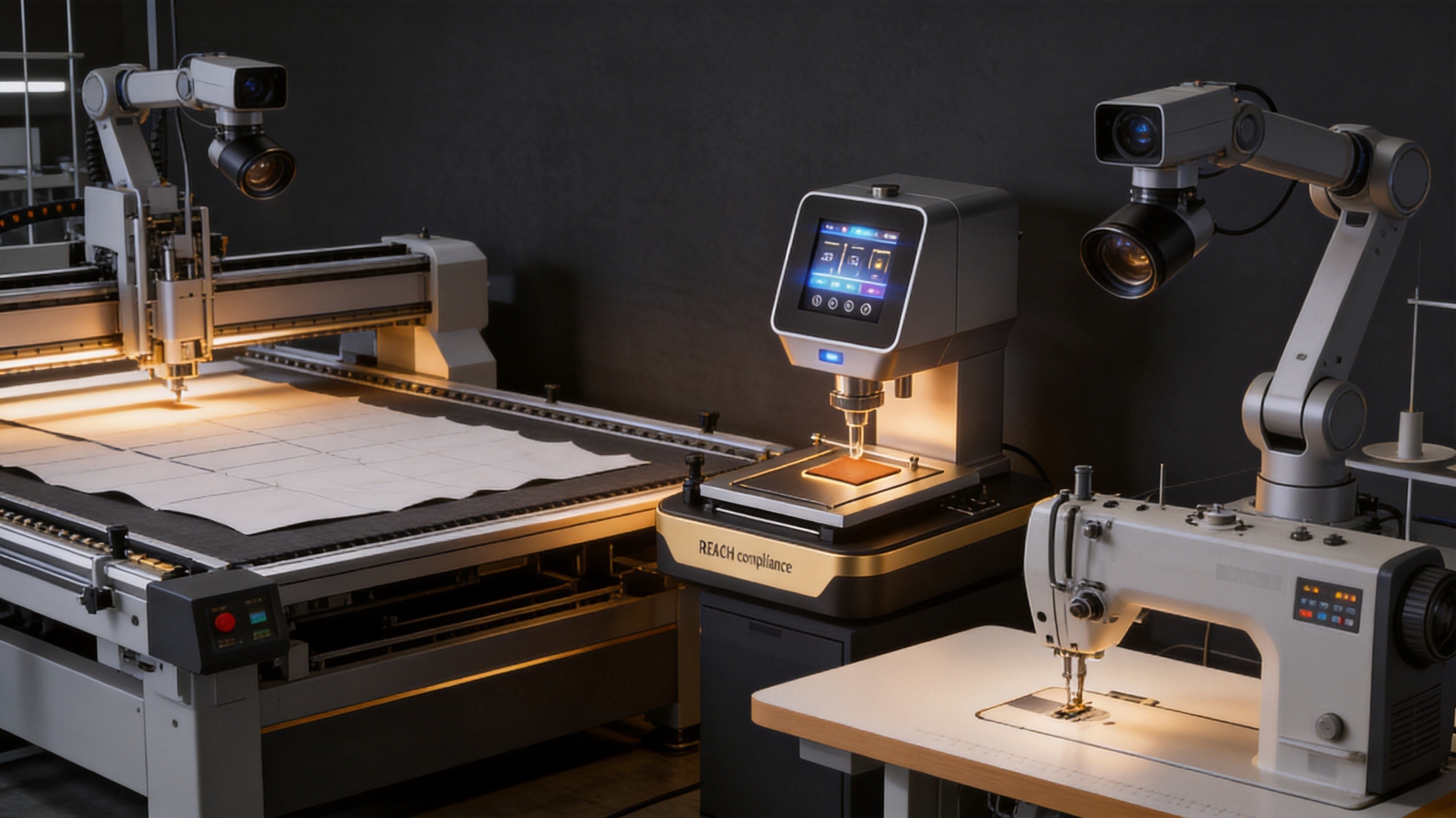
- Pattern Cutting: Leather is cut using die-cutting machines or CNC cutters according to the design pattern.
- Branding Application: Hot stamping, debossing, or printing is applied to cut pieces before assembly.
- Edge Finishing: Edges are burnished, painted, or folded according to the design specification.
- Hardware Attachment: Keyring plates, snap hooks, and connecting hardware are attached.
- Assembly: Multiple leather pieces are stitched, glued, or riveted together.
- Quality Inspection: Each piece is inspected for stitching quality, hardware alignment, surface defects, and dimensional accuracy.
- Packaging: Approved pieces are packaged according to specifications.
Metal Key Holder Production Steps
- Mold Creation: A steel mold is CNC-machined based on your design (one-time investment of $200-$800).
- Die Casting: Molten zinc alloy is injected into the mold under high pressure.
- Trimming: Excess material (flash) is removed from cast pieces.
- Polishing: Surfaces are polished to prepare for plating or enamel.
- Plating/Finishing: Pieces are plated (nickel, gold, chrome, antique) or painted.
- Enamel Filling: If the design includes colored enamel, it is applied and cured.
- Assembly: Keyrings and attachment hardware are added.
- Quality Check: Dimensional accuracy, plating quality, and visual inspection.
Cost Breakdown and Pricing Strategy
Understanding the cost structure helps you set appropriate retail prices and negotiate effectively with manufacturers. The following breakdown represents typical cost allocation for a mid-range leather key fob.
Cost Components for Leather Key Holders
| Cost Component | Percentage | Typical Cost |
|---|---|---|
| Leather Material | 25-35% | $0.50 - $2.00 |
| Metal Hardware | 20-30% | $0.40 - $1.50 |
| Labor (Cutting, Stitching, Assembly) | 25-35% | $0.50 - $2.00 |
| Branding (Stamping/Printing) | 5-10% | $0.10 - $0.50 |
| Edge Finishing | 5-10% | $0.20 - $0.50 |
| Packaging | 5-15% | $0.30 - $2.50 |
| Total Production Cost | 100% | $2.00 - $8.00 |
Recommended Retail Pricing
Standard industry practice applies a 4-6x markup on production cost for wholesale pricing, and 2-2.5x markup from wholesale to retail. For a key holder costing $4.00 to produce:
- Wholesale Price: $16 - $24
- Retail Price: $32 - $48
- Luxury Positioning: $45 - $75 (with premium packaging and brand equity)
Finding the Right Manufacturer
Selecting a manufacturing partner for key holders requires evaluating several criteria beyond price. The ideal partner combines leather expertise (if producing leather key holders), hardware sourcing capability, branding technique proficiency, and quality consistency.
Key Evaluation Criteria
- Specialization: Factories that produce both bags and small leather goods understand the quality standards and construction methods required for premium accessories.
- Branding Capability: In-house hot stamping, debossing, and printing capabilities simplify communication and reduce production lead times.
- Hardware Sourcing: Manufacturers with established hardware supplier relationships offer more options and better pricing on metal components.
- Sample Quality: Request samples before committing to production. Evaluate stitching, edge finishing, hardware quality, and branding execution.
- MOQ Flexibility: Look for partners willing to accommodate smaller initial orders, especially for testing new designs.
Manufacturing Partner: Junyuan Bags, established in 2004 in Quanzhou, Fujian, specializes in leather goods including custom key holders and small leather accessories. With 20+ years of experience, 300+ skilled workers, and a 30,000 sqm production facility, they offer MOQs starting at 200 pieces per style. Contact them at service@junyuanbags.com or WhatsApp: +86 17750020688 to discuss your custom key holder project.
Quality Control for Key Holders
Quality control specific to key holders should address the unique stress points and aesthetic requirements of these products.
Critical Quality Checkpoints
- Stitch Pull Test: Stitching should withstand repeated pulling force without unraveling. Use a minimum stitch density of 6-8 stitches per inch.
- Hardware Tensile Strength: Keyrings and snap hooks should withstand a minimum 15kg pull force without deformation.
- Branding Durability: Hot stamping and printing should not fade, crack, or peel after 1,000 flex cycles.
- Edge Integrity: Painted edges should not chip or crack under normal use conditions. Conduct a 500-cycle flex test.
- Surface Consistency: Color and texture should be consistent across the entire production run.
- Dimensional Accuracy: All pieces should be within ±1mm of specified dimensions.
Applications and Use Cases
Custom key holders serve diverse applications across different buyer types and market segments. Understanding these applications helps you position your products effectively.
Fashion Brand Collections
Fashion brands use key holders as accessible entry points to their product universe. They complement wallet and bag collections, provide gifting options, and create brand visibility at the lowest price tier. Successful brands typically offer 3-5 key holder styles that coordinate with their core product lines.
Corporate Gifting Programs
Custom key holders are among the most effective corporate gifts. They are used by hotels, airlines, real estate companies, automotive dealerships, and financial institutions. The key holder serves as a daily reminder of the brand relationship, with an average lifespan of 2-5 years in active use.
Event and Trade Show Distribution
At trade shows and events, branded key holders function as premium giveaways that attendees actually keep and use. Unlike disposable promotional items, quality key holders create positive brand associations every time the recipient uses them.
Retail and Boutique Merchandise
Independent boutiques and gift shops stock branded key holders as impulse-purchase items near checkout counters. Their low price point makes them perfect add-on sales items that increase average transaction value.
Emerging Trends in Key Holder Design
The key holder market is evolving with broader consumer trends and technological advances. Several emerging directions are shaping product development.
Sustainable Materials
Recycled leather, plant-based leathers, and recycled metal hardware are increasingly demanded by environmentally conscious brands and consumers. These materials command 15-30% price premiums but align with growing sustainability expectations.
Tech Integration
Bluetooth tracker integration (Apple AirTag, Tile), NFC chips for digital business cards, and RFID-blocking materials are being incorporated into premium key holder designs. These features add functionality and justify higher price points.
Personalization
Monogramming, custom color selection, and made-to-order options are becoming standard expectations in premium segments. Brands offering personalization see 25-40% higher margins and stronger customer loyalty.
Minimalist Design
The trend toward minimalist, functional design favors clean, unbranded-looking key holders with subtle brand marks. Debossed logos, tonal stitching, and matte hardware create understated elegance that appeals to modern consumers.