Table of Contents
- Why Cut-and-Sew Quality Defines Handbag Durability
- Pattern Making — Digital vs Manual Methods
- Cutting Techniques — Clicker Press, Band Saw, Laser and CNC
- Leather Cutting — Hand Cutting vs Machine Precision
- Fabric Cutting — Layer Cutting and Single-Ply Methods
- Sewing Machine Types Used in Handbag Production
- Stitch Types — Lockstitch, Chain Stitch and Decorative Stitches
- Seaming Techniques — French Seam, Flat-Fell and Bound Seams
- Edge Finishing During Assembly — Skiving, Folding and Gluing
- Gusset Construction Methods for Structure and Shape
- Handle and Strap Attachment Techniques
- Lining Installation Methods
- Zipper and Closure Installation Best Practices
- Common Assembly Defects and Prevention
- Quality Metrics for Cut-and-Sew Operations
- FAQ — Cut-and-Sew in Handbag Manufacturing
The cut-and-sew phase of handbag manufacturing is where design visions become tangible products. Every precision cut, every stitch line, and every seam finish contributes directly to the durability, aesthetics, and perceived quality of the final bag. For private label brands working with factories, understanding these techniques empowers better communication, smarter quality control, and ultimately a superior product that stands out in competitive markets.
This comprehensive guide walks through every stage of cut-and-sew operations in modern handbag production. From pattern making to final assembly, you will learn the methods professional factories use, the equipment that drives precision, and the quality benchmarks that separate premium manufacturing from budget operations. Whether you are launching your first collection or optimizing an established line, this technical knowledge strengthens your position as an informed brand owner. For broader context on the complete production workflow, our step-by-step manufacturing guide covers the full journey from design to delivery.
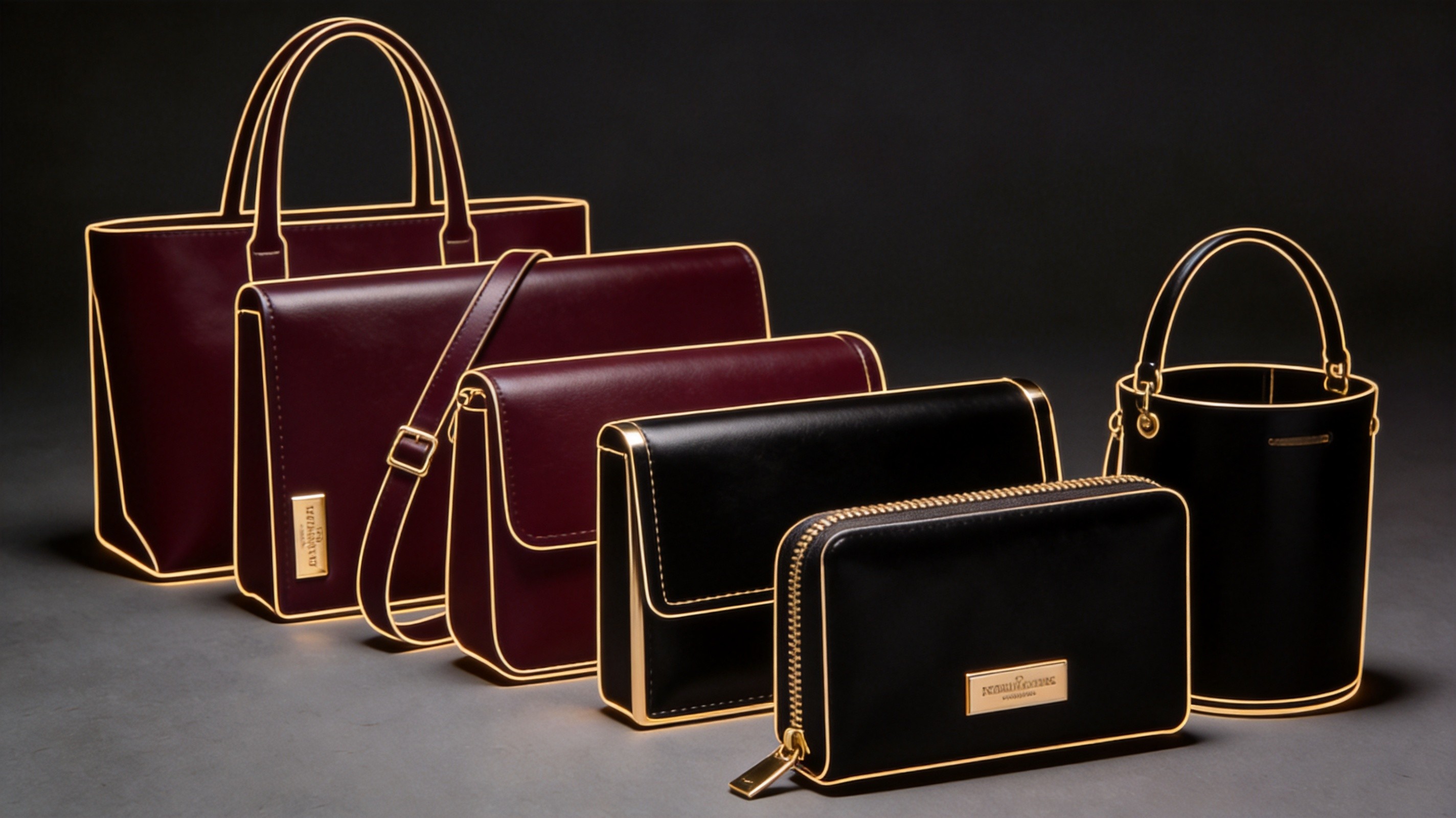
Precision cutting forms the foundation of quality handbag construction
Why Cut-and-Sew Quality Defines Handbag Durability
A handbag lives and dies by its construction quality. The cut determines material efficiency, structural integrity, and design accuracy. The sewing determines seam strength, visual consistency, and long-term durability. Together, these two phases account for roughly 60 percent of the total value creation in handbag manufacturing.
When customers evaluate a bag, they instinctively examine stitch straightness, seam alignment, edge finishing, and hardware attachment points. These are all products of the cut-and-sew phase. A bag with perfectly cut pieces assembled with precise, consistent stitching immediately communicates quality. Visible misalignment, loose threads, or uneven tension signals budget manufacturing regardless of material quality.
The Cost of Poor Cut-and-Sew Quality
Defective sewing leads to seam failure under load, which is the most common cause of handbag returns and warranty claims. Poor cutting results in mismatched pieces, wasted material, and assembly difficulties that slow production and increase labor costs. Factories with strong cut-and-sew capabilities produce bags that maintain their structural integrity through years of daily use, building brand reputation and reducing after-sales costs. Our manufacturing services emphasize these foundational techniques in every production run.
Pattern Making — Digital vs Manual Methods
Pattern making translates a handbag design into precise flat templates that guide material cutting. It is the first technical step after design finalization and directly impacts material yield, assembly accuracy, and design fidelity.
Manual Pattern Making
Traditional pattern makers use cardboard, paper, or plastic sheets to create templates by hand. They work from design drawings and physical samples, measuring and marking each piece with rulers, compasses, and French curves. Manual pattern making excels for one-off samples and complex sculptural designs that resist digitization. Experienced pattern makers develop intuitive understanding of how flat pieces translate into three-dimensional bag shapes.
Digital Pattern Making
Computer-aided design (CAD) software like Lectra, Gerber, and Optitex enables digital pattern creation with precise measurements and automatic grading for size variations. Digital patterns integrate directly with CNC cutting machines and nesting software that optimizes material layout. For production runs exceeding 100 pieces, digital patterns provide superior consistency and material efficiency. The initial investment in digital pattern development pays for itself through reduced material waste and faster replication across colorways.
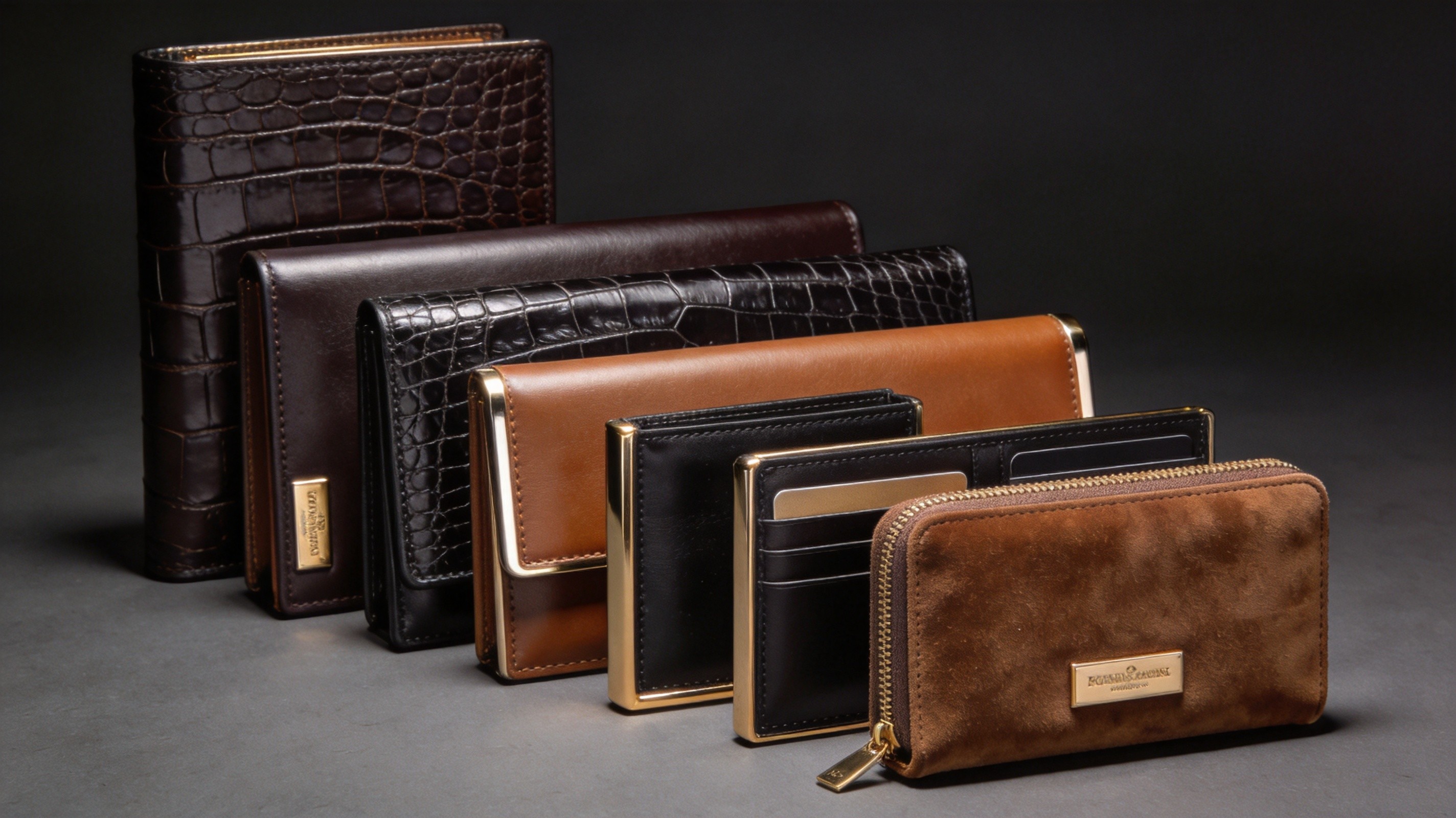
Modern pattern making combines digital precision with artisan craftsmanship experience
Cutting Techniques — Clicker Press, Band Saw, Laser and CNC
The cutting method selected depends on material type, thickness, precision requirements, and production volume. Professional handbag factories maintain multiple cutting capabilities to handle diverse materials efficiently.
| Cutting Method | Best For | Precision | Speed | Cost Range |
|---|---|---|---|---|
| Clicker Press | Leather, thick materials | ±0.3mm | Medium | $0.02 – $0.10/piece |
| Band Saw | Fabric, multi-layer | ±0.5mm | High | $0.01 – $0.05/piece |
| Straight Knife | Fabric stacks (up to 10cm) | ±0.5mm | Very High | $0.005 – $0.02/piece |
| Laser Cutting | Synthetic fabrics, precise details | ±0.1mm | Medium | $0.03 – $0.15/piece |
| CNC Router | Leather, rigid materials | ±0.2mm | Medium | $0.02 – $0.12/piece |
| Hand Cutting | Samples, exotic leathers | ±1.0mm | Low | $0.10 – $0.50/piece |
Clicker Press Operations
The clicker press uses a hydraulic or pneumatic ram to drive a steel-rule die through leather or thick material. The die is custom-made for each pattern piece. Operators position the hide, align the die, and activate the press. This method produces clean, repeatable cuts ideal for production quantities. Die costs range from $20 to $80 per piece shape, making this method economical for orders exceeding 50 pieces per style. Learn more about factory capabilities on our about page.
Leather Cutting — Hand Cutting vs Machine Precision
Leather cutting demands special consideration due to the material's natural variations, grain direction sensitivity, and high per-unit cost. Unlike fabric, each hide is unique with different thickness zones, natural marks, and stretch characteristics.
Hand Cutting Techniques
Master leather cutters use sharp round knives, head knives, and special skiving knives to cut pieces freehand from templates. This approach maximizes hide utilization by allowing the cutter to navigate around natural defects and optimize grain direction. Hand cutting remains essential for exotic leathers (crocodile, ostrich, python) where pattern placement within the hide's unique pattern is critical. Skilled hand cutters achieve 85 to 90 percent hide utilization compared to 70 to 80 percent for die cutting.
Machine-Assisted Leather Cutting
CNC leather cutting systems use oscillating knives or laser beams guided by digital patterns. They offer superior speed and consistency for standard leathers. Modern systems include cameras that scan each hide, automatically detecting defects and optimizing nest placement. These systems excel in factories processing high volumes of standard leather goods where consistency matters more than individual hide optimization.
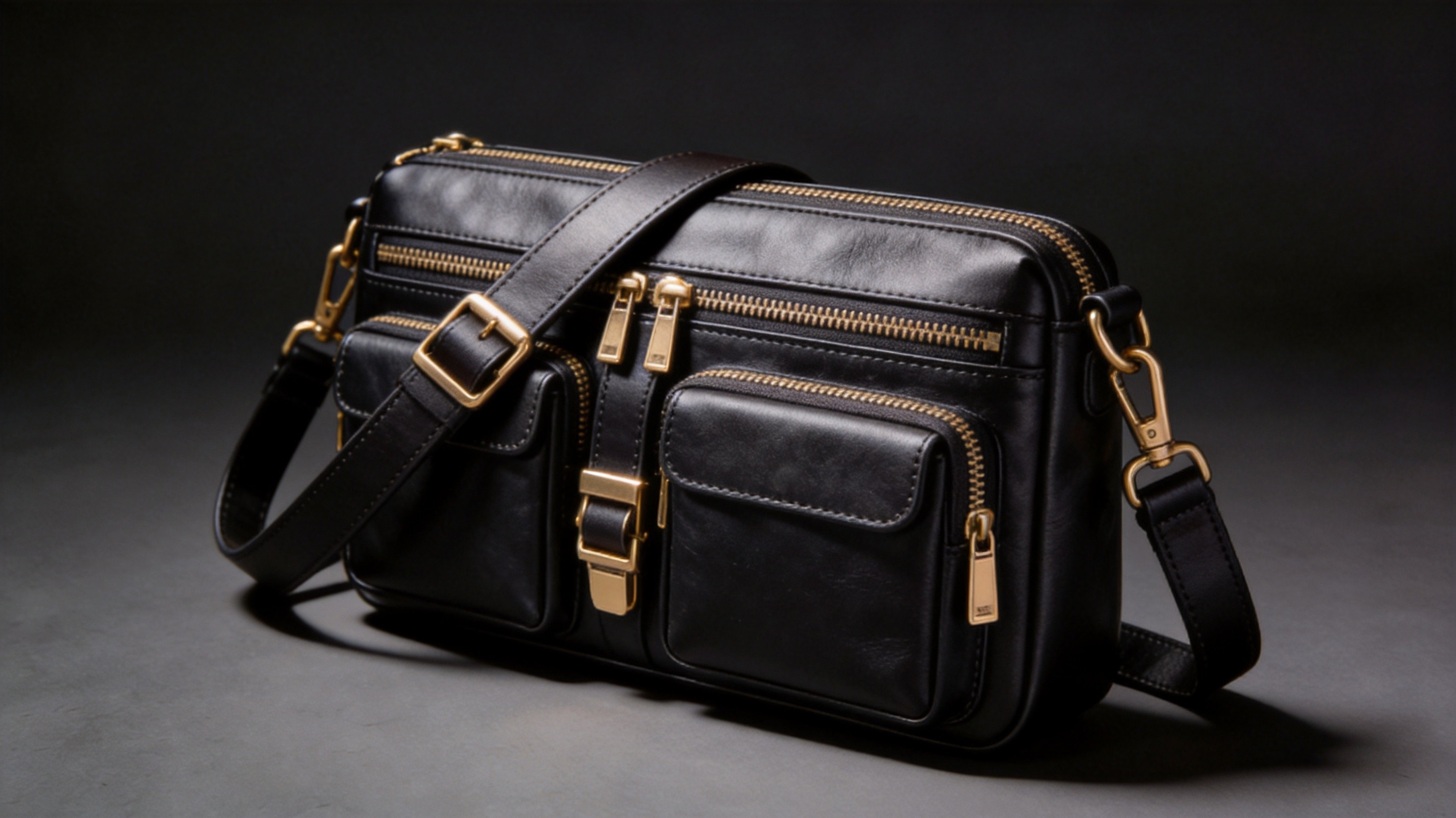
Hand cutting remains essential for exotic leathers and precision pattern placement
Fabric Cutting — Layer Cutting and Single-Ply Methods
Fabric cutting operates differently from leather cutting because fabric comes in rolls rather than individual sheets. This enables layer cutting where multiple plies are stacked and cut simultaneously, dramatically increasing throughput.
Layer Cutting with Straight Knife
The straight knife machine cuts through fabric stacks up to 10 centimeters thick. Operators spread fabric in continuous layers on a cutting table, ensuring alignment and tension consistency. A single pass can cut 20 to 100 layers depending on fabric thickness. This method dominates production cutting for fabric handbags due to its speed and efficiency.
Single-Ply Cutting for Precision
Some fabrics require single-ply cutting to maintain pattern alignment, especially printed fabrics with directional designs, plaids, or stripes. Single-ply cutting also prevents edge distortion that occurs in thick stacks. Round knife machines and vertical cutters handle single-ply work efficiently. While slower than layer cutting, single-ply methods ensure pattern matching accuracy essential for premium fabric bags.
Sewing Machine Types Used in Handbag Production
Handbag factories use specialized sewing machines selected for the specific demands of bag construction. Unlike garment sewing, bag sewing requires machines that handle thick materials, multiple layers, and heavy-duty thread.
Flatbed Industrial Machines
Standard flatbed lockstitch machines handle general seaming operations. They use drop-feed or walking-foot mechanisms to move material through the sewing area. Walking foot machines are preferred for bags because they feed top and bottom layers evenly, preventing shifting on thick seams. Typical machines operate at 1,500 to 2,500 stitches per minute with adjustable presser foot pressure.
Cylinder-Arm and Post-Bed Machines
Cylinder-arm machines sew around curved surfaces and three-dimensional shapes. Their narrow, cylindrical sewing area fits inside partially assembled bags, enabling operations impossible on flatbed machines. Post-bed machines use a vertical column instead of a flat surface, ideal for sewing around corners and attaching straps to assembled bags. These specialized machines handle the complex geometries that define handbag construction.
Computerized Pattern Sewing
Programmable sewing machines execute pre-defined stitch patterns automatically. They are used for decorative stitching, monogram application, and repetitive seam patterns. Once programmed, these machines produce identical results across hundreds of units, ensuring visual consistency in production runs. Our factory operates over 300 sewing stations equipped with both manual and computerized machines. Contact us at service@junyuanbags.com to discuss your production requirements.
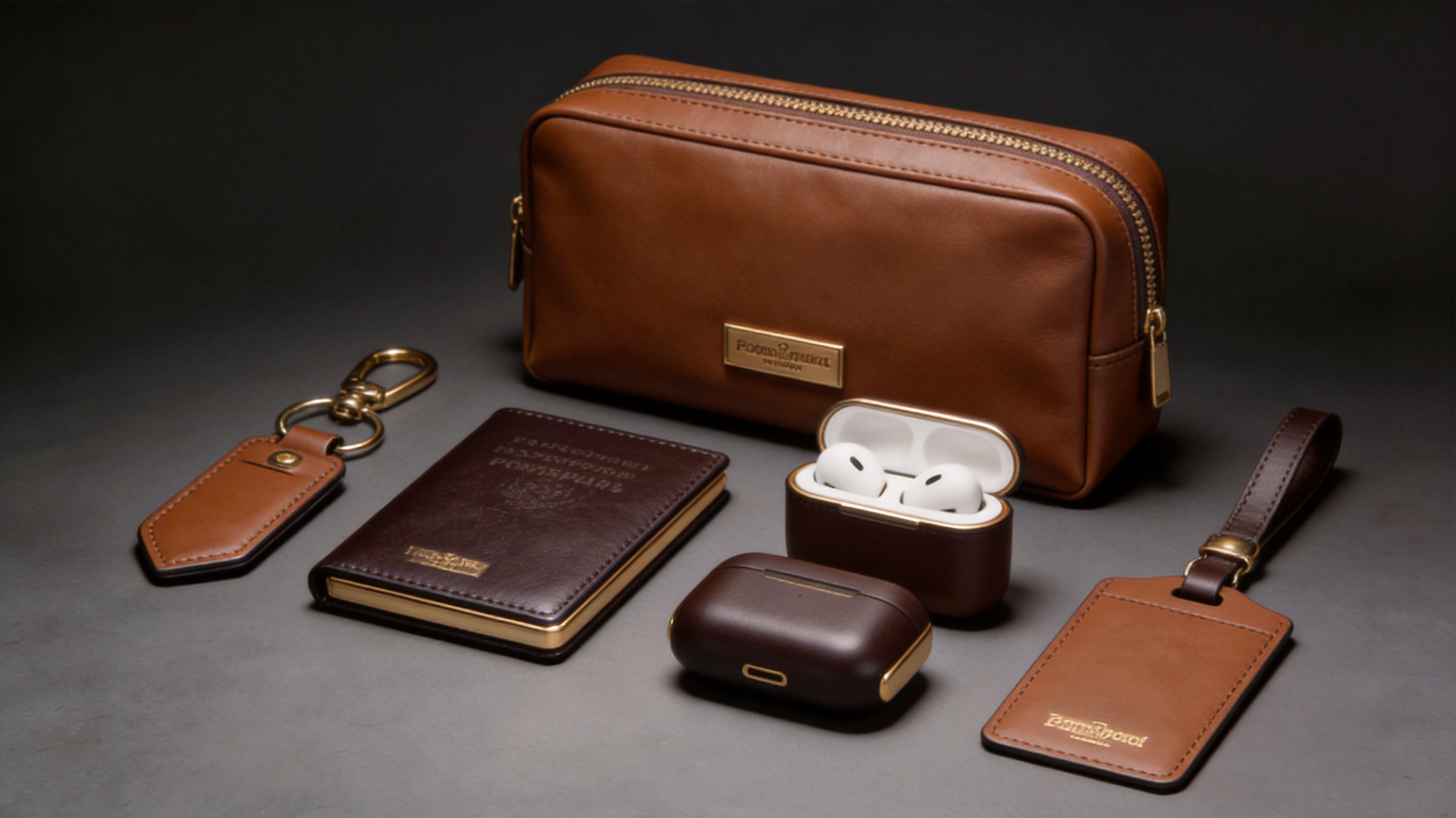
Professional sewing stations equipped for the demands of bag construction
Stitch Types — Lockstitch, Chain Stitch and Decorative Stitches
The stitch type determines seam strength, appearance, elasticity, and failure behavior. Selecting the correct stitch for each seam location is a fundamental skill in bag manufacturing.
| Stitch Type | Strength | Elasticity | Appearance | Common Application |
|---|---|---|---|---|
| Lockstitch (301) | High | Low | Identical both sides | Structural seams, topstitching |
| Chain Stitch (101) | Medium | High | Chain on underside | Decorative, temporary basting |
| Double Lockstitch (304) | Very High | Low | Double thread visible | Heavy-duty structural seams |
| Overlock (504) | Medium | High | Serged edge | Edge finishing, fabric bags |
| Saddle Stitch | High | Low | Hand-look diagonal | Luxury leather goods |
| Zigzag (304) | Medium | Very High | Z-shaped pattern | Elastic seams, reinforcement |
Lockstitch — The Workhorse of Bag Construction
The lockstitch (ISO 301) is the most common stitch in handbag production. It uses a needle thread and bobbin thread that interlock within the material. Both sides look identical, and the stitch does not unravel if one stitch breaks. For luxury bags, double-needle lockstitch creates parallel topstitch lines in a single pass, ensuring perfectly uniform spacing. See our guide on thread and stitching quality standards for detailed specifications.
Seaming Techniques — French Seam, Flat-Fell and Bound Seams
Seaming techniques determine how material edges are enclosed and finished within the seam structure. The choice affects interior appearance, durability, bulk, and production complexity.
French Seam
A French seam encloses raw edges completely by sewing wrong sides together first, trimming the seam allowance, then sewing right sides together. The result is a clean, self-finished interior seam with no exposed edges. French seams are ideal for unlined fabric bags where interior appearance matters. They add some bulk, making them less suitable for thick leather applications.
Flat-Fell Seam
The flat-fell seam creates a strong, flat join by folding one seam allowance inside the other and stitching it down. This technique produces an extremely durable seam with minimal bulk and a distinctive double-row topstitch appearance on the exterior. It is common in canvas bags, travel bags, and designs where a clean flat interior without lining is desired.
Bound Seam
Bound seams enclose raw edges with a separate binding strip of fabric or leather. This method provides excellent durability and a premium interior finish. It is labor-intensive but produces the most refined appearance for high-end unlined bags. The binding strip can be self-material or contrast material for decorative effect.
Seam finishing techniques vary by material type and design requirements
Edge Finishing During Assembly — Skiving, Folding and Gluing
Edge finishing during assembly prepares leather edges before they are sewn or left exposed. Proper edge preparation ensures clean seam lines, reduced bulk at joins, and professional appearance throughout the bag.
Skiving
Skiving thins the leather at seam allowances and fold lines using a specialized blade or machine. This reduces bulk where multiple layers overlap, creating smooth transitions and preventing visible thickness at edges. Skiving is essential for folded edges, pocket openings, and any location where leather layers must lie flat. Manual skiving with a head knife offers precision control, while skiving machines provide consistency for high-volume production.
Folding (Edge Folding)
Folding creates clean finished edges by folding leather over itself and adhering it with contact cement. This technique produces a smooth, rounded edge that requires no painting or binding. It is commonly used for straps, handles, pocket flaps, and decorative panels. The fold must be skived to the correct thickness before folding to maintain consistent edge profile.
Gluing and Cementing
Contact cement holds pieces together during sewing and creates permanent bonds for non-sewn applications. Water-based adhesives are increasingly preferred over solvent-based options for environmental and worker safety reasons. Proper gluing technique includes even application, correct open time, and precise alignment before pressing. Excess adhesive must be cleaned before it sets to prevent visible marks on the finished surface.
Gusset Construction Methods for Structure and Shape
Gussets are the side and bottom panels that give handbags their three-dimensional shape and volume. Gusset construction is one of the most technically demanding aspects of bag assembly because it joins multiple pieces at compound angles.
Single-Piece Gusset
A single piece of material wraps from one side of the front panel around the bottom to the other side. This creates a clean U-shaped profile with fewer seams. It is common in structured satchels and totes. The gusset width determines bag depth, and the gusset must be precisely cut to match the front and back panel curves.
Multi-Panel Gusset
Complex bags use multiple gusset panels to create angular or curved profiles. A four-panel gusset creates a boxy rectangular shape. A gusset with pleats or expansion folds allows the bag to expand when contents require more space. Each additional panel adds a seam and a potential failure point, so multi-panel gussets require precise construction and reinforcement at junction points.
Handle and Strap Attachment Techniques
Handle attachment is the most stress-critical operation in bag assembly. Handles bear the entire weight of the bag and its contents, and attachment points experience concentrated force with every lift.
Reinforced Tab Attachment
The most common method uses reinforced leather or fabric tabs that distribute handle load across a larger area of the bag body. The tab is sewn to the bag with a rectangular or X-pattern stitch that provides exceptional pull strength. Proper reinforcement includes a backing plate inside the bag and adhesive bonding between layers.
Through-Body Attachment
Premium bags often route handles through the bag body, with the handle ends sandwiched between exterior and lining layers. This method eliminates visible attachment hardware and creates an exceptionally strong connection. It requires precise assembly sequencing because the handle must be installed before the bag is fully closed. This technique is visible in many high-end tote designs where handles emerge seamlessly from the bag silhouette.

Reinforced handle attachment ensures bags withstand years of daily carrying
Lining Installation Methods
Lining installation gives bags a clean interior, conceals seam allowances, and adds structural support. The method varies based on bag design and lining material.
Drop-In Lining
The lining is assembled as a separate bag shape and dropped inside the exterior shell. The two are joined at the top edge before the binding or zipper is installed. This method is efficient and works well for structured bags with stable exteriors. The lining hangs freely inside, creating a smooth interior surface.
Built-In Lining
In built-in construction, the lining is sewn to the bag body at specific internal points (pocket edges, seam lines) before the bag is assembled. This creates a more integrated feel where the lining moves with the bag rather than hanging independently. It requires more complex assembly sequencing but produces a premium interior experience. Our product collection demonstrates various lining approaches across different bag styles.
Zipper and Closure Installation Best Practices
Zipper installation requires precision alignment and specialized presser feet. A poorly installed zipper creates visible rippling, uneven teeth exposure, or fabric catching during operation.
Concealed Zipper Installation
For concealed zippers, a specialized foot rolls the coil open during sewing, allowing the seam to sit flush against the teeth. The zipper becomes nearly invisible from the exterior, creating a clean design line. This technique requires precise seam allowance control and steady material feeding.
Exposed Zipper Installation
Exposed zippers are topstitched in place with the teeth visible on the bag exterior. Topstitch lines must be parallel and evenly spaced. Some designs use double topstitch lines for decorative effect. The zipper tape must be secured flat against the bag material without puckering. For metal zippers on luxury bags, the slider direction and pull tab orientation must be consistent across all units. For more details on hardware installation, read our hardware guide.
Common Assembly Defects and Prevention
Understanding common defects enables brand owners to identify quality issues during factory inspections and communicate corrective actions effectively.
| Defect Type | Root Cause | Prevention Method | Severity |
|---|---|---|---|
| Uneven Topstitch | Inconsistent material feed, wrong tension | Walking foot, regular tension checks | Medium |
| Skipped Stitches | Dull needle, incorrect needle size | Needle change every 8 hours, size matching | High |
| Puckered Seams | Excessive thread tension, fabric distortion | Tension adjustment, proper material handling | Medium |
| Misaligned Patterns | Imprecise cutting, shifting during sewing | Notch marks, basting before final sewing | High |
| Broken Stitches | Thread quality, needle damage to thread | Quality thread, correct needle groove size | Critical |
| Edge Paint Bleeding | Excess paint, insufficient masking | Precision application, edge tape protection | Medium |
| Loose Hardware | Insufficient post setting, wrong post length | Post length verification, setting pressure check | Critical |
| Wrinkled Lining | Insufficient lining ease, poor attachment | Correct lining pattern ease, tacking points | Low |
Prevention Through Process Control
The most effective defect prevention happens through structured process control rather than end-of-line inspection. This includes first-piece inspection at every operation change, in-process quality checks at defined intervals, and operator self-inspection training. Factories with robust quality systems catch and correct issues at the station where they occur rather than discovering them after assembly is complete. Our quality control guide details how professional inspection systems operate.
Quality Metrics for Cut-and-Sew Operations
Professional factories track specific metrics to quantify cut-and-sew performance and drive continuous improvement. Understanding these metrics helps brand owners evaluate factory capabilities and set appropriate quality expectations.
Key Performance Indicators
- First Pass Yield (FPY): Percentage of bags that pass final inspection without rework. Target: 95% or above for premium bags.
- Stitch Density Consistency: Measured stitches per inch across all seams. Variation should not exceed ±0.5 stitches per inch.
- Material Yield: Ratio of finished piece area to raw material area. Target: 75-85% for leather, 88-95% for fabric.
- Rework Rate: Percentage of bags requiring repair after initial assembly. Target: below 5%.
- Seam Pull Strength: Force required to break a seam. Minimum 80N for structural seams on bags rated for 5kg+ load.
- Dimensional Accuracy: Deviation from spec measurements. Target: ±2mm on all critical dimensions.
Factory Insight
Our 30,000 sqm facility in Quanzhou employs over 300 skilled workers across dedicated cutting and sewing departments. Each production line has inline quality checkpoints that catch defects before they propagate downstream. With 20 years of handbag manufacturing experience, we maintain first-pass yields consistently above 96% across all bag categories. We welcome factory visits and audit requests from qualified buyers.
Inline quality checkpoints ensure defects are caught before they reach final assembly
Ready to Partner with a Cut-and-Sew Expert Factory?
Our 20+ years of handbag manufacturing experience covers every cutting technique, stitch type, and assembly method. With 300+ skilled workers and a 30,000 sqm facility, we deliver consistent quality at scale. MOQ starts at 200 pcs/style.
Email: service@junyuanbags.com | WhatsApp: +86 17750020688
Request a QuoteFrequently Asked Questions
What is the most common cutting method used in handbag factories?
The clicker press is the most widely used cutting method for leather and thick materials. It uses a hydraulic press with steel-rule dies to cut precise shapes. For fabric, band saw and straight knife machines are preferred. Laser cutting is growing for synthetic materials and precision work.
How many stitches per inch should a quality handbag have?
Quality handbags should have 6 to 8 stitches per inch for structural seams. Luxury bags may use 8 to 10 stitches per inch for finer detail work. Fewer than 5 stitches per inch indicates weak seams prone to failure.
What is the difference between lockstitch and chain stitch in bag making?
Lockstitch uses two threads that interlock within the material and will not unravel if one stitch breaks. Chain stitch uses a single thread forming loops and will unravel if the thread breaks. Most structural bag seams use lockstitch for its security and identical appearance on both sides.
What is a French seam and when is it used in handbag production?
A French seam encloses raw edges completely by sewing wrong sides first, trimming, then sewing right sides together. It is used for unlined bags and lightweight fabric bags where interior appearance matters. It adds bulk, so it is unsuitable for thick leather.
How long does it take to sew a standard handbag?
A standard mid-size handbag requires 2 to 4 hours of sewing time. Complex designs with multiple compartments can take 4 to 8 hours. Simple clutches may be completed in under 90 minutes. Total time includes cutting, edge finishing, and hardware installation.
What causes uneven stitching and how is it prevented?
Uneven stitching results from incorrect thread tension, worn presser feet, inconsistent material feed, or operator fatigue. Prevention includes regular machine calibration, proper presser foot pressure, consistent guiding techniques, and scheduled operator breaks with inline quality checks.
Continue Exploring
Deepen your manufacturing knowledge with our related guides: Step-by-Step Manufacturing Process, Thread and Stitching Standards, and Quality Control Guide. Visit our solutions page or contact us for project-specific guidance.
Limitations and Scope of This Guide
This guide covers cut-and-sew techniques used in modern handbag production, including pattern making, assembly methods, and quality considerations. It is based on our experience as a handbag manufacturer in Quanzhou, China, serving brands worldwide since 2004. Key limitations to keep in mind:
- Techniques described are applicable to leather, PU, and fabric handbags. Non-traditional materials (molded plastics, 3D-printed components) require entirely different processes.
- Production speed and cost comparisons assume a factory with 200+ workers and modern equipment. Smaller workshops may have different capabilities and efficiencies.
- Quality benchmarks referenced are based on mid-to-premium market expectations. Luxury-grade finishing involves additional hand-work steps not detailed here.
For advice tailored to your specific situation, contact our team directly.