Table of Contents
- Why Sampling Is the Foundation of Successful Handbag Production
- Types of Samples — Proto, Fit, Salesman and Pre-Production
- The Proto Sample — First Physical Representation of Your Design
- The Fit Sample — Testing Proportions and Ergonomics
- The Salesman Sample — For Trade Shows and Buyer Presentations
- The Pre-Production (PP) Sample — Final Approval Before Bulk
- Sample Timeline — How Long Each Stage Takes
- Sample Costs — What You Should Expect to Pay
- What to Include in a Sample Request
- How to Review and Approve a Sample
- Common Sampling Mistakes and How to Avoid Them
- Revisions — How Many Rounds Are Normal
- Sample Shipping — Methods and Costs
- From Sample to Bulk Production — Transition Checklist
- Managing Multiple Sample Requests with One Factory
- Frequently Asked Questions
The sampling process is where designs transition from paper to physical reality. It is the most critical phase of handbag product development because every decision validated during sampling prevents costly errors during bulk production. A well-executed sampling process builds confidence between brand owner and factory, establishes quality baselines, and creates the reference standards that govern production quality. A poorly managed sampling process leads to miscommunication, repeated revisions, delayed timelines, and production quality that fails to match expectations.
This guide provides a complete walkthrough of the handbag sampling process, covering every sample type, timeline expectation, cost consideration, and review methodology. For the broader manufacturing context, see our manufacturing process guide. For quality control during production, see our factory QC guide.
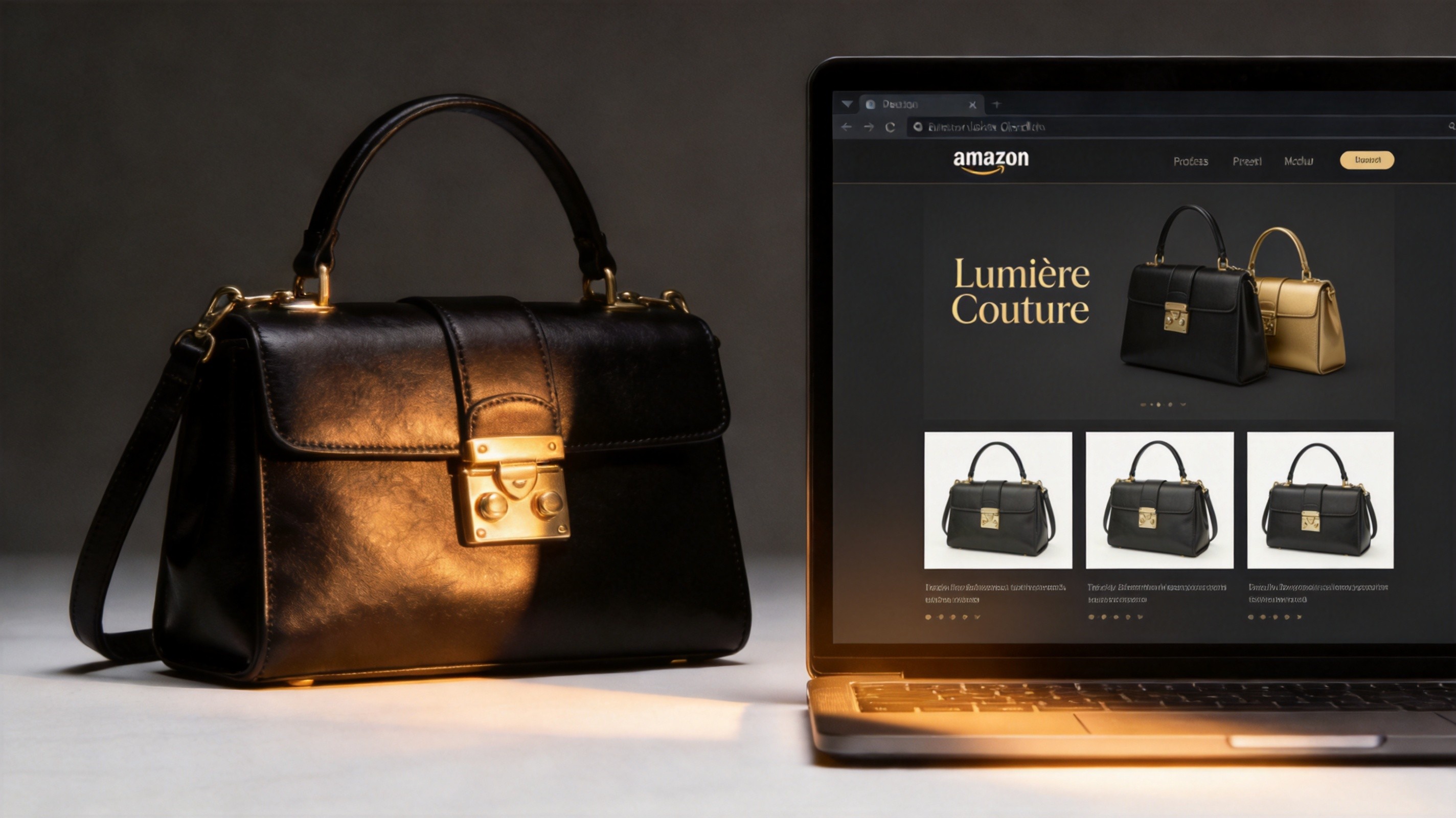
The sampling process transforms design concepts into production-ready physical references through multiple iterative stages
Why Sampling Is the Foundation of Successful Handbag Production
Sampling serves multiple essential functions in handbag product development. It validates that a design can be physically constructed, reveals proportion and balance issues invisible in drawings, tests material compatibility, confirms hardware functionality, and establishes the quality standard that all production units must match. The cost of a sample — typically $100 to $400 — is negligible compared to the risk of producing 2,000 bags that do not meet expectations.
The Cost of Skipping Proper Sampling
Brand owners who rush into production without adequate sampling frequently encounter problems: proportions look wrong in three dimensions, pockets placed incorrectly, hardware misaligned, materials behave differently than expected, or construction details prove impossible to execute at scale. Correcting these issues during production costs 10 to 50 times more than addressing them during sampling. Our product development services include comprehensive sampling support to prevent these costly surprises.
Types of Samples — Proto, Fit, Salesman and Pre-Production
The sampling process involves multiple sample types, each serving a specific purpose. Understanding these distinctions helps you request the right sample at the right time and evaluate each sample against appropriate criteria.
| Sample Type | Purpose | Materials | Timeline | Cost Range |
|---|---|---|---|---|
| Proto Sample | Design validation, feasibility check | Available similar materials | 10–15 days | $100 – $250 |
| Fit Sample | Proportion and ergonomics testing | Actual or closest available materials | 7–12 days | $80 – $200 |
| Salesman Sample | Trade shows, marketing, buyer presentations | Production-intent materials | 10–15 days | $150 – $400 |
| PP Sample | Final production approval reference | Exact production materials | 7–10 days | $120 – $350 |
The Proto Sample — First Physical Representation of Your Design
The proto sample is the first three-dimensional realization of your design. Its primary purpose is to validate that the design works as a physical object. Proportions, construction sequence, material compatibility, and overall aesthetic are evaluated at this stage.
What to Expect from a Proto Sample
A proto sample may use substitute materials if the exact production materials are not yet available. The factory uses similar-weight leather, comparable fabric, and available hardware to create the first physical version. The focus is on design validation rather than material perfection. Expect some differences between the proto and the final product — this is normal and expected. Key evaluation areas include overall proportions, pocket placement and size, strap comfort and attachment, closure operation, and structural integrity.
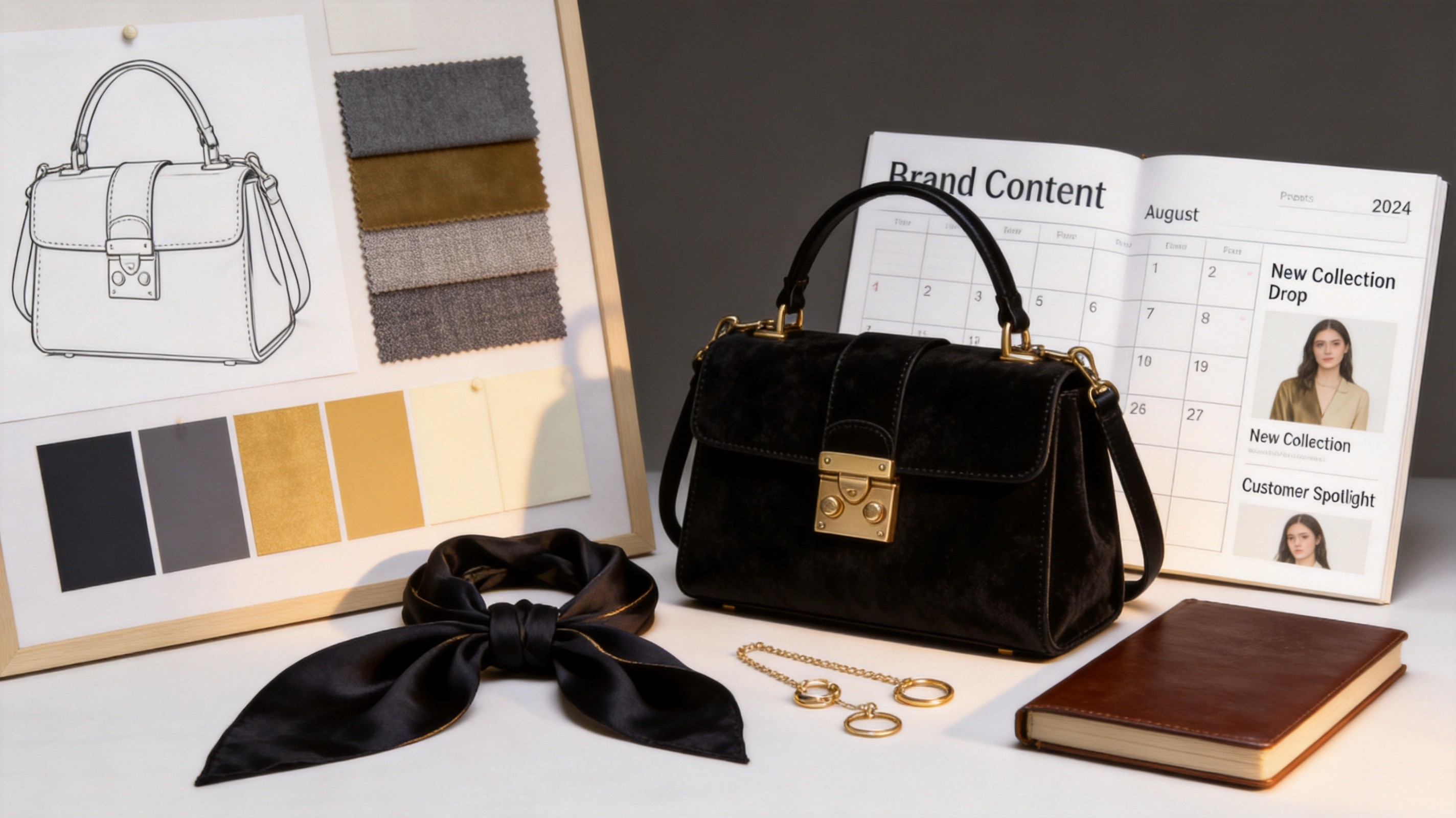
Proto samples validate design concepts before committing to production-intent materials
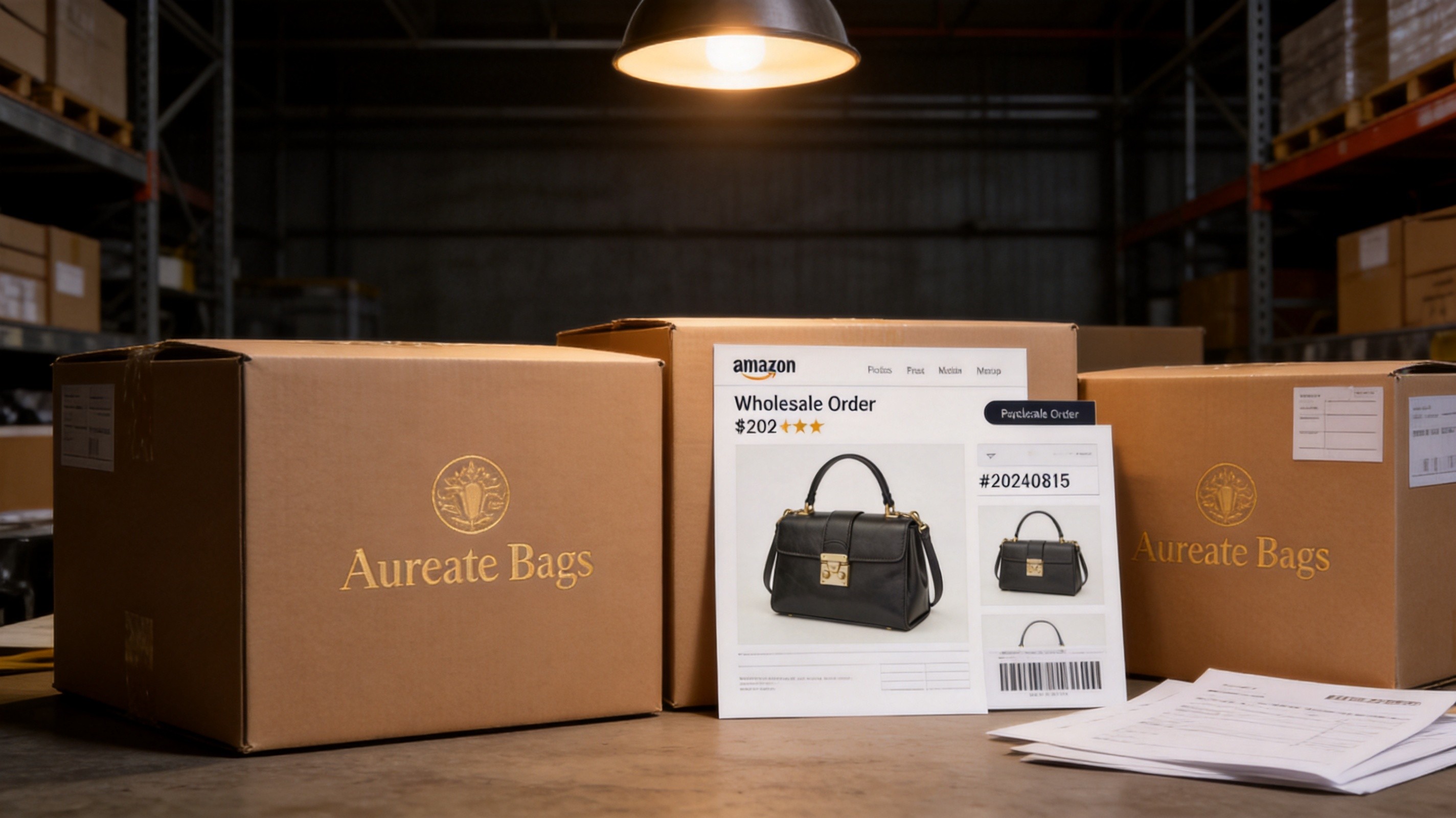
Each sampling stage brings the design closer to production-ready specifications
The Fit Sample — Testing Proportions and Ergonomics
The fit sample refines the proto sample based on initial feedback. It focuses on proportion adjustments, ergonomic testing, and construction refinement. The fit sample uses materials closer to production specifications and incorporates any design changes identified during proto review.
Fit Evaluation Criteria
- Bag sits correctly on the shoulder or crosses the body at the intended angle
- Strap drop length is comfortable for the target customer
- Interior compartments accommodate intended contents (phone, wallet, keys)
- Weight distribution feels balanced when carried
- Opening provides adequate access to interior
The Salesman Sample — For Trade Shows and Buyer Presentations
A salesman sample (also called a showroom sample) is a fully finished sample using production-intent materials, finishes, packaging, and labeling. It serves as the representative unit for trade shows, wholesale buyer presentations, e-commerce photography, and marketing materials. Salesman samples are often produced before bulk orders are confirmed to support sales efforts.
Salesman Sample Quality Standard
Salesman samples must meet final production quality standards because they represent the product to potential buyers. Every detail — stitching, edge finishing, hardware, labeling, packaging — must match what the customer will receive. These samples are typically produced on the same production line using the same processes as bulk units. Our factory produces salesman samples that accurately represent bulk production quality. Contact us at service@junyuanbags.com for sample requests.
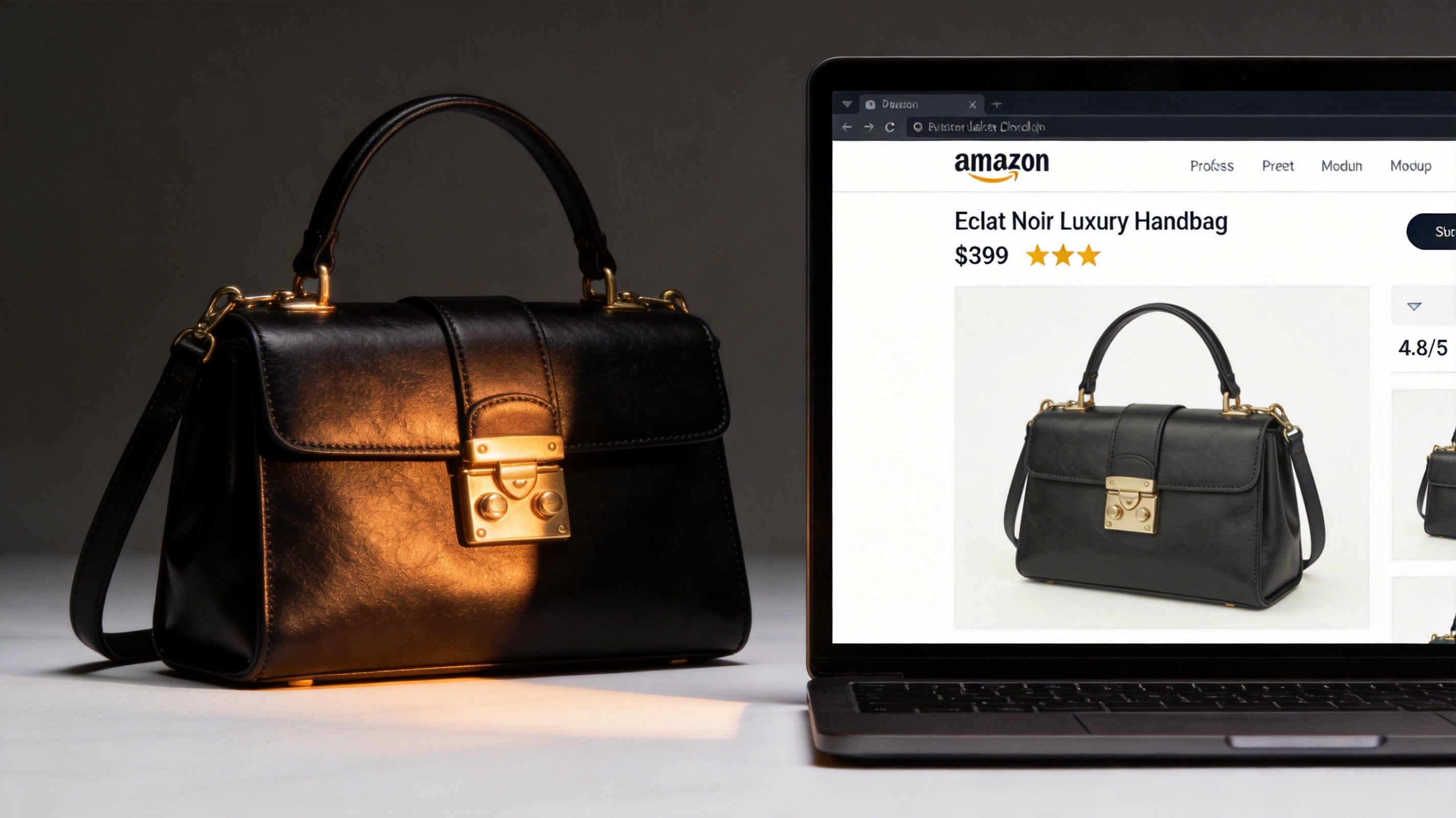
The pre-production sample serves as the quality benchmark for all subsequent production
The Pre-Production (PP) Sample — Final Approval Before Bulk
The PP sample is the most important sample in the entire process. It is made using exact production materials, hardware, trims, and processes. It serves as the gold standard that every unit in the bulk production run must match. No bulk production begins until the PP sample is approved by the buyer.
PP Sample Significance
The approved PP sample becomes the contractual quality reference. During production QC inspections, finished bags are compared directly against the PP sample for color, material, stitching, hardware, dimensions, and overall appearance. Any deviation from the PP sample constitutes a quality defect. For this reason, thorough PP sample review is essential. Examine every detail carefully before providing approval. Our solutions team provides detailed PP sample review checklists to guide your evaluation.
Sample Timeline — How Long Each Stage Takes
Understanding sample timelines enables effective project planning and realistic market launch scheduling.
| Stage | Factory Time | Shipping | Buyer Review | Total per Round |
|---|---|---|---|---|
| Proto Sample | 10–15 days | 3–7 days | 3–5 days | 16–27 days |
| Proto Revision | 7–12 days | 3–7 days | 3–5 days | 13–24 days |
| Fit Sample | 7–12 days | 3–7 days | 3–5 days | 13–24 days |
| PP Sample | 7–10 days | 3–7 days | 3–5 days | 13–22 days |
| Complete Process (3-4 stages) | 31–49 days | 9–21 days | 9–15 days | 49–85 days total |
Sample Costs — What You Should Expect to Pay
Sample costs vary based on design complexity, material requirements, and the number of revision rounds. Understanding typical costs helps you budget appropriately for product development.
Cost Factors
A simple tote bag with standard materials costs less to sample than a complex multi-compartment satchel with custom hardware. Proto samples using substitute materials cost less than PP samples using production materials. Custom hardware molds add $200 to $500 to the first sample. Most factories offer sample cost credit against bulk orders — our policy credits all sample costs when the order exceeds 500 pieces per style.
What to Include in a Sample Request
A complete sample request provides the factory with everything needed to produce an accurate sample without clarification delays. Include: technical drawings with dimensions, reference photos or physical reference bags, material specifications with Pantone colors, hardware specifications, construction details, stitching requirements, and any specific concerns or areas to focus on. The more information provided, the more accurate the first sample will be.
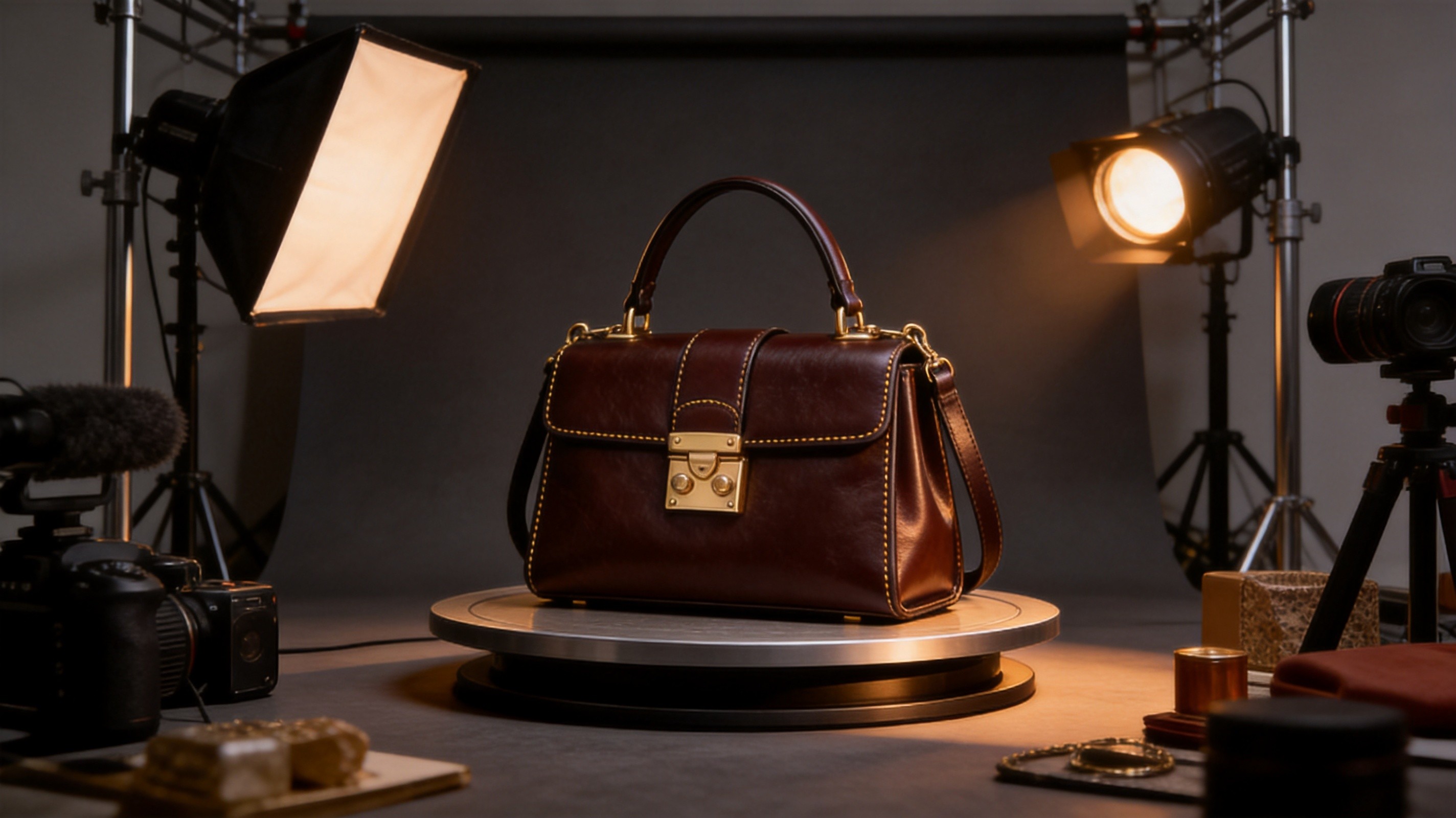
Thorough sample review against specifications ensures production-ready approval
How to Review and Approve a Sample
Systematic sample review prevents oversight of critical issues. Use a standardized checklist covering every aspect of the sample. Photograph any issues found and mark them directly on the sample with removable markers. Provide feedback in a structured format that addresses each concern with specific, actionable correction instructions.
Review Checklist
- Overall proportions and silhouette match design intent
- Dimensions within specified tolerances
- Material quality and color match specifications
- Stitching quality: SPI, tension, consistency
- Hardware function and alignment
- Edge finishing quality
- Interior finish and pocket construction
- Strap comfort and attachment security
- Closure operation and security
- Labeling and branding placement
| Revision Type | Additional Cost | Time Added | Common Causes |
|---|---|---|---|
| Minor Color Adjustment | $50–$150 | 3–5 days | Color mismatch with Pantone reference |
| Size or Proportion Change | $100–$300 | 5–7 days | Fit issues, capacity problems |
| Material Substitution | $150–$500 | 7–14 days | Material unavailable or unsuitable |
| Hardware Redesign | $200–$800 | 10–20 days | Custom mold needed, function issues |
| Structural Redesign | $300–$1,000 | 10–21 days | Fundamental design flaw discovered |
The sample development process often reveals design challenges that were not apparent in the initial technical drawings. Three-dimensional bags must accommodate real-world objects of specific dimensions — laptops, water bottles, makeup cases — while maintaining their designed proportions and structural integrity. A bag that looks elegant in a CAD rendering may prove too shallow for standard items, or the opening may be too narrow for practical access. These functional issues only surface during physical sampling, making the proto sample stage essential for identifying design modifications before significant resources are committed to production tooling and material procurement.
Communication between the buyer and factory during the sampling phase requires precision and discipline. Vague instructions such as make the strap longer or use darker hardware lead to multiple revision rounds that waste time and increase costs. Effective communication specifies exact measurements, references Pantone color codes, provides physical swatches when possible, and documents all changes in written amendment forms. Many successful brands maintain a sample tracking spreadsheet that records each sample type, submission date, review comments, revision requests, and approval status. This systematic approach reduces misunderstandings and keeps the sampling timeline on track.
Sample approval should never be rushed despite pressure to begin production. A sample that is approved with reservations — such as noting that the zipper feels stiff but approving it anyway — inevitably leads to customer complaints when the same issue appears across hundreds of production units. The proper approach is to clearly communicate all concerns to the factory, request specific corrections, and wait for a revised sample that addresses every outstanding issue. The cost of a single additional sample round, typically $150 to $500, is negligible compared to the cost of receiving 500 defective bags and the reputational damage that follows.
Common Sampling Mistakes and How to Avoid Them
Understanding common mistakes helps you avoid costly sampling errors and delays.
- Insufficient initial specifications: Vague requests lead to inaccurate first samples. Invest time in detailed tech packs before requesting samples.
- Approving samples too quickly: Rushing approval to save time leads to production problems. Take time for thorough review.
- Not requesting PP samples: Some buyers skip the PP sample to save time. This is a critical error — the PP sample is your primary quality reference.
- Inconsistent feedback: Providing different feedback to different factory contacts creates confusion. Centralize communication through one contact person.
- Changing design during production sampling: Each design change restarts the sampling clock. Finalize designs before entering the sampling process.
Revisions — How Many Rounds Are Normal
Two to three revision rounds are standard for most handbag designs. Simple designs may require only one round. Complex designs with custom hardware, multiple material combinations, or innovative construction techniques may require four or five rounds. Each revision round adds 7 to 15 days to the timeline, so plan accordingly in your product development schedule.
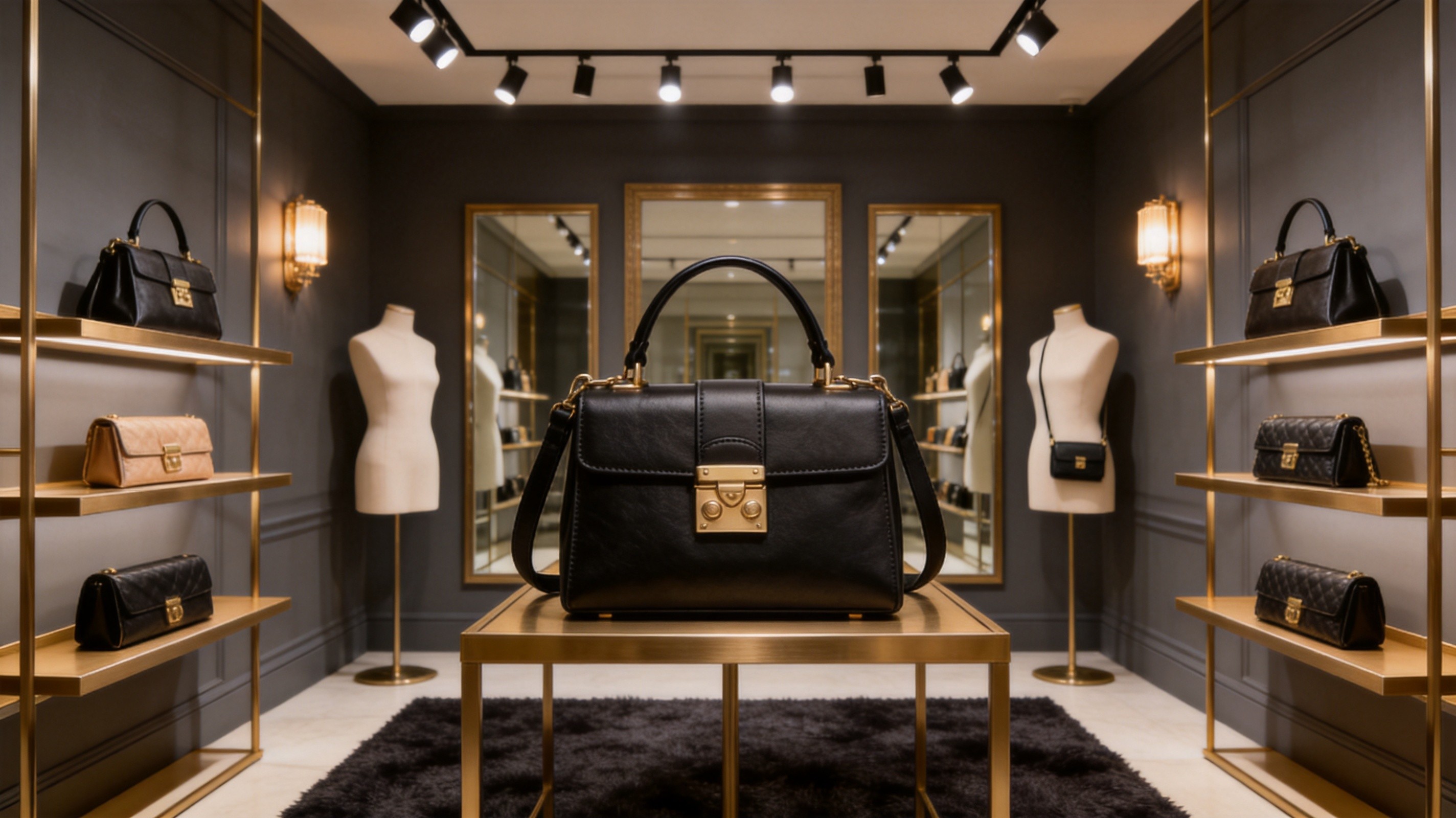
Shipping samples provide buyers a physical reference to compare against received goods
Sample Shipping — Methods and Costs
Sample shipping costs and transit times vary by method. International express courier (DHL, FedEx, UPS) delivers samples from China to most destinations within 3 to 7 business days at a cost of $30 to $80 per shipment. Sea freight takes 25 to 40 days but costs $15 to $30 — suitable only for non-urgent sample rounds. Plan shipping time into your sampling schedule and choose the method that balances urgency with budget. Our factory ships all samples via express courier with tracking for maximum visibility.
From Sample to Bulk Production — Transition Checklist
Once the PP sample is approved, several steps must be completed before bulk production can begin efficiently. This transition checklist ensures nothing is overlooked.
- Sign and date the approved PP sample — both factory and buyer retain a copy
- Confirm all material quantities are ordered and delivery dates confirmed
- Verify hardware and trim quantities match production requirements
- Confirm packaging and labeling specifications
- Review and sign the production purchase order with agreed terms
- Establish the production timeline with milestone dates
- Confirm QC inspection schedule and AQL levels
Managing Multiple Sample Requests with One Factory
Brands developing multiple styles simultaneously need organized sample management. Create a sample tracking spreadsheet that logs each style's sample stage, submission date, feedback date, revision status, and approval status. Assign unique reference numbers to each sample. Photograph and label every sample received. This systematic approach prevents confusion when multiple styles are in different sampling stages simultaneously. Our product development team manages multi-style sampling projects with dedicated coordinators for each client.
Ready to Develop Your Handbag Samples?
Our experienced sampling team brings your designs to life with precision and speed. With 20+ years of experience and 300+ skilled workers in our 30,000 sqm Quanzhou factory, we deliver accurate samples that transition smoothly to bulk production. MOQ starts at 200 pcs/style.
Email: service@junyuanbags.com | WhatsApp: +86 17750020688
Request a QuoteFrequently Asked Questions
How long does handbag sampling take from start to finish?
The complete sampling process takes 30 to 60 days. Proto sample: 10-15 days. Fit sample: 7-12 days. PP sample: 7-10 days. Plus shipping (3-7 days) and review (3-5 days) per round.
How much do handbag samples cost?
Proto samples: $100-$250. Fit samples: $80-$200. PP samples: $120-$350. Salesman samples: $150-$400. Most factories credit sample costs against bulk orders exceeding 500 pieces.
What is the difference between a proto sample and a PP sample?
A proto sample uses available materials to test design feasibility. A PP sample uses exact production materials as the final quality reference for bulk production.
How many sample revision rounds are normal?
Two to three rounds are standard. Simple designs may need one. Complex designs may require four or five. Each round adds 7-15 days to the timeline.
Can sample costs be credited against bulk orders?
Most factories credit sample costs against orders exceeding 500 pieces per style. Confirm this arrangement in writing before sampling begins.
Continue Exploring
Related guides: Manufacturing Process Guide, Factory QC Guide, and AQL Standards Guide. Visit our about page or contact us to begin sampling.
Limitations and Scope of This Guide
This guide covers the handbag sampling process including timeline, costs, types of samples, and what to expect when working with a factory. It is based on our experience as a handbag manufacturer in Quanzhou, China, serving brands worldwide since 2004. Key limitations to keep in mind:
- Timeline estimates are based on our factory's standard processes in Quanzhou. Other factories may have different capabilities, especially during peak production seasons.
- Sampling costs described are typical for handbag manufacturing. Complex designs with custom hardware or exotic materials will require higher sample development costs.
- This guide covers commercial sampling for production orders. Prototype development for entirely new concepts or patented mechanisms may involve additional engineering resources.
For advice tailored to your specific situation, contact our team directly.