Table of Contents
- Why Production Delays Happen in Handbag Manufacturing
- Material Sourcing Delays — Leather, Hardware and Fabric Lead Times
- Sample Approval Delays — Revision Cycles and Communication Gaps
- Production Line Bottlenecks — Cutting, Sewing and Finishing
- Quality Control Rejections — When Batches Fail Inspection
- Holiday and Seasonal Capacity Constraints
- Weather and Logistics Disruptions
- Multi-Order Scheduling Conflicts
- How to Build Buffer Time into Your Production Calendar
- Communication Protocols to Prevent Delays
- Early Warning Signs of Potential Delays
- What to Do When Your Order Is Already Late
- Contractual Protections — Penalty Clauses and Delivery Guarantees
- Building Relationships That Prioritize Your Orders
- Technology Tools for Production Tracking
- FAQ — Preventing Production Delays in Handbag Manufacturing
Production delays are the single most common frustration in handbag manufacturing. A two-day delay in material delivery cascades through the entire production schedule. A sample revision that takes an extra week pushes back production start. A quality rejection that requires reworking 200 bags extends the timeline by days. For brands planning retail launches, trade show presentations, or seasonal inventory, these delays translate directly into missed revenue opportunities and damaged customer relationships.
This guide identifies every major bottleneck in handbag production and provides actionable prevention strategies for each. Understanding where delays originate — and how to build systems that catch problems before they cascade — empowers brand owners to manage production timelines proactively rather than reacting to crises after they emerge. For the complete production workflow context, our step-by-step manufacturing guide maps every stage from design to delivery with typical timelines.
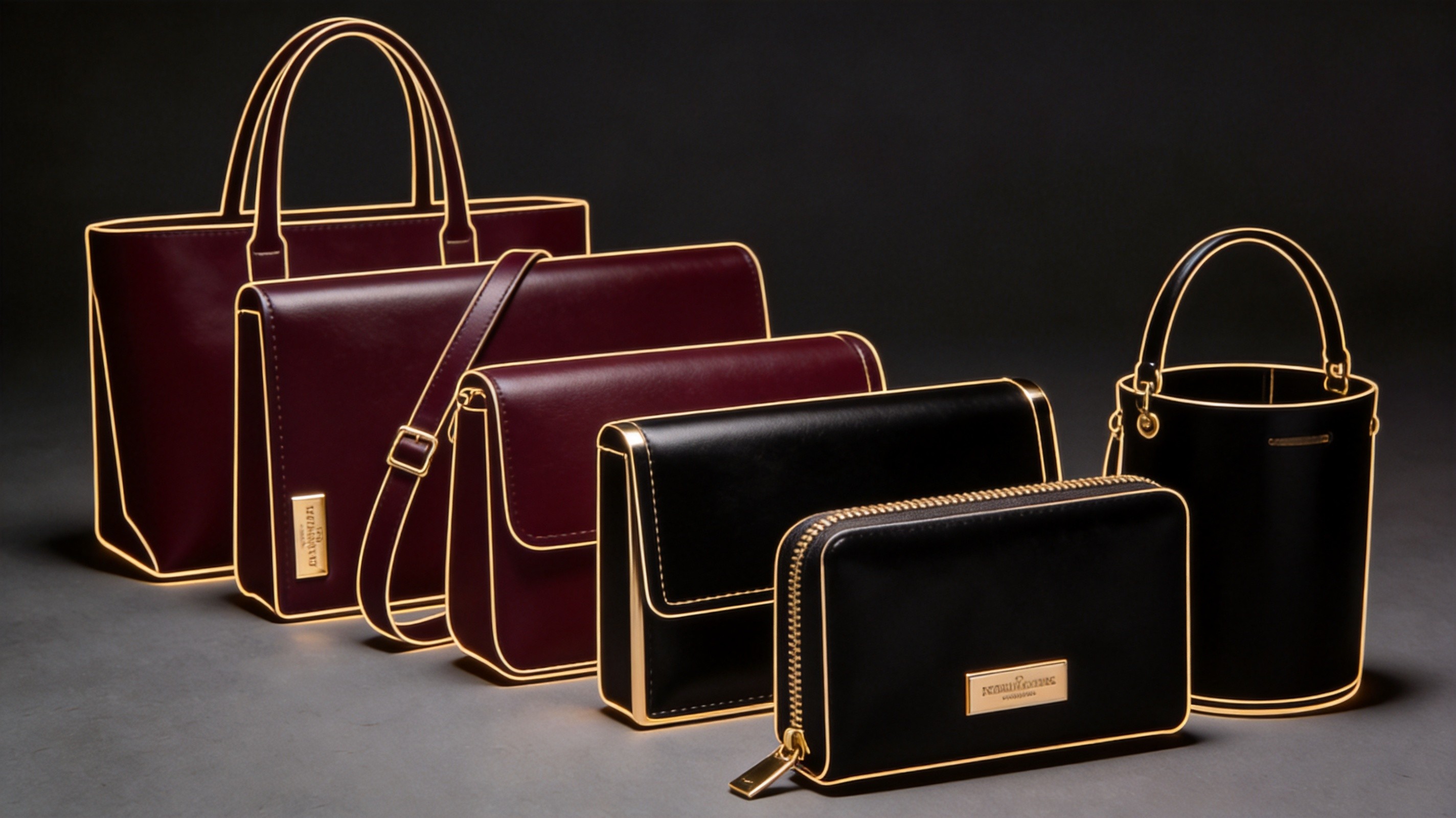
Understanding production flow helps identify where bottlenecks emerge and how to prevent cascade delays
Why Production Delays Happen in Handbag Manufacturing
Handbag manufacturing involves dozens of interconnected processes, each dependent on the successful completion of the previous step. A delay at any single point propagates through the entire system. Unlike simple commodities, handbags combine multiple materials (leather, fabric, hardware, lining, thread, adhesive), each with independent sourcing timelines, and multiple processes (cutting, sewing, finishing, QC, packing) that must be precisely sequenced.
The complexity multiplies when brands order multiple styles, colors, or custom specifications. Each additional variable introduces another potential failure point. Furthermore, Chinese factories often operate at 85 to 95 percent capacity utilization during peak seasons, meaning there is minimal slack to absorb disruptions. When a problem occurs, it competes with other orders for recovery resources, creating cascading delays across multiple clients.
The Compounding Effect
A two-day material delay may seem manageable. But when combined with a weekend, followed by the need to reschedule cutting, which pushes sewing, which delays finishing, which compresses QC time — a two-day delay becomes a ten-day production delay. Understanding this compounding effect is the first step toward building prevention systems. Our manufacturing services include proactive timeline management to prevent small issues from becoming major delays.
Material Sourcing Delays — Leather, Hardware and Fabric Lead Times
Material sourcing is the most common origin point for production delays. Every material type carries its own lead time, and delays in any single material halt the entire production sequence because bags cannot be cut until all materials arrive.
| Material | Standard Lead Time | Custom Lead Time | Common Delay Risk |
|---|---|---|---|
| Stock Leather | 3 – 5 days | N/A | Color out of stock |
| Custom Leather | 15 – 25 days | 25 – 40 days | Dye lot issues, quality rejection |
| Stock Fabric | 2 – 4 days | N/A | Roll shortage |
| Custom Fabric | 10 – 20 days | 20 – 35 days | Minimum quantity not met |
| Stock Hardware | 1 – 3 days | N/A | Finish out of stock |
| Custom Hardware | 15 – 30 days | 25 – 45 days | Mold issues, plating defects |
| Lining Fabric | 3 – 7 days | 7 – 14 days | Color match delays |
| Packaging | 7 – 15 days | 15 – 25 days | Printing proof revisions |
Prevention Strategies for Material Delays
Pre-booking materials before final design approval reduces lead time risk. Confirming material availability before committing to a delivery date with retail buyers prevents over-promising. Maintaining relationships with multiple material suppliers provides backup options when primary suppliers encounter problems. For custom leather and hardware, ordering material samples early in the design process allows the factory to secure supplier commitments while the design is still being refined. Our factory in Quanzhou coordinates material procurement across verified supplier networks to minimize sourcing delays. Contact service@junyuanbags.com to discuss material planning for your projects.
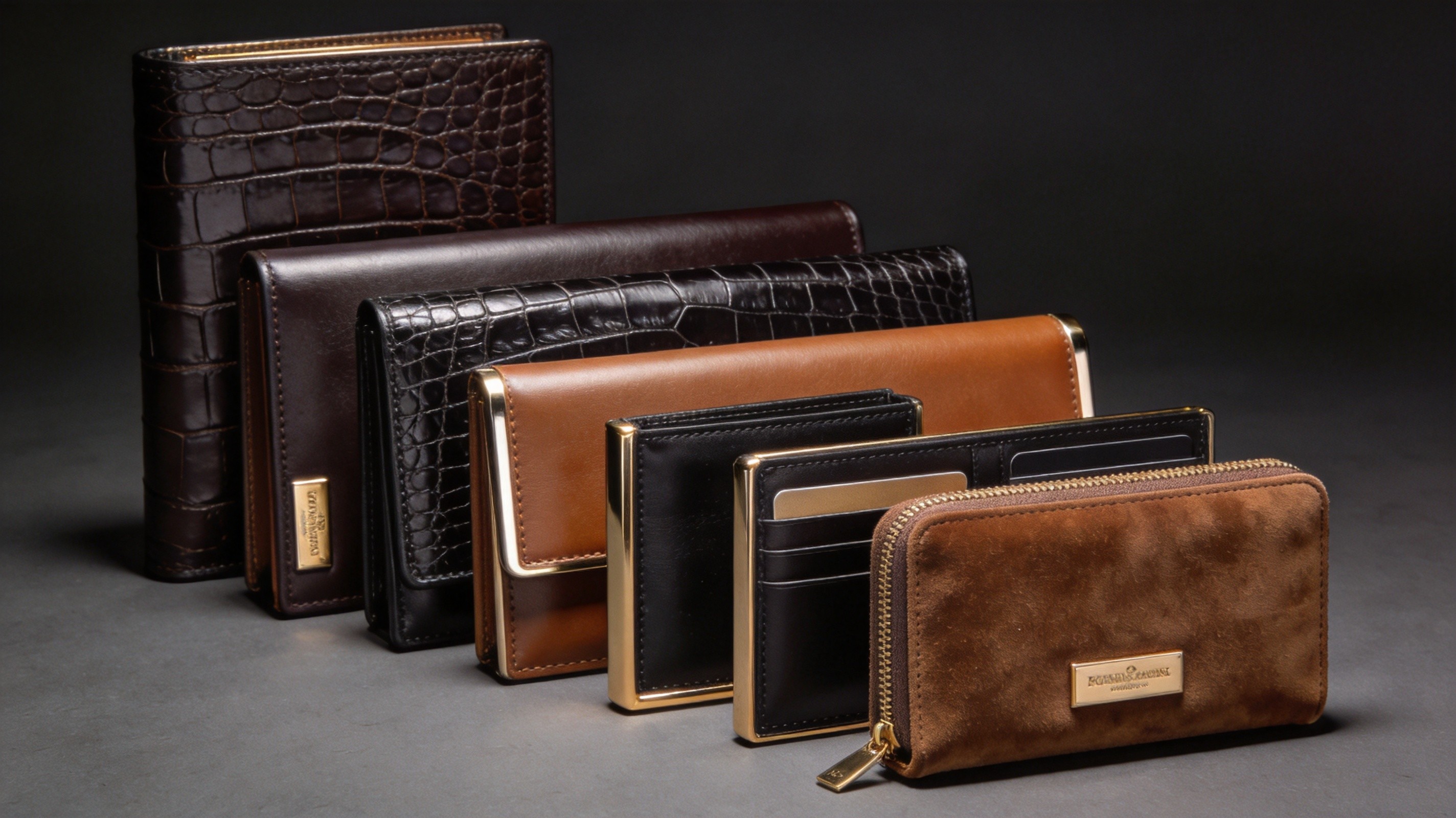
Material availability directly controls production start dates — early procurement prevents delays
Sample Approval Delays — Revision Cycles and Communication Gaps
Sample approval is the phase where brand and factory align on every aspect of the product before production begins. Each revision cycle typically takes 7 to 14 days. When brands request three or more revision rounds, the sampling phase alone can consume 4 to 6 weeks, pushing the entire production timeline past the target delivery date.
Reducing Revision Cycles
The most effective approach to reducing sample revision cycles is investing time in comprehensive tech packs before sampling begins. A detailed tech pack with precise measurements, material specifications, hardware references, construction details, and clear photos reduces ambiguity and eliminates the back-and-forth clarifications that drive revisions. Request that the factory confirm understanding of every specification before starting the sample rather than discovering misinterpretations in the finished product. For complete guidance on the sampling process, see our sampling process guide.
Time Zone and Communication Challenges
International brands often experience communication delays due to time zone differences. A clarification question sent by email at 3pm New York time reaches the factory at 3am China time and may not receive a response until the next business day in China. Over a five-day work week, this pattern can add 3 to 5 days of pure communication lag to each revision cycle. Establishing WhatsApp or WeChat communication channels enables faster real-time clarification and reduces the accumulated delay from asynchronous communication.
Production Line Bottlenecks — Cutting, Sewing and Finishing
Even with all materials ready and samples approved, internal production bottlenecks can delay completion. The three main production phases — cutting, sewing, and finishing — each present distinct bottleneck risks.
Cutting Bottlenecks
Cutting becomes a bottleneck when orders require multiple leather colors or types that must be cut sequentially rather than simultaneously. Custom die creation for clicker press cutting adds 1 to 3 days per new die. Complex patterns with many pieces consume cutting time faster than simple designs. Factories with multiple cutting stations can distribute the workload, but single-station operations face sequential processing delays.
Sewing Line Bottlenecks
Sewing is the longest production phase and the most common bottleneck. Line balancing — ensuring each operation station has equal work content — is essential for smooth flow. If one operation takes significantly longer than others, work-in-process piles up before that station while downstream stations sit idle. Complex bags with many operations (pockets, linings, zippers, hardware attachment) require more line stations and more skilled operators. Factories running multiple orders simultaneously must carefully schedule line assignments to prevent conflicts. Our facility operates dedicated sewing lines with 300+ trained workers to minimize line balancing issues and maintain throughput.
Finishing Bottlenecks
Edge painting, hardware attachment, final pressing, and packing represent the final production phase. Edge painting requires drying time between coats, creating natural wait periods. Custom hardware attachment requires precise alignment and testing. When multiple orders complete sewing simultaneously, the finishing area becomes congested, creating delays for all orders in the queue.
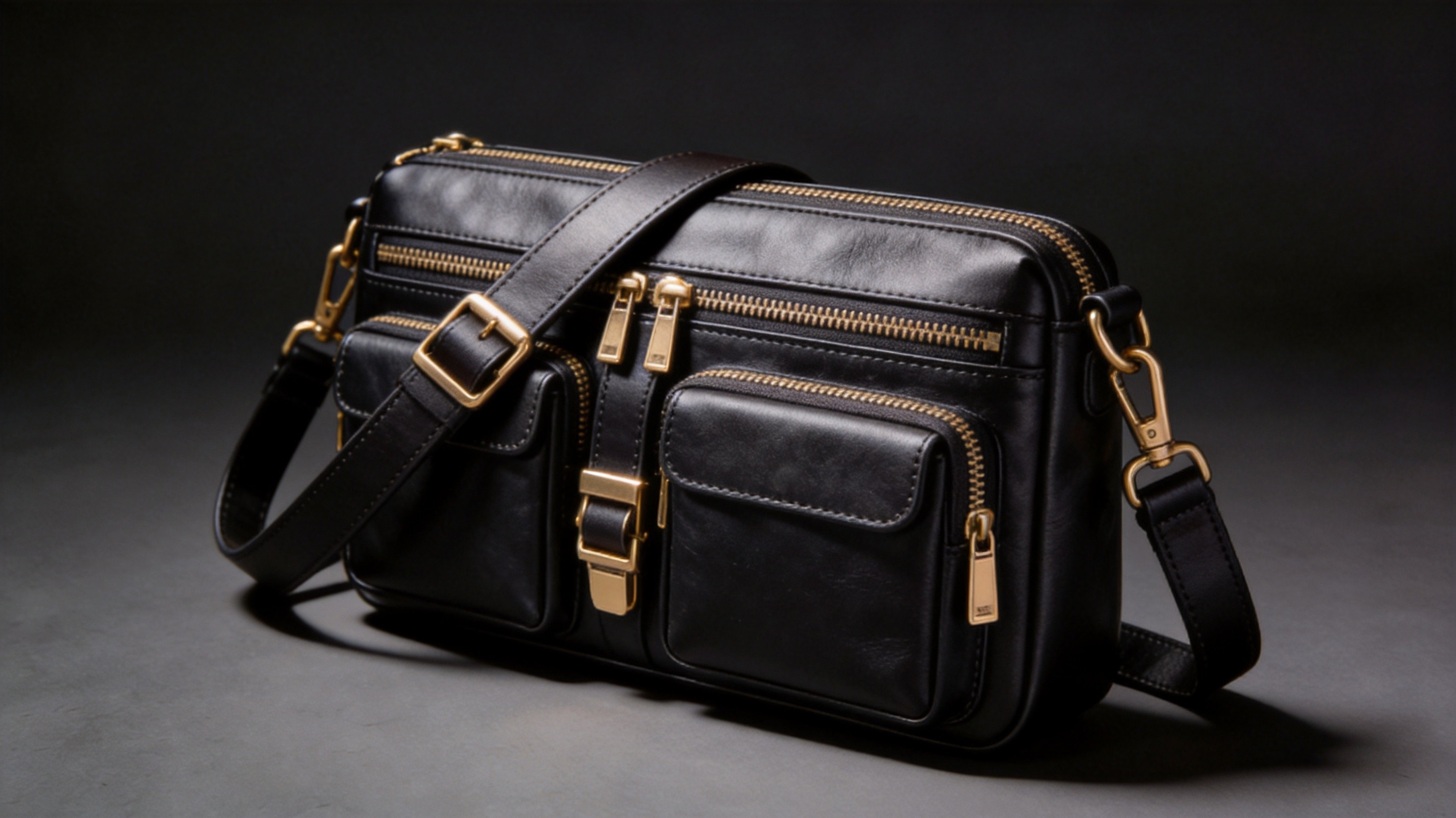
Balanced sewing lines with equal work distribution prevent bottlenecks and maintain consistent output
Quality Control Rejections — When Batches Fail Inspection
When a production batch fails quality inspection, the factory faces a difficult choice: ship below-standard goods and risk customer rejection, or rework the batch and delay delivery. Either outcome damages the brand's timeline and relationship with the factory.
Common Rejection Triggers
Quality rejections typically stem from stitching defects (skipped stitches, uneven tension, loose threads), dimensional inaccuracy (pieces outside tolerance), color mismatch (leather dye lot variation, fabric shade difference from approved sample), hardware defects (plating imperfections, loose attachment), or structural failures (seam pull test failure, zipper malfunction). The root cause usually traces back to either material quality issues, operator errors, or machine maintenance problems.
Preventing QC-Related Delays
Inline quality control during production (rather than only final inspection) catches defects early when rework is faster and less disruptive. Factories with dedicated quality control stations at each production phase identify problems within hours rather than discovering them after assembly is complete. Our quality control guide details how professional inline QC systems prevent batch-level rejections. Brands should request inline inspection reports at defined milestones rather than waiting for final inspection results.
Holiday and Seasonal Capacity Constraints
China's holiday calendar creates predictable annual capacity disruptions that inexperienced brands fail to account for, resulting in missed delivery dates.
| Holiday | Timing | Factory Closure | Capacity Impact |
|---|---|---|---|
| Chinese New Year | Jan – Feb (varies) | 3 – 4 weeks | Severe (6 – 8 weeks effective) |
| Labor Day | May 1 – 5 | 5 – 7 days | Moderate |
| Dragon Boat Festival | June (varies) | 3 days | Low |
| Mid-Autumn Festival | Sep – Oct (varies) | 3 days | Low |
| National Day (Golden Week) | Oct 1 – 7 | 7 – 10 days | High |
Chinese New Year — The Major Disruption
Chinese New Year is by far the most significant disruption. Factories typically close for 2 to 3 weeks, but the effective impact extends 6 to 8 weeks. Workers leave early (1 to 2 weeks before the official holiday) and return late (1 to 2 weeks after reopening) as many are migrant workers traveling to home provinces. Post-holiday, factories operate at 50 to 70 percent capacity for 2 to 3 weeks until full staffing returns. Orders planned for January through March face the highest risk. The best strategy is to complete Q1 production before December or push delivery to April onward. Learn more about factory operations on our about page.
Weather and Logistics Disruptions
Weather events, port congestion, and logistics infrastructure issues create unpredictable delays that are difficult to plan for but essential to acknowledge in timeline management.
Common Disruption Scenarios
Typhoon season (July through September) in southern China can shut down ports for 2 to 5 days, delaying material arrivals and shipment departures. Port congestion at major hubs like Shenzhen, Ningbo, or Shanghai during peak export season (August through November) extends container availability wait times from days to weeks. Domestic logistics disruptions from road construction, traffic regulations, or fuel shortages add unpredictable delays to material deliveries. While individual weather events cannot be prevented, building buffer time around typhoon season shipments and monitoring weather forecasts during critical delivery windows helps minimize impact.
Multi-Order Scheduling Conflicts
Factories managing orders from multiple brands simultaneously face constant scheduling decisions about which orders receive priority. When two orders compete for the same sewing line or finishing capacity, one will be delayed. Brands with smaller orders or newer relationships may find their orders deprioritized in favor of larger or longer-term clients.
Managing Multi-Order Complexity
For brands placing multiple orders, consolidating styles and delivery windows reduces scheduling conflicts. Placing all orders for a season in a single batch allows the factory to plan continuous production runs rather than interrupting lines for order changes. Our factory manages multi-SKU orders through dedicated production planning that balances all client commitments while maintaining delivery schedules. Transparent communication about capacity allocation helps brands understand where their order stands in the production queue.

Strategic production planning prevents scheduling conflicts that cause cascading delivery delays
How to Build Buffer Time into Your Production Calendar
Experienced brand owners never plan timelines based on best-case scenarios. Buffer time acknowledges the reality of manufacturing complexity and provides insurance against inevitable disruptions.
Recommended Buffer Guidelines
- First-time orders: Add 10 to 15 buffer days beyond factory-quoted lead time
- Repeat orders with proven process: Add 5 to 7 buffer days
- Orders with custom hardware: Add 7 to 10 buffer days for mold and plating variables
- Orders near Chinese holidays: Add 10 to 20 buffer days depending on proximity
- Orders during typhoon season (Jul-Sep): Add 5 to 7 buffer days for weather disruptions
- Multi-style orders: Add 3 to 5 buffer days for scheduling complexity
Working Backward from Launch Date
Start with your target retail launch date and work backward through each phase. If you need goods in US warehouses by September 1, account for ocean freight (25 to 35 days), customs clearance (5 to 7 days), production (35 to 50 days), sampling (20 to 40 days), and add buffer time. This backward calculation typically reveals that production must begin 4 to 5 months before the desired retail launch date — earlier than most new brands expect.
Communication Protocols to Prevent Delays
Clear communication protocols prevent the misunderstandings and response delays that create unnecessary timeline slippage.
Recommended Communication Schedule
| Production Phase | Communication Frequency | Key Information |
|---|---|---|
| Pre-Production | Every 2 – 3 days | Material status, sample approvals, timeline confirmation |
| Material Sourcing | Weekly | Material arrival dates, quality verification, any issues |
| Production | Weekly + photos | Production progress, inline QC results, completion estimate |
| Finishing | Every 2 – 3 days | Completion status, QC schedule, packing timeline |
| Pre-Shipment | Daily | Packing completion, shipping documents, container booking |
Early Warning Signs of Potential Delays
Recognizing delay indicators early allows proactive intervention before the situation becomes critical. The following signals warrant immediate attention and discussion with the factory.
- Material delivery confirmations arriving later than promised
- Factory communication response time slowing significantly
- Requests to adjust the agreed delivery date
- Quality issues reported during inline inspection requiring rework
- Factory mentions of worker shortages or labor difficulties
- Competing large orders being placed with the same factory
- Sample revision cycles taking longer than expected
- Unclear or vague production progress reports
Responding to Early Warnings
When early warning signs appear, request a detailed production schedule showing daily output targets and actual completion. Ask for specific actions the factory is taking to recover any lost time. If the delay is material-related, offer to source alternative materials or approve substitutions. If it is capacity-related, discuss the possibility of adding overtime shifts or outsourcing certain operations to trusted partner workshops. Early intervention recovers 1 to 2 days; late intervention after the delay has cascaded may only recover hours.

Real-time production tracking dashboards enable early detection of timeline deviations
What to Do When Your Order Is Already Late
When delays have already occurred and the delivery date has passed, focus shifts from prevention to damage control and recovery.
Immediate Actions
First, get a precise updated completion date from the factory with daily progress verification. Second, evaluate whether partial shipment is possible — shipping completed quantities while the remainder finishes production may allow you to meet critical deadlines for key customers or channels. Third, consider upgrading shipping method from sea to air for the completed quantity to recover transit time. While air freight costs 4 to 6 times more than ocean freight, recovering a missed retail window often justifies the premium for at least a partial shipment. Fourth, communicate transparently with your retail partners or customers about the adjusted timeline rather than hoping to catch up silently.
Contractual Protections — Penalty Clauses and Delivery Guarantees
Well-structured contracts provide recourse when delays occur while incentivizing factories to prioritize on-time delivery.
Essential Contract Clauses
- Delivery date commitment with defined start calculation (from sample approval, deposit receipt, or material confirmation)
- Grace period of 7 to 14 days before penalties activate
- Late delivery penalty of 1 to 2 percent of order value per week of delay
- Penalty cap at 10 to 15 percent of order value
- Force majeure definition specifying which events excuse delay
- Quality guarantee preventing speed at the expense of standards
- Advance notice requirement for any anticipated delay
Balancing Incentives
Effective contracts balance penalties with positive incentives. Some brands offer early delivery bonuses (1 to 2 percent price premium for delivery ahead of schedule) alongside late penalties. This dual approach motivates factories to prioritize your order positively rather than merely avoiding punishment. The best outcomes come from partnerships where both parties succeed together, not from adversarial contractual enforcement.
Building Relationships That Prioritize Your Orders
Factories naturally prioritize orders from their most valued clients. Building this valued-client status requires consistent behavior that makes the factory want to invest in your business.
Pay deposits on time and in full. Avoid last-minute specification changes that disrupt production planning. Provide complete, clear documentation the first time rather than through a dozen clarification rounds. Visit the factory in person periodically to strengthen the personal relationship. Place orders consistently rather than shopping each project to the lowest bidder. When you become the buyer who makes the factory's operations smoother rather than more difficult, your orders receive priority attention when capacity conflicts arise. Our solutions team builds long-term partnerships where production scheduling naturally prioritizes committed brand partners.
Technology Tools for Production Tracking
Modern production tracking tools provide visibility into manufacturing progress that was impossible a decade ago. Brands that leverage these tools gain earlier warning of potential delays and more data for timeline optimization.
Available Tracking Solutions
Cloud-based production management systems allow both factory and brand to view real-time production status. Photo and video updates shared via messaging apps provide visual progress verification. Barcode and RFID systems track individual bundles through each production station. ERP systems integrate material procurement, production scheduling, and shipping coordination into a single dashboard. While smaller factories may lack sophisticated systems, even basic tools like shared spreadsheets with daily updates significantly improve visibility compared to relying solely on verbal status reports.
Factory Insight
Our 30,000 sqm facility in Quanzhou implements systematic production planning with weekly status updates for all clients. With 300+ skilled workers, dedicated production lines, and 20+ years of manufacturing experience, we maintain on-time delivery rates above 92 percent through proactive bottleneck management. We support transparent communication, provide inline quality reports, and work collaboratively with brand partners to prevent delays before they occur.

Systematic production management with real-time tracking prevents delays through early detection and proactive intervention
Partner with a Factory That Delivers On Time
Our 20+ years of handbag manufacturing experience includes systematic production planning that consistently achieves on-time delivery. With 300+ skilled workers, a 30,000 sqm facility in Quanzhou, and transparent communication protocols, we keep your production on schedule. MOQ starts at 200 pcs/style.
Email: service@junyuanbags.com | WhatsApp: +86 17750020688
Discuss Your TimelineFrequently Asked Questions
What is the typical production lead time for handbags?
Standard lead time is 30 to 60 days from sample approval to shipment. Simple designs with stock materials complete in 25 to 35 days. Complex designs with custom hardware require 45 to 75 days. The timeline includes material sourcing (7 to 20 days), cutting (2 to 5 days), sewing (10 to 25 days), finishing and QC (3 to 7 days), and packing (1 to 3 days).
What causes the most production delays?
The most common delay causes are material sourcing issues, sample approval delays from multiple revision cycles, holiday capacity constraints around Chinese New Year, quality control rejections requiring rework, and multi-order scheduling conflicts. Communication gaps about design changes also create significant delays.
How can brands build buffer time into their production calendar?
Add 10 to 15 buffer days for first-time orders and 5 to 7 days for repeat orders. Approve samples at least 30 days before production start. Order materials early. Avoid production planning around major Chinese holidays. Build relationships with multiple qualified factories for backup capacity options.
How does Chinese New Year affect production timelines?
Chinese New Year creates 6 to 8 weeks of effective disruption through factory closures, early worker departures, and slow post-holiday return. Orders planned for January through March face highest risk. Best practice: complete Q1 production before December or push delivery to April onward.
What contractual protections should brands include?
Include specific delivery date commitments, 7 to 14 day grace periods before penalties, late delivery penalties of 1 to 2 percent per week (capped at 10 to 15 percent), force majeure definitions, quality guarantees, and advance notice requirements for anticipated delays.
What early warning signs indicate a production delay is developing?
Watch for delayed material confirmations, missed milestone dates, slower communication responses, delivery date change requests, competing large orders consuming capacity, quality issues requiring rework, and worker shortage reports. Request weekly production updates and respond immediately to milestone slippage.
Continue Exploring
Master your production planning with our related guides: Step-by-Step Manufacturing Process, Multi-SKU Order Management, and Shipping Methods Guide. Visit our services page or contact us to discuss your production timeline.
Limitations and Scope of This Guide
This guide covers production bottlenecks in handbag manufacturing, including common causes of delays and strategies to prevent them. It is based on our experience as a handbag manufacturer in Quanzhou, China, serving brands worldwide since 2004. Key limitations to keep in mind:
- Bottleneck analysis is based on our experience running a 300-worker factory in Quanzhou. Factory-specific issues vary by size, layout, and management systems.
- Seasonal factors (Chinese New Year, Golden Week, peak season) significantly impact timelines. Planning around these events is critical but often underestimated.
- Some delays are unavoidable (material shortages, equipment breakdown, quality holds). The goal is risk mitigation, not elimination—build buffer time into your planning.
For advice tailored to your specific situation, contact our team directly.