Small leather goods (SLGs) represent one of the most powerful yet underutilized strategies for fashion brands looking to expand their product offerings. While handbags and large leather goods often dominate brand catalogs, it is the wallet pulled out at a coffee shop counter, the cardholder placed on a boardroom table, or the key fob that jingles in a customer's pocket that serves as a brand's most frequent touchpoint with the world.
For emerging brands, independent designers, and retailers building private-label collections, SLGs offer a compelling combination: lower production costs, attractive profit margins, minimal seasonal risk, and an accessible price point that invites new customers into the brand ecosystem. This comprehensive guide explores how small leather goods function as a brand extension product strategy, with practical insights on product selection, manufacturing, materials, branding, and market positioning.
What Are Small Leather Goods (SLGs)?
The term "small leather goods" originated in luxury fashion houses where it described every leather accessory that was not a handbag or garment. Today, the category encompasses a broad range of products that share common characteristics: compact size, leather construction, and personal everyday use.
Core Categories of Small Leather Goods
Understanding the SLG landscape is the first step in building a strategic product extension. The market breaks down into several distinct product categories, each with its own consumer dynamics and manufacturing considerations.
| Product Category | Examples | Price Range (Retail) | Typical Production Cost |
|---|---|---|---|
| Wallets | Bifold, trifold, zip-around, long wallets | $35 - $300+ | $4 - $25 |
| Cardholders | Minimal card slots, ID windows, business card cases | $20 - $150 | $2.50 - $12 |
| Key Holders | Key fobs, key chains, key organizers | $15 - $80 | $1.50 - $8 |
| Tech Accessories | Phone cases, AirPod cases, cable organizers | $25 - $120 | $3 - $15 |
| Travel SLGs | Passport holders, luggage tags, ticket folders | $20 - $100 | $2.50 - $10 |
| Writing Accessories | Pen cases, pen rolls, notebook covers | $15 - $90 | $2 - $10 |
Why Small Leather Goods Drive Brand Growth
The strategic value of SLGs extends far beyond their price tags. When positioned correctly, small leather goods become engines for customer acquisition, brand reinforcement, and revenue diversification. The global luxury leather goods market was valued at approximately $95 billion in 2024, with small leather accessories representing roughly 20-25% of that figure.
The Lipstick Effect in Leather Goods
Economists coined the "lipstick effect" to describe how consumers continue purchasing affordable luxury items during economic downturns. Small leather goods perfectly embody this phenomenon. A customer who cannot afford a $500 handbag will readily spend $60 on a branded cardholder, maintaining their emotional connection to the brand while staying within budget.
This dynamic applies equally to emerging brands. A startup fashion label can introduce SLGs at a $30-$50 price point, giving customers a way to support the brand without committing to the cost of a full-priced bag. This creates a pipeline where today's cardholder buyer becomes tomorrow's tote bag customer.
Higher Margins Than Larger Leather Products
One of the most compelling arguments for SLG expansion is the margin structure. Small leather goods consistently deliver higher percentage margins than handbags because the material costs represent a smaller fraction of the retail price, while the perceived brand value remains proportionally strong.
| Product Type | Average Retail Price | Average Production Cost | Gross Margin |
|---|---|---|---|
| Tote Bag | $150 - $400 | $25 - $60 | 75-85% |
| Backpack | $120 - $350 | $20 - $55 | 75-84% |
| Wallet | $50 - $150 | $5 - $20 | 80-90% |
| Cardholder | $30 - $80 | $3 - $10 | 80-90% |
| Key Holder | $25 - $60 | $2 - $8 | 80-92% |
While handbags often carry higher absolute dollar margins, the percentage margins on SLGs frequently exceed them. This is particularly important for emerging brands that need to optimize cash flow and maintain healthy margins during growth phases.
Lower Entry Barriers for New Brands
Launching a handbag collection requires substantial capital for sampling, materials, hardware development, and inventory. A single handbag style might require $3,000-$8,000 in upfront sampling costs before production begins. Small leather goods, by contrast, can be sampled for $200-$500 per style, making product development dramatically more accessible.
Year-Round Demand Without Seasonal Risk
Handbag trends shift with fashion seasons, color palettes, and runway cycles. SLGs enjoy remarkably consistent demand throughout the year. Wallets and cardholders are purchased for birthdays, holidays, graduations, Valentine's Day, Father's Day, and corporate gifting occasions. This consistent demand pattern simplifies inventory planning and reduces the risk of seasonal markdowns.
Product Selection Strategy for SLGs
Choosing which small leather goods to develop requires balancing market demand, brand identity, manufacturing feasibility, and margin targets. Not every SLG category will suit every brand.
Starting With the Core Three
Most brands find the strongest foundation in three product types: wallets, cardholders, and key holders. These represent the highest consumer awareness, the most proven market demand, and the simplest manufacturing requirements. A brand can launch with just these three products and create a coherent, functional collection.
Design Principles for SLGs
Great small leather goods design follows principles that differ from handbag design in important ways. The scale is smaller, which means every detail is more visible and every imperfection more noticeable. Stitching, edge finishing, and leather selection all become critically important at this scale.
- Keep proportions balanced: A wallet should feel substantial but not bulky. Test pocket-fit and hand-feel extensively during sampling.
- Prioritize interior function: The inside of a wallet matters as much as the outside. Card slots should grip cards firmly without stretching. Bill compartments should accommodate various currency sizes.
- Make branding subtle but visible: Debossed logos, interior lining prints, and branded hardware serve as constant brand reminders without overwhelming the design.
- Consider unisex appeal: Many SLG designs can serve both men and women, effectively doubling the addressable market for each style.
- Plan for gifting: Packaging, presentation, and price architecture should support the gifting use case, which represents a significant percentage of SLG purchases.
Material Selection for Small Leather Goods
Materials determine the quality perception, durability, cost, and sustainability credentials of your SLG collection. The leather market offers options across a wide spectrum, each with distinct advantages.
Full-Grain Leather
The highest quality grade of leather, full-grain retains the complete fiber structure of the hide. It develops a beautiful patina over time, making it ideal for premium brands targeting customers who value longevity and natural beauty. Full-grain leather typically costs $6-$12 per square foot for good quality.
Top-Grain Leather
Top-grain leather has the outermost layer lightly sanded or buffed, creating a more uniform surface. It is easier to dye and finish consistently, making it excellent for brands that need color consistency across large production runs. It costs slightly less than full-grain while still offering excellent quality.
Vegan Leather Alternatives
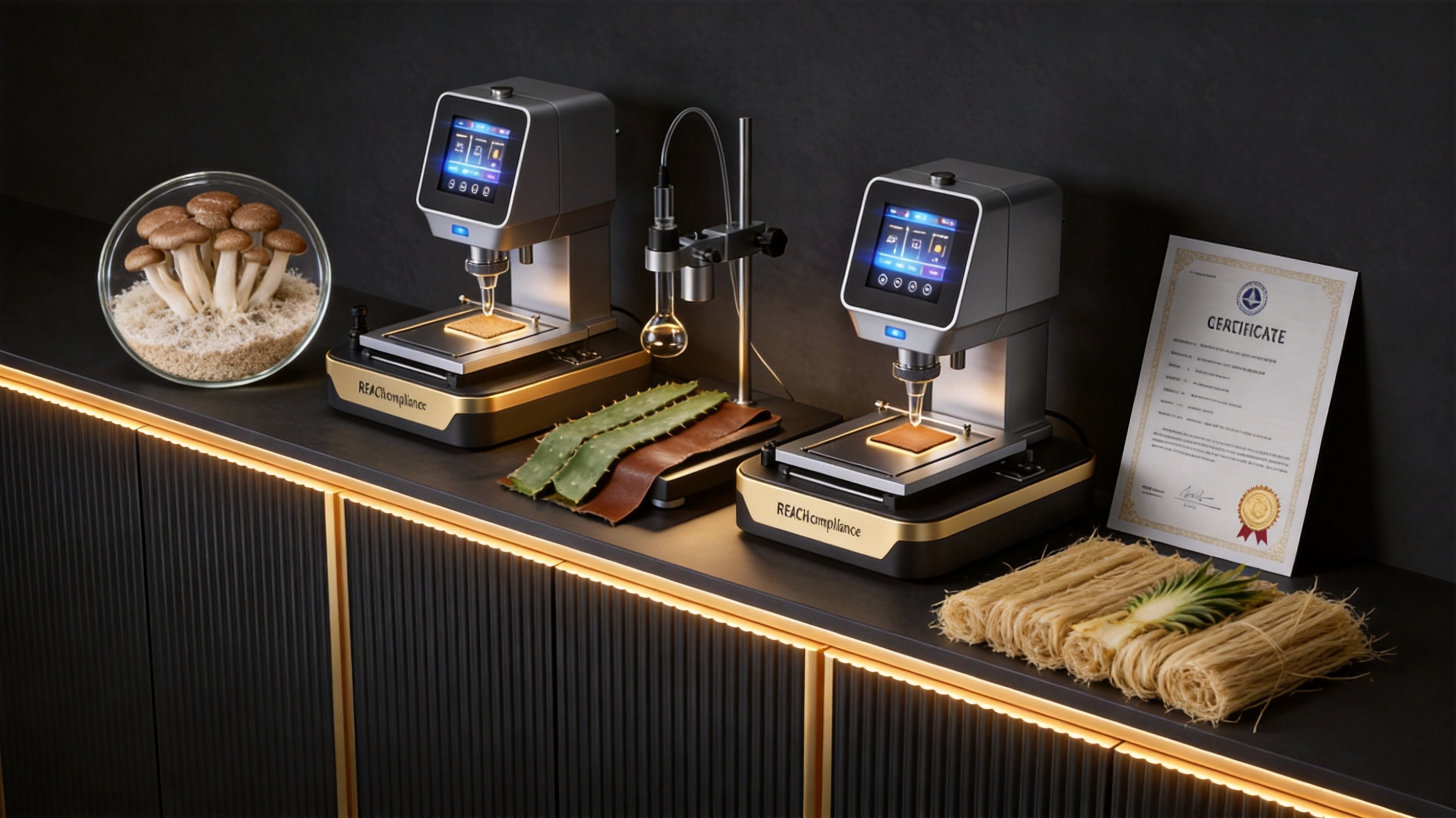
Plant-based leathers including cactus leather, apple leather, pineapple leather (Piñatex), and mushroom leather have become viable options for brands targeting sustainability-conscious consumers. These materials typically cost 20-40% more than traditional leather but command premium retail pricing and appeal to a growing market segment.
| Material | Cost/Sqm | Durability | Best For | MOQ Impact |
|---|---|---|---|---|
| Full-Grain Cowhide | $65 - $130 | Excellent (10+ years) | Luxury brands, heritage positioning | Standard MOQ |
| Top-Grain Cowhide | $50 - $95 | Very Good (7-10 years) | Premium brands, color variety | Standard MOQ |
| Goat Leather | $40 - $75 | Good (5-8 years) | Textured finishes, affordability | Standard MOQ |
| Cactus Leather | $80 - $120 | Good (3-5 years) | Vegan brands, sustainability | Higher MOQ |
| PU Leather | $15 - $35 | Fair (2-4 years) | Entry-level, high-volume | Lower MOQ |
Branding and Customization Options
The branding possibilities for small leather goods are extensive, and the small surface area actually works to your advantage by making branding techniques more cost-effective and impactful.
Debossing and Hot Stamping
Debossing creates a pressed-in impression of your logo directly into the leather, producing an elegant, understated brand mark. Hot stamping uses heat and metallic foil (gold, silver, or custom colors) to create a raised, eye-catching logo. Both techniques cost $0.10-$0.50 per piece in production and add substantial perceived value.
Interior Branding
Custom-printed lining, branded interior stamps, and logo-embossed interior pockets create a "brand world" inside every product. This is particularly effective for gifting, where the unboxing experience matters as much as the product itself.
Packaging as a Brand Extension Tool
Packaging for SLGs should reinforce the brand experience. A simple dust bag, branded box, or magnetic closure presentation box can transform a $40 cardholder into a premium gifting experience. Packaging costs of $2-$5 per unit represent a small fraction of retail price while significantly increasing perceived value.
Manufacturing Considerations for SLGs
Producing small leather goods requires different manufacturing expertise than handbag production. The precision requirements are higher because there is less leather to hide imperfections, and the assembly processes, while simpler, demand consistent quality across high unit volumes.
Finding the Right Manufacturing Partner
The ideal SLG manufacturing partner should have dedicated small-goods production lines, experienced leather craftsmen, and the ability to maintain tight tolerances on dimensions and stitching. Factories that produce both bags and SLGs can offer volume advantages and simplified logistics for brands building complete accessory collections.
Manufacturing Insight: Junyuan Bags, based in Quanzhou, Fujian with over 20 years of experience, produces both handbags and small leather goods in their 30,000 sqm facility. With 300+ skilled workers and a minimum order of just 200 pieces per style, they provide emerging and established brands with flexible, high-quality SLG manufacturing. Contact them at service@junyuanbags.com or WhatsApp: +86 17750020688.
Production Timeline and Sampling
The sampling process for SLGs is typically faster than handbag sampling. Initial samples can be produced in 7-14 days, with revision samples requiring another 5-10 days. Full production runs of 500-2,000 pieces typically complete within 30-45 days of sample approval.
Quality Control Specifics for SLGs
Quality checks for small leather goods should focus on edge finishing, stitch consistency, card slot tension, zipper smoothness (for zip wallets), clasp alignment, and leather surface consistency. Because SLGs are handled more frequently than bags, durability testing of high-contact areas is essential.
Market Positioning Strategies
How you position your SLG collection determines pricing, marketing channels, and product development priorities. Three primary positioning strategies emerge in the market.
The Accessible Luxury Strategy
Price SLGs at $30-$80, targeting fashion-conscious consumers who want a taste of your brand without investing in a full-priced bag. This is the most common strategy for emerging brands and generates the highest volume of new customer acquisitions.
The Premium Heritage Strategy
Price SLGs at $80-$200, emphasizing craftsmanship, material quality, and exclusivity. This strategy works best for brands with established credibility who want SLGs to serve as prestige items rather than entry-level products.
The Sustainable Minimalist Strategy
Focus on essential, functional designs with strong sustainability messaging. Price at $40-$100 using vegan or eco-certified leathers. This positioning resonates with younger demographics and aligns with growing demand for responsible luxury.
Building a Collection Architecture
A well-designed SLG collection should have internal logic that encourages multiple purchases and cross-category exploration. Create themed collections tied to materials, colors, or design motifs that connect to your broader product universe.
Price Ladder Strategy
Create a clear price hierarchy: entry-level cardholders at $25-$40, mid-range wallets at $50-$90, premium travel accessories at $70-$120, and limited edition or exotic leather pieces at $100-$200+. This ladder allows customers to enter at their comfort level and gradually move upward.
Seasonal Refresh Strategy
While SLG demand is year-round, introducing seasonal colors or limited editions twice per year creates excitement and repeat purchase motivation. A core collection in classic black, tan, and navy, supplemented by seasonal colors like burgundy in autumn or pastels in spring, keeps the collection fresh.
Retail and Distribution Strategies
SLGs perform well across multiple retail channels, each with distinct advantages and margin implications. Diversifying distribution helps optimize revenue and brand exposure.
DTC E-Commerce
Your own website offers the highest margins and strongest brand control. SLGs are ideal e-commerce products because they photograph well, have straightforward sizing, and ship inexpensively due to their compact dimensions. Expect 40-60% of SLG revenue to come from DTC channels for most brands.
Wholesale to Boutiques
Independent boutiques and multi-brand retailers represent a powerful channel for SLG discovery. The compact size makes display easy, and the price points align well with boutique customer expectations. Offer wholesale at 50-55% of retail price.
Pop-Up and Market Presence
SLGs are perfect for pop-up shops, craft fairs, and market stalls because they require minimal display space and attract foot traffic with their accessible price points. They serve as excellent brand introduction tools at events where customers might not purchase a full-priced bag.
Future Outlook for SLG Market
The small leather goods market continues to grow at 6-8% annually, driven by several converging trends: the rise of cashless society increasing demand for cardholders, growing personal luxury goods consumption in Southeast Asia and Latin America, and the expanding gifting economy. Brands that establish strong SLG collections now position themselves for sustained growth.