Table of Contents
- Overview of the Handbag Manufacturing Journey
- Stage 1 — Design Development and Tech Pack Creation
- Stage 2 — Material Sourcing and Procurement
- Stage 3 — Pattern Making and Cutting
- Stage 4 — Skiving, Marking and Preparation
- Stage 5 — Assembly and Sewing Operations
- Stage 6 — Hardware Attachment and Finishing
- Stage 7 — Edge Painting and Burnishing
- Stage 8 — Quality Control and Inspection
- Stage 9 — Pressing, Shaping and Stuffing
- Stage 10 — Packaging and Labeling
- Stage 11 — Shipping and Logistics
- Timeline — How Long Each Stage Takes
- Common Bottlenecks and How to Avoid Them
- What Buyers Should Monitor at Each Stage
- Frequently Asked Questions
Transforming a handbag design from concept to a finished product in a customer's hands requires a precisely orchestrated sequence of manufacturing stages. Each stage builds on the previous one, and any error at an early stage compounds through subsequent operations. Understanding this workflow is essential for brand owners who want to manage production timelines, anticipate challenges, and maintain quality standards throughout the manufacturing process.
This guide provides a factory-level walkthrough of every stage in the handbag manufacturing journey, from initial design development through final delivery. Whether you are a first-time brand owner preparing your first production order or an experienced buyer optimizing your supply chain, this comprehensive overview reveals the complexity and craftsmanship behind every handbag that leaves a professional factory. For related topics, see our guides on quality control and the sampling process.
A professional handbag factory coordinates multiple specialized stages across a 30,000 sqm production facility
Overview of the Handbag Manufacturing Journey
Handbag manufacturing is a multi-stage process that transforms raw materials into finished, packaged products ready for retail. The journey involves 11 distinct stages, each requiring specialized skills, equipment, and quality controls. The total timeline from design approval to delivery typically spans 45 to 90 days for a standard production order of 500 to 2,000 pieces.
Production Flow Summary
The manufacturing process follows a linear flow with quality gates between major stages. Design and sampling precede production. Material procurement runs parallel to final sample approval. Cutting, preparation, assembly, and finishing form the core production sequence. Quality control, packaging, and logistics complete the cycle. Our 30,000 sqm factory in Quanzhou, Fujian, employs 300+ workers organized across specialized production lines that handle each stage with dedicated expertise. Explore our manufacturing services for detailed capabilities.
Stage 1 — Design Development and Tech Pack Creation
Every production order begins with a complete, unambiguous design specification known as a tech pack. This document serves as the blueprint for the entire manufacturing process, containing every detail needed to reproduce the design consistently across all units.
Tech Pack Contents
A comprehensive tech pack includes: technical flat drawings showing every angle of the bag with construction details, exact dimensions with tolerances, material specifications for every component (exterior, lining, hardware, thread, interlining), color standards referencing Pantone codes, hardware specifications with supplier references, stitching requirements including stitches per inch and thread type, packaging and labeling instructions, and quality standards with acceptable defect levels.
Duration and Buyer Role
Tech pack development typically takes 7 to 14 days for an established design or 14 to 21 days for a new design requiring development. The buyer's role is to provide clear design direction, approve the tech pack before production proceeds, and respond promptly to factory clarification requests. Incomplete or ambiguous tech packs are the single most common cause of sampling delays and production errors. Our product development team assists brands in creating production-ready tech packs.
Stage 2 — Material Sourcing and Procurement
Material procurement transforms the paper specification into physical materials ready for production. This stage involves ordering, receiving, inspecting, and approving every material component needed for the production run.
Sourcing Activities
- Leather/Fabric Ordering: Placed with tanneries or textile mills, typically 10 to 20 days lead time for standard materials and 20 to 35 days for custom-dyed materials
- Hardware Ordering: Standard hardware items ship within 5 to 10 days; custom hardware with logo molds requires 30 to 45 days
- Lining and Interlining: Typically 7 to 14 days lead time
- Packaging Materials: 10 to 20 days for custom printed boxes and accessories
- Incoming Quality Inspection: Every material batch is inspected upon arrival for color accuracy, thickness, surface quality, and test report verification
Critical Path Consideration
Material procurement is the most common bottleneck in handbag production. Custom-dyed leather, custom-molded hardware, and specialty materials have the longest lead times. Smart production planning confirms material availability before committing to delivery dates. For more on material testing requirements, see our material testing guide.
Material procurement and inspection ensures only approved materials enter the production line
Stage 3 — Pattern Making and Cutting
Pattern making translates the three-dimensional bag design into flat templates that can be used to cut material pieces. Cutting transforms raw material sheets into the individual components that will be assembled into the finished bag.
Pattern Making
Experienced pattern makers create digital or physical patterns for every bag component. Patterns account for seam allowances, material stretch, edge finishing allowances, and hardware attachment points. A typical handbag requires 15 to 30 pattern pieces for the exterior, 10 to 20 pieces for the lining, and additional pieces for pockets, dividers, and reinforcement. Pattern accuracy directly affects the bag's proportions, symmetry, and structural integrity.
Cutting Operations
Leather cutting uses clicker presses or CNC cutting machines for precision. Fabric cutting uses vertical cutting machines or automated spreading and cutting systems. Cutters must account for material grain direction, natural defects in leather, and nap direction in suede or velvet. Skilled cutters optimize material yield, typically achieving 70 to 85 percent for leather and 85 to 95 percent for fabric. Each cut piece is numbered and organized by size and color for the assembly team.
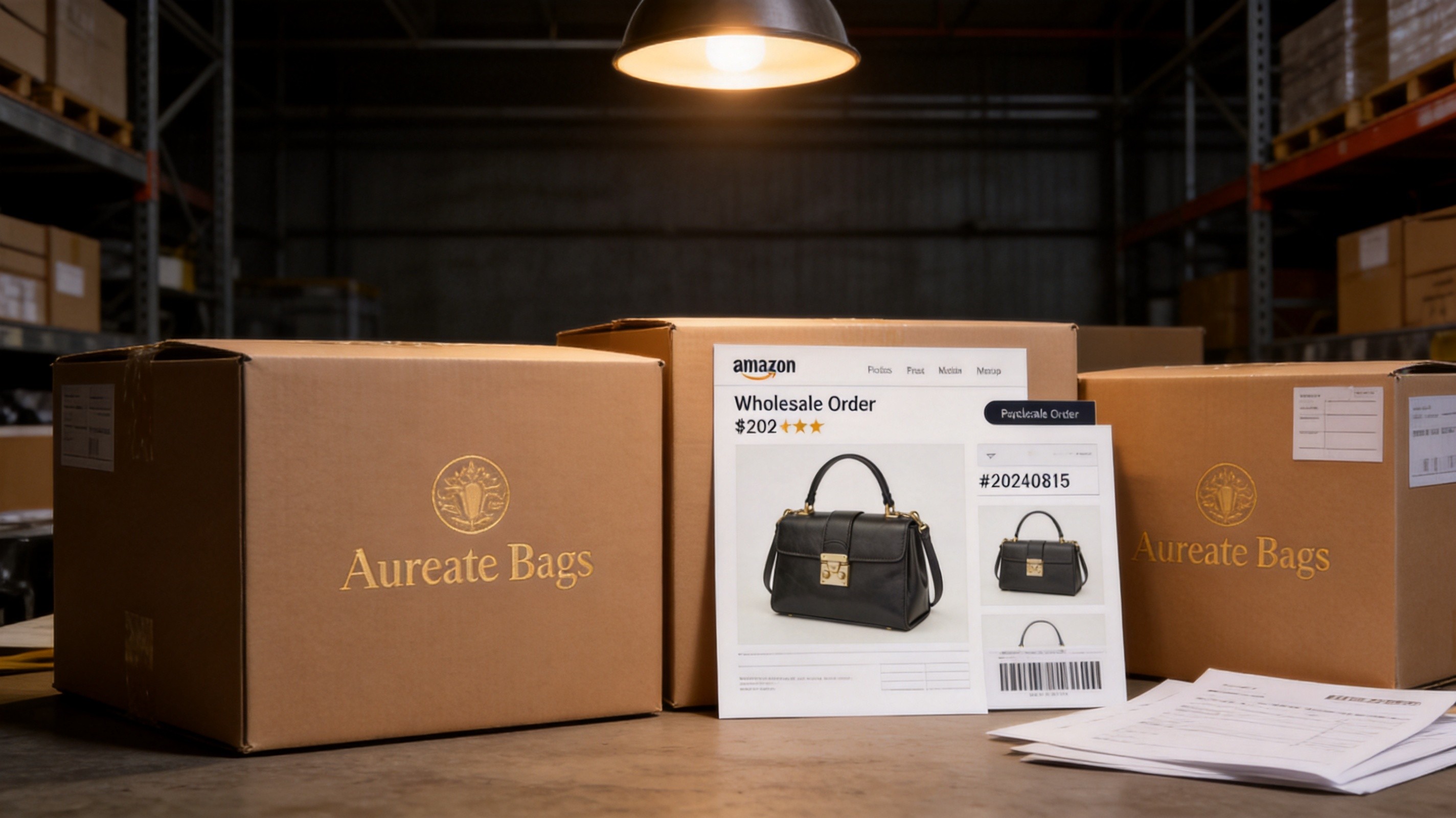
Precision pattern making ensures consistent proportions across all production runs
Stage 4 — Skiving, Marking and Preparation
Before assembly begins, cut pieces undergo preparation operations that enable proper construction. These preparation steps are critical for achieving clean edges, proper alignment, and professional finishing.
Skiving
Skiving thins the leather at seam allowances and fold lines to reduce bulk and enable clean folding. Edge areas are skived to 0.3mm to 0.5mm thickness for smooth edge painting. Fold lines are skived to prevent visible thickness ridges. Skiving requires skilled operators because removing too much material weakens the piece, while insufficient skiving creates bulky seams and uneven edges.
Marking and Drilling
Hole positions for hardware attachment, pocket placement lines, and decorative stitching guides are marked on the pieces using templates, pricking irons, or laser marking systems. For hardware posts and rivets, precise drilling ensures clean hole edges and accurate positioning. Marks must be accurate within 0.5mm tolerance — even small positioning errors become visible on the finished bag.
Stage 5 — Assembly and Sewing Operations
Assembly is the heart of handbag manufacturing — the stage where flat pieces transform into three-dimensional bags. This stage demands the highest concentration of skilled labor and offers the most opportunities for quality differentiation.
Sewing Sequence
Handbag assembly follows a logical sequence: interior features first (pockets, zippered compartments, card slots), then exterior panels joined, then lining attached, then closure systems installed. Complex bags with multiple compartments may require 45 to 90 minutes of sewing per unit. Simpler designs complete in 20 to 40 minutes. The sewing team works on specialized machines — flat bed for panel joining, cylinder arm for curved seams, walking foot for heavy materials, and computerized machines for decorative stitching.
Stitching Quality Standards
Professional factories maintain strict stitching standards: 8 to 10 stitches per inch for leather, 10 to 12 for fabric. Stitch tension must be balanced — too tight causes puckering, too loose creates weak seams. Thread must be consistent in color and weight throughout. Back-tacking at seam starts and ends secures thread ends. Every seam is inspected during and after sewing for skipped stitches, loose threads, and tension irregularities. See our stitching quality guide for detailed standards.
Precision sewing transforms flat material pieces into three-dimensional handbag constructions
Stage 6 — Hardware Attachment and Finishing
Hardware attachment transforms the sewn bag shell into a functional product. This stage includes installing zippers, closures, strap attachments, feet, and all metal or plastic components.
Installation Process
Each hardware component requires specific attachment techniques. Zippers are sewn into pre-prepared openings with specialized zipper feet. Snap closures are set using pneumatic or manual presses that apply precise pressure. Turn-lock posts are inserted through pre-drilled holes and secured with backing plates. D-rings and O-rings are attached through folded leather tabs with rivet setting. Each attachment is checked for alignment, security, and function.
Quality Checkpoints
Every hardware attachment undergoes function testing: zippers are run through multiple open-close cycles, snaps are tested for holding force, turn-locks are rotated through engagement cycles, and strap attachments are pull-tested. Misaligned hardware, loose fittings, and scratched surfaces are rejected. Hardware finishing includes applying anti-tarnish treatment to metal surfaces and polishing visible surfaces to remove fingerprints and installation marks.
Stage 7 — Edge Painting and Burnishing
Edge finishing is what separates premium handbags from budget products. Clean, smooth, even edges communicate craftsmanship and quality at a level that customers can see and feel.
Edge Painting Process
Leather edges are painted through multiple coats: a base coat fills the fiber structure, followed by 2 to 4 color coats for even coverage, and finished with a top coat for protection. Each coat is sanded smooth before the next application. The process takes 2 to 4 hours per bag including drying time between coats. Edge paint color must match the leather or hardware finish precisely. Quality edges are smooth, even, free of bubbles or runs, and adhere firmly without cracking when flexed.
Burnishing
Vegetable-tanned leather edges can be burnished instead of painted. Burnishing uses friction, heat, and wax or gum tragacanth to compress and polish the raw edge into a smooth, glossy finish. The technique requires significant operator skill and is used primarily on premium and luxury bags where the natural leather edge is part of the design aesthetic. Burnished edges develop a patina with use that painted edges do not.
Stage 8 — Quality Control and Inspection
Quality control runs throughout the entire production process, but a comprehensive final inspection is conducted before any bag proceeds to packaging. This inspection follows AQL (Acceptable Quality Level) sampling standards to identify defects across the production batch.
Inspection Scope
Inspectors examine every aspect of the finished bag: exterior surface for scratches, stains, or material defects; stitching consistency and security; hardware function and alignment; edge finish quality; dimensional accuracy against specifications; color consistency; lining quality and clean finish; zipper and closure function; strap attachment security; and overall aesthetic conformance to approved sample. Detailed inspection procedures are covered in our QC guide.
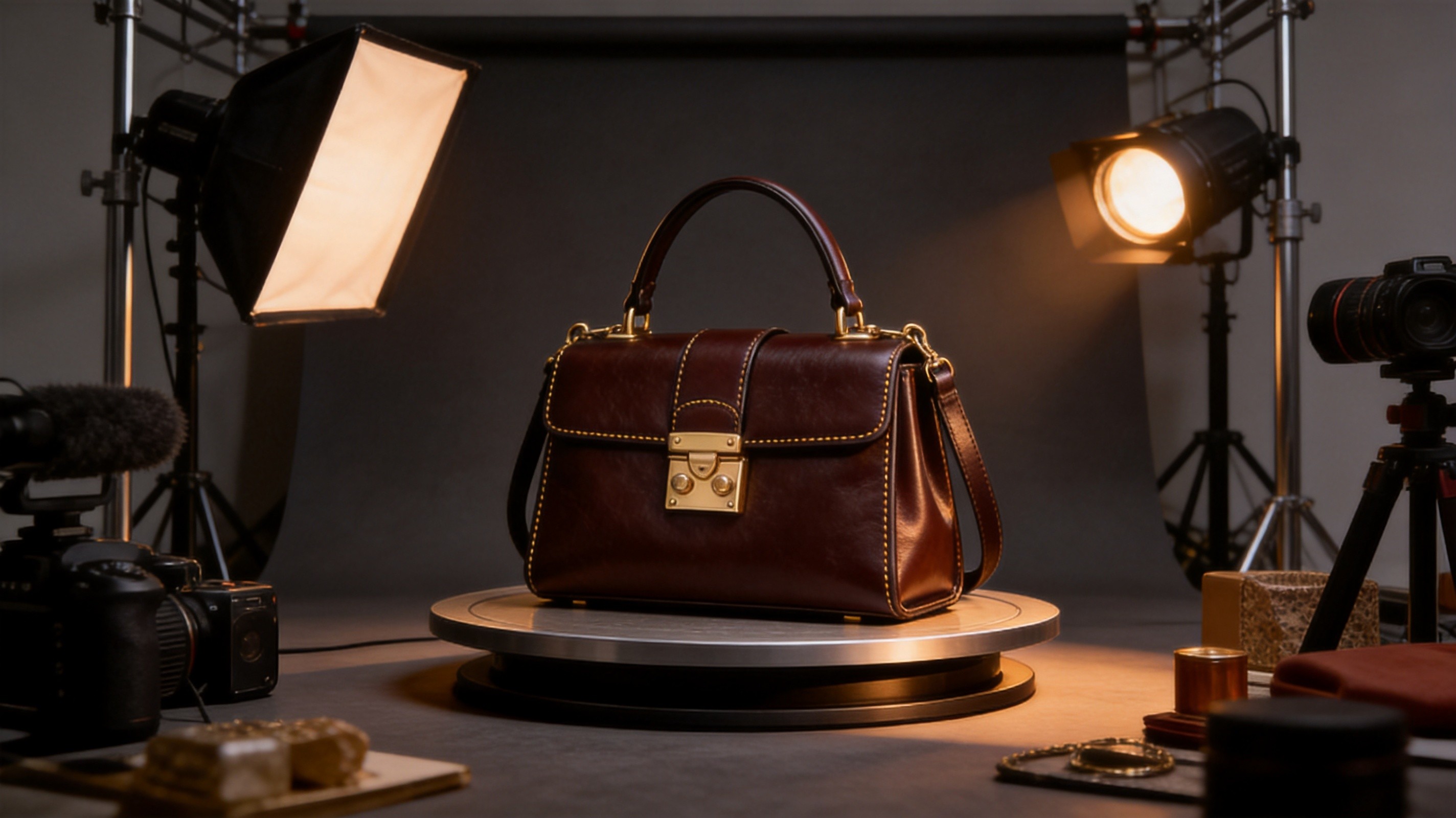
Professional QC inspection ensures every bag meets specifications before packaging and shipment
Stage 9 — Pressing, Shaping and Stuffing
After inspection approval, bags undergo finishing operations that give them their final retail-ready appearance. These operations transform a flat, limp bag into the structured, polished product that customers expect.
Pressing and Steaming
Bags are pressed using specialized irons and steam equipment to remove any wrinkles, creases, or deformation from the manufacturing process. Leather bags are pressed at controlled temperatures to avoid surface damage. Fabric bags can withstand higher temperatures. The pressing operation also sets the shape of folded elements like flaps and collars.
Stuffing and Shaping
Bags are stuffed with acid-free tissue paper or shaped inserts to achieve their designed silhouette. Stuffing supports the bag's structure during packaging and transit, preventing collapse and creasing. The amount and placement of stuffing must be consistent across all units to maintain uniform presentation. Premium bags often use custom-formed tissue inserts that maintain the bag's exact shape.
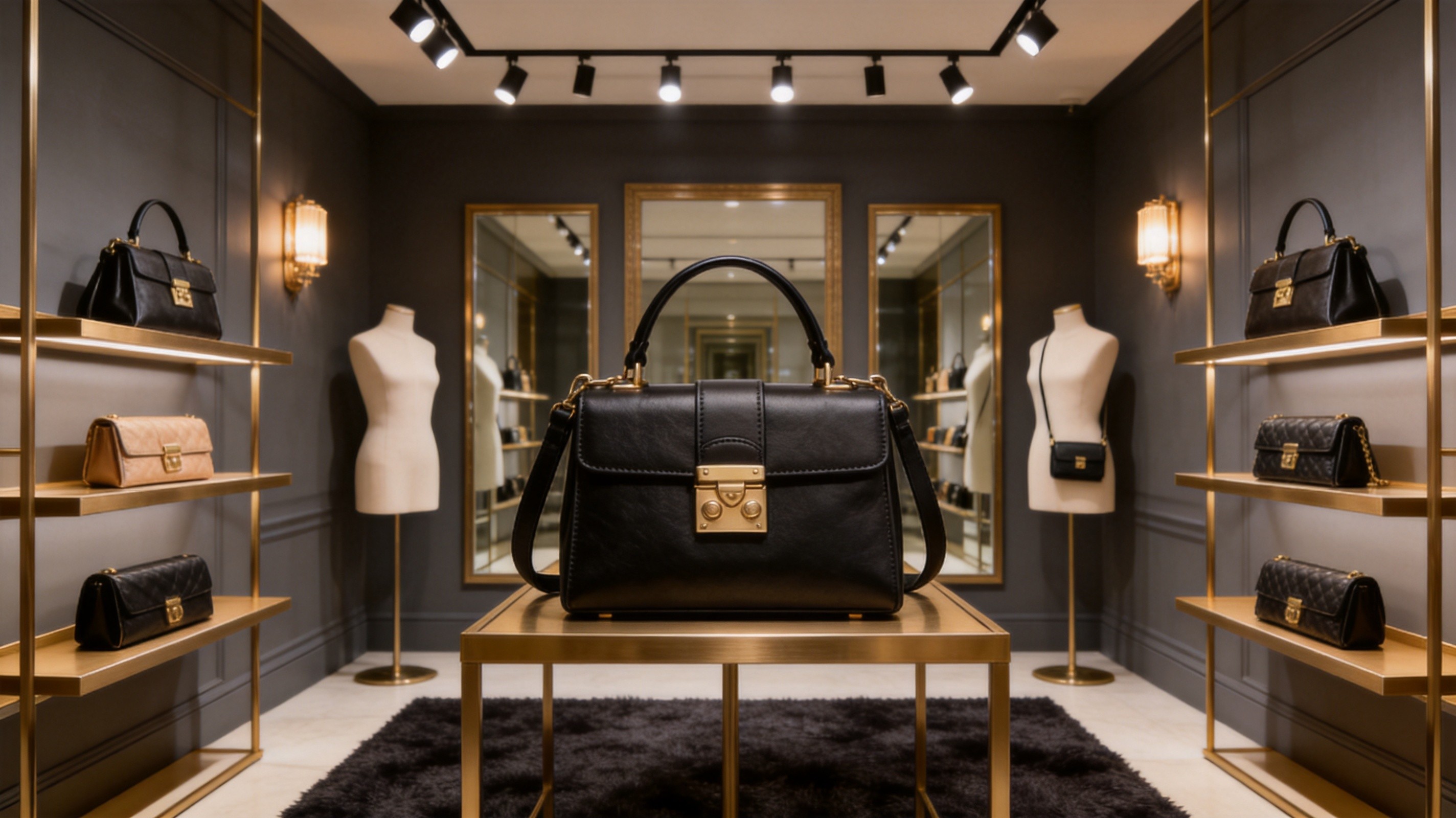
Every finished bag passes through multiple QC checkpoints before packaging
Stage 10 — Packaging and Labeling
Packaging protects the bag during shipping and creates the customer's first impression. This stage includes inserting care cards, attaching hang tags, placing in dust bags, and boxing.
Packaging Sequence
- Remove temporary protective coverings from manufacturing
- Insert care cards, authenticity cards, and brand literature
- Attach hang tags with barcode, price, and product information
- Place bag inside dust bag (cotton, organic cotton, or recycled PET)
- Place in retail box with appropriate cushioning
- Seal box and apply shipping label
Labeling Requirements
Different markets require different labeling: care content labels, country of origin, material composition, barcodes (UPC or EAN), and compliance marks. Our factory manages labeling requirements for all major markets including North America, European Union, United Kingdom, Australia, and East Asia. For sustainable packaging options, see our eco-friendly packaging guide.
Stage 11 — Shipping and Logistics
The final stage moves finished products from the factory floor to the customer's destination. Shipping logistics planning begins weeks before production completes to ensure seamless delivery.
Shipping Methods
- Sea Freight: Most cost-effective for large orders, 25 to 40 days transit to major ports
- Air Freight: 5 to 10 days transit, suitable for urgent orders or small quantities
- Express Courier: 3 to 7 days for samples and small shipments via DHL, FedEx, UPS
- Rail Freight: 15 to 25 days to European destinations, cost-effective middle ground
Documentation
International shipments require commercial invoice, packing list, bill of lading, certificate of origin, and any market-specific compliance documentation. Our logistics team manages all export documentation and coordinates with freight forwarders to ensure smooth customs clearance at destination.
Timeline — How Long Each Stage Takes
Understanding the timeline for each stage enables effective production planning and realistic delivery commitments.
| Stage | Duration | Dependencies | Buyer Action Required |
|---|---|---|---|
| 1. Design and Tech Pack | 7 – 21 days | Buyer design input | Provide specs, approve tech pack |
| 2. Material Sourcing | 10 – 35 days | Supplier availability | Approve material swatches |
| 3. Pattern and Cutting | 3 – 7 days | Materials received | None (factory managed) |
| 4. Preparation | 2 – 5 days | Cutting complete | None |
| 5. Assembly | 10 – 25 days | Preparation complete | Mid-production check (optional) |
| 6. Hardware | 3 – 7 days | Assembly underway | None |
| 7. Edge Finishing | 2 – 5 days | Assembly complete | None |
| 8. QC Inspection | 2 – 5 days | Production complete | Approve inspection results |
| 9. Finishing | 1 – 3 days | QC passed | None |
| 10. Packaging | 2 – 5 days | Finishing complete | Approve packaging layout |
| 11. Shipping | 5 – 40 days | Packaging complete | Confirm shipping method |
| Production Phase | Typical Duration | Key Activities | Deliverable |
|---|---|---|---|
| Design and Development | 2–4 weeks | Sketching, CAD modeling, material selection | Approved design specification |
| Sampling | 3–6 weeks | Prototype, fit sample, PP sample | Approved pre-production sample |
| Material Procurement | 2–4 weeks | Leather, hardware, lining orders | All materials received and inspected |
| Cutting | 3–5 days | Die cutting, manual cutting, labeling | All pieces cut and organized |
| Sewing and Assembly | 7–15 days | Stitching, hardware attachment, assembly | Completed handbags |
| Finishing and QC | 3–5 days | Edge painting, trimming, inspection | QC-approved finished products |
| Packing and Shipping | 2–5 days | Packaging, labeling, container loading | Container ready for shipment |
Common Bottlenecks and How to Avoid Them
Every production run encounters potential bottlenecks. Identifying and addressing these before they cause delays is the mark of experienced manufacturing management.
Top Five Bottlenecks
- Custom Material Lead Times: Specialty leathers and custom hardware often take longer than expected. Solution: order materials first and confirm availability before promising delivery dates.
- Sampling Revisions: Multiple sample revision rounds delay production start. Solution: provide clear initial specifications and consolidate feedback into fewer revision rounds.
- Holiday Periods: Chinese New Year (January/February) and Golden Week (October) shut down factories for 2 to 4 weeks. Solution: plan production schedules around these periods.
- Quality Rejections: Materials or production units that fail QC require replacement, adding 2 to 4 weeks. Solution: invest in thorough pre-production testing and in-line quality monitoring.
- Shipping Delays: Port congestion, customs holds, and carrier scheduling can extend delivery. Solution: book shipping space early and allow buffer time in delivery commitments.
What Buyers Should Monitor at Each Stage
Active buyer engagement during production prevents surprises and ensures the final product matches expectations. The following monitoring framework balances oversight with factory autonomy.
| Stage | What to Monitor | How to Monitor | Action if Issue Found |
|---|---|---|---|
| Materials | Color, quality, specs match | Request photos + test reports | Reject non-conforming materials |
| Cutting | Piece accuracy, yield | Factory QC photos | Re-cut if errors found |
| Mid-Production | Stitching, assembly quality | In-line inspection visit or photos | Correct before completion |
| Final QC | Full bag inspection | AQL random inspection | Sort, rework, or reject |
| Packaging | Correct labels, packaging | Pre-shipment photos | Re-pack if incorrect |
Our factory provides comprehensive production updates to all clients including photos at each stage, test reports, and inspection documentation. We believe transparency builds trust and enables faster decision-making. Visit our about page to learn about our production management philosophy.
Ready to Start Your Handbag Production Journey?
With 20+ years of experience, a 30,000 sqm facility, and 300+ skilled workers, our factory manages every stage of handbag manufacturing from design to delivery. We provide transparent production updates, rigorous quality control, and reliable timelines. MOQ starts at 200 pcs/style.
Email: service@junyuanbags.com | WhatsApp: +86 17750020688
Request a QuoteFrequently Asked Questions
How long does the complete handbag manufacturing process take?
The complete process from design approval to delivery takes 45 to 90 days. Design and sampling takes 15 to 30 days, material sourcing 7 to 15 days, production 20 to 35 days, and QC, packaging, and shipping 7 to 15 days.
What is the minimum order quantity for handbag manufacturing?
Professional factories require 200 pieces per style for leather bags and 300 to 500 for fabric bags. Our factory offers 200 pcs per style as the standard minimum for all bag types.
What are the main quality control checkpoints during production?
Five critical checkpoints: incoming material inspection, in-line inspection during cutting, mid-production inspection during assembly, final random inspection before packaging, and pre-shipment audit.
How does the sampling process work before bulk production?
Typically 3 to 4 sample stages: proto sample, fit sample, salesman sample, and pre-production sample. Each takes 7 to 15 days. PP sample must be approved before bulk production begins.
What is the most common bottleneck in handbag production?
Material sourcing is the most common bottleneck, particularly for specialty leathers, custom hardware, and innovative materials. Building buffer time into procurement and confirming availability before committing to delivery dates prevents most scheduling issues.
Continue Exploring
Deepen your manufacturing knowledge: Quality Control Guide, Sampling Process Explained, and AQL Standards Guide. Visit our products page to see our manufacturing capabilities or contact us to discuss your production needs.
Limitations and Scope of This Guide
This guide covers the complete step-by-step handbag manufacturing process from initial design through sampling, production, quality control, and delivery. It is based on our experience as a handbag manufacturer in Quanzhou, China, serving brands worldwide since 2004. Key limitations to keep in mind:
- This process reflects our factory's workflow in Quanzhou. Other factories may organize steps differently or combine phases based on their systems.
- Timeline estimates assume standard materials and a cooperative buyer response time. Delays in approval or material selection extend the overall timeline.
- This guide covers the full process at a high level. Each phase (pattern making, cutting, sewing, finishing) has its own detailed best practices covered in separate articles.
For advice tailored to your specific situation, contact our team directly.