Table of Contents
- The Enduring Appeal of Clutch and Evening Bags
- Market Overview: Luxury Evening Accessories Segment
- Types of Clutches: Envelope, Box, Frame, and Minaudiere
- Evening Bags vs Day Clutches: Key Differences
- Premium Materials for Luxury Clutches
- Exotic Skins and Embellished Options
- Metal Frame Construction and Hardware
- Chain and Strap Options for Versatility
- Interior Finishing: Silk, Suede, and Satin Linings
- Embellishment Techniques: Beading, Embroidery, and Crystals
- Clutch as Brand Hero Product: Strategy and Positioning
- Seasonal and Event-Driven Demand Patterns
- Bridal and Special Occasion Market
- Manufacturing Challenges for Luxury Clutches
- Pricing Strategy for Premium and Luxury Clutches
- FAQ — Clutch and Evening Bag Market
The clutch and evening bag category occupies a unique position in the luxury accessories market. Unlike everyday handbags that compete primarily on function and durability, clutches sell on emotion, occasion, and aspiration. They are purchased for weddings, galas, holidays, and milestone celebrations, creating an emotional context that reduces price sensitivity and increases willingness to invest in exceptional quality and design. For brands with the craftsmanship capability to serve this market, clutches offer some of the highest margins and strongest brand-building potential in the entire accessories industry.
This guide provides a comprehensive examination of the clutch and evening bag opportunity, from market data and style taxonomy to material selection, embellishment techniques, manufacturing considerations, and pricing strategy. Whether you are launching a luxury accessories brand, adding evening bags to an existing collection, or targeting the lucrative bridal market, this guide gives you the framework for success. Our premium manufacturing services include clutch and evening bag production with the quality standards this category demands.
Clutch and evening bags represent the pinnacle of accessory craftsmanship and brand expression
The Enduring Appeal of Clutch and Evening Bags
Clutch bags have been an essential element of women's formal attire for over a century, and their appeal shows no signs of diminishing. The clutch's enduring relevance rests on three pillars: necessity (formal occasions require a bag, but large handbags are inappropriate with evening wear), expression (the small canvas of a clutch allows for maximum design impact with minimal material), and collectibility (women often own multiple clutches for different occasions, creating natural repeat purchase behavior).
The average fashion-conscious consumer owns 3 to 5 clutches, purchased over years rather than months. Each purchase is tied to a specific occasion or gap in her collection: a black satin clutch for formal events, a metallic everyday clutch for dinners and parties, a white or ivory clutch for bridal occasions, and perhaps a bold statement piece for holidays and celebrations. This multi-purchase pattern creates long-term customer relationships that generate significant lifetime value for brands that deliver consistent quality and design excellence.
For brands, the clutch category offers an entry point into the luxury market with lower material investment than handbags. A single clutch requires a fraction of the leather needed for a tote or shoulder bag, yet can command comparable or higher retail prices due to the occasion premium and craftsmanship value. This favorable cost-to-price ratio makes clutches an attractive product for brands building their luxury credentials. Learn more about how different bag categories contribute to brand strategy in our collection design guide.
Market Overview: Luxury Evening Accessories Segment
The global clutch and evening bag market is valued at approximately $4.5 billion in 2025, growing at 4 to 6 percent annually. While smaller than the everyday handbag market in total revenue, the clutch segment generates outsized profitability due to higher average margins, lower material costs per unit, and strong brand loyalty driven by occasion-based purchasing.
| Market Segment | Revenue | Growth Rate | Avg Margin | Key Driver |
|---|---|---|---|---|
| Luxury Evening Clutches | $1.2B | 4-5% | 70-80% | Formal occasions, brand prestige |
| Premium Day Clutches | $1.1B | 5-7% | 60-70% | Versatile day-to-evening |
| Bridal Clutches | $0.8B | 6-8% | 65-75% | Wedding occasions |
| Embellished/Fashion | $0.9B | 5-6% | 65-75% | Seasonal trends, social events |
| Accessible Clutches | $0.5B | 3-4% | 55-65% | Entry luxury, gifting |
Types of Clutches: Envelope, Box, Frame, and Minaudiere
The clutch category encompasses several distinct silhouette types, each with different design characteristics, manufacturing approaches, and market positioning. Understanding these types is essential for planning your product line and targeting the right customer segment.
| Clutch Type | Market Share | Price Range | Key Characteristic | Best For |
|---|---|---|---|---|
| Envelope Clutch | 30-35% | $80 - $350 | Triangular flap, sleek profile | Everyday elegance, versatile |
| Box Clutch | 20-25% | $90 - $500 | Structured rectangular form | Modern, architectural aesthetic |
| Frame Clutch | 15-18% | $120 - $800 | Metal kiss-lock or hinge frame | Vintage luxury, distinctive |
| Minaudiere | 5-8% | $300 - $5,000+ | Jeweled hard-shell case | Ultra-luxury, haute couture |
| Soft Pouch Clutch | 12-15% | $60 - $250 | Unstructured, draped form | Bohemian, relaxed elegance |
| Wristlet Clutch | 8-10% | $70 - $280 | Detachable wrist strap | Practical versatility |
The envelope clutch leads the market due to its versatility. The clean lines and flat surfaces work in virtually any material from leather to satin to metallic, making it appropriate for daytime meetings through evening galas. The box clutch has gained share rapidly in recent years, appealing to consumers who prefer structured geometric forms that make a stronger design statement. Frame clutches, while representing a smaller share, command the highest per-unit margins due to the specialized hardware and artisan construction they require.
Evening Bags vs Day Clutches: Key Differences
While the terms clutch and evening bag are often used interchangeably, they represent distinct products with different design requirements. Evening bags are specifically designed for formal occasions and prioritize aesthetics over functionality: smaller capacity, more delicate materials, and elaborate embellishment. Day clutches bridge casual and formal contexts, offering slightly larger capacity, more durable materials, and versatile designs that work across multiple occasions.
For brands, this distinction creates a strategic choice: specialize in pure evening bags for the highest price points and margins, focus on versatile day clutches for broader market appeal, or offer both to cover the full spectrum. Many successful brands use the day clutch as their volume driver and the evening bag as their brand halo product, creating aspiration that elevates the entire collection. For more on building balanced product architectures, see our market demand analysis covering multiple bag categories.
Evening bags and day clutches serve different occasions but both contribute to brand building
Premium Materials for Luxury Clutches
Material selection for luxury clutches demands the highest quality standards. Because the clutch's small size puts every square centimeter of material under visual scrutiny, flaws that might go unnoticed on a large handbag become immediately apparent. The finest clutch manufacturers source materials from the world's premier tanneries and textile mills, accepting only top-grade selections.
The primary material categories for luxury clutches include full-grain calfskin for classic leather designs, satin and duchess silk for formal evening styles, metallic leathers and lamé for glamorous occasions, patent leather for high-shine finishes, and velvet or brocade for seasonal and holiday designs. Each material communicates a different aesthetic and price point. Calfskin at $150-$350 communicates understated luxury. Satin at $100-$250 speaks to formal elegance. Metallic finishes at $120-$300 project modern glamour.
Exotic Skins and Embellished Options
At the highest tier of the clutch market, exotic skins and elaborate embellishment define the products that command $500 to $5,000+ retail prices. These ultra-premium clutches serve a discerning clientele that values rarity, craftsmanship, and exclusivity above all other attributes.
The exotic skin options for clutches include crocodile and alligator (the most prestigious, with distinctive scale patterns), python (dramatic and modern), ostrich (unique quill follicle pattern), and stingray (extremely durable with a gemstone-like surface). Each exotic requires specialized tanning, cutting, and construction techniques that limit the number of factories capable of production. For embellished clutches, techniques include hand-applied crystal beading (Swarovski being the industry standard), intricate embroidery, pearl and seed bead work, metallic appliqué, and hand-painted designs. These embellishment processes add significant labor time but also create exceptional value perception.
Hand embellishment transforms a luxury clutch into a wearable work of art commanding premium prices
Metal Frame Construction and Hardware
The metal frame is the defining element of frame clutches and a critical quality component in many other styles. Frame construction requires precision metalworking capabilities that differ significantly from leather goods production. A well-made frame operates smoothly, closes securely with a satisfying click, and maintains its finish through years of use.
The primary frame types include the kiss-lock frame with two hinged metal pieces that close with a clasp mechanism, the hinge frame with a single hinge and magnetic or push-lock closure, the top-frame with a metal border around the opening that provides structure and a premium visual element, and the fully enclosed metal case (minaudiere) where the entire body is metal. Frame materials include brass (most common, accepts various platings), zinc alloy (cost-effective with good detail reproduction), stainless steel (modern, durable), and precious metals for ultra-luxury pieces.
Chain and Strap Options for Versatility
Adding a detachable chain or strap transforms a clutch from a single-occasion piece into a versatile accessory suitable for multiple contexts. This versatility justifies higher pricing and increases customer satisfaction, as the buyer gains multiple bags in one product.
The most popular chain options include delicate cable chains (2-4mm width) for an elegant, jewelry-like effect, Cuban or curb chains (5-10mm) for a bolder, modern statement, and leather-wrapped chains that combine metal links with leather interweaving for a softer aesthetic. Strap options include thin leather straps for shoulder carry, wider leather straps for crossbody conversion, and beaded or pearl strands for evening versatility. The detachable attachment mechanism should be secure yet easy to operate, typically using lobster claw clips or spring rings in matching metal finish.
Interior Finishing: Silk, Suede, and Satin Linings
The interior of a luxury clutch must match the exterior's quality standard. Customers who invest $200 or more in a clutch expect every visible surface, including the interior, to reflect premium craftsmanship. The lining material choice affects both the tactile experience and the product's durability over time.
The preferred interior materials for luxury clutches include silk or silk-blend linings for the ultimate luxury feel, suede for a soft, tactile quality that also protects delicate items inside, satin for a smooth, elegant finish at moderate cost, and microsuede for durability with a luxury hand-feel. The interior should include at least one slip pocket for cards or a phone and, in larger clutches, a small zippered compartment for valuables. The brand label should be discreetly placed on the interior, typically embossed on leather or printed on satin.
Embellishment Techniques: Beading, Embroidery, and Crystals
Embellishment transforms a beautiful clutch into an extraordinary one, creating the visual impact that justifies luxury pricing and generates the emotional response that drives purchasing decisions in this category. The art of clutch embellishment combines traditional craftsmanship with modern materials and techniques.
| Technique | Added Cost | Production Time | Retail Price Premium | Skill Level |
|---|---|---|---|---|
| Crystal Beading (Hand) | $15-$45 | 2-6 hours | +100-200% | Expert |
| $5-$15 | 30-60 min | +40-80% | Advanced | |
| Hand Embroidery | $12-$60 | 3-8 hours | +120-250% | Expert |
| Rhinestone Transfer | $2-$8 | 15-30 min | +25-50% | Intermediate |
| Metallic Foil | $3-$8 | 20-40 min | +30-60% | Intermediate |
| Laser-Cut Pattern | $2-$5 | 10-20 min | +20-40% | Technical |
Hand embellishment requires exceptional skill and patience, justifying the premium prices of decorated clutches
Clutch as Brand Hero Product: Strategy and Positioning
Many of the world's most successful accessories brands use a signature clutch as their hero product: the item that defines the brand's identity and generates the majority of brand awareness. The clutch's small size, high visibility at events, and photographic appeal make it an ideal brand ambassador product. When a celebrity carries your clutch to a red carpet event or a influencer features it in a social media post, the compact design ensures the entire product is visible, not just a portion.
The hero product strategy involves designing one or two clutch styles that become synonymous with your brand identity, producing them in multiple colorways and materials to create seasonal freshness while maintaining recognition. The iconic designs that consumers immediately associate with specific luxury houses are often clutches, not handbags. For emerging brands, developing a distinctive clutch silhouette early in the brand's lifecycle creates a recognizable brand asset that grows in value as the brand develops. Explore how our brand solutions can help you develop your signature clutch design.
Seasonal and Event-Driven Demand Patterns
Unlike everyday handbags that maintain relatively consistent demand throughout the year, clutch purchases are heavily influenced by seasonal events and social calendars. Understanding these demand patterns is essential for inventory planning and marketing timing.
The clutch selling calendar peaks during: bridal season (March through June, with pre-purchasing in January-February), holiday party season (October through December for Thanksgiving, Christmas, and New Year's events), graduation season (April through June), Mother's Day and Valentine's Day gifting peaks, and summer wedding guest season (May through September). Between these peaks, demand softens, creating inventory planning challenges. The most successful clutch brands maintain year-round relevance by offering versatile designs that work across multiple occasions while producing limited-edition seasonal collections that create urgency during peak periods.
Bridal and Special Occasion Market
The bridal clutch market represents one of the most profitable niches in the entire accessories industry. Brides invest significantly in every detail of their wedding day appearance, and the clutch carried during the ceremony and reception is a key accessory that appears prominently in photographs that will be viewed for decades.
The bridal clutch opportunity includes not only the bride's clutch but also clutches for bridesmaids, mother of the bride, and other wedding party members. A single wedding can generate 3 to 8 clutch purchases, and the emotional significance of the occasion means price sensitivity is dramatically reduced. Bridal clutches in white, ivory, champagne, and metallic finishes retail at $100 to $400 for quality designs, with embellished and custom options reaching $500+. Brands that develop dedicated bridal collections with options for personalization (monogramming, color matching) capture exceptional customer loyalty and word-of-mouth referrals within the tight-knit bridal community.
The bridal clutch market generates exceptional margins through emotional purchasing and multi-unit wedding party sales
Manufacturing Challenges for Luxury Clutches
Luxury clutch manufacturing demands higher precision, more specialized skills, and more rigorous quality control than standard handbag production. The small size means every defect is immediately visible. The premium materials require specialized handling. And the embellishment work demands artisan-level craftsmanship that cannot be rushed.
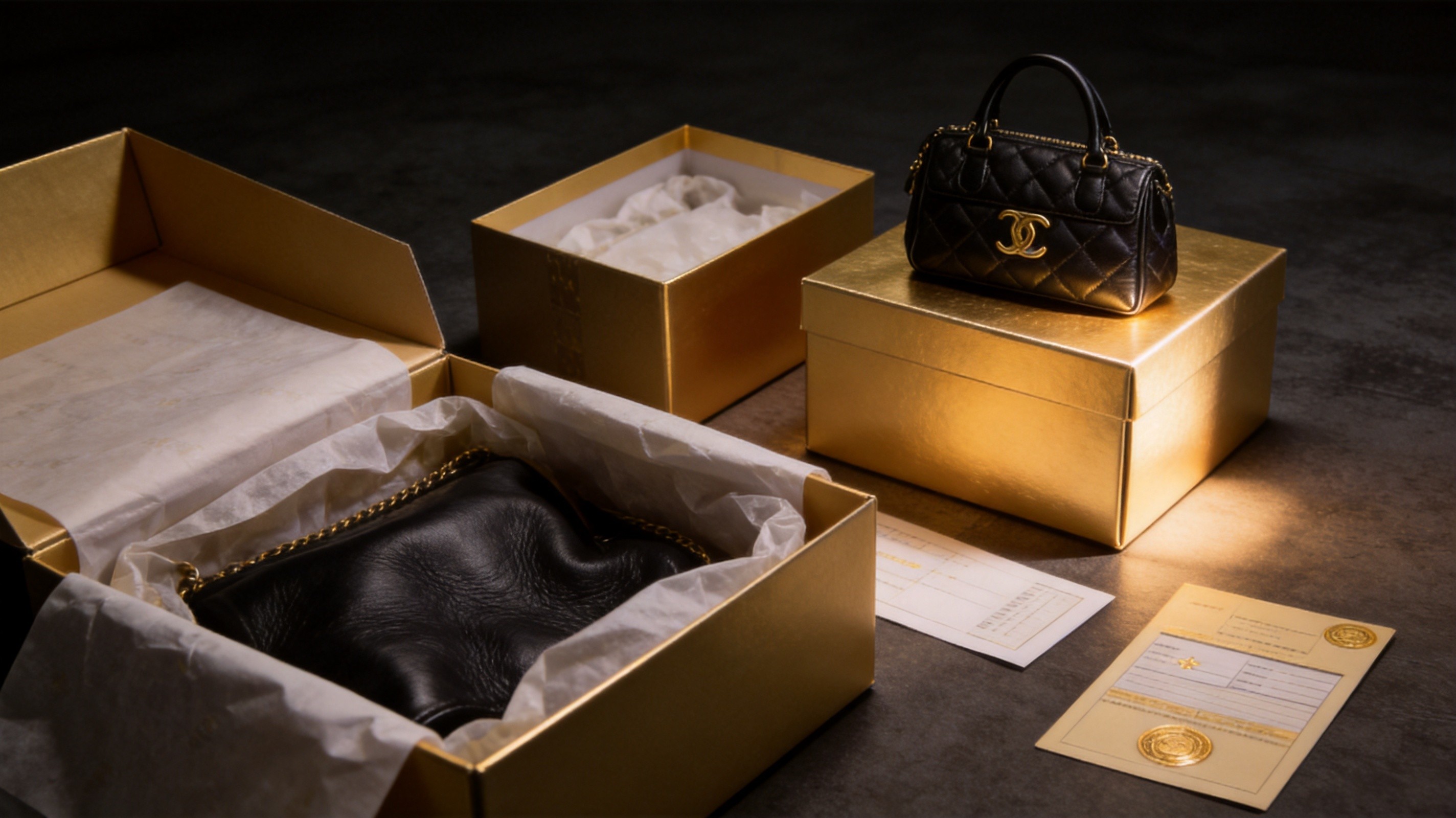
Key manufacturing challenges include frame alignment precision for frame clutches where even 0.5mm of misalignment creates visible asymmetry, embellishment consistency across production units ensuring each clutch has identical crystal placement or embroidery density, material matching for exotic skins where scale patterns must be symmetrical, interior finishing quality that matches the exterior's luxury standard, and packaging presentation that protects delicate surfaces during shipping while creating an exceptional unboxing experience. These challenges require factories with dedicated clutch production lines and artisans specifically trained in luxury finishing techniques.
Pricing Strategy for Premium and Luxury Clutches
Clutch pricing operates differently from everyday handbags. The occasion context and emotional purchasing dynamics create pricing power that allows brands to command higher margins than comparable-sized everyday bags. Strategic pricing for clutches should reflect the brand positioning, material quality, embellishment level, and target occasion.
Clutch Price Architecture
Accessible ($60-$120): PU or split leather, minimal hardware, simple designs. Premium ($120-$300): Top-grain leather, quality hardware, clean design. Luxury ($300-$800): Full-grain or exotic leather, custom hardware, embellishment. Haute ($800+): Rare exotic skins, hand-embellished, limited editions. Target 65-80% gross margins across all tiers.
The key to successful clutch pricing is establishing clear value tiers that customers can understand and navigate. Each tier should offer a visible quality upgrade from the tier below: better materials at the premium level, custom hardware and embellishment at the luxury level, and rare materials or hand craftsmanship at the haute level. This tiered approach allows customers to enter at their comfort level while providing clear upgrade paths that increase average transaction value over time.
Junyuan Bags brings 20+ years of manufacturing excellence to the clutch and evening bag category, with dedicated artisan teams for embellishment work, frame construction, and luxury finishing. Our 30,000 square meter facility in Quanzhou supports production from 200-piece MOQs with the quality standards that luxury brands demand. Contact our team to discuss your clutch collection vision, or explore our product catalog for design inspiration.
Create Your Luxury Clutch Collection
From envelope clutches to minaudieres, Junyuan Bags delivers the craftsmanship that luxury demands. 20+ years expertise, 200-piece MOQ, artisan embellishment capability.
WhatsApp: +86 17750020688 | Email: service@junyuanbags.com
Factory: 30,000 sqm, 300+ workers, Quanzhou, China
Frequently Asked Questions
What is the most popular clutch style for luxury brands?
The envelope clutch leads at 30-35% market share due to its versatile clean lines. Box clutches follow at 20-25% with modern geometric appeal. Frame clutches hold 15-18% with distinctive vintage luxury. The envelope's flat surface area is ideal for branding and works across materials from leather to satin.
What materials are used for luxury clutch manufacturing?
Premium materials include full-grain calfskin, satin, duchess silk, metallic leathers, patent leather, velvet, and exotic skins (crocodile, python, ostrich) for the highest tier. Interior linings use silk, suede, or satin. Material choice directly determines price positioning from $80 to $5,000+.
Is there a significant opportunity in the bridal clutch market?
Yes, the bridal market is exceptionally profitable. A single wedding generates 3-8 clutch purchases (bride, bridesmaids, mothers). Emotional significance reduces price sensitivity, with bridal clutches retailing at $100-$500+. Customization options drive additional premium pricing and word-of-mouth referrals.
How much does embellishment add to clutch manufacturing cost?
Costs range from $2-$8 for machine rhinestone transfers to $15-$60 for hand beading and embroidery. However, embellished clutches retail at 2-3x unembellished equivalents, creating excellent margins. Hand-embroidered pieces command the highest premiums at +120-250% retail uplift.
What makes clutch manufacturing different from other handbags?
Clutch manufacturing requires higher precision due to small visible area, specialized skills for frame and embellishment work, luxury-grade interior finishing, smaller production runs with higher per-unit values, and rigorous cosmetic quality control. Factory experience with luxury accessories is essential.
Can a new brand succeed in the luxury clutch market?
Absolutely. The clutch market rewards distinctive design and quality craftsmanship over brand heritage. Many successful clutch brands started as emerging labels that gained recognition through exceptional products and strategic social media presence. The lower material investment compared to handbags makes clutches an accessible entry point for new luxury brands.
Limitations and Scope of This Guide
This guide covers the luxury clutch and evening bag market opportunity, including design, materials, pricing, and brand positioning strategies. It is based on our experience as a handbag manufacturer in Quanzhou, China, serving brands worldwide since 2004. Key limitations to keep in mind:
- Market size and pricing data are based on publicly available industry reports through 2026. The luxury segment is sensitive to economic cycles and consumer confidence.
- This guide focuses on fashion and bridge luxury segments. Ultra-luxury positioning (price points above $2,000) involves different materials, craftsmanship standards, and distribution strategies.
- Seasonal demand patterns described are based on Western fashion calendars. Markets in the Middle East and Asia follow different event and gifting seasons.
For advice tailored to your specific situation, contact our team directly.