Table of Contents
- Starting a Handbag Brand: Collection Planning Is Everything
- Defining Your Brand Identity and Target Market
- Market Gap Analysis: Finding Your Niche
- Building a Collection Architecture: Core Styles vs Seasonal
- How Many Styles Should Your First Collection Include
- Category Balance: Totes, Crossbodies, Clutches, and Accessories
- Creating a Cohesive Design Language Across Styles
- Color Palette Strategy for a New Collection
- Material Selection for Brand Consistency
- Hardware as a Brand Signature Element
- Price Architecture Across Your Collection
- Naming Convention and SKU Organization
- Timeline from Design Concept to Market Launch
- Budget Planning for a First Collection Launch
- Working with Manufacturers During Collection Development
- FAQ — Designing a Handbag Collection for a New Brand
Designing a handbag collection for a new brand is one of the most exciting and challenging projects in the fashion industry. It requires balancing creative vision with commercial reality, establishing a distinctive brand identity while covering enough market categories to attract customers, and making manufacturing decisions that will affect your brand's quality reputation for years to come. The collection you design today becomes the foundation upon which your entire brand is built, and getting it right is essential for long-term success.
This comprehensive guide walks you through every decision involved in creating a handbag collection from scratch, from defining your brand identity to selecting your first styles, choosing materials, planning your budget, and collaborating with manufacturers. Whether you are an aspiring designer launching your dream brand or an entrepreneur entering the accessories market, the frameworks and data in this guide will help you make informed decisions that maximize your chances of commercial success. Our manufacturing services are specifically designed to support new brands from first concept through volume production.
A well-planned collection begins with a clear brand vision that guides every design decision
Starting a Handbag Brand: Collection Planning Is Everything
The difference between a handbag brand that thrives and one that struggles often comes down to collection planning. Brands that launch with carefully considered collections that balance market coverage, design cohesion, and financial feasibility consistently outperform those that launch with too many styles, too few styles, or an unfocused assortment that confuses customers.
Collection planning encompasses every decision from the number of styles and categories to the color palette, material selection, hardware design, and price architecture. These decisions are interconnected: your target market determines your categories, your categories influence your material choices, your materials affect your price points, and your price points must align with your target market's willingness to pay. Getting this interconnected system right requires a systematic approach grounded in market data and manufacturing reality.
The brands that succeed in today's competitive market share three common traits: a clearly defined brand identity that differentiates them from competitors, a collection architecture that covers the categories their target customers shop while maintaining design cohesion, and a manufacturing partnership that delivers consistent quality at viable economics. This guide addresses all three pillars. For brands seeking a manufacturing partner who understands the unique needs of new brands, Junyuan Bags brings 20+ years of experience and dedicated new brand support.
Defining Your Brand Identity and Target Market
Before designing a single handbag, you must define who your brand is for and what it stands for. Brand identity is not a logo or a color scheme. It is a comprehensive statement of who you serve, what need you fulfill, and why your customer should choose you over the hundreds of existing handbag brands competing for her attention and money.
Your brand identity should clearly articulate your target customer's demographics (age, income, location, occupation), psychographics (values, aspirations, lifestyle, shopping behavior), and handbag needs (what occasions she needs bags for, what she carries daily, what problems she needs solved). With this profile defined, every subsequent design decision becomes a filter: if a style, material, or color does not serve this customer, it does not belong in your collection.
Brand Identity Framework
Complete this statement: "Our brand exists for [specific customer] who needs [specific handbag solution] and chooses us because [unique differentiator]." If you cannot fill in these blanks with precision, continue researching before designing. Your collection should be the physical expression of this brand statement.
Market Gap Analysis: Finding Your Niche
The handbag market is vast but far from saturated in every segment. Market gap analysis involves identifying underserved customer needs, underrepresented design aesthetics, or price points where demand exceeds supply. Finding your niche gives your new brand a reason to exist beyond simply adding one more option to an already crowded market.
Common market gaps that new brands successfully exploit include: sustainable and ethically-produced bags at mid-range price points, bags designed for specific professions (nurses, teachers, real estate agents), bags that solve specific functional problems (anti-theft, laptop protection, travel organization), and bags that serve underrepresented aesthetic preferences (minimalist luxury, maximalist artisan, gender-neutral designs). The strongest niche positions combine a specific customer with a specific unmet need, creating a focused brand story that resonates deeply with a defined audience.
Building a Collection Architecture: Core Styles vs Seasonal
Your collection architecture defines the relationship between permanent core styles that are always available and seasonal styles that rotate based on trends, materials, and color stories. This architecture directly affects your inventory management, cash flow, and brand perception.
| Collection Element | Percentage | Purpose | Update Frequency | Inventory Risk |
|---|---|---|---|---|
| Core Styles | 60-70% | Brand identity, consistent revenue | Never / Rarely | Low |
| Seasonal Core | 15-20% | Freshness, trend relevance | Every 6 months | Medium |
| Trend/Limited | 10-15% | Excitement, social media | Every 3-4 months | Higher |
| Collaboration/Special | 5-10% | Brand elevation, PR | As opportunity arises | Low (limited run) |
For your first collection, focus almost entirely on core styles. These are designs that transcend seasonal trends, serve everyday needs, and establish your brand's quality and aesthetic standards. Seasonal and trend styles can be added in subsequent collections once you have sales data and customer feedback to guide your decisions. Starting with a core-focused collection reduces inventory risk and allows you to concentrate production volume on fewer styles, improving per-unit economics.
How Many Styles Should Your First Collection Include
The number of styles in your launch collection directly affects your initial investment, inventory risk, and the customer's perception of your brand. Too few styles and the collection feels sparse. Too many and your capital is spread thin across untested designs, and the collection lacks cohesion.
For a new handbag brand, the recommended launch range is 5 to 8 core styles offered in 2 to 4 colorways each, creating a total of 15 to 25 SKUs. This range covers the major bag categories (tote, crossbody, shoulder, clutch), provides enough variety to attract diverse customers within your target market, and keeps initial production investment within manageable bounds. Each additional style adds sampling costs, tooling expenses, and inventory commitment, so the decision to add styles beyond the core should be driven by clear market data rather than creative enthusiasm alone.
Category Balance: Totes, Crossbodies, Clutches, and Accessories
Your category mix should reflect both your target customer's needs and the commercial realities of each category. The goal is to cover enough ground to capture different purchase occasions while concentrating your resources on the categories that drive the most revenue for your specific brand positioning.
| Category | Recommended Share | Purpose in Collection | Avg Price Point |
|---|---|---|---|
| Tote Bags | 25-30% | Work/everyday, high utility | $80-$200 |
| Crossbody Bags | 25-30% | Casual/everyday, growing fastest | $65-$160 |
| Shoulder Bags | 20-25% | Day-to-evening versatility | $75-$180 |
| Clutch/Mini Bags | 10-15% | Special occasions, brand halo | $50-$150 |
| Small Accessories | 5-10% | Entry price, add-on sales | $30-$80 |
This distribution ensures your collection captures purchases across different occasions and price points while maintaining a manageable SKU count. For detailed analysis of each category's market dynamics, explore our guides on tote vs shoulder bag demand, crossbody bag design, and clutch market opportunity.
A balanced first collection covers major categories while maintaining design cohesion across all styles
Creating a Cohesive Design Language Across Styles
Design cohesion is what transforms a group of individual bags into a recognizable collection. When a customer sees your tote, crossbody, and clutch displayed together, they should immediately recognize them as part of the same brand family, even without visible logos. This recognition is built through consistent design elements that repeat across all styles.
The key elements that create design cohesion include: consistent hardware shape and finish across all styles, signature design details that appear in every piece (a specific stitch pattern, edge finish, interior lining color, or pocket shape), proportional harmony that ensures different sizes feel related rather than disconnected, and a unified aesthetic philosophy (minimalist, maximalist, heritage, modern, artisan) that guides every design decision. Document these cohesion elements in a brand design guideline and reference it before approving any new style for production.
Color Palette Strategy for a New Collection
Your launch color palette sets the tone for your brand and directly affects sell-through rates. For a new brand with limited market data, the safest approach is a foundation of proven commercial colors supplemented by one or two distinctive shades that differentiate your brand.
The recommended launch palette includes black (always the best-selling color in handbags), tan/camel or cognac (the second most popular neutral), a soft neutral like grey, blush, or olive, and one distinctive color that becomes associated with your brand identity. This 3 to 4 color approach covers the core neutrals that represent 60 to 70 percent of handbag sales while adding a brand-defining shade that creates memorability. As you gather sales data, expand your palette based on what your specific customers choose.
A strategic launch palette covers proven neutrals while adding a distinctive brand-defining shade
Material Selection for Brand Consistency
Material selection is one of the most impactful decisions in collection design. The materials you choose communicate quality, determine your price positioning, affect manufacturing costs, and create the tactile experience that customers associate with your brand. For a new collection, consistency across styles is essential for both brand building and manufacturing efficiency.
Select one primary material family for your core collection: full-grain leather for luxury positioning, top-grain leather for premium mid-range, high-quality vegan leather for sustainability-focused brands, or a material combination for unique positioning. Within this primary material, use the same supplier and grade across all styles to ensure color and texture consistency. Secondary materials for linings, accents, and specialty pieces can add variety while maintaining the primary material's dominance in the collection's overall feel.
Hardware as a Brand Signature Element
Custom hardware is one of the most effective brand-building tools available to new handbag brands. A distinctive hardware element, consistently applied across all styles, creates instant brand recognition that works even when the bag is viewed from a distance or photographed in social media content.
The most successful new brand hardware strategies start with a signature element: a custom-shaped clasp, a distinctive zipper pull, a branded foot design, or a characteristic D-ring shape. This element appears on every bag in the collection, creating visual continuity. For budget-conscious launches, starting with high-quality stock hardware in a consistent finish (gold, silver, gunmetal, or antique brass) builds cohesion without the investment of custom tooling. As volume grows, transition to custom hardware that becomes uniquely associated with your brand. Explore hardware options and approaches in our product catalog.
Price Architecture Across Your Collection
Your price architecture should create clear tiers that customers can easily navigate, with each tier offering a visible quality upgrade from the one below. This tiered approach captures customers at different price sensitivity levels while providing natural upsell pathways.
| Tier | Price Range | Styles Included | Target Margin | Purpose |
|---|---|---|---|---|
| Entry | $40-$80 | Small accessories, mini bags | 55-65% | Customer acquisition |
| Core | $80-$180 | Crossbodies, shoulder bags | 60-70% | Revenue driver |
| Premium | $180-$350 | Totes, statement pieces | 65-75% | Brand elevation |
For a new brand, concentrating 60 to 70 percent of your collection in the core tier captures the largest addressable market while the entry tier provides accessible entry points for new customers. The premium tier, represented by 1 to 2 statement pieces, elevates brand perception and creates aspiration even for customers who purchase at the core level.
Naming Convention and SKU Organization
A systematic naming convention and SKU structure may seem like a mundane detail, but it becomes critically important as your collection grows. Establishing a clear system from day one prevents confusion in inventory management, reorder processes, and customer service interactions.
A recommended system uses a style code that combines category, collection number, and color: for example, TB-001-BLK for Tote Bag style 001 in Black, or CB-003-TAN for Crossbody Bag style 003 in Tan. Each style receives a unique name that reflects your brand identity and can be used in marketing, social media, and customer communication. Document every SKU with its full specifications including dimensions, materials, hardware finish, and interior details to ensure consistent reordering.
Timeline from Design Concept to Market Launch
Understanding the realistic timeline from concept to market helps you plan your launch date, set customer expectations, and coordinate marketing activities. First-time brand launches typically require 8 to 12 months from initial concept to customer delivery.
| Phase | Duration | Key Activities | Deliverable |
|---|---|---|---|
| Brand Definition | 4-8 weeks | Identity, target market, positioning | Brand strategy document |
| Design Development | 6-10 weeks | Sketches, tech packs, material sourcing | Production-ready tech packs |
| Sampling | 8-12 weeks | 2-3 sample rounds, fit and finish | Approved production samples |
| Production | 6-8 weeks | Bulk manufacturing, quality control | Finished inventory |
| Photography/Marketing | 3-4 weeks | Product photos, website, launch plan | Launch-ready marketing assets |
| Launch | 1-2 weeks | Website go-live, marketing push | First customer orders |
Brands targeting specific selling seasons (fall collection, holiday launch, spring launch) should work backward from their target date and begin the process at least 10 to 12 months in advance. Rush timelines are possible but increase costs and risk quality compromises that can damage a new brand's reputation at the most critical moment.
Budget Planning for a First Collection Launch
Realistic budget planning prevents the most common cause of new brand failure: running out of capital before the collection generates revenue. The total investment required varies based on collection scope and quality tier, but understanding the major cost categories helps you plan accurately.
First Collection Budget Breakdown
Design Development: $2,000-$5,000. Sampling (5-8 styles, 2-3 rounds): $3,000-$8,000. Initial Production (200 pcs/style x 6 styles x 3 colors): $8,000-$30,000. Branding/Packaging: $2,000-$5,000. Photography/Website: $2,000-$5,000. Marketing Launch: $2,000-$5,000. Contingency (15%): $3,000-$8,700. Total Range: $22,000-$66,700. Working with 200-MOQ factories like Junyuan Bags keeps initial production accessible.
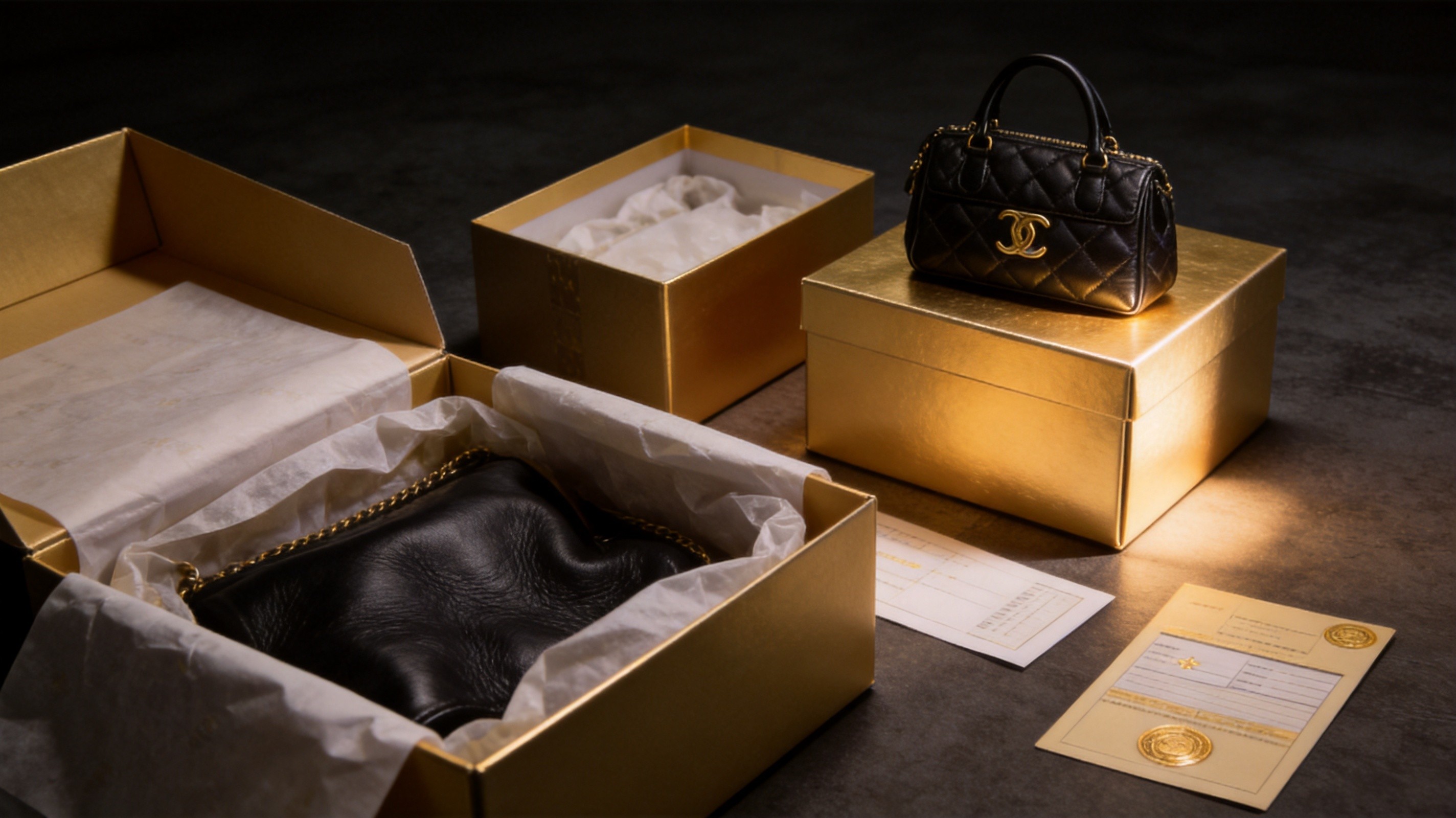
Comprehensive budget planning prevents capital shortfalls during the critical launch phase
Working with Manufacturers During Collection Development
Your manufacturing partner is the most important business relationship your new brand will establish. The factory you choose affects your product quality, timeline, cost structure, and ability to iterate and improve. For new brands, selecting a factory that understands the unique challenges of first-time collection development is essential.
Key qualities to look for in a manufacturing partner include: willingness to work with new brands and provide guidance during development, transparent communication about capabilities and limitations, reasonable MOQs (200 pieces per style is standard for established factories), sample development capability with multiple iteration rounds, comprehensive quality control processes, and experience with your target material and style categories. The best factory relationships are collaborative partnerships where both parties invest in the brand's success.
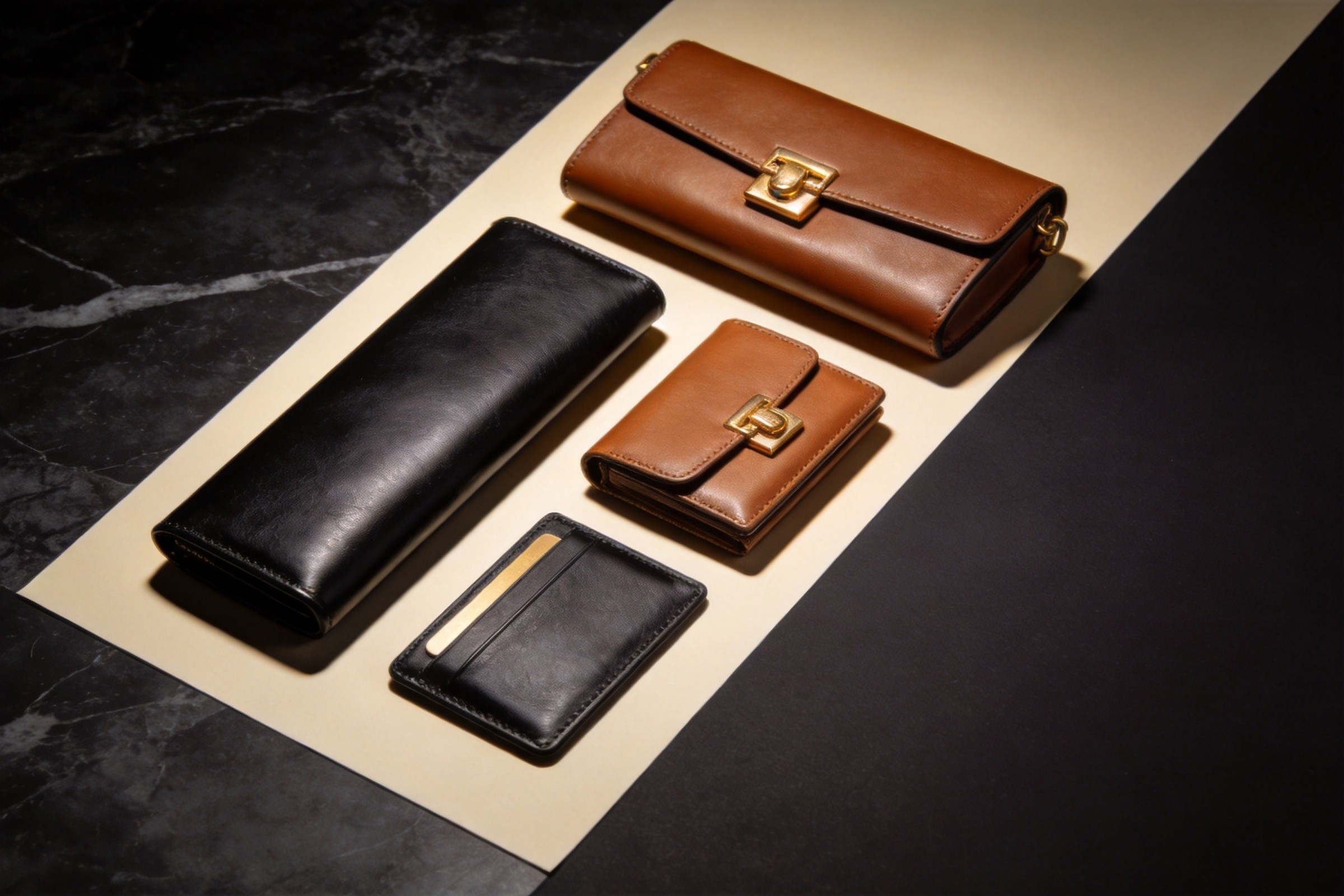
A collaborative factory partnership is the foundation of successful collection development
Junyuan Bags specifically supports new brand development with dedicated sampling teams, design consultation, and the flexibility to work through the iteration process that new brands require. Established in 2004, our 30,000 square meter facility in Quanzhou, China houses 300+ skilled workers capable of producing every bag category discussed in this guide. With 200-piece MOQs, full customization from materials to packaging, and a track record of helping new brands launch successfully, we are positioned to be your manufacturing partner from concept through growth. Contact us to begin the conversation about your collection vision.
Launch Your Handbag Brand with Junyuan Bags
From first sketch to market launch, we support new brands every step of the way. 20+ years expertise, 200-piece MOQ, full customization, dedicated new brand support.
WhatsApp: +86 17750020688 | Email: service@junyuanbags.com
Factory: 30,000 sqm, 300+ workers, Quanzhou, China
Frequently Asked Questions
How many styles should a new handbag brand launch with?
Launch with 5-8 core styles in 2-4 colorways each, creating 15-25 total SKUs. Cover major categories: 1 tote, 1 crossbody, 1 shoulder bag, 1 clutch/mini, and 1-2 additional styles based on your brand positioning. This provides enough variety while keeping investment manageable.
How much does it cost to develop a first handbag collection?
Total investment ranges from $15,000-$50,000 depending on scope. Major costs: design development ($2-5K), sampling ($3-8K), initial production ($8-30K for 200 pcs/style), branding/packaging ($2-5K), and marketing launch ($2-5K). Working with 200-MOQ factories keeps initial investment accessible.
What is the timeline from concept to market launch?
Typical timeline is 6-12 months: brand definition (4-8 weeks), design development (6-10 weeks), sampling (8-12 weeks), production (6-8 weeks), photography/marketing (3-4 weeks), and launch (1-2 weeks). First-time collaborations may add 1-2 months. Plan 10-12 months for seasonal launches.
What is the MOQ per style for handbag manufacturing?
Standard MOQ is 200 pieces per style per color. For a collection of 6 styles in 3 colors, total minimum is 3,600 pieces. Some factories offer 100-piece trial orders at 15-25% cost premium. Unit costs decrease significantly at 500+ quantities, improving margin on reorders.
How do you find a reliable handbag manufacturer?
Research through trade shows, online platforms, and referrals. Evaluate based on experience (10+ years), product alignment, sample willingness, communication, quality control, and MOQ flexibility. Request samples from 3-5 finalists. Visit the factory if possible. Junyuan Bags offers 200-piece MOQs with comprehensive new brand support.
Should I start with all bag categories or focus on one?
For most new brands, covering 3-4 major categories (tote, crossbody, shoulder, clutch) with 1 style each provides better market coverage than focusing on a single category. This captures different purchase occasions and encourages customers to buy multiple pieces. If budget is very limited, starting with crossbody bags offers the fastest market growth and lowest production cost per unit.
Limitations and Scope of This Guide
This guide covers designing a handbag collection for a new brand from concept to final lineup, including market research, design principles, and collection architecture. It is based on our experience as a handbag manufacturer in Quanzhou, China, serving brands worldwide since 2004. Key limitations to keep in mind:
- Collection design frameworks are based on fashion industry best practices. Non-fashion brands (tech, outdoor, corporate merchandise) require different design approaches.
- Launch strategy assumes a DTC or small wholesale start. Brands launching directly into major retail require larger initial collections and different pricing architecture.
- Cost and timeline estimates are based on manufacturing in China with a professional factory. European or artisan production involves different timelines and investment levels.
For advice tailored to your specific situation, contact our team directly.