Table of Contents
- Why Packaging Is Part of Your Brand Experience
- Dust Bags — Materials, Sizes and Customization Options
- Gift Boxes — Rigid Box, Folding Box and Magnetic Closure
- Tissue Paper and Wrapping — Custom Printing Options
- Insert Cards — Care Cards, Thank You Cards and Brand Stories
- Shopping Bags — Paper, Cotton and Reusable Options
- Ribbon, Tags and Seal Stickers
- Hang Tags — Materials, Printing and Attachment
- Authenticity Cards and Serial Number Tags
- Eco-Friendly Packaging Alternatives
- Unboxing Experience Design for DTC Brands
- Packaging for Wholesale vs Retail vs E-Commerce
- Cost Breakdown — Per-Unit Packaging Costs
- MOQ and Lead Time for Custom Packaging
- How to Design a Complete Packaging Spec Sheet
- FAQ — Custom Packaging for Handbag Brands
Packaging is the first physical touchpoint between your brand and your customer. Before they feel the leather, examine the stitching, or test the zipper, they experience your brand through the dust bag, the box, the tissue paper, and the insert card. For private label handbag brands, investing in thoughtful packaging design transforms a simple product delivery into a memorable brand moment that drives social sharing, repeat purchases, and word-of-mouth referrals.
This guide covers every component of custom handbag packaging — from the fundamental dust bag to premium gift boxes, insert cards, and eco-friendly alternatives. You will learn material options, cost structures, minimum order quantities, and design strategies for each element. Whether you sell direct-to-consumer, through wholesale retail, or both, understanding packaging options helps you allocate budget effectively and create an unboxing experience that matches your brand positioning. For broader context on brand presentation, our custom logo production guide explores branding techniques across product categories.
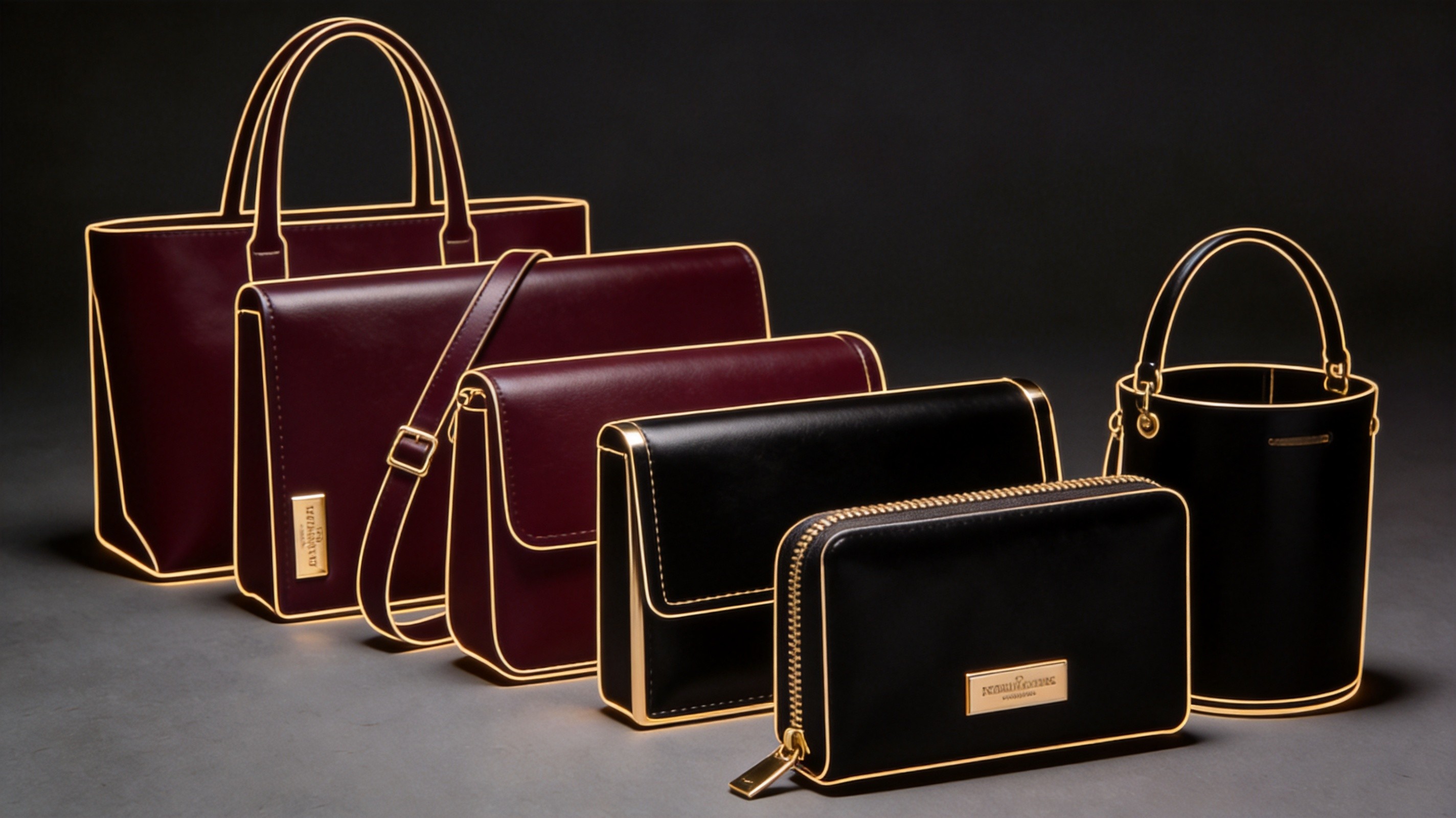
A thoughtfully designed unboxing experience sets the tone before the customer even touches the bag
Why Packaging Is Part of Your Brand Experience
In the age of social media, unboxing has become a marketing channel in itself. Customers film and photograph their package opening experiences, sharing them with audiences that may never encounter your brand through traditional advertising. The packaging must be visually appealing, photographically compelling, and emotionally resonant enough to warrant this organic promotion.
Beyond marketing, packaging serves practical functions. It protects the bag during shipping, prevents dust and moisture accumulation during storage, communicates care instructions, and establishes the perceived value of the product. A $200 handbag in a poly bag with a shipping label feels like a $50 product. The same bag in a rigid gift box with tissue paper, a branded dust bag, and a thank-you card justifies and reinforces its premium positioning.
The ROI of Packaging Investment
Brands that invest in premium packaging consistently report higher customer satisfaction scores, lower return rates, and stronger repeat purchase behavior. The packaging cost typically represents 3 to 8 percent of the retail price — a modest investment that disproportionately influences customer perception. Our manufacturing services include complete packaging coordination to ensure every element aligns with your brand vision.
Dust Bags — Materials, Sizes and Customization Options
The dust bag is the most essential packaging component. It protects the handbag from dust, light, and moisture during storage and transit. Beyond function, it serves as a brand artifact that customers keep and reuse, extending brand visibility long after the initial purchase.
| Material | Feel | Breathability | Cost | Best For |
|---|---|---|---|---|
| Cotton Flannel | Soft, fuzzy | Excellent | $0.50 – $1.20 | Standard luxury bags |
| Cotton Canvas | Structured, natural | Good | $0.40 – $0.90 | Eco-conscious brands |
| Microfiber Suede | Velvety, luxurious | Fair | $0.80 – $1.80 | Premium luxury |
| Silk | Smooth, delicate | Good | $1.50 – $3.00 | Ultra-luxury, evening bags |
| Non-Woven Fabric | Lightweight, basic | Fair | $0.15 – $0.40 | Budget packaging |
| Organic Cotton | Natural, textured | Excellent | $0.70 – $1.50 | Sustainable brands |
Sizing Your Dust Bags
Dust bags should fit the bag loosely without compressing its shape. Standard sizes range from small (20cm by 25cm for clutches and wallets) to medium (30cm by 40cm for totes and satchels) to large (40cm by 50cm for oversized bags and travel styles). Drawstring closures are most common, though envelope-style closures with magnetic snaps create a more premium presentation. Custom sizing is available when your bag dimensions fall outside standard ranges.
Logo Application on Dust Bags
Dust bag logos are typically applied through screen printing, heat transfer, or woven labels. Screen printing works well for simple text logos on cotton materials. Heat transfer allows full-color artwork and photo-quality images. Woven labels sewn into the seam offer the most premium appearance with excellent durability through repeated washing. Logo placement is usually centered on one face of the dust bag, sized proportionally to the bag dimensions.
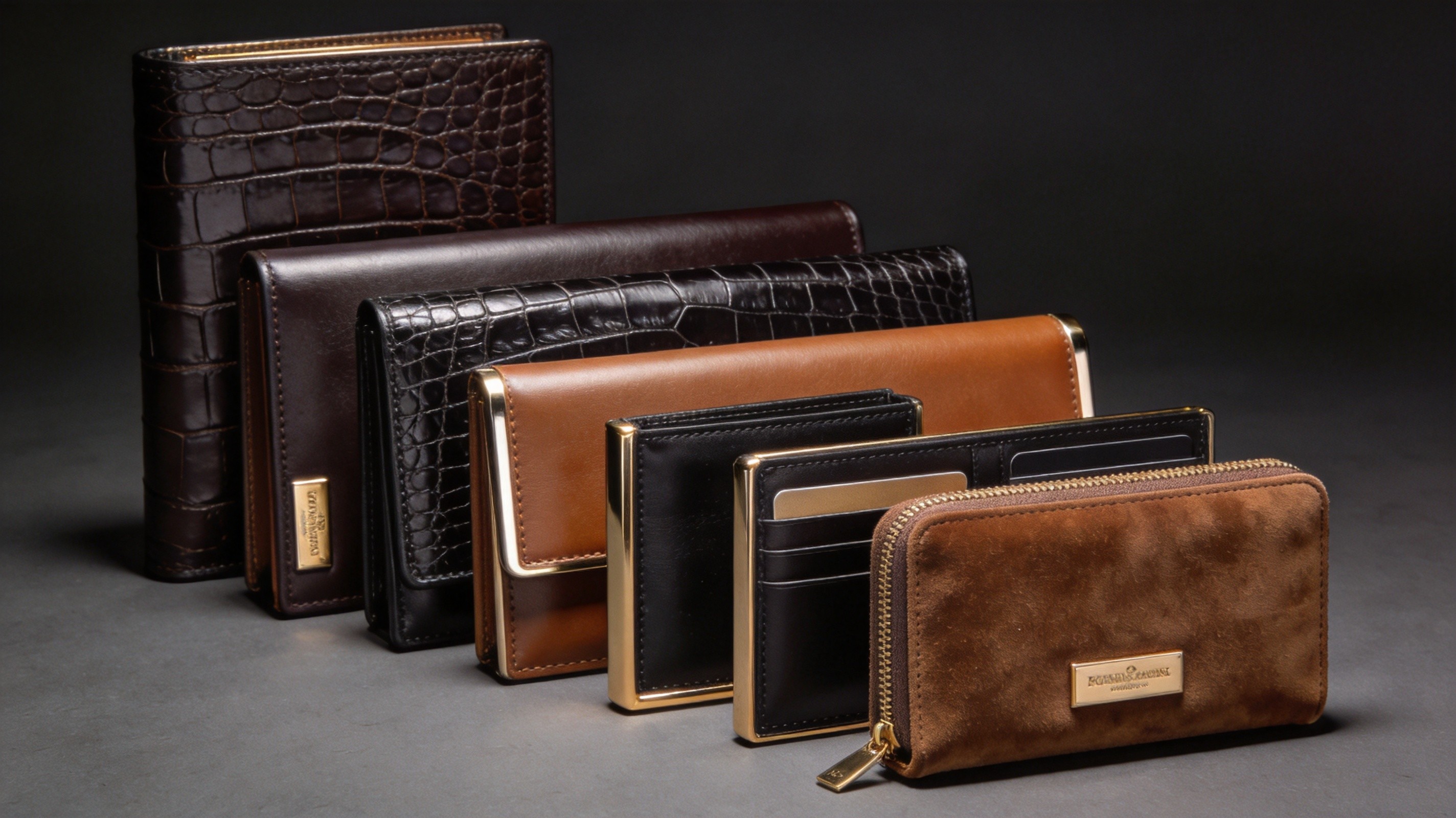
Branded dust bags extend your brand presence into customers' daily storage routines
Gift Boxes — Rigid Box, Folding Box and Magnetic Closure
The gift box creates the first visual impression of your brand. It is the container customers photograph, keep for storage, and sometimes repurpose. Box selection significantly impacts perceived value and brand positioning.
Rigid Boxes
Rigid boxes are constructed from thick greyboard (1.5mm to 2.0mm) wrapped in custom printed paper. They arrive flat for efficient storage but assemble into a solid, premium container. Rigid boxes protect handbags exceptionally well during shipping because of their structural rigidity. Customization options include full-wrap printing, foil stamping, embossing, debossing, spot UV coating, and window cutouts. Production minimums typically start at 300 to 500 pieces due to the setup-intensive construction process.
Folding Boxes
Folding boxes (also called setup boxes or carton boxes) are die-cut from a single sheet of cardstock (350gsm to 400gsm) and fold flat for storage. They are more cost-effective than rigid boxes and accept lower minimum orders starting at 200 pieces. Folding boxes work well for mid-range brands that need professional presentation without the premium cost of rigid construction. They provide adequate protection for domestic shipping and retail display but offer less structural protection for international freight.
Magnetic Closure Boxes
Magnetic closure boxes combine rigid construction with a hinged lid secured by embedded magnets. They open like a book, revealing the handbag nestled in tissue paper or a foam insert. This is the most premium packaging format and creates an unforgettable unboxing experience. The magnetic closure adds $1.00 to $2.50 per box compared to standard rigid boxes with separate lids. For luxury brands targeting the $300+ retail price point, magnetic closure boxes are strongly recommended.
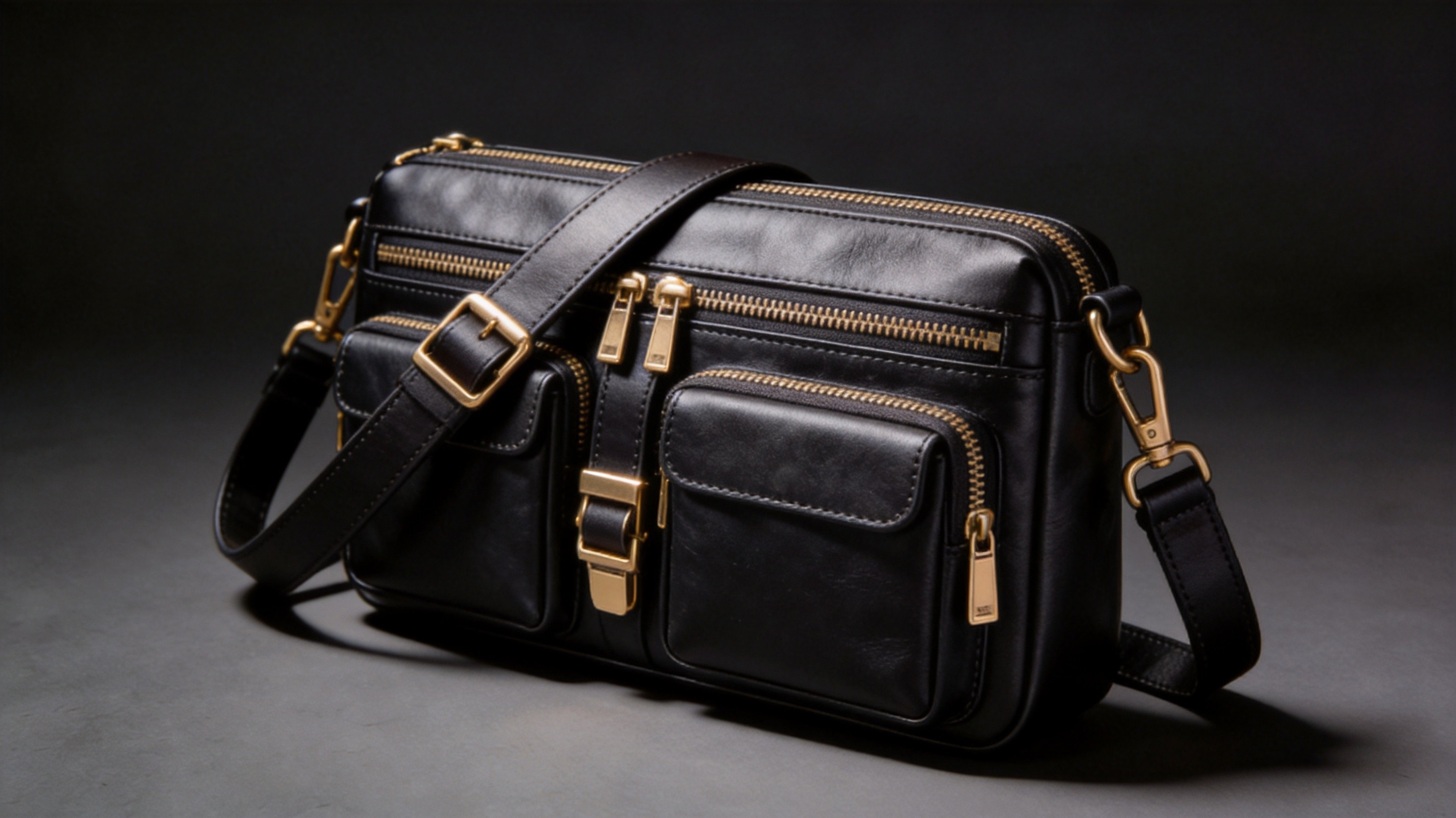
Magnetic closure boxes create a theater-like reveal that elevates the unboxing moment
Tissue Paper and Wrapping — Custom Printing Options
Custom tissue paper adds a layer of brand expression inside the gift box. It wraps the handbag, fills empty space, and creates the initial visual impact when the box lid opens.
Custom Printed Tissue
Tissue paper accepts flexographic and offset printing in up to four colors. Popular designs include all-over logo patterns, brand monogram repeats, seasonal artwork, and minimalist single-color prints. The paper weight ranges from 17gsm (ultra-thin) to 30gsm (sturdy). Acid-free tissue is essential for direct contact with leather, as acidic paper can cause discoloration over time. Custom printed tissue typically costs $0.08 to $0.25 per sheet depending on print complexity and order quantity.
Alternative Wrapping Materials
Beyond tissue paper, brands explore glassine (translucent, grease-resistant paper), crepe paper (textured, dramatic effect), or branded fabric wraps for sustainable alternatives. Some premium brands use custom-printed cotton furoshiki-style wraps that double as a secondary gift. The wrapping material must be compatible with the bag material — avoid plastic wraps that trap moisture against leather surfaces during storage.
Insert Cards — Care Cards, Thank You Cards and Brand Stories
Insert cards serve multiple functions within the packaging ecosystem. They communicate brand values, provide essential product care information, and create a personal connection between the brand and customer.
| Card Type | Purpose | Typical Size | Cost Per Piece |
|---|---|---|---|
| Care Card | Product maintenance instructions | A6 (105mm x 148mm) | $0.05 – $0.15 |
| Thank You Card | Personal connection, brand warmth | A6 or custom die-cut | $0.08 – $0.25 |
| Brand Story Card | Brand origin, values, mission | A5 (148mm x 210mm) | $0.10 – $0.30 |
| Promo Card | Discount codes, social media | Business card or A6 | $0.03 – $0.10 |
| Authenticity Card | Product verification, serial number | Credit card size | $0.15 – $0.80 |
| Warranty Card | Guarantee terms, registration | A6 | $0.08 – $0.20 |
Design Best Practices for Insert Cards
Effective insert cards balance information density with visual elegance. Use premium cardstock (300gsm to 400gsm) with matte or soft-touch lamination for a tactile quality that matches the bag's premium positioning. Include QR codes linking to video care tutorials, the brand website, or social media profiles. Keep text concise — customers rarely read lengthy inserts. Prioritize the care instructions and a brief brand message over marketing copy. Our product team can help coordinate insert card design alongside bag production.
Shopping Bags — Paper, Cotton and Reusable Options
Shopping bags extend the brand experience beyond the initial purchase, functioning as walking advertisements when customers carry them in public. They also serve practical needs for gift-giving scenarios.
Paper Shopping Bags
Kraft paper and coated paper bags with custom printing are the most common retail shopping bags. Sizes range from small (22cm by 16cm by 28cm) for accessories to large (40cm by 25cm by 45cm) for oversized totes. Rope handles in cotton or twisted paper add premium character. Minimum orders for printed paper bags start at 1,000 pieces. Cost per bag ranges from $0.30 to $1.20 depending on size, material, and print complexity.
Reusable Shopping Bags
Cotton canvas bags, non-woven reusable bags, and recycled PET material bags serve as eco-friendly alternatives that customers reuse repeatedly. While more expensive ($1.00 to $3.50 per bag), they generate ongoing brand exposure every time the customer uses them. Many brands include the bag design as part of their product collection, creating a collectible accessory that reinforces brand loyalty. For brands focused on sustainability, our eco-friendly packaging guide details material options and certifications.
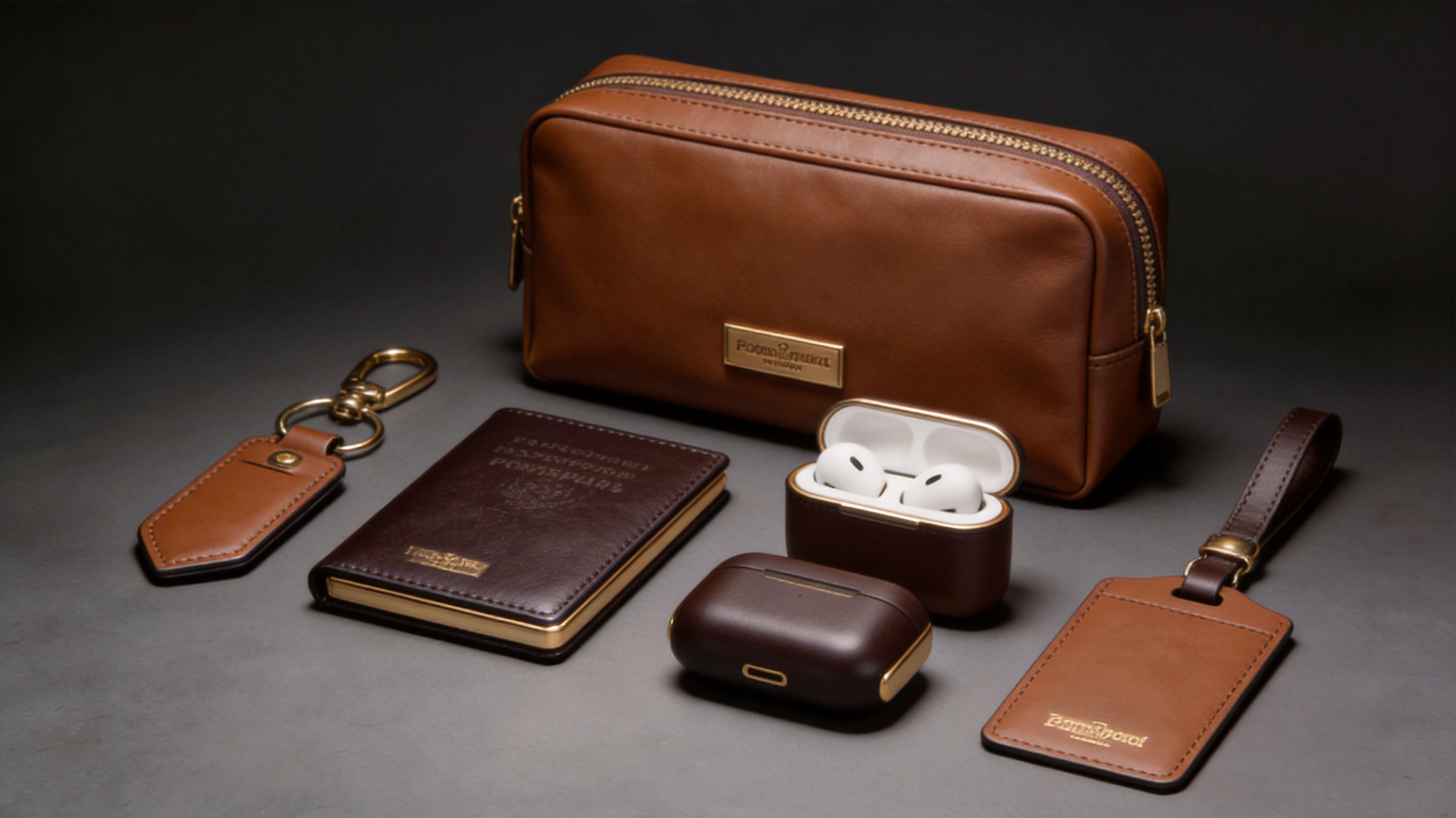
Branded shopping bags function as mobile advertisements that extend brand visibility beyond the store
Ribbon, Tags and Seal Stickers
Small finishing touches like ribbon, custom tags, and seal stickers complete the packaging presentation. These elements cost very little individually but contribute significantly to the overall impression of care and attention to detail.
Branded Ribbon
Grossgrain or satin ribbon in brand colors, printed with repeating logos or pattern designs, wraps around the tissue paper or ties the bag. Standard width is 10mm to 25mm. Custom printed ribbon minimums start at 500 meters, producing thousands of individual wraps. Cost per meter ranges from $0.05 to $0.20 for custom prints. Pre-cut lengths with adhesive attachment points simplify the packing process for factory teams.
Seal Stickers and Stamps
Custom seal stickers close tissue paper wraps and secure envelope-style dust bags. Wax-effect stickers with brand logos create a premium seal that customers photograph and share. Standard die-cut stickers cost $0.02 to $0.08 each at quantities of 1,000 or more. Custom wax stamps (reusable brass stamps) cost $50 to $150 as a one-time investment and create an authentic, artisanal impression when pressed into real sealing wax.
Hang Tags — Materials, Printing and Attachment
Hang tags attach directly to the handbag and serve as the primary information carrier at the point of sale. They communicate price, material composition, care instructions, and brand identity.
Material Options
Hang tags are produced from cardstock, recycled paper, kraft paper, plastic, leather scraps, or seed paper (plantable paper with embedded seeds). Premium brands often use thick cardstock (600gsm+) with specialty finishes like foil stamping, embossing, or edge painting. The tag shape is typically rectangular (50mm by 90mm to 70mm by 120mm) but custom die-cut shapes create distinctive brand identity. Attachment methods include cotton string, leather cord, metal eyelets with rivets, or plastic fasteners.
Information Hierarchy
Effective hang tag design follows a clear information hierarchy. The brand logo dominates the front face. The reverse side lists product details: material composition, dimensions, care symbols, country of origin, and a brief brand statement. Include the barcode or UPC in a discreet location. For brands selling through retail partners, ensure the hang tag includes the suggested retail price or leave a designated space for the retailer to apply their price sticker without covering your brand elements.
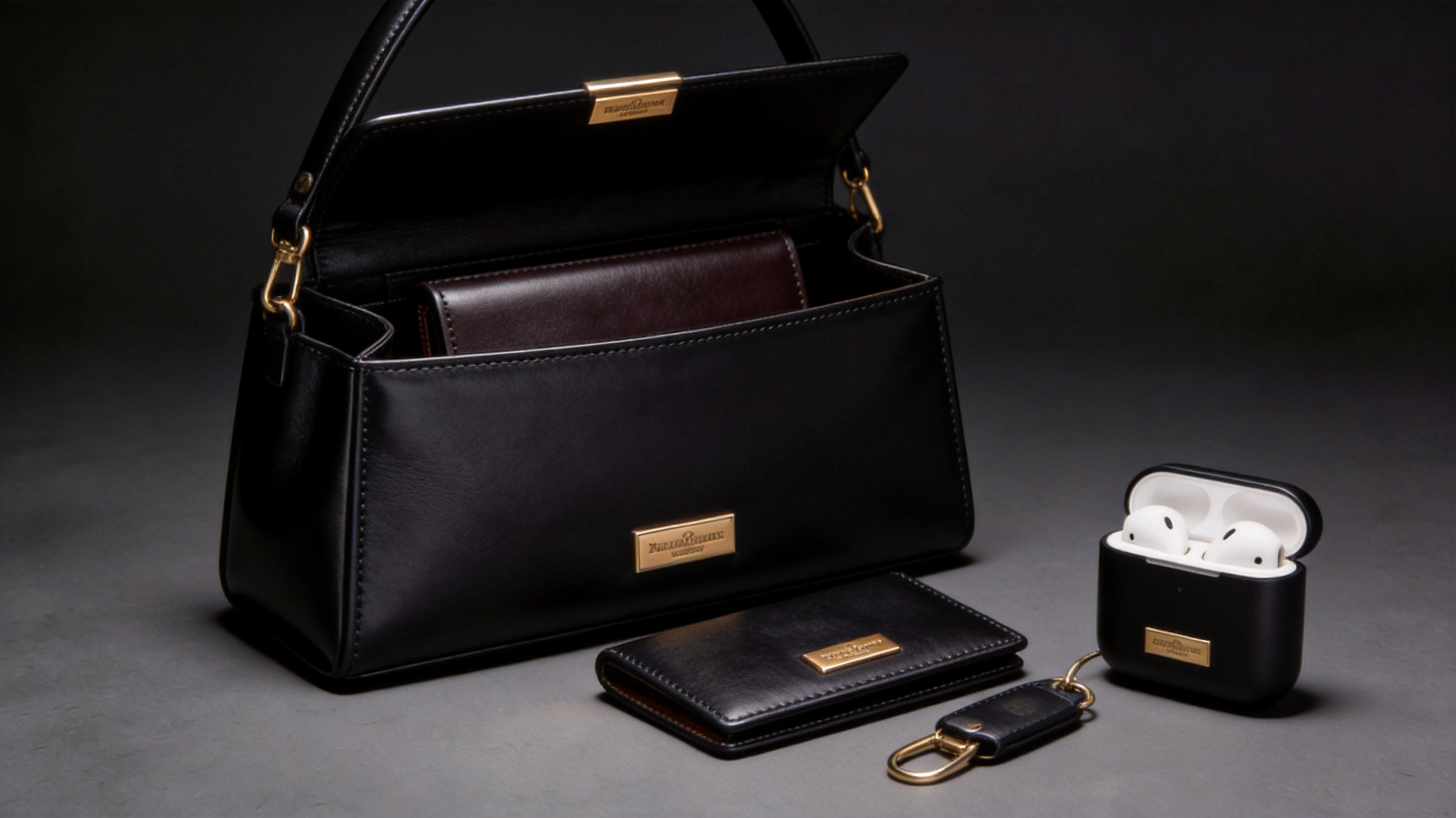
Well-designed hang tags communicate essential product information while reinforcing brand identity
Authenticity Cards and Serial Number Tags
Authenticity cards provide customers with confidence that they have purchased a genuine product from an authorized source. While no card system eliminates counterfeiting entirely, authenticity features deter casual imitation and demonstrate brand commitment to quality assurance.
Card Features
Standard authenticity cards include a unique serial number matching a tag inside the bag, the brand logo, holographic security elements, and a statement of authenticity. Premium versions incorporate QR codes linking to verification databases, RFID chips for electronic scanning, or micro-printed text that is difficult to reproduce. Card materials range from standard coated cardstock to metal-foil cards or credit-card-sized plastic cards with embossed details.
Serial Number Systems
A robust serial number system encodes production information: factory code, production date, batch number, and sequential piece number. For example, a code like JY-2025-03-0482 indicates Junyuan factory, March 2025 production, batch 03, piece number 482. This system enables traceability for warranty claims, helps identify production issues by batch, and provides customers with specific information about their individual product. The serial number tag is typically a small leather or fabric label sewn into an interior seam, separate from the visible brand label.
Eco-Friendly Packaging Alternatives
Sustainability in packaging has moved from nice-to-have to essential. Consumers increasingly evaluate brands on their environmental commitments, and packaging is the most visible evidence of those commitments.
| Component | Standard Material | Eco Alternative | Cost Impact |
|---|---|---|---|
| Dust Bag | Polyester satin | Organic cotton or recycled cotton | +30 – 60% |
| Gift Box | Virgin greyboard | FSC-certified recycled board | +10 – 20% |
| Tissue Paper | Standard tissue | Recycled acid-free tissue | +5 – 15% |
| Shopping Bag | Coated paper | Kraft paper (unbleached) | -10 – 0% |
| Insert Cards | Coated cardstock | Seed paper or recycled stock | +20 – 50% |
| Ribbon | Polyester satin | Organic cotton ribbon | +40 – 80% |
| Fill Material | Plastic air pillows | Crinkle recycled paper | +10 – 25% |
Certifications That Matter
Look for FSC (Forest Stewardship Council) certification on paper products, GOTS (Global Organic Textile Standard) on cotton items, and SFI (Sustainable Forestry Initiative) on wood-based materials. Soy-based or vegetable-based inks replace petroleum-based inks in printing operations. Water-based coatings replace UV coatings and plastic laminations. These certifications provide verifiable claims that brands can communicate confidently to environmentally conscious consumers. Our factory in Quanzhou supports eco-friendly packaging specifications across all component categories. Contact service@junyuanbags.com to discuss sustainable packaging options for your brand.
Unboxing Experience Design for DTC Brands
Direct-to-consumer brands rely entirely on the delivered package to create their brand impression. Unlike retail, where store design and sales associates set the mood, DTC brands must engineer the complete experience through packaging alone.
The Unboxing Sequence
Design the unboxing as a deliberate sequence of reveals. The outer shipping box or mailer creates anticipation. Custom tissue paper or branded wrapping inside the shipping container adds the first brand touchpoint. Lifting the tissue reveals the bag nestled in its dust bag. Removing the dust bag exposes the handbag in full — perhaps stuffed with branded tissue to maintain shape. A thank-you card sits on top or tucks under the handle. Each layer adds a moment of discovery and delight.
Photo-Worthy Moments
Design at least one element specifically for photography. This might be a striking box interior color, an unexpected detail inside the dust bag, a beautifully typeset brand card, or a small surprise gift (leather care sample, extra button set, or branded sticker). These shareable moments drive organic social media exposure and user-generated content that no advertising budget can match. Brands that understand this dynamic allocate packaging budget as marketing investment rather than cost center.
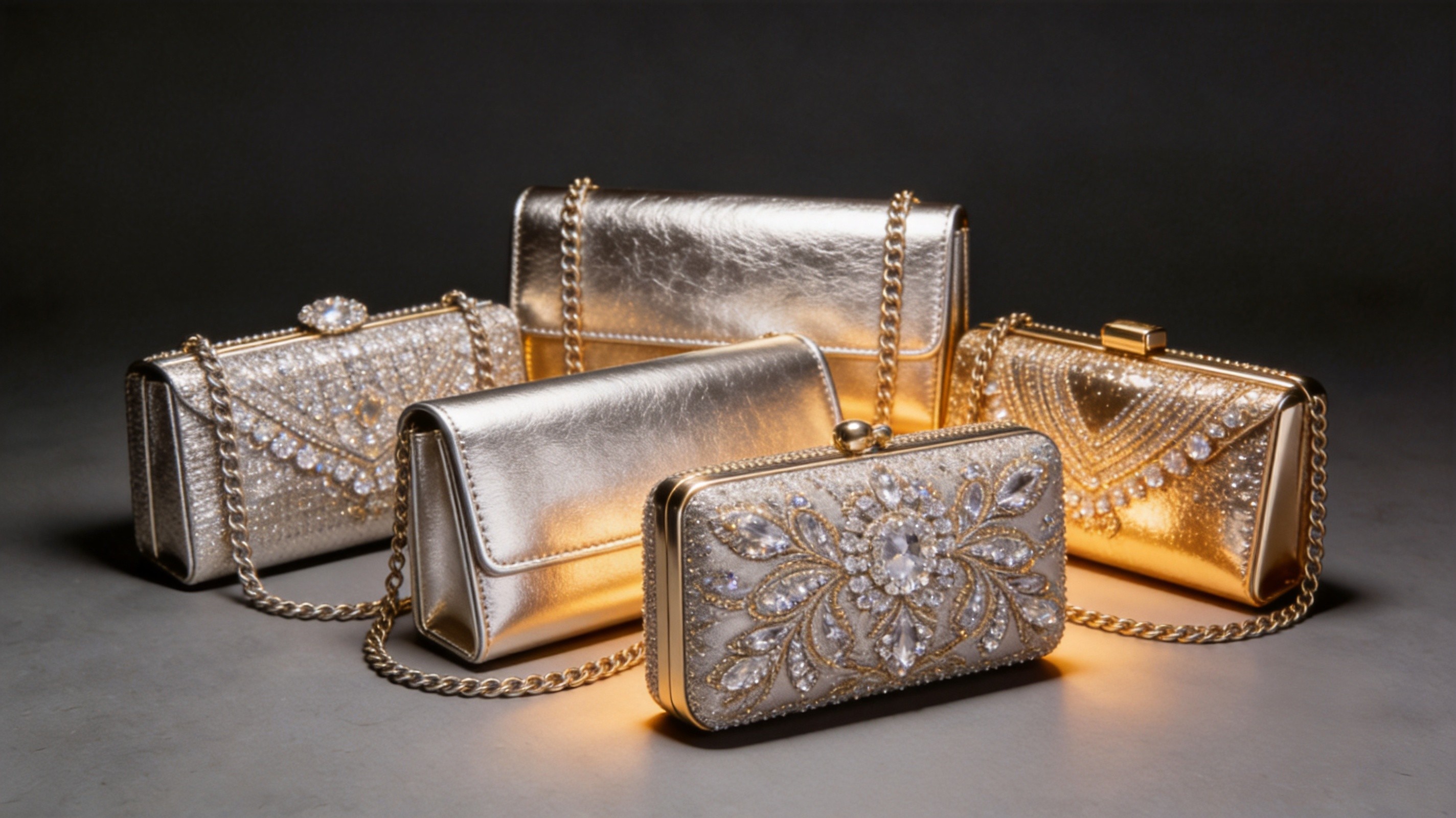
Engineered unboxing sequences create shareable moments that drive organic social media exposure
Packaging for Wholesale vs Retail vs E-Commerce
Different sales channels demand different packaging approaches. A brand selling through department stores, its own boutique, and an online shop may need three distinct packaging configurations.
Wholesale Packaging
Wholesale orders typically require minimal consumer-facing packaging. The bag ships in a poly bag or basic dust bag with a hang tag and care card. Retail partners handle their own gift wrapping and presentation. Master cartons must meet the retailer's routing and labeling requirements including carton markings, packing lists, and barcode labels. Focus on efficiency and protective packaging rather than premium presentation.
E-Commerce Packaging
E-commerce requires packaging that survives the delivery network while creating an excellent first impression. The shipping mailer or outer box must protect the inner gift box from damage. Corrugated mailers with custom printing work well. Include all brand packaging elements inside: gift box, dust bag, tissue, insert cards. The unboxing begins when the customer opens the mailer, so design the mailer interior with branded tissue or printed interiors. Our solutions team helps brands optimize packaging configurations for multi-channel distribution.
Cost Breakdown — Per-Unit Packaging Costs
Understanding packaging costs helps brands budget effectively and make informed trade-off decisions between packaging components.
| Component | Budget Tier | Mid-Range Tier | Premium Tier |
|---|---|---|---|
| Dust Bag | $0.30 – $0.60 | $0.80 – $1.20 | $1.50 – $2.50 |
| Gift Box | $0.80 – $1.50 | $2.00 – $3.50 | $4.00 – $6.00 |
| Tissue Paper (2 sheets) | $0.05 – $0.10 | $0.10 – $0.20 | $0.15 – $0.30 |
| Insert Cards (set of 2) | $0.05 – $0.10 | $0.15 – $0.30 | $0.30 – $0.60 |
| Ribbon | $0.05 – $0.10 | $0.10 – $0.20 | $0.15 – $0.30 |
| Hang Tag | $0.05 – $0.10 | $0.15 – $0.30 | $0.30 – $0.80 |
| Sticker / Seal | $0.02 – $0.05 | $0.05 – $0.10 | $0.08 – $0.15 |
| Shopping Bag | $0.20 – $0.50 | $0.50 – $1.00 | $1.00 – $2.00 |
| Total Per Unit | $1.52 – $3.05 | $3.90 – $6.90 | $7.48 – $12.65 |
Budget Allocation Strategy
Allocate packaging budget based on brand positioning. Budget brands ($50 to $150 retail) should target $2.00 to $3.50 total packaging cost. Mid-range brands ($150 to $400 retail) invest $4.00 to $7.00. Premium brands ($400+ retail) spend $8.00 to $13.00. The general guideline is that packaging costs should not exceed 3 to 5 percent of the retail price, though luxury brands sometimes allocate up to 8 percent for exceptional unboxing experiences.
MOQ and Lead Time for Custom Packaging
Packaging components each carry their own minimum order quantities and production timelines. Planning ahead prevents packaging from becoming the bottleneck that delays your product launch.
Dust bags require 500 to 1,000 pieces with 7 to 15 days production time. Gift boxes need 300 to 500 pieces with 10 to 20 days. Insert cards accept orders from 500 pieces with 5 to 7 days. Custom tissue paper requires 1,000 to 2,000 sheets with 7 to 10 days. Shopping bags need 500 to 1,000 pieces with 10 to 15 days. When ordering complete packaging sets, consolidate through your handbag factory to coordinate delivery timing with bag production completion. Our factory manages complete packaging procurement and consolidation for all production orders, with lead times synchronized to your bag delivery schedule.
How to Design a Complete Packaging Spec Sheet
A packaging specification sheet communicates your exact requirements to suppliers and factories. It prevents misunderstandings, reduces sampling rounds, and ensures consistent quality across production runs.
Essential Specification Fields
- Component name and quantity per bag — how many of each item per packaged unit
- Material type and weight — specific paper weight, fabric composition, or material grade
- Dimensions — exact measurements in millimeters for every component
- Color specification — Pantone reference numbers for all colors
- Printing details — CMYK process or spot colors, ink type, finish (matte, gloss, soft-touch)
- Logo placement — position, size, and application method for each branding element
- Assembly instructions — how items fold, wrap, and nest together
- Quality standards — acceptable tolerances, defect criteria, and inspection methods
Factory Insight
Our 30,000 sqm facility in Quanzhou manages complete packaging coordination for handbag brands worldwide. From dust bag sourcing through gift box assembly, we ensure every packaging component arrives on schedule and meets your specifications. With 20+ years of manufacturing experience and 300+ skilled workers, we integrate packaging into the production workflow seamlessly. We welcome packaging specification reviews and sample requests from qualified buyers.
Detailed packaging specifications prevent miscommunication and ensure consistent quality across production runs
Ready to Design Your Brand's Packaging Experience?
Our 20+ years of handbag manufacturing experience includes complete packaging development and coordination. With 300+ skilled workers and a 30,000 sqm facility in Quanzhou, we deliver packaging that matches your brand positioning perfectly. MOQ starts at 200 pcs/style for complete bag and packaging orders.
Email: service@junyuanbags.com | WhatsApp: +86 17750020688
Request Packaging QuoteFrequently Asked Questions
How much does custom handbag packaging cost per unit?
Complete custom packaging costs between $1.50 and $8.00 per unit. A basic setup with cotton dust bag and tissue paper costs $1.50 to $2.50. A mid-range package with rigid gift box, dust bag, insert card, and ribbon runs $3.00 to $5.00. Premium packaging with magnetic closure box, branded dust bag, and authenticity card reaches $5.00 to $8.00 per unit.
What is the minimum order quantity for custom packaging?
Dust bags require 500 to 1,000 pieces minimum. Rigid gift boxes start at 300 to 500 pieces. Insert cards accept 500-piece orders. Custom tissue paper needs 1,000 to 2,000 sheets. When ordering through a handbag factory, components can be bundled with the bag order to simplify logistics and reduce individual minimums.
What materials are used for luxury dust bags?
Luxury dust bags use cotton flannel, microfiber suede, silk, or organic cotton. Cotton flannel is most popular for its softness and breathability. Microfiber suede provides a premium velvety feel. The bag should fit loosely without compressing shape, typically 30cm by 40cm for medium handbags.
What is the difference between rigid box and folding box for handbags?
Rigid boxes use thick cardboard wrapped in printed paper, creating a sturdy premium container. Folding boxes use thinner cardstock that folds flat for storage. Rigid boxes convey luxury and offer superior protection. Folding boxes prioritize cost efficiency. Most luxury brands use rigid boxes; mid-range brands often choose folding boxes.
How can handbag brands make packaging more eco-friendly?
Strategies include using FSC-certified paper, organic or recycled cotton dust bags, soy-based inks, water-based adhesives, eliminating plastic wraps, and designing mono-material packaging for easy recycling. Reducing packaging volume by eliminating unnecessary components also significantly improves environmental impact.
Should I include authenticity cards with my handbags?
Authenticity cards add perceived value and brand legitimacy, particularly for brands in the mid-to-luxury price range. They cost $0.15 to $0.80 per piece with features like holographic stickers, serial numbers, or QR codes. For brands above $150 retail price, authenticity cards are strongly recommended as they signal quality commitment.
Continue Exploring
Expand your brand packaging knowledge with our related guides: Eco-Friendly Packaging Materials, Custom Logo Production Guide, and Complete Manufacturing Process. Visit our solutions page or contact us to discuss your packaging requirements.
Limitations and Scope of This Guide
This guide covers custom packaging options for handbag brands including dust bags, gift boxes, insert cards, and branded packaging materials. It is based on our experience as a handbag manufacturer in Quanzhou, China, serving brands worldwide since 2004. Key limitations to keep in mind:
- Packaging cost estimates are based on standard sizes and materials. Custom molds for boxes or specialty materials (velvet, wood) will increase costs.
- This guide focuses on retail-ready packaging for DTC and boutique brands. Bulk shipping packaging for B2B and wholesale follows different requirements.
- Environmental compliance for packaging materials varies by destination market. EU, US, and other regions have different regulations on recyclability and material restrictions.
For advice tailored to your specific situation, contact our team directly.