Table of Contents
- Why Custom Hardware Defines Your Brand Identity
- Types of Custom Hardware for Handbags
- Hardware Materials — Zinc Alloy, Brass, Stainless Steel and Aluminum
- Custom Mold Creation — Design, Cost and Timeline
- Die-Casting Process for Zinc Alloy Hardware
- Stamping and Pressing for Brass and Steel Components
- Surface Finishes — Gold, Silver, Antique, Brushed and Matte
- Logo Application Methods — Engraving, Embossing, Etching and Enamel Fill
- Color Plating and PVD Coating Options
- Minimum Order Quantities for Custom Hardware
- Quality Control for Hardware — Weight, Dimension and Finish Checks
- Salt Spray Testing and Corrosion Resistance Standards
- Packaging and Protection During Shipping
- Cost Breakdown — Mold and Per-Unit Pricing
- Working with Hardware Suppliers vs Factory In-House Production
- FAQ — Custom Hardware and Logo Production
Custom hardware is the jewelry of a handbag. It catches the eye, communicates brand positioning, and serves as the primary tactile interface between the product and its owner. A well-designed custom buckle, zipper pull, or logo plate elevates a bag from functional accessory to branded statement piece. For private label brands, understanding how factories produce custom hardware empowers smarter decisions about design, budgeting, and quality expectations.
This comprehensive guide covers every aspect of custom hardware production in handbag manufacturing. From material selection and mold creation to surface finishing and logo application, you will gain the technical knowledge needed to specify hardware confidently and evaluate factory proposals. Whether you are designing your first collection or expanding an established line with signature hardware elements, this guide provides the foundation for informed decision-making. For context on the broader hardware ecosystem, our hardware guide covering zippers, buckles, and closures offers an excellent companion reference.
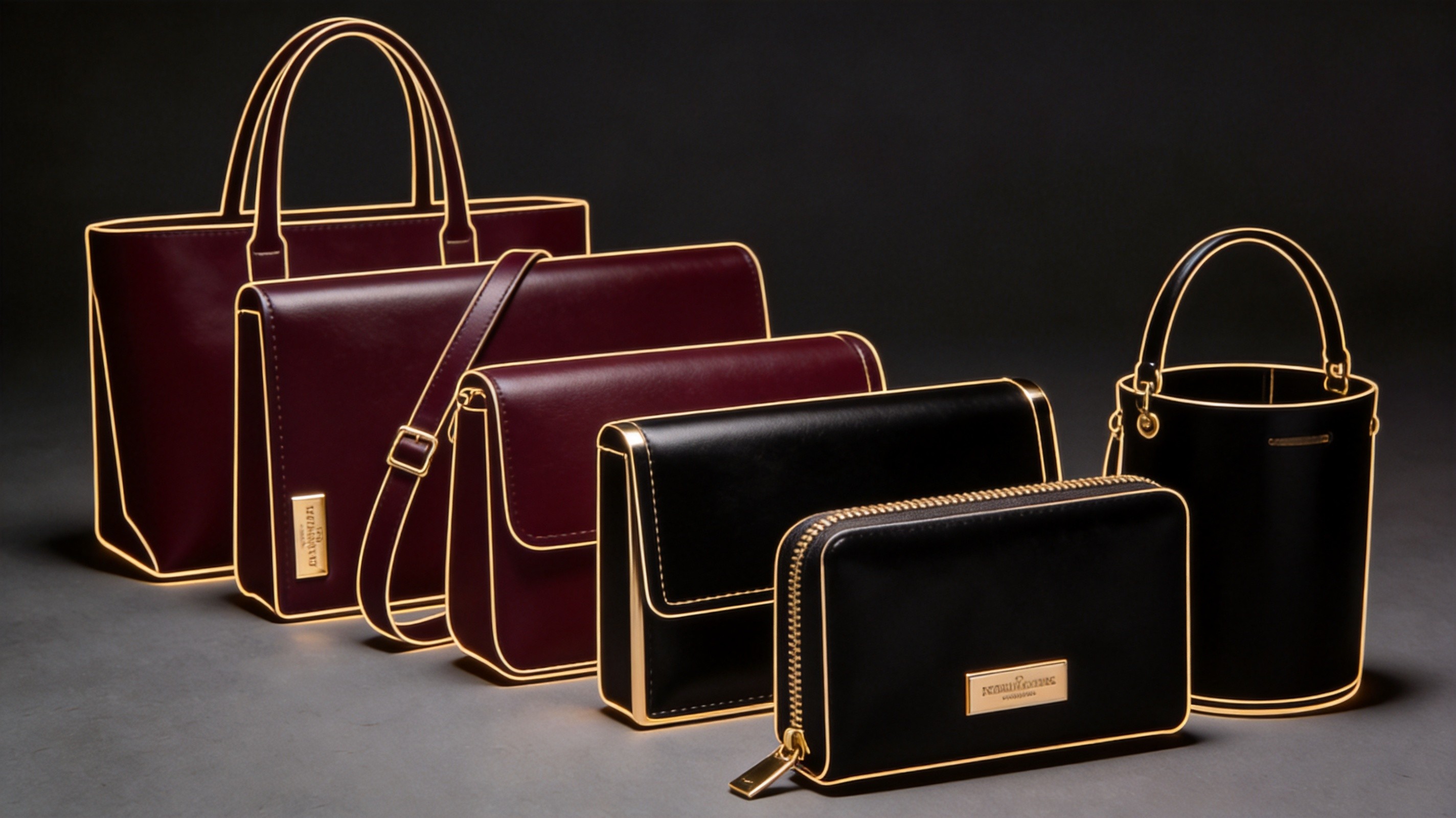
Custom hardware pieces serve as the signature visual identity of premium handbag brands
Why Custom Hardware Defines Your Brand Identity
Hardware is the most visible branding element on a handbag beyond the logo itself. Think of iconic brands — the interlocking CC clasps, the distinctive buckle shapes, the signature zipper pulls. These hardware elements become synonymous with the brand and create instant recognition even without visible logos. For emerging private label brands, developing custom hardware establishes visual distinctiveness in crowded marketplaces.
Custom hardware also signals quality commitment. Consumers have learned to associate flimsy, lightweight hardware with budget manufacturing. Solid, weighty hardware with precise finishing communicates that a brand invests in quality details. The hardware receives constant tactile attention every time a customer opens a clasp, adjusts a strap, or zips a compartment. These micro-interactions shape the overall perception of product quality and brand value.
The Business Impact of Signature Hardware
Brands with recognizable custom hardware enjoy stronger brand recall, higher perceived value, and better resistance to direct comparison shopping. When your buckle shape or clasp design is unique to your brand, competitors cannot replicate the total package even if they match the bag design. This creates a defensible market position that generic hardware cannot provide. Our product collection demonstrates how custom hardware integrates with various bag styles to create cohesive brand identities.
Types of Custom Hardware for Handbags
Handbag hardware encompasses dozens of component types, each serving functional and aesthetic purposes. Understanding the categories helps brand owners identify which pieces warrant custom development versus which can use stock components.
| Hardware Type | Function | Custom Priority | Typical Custom Cost |
|---|---|---|---|
| Buckle | Strap adjustment, closure | Very High | $1.50 – $8.00/pc |
| Zipper Pull | Zipper operation | High | $0.30 – $2.00/pc |
| D-Ring / O-Ring | Strap attachment point | Medium | $0.15 – $1.00/pc |
| Turn Lock / Clasp | Main closure | Very High | $2.00 – $12.00/pc |
| Feet / Studs | Bottom protection | Low-Medium | $0.05 – $0.30/pc |
| Logo Plate | Brand identification | Very High | $0.50 – $3.00/pc |
| Chain Links | Strap or decorative | High | $0.80 – $5.00/pc |
| Magnetic Snap | Hidden closure | Low | $0.10 – $0.50/pc |
High-Impact Custom Pieces
Turn locks, buckles, and logo plates offer the highest brand visibility and should be the first candidates for custom development. These are the pieces customers notice and remember. Zipper pulls and chain straps provide secondary branding opportunities. Functional pieces like D-rings, O-rings, magnetic snaps, and feet can often use stock components unless the design demands a specific shape or finish that is unavailable in standard options.
Hardware Materials — Zinc Alloy, Brass, Stainless Steel and Aluminum
Material selection determines the weight, durability, machining characteristics, and cost of hardware components. Each material offers distinct advantages for different applications and price points.
| Material | Weight | Durability | Cost Level | Best Application |
|---|---|---|---|---|
| Zinc Alloy | Medium-Heavy | Good | Low-Medium | Complex shapes, buckles, clasps |
| Solid Brass | Heavy | Excellent | High | Luxury hardware, premium feel |
| Stainless Steel | Heavy | Superior | Medium-High | Chains, structural components |
| Aluminum | Light | Good | Medium | Lightweight bags, sport styles |
| Iron / Steel | Heavy | Fair | Low | Budget hardware, interior components |
Zinc Alloy — The Versatile Workhorse
Zinc alloy dominates handbag hardware production because it combines excellent die-casting properties with affordable material costs. The alloy melts at relatively low temperatures (380 to 420 degrees Celsius), enabling precise reproduction of intricate mold details. Zinc alloy hardware accepts plating well and provides a satisfying weight that consumers associate with quality. The material is slightly brittle compared to brass, making it less suitable for components that experience repeated bending or impact stress.
Solid Brass — The Premium Standard
Brass hardware represents the premium tier of handbag components. Its golden undertone provides warmth even under clear or natural finishes. Brass machines beautifully, allowing precise CNC work for detailed logo engraving and complex shapes. It develops a natural patina over time that many luxury consumers appreciate. For brands positioning in the upper market segment, brass hardware justifies the additional cost through superior feel and longevity. Our manufacturing services include brass hardware sourcing and production management.
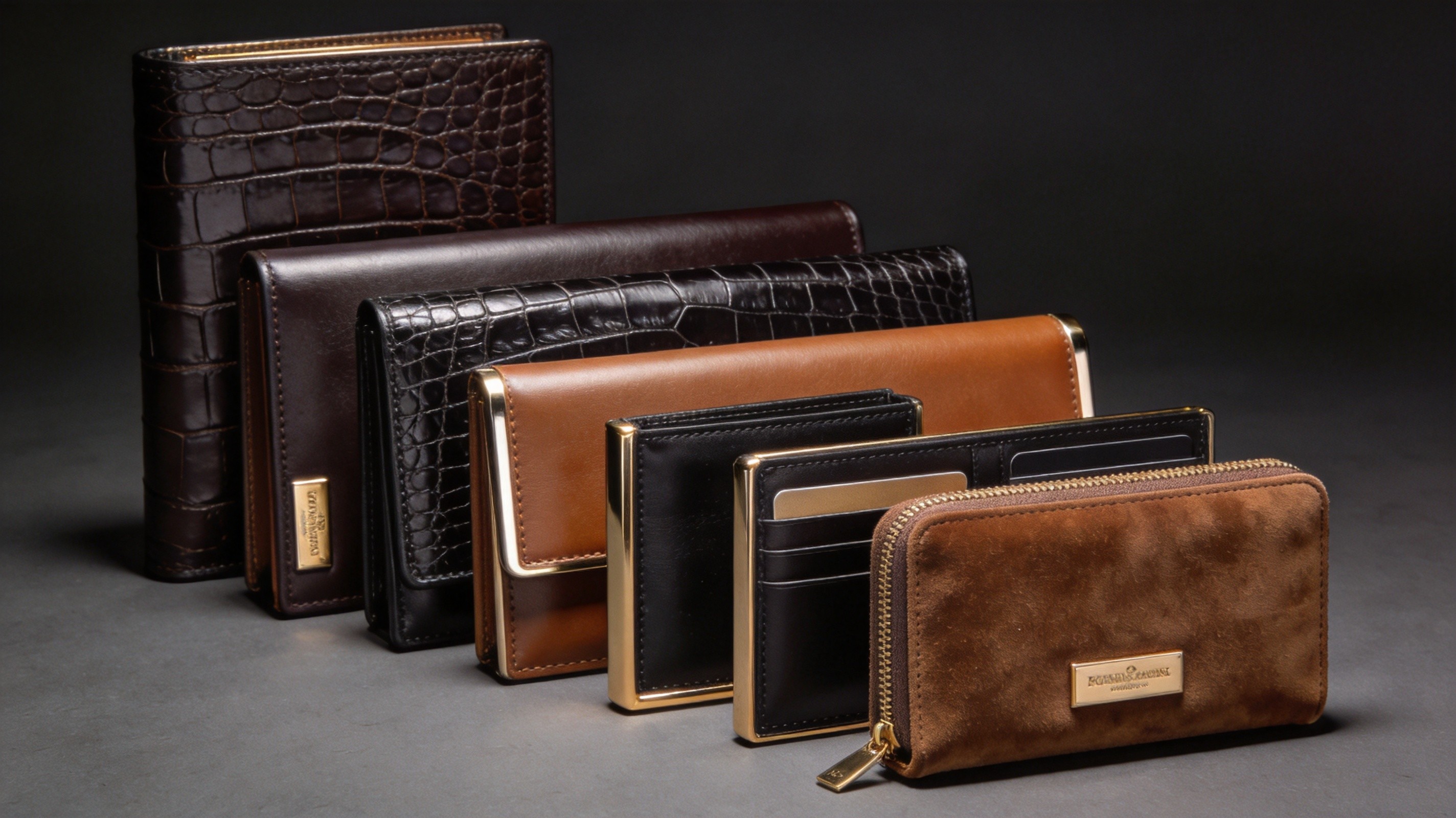
Material selection directly impacts hardware weight, durability, and perceived brand value
Custom Mold Creation — Design, Cost and Timeline
The mold (also called tool or die) is the master template that shapes molten metal into the desired hardware form. Creating a custom mold is the first major investment in custom hardware development and determines the quality ceiling for every piece produced.
Mold Design Process
Mold design begins with the hardware drawing or 3D model provided by the brand. The mold engineer analyzes the design for draft angles (typically 1 to 3 degrees) that allow the cast piece to release from the mold cleanly. They add gating channels for molten metal flow, overflow wells to capture excess material, and ejection pin locations. Complex hardware may require multi-slide molds with moving sections that create undercuts and internal features. The design phase typically takes 3 to 7 days.
Mold Manufacturing
Mold manufacturing uses CNC machining to carve the hardware shape into hardened steel blocks. Precision CNC centers achieve tolerances of plus or minus 0.02mm, ensuring consistent piece dimensions across thousands of casting cycles. After machining, molds undergo heat treatment for hardness, followed by polishing and assembly. A single-cavity mold produces one piece per cycle, while multi-cavity molds produce two to eight pieces per cycle at higher mold costs.
| Mold Type | Cavities | Cost Range | Lead Time | Production Rate |
|---|---|---|---|---|
| Simple Single-Cavity | 1 | $300 – $600 | 7 – 10 days | 200 – 400 pcs/hour |
| Standard Multi-Cavity | 2 – 4 | $600 – $1,200 | 10 – 15 days | 400 – 1,200 pcs/hour |
| Complex Multi-Slide | 1 – 2 | $1,200 – $2,500 | 15 – 20 days | 150 – 300 pcs/hour |
| High-Volume Multi-Cavity | 4 – 8 | $1,500 – $3,000 | 15 – 25 days | 800 – 2,000 pcs/hour |
Mold Ownership and Amortization
Reputable factories structure mold costs transparently. The mold belongs to the brand after payment, and factories should provide mold drawings and specifications for your records. Some factories offer mold cost amortization over large orders, spreading the upfront investment across the production quantity. For a $500 mold on a 1,000-piece order, the per-unit mold cost adds only $0.50 to each piece. Contact us at service@junyuanbags.com to discuss custom hardware mold options for your project.
Die-Casting Process for Zinc Alloy Hardware
Die-casting is the primary production method for zinc alloy hardware. The process injects molten zinc into a steel mold under high pressure, creating precise net-shape parts that require minimal post-processing.
The Die-Casting Cycle
Each casting cycle follows a precise sequence. The mold closes and clamps under 150 to 300 tons of force. Molten zinc at approximately 420 degrees Celsius is injected into the mold cavity through the gating system. Pressure holds the metal as it solidifies over 2 to 8 seconds depending on part thickness. The mold opens and ejection pins push the casting out. An automated spray system applies release agent before the next cycle. A skilled operator or automated system removes castings and trims excess material (flash) from the gating points.
Quality Factors in Die-Casting
Consistent die-casting quality depends on precise temperature control, correct injection pressure, proper release agent application, and regular mold maintenance. Common casting defects include porosity (air bubbles trapped in the metal), cold shuts (incomplete filling), flash (excess material at parting lines), and surface blemishes. Experienced foundries maintain defect rates below 2 percent through process control and regular mold inspection. For more on factory quality systems, see our quality control guide.
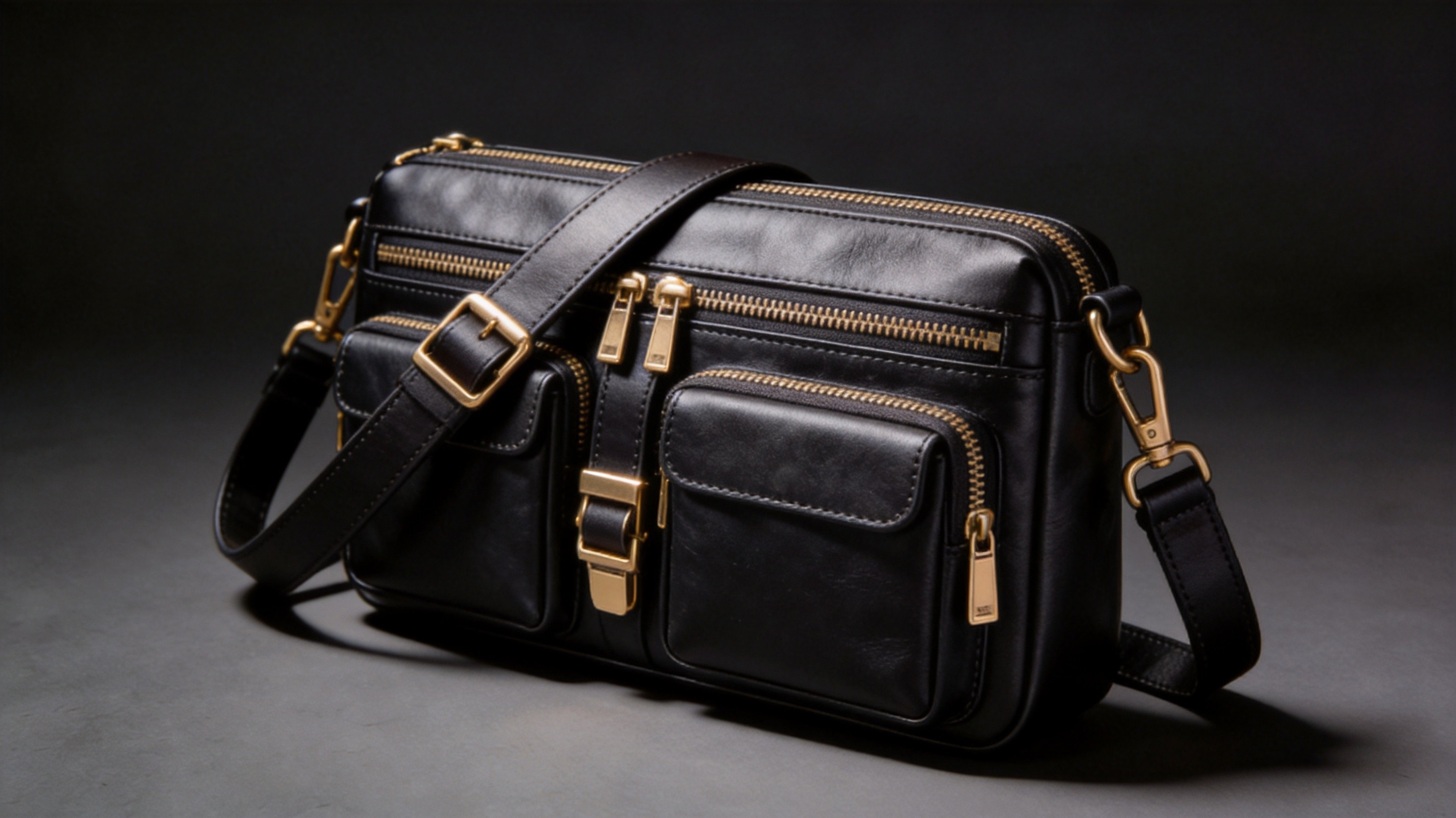
Precision die-casting enables complex hardware shapes with consistent quality at production scale
Stamping and Pressing for Brass and Steel Components
Not all hardware requires die-casting. Simpler shapes, flat components, and pieces made from brass or steel often use stamping and pressing methods that offer different cost and quality characteristics.
Progressive Die Stamping
Progressive die stamping feeds a metal strip through a series of stations, each performing a specific operation — piercing, bending, coining, and cutting off the finished piece. This method excels for flat or moderately shaped components like nameplates, flat buckles, belt hardware, and decorative rivets. Progressive dies cost more than simple stamping dies ($800 to $5,000) but achieve extremely high production rates (500 to 3,000 pieces per minute) that drive per-unit costs very low at volume.
Coining and Embossing
Coining uses extreme pressure (often exceeding 100 tons) to create detailed surface relief on metal blanks. This technique produces crisp logos, textured patterns, and three-dimensional surface features on otherwise flat hardware. Coining works exceptionally well for logo plates, decorative medallions, and clasp faces. The process work-hardens the metal surface, increasing its durability. Brass and copper alloys respond particularly well to coining because of their ductility.
Surface Finishes — Gold, Silver, Antique, Brushed and Matte
Surface finishing transforms raw cast or stamped hardware into the polished, colored, and textured final product. The finish determines the visual character, tactile feel, and long-term appearance of the hardware.
| Finish Type | Process | Appearance | Durability | Cost Premium |
|---|---|---|---|---|
| Bright Gold | Electroplating | High-shine yellow gold | Good (2-3 years) | +20 – 40% |
| Brushed Gold | Plating + brushing | Matte gold with texture | Good | +30 – 50% |
| Antique Gold | Plating + patina | Aged, darkened recesses | Very Good | +25 – 45% |
| Silver / Chrome | Nickel + chrome plating | Bright white metallic | Excellent | +15 – 30% |
| Gunmetal | PVD or plating | Dark grey metallic | Superior | +35 – 60% |
| Rose Gold | Gold + copper plating | Warm pink-gold tone | Good | +30 – 50% |
| Matte Black | PVD coating | Flat black metallic | Superior | +40 – 70% |
| Antique Brass | Plating + chemical patina | Warm aged bronze | Very Good | +20 – 40% |
Electroplating vs PVD Coating
Traditional electroplating deposits a thin layer of metal (typically 0.5 to 3 microns) through an electrochemical process. It provides excellent color accuracy and a wide range of finish options. However, thin plating wears over time, especially at high-contact points like clasp edges and zipper pulls. PVD (Physical Vapor Deposition) coating creates a much harder, more durable surface layer (1 to 5 microns of titanium nitride or similar compounds) that resists wear, scratching, and corrosion far better than electroplating. PVD costs 30 to 60 percent more but extends hardware appearance life significantly. For a complete overview of hardware finishing, explore our custom logo production guide.
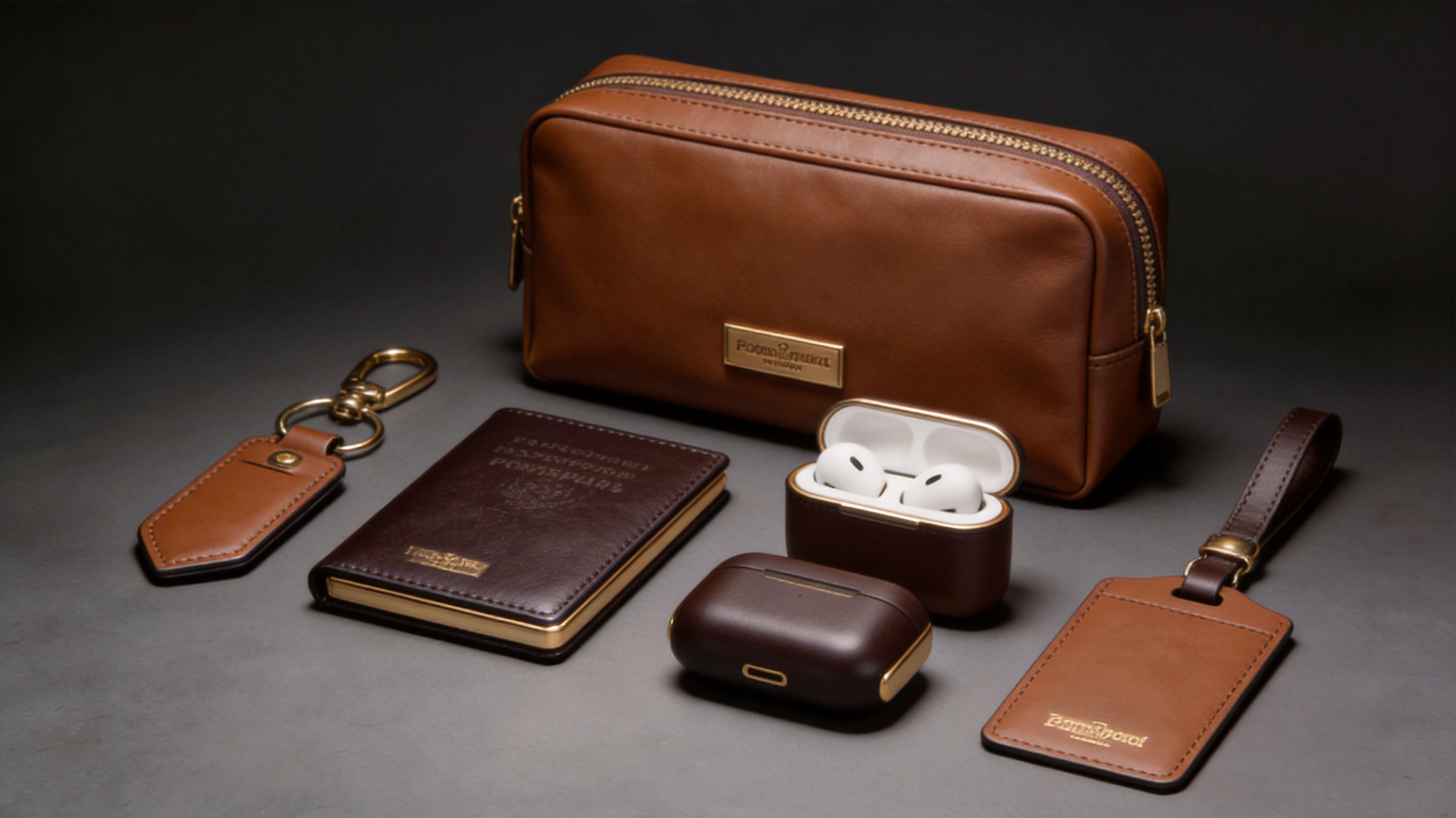
Surface finish selection defines the visual character and longevity of handbag hardware
Logo Application Methods — Engraving, Embossing, Etching and Enamel Fill
Logo application on hardware creates permanent brand identification that survives years of use. The method chosen affects appearance depth, production cost, and minimum order requirements.
Laser Engraving
Laser engraving uses a focused beam to remove surface material in the pattern of your logo. It works on any metal type and produces extremely precise, permanent marks. Laser engraving excels for small text, fine detail, and serial numbers. The engraved area exposes bare metal beneath the plating, creating a contrast effect. For plated hardware, the engraved area can be re-plated or left as exposed base metal depending on the desired aesthetic. Typical engraving depth ranges from 0.05 to 0.3mm.
Mold Embossing
Embossing integrates the logo directly into the mold, creating raised or recessed logos as part of the casting or stamping process. This produces the most premium appearance because the logo is an integral part of the hardware rather than a surface addition. Mold embossing requires modifying the master mold, adding $100 to $500 to mold costs depending on logo complexity. The per-unit production cost remains unchanged, making embossing economical for medium to large production runs.
Chemical Etching
Chemical etching uses acid or alkaline solutions to selectively remove metal from exposed areas while protected regions remain intact. A photoresist mask defines the logo pattern. Etching produces subtle, refined markings ideal for minimalist branding on stainless steel and brass. The process is slower than laser engraving but can handle large surface areas cost-effectively and produces extremely clean edges without the heat-affected zone that lasers create.
Enamel Fill
Enamel fill adds color to engraved or etched recesses. Colored epoxy or vitreous enamel is applied over the recessed logo area and then the surface is polished flat, leaving color only in the recesses. This creates vivid, eye-catching logos with exceptional durability. Vitreous enamel (glass-based) offers superior fade resistance compared to epoxy-based fills. Popular color choices include white, black, navy blue, and red against gold or silver hardware backgrounds.
Color Plating and PVD Coating Options
Beyond traditional metallic finishes, modern plating technology offers an expanding palette of colors and effects for brands seeking differentiation.
Ion Plating (IP) and PVD Colors
PVD coating can produce colors beyond traditional metallic tones. By varying the coating material and process parameters, manufacturers achieve black (titanium nitride), blue (titanium aluminum nitride), gold (zirconium nitride), rose gold (mixed compounds), and even rainbow iridescent effects. These colors are integral to the coating layer rather than surface dyes, providing exceptional fade and wear resistance. PVD colored hardware costs 40 to 70 percent more than standard electroplated finishes but delivers a premium differentiation opportunity.
Two-Tone and Multi-Finish Hardware
Advanced brands combine multiple finishes on a single hardware piece — gold body with silver accents, or matte sections contrasting with polished areas. This requires selective masking during plating, where certain areas are protected from the plating bath while others receive the coating. Two-tone hardware increases processing cost by 50 to 80 percent but creates distinctive visual impact that elevates brand perception. The technical complexity demands experienced plating workshops with precise masking capabilities.
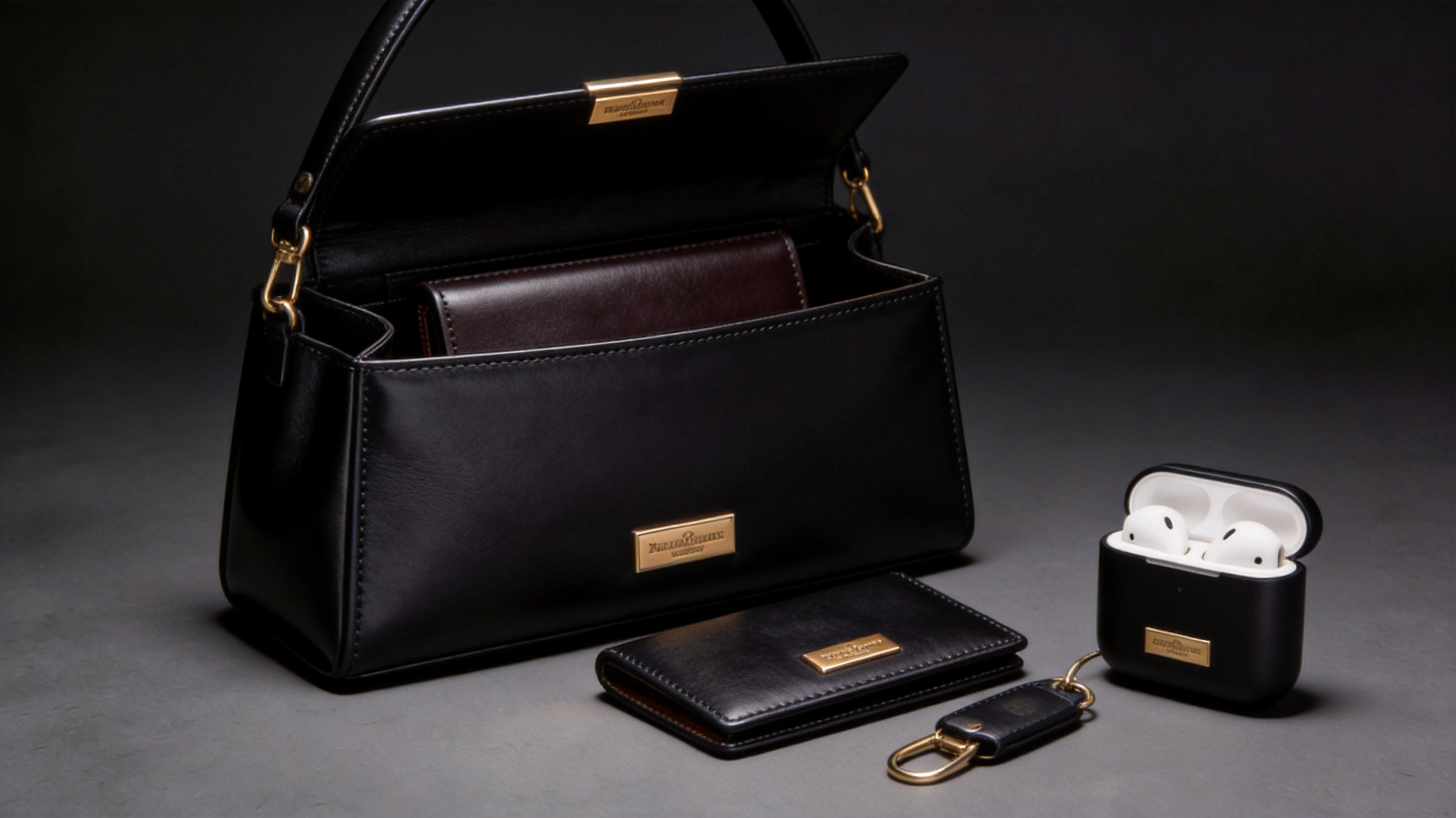
Custom logo application methods range from laser engraving to enamel-filled recesses
Minimum Order Quantities for Custom Hardware
Custom hardware carries higher minimum order requirements than stock hardware due to mold creation, setup costs, and production efficiency considerations. Understanding these thresholds helps brands plan their hardware strategy and budget appropriately.
Die-cast zinc alloy hardware typically requires 500 to 1,000 pieces per design to justify mold costs and setup time. Stamped components may accept lower quantities of 300 to 500 pieces for simpler designs. PVD coating and specialty plating processes often impose their own minimums of 500 pieces per color due to batch processing requirements. When working with a full-service handbag factory, these hardware minimums can often be aligned with the bag order quantity. Our factory coordinates hardware production alongside bag manufacturing, with MOQ starting at 200 pcs/style for complete bag orders that include custom hardware.
Quality Control for Hardware — Weight, Dimension and Finish Checks
Hardware quality control ensures every piece meets design specifications and brand standards before assembly onto bags. Professional factories implement multi-point inspection protocols.
Dimensional Inspection
Every production batch undergoes dimensional verification using calipers, micrometers, and go-no-go gauges. Critical dimensions include overall length, width, thickness, hole diameters, and mounting point positions. Tolerance standards for die-cast hardware typically allow plus or minus 0.2mm on overall dimensions and plus or minus 0.1mm on functional features. First-article inspection compares the first produced piece against the approved sample before full production proceeds.
Weight Verification
Weight is a quick, reliable quality indicator for metal hardware. Each piece type has a target weight based on its volume and material density. Variation of more than 5 percent from target weight indicates potential porosity defects in die-cast pieces or material thickness variation in stamped components. Production samples are weighed at regular intervals (typically every 100 pieces) to detect process drift.
Finish and Appearance Inspection
Visual inspection under standardized lighting conditions checks for plating defects including pinholes, blisters, peeling, color inconsistency, and surface contamination. Inspectors compare pieces against approved color samples using standardized lighting (D65 daylight simulator). Adhesion testing using the cross-hatch method verifies plating bond strength. At least 3 percent of each batch undergoes detailed visual inspection, with AQL 2.5 sampling for larger lots.
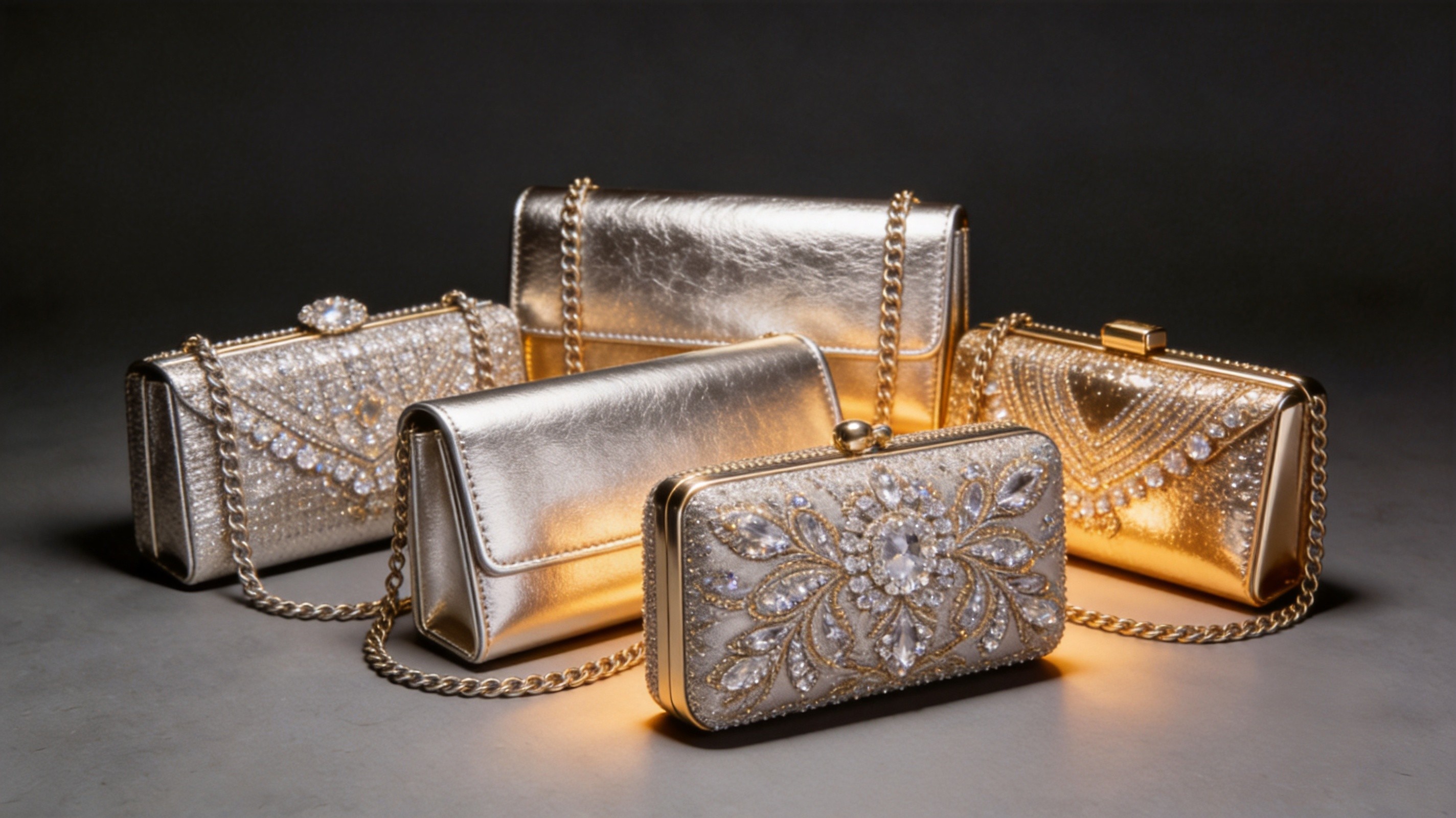
Systematic quality inspection ensures every hardware piece meets precise brand standards
Salt Spray Testing and Corrosion Resistance Standards
Corrosion resistance determines how long hardware maintains its appearance under real-world conditions including humidity, perspiration, rain, and storage. Salt spray testing (also called fog testing) is the standard accelerated aging test for hardware durability.
Testing Method and Standards
The neutral salt spray test (ASTM B117) exposes hardware samples to a fine mist of 5 percent sodium chloride solution at 35 degrees Celsius. Inspectors evaluate the samples at regular intervals for signs of corrosion including white rust (zinc oxidation), red rust (base metal corrosion), blistering, and discoloration. Testing duration varies by quality requirement: budget hardware targets 24 to 48 hours, mid-range requires 72 to 96 hours, and premium hardware targets 200 to 500 hours before acceptable corrosion appears.
Factors Affecting Corrosion Resistance
Plating thickness is the primary determinant of corrosion resistance. Gold plating at 0.5 microns provides approximately 48 hours of salt spray resistance, while 2.0 microns extends this to 200+ hours. PVD coatings consistently achieve 500+ hours due to their denser molecular structure. Base material preparation also matters significantly — poorly cleaned surfaces produce weak adhesion that fails prematurely regardless of plating thickness. Multi-layer plating systems (copper base, nickel intermediate, top coat) provide superior protection compared to single-layer applications.
Packaging and Protection During Shipping
Hardware components require careful packaging to prevent scratching, tarnishing, and damage during storage and transit. Improper packaging wastes the investment in quality finishing.
Individual Packaging Methods
Each hardware piece receives individual protection. Soft tissue paper wrapping prevents direct contact between pieces. Polyethylene bags with anti-tarnish strips protect silver and gold finishes from atmospheric sulfur compounds that cause discoloration. For high-value pieces, foam inserts in compartmentalized trays provide maximum protection. The packaging material must be acid-free to prevent chemical reactions with the metal surface during extended storage.
Bulk Packaging for Production
Production quantities are packed in sturdy cartons with internal dividers to prevent movement during transit. Standard carton sizes accommodate 200 to 500 pieces depending on hardware size. Each carton includes a packing list with piece count, style reference, and batch number for traceability. Cartons are sealed with tamper-evident tape and labeled with the brand's designated shipping marks. Humidity indicators inside cartons alert receivers to moisture exposure during transit.
Cost Breakdown — Mold and Per-Unit Pricing
Understanding the cost structure of custom hardware enables accurate budgeting and informed negotiation with factories and suppliers.
| Cost Component | Typical Range | Notes |
|---|---|---|
| Mold / Tooling | $300 – $3,000 per design | One-time cost, owned by brand |
| Material Cost | $0.10 – $1.50 per piece | Depends on material and weight |
| Casting / Stamping | $0.05 – $0.50 per piece | Includes labor and machine time |
| Polishing / Tumbling | $0.05 – $0.30 per piece | Surface preparation before plating |
| Plating / Coating | $0.10 – $1.00 per piece | Varies by finish type and thickness |
| Logo Application | $0.05 – $0.50 per piece | Laser, etching, or enamel fill |
| QC and Packaging | $0.02 – $0.10 per piece | Inspection and individual packing |
| Total Per-Unit (excl. mold) | $0.40 – $4.00 per piece | Depends on complexity and finish |
Volume Impact on Pricing
Per-unit costs decrease significantly as order quantities increase. The mold cost amortization becomes negligible at higher volumes. Plating costs drop because batch processing fills the plating tank more efficiently. Material purchasing power increases at scale. A custom buckle that costs $3.50 per piece at 500 units might drop to $1.80 at 2,000 units and $1.20 at 5,000 units. Strategic consolidation of hardware designs across multiple bag styles maximizes order quantities and minimizes per-unit costs.
Working with Hardware Suppliers vs Factory In-House Production
Brands face a choice between sourcing hardware from dedicated hardware suppliers or relying on the bag factory to manage hardware production. Each approach has distinct advantages depending on order complexity, volume, and management capacity.
Dedicated Hardware Suppliers
Specialized hardware factories offer the deepest expertise, widest material options, and most competitive pricing for high-volume standard components. They maintain extensive mold libraries that can reduce development time for common hardware shapes. However, working with separate hardware suppliers adds coordination complexity, requires the brand to manage logistics between hardware and bag factories, and creates accountability gaps when assembly issues arise from hardware defects.
Factory-Managed Hardware Production
Full-service bag factories that manage hardware production in-house or through vetted partner foundries simplify the supply chain for brands. The factory takes single-source responsibility for the complete bag including all hardware. Quality standards, timelines, and communication flow through a single point of contact. While per-unit hardware costs may be 10 to 20 percent higher than direct supplier sourcing, the total cost of coordination, quality management, and risk mitigation often makes factory-managed hardware the more economical choice for brands with orders under 10,000 pieces per hardware style. Our 30,000 sqm facility in Quanzhou manages complete hardware production coordination for all bag orders. With 20+ years of manufacturing experience, we integrate hardware sourcing, quality control, and assembly into a seamless production workflow.
Integrated factory management ensures hardware quality aligns perfectly with bag production standards
Ready to Develop Custom Hardware for Your Brand?
Our 20+ years of handbag manufacturing experience includes complete custom hardware development — from mold design through final plating and logo application. With 300+ skilled workers and a 30,000 sqm facility in Quanzhou, we deliver hardware that matches your brand vision precisely. MOQ starts at 200 pcs/style.
Email: service@junyuanbags.com | WhatsApp: +86 17750020688
Request Hardware DevelopmentFrequently Asked Questions
How much does a custom hardware mold cost for handbags?
Custom hardware molds typically cost between $300 and $3,000 depending on complexity and cavity count. Simple buckle molds start around $300 to $500, while intricate multi-cavity zinc alloy molds reach $1,500 to $3,000. The mold cost is usually amortized over the production run, adding $0.50 to $2.00 per unit for typical order quantities.
What is the minimum order quantity for custom hardware?
Most hardware production requires a minimum of 500 to 1,000 pieces per design. When working with a full handbag factory, hardware MOQ is often aligned with the bag MOQ of 200 pieces per style. The factory manages the hardware sourcing complexity as part of the overall order.
How long does custom hardware production take?
Custom hardware production takes 15 to 30 days after mold approval. Mold creation itself requires 7 to 15 days. The full timeline from design approval to finished hardware is 25 to 45 days. Simple stamped components without custom molds can be produced in 7 to 10 days.
What is the best material for luxury handbag hardware?
Solid brass is the premium standard for luxury hardware due to its weight, machinability, and natural patina development. Zinc alloy dominates mid-range production for its casting versatility and cost efficiency. Stainless steel offers superior durability for chains and structural components. Material choice depends on the design, budget, and brand positioning.
How do factories apply logos to metal hardware?
Logos are applied through laser engraving, mold embossing during casting, chemical etching, or enamel fill in engraved recesses. Mold embossing produces the most premium result as the logo becomes integral to the hardware. Laser engraving offers the fastest turnaround for prototyping. Enamel fill adds vivid color contrast for high-impact branding.
What plating finishes are available for handbag hardware?
Standard finishes include gold, silver, gunmetal, rose gold, antique brass, and matte black. PVD coating extends the color palette to include blue, rainbow, and deep black with superior durability. Two-tone finishes combining multiple colors on one piece are available at a 50 to 80 percent cost premium. PVD finishes consistently outperform electroplating in salt spray and wear testing.
Continue Exploring
Deepen your hardware knowledge with our related guides: Hardware Guide: Zippers, Buckles and Closures, Custom Logo Production Guide, and Complete Manufacturing Process. Visit our solutions page or contact us to discuss your custom hardware requirements.
Limitations and Scope of This Guide
This guide covers how handbag factories handle custom hardware and logo production, including mold making, finishing, attachment methods, and quality control. It is based on our experience as a handbag manufacturer in Quanzhou, China, serving brands worldwide since 2004. Key limitations to keep in mind:
- Mold costs and lead times vary significantly based on design complexity, material (zinc alloy, brass, stainless steel), and finish requirements.
- This guide covers metal hardware and standard logo applications. Embroidered logos, printed graphics, and heat-transfer branding follow different production processes.
- Custom hardware MOQs are typically higher than stock hardware. The economics of custom tooling make sense primarily for orders of 500+ pieces per style.
For advice tailored to your specific situation, contact our team directly.