Table of Contents
- Why Edge Finishing Separates Premium from Budget Bags
- Understanding Leather Edges — Raw, Burnished and Painted
- Edge Painting — Materials, Tools and Step-by-Step Process
- Edge Burnishing — Traditional Wax and Gum Tragacanth Methods
- Folded Edge vs Painted Edge — When to Use Each
- Color Matching for Edge Paint
- Multi-Layer Edge Painting for Luxury Finishes
- Edge Filling and Sanding Techniques
- Heat Sealing and Hot Stamping Edge Methods
- Quality Standards for Edge Finishing
- Common Edge Defects — Cracking, Peeling and Uneven Lines
- Durability Testing for Edge Finishes
- Cost Impact of Different Edge Finishing Methods
- How to Specify Edge Finishing to Your Factory
- Edge Finishing Trends in 2026 Luxury Handbags
- FAQ — Edge Painting and Finishing for Leather Bags
The edge of a leather handbag tells customers more about quality than almost any other single detail. It is the one area where raw cut material is left exposed, and how that edge is finished communicates craftsmanship intent at a glance. A perfectly smooth, evenly colored edge signals meticulous manufacturing. A rough, uneven, or cracked edge immediately marks a bag as budget-tier regardless of the leather grade used on the exterior.
For private label handbag brands, understanding edge finishing options is essential for making informed design decisions, specifying requirements accurately, and evaluating factory quality during inspections. This guide covers every major edge finishing technique used in professional handbag production, from traditional burnishing to modern multi-layer painting systems. For complete manufacturing context, explore our step-by-step manufacturing guide.
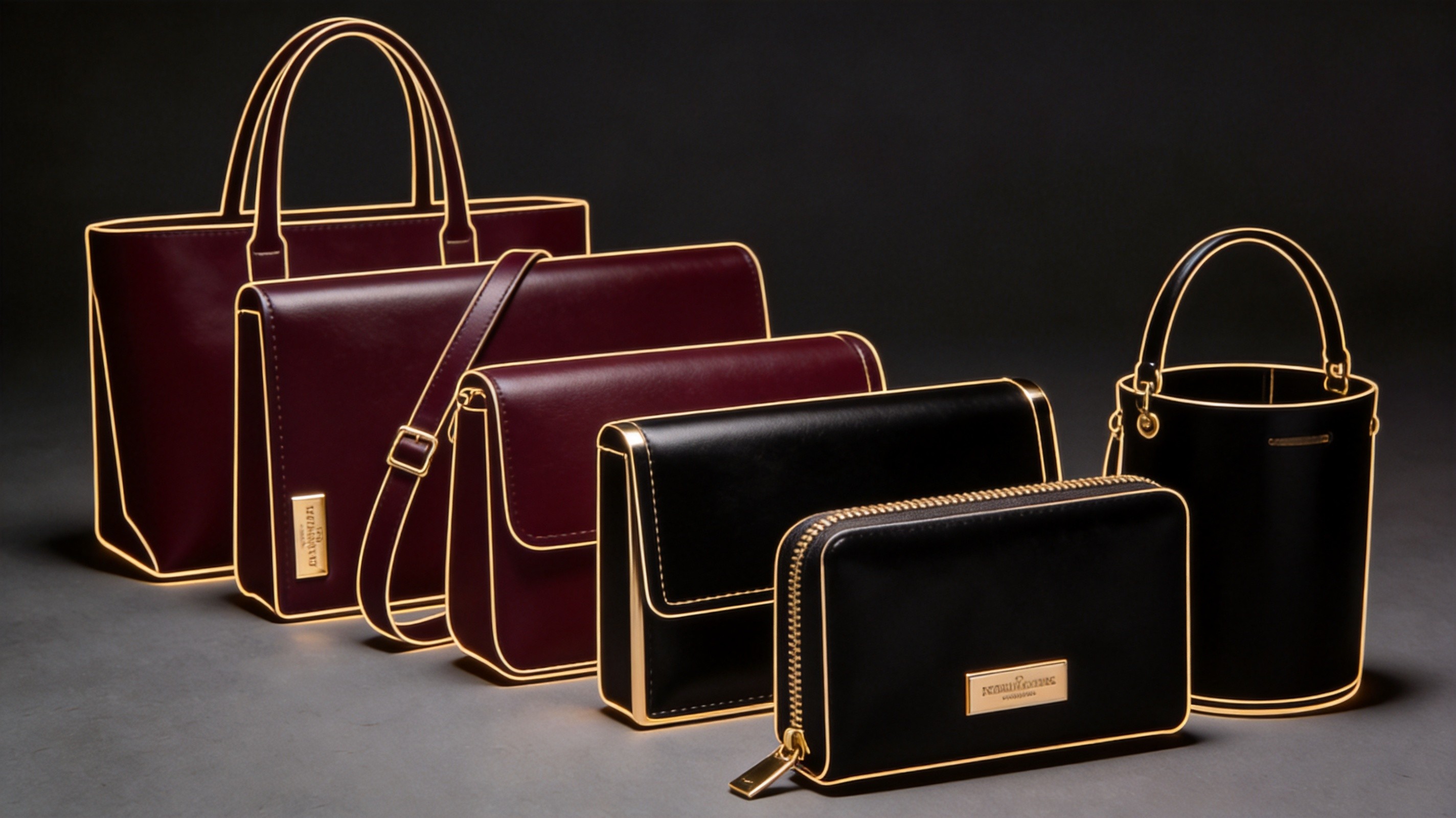
A perfectly finished edge communicates craftsmanship quality at first glance
Why Edge Finishing Separates Premium from Budget Bags
Edge finishing is where the difference between premium and budget manufacturing becomes most visible. In mass production, edge finishing is often the first process cut when cost reduction is needed because it is labor-intensive and time-consuming. Budget factories may skip multiple coats, reduce sanding steps, or use low-quality edge paints that crack within months.
Customers may not consciously understand why one bag feels superior to another, but they respond to the cumulative impression of refined details. A smooth, even edge catches light uniformly, feels pleasant to the touch, and maintains its appearance through years of use. These qualities are impossible to achieve without proper edge finishing investment during manufacturing.
The Customer Perception Factor
When a customer picks up a handbag, their fingers naturally trace the bag edges. The tactile experience of a smooth, polished edge creates a subconscious association with quality and luxury. Brands like Hermès and Bottega Veneta have built reputations partly on the exceptional quality of their edge finishing. For private label brands, investing in premium edge finishing delivers outsized returns in perceived value. Our manufacturing services include comprehensive edge finishing as standard on all leather products.
Understanding Leather Edges — Raw, Burnished and Painted
Leather edges can be finished in three fundamental ways, each with distinct characteristics, suitable applications, and cost implications. Understanding these options helps brand owners select the right finish for their product positioning.
Raw Edges
Raw edges are cut leather surfaces left untreated or with minimal treatment. They show the natural fiber structure of the leather cross-section. Raw edges are sometimes used intentionally in minimalist or deconstructed designs. However, untreated edges absorb moisture, attract dirt, and fray over time. Most production bags apply at least basic edge treatment even when pursuing a natural aesthetic.
Burnished Edges
Burnished edges use friction heat to compress leather fibers and natural waxes to create a smooth, glossy surface. This technique works only on vegetable-tanned leather and full-grain leather with tight fiber structure. The burnished surface develops a rich patina over time that many leather enthusiasts prize. Burnishing is the traditional method associated with heritage craftsmanship.
Painted Edges
Painted edges apply layers of specialized coating over the leather edge surface. This method works on all leather types regardless of tanning method or fiber density. Edge paint can be color-matched to the leather surface or used as a design contrast element. Modern edge paint formulations flex with the leather without cracking, providing durable protection in any climate condition. Learn more about leather types in our leather types guide.
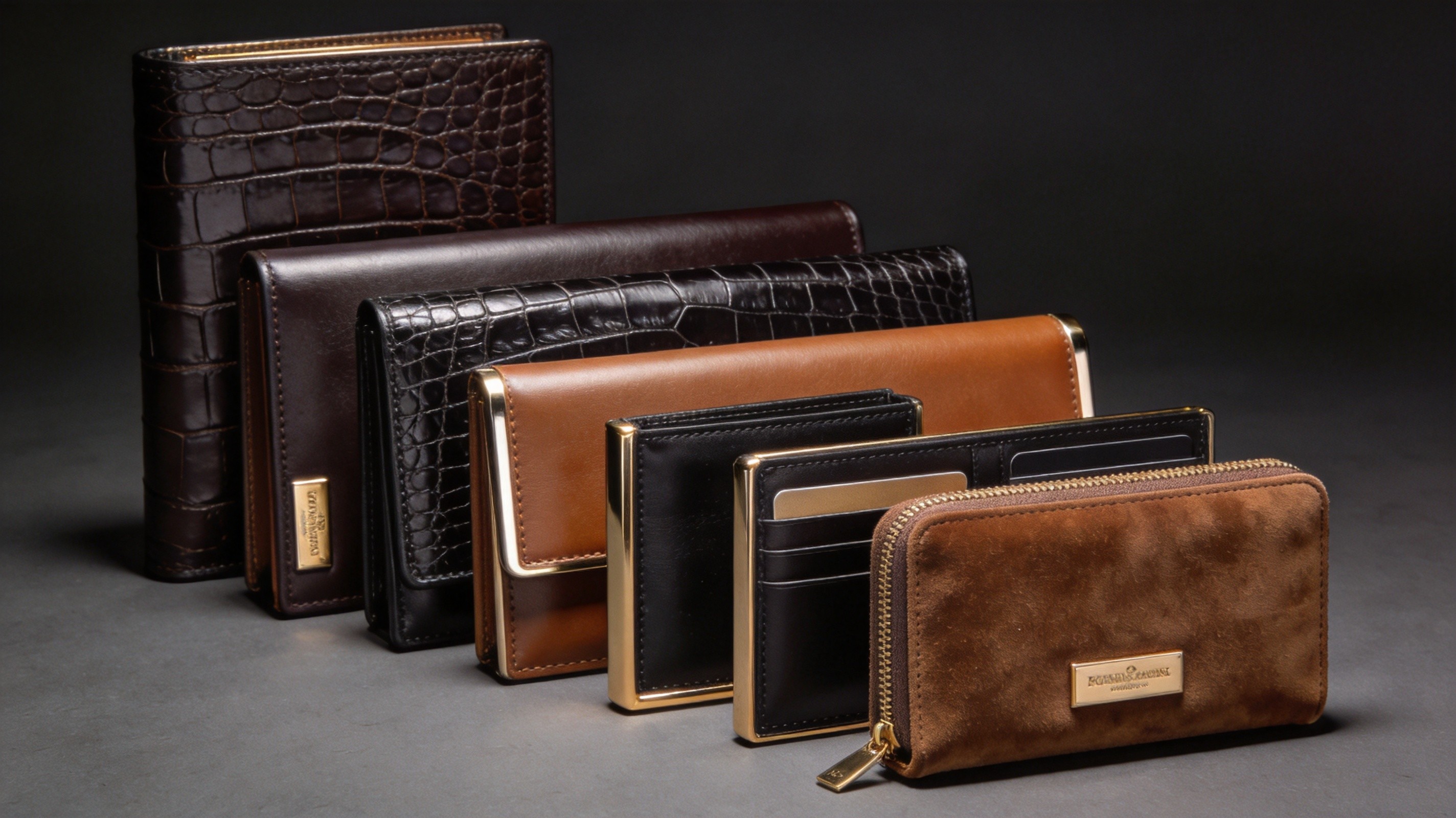
Raw, burnished, and painted edges each offer distinct aesthetic qualities
Edge Painting — Materials, Tools and Step-by-Step Process
Edge painting is the most versatile finishing method, applicable to all leather types and offering complete color control. The process requires patience and skill to achieve professional results.
Materials Required
- Edge Paint: Giardini, Fenice, or Saphir brand edge finishing products. Water-based formulations are preferred for environmental compliance.
- Edge Primer/Filler: Applied as the first coat to fill open leather fibers and create a smooth base.
- Sandpaper: 320, 400, 600, and optionally 800 grit for progressive smoothing between coats.
- Edge Finishing Tool: Wood slicker, canvas cloth, or specialized edge painting machine for application.
- Top Coat/Sealant: Clear protective finish applied over the final color coat.
Step-by-Step Process
The professional edge painting process follows these sequential steps. First, the edge is sanded smooth with 320-grit paper to remove any cutting marks. Edge filler or primer is applied as the base coat to seal the leather fibers. After drying for 15 to 20 minutes, the primer is sanded with 400-grit paper. Then, the first color coat is applied thinly and evenly. Each subsequent coat follows the same pattern: apply, dry, sand lightly, apply next coat. A minimum of three color coats is standard. The final coat receives a light sanding with 600-grit paper followed by a clear top coat or wax finish.
Edge Burnishing — Traditional Wax and Gum Tragacanth Methods
Burnishing creates a polished edge through friction-generated heat that compresses leather fibers and melts applied waxes into a smooth, glass-like surface. This traditional technique has been used by leather craftsmen for centuries.
Hand Burnishing with Beeswax
Beeswax is applied to the leather edge, then a wooden slicker is rubbed vigorously along the edge. The friction generates heat that melts the wax into the leather fibers while simultaneously polishing the surface. Multiple applications build up a smooth, water-resistant finish. Hand burnishing requires significant skill and time, making it practical only for premium or artisan-positioned products.
Gum Tragacanth Method
Gum tragacanth is a natural adhesive derived from Astragalus plants. When applied to leather edges and polished with a canvas cloth or wood tool, it creates a smooth, slightly glossy finish. It is particularly popular in Western leatherworking and saddle-making traditions. The finish is less durable than paint but develops an attractive patina with use. For bags positioned in the heritage or artisan segment, burnished edges add authenticity and tactile warmth.
Folded Edge vs Painted Edge — When to Use Each
The folded edge (also called folded and glued edge) is an alternative to painted or burnished edges that completely conceals the cut leather cross-section by folding the material over itself.
| Factor | Folded Edge | Painted Edge | Burnished Edge |
|---|---|---|---|
| Leather Compatibility | All thin to medium leathers | All leather types | Veg-tan only |
| Durability | Excellent (5-10+ years) | Good (3-8 years) | Good (3-5 years) |
| Cost per Meter | $0.30 – $0.80 | $0.15 – $0.50 | $0.10 – $0.30 |
| Skill Required | High | Medium to High | High |
| Bulk Added | Yes (fold thickness) | Minimal | None |
| Color Options | Self-material only | Any color | Natural only |
| Best For | Straps, handles, flaps | All-purpose, color match | Heritage, artisan |
When Folded Edges Excel
Folded edges are ideal for straps, handles, and any component where the edge will receive heavy contact and abrasion. The fold creates a self-leather surface that is extremely resistant to wear. The technique requires precise skiving to the correct thickness before folding, and the fold must be glued evenly to prevent air pockets or visible ridges.
When Painted Edges Excel
Painted edges are the default choice for most bag body panels, pockets, and decorative elements where color matching and a clean, uniform appearance are priorities. They allow exact color coordination with the bag surface and work on any leather type. Multi-layer painting with proper sanding between coats produces a premium finish that rivals folded edges in perceived quality.
Color Matching for Edge Paint
Achieving perfect color harmony between the edge finish and the bag leather surface requires careful color matching. Even slight mismatches are visible and detract from the overall quality impression.
Color Matching Process
Professional factories maintain edge paint color libraries with hundreds of pre-mixed shades covering the most common leather colors. For exact matching, edge paint manufacturers like Giardini offer custom color mixing services against physical leather samples or Pantone reference codes. The paint is applied to a test piece and compared under multiple lighting conditions before approval. Color matching is typically completed during the sampling phase to ensure consistency for production.
Contrast Edge Trends
While traditional edge finishing aims for invisible color matching, contrast edges have become a popular design feature. Dark edges on light bags, metallic edges on neutral leather, or colored edges that pick up accent colors from hardware or lining all create visual interest. This approach allows greater freedom in edge color selection while adding design sophistication.
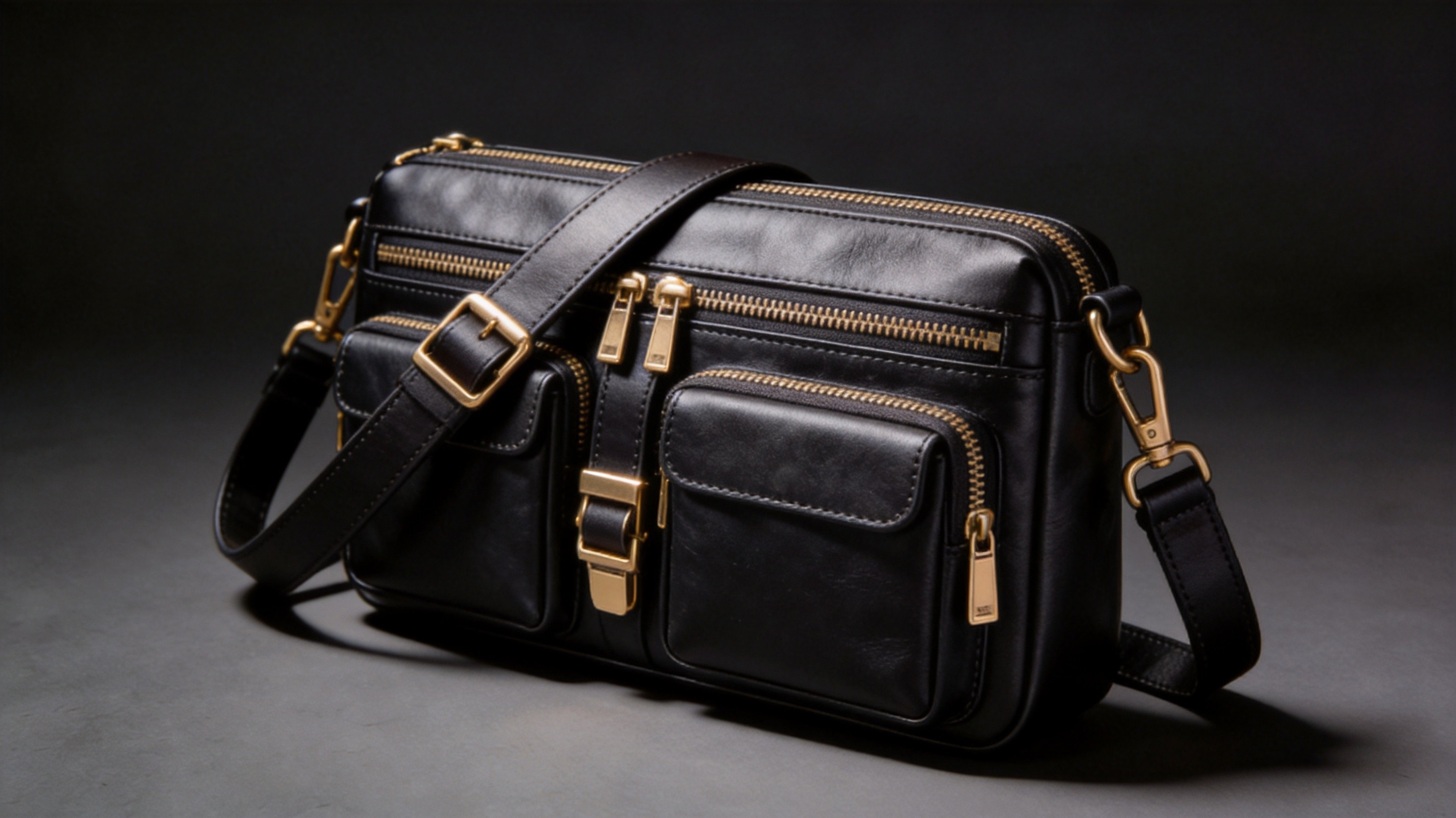
Precision color matching between edge paint and leather surface ensures seamless quality
Multi-Layer Edge Painting for Luxury Finishes
Luxury handbag brands often specify multi-layer edge finishing systems that produce a built-up, glass-smooth edge profile. This technique transforms a rough cut edge into what appears to be a solid, polished material.
Building the Edge Profile
The multi-layer process begins with edge filling to establish the base profile. Filler compounds containing fine particles fill the leather fiber matrix and create a uniform surface. After the filler dries and is sanded, multiple thin coats of pigmented edge paint are applied. Each coat is sanded before the next, progressively smoothing the surface. Five to seven coats are typical for luxury-level finishing. The final coats use finer paint formulations that fill micro-scratches left by previous sanding.
Burnishing the Final Coat
After the final color coat dries completely, some luxury manufacturers burnish the edge with a canvas wheel or hand cloth. This friction step compacts the top paint layer and creates a subtle gloss that distinguishes premium finishes from standard painted edges. A clear wax or sealant may be applied as the final protective layer.
Edge Filling and Sanding Techniques
Edge filling and sanding form the foundation of quality edge finishing. Without proper filling, paint coats sink into open leather fibers creating an uneven surface. Without proper sanding, each subsequent coat amplifies imperfections from previous layers.
Filling Materials
Edge fillers come in paste, liquid, and gel formulations. Paste fillers provide the most body for filling deep fiber structures on rough-cut edges. Liquid fillers penetrate deeper for sealing porous leathers. Gel fillers offer the best balance of application control and fill capability. Some manufacturers mix their edge paint with filler compounds to create combined filler-color coats that build both profile and color simultaneously.
Sanding Protocol
Progressive sanding follows a structured grit sequence. After filling, 320-grit paper levels the filler surface. After each paint coat, 400-grit paper removes application irregularities. Before the final coat, 600-grit paper creates a smooth substrate. For ultra-premium finishes, 800 to 1200-grit micro-mesh produces a near-polished surface before the final burnishing step. Sanding must always follow the edge direction, never across it, to avoid creating cross-grain scratches visible in the finish.
Heat Sealing and Hot Stamping Edge Methods
Heat-based edge finishing methods use controlled temperature to seal and smooth leather edges. These techniques offer speed advantages for high-volume production while maintaining acceptable quality.
Hot Edge Sealing
A heated metal edge (heated to 150 to 200 degrees Celsius) is pressed against the leather edge for a brief moment. The heat melts surface fibers and natural oils, creating a smooth sealed surface. This method works best on chrome-tanned leathers with high oil content. The result is a subtle, semi-gloss finish that is less refined than hand painting but significantly faster to apply.
Edge Banding with Heat-Activated Tape
Pre-finished edge banding tape with heat-activated adhesive can be applied to leather edges using a heated edge banding machine. The tape comes in various colors and finishes, including metallic and pearlescent options. This method offers excellent consistency and speed for high-volume production. However, it limits design flexibility since the edge profile is determined by the available tape widths and thicknesses.
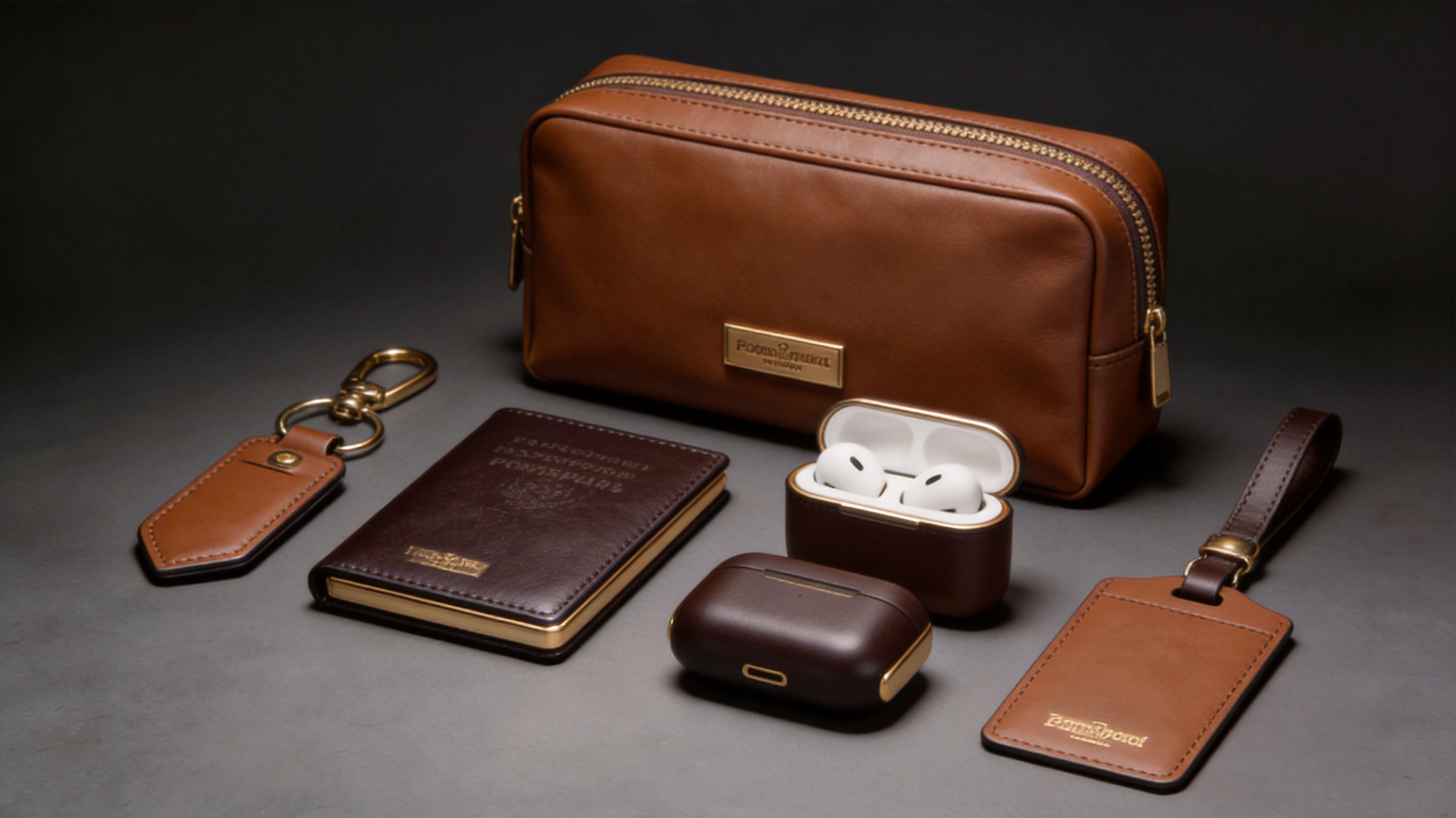
Professional edge finishing requires specialized tools and consistent technique
Quality Standards for Edge Finishing
Professional factories implement measurable quality standards for edge finishing that ensure consistency across production runs and long-term durability.
Visual Standards
- Surface Uniformity: No visible brush marks, air bubbles, or color variation when viewed at arm's length under standard lighting.
- Edge Profile: Consistent width and shape along the entire edge length. Width variation must not exceed 0.3mm.
- Coverage: Complete coverage of leather fibers with no exposed raw material visible at any point.
- Color Consistency: Delta E less than 2.0 compared to approved reference sample when measured with a spectrophotometer.
- Adhesion: Edge paint must pass a cross-cut tape test (ASTM D3359) with minimum 4B rating.
Process Control Standards
Quality control begins with incoming leather inspection to determine edge condition and appropriate finishing method. During production, edge samples are checked at every coat stage. Final inspection includes visual assessment under multiple light sources and adhesion testing on sacrificial samples from each production batch. Our quality team implements these standards across all leather products. For detailed QC methodology, read our quality control guide.
Common Edge Defects — Cracking, Peeling and Uneven Lines
Understanding common edge finishing defects enables brand owners to identify quality issues during factory audits and production inspections.
| Defect | Appearance | Root Cause | Prevention |
|---|---|---|---|
| Cracking | Fine lines in paint surface | Rigid paint on flexible leather, too thick coats | Use flexible paint formula, apply thin coats |
| Peeling | Paint lifting from edge | Insufficient surface prep, contaminated surface | Proper sanding, clean before painting |
| Orange Peel | Bumpy textured surface | Paint too viscous, incorrect application speed | Thin paint properly, consistent application |
| Uneven Width | Variable edge paint width | Unsteady hand application, no guide | Use edge painting guide or machine |
| Bleeding | Paint spreading onto surface | Excess paint, insufficient masking | Apply carefully, use edge protection tape |
| Fish Eyes | Small circular bare spots | Silicone contamination on leather | Thorough surface cleaning before painting |
Prevention Through Training and Process
Most edge defects stem from process failures rather than material issues. Consistent training, clear work instructions, and structured quality checkpoints at each coat stage prevent the majority of defects. Factories that treat edge finishing as a specialized skill station rather than a general task consistently produce superior results. Contact our team at service@junyuanbags.com to discuss edge finishing specifications for your project.
Durability Testing for Edge Finishes
Edge finishing durability testing ensures that the finish withstands real-world conditions throughout the product's intended lifespan.
Standard Tests
- Flex Test: Edge is flexed 10,000 times at the bag's normal bending radius. Must show no cracking or peeling.
- Heat Resistance: Exposed to 70 degrees Celsius for 24 hours. Must show no softening, discoloration, or tackiness.
- Cold Resistance: Exposed to minus 10 degrees Celsius for 24 hours. Must show no cracking when flexed after conditioning.
- Sweat Resistance: Artificial sweat applied for 48 hours. Must show no discoloration or degradation (critical for handles).
- Abrasion Test: Taber abrasion with specified weight and cycles. Weight loss must remain below threshold.
Cost Impact of Different Edge Finishing Methods
Edge finishing represents a small but significant portion of total bag manufacturing cost. Understanding the cost structure helps brand owners make informed decisions about finish level relative to product positioning.
| Method | Materials Cost/m | Labor Cost/m | Total Cost/m | Time per Meter |
|---|---|---|---|---|
| Raw (untreated) | $0 | $0 | $0 | 0 minutes |
| Single coat paint | $0.02 | $0.08 | $0.10 | 2 minutes |
| 3-coat standard paint | $0.05 | $0.20 | $0.25 | 8 minutes |
| 5-coat premium paint | $0.10 | $0.40 | $0.50 | 18 minutes |
| Hand burnishing | $0.03 | $0.25 | $0.28 | 10 minutes |
| Folded edge | $0.02 | $0.55 | $0.57 | 12 minutes |
| 7-coat luxury finish | $0.18 | $0.80 | $0.98 | 30 minutes |
For a typical handbag with 3 to 5 meters of exposed edge, the finishing cost ranges from $0.30 for basic treatment to $5.00 for luxury-level finishing. While this seems significant relative to material costs, the perceived value impact on the finished product typically far exceeds the cost investment. Our factory offers all finishing levels and can advise on the optimal finish for your price point. Explore our product range for examples of different edge finishes.
How to Specify Edge Finishing to Your Factory
Clear edge finishing specifications prevent miscommunication and ensure production consistency. Include the following elements in your tech pack:
Essential Specification Fields
- Method: Painted, burnished, folded, or combination
- Number of Coats: Minimum coats required (3 for standard, 5+ for premium)
- Color Reference: Pantone code or physical sample reference
- Edge Profile: Rounded, square, or beveled with target dimensions
- Gloss Level: Matte, satin, semi-gloss, or high gloss
- Adhesion Requirement: Minimum cross-cut tape test rating
- Flex Test Requirement: Number of flex cycles without failure
- Approved Paint Brand: Giardini, Fenice, Saphir, or equivalent
Providing physical edge finish reference samples alongside written specifications eliminates ambiguity. Our solutions team reviews every specification before sampling and provides edge finish samples for approval before production begins.
Edge Finishing Trends in 2026 Luxury Handbags
The edge finishing landscape continues to evolve with new materials, techniques, and design preferences. Several trends are shaping how luxury brands approach edge finishing in 2026.
Contrast and Metallic Edges
Brands are increasingly using edge color as a design statement rather than hiding it. Gold edge paint on black leather, colored edges that match seasonal color palettes, and metallic finish edges that coordinate with hardware are all gaining popularity. This trend requires edge paint systems with excellent opacity and metallic pigment dispersion.
Eco-Friendly Edge Paint
Water-based edge paints with low VOC content are becoming the standard as environmental regulations tighten and brands pursue sustainability certifications. Modern water-based formulations match or exceed the performance of solvent-based products while eliminating health risks for factory workers. Brands promoting sustainable manufacturing should specify water-based edge finishing systems.
Textured and Embossed Edges
Some avant-garde brands are experimenting with textured edge finishes that add tactile interest beyond smooth surfaces. Micro-patterns, cross-hatching, and subtle embossing on edge surfaces create unique tactile signatures that differentiate products in a crowded market.
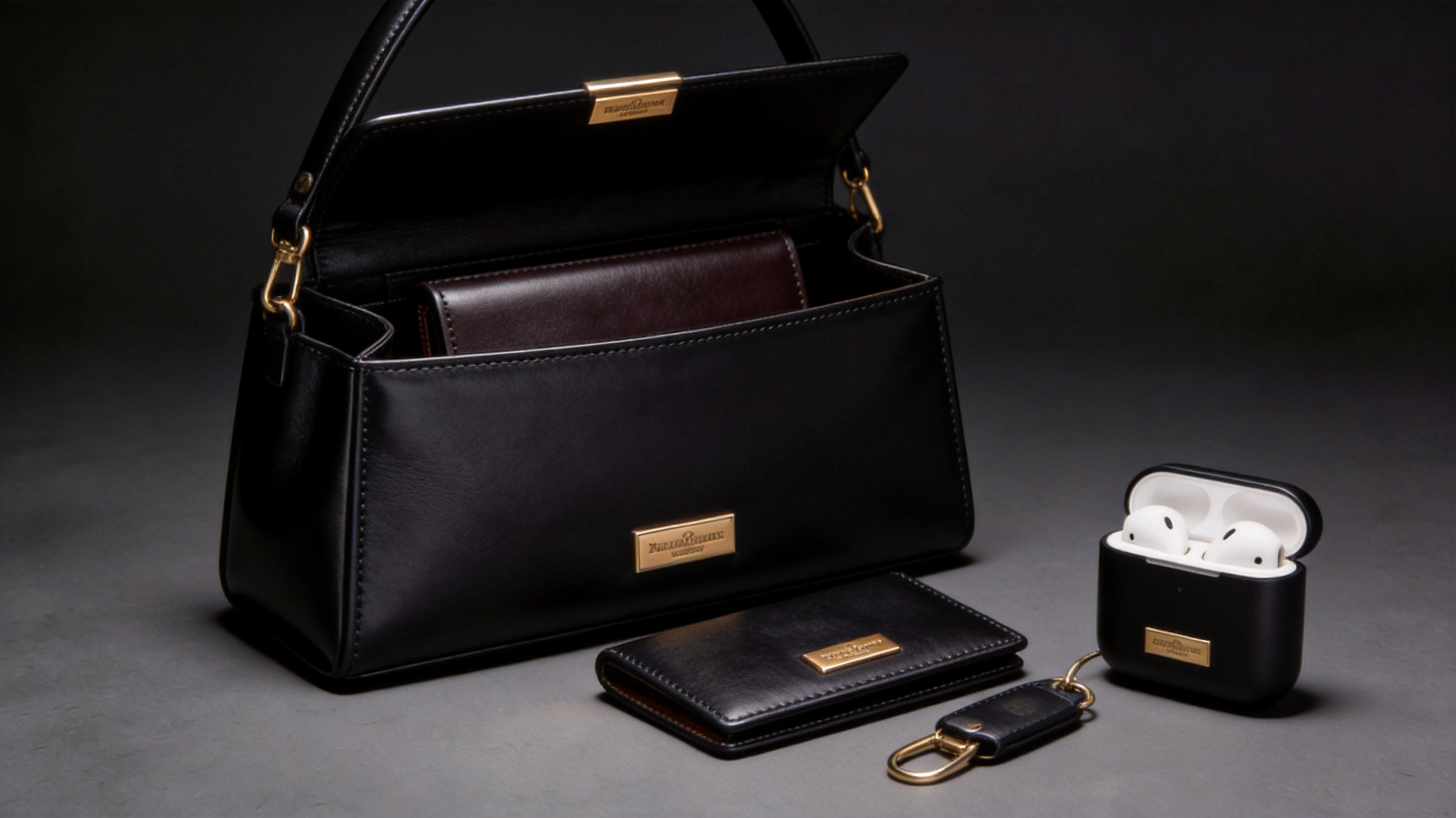
Contemporary edge finishing trends include contrast colors and eco-friendly formulations
Need Premium Edge Finishing for Your Leather Bag Collection?
Our factory specializes in multi-layer edge finishing with professional-grade materials from leading European suppliers. Whether you need invisible color matching or bold contrast edges, our skilled finishing team delivers consistent results. MOQ starts at 200 pcs/style.
Email: service@junyuanbags.com | WhatsApp: +86 17750020688
Request a QuoteFrequently Asked Questions
What is the difference between edge painting and edge burnishing?
Edge painting applies colored coating layers to create a uniform colored edge. Edge burnishing uses friction heat and wax to compress and polish natural leather fibers. Painting works on all leather types and allows color matching. Burnishing only works on vegetable-tanned leather with tight fiber structure.
How many coats of edge paint are needed for a quality finish?
Quality edge finishing requires 3 to 5 coats applied in thin layers with sanding between each coat. Luxury brands often apply 5 to 7 coats for a glass-smooth finish. Budget operations may apply only 1 to 2 coats, resulting in uneven coverage and premature wear.
Why do leather bag edges crack and peel over time?
Cracking results from using rigid paint on flexible leather, applying coats too thickly, or using low-quality paint without flexibility additives. Premium edge paints contain polyurethane resins that flex with the leather. Properly applied quality edge paint lasts 5 to 10 years without cracking.
What is the cost difference between painted and folded edges?
Painted edges cost $0.15 to $0.50 per meter. Folded edges cost $0.30 to $0.80 per meter due to additional skiving and folding labor. Burnished edges cost $0.10 to $0.30 per meter. Multi-layer luxury finishing reaches $0.80 to $2.00 per meter.
Can edge paint color be matched exactly to the leather?
Yes, edge paint can be custom-mixed to match virtually any leather color using Pantone references or physical samples. Custom mixing requires minimum 1 liter orders. Stock colors cover 80 to 90 percent of common leather shades for standard production needs.
Continue Exploring
Expand your leather knowledge with our related guides: Leather Types Complete Guide, Manufacturing Process Guide, and Cut-and-Sew Techniques. Visit our about page to learn about our factory or contact us for edge finishing consultations.
Limitations and Scope of This Guide
This guide covers edge painting and finishing techniques for leather bags, including methods, materials, quality standards, and production considerations. It is based on our experience as a handbag manufacturer in Quanzhou, China, serving brands worldwide since 2004. Key limitations to keep in mind:
- Techniques described apply to genuine leather and high-quality PU edges. Synthetic fabrics and non-leather materials require entirely different edge finishing methods.
- Durability of edge painting depends on the number of coats, curing time, and material type. Accelerated testing cannot fully replicate years of consumer use.
- Cost and time estimates assume factory-grade equipment and processes. Artisan or hand-finished edges (as in ultra-luxury brands) involve significantly more labor.
For advice tailored to your specific situation, contact our team directly.