Table of Contents
- The Global Handbag Market: Size and Growth Trajectory
- North America: Market Characteristics and Consumer Preferences
- Europe: Sustainability-Driven Demand and Regulatory Impact
- Middle East: Luxury Growth and Modest Fashion Influence
- Southeast Asia: Emerging Markets and E-commerce Acceleration
- Latin America: Growing Middle Class and Fashion Consciousness
- Africa: Untapped Potential and Mobile Commerce Growth
- East Asia: China, Japan, and Korea Market Dynamics
- India: The Fastest-Growing Handbag Market
- Material Preferences by Region: What Sells Where
- Price Point Sweet Spots Across Different Markets
- Distribution Channel Preferences by Region
- Cultural Considerations for Product Design
- Tariffs and Trade Agreements Affecting Handbag Imports
- Strategic Implications for Handbag Brands and Manufacturers
- FAQ — Global Handbag Market Trends
The global handbag market is projected to reach $380 to $420 billion by 2027, growing at a compound annual growth rate of 4.5 to 6.5 percent. But this aggregate number masks dramatically different dynamics across regions. While North America and Western Europe remain the largest markets by value, emerging markets in South Asia, Southeast Asia, and Africa are growing at two to three times the rate of established markets. Understanding these regional differences is essential for brands, manufacturers, and distributors making strategic decisions about product development, market entry, and resource allocation.
This comprehensive analysis examines handbag demand trends across every major global region, covering market size, growth rates, consumer preferences, material trends, price positioning, distribution channels, and cultural considerations. Whether you are planning market expansion, developing region-specific product lines, or optimizing your sourcing strategy for different destination markets, this guide provides the data and insights needed for informed decision-making. For manufacturers looking to serve diverse global markets, our manufacturing services at Junyuan Bags support clients exporting to over 40 countries across every major region.
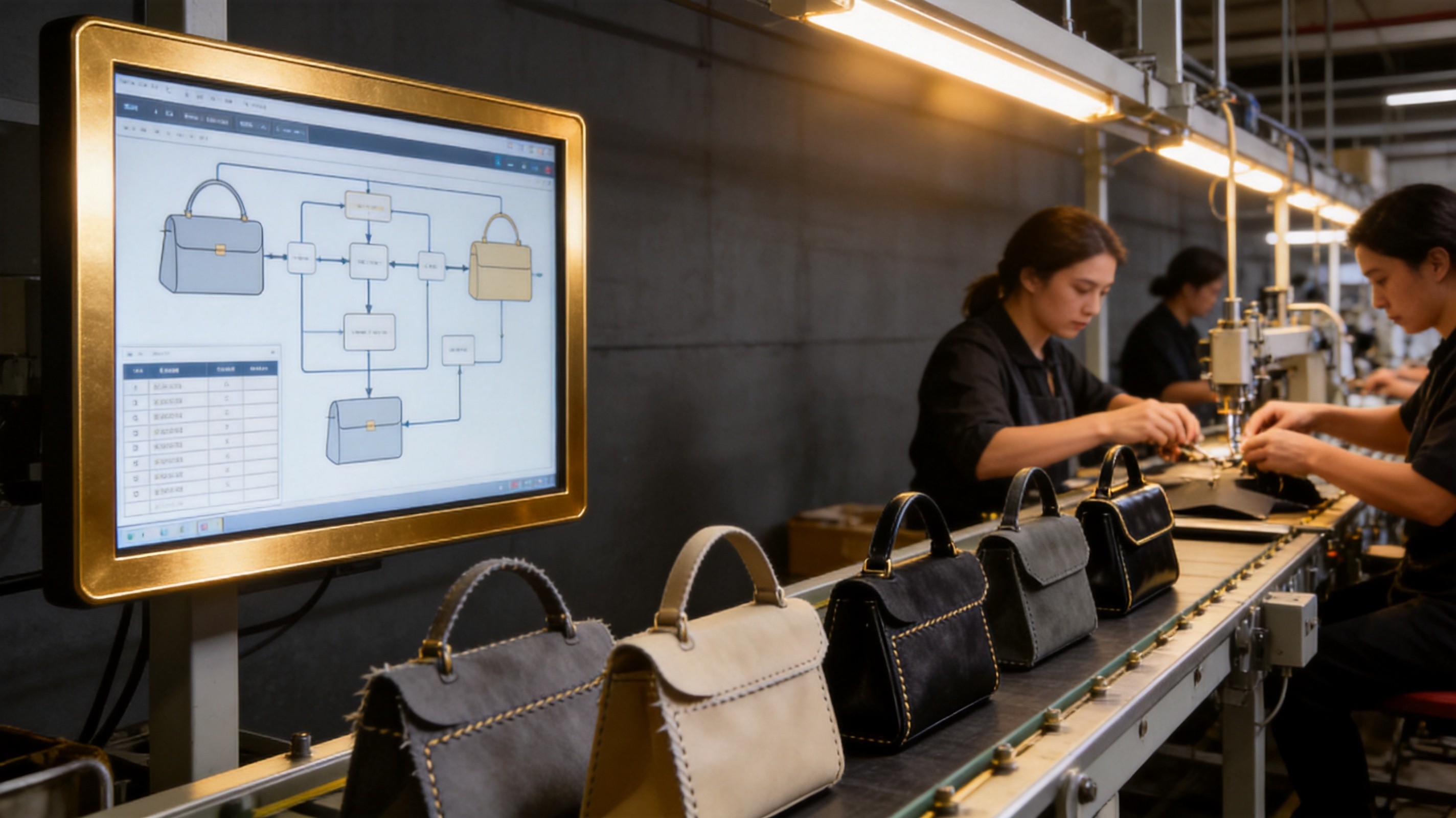
Understanding regional market dynamics is essential for strategic product development and market entry decisions
The Global Handbag Market: Size and Growth Trajectory
The global handbag market in 2026 reflects a maturing industry with distinct growth patterns across regions. Established markets in North America and Western Europe show steady but moderate growth driven by replacement purchases and premium upgrades. Emerging markets show faster growth driven by first-time purchases, rising incomes, and expanding retail infrastructure.
| Region | Market Size 2026 (Est.) | Growth Rate (CAGR) | Key Growth Driver |
|---|---|---|---|
| North America | $85-95B | 3.5-4.5% | Premium upgrade, e-commerce |
| Western Europe | $75-85B | 3.0-4.0% | Sustainability, luxury segment |
| East Asia | $90-100B | 5.0-6.5% | Luxury consumption, domestic brands |
| Middle East | $20-25B | 6.0-8.0% | Luxury growth, tourism recovery |
| Southeast Asia | $25-30B | 9.0-12.0% | E-commerce, rising middle class |
| Latin America | $15-20B | 5.0-7.0% | Growing middle class, fashion awareness |
| India | $8-12B | 12.0-15.0% | Urbanization, women workforce growth |
| Africa | $5-8B | 10.0-14.0% | Mobile commerce, young demographics |
North America: Market Characteristics and Consumer Preferences
The North American handbag market remains the largest by revenue, characterized by strong brand consciousness, high per-capita spending, and well-developed e-commerce infrastructure. Consumer preferences lean toward practical, versatile designs that transition between work and social settings.
Key trends in the North American market include strong demand for crossbody bags and work totes as remote and hybrid work models stabilize, growing interest in sustainable and vegan leather options particularly among millennials and Gen Z consumers, continued dominance of online purchasing channels with e-commerce representing 35 to 40 percent of handbag sales, and increasing consumer preference for private label and direct-to-consumer brands that offer quality at accessible price points. The US market also shows strong demand for handbags with functional features like laptop compartments, RFID protection, and organizational interiors. For brands entering this market, our guide on curating handbag collections provides framework for assortment planning.

European consumers lead global demand for sustainably produced and ethically sourced handbags
Europe: Sustainability-Driven Demand and Regulatory Impact
Europe represents the most sustainability-conscious handbag market globally. Regulatory requirements and consumer expectations combine to create the strongest demand for environmentally responsible products. The EU Strategy for Sustainable and Circular Textiles, proposed supply chain due diligence directives, and strict chemical safety regulations are reshaping the handbag market across the continent.
European consumers show the highest adoption rate of vegan leather and alternative materials (30 to 35 percent of market), strong preference for products with transparent supply chain documentation, willingness to pay 15 to 25 percent premiums for certified sustainable products, and growing secondhand and vintage handbag market that competes with new product sales. Western European markets particularly in France, Italy, Germany, and the UK remain centers of luxury handbag consumption while Eastern European markets show faster growth in mid-range and accessible luxury segments.
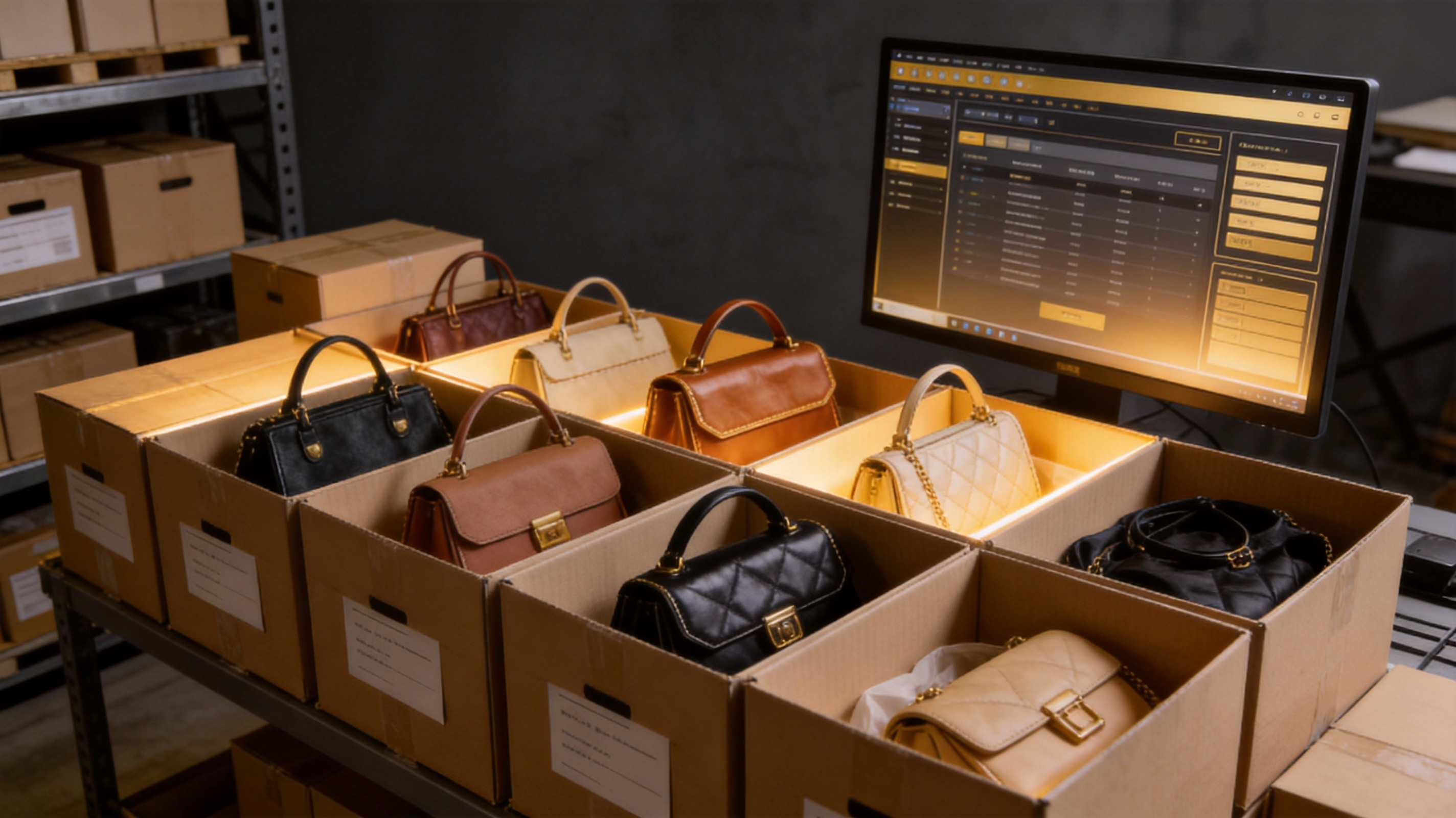
European markets lead global demand for sustainable and ethically produced handbags
Middle East: Luxury Growth and Modest Fashion Influence
The Middle Eastern handbag market is characterized by strong luxury consumption, high per-capita spending, and the influence of modest fashion on design preferences. The GCC countries (UAE, Saudi Arabia, Qatar, Kuwait) represent the core market, with tourism recovery post-pandemic driving additional demand in Dubai and other retail destinations.
Key market characteristics include strong preference for genuine leather and exotic materials (70+ percent of market), high demand for luxury branded handbags and growing appetite for exclusive private label lines, preference for larger sizes and structured silhouettes, gold hardware preferred over silver or matte finishes, and importance of premium packaging and presentation. The modest fashion movement influences design with demand for bags that complement modest clothing silhouettes, including larger totes and structured shoulder bags. The market shows strong growth in e-commerce channels, particularly through regional platforms.
Southeast Asia: Emerging Markets and E-commerce Acceleration
Southeast Asia represents one of the fastest-growing handbag markets globally, driven by rising disposable incomes, rapid e-commerce adoption, and a young, fashion-conscious demographic. Key markets include Indonesia, Vietnam, Thailand, the Philippines, and Malaysia.
The region shows strong demand for affordable to mid-range handbags priced between $20 and $80 retail, with PU leather and fabric materials dominating the mass market (50+ percent synthetic materials). E-commerce platforms like Shopee, Lazada, and TikTok Shop drive a significant and growing share of handbag purchases. Social commerce, where purchases are influenced by social media content and live-stream selling, is particularly influential in this market. Private label and local brands are gaining market share from international brands as local manufacturers improve quality and design capabilities.
Latin America: Growing Middle Class and Fashion Consciousness
Latin America's handbag market is driven by a growing middle class with increasing fashion consciousness and disposable income. Brazil and Mexico represent the largest markets, with Colombia and Chile showing strong growth potential.
Key market characteristics include strong preference for colorful designs and vibrant patterns reflecting regional aesthetic preferences, demand for durable materials suitable for tropical and subtropical climates, price sensitivity with the mass market concentrated in the $15 to $50 retail range, and growing importance of online channels particularly through MercadoLibre and Instagram-based commerce. Brazilian consumers show particular interest in beach-ready and resort-style bags, while Mexican consumers demonstrate strong demand for both affordable fashion bags and premium leather goods.
Africa: Untapped Potential and Mobile Commerce Growth
Africa represents the earliest-stage but highest-potential handbag market globally. With the world's youngest population, rapidly expanding mobile internet access, and growing urban middle class, the continent offers long-term growth potential that few other regions can match.
Market development is concentrated in Nigeria, South Africa, Kenya, Ghana, and Egypt. Mobile commerce through platforms and social channels is the primary purchase driver. Price sensitivity is high with mass market concentrated below $30 retail, but premium segments in major urban centers show strong demand for quality leather goods. The African Continental Free Trade Area (AfCFTA) is beginning to reduce trade barriers, creating opportunities for pan-African distribution strategies. For brands considering African market entry, understanding local preferences and distribution infrastructure is critical.

Regional preferences vary dramatically, requiring tailored product development for each target market
East Asia: China, Japan, and Korea Market Dynamics
East Asia represents the second-largest handbag market by value, with China as the dominant player. The market is characterized by sophisticated consumers, strong luxury demand, and rapidly evolving domestic brand preferences.
China's handbag market shows strong growth in domestic brands (guochao trend), with consumers increasingly choosing quality local brands over established Western names. The market values exceptional craftsmanship and attention to detail. Japan maintains strong demand for high-quality leather goods with meticulous finishing standards and preference for lightweight, compact designs. Korea shows rapid trend adoption cycles with strong demand for fashionable, Instagram-worthy designs. Across East Asia, e-commerce penetration is the highest globally, with online channels representing 40 to 50 percent of handbag purchases in China.

India's rapidly growing middle class drives the fastest handbag market growth globally
India: The Fastest-Growing Handbag Market
India is emerging as the fastest-growing handbag market globally, with projected growth rates of 12 to 15 percent annually. This growth is driven by rising disposable incomes, increasing urbanization, growing workforce participation among women, expanding e-commerce penetration, and a cultural shift toward branded accessories.
The Indian market is highly price-sensitive with the mass market concentrated between $10 and $40 retail. However, the premium and luxury segments in major cities (Mumbai, Delhi, Bangalore) are growing rapidly. Consumers show strong preference for both traditional designs incorporating Indian craftsmanship elements and modern Western-style handbags. E-commerce through Flipkart, Amazon India, and Myntra drives significant volume. The market also shows strong demand for handbags suitable for professional settings as more women enter the corporate workforce. Our product range includes styles suited to the diverse preferences of the Indian market.
Material Preferences by Region: What Sells Where
Material preferences vary dramatically by region, influenced by climate, cultural values, price sensitivity, and regulatory requirements. Understanding these preferences is essential for product development and sourcing decisions.
| Region | Genuine Leather | PU/Vegan Leather | Fabric/Canvas | Exotic/Specialty | Key Preference |
|---|---|---|---|---|---|
| North America | 55-60% | 25-30% | 10-15% | 3-5% | Quality leather, vegan growth |
| Western Europe | 45-50% | 30-35% | 10-15% | 5-8% | Sustainability focus |
| Middle East | 70-75% | 10-15% | 5-10% | 8-12% | Luxury, exotic materials |
| East Asia | 50-55% | 30-35% | 10-15% | 5-8% | Craftsmanship, lightweight |
| Southeast Asia | 25-30% | 50-55% | 15-20% | 2-3% | Affordable, trendy |
| Latin America | 35-40% | 35-40% | 20-25% | 2-3% | Colorful, durable |
| India | 30-35% | 40-45% | 20-25% | 2-3% | Affordable, traditional + modern |
| Africa | 20-25% | 45-50% | 25-30% | 1-2% | Durable, affordable |
Price Point Sweet Spots Across Different Markets
Price sensitivity and willingness to pay vary dramatically across regions. Understanding the sweet spot for each market ensures appropriate product positioning and margin optimization.
In North America, the mass-market sweet spot is $45 to $120 retail, with premium segments extending to $200 and above. Western Europe shows similar ranges with higher premiums for sustainable products. The Middle East supports the highest luxury pricing with $200 to $1,000+ for premium leather goods. Southeast Asia's sweet spot is $15 to $60 retail, while India concentrates between $10 and $45 for mass market. Africa's mass market is below $30 with premium urban segments reaching $50 to $100. Positioning your products within these ranges ensures market-appropriate pricing that maximizes both volume and margin.
Distribution Channel Preferences by Region
The channels through which consumers purchase handbags vary significantly by region, reflecting different retail infrastructure, digital adoption, and shopping culture.
- North America: E-commerce 35-40%, department stores 20-25%, specialty boutiques 15-20%, outlet 15-20%
- Western Europe: Specialty boutiques 25-30%, e-commerce 30-35%, department stores 20-25%, outlet 10-15%
- East Asia: E-commerce 40-50%, department stores 15-20%, specialty stores 20-25%, duty-free 10-15%
- Southeast Asia: E-commerce 35-45%, social commerce 15-20%, physical retail 35-45%
- Middle East: Mall retail 40-45%, e-commerce 25-30%, duty-free 15-20%, boutiques 10-15%
- India: E-commerce 30-35%, physical retail 55-60%, social commerce 5-10%
- Africa: Physical retail 60-70%, mobile commerce 20-25%, e-commerce 10-15%

E-commerce and mobile shopping are reshaping handbag distribution channels across all regions
Cultural Considerations for Product Design
Cultural factors profoundly influence handbag design preferences. Colors, sizes, hardware styles, and functional features that succeed in one market may underperform in another due to cultural associations and practical needs.
Key cultural considerations include: color symbolism (white represents mourning in some Asian cultures, red is auspicious in China but aggressive in some Western contexts), size preferences (larger bags preferred in markets where consumers carry more items daily, compact designs preferred in markets with minimal carry needs), hardware finish preferences (gold dominates in Middle East and Southern Europe, silver and matte finishes preferred in Northern Europe and East Asia), closure types (some markets prefer open totes, others prioritize zippered security), and branding visibility (logo-forward designs preferred in some markets, understated designs preferred in others). Understanding these cultural nuances is critical for product development targeting multiple regions. For detailed guidance on designing for specific markets, see our solutions page.
Tariffs and Trade Agreements Affecting Handbag Imports
Import tariffs and trade agreements directly affect the competitiveness of handbag products in different markets. Understanding the tariff landscape is essential for pricing strategy and manufacturing location decisions.
| Destination Market | Standard Duty Rate | Additional Tariffs | Key Trade Agreements |
|---|---|---|---|
| United States | 5-20% (material-dependent) | Section 301: 7.5-25% on China | USMCA, GSP (limited) |
| European Union | 2.5-4.5% | No additional (as of 2026) | EU FTAs with multiple countries |
| United Kingdom | 3-5% | UK Global Tariff rates | UK FTAs post-Brexit |
| Japan | 8-12% (leather) | Minimal | RCEP, CPTPP |
| India | 15-25% | High protective duties | Limited FTAs |
| ASEAN | 0-15% | AEC reduced rates | ASEAN, RCEP |
| Africa (AfCFTA) | 10-25% | Decreasing under AfCFTA | AfCFTA in progress |
Strategic Implications for Handbag Brands and Manufacturers
The regional diversity of the global handbag market creates both opportunities and complexities for brands and manufacturers. Strategic success requires understanding which markets to prioritize, how to adapt products for regional preferences, and how to structure sourcing and distribution for optimal efficiency.
Key strategic implications include: develop region-specific product lines rather than one-size-fits-all global collections, prioritize market entry based on growth rates and accessibility (Southeast Asia and India offer the highest growth with moderate entry barriers), build manufacturing partnerships with flexibility to serve diverse market requirements, invest in sustainability capabilities to address growing regulatory and consumer requirements particularly in Europe, and leverage e-commerce and social commerce channels to reach consumers directly in emerging markets. For manufacturers like Junyuan Bags with 20+ years of export experience, serving diverse global markets is core to our capability, with production supporting clients in over 40 countries. Contact us on WhatsApp at +86 17750020688 or service@junyuanbags.com to discuss market-specific production requirements.
Your Global Handbag Manufacturing Partner
Junyuan Bags exports to 40+ countries with deep understanding of regional preferences and requirements. From EU sustainability standards to Middle East luxury expectations, we manufacture for every global market.
WhatsApp: +86 17750020688 | Email: service@junyuanbags.com
MOQ: 200 pcs/style | Factory: 30,000 sqm, 300+ workers, Quanzhou, China
Frequently Asked Questions
Which region has the fastest-growing handbag market?
India is the fastest-growing at 12-15% annually, followed by Southeast Asia (9-12%) and Sub-Saharan Africa (10-14%). These emerging markets are driven by rising incomes, urbanization, and expanding e-commerce. They represent the highest growth opportunity for brands looking beyond established Western markets.
What are the best regions for private label handbag brands?
North America (established private label acceptance, high margins), Western Europe (sustainability-focused consumers willing to pay premium for quality), and the Middle East (growing luxury with appetite for exclusive brands). Southeast Asia offers high growth potential with increasing acceptance of quality private label at accessible price points.
How do tariffs affect handbag imports by region?
The US applies 5-20% duties plus Section 301 tariffs of 7.5-25% on Chinese goods. The EU applies 2.5-4.5% with no additional tariffs. Southeast Asian markets under ASEAN agreements often have reduced rates. India applies 15-25% protective duties. Regional trade agreements like RCEP and AfCFTA create preferential treatment within member countries.
What sustainability requirements affect different regions?
The EU has the strictest requirements including the Sustainable and Circular Textiles Strategy and mandatory supply chain due diligence. North America has growing consumer demand but less regulatory pressure. Middle East and Southeast Asia have minimal requirements but growing awareness. EU-bound products must prepare for comprehensive sustainability documentation becoming mandatory through 2026.
What material preferences dominate by region?
North America favors genuine leather (55-60%) with vegan growth. Western Europe leads in vegan/sustainable adoption (30-35%). The Middle East prefers luxury genuine leather (70%+). Southeast Asia shows strong PU leather demand (50-55% synthetic). India shows growth in both genuine leather and affordable synthetics. Regional climate, culture, and income levels drive these preferences.
Limitations and Scope of This Guide
This guide covers global handbag market demand trends by region for 2026, covering market size, growth rates, consumer preferences, and opportunities across major markets. It is based on our experience as a handbag manufacturer in Quanzhou, China, serving brands worldwide since 2004. Key limitations to keep in mind:
- Market data is compiled from publicly available industry reports and trade statistics as of 2026. Exact figures vary between sources and methodologies.
- Regional analysis provides directional insights. Local market entry requires detailed research including cultural preferences, pricing sensitivity, and competitive landscape.
- Growth projections assume stable economic conditions. Trade disruptions, currency fluctuations, or geopolitical events can significantly alter regional market dynamics.
For advice tailored to your specific situation, contact our team directly.