Table of Contents
- AI in the Handbag Industry: Overview
- AI-Powered Design Tools
- Trend Prediction Using Machine Learning
- AI in Pattern Making and Prototyping
- Quality Control with Computer Vision
- Supply Chain Optimization with AI
- Personalization and Customization at Scale
- AI for Demand Forecasting
- Chatbots and Customer Experience
- Ethical Considerations of AI in Manufacturing
- How Factories Are Adopting AI Technology
- Preparing Your Brand for AI-Enhanced Production
- Frequently Asked Questions
Artificial intelligence is no longer a futuristic concept in the handbag industry — it is an active force reshaping how bags are designed, how they are manufactured, how quality is ensured, and how brands connect with their customers. From generative design tools that create hundreds of style variations in minutes to computer vision systems that inspect every stitch on the production line, AI is changing the economics and creative possibilities of handbag production.
For brand owners, understanding these changes is essential. You do not need to become a machine learning expert, but you do need to know which AI capabilities offer genuine commercial advantage, which factories are investing in these technologies, and how to position your brand to benefit from AI-enhanced production without losing the human craftsmanship that your customers value.
This guide examines every major AI application in the handbag industry — from design and trend forecasting through manufacturing, quality control, and customer engagement — with practical guidance for brand owners navigating this transition.

AI is transforming every stage of handbag production — from initial design concept through quality-controlled manufacturing
AI in the Handbag Industry: Overview
The handbag industry's AI adoption is happening across the entire value chain, with different technologies maturing at different speeds. Understanding the landscape helps brand owners identify where AI creates genuine value versus where it remains hype.
| AI Application Area | Maturity Level | Commercial Impact | Brand Owner Relevance |
|---|---|---|---|
| Generative design | Early mainstream | Medium — accelerates ideation | Faster design exploration |
| Trend prediction | Established | High — better product-market fit | Improved sell-through rates |
| Pattern making | Growing adoption | High — faster time to sample | Reduced development timeline |
| Quality control (computer vision) | Established | Very High — defect reduction | Higher quality consistency |
| Supply chain optimization | Established | High — cost reduction | Better pricing, faster delivery |
| Demand forecasting | Growing adoption | High — inventory optimization | Lower markdowns, fewer stockouts |
| Personalization at scale | Emerging | Medium — premium positioning | Higher margins, loyalty |
AI-Powered Design Tools
Generative AI tools have transformed the early stages of handbag design. Designers can now input text descriptions — "structured leather tote with east-west proportions, minimal hardware, cognac color" — and receive multiple visual design concepts within seconds.
How These Tools Work
AI design tools are trained on millions of fashion images, product photographs, and design specifications. When given a design prompt, the AI generates visual concepts that match the description while incorporating current aesthetic patterns it has learned from its training data. The results are not production-ready designs but rather creative starting points that accelerate the ideation process.
Practical Applications
- Concept exploration: Generate 20+ design variations in minutes, then select the most promising for detailed development
- Color and material visualization: See how a design looks in different materials and colorways before committing to physical samples
- Trend-to-design translation: Input trend research findings and receive design concepts that reflect those trends
- Collection coherence checking: AI can evaluate whether a proposed collection hangs together visually, identifying styles that feel disconnected from the group
Limitations
AI design tools cannot assess tactile quality, understand material behavior in three dimensions, or make brand-level aesthetic judgments. They are powerful ideation accelerators, not designer replacements. The most effective use combines AI-generated concepts with human designers who refine, adapt, and make them production-feasible. Our design team leverages AI tools for ideation while maintaining human creative control.
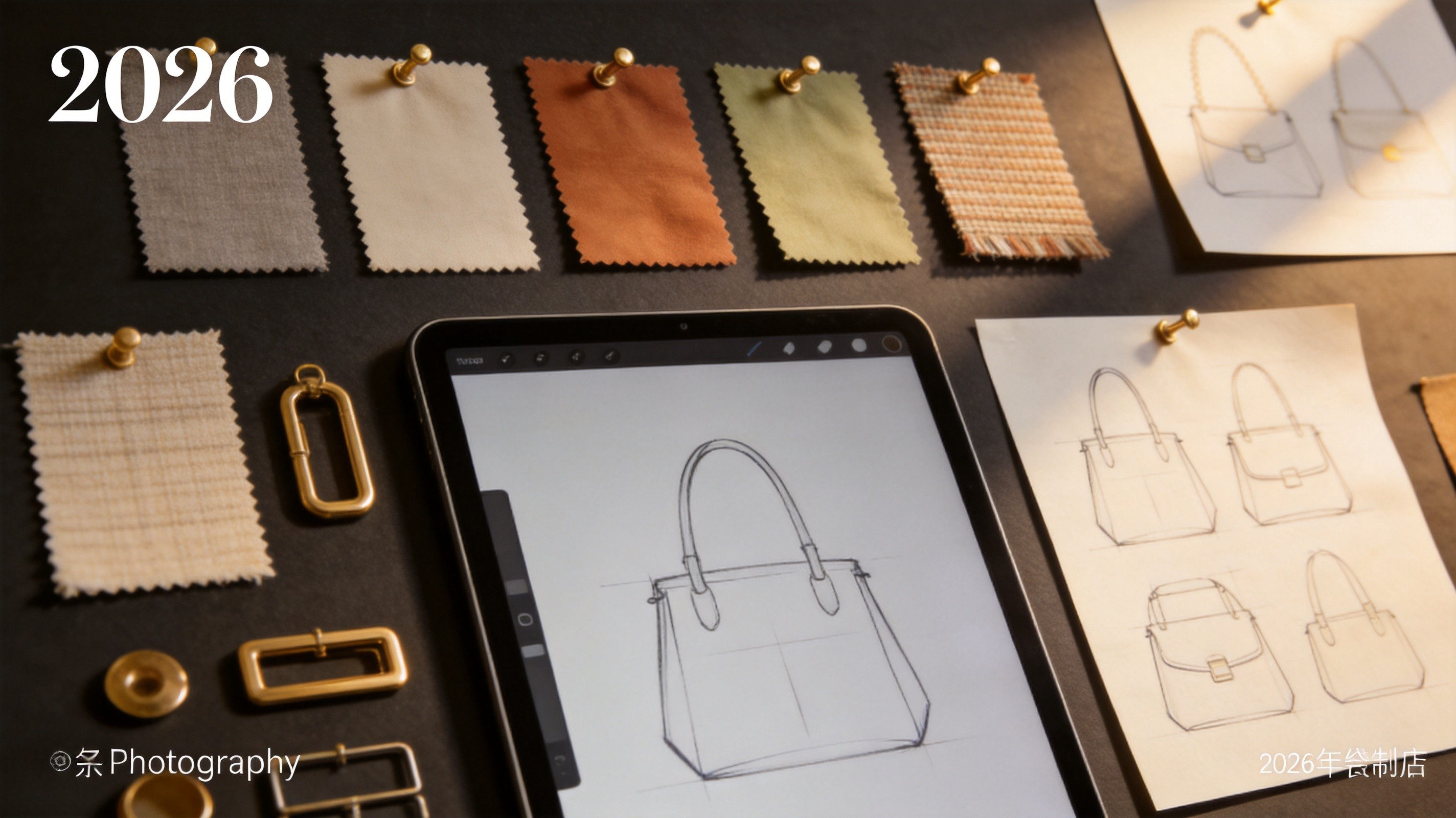
AI design tools accelerate ideation, generating multiple concepts from text descriptions in minutes
Trend Prediction Using Machine Learning
Machine learning algorithms analyze vast datasets — social media engagement, retail sales data, search trends, runway show coverage — to predict which styles, colors, materials, and features will gain or lose momentum in coming seasons.
What AI Predicts Better Than Humans
- Emerging micro-trends: AI detects subtle shifts in consumer preference before they become visible in traditional trend reports
- Regional variation: Algorithms can identify trend differences across geographic markets, enabling more targeted collection planning
- Color momentum: AI tracks the velocity of color adoption across platforms, predicting which colors will peak and when
- Silhouette lifecycle: Machine learning models can estimate where a silhouette is in its trend cycle — emerging, peaking, or declining
What Still Requires Human Judgment
AI trend prediction is strongest on quantitative, data-driven signals but weakest on cultural interpretation. Understanding why a trend resonates — the cultural forces, emotional needs, and social dynamics behind a style shift — requires human insight. The most effective approach combines AI's predictive accuracy with human understanding of brand identity and customer psychology.
For brand owners, AI trend prediction is most valuable when it confirms or challenges your existing instincts. If the data supports your direction, you gain confidence. If it contradicts your assumptions, it warrants deeper investigation. See our human-AI integrated trend forecast for 2026.
AI in Pattern Making and Prototyping
Pattern making — the process of creating flat templates that, when cut and assembled, form a three-dimensional bag — has traditionally been one of the most time-consuming and skill-dependent steps in bag development. AI is transforming this process.
AI-Assisted Pattern Generation
AI systems can now convert design sketches or 3D models into production-ready patterns with minimal human intervention. The AI accounts for material thickness, seam allowances, grain direction, and structural requirements — calculations that previously required experienced pattern makers spending hours on each design.
Impact on Development Timelines
The pattern-making automation reduces development time significantly:
- Traditional pattern making: 5–10 days per style
- AI-assisted pattern making: 1–3 days per style
- Reduction: 40–70% faster pattern development
This acceleration allows brands to develop more samples, explore more design options, and bring products to market faster. For brands operating on tight seasonal timelines, the time savings are commercially significant.
3D Prototyping
AI-powered 3D visualization tools create realistic digital renderings of bags before physical samples exist. These renderings show how materials drape, how hardware sits on the surface, and how light interacts with different finishes. Digital prototyping reduces the number of physical samples needed — typically cutting sample rounds from 3–4 to 1–2 — saving both time and material costs.
Quality Control with Computer Vision
Quality control represents the highest-impact AI application in handbag manufacturing. Computer vision systems — cameras paired with AI analysis software — inspect every bag on the production line, detecting defects that human inspectors miss.
What Computer Vision Detects
- Stitch defects: Skipped stitches, inconsistent stitch length, tension problems, loose threads
- Color issues: Shade variation between panels, dye irregularities, color transfer
- Alignment problems: Off-center pockets, asymmetrical placement, pattern mismatching
- Surface defects: Scratches on hardware, blemishes on leather, wrinkles in lining
- Dimensional accuracy: Bags that deviate from specified measurements beyond tolerance
Impact on Quality Metrics
| Quality Metric | Manual Inspection | AI Computer Vision | Improvement |
|---|---|---|---|
| Defect detection rate | 85–92% | 98–99.5% | +7–14 percentage points |
| Inspection speed | 30–60 seconds/bag | 3–8 seconds/bag | 5–10x faster |
| Consistency | Variable (fatigue, attention) | Consistent (no fatigue) | Significantly improved |
| Documentation | Manual records | Automatic digital records | Full traceability |
| Cost per unit inspected | $0.50 – $1.50 | $0.05 – $0.15 | 80–90% reduction |
The quality improvement from AI inspection directly benefits brand owners through reduced return rates, improved customer satisfaction, and consistent product quality across production runs. When selecting a manufacturing partner, ask specifically about their computer vision capabilities and defect detection rates. Include quality technology assessment in your factory audit.

Computer vision AI systems inspect every bag on the production line, detecting defects with 98%+ accuracy
Supply Chain Optimization with AI
AI-powered supply chain management optimizes material sourcing, production scheduling, and logistics to reduce costs and improve delivery reliability.
Material Sourcing
AI algorithms analyze material availability, pricing trends, and supplier performance to recommend optimal sourcing decisions. For brand owners, this means more accurate pricing quotes, better material availability management, and reduced risk of production delays due to material shortages.
Production Scheduling
AI production scheduling optimizes the sequence of orders through factory capacity, accounting for material availability, order urgency, production constraints, and quality requirements. The result is faster turnaround times and more reliable delivery dates — critical advantages for brands operating on seasonal timelines.
Inventory Optimization
AI demand forecasting (discussed below) feeds into inventory optimization systems that determine how much material to order and when. This reduces both the risk of running out of critical materials and the cost of carrying excess inventory.
Personalization and Customization at Scale
One of the most exciting AI applications is enabling mass personalization — offering each customer a uniquely customized product without the cost and complexity traditionally associated with custom manufacturing.
How It Works
AI systems manage the complexity of producing unique configurations at scale. A customer selects their preferred material, color, hardware finish, strap style, and interior configuration through an online interface. The AI translates these selections into production specifications, adjusts patterns as needed, and routes the order through the production line alongside standard orders.
Commercial Opportunity
Personalized products command 20–40% price premiums over standard products. They also show significantly lower return rates (customers who customize are more satisfied with their purchase) and higher loyalty (customers who invest in personalized products return for additional purchases). For private label brands, personalization offers a way to differentiate from competitors selling standardized products. Modular bag design complements personalization strategies.
AI for Demand Forecasting
Demand forecasting — predicting how many units of each style and color will sell — is one of the most impactful AI applications for brand owners. Accurate forecasts reduce the two biggest profit killers in the handbag business: overstock (leading to markdowns) and stockouts (leading to lost sales).
What AI Forecasting Uses
- Historical sales data from your brand and comparable products
- Social media engagement and search trend data
- Seasonal and macroeconomic indicators
- Pre-order and waitlist data
- Competitor pricing and product launch information
Accuracy Improvements
AI demand forecasting typically achieves 15–25% better accuracy than traditional forecasting methods based on gut feeling and simple historical extrapolation. For a brand with $1M in annual revenue, this improvement translates to $50,000–$150,000 in avoided markdown losses and recovered sales.
Chatbots and Customer Experience
AI-powered customer service tools improve the buying experience for handbag customers while reducing support costs for brands. Modern chatbots handle product inquiries, order tracking, size and style recommendations, and return processing with increasing sophistication.
For handbag brands specifically, AI chatbots can provide material education (explaining the difference between leather grades), style recommendations based on customer preferences and lifestyle, and care instructions that extend product lifespan. These educational interactions build customer confidence and reduce returns driven by mismatched expectations.
Ethical Considerations of AI in Manufacturing
AI adoption in manufacturing raises legitimate questions about workforce impact, data privacy, and the balance between technological efficiency and human craftsmanship.
Workforce Impact
In handbag manufacturing, AI is augmenting rather than replacing workers. Computer vision assists quality inspectors rather than eliminating them. AI pattern making supports pattern makers rather than making them redundant. The most successful factories use AI to handle repetitive, precision-dependent tasks while freeing human workers for creative, judgment-dependent work. This augmentation model preserves employment while improving output quality.
Data Privacy
AI systems require data to function — sales data, customer data, production data. Brand owners should ensure their AI partners maintain strict data security standards and that customer data used in personalization systems is protected according to applicable privacy regulations (GDPR, CCPA, etc.).
Maintaining Craftsmanship
The handbag market values human craftsmanship. AI-enhanced production should improve consistency and efficiency without eliminating the human touch that premium customers expect. The highest-quality bags in 2026 are those where AI handles precision tasks (pattern accuracy, quality inspection, color matching) while skilled artisans handle the creative and tactile elements (leather selection, edge finishing, final assembly).
How Factories Are Adopting AI Technology
Not all factories are adopting AI at the same pace. Leading manufacturers — particularly those serving international premium brands — are investing heavily in AI capabilities. Understanding which factories have meaningful AI integration (versus those simply marketing "smart manufacturing") helps brand owners make informed partner selections.
| AI Capability | Leading Factories | Mid-Tier Factories | Basic Factories |
|---|---|---|---|
| AI design assistance | In-house teams using generative tools | External tools as needed | Not adopted |
| Computer vision QC | Full-line coverage, real-time | Sample-stage inspection | Manual inspection only |
| Demand forecasting | Integrated with brand systems | Basic analytics | Experience-based estimation |
| Pattern automation | AI-assisted, 60%+ faster | Digital pattern tools | Manual pattern making |
| Supply chain AI | End-to-end optimization | Basic scheduling tools | Manual planning |
When evaluating factory partners, ask specific questions about their AI capabilities: What computer vision systems do they use? What is their defect detection rate? Can they share digital quality reports? How do they integrate with brand demand forecasting systems? The answers reveal whether AI investment is meaningful or marketing. Use our factory selection guide for comprehensive evaluation criteria.
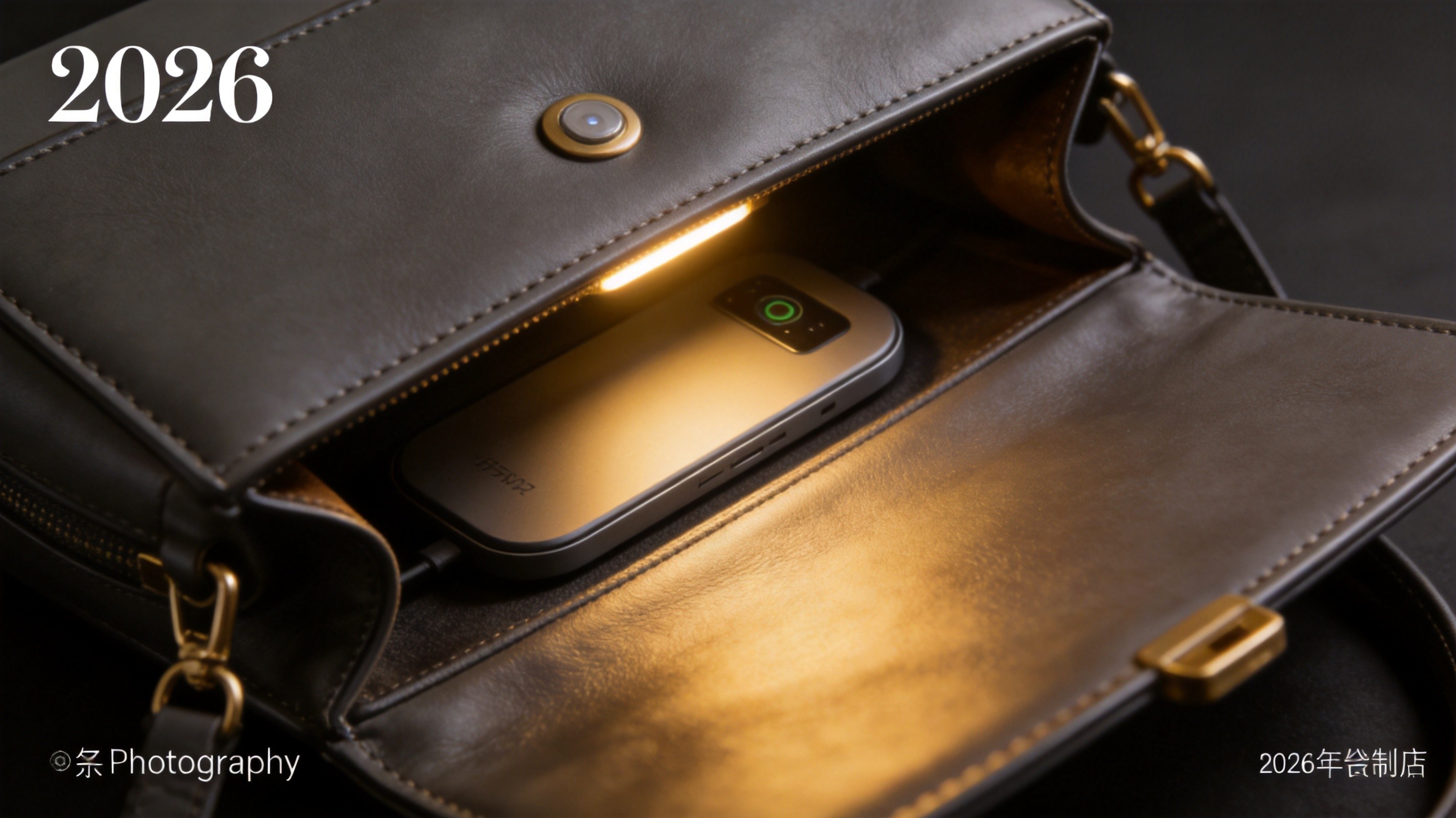
Leading factories combine AI precision with human craftsmanship to deliver consistently high-quality production
Preparing Your Brand for AI-Enhanced Production
Brand owners do not need to become AI experts, but preparing your brand to work effectively with AI-enhanced factories creates competitive advantage.
Data Readiness
AI forecasting and personalization require data. Ensure you have clean, organized records of your sales data, customer preferences, return reasons, and production history. This data becomes the fuel for AI systems that optimize your production and inventory decisions.
Specification Standardization
AI systems work best with structured, consistent input. Standardize your tech pack format, quality specifications, and approval processes. The more structured your specifications, the more effectively AI systems can translate them into production parameters.
Factory Selection Criteria
Add AI capability assessment to your factory evaluation process. Factories that invest in AI quality control, automated pattern making, and data-driven production planning will deliver better results — faster development, higher quality consistency, and more reliable timelines. Contact us to learn about our technology-enhanced production capabilities.
The Human-AI Partnership
The most successful handbag brands of 2026 will not be those that rely entirely on AI nor those that ignore it. They will be those that use AI to handle precision, data processing, and repetitive tasks — while elevating the role of human designers, craftspeople, and brand strategists to focus on creativity, material judgment, and customer connection. Technology enhances craftsmanship; it does not replace it.
Experience AI-Enhanced Production
Our factory integrates AI quality control, automated pattern making, and data-driven production planning. The result: faster development, higher consistency, and better pricing. MOQ from 200 pieces per style.
📧 service@junyuanbags.com | 💬 WhatsApp: +86 17750020688
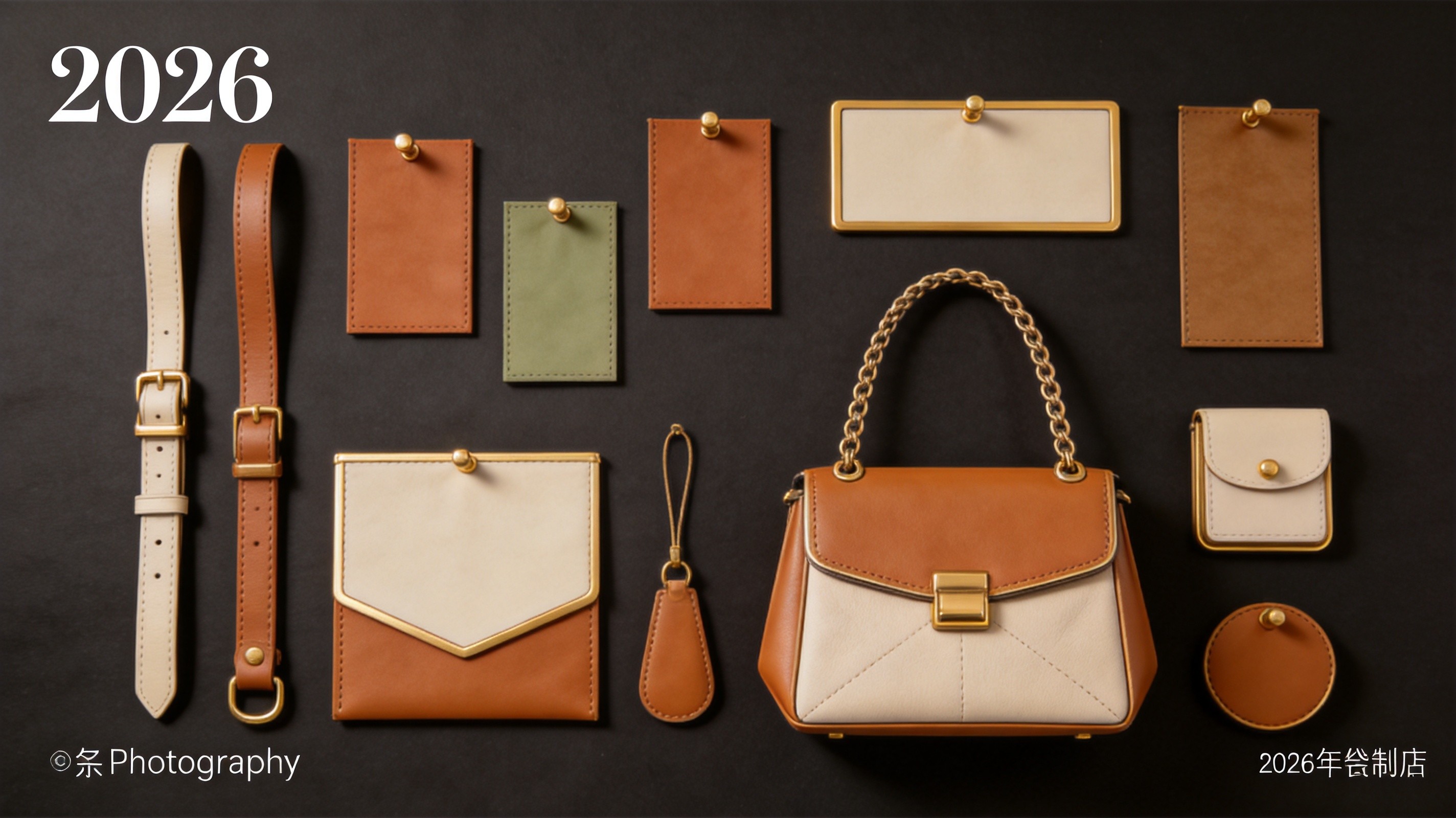
Digital design tools transforming the handbag development process
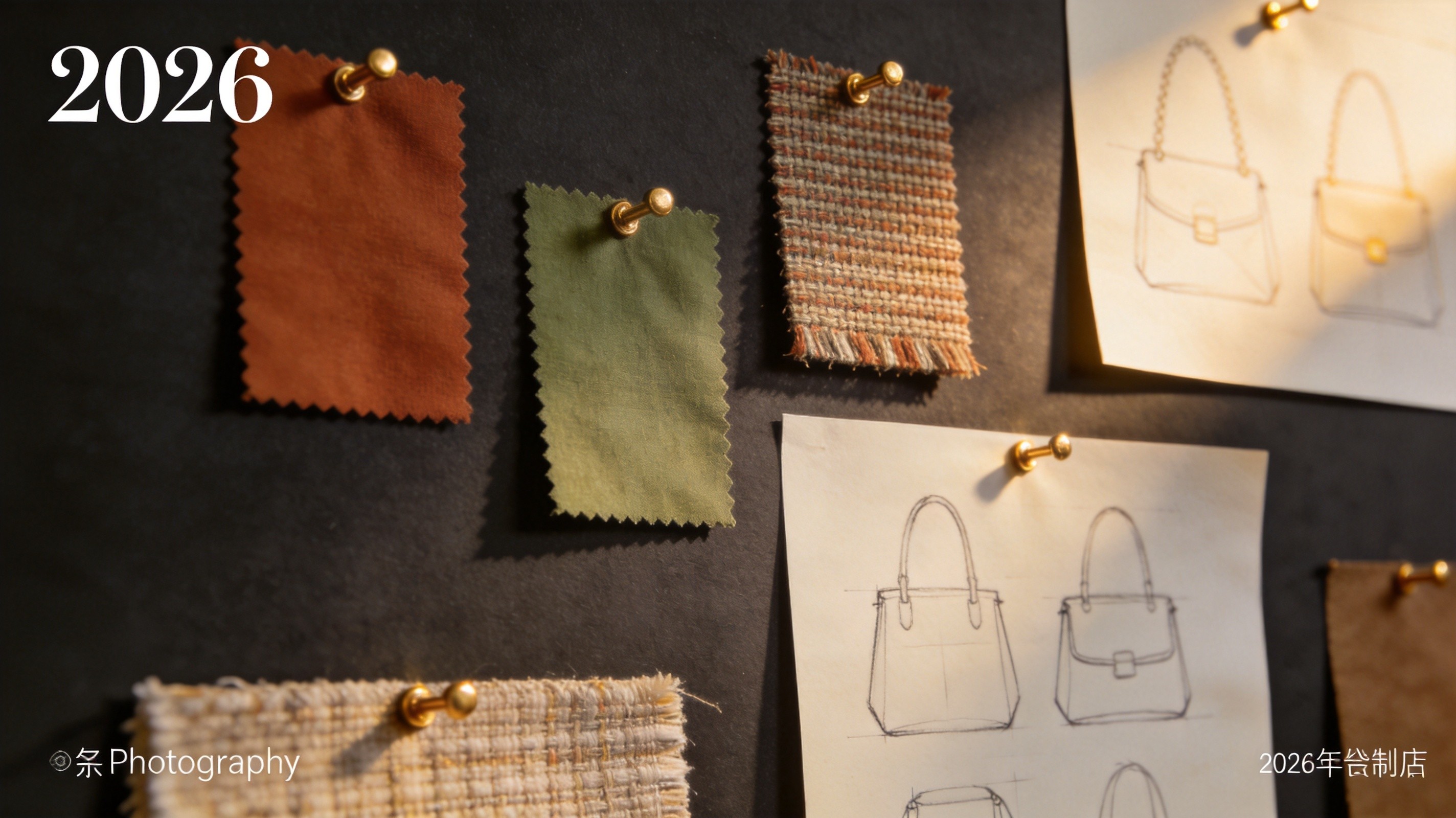
Data-driven production planning using AI technology in bag manufacturing
Calculating ROI of AI Implementation
For brand owners evaluating AI-enhanced factory partnerships, understanding the return on investment helps prioritize which capabilities matter most.
Quality Control ROI
The most immediately measurable ROI comes from AI quality control. Reducing defect rates from 8% to under 1% eliminates returns, replacements, and reputation damage. For a brand producing 10,000 units annually at $30 average cost, reducing defect-related losses by 7% saves approximately $21,000 per year — more than covering the cost of working with an AI-equipped factory.
Speed-to-Market ROI
Faster development timelines mean products reach market closer to trend peaks, achieving higher initial sell-through rates and lower markdown requirements. A 30% reduction in development time can translate to 5–10% improvement in sell-through rates — a significant margin improvement across a collection.
Limitations of AI in Handbag Production
While AI offers significant advantages, understanding its limitations prevents over-reliance and misplaced expectations.
Tactile Judgment
AI cannot assess hand-feel, material drape, or the subjective quality that premium customers expect. These qualities require human sensory evaluation — a skilled worker running their hand across a leather surface to detect imperfections invisible to cameras, or assessing whether a bag's structure feels right when lifted.
Creative Innovation
AI excels at optimization within existing parameters but struggles with genuine creative innovation — the leap to a design concept that has no precedent in training data. Breakthrough designs that define new categories still require human creative vision, even when AI tools accelerate the execution process.
Frequently Asked Questions
How is AI being used in handbag design?
AI transforms design through generative concept creation, machine learning trend analysis, automated pattern making, and 3D visualization. These tools accelerate ideation and reduce development timelines by 40–60%.
Does AI replace human designers?
AI augments rather than replaces human designers. AI handles speed and data analysis; humans provide creative judgment, brand understanding, and tactile sensitivity. The most effective approach combines both capabilities.
How does AI improve quality control?
Computer vision AI inspects every bag during production, detecting stitching defects, color variation, alignment issues, and surface blemishes with 98–99.5% accuracy — compared to 85–92% for manual inspection.
What should brand owners look for in AI-capable factories?
Look for computer vision quality control, digital pattern making tools, data-driven demand forecasting, and willingness to share production data. Ask about specific defect detection rates and digital quality reporting capabilities.
Continue Reading
- Handbag Trends 2026: What Styles Will Sell Next Season
- Smart Handbags with Tech Integration
- Modular Design in Handbags: Function Meets Fashion
- About Our Factory
- Our Services
Limitations and Scope of This Guide
This guide covers how artificial intelligence is transforming handbag design and manufacturing, including AI-generated designs, predictive analytics, and production optimization. It is based on our experience as a handbag manufacturer in Quanzhou, China, serving brands worldwide since 2004. Key limitations to keep in mind:
- AI tools and capabilities are evolving rapidly. Tools mentioned in this guide may be updated, replaced, or deprecated within months.
- This guide covers AI applications as of 2026. The technology is in early-to-mid adoption in handbag manufacturing—full integration across the supply chain is still developing.
- AI-generated designs require human expertise for technical feasibility, material selection, and brand alignment. AI is a tool, not a replacement for experienced design teams.
For advice tailored to your specific situation, contact our team directly.