Table of Contents
- Overview of the 2026 Handbag Market
- Top Silhouette Trends for 2026
- Color Palette Predictions
- Material Trends: What Buyers Want
- The Rise of Modular Bags
- Hardware and Detail Trends
- Sustainability as a Market Driver
- Regional Trend Differences
- How to Translate Trends into Product Lines
- Working with Factories on Trend-Forward Designs
- Timing Your Product Launch Around Trends
- Case Study: Brands That Nailed Trend Timing
- Common Mistakes in Trend Forecasting
- Frequently Asked Questions
The handbag industry operates on a rhythm of perpetual reinvention. Each season brings new silhouettes, materials, and consumer expectations that reshape what sells on shelves and e-commerce platforms alike. For brand owners and private label operators, staying ahead of these shifts is not optional — it is the difference between a collection that moves quickly and one that languishes in inventory.
The 2026 landscape reflects a complex intersection of cultural forces: the quiet luxury movement maturing into permanent aesthetic shifts, sustainability expectations hardening from marketing differentiator to baseline requirement, and functional innovation becoming as important as visual appeal. Meanwhile, regional markets are diverging in their preferences faster than ever, requiring more nuanced collection planning.
This comprehensive trend forecast examines every dimension of the 2026 handbag market — from silhouette and color to material innovation and hardware design — with actionable insights for brand owners planning their next production cycle.
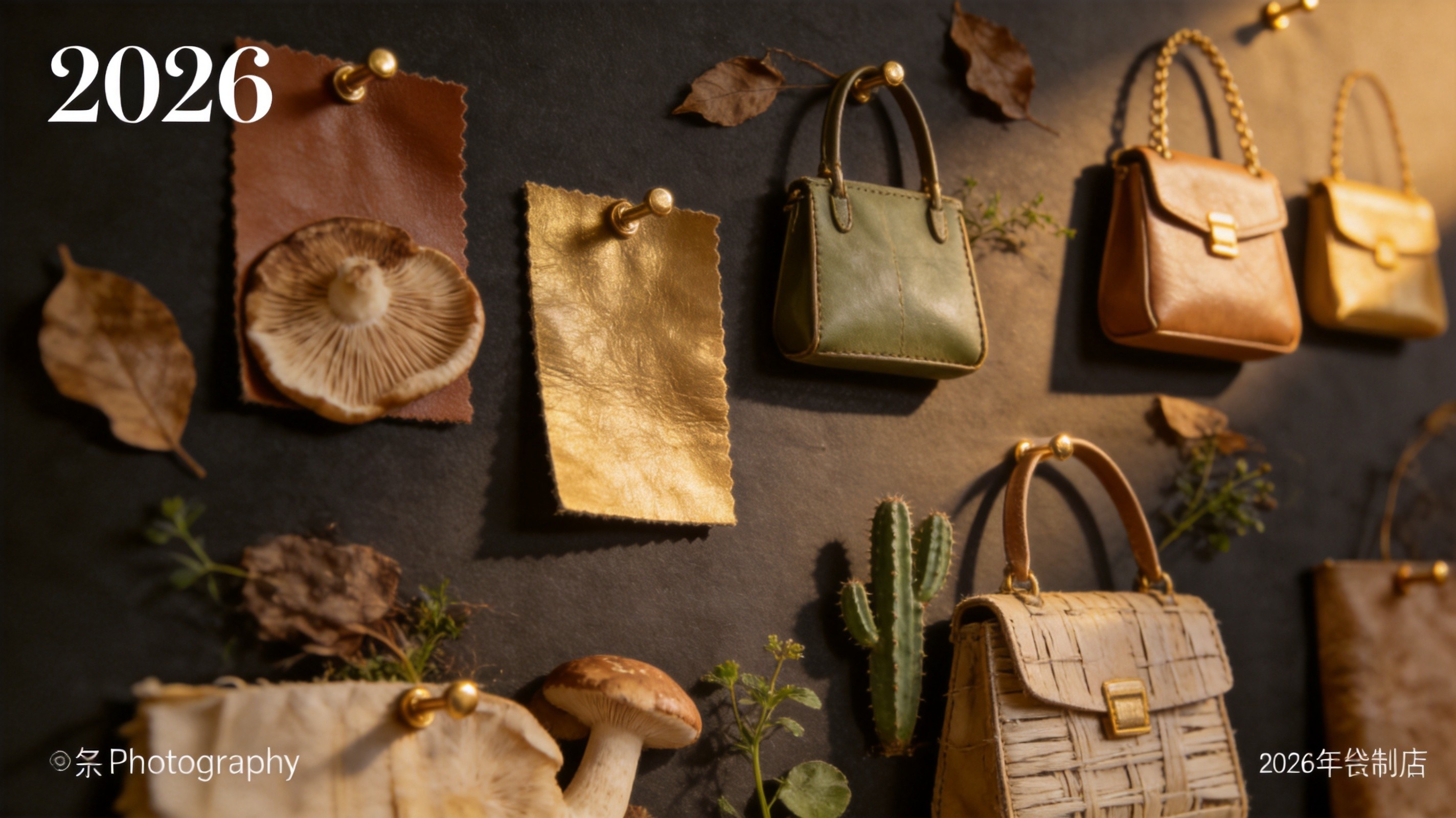
The 2026 handbag market balances aesthetic refinement with functional innovation
Overview of the 2026 Handbag Market
The global handbag market continues its trajectory toward a projected valuation exceeding $65 billion by 2027, driven by recovering luxury spending, the expansion of mid-tier premium brands, and rising disposable income in Southeast Asian markets. However, growth is not evenly distributed across segments.
Three macro-trends define the 2026 operating environment. First, consumers are purchasing fewer but higher-quality items — a shift that rewards brands emphasizing craftsmanship over volume. Second, the line between fashion and function continues to blur, with buyers expecting bags that serve practical needs without sacrificing aesthetics. Third, sustainability has moved from a niche concern to a mainstream expectation, with 68% of millennial handbag buyers citing environmental impact as a factor in purchasing decisions.
For private label brands, these trends create both opportunity and complexity. The opportunity lies in the fact that consumers are more open to new brands than ever before — brand loyalty in the mid-tier segment has weakened significantly. The complexity is that meeting elevated expectations across quality, design, functionality, and sustainability simultaneously requires more sophisticated product development processes.
| Market Segment | 2025 Value | 2026 Projected Growth | Key Driver |
|---|---|---|---|
| Luxury ($500+) | $28.4B | +3.2% | Aspirational buyers in emerging markets |
| Premium ($150–$500) | $18.7B | +5.8% | Quality-over-quantity consumer shift |
| Mid-range ($50–$150) | $12.3B | +4.1% | Private label brand proliferation |
| Value (Under $50) | $8.9B | +1.5% | Price-sensitive consumers, fast fashion overlap |
Top Silhouette Trends for 2026
Silhouette is the most immediate visual signal that a bag is current. For 2026, the trend landscape favors diversity in shape — a departure from the dominance of any single form factor that characterized previous seasons.
East-West Horizontals
The most significant silhouette shift for 2026 is the move toward horizontal, east-west bag shapes. These elongated bags offer a modern, architectural profile that photographs exceptionally well on social media while providing practical width for organizing contents. Expect to see this shape across all categories — from clutches to shoulder bags to totes. Read our dedicated analysis of east-west bag silhouettes.
Soft-Structured Totes
The oversized tote remains a staple, but the construction is evolving. Soft-structured totes with slouchy profiles, unlined interiors, and raw edges offer a relaxed counterpoint to the rigid, boxy bags of recent seasons. These bags prioritize drape and movement, creating a sense of effortless elegance that aligns with the broader quiet luxury aesthetic.
Geometric Minis
Small bags continue their run, but with increasingly architectural shapes. Hexagonal, cylindrical, and faceted geometric designs serve as statement pieces that function as accessories as much as containers. These styles perform well as impulse purchases and gift items, making them valuable collection additions for brands targeting the premium segment.
Half-Moon and Arc Shapes
Curved, half-moon silhouettes continue gaining momentum. The soft arc creates a feminine profile that works equally well as a shoulder bag or crossbody. The shape's organic curvature contrasts with the sharper geometric trends, offering brands a way to appeal to customers who prefer softer design languages.
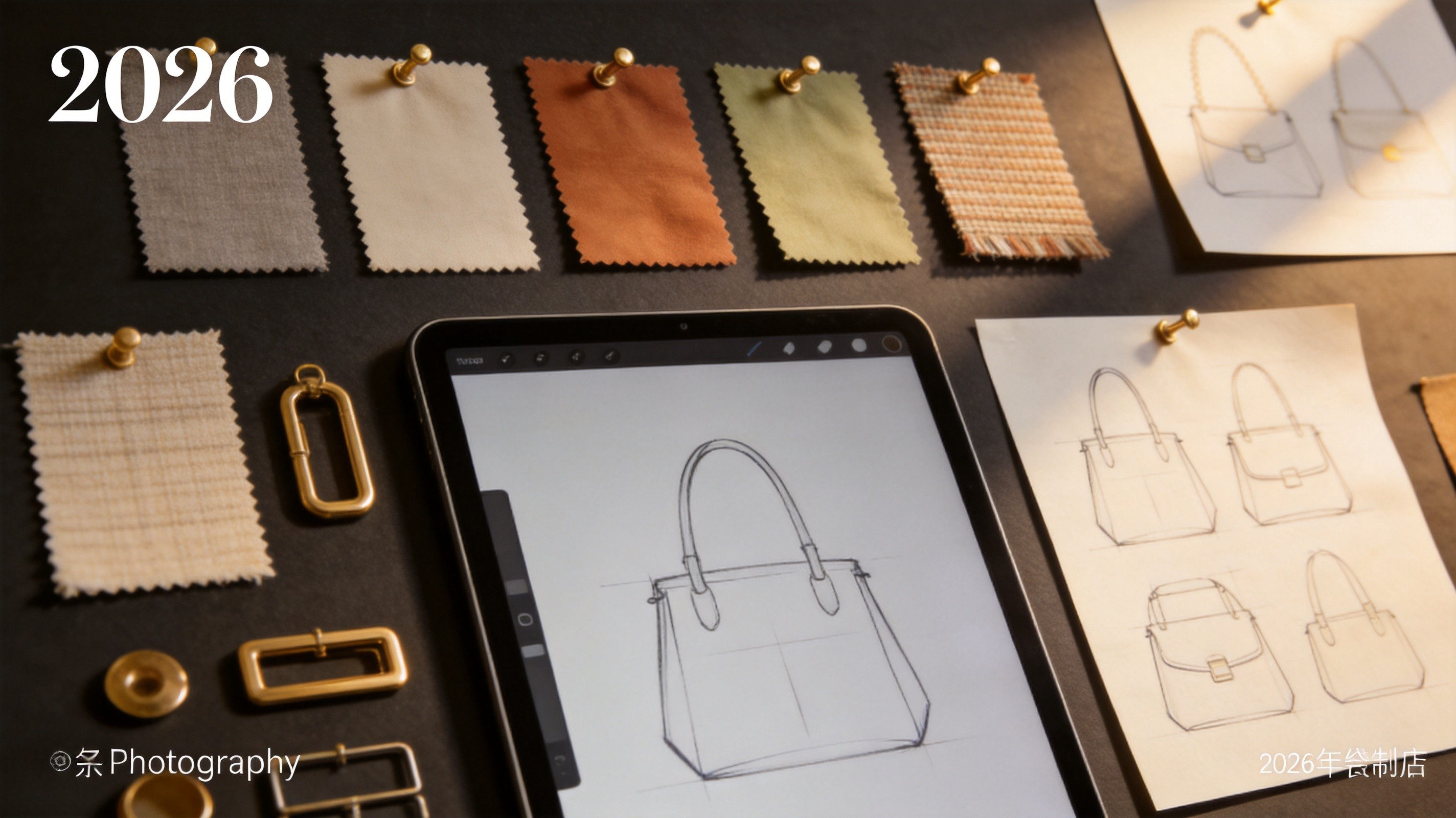
2026 silhouettes range from horizontal east-west shapes to soft-structured totes and geometric minis
Color Palette Predictions
Color in 2026 reflects a tension between restraint and expression. The dominant palette centers on rich, grounding neutrals — but with room for carefully deployed accent colors that create shelf impact and social media visibility.
Dominant Neutrals
Warm browns (cognac, espresso, camel) replace cool grays as the leading neutral family. Cream and ivory continue their ascent as alternatives to stark white. These warm neutrals align with the quiet luxury movement's emphasis on understated sophistication.
Accent Colors
Deep burgundy, forest green, and cobalt blue serve as the primary accent colors for 2026. These saturated jewel tones provide contrast against neutral-heavy collections without veering into trend-dependent territory. Pastel lavender and butter yellow emerge as spring-season specifics.
Metallic Finishes
Brushed gold and antique brass maintain their positions as the leading hardware finishes, but metallic leather treatments — where the bag material itself carries a subtle metallic sheen — gain ground as a way to add visual interest without relying on color alone.
For a comprehensive breakdown of color trends across seasons, see our complete color trend forecast for 2026–2027.
Material Trends: What Buyers Want
Material selection in 2026 is driven by three overlapping demands: tactile richness, visual texture, and environmental responsibility. Buyers expect materials that feel luxurious, look interesting in photographs, and carry credible sustainability credentials.
Textured Leathers
Smooth, flat leathers take a backseat to materials with visible texture. Croc-embossed patterns remain relevant but are joined by pebble grain, brushed suede finishes, and woven leather treatments. The emphasis is on tactile interest — bags that invite touch and reward close inspection.
Plant-Based Alternatives
Materials like Piñatex, apple leather, and mycelium-based textiles move from niche curiosity to mainstream acceptance. These materials are no longer positioned solely as vegan alternatives but as innovative materials with their own aesthetic merits. Explore the vegan leather market in detail.
Recycled and Upcycled Materials
Recycled nylon, regenerated cashmere blends, and upcycled leather scraps find their way into mainstream collections. The key for brand owners is ensuring these materials meet quality expectations — sustainable materials that feel or look inferior will damage brand reputation regardless of their environmental credentials.
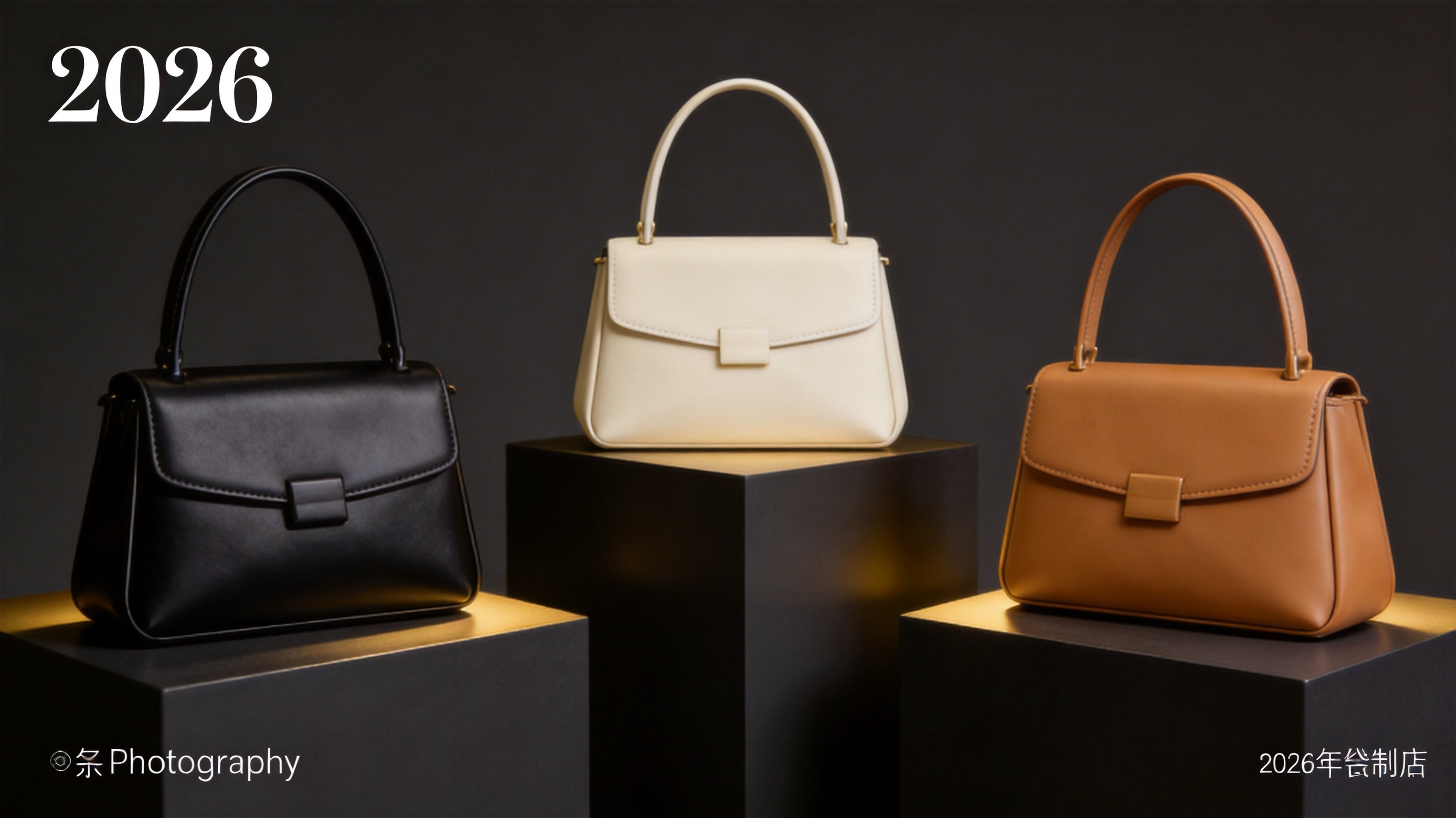
Sustainable materials move from niche curiosity to mainstream acceptance in 2026
The Rise of Modular Bags
Modular bag design — where components like straps, pouches, and panels can be detached, reconfigured, or swapped — represents one of the most commercially significant innovations in the handbag space. The appeal is straightforward: one bag that serves multiple functions justifies a higher price point and creates ongoing engagement through accessory add-ons.
For 2026, modular systems become more refined. Earlier iterations relied on visible attachment hardware that compromised the bag's aesthetic. Newer designs integrate connection points more seamlessly, using magnetic closures, hidden zip channels, and flush-mount D-rings that maintain clean lines while enabling configuration flexibility.
The commercial model around modular bags is particularly attractive for private label brands. Once a customer invests in a base bag, they return for additional straps, pouches, and panels — creating repeat purchase cycles that are rare in the handbag category. Read our full analysis of modular handbag design.
Hardware and Detail Trends
Hardware serves as the jewelry of a handbag — the detail that catches the eye and signals quality. In 2026, hardware trends move toward sculptural, architectural forms that serve as design focal points rather than purely functional elements.
Sculptural Clasps
Oversized, free-form clasps that resemble abstract art pieces replace conventional turn-locks and magnetic closures. These statement hardware elements become the defining visual feature of otherwise minimalist bag designs, perfectly aligning with the quiet luxury principle of allowing craftsmanship to speak louder than branding.
Chain Details
Chain straps evolve beyond simple shoulder attachments. Draped, layered, and intertwined chain treatments serve as both strap and decorative element. Mixed-metal chains — combining gold and silver tones in a single piece — add contemporary edge.
Finish Preferences
Brushed and matte finishes dominate over high-polish looks. Antique brass, brushed gold, and gunmetal convey a sense of heritage and substance. The shift toward matte finishes aligns with the broader move away from conspicuous luxury signaling.
| Hardware Trend | Visual Impact | Cost Impact | Best Application |
|---|---|---|---|
| Sculptural clasps | High — serves as design centerpiece | +++ (custom molds required) | Minimalist bags needing focal point |
| Mixed-metal chains | Medium-high — contemporary edge | ++ (specialized sourcing) | Evening bags, fashion-forward styles |
| Brushed/matte finishes | Subtle — quality signal | + (slight premium over polish) | All categories |
| Hidden magnetic closures | Low — clean aesthetic | ++ (precision engineering) | Quiet luxury, minimalist designs |
| Custom logo hardware | Medium — brand identity | +++ (tooling costs) | Established brands building recognition |
Sustainability as a Market Driver
Sustainability in 2026 is no longer a differentiator — it is a table-stakes expectation. The question for brand owners has shifted from "should we offer sustainable options?" to "how do we integrate sustainability across our entire collection?"
The most significant development is the maturation of certification frameworks. Consumers and retailers alike now recognize and verify claims through standards like GRS (Global Recycled Standard), LWG (Leather Working Group), and OEKO-TEX. Brands that can point to specific certifications carry more credibility than those making vague environmental claims.
For private label manufacturers, sustainability integration happens at multiple levels: material selection, production processes, packaging, and logistics. Brands working with experienced factories gain an advantage because these facilities have already invested in certified processes and sustainable material sourcing networks. See our guide to sustainable handbag materials.
Regional Trend Differences
Global trend reports often present a homogenized view of consumer preferences. In reality, significant regional variations affect which trends translate into sales. Understanding these differences is essential for brand owners planning collections that serve specific geographic markets.
| Trend Element | United States | Europe | East Asia |
|---|---|---|---|
| Preferred Size | Medium to large; practical capacity | Small to medium; elegant proportions | Compact; minimalist capacity |
| Color Preference | Neutrals with bold accents | Muted earth tones, navy, black | Pastels, soft neutrals, seasonal pops |
| Material Priority | Durability and easy care | Premium leather quality | Innovation and novelty materials |
| Style Direction | Casual-luxury, crossbody dominant | Structured, minimalist, top-handle | Decorative, brand-forward, charm details |
| Price Sensitivity | Moderate; value-conscious premium | Lower; willing to pay for quality | Wide range; brand-dependent |
| Key Feature Demand | Organization, laptop compatibility | Craftsmanship, material provenance | Lightweight, convertible wear options |
US Market Specifics
American consumers prioritize practicality without abandoning style aspirations. Crossbody bags and oversized totes dominate, reflecting a commute-heavy lifestyle. The "work-to-weekend" versatility requirement drives demand for bags that transition across contexts. Price points in the $100–$300 range show the strongest growth, particularly from direct-to-consumer brands.
European Market Specifics
European buyers show stronger preference for traditional silhouettes — structured top-handles, refined shoulder bags, and compact crossbodies. Material quality is scrutinized more closely than in other markets. There is greater willingness to invest in fewer, more expensive pieces. Sustainability credentials carry particular weight in Northern European and German-speaking markets.
Asian Market Specifics
East Asian markets — particularly China, Japan, and South Korea — drive demand for compact, highly designed bags with distinctive visual elements. The mini bag trend has more longevity here than in Western markets. Innovation in materials (particularly plant-based and tech-integrated options) finds faster acceptance. Seasonal color updates perform better than in markets focused on timeless neutrals.
Regional preferences vary significantly — successful brands tailor their collection mix to target markets
How to Translate Trends into Product Lines
Identifying trends is the easy part. Translating them into commercially viable product lines requires a structured approach that balances trend adoption with brand identity, production feasibility, and financial reality.
Step 1: Filter Trends Through Your Brand Lens
Not every trend deserves a place in your collection. Evaluate each trend against three criteria: Does it align with your brand's aesthetic DNA? Does it serve a genuine need in your target customer's life? Can you execute it at the quality level your customers expect?
Step 2: Build a Trend-to-Product Matrix
Map identified trends against your existing collection gaps. A brand strong in structured leather bags might adopt the east-west silhouette trend while maintaining its structured aesthetic. A brand focused on casual styles might explore modular designs that enhance functionality. The goal is evolution, not reinvention.
Step 3: Prioritize by Investment and Return
Some trend adaptations require minimal development cost — new colorways, updated hardware finishes, additional strap options. Others demand significant investment — custom hardware molds, new material sourcing, pattern development for unfamiliar silhouettes. Prioritize high-impact, lower-investment adaptations first, then allocate remaining budget to larger development projects.
Step 4: Prototype and Test
Before committing to full production runs, develop samples of trend-aligned designs and test them with your audience. Social media polls, pre-order campaigns, and focus group sessions with existing customers provide valuable signal about which trends resonate before inventory dollars are committed.
Working with Factories on Trend-Forward Designs
Trend-forward designs often push manufacturing boundaries. New silhouettes may require unfamiliar construction techniques. Novel materials demand different handling procedures. Complex hardware needs precision engineering. All of these factors make the factory partnership more critical than ever.
The most effective approach is to engage your manufacturing partner during the trend research phase, not after designs are finalized. Experienced factories — particularly those serving multiple international brands — often have their own trend intelligence gathered from trade shows, material fairs, and cross-client projects. They can identify which trends are production-feasible, flag potential cost issues, and suggest alternatives that achieve similar aesthetic results more efficiently.
When sourcing a factory for trend-forward production, prioritize facilities that demonstrate investment in their own capabilities — new equipment, material R&D, and design team training. A factory that stays current with industry developments will execute trend-driven designs more effectively than one accustomed only to basic, repetitive styles. Find the right manufacturing partner.
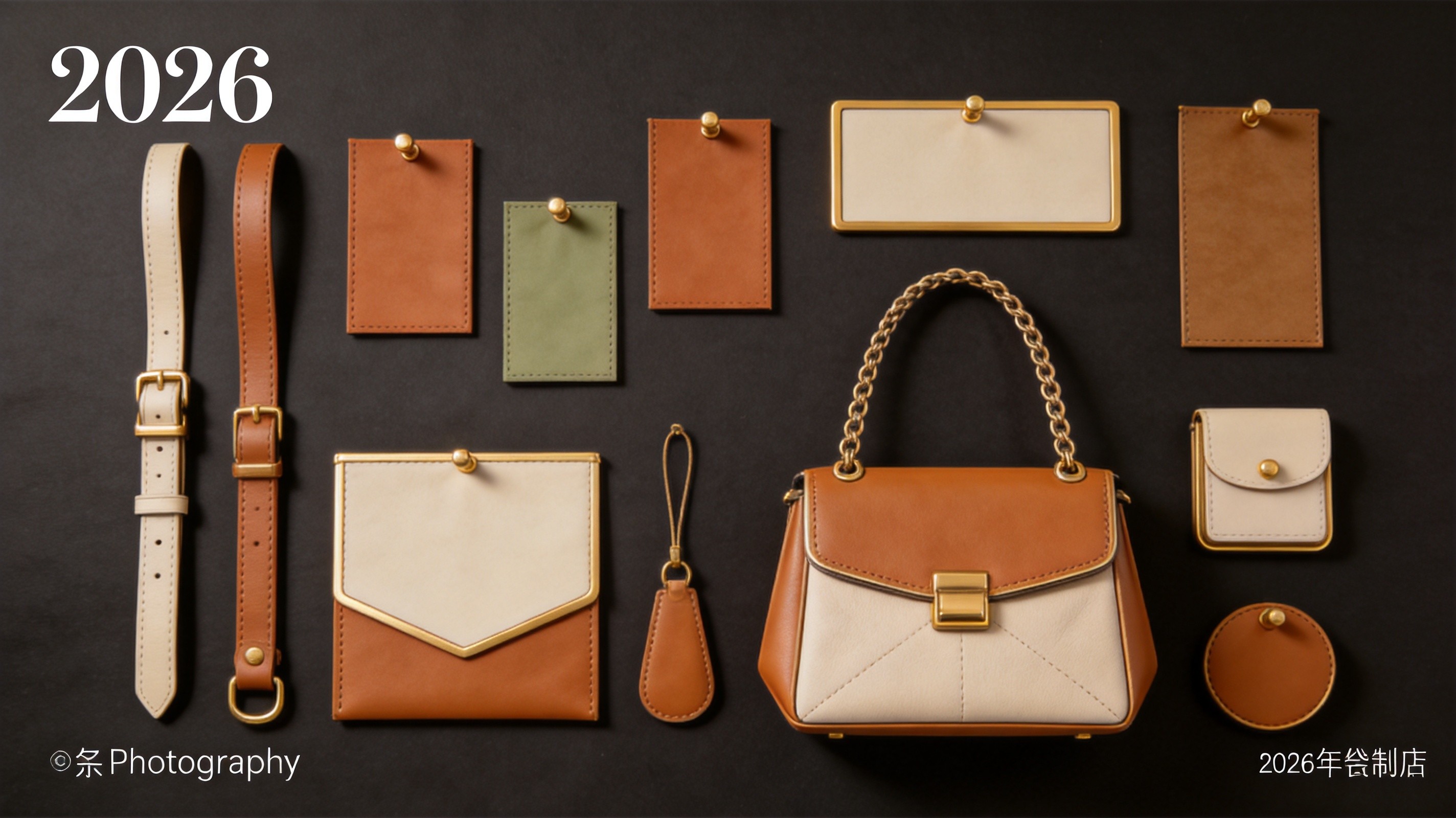
Engage your factory partner during trend research, not just production planning
Timing Your Product Launch Around Trends
Timing separates brands that lead trends from those that chase them. The handbag industry operates on a 12-to-18-month development calendar, meaning products hitting shelves in Fall 2026 must enter development in early-to-mid 2025. This timeline creates both opportunities and risks.
The optimal approach involves a layered collection strategy. Core styles (60–70% of the collection) should be timeless designs that perform consistently across seasons. Trend-responsive pieces (20–30%) incorporate current trend elements and are refreshed each season. Limited edition or capsule pieces (5–10%) push further into emerging trends, serving as marketing tools and brand positioning statements even if production volumes remain modest.
This layered approach manages risk: core styles generate steady revenue, trend pieces capture seasonal attention, and capsule items generate buzz and social media visibility without committing large inventory budgets to unproven directions.
Case Study: Brands That Nailed Trend Timing
Examining brands that successfully anticipated and capitalized on trend shifts provides practical lessons for private label operators.
The Structured Mini Renaissance
Several mid-tier brands recognized the mini bag trend's longevity in 2023 and invested in developing refined structured mini collections. While fast-fashion competitors flooded the market with cheap interpretations, these brands offered premium materials and construction in the mini format — commanding $150–$300 price points and building loyal followings. The lesson: when a trend demonstrates sustained momentum, premium execution creates defensibility against low-cost competition.
The Crossbody-First Pivot
Brands that pivoted to crossbody-dominant collections before the pandemic captured lasting market share. The shift from clutch and top-handle bags to hands-free crossbody styles was accelerated by lifestyle changes, but brands that had already established crossbody expertise maintained credibility when the trend became mainstream. The lesson: lifestyle shifts create lasting demand changes; positioning ahead of them builds authority.
Sustainability as Foundation
Brands that built their identity around sustainable materials from the outset — rather than adding sustainable options as an afterthought — have captured disproportionate market attention. Their authenticity carries more weight than larger brands launching "conscious collections." The lesson: if a trend aligns with genuine values, building the brand around it creates stronger positioning than treating it as a marketing add-on.
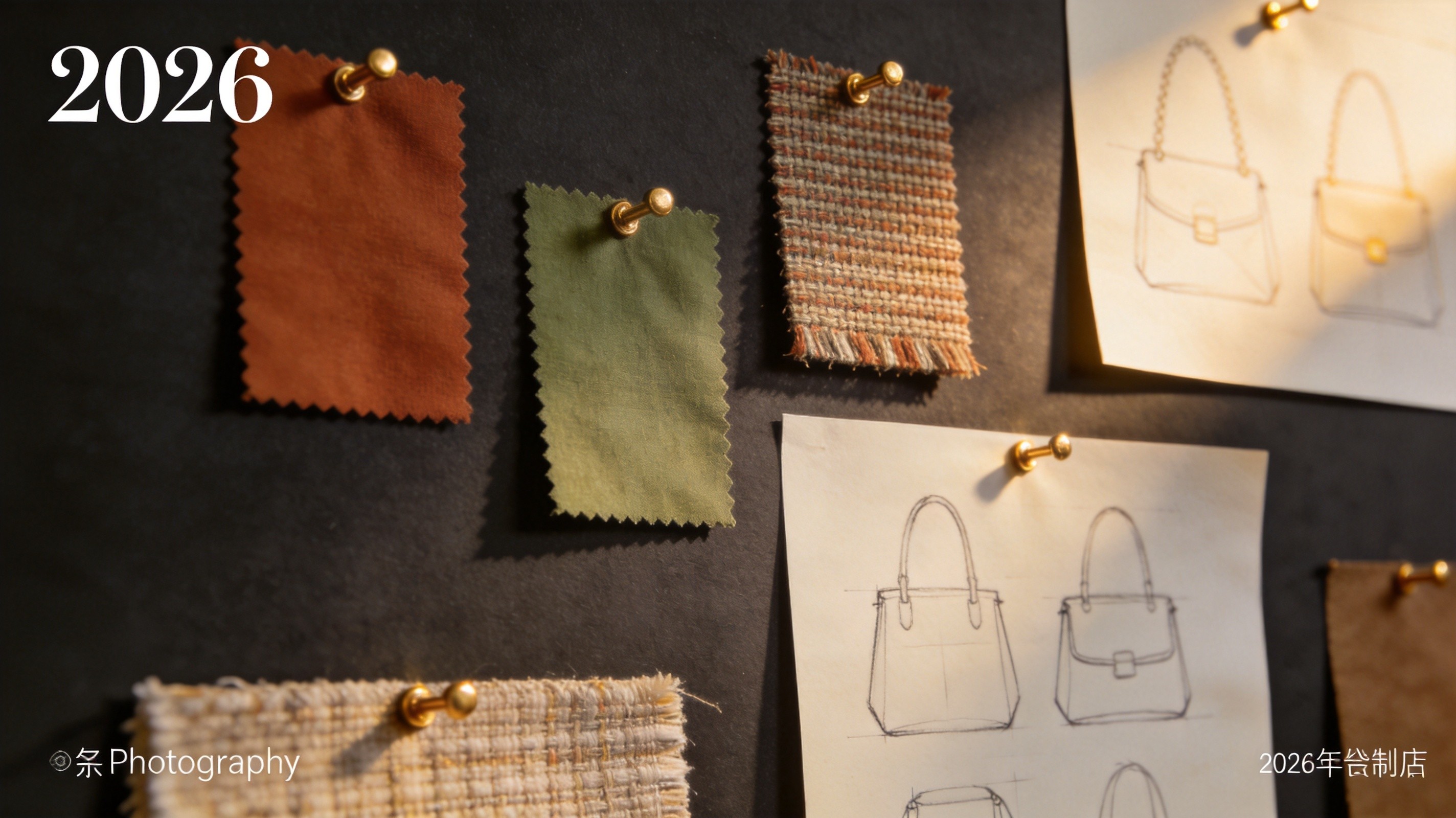
Brands that anticipate trend shifts and execute with premium quality capture lasting market share
Common Mistakes in Trend Forecasting
Even experienced brand owners stumble when translating trends into products. Avoiding these common errors saves significant time and capital.
Chasing Social Media Virality
A bag going viral on TikTok does not indicate sustainable demand. Social media amplifies novelty and visual impact — qualities that generate clicks but not necessarily repeat purchases. Distinguish between trends that drive genuine consumer demand and those that generate temporary attention.
Over-Correcting Toward Trend
Brands that abandon their core identity to chase trends lose existing customers without gaining new ones. A brand known for classic leather totes does not serve its audience by suddenly launching neon vinyl mini bags. Trends should be incorporated within the brand's design language, not imposed over it.
Ignoring Production Timelines
Developing trend-responsive products requires realistic timeline expectations. Custom hardware development alone can take 8–12 weeks. New material sourcing and testing adds another 4–8 weeks. Brands that attempt to rush trend-responsive products to market often sacrifice quality — the exact opposite of what the premium segment demands.
Copying Instead of Interpreting
Directly copying designs from runway shows or competitor brands creates legal risk and brand dilution. The effective approach is to understand the principle behind a trend — the shift toward horizontal shapes, the preference for tactile materials, the demand for modularity — and then interpret that principle through your brand's unique lens.
Key Takeaway for Brand Owners
Trend forecasting is not about predicting the future — it is about preparing your brand to respond intelligently when the future arrives. Build a flexible manufacturing partnership, maintain a layered collection strategy, and invest in understanding the cultural forces behind trends rather than just their visual surface.
Ready to Build Your 2026 Collection?
Our design team tracks emerging trends and translates them into production-ready designs. MOQ starts at 200 pieces per style with full custom options.
📧 service@junyuanbags.com | 💬 WhatsApp: +86 17750020688
Transform trend insights into production-ready collections with an experienced manufacturing partner
Changing Consumer Behavior Patterns
The handbag consumer in 2026 operates differently from her predecessor in almost every meaningful way. Understanding these behavioral shifts provides context for why certain trends resonate more than others.
The Research-Intensive Buyer
Today's handbag buyer researches extensively before purchasing. She reads reviews, compares materials, examines construction details in video content, and seeks out brands that demonstrate transparency about production practices. This informed buyer is more discerning about quality claims and more responsive to brands that provide substantive product information rather than marketing slogans.
The Multi-Channel Purchase Journey
Very few handbag purchases happen through a single channel. The typical buyer discovers a brand on social media, researches on the brand website, reads reviews on third-party platforms, and may purchase through any channel — direct from brand, through a retailer, or via a marketplace. Brands that maintain consistent messaging and quality signals across all these touchpoints capture more conversions.
The Values-Aligned Purchase
Increasingly, consumers evaluate not just the product but the company behind it. Manufacturing practices, material sourcing, labor conditions, and environmental impact all factor into purchase decisions — particularly for Millennial and Gen Z buyers who represent the growth demographic for premium handbag brands.
Building Digital Presence Around Trends
In 2026, a trend-aligned product line means nothing if the target audience never sees it. Digital presence strategy must be integrated with product development from the earliest stages.
Content-Led Product Launches
The most effective brands create content that educates and inspires before the product launch — trend forecast content, behind-the-scenes design process documentation, material sourcing stories. This content builds anticipation and positions the brand as a thought leader rather than a trend follower.
Community Engagement
Building a community of engaged followers who participate in the brand's journey — voting on color options, providing feedback on prototypes, sharing their styling ideas — creates ownership that translates directly into purchase intent when products launch.
Frequently Asked Questions
What are the top handbag trends for 2026?
The top handbag trends for 2026 include east-west (horizontal) silhouettes, modular and convertible designs, quiet luxury minimalist aesthetics, oversized totes, and structured geometric shapes. Materials lean toward sustainable alternatives and textured leathers. Colors favor rich earth tones, soft pastels, and deep jewel tones. Hardware trends point toward sculptural, architectural pieces in brushed gold and antique finishes.
How far in advance should I plan handbag designs for trend alignment?
Brand owners should begin trend research 12 to 18 months before the target selling season. This allows time for design development, sampling, material sourcing, and production. For example, to launch products for Fall 2026, design work should begin in early 2025, with sampling completed by mid-2025 and bulk production starting in late 2025.
What is the minimum order quantity for trend-forward handbag collections?
Most private label manufacturers require a minimum order of 200 pieces per style for custom designs. This MOQ allows brands to test multiple trend-aligned styles without excessive inventory risk. Some factories offer lower MOQs for simplified designs or stock material options.
How do regional market differences affect handbag trend adoption?
Regional preferences significantly impact which trends sell best. US consumers favor practical, oversized bags and crossbody styles. European buyers lean toward structured, minimalist designs in premium materials. Asian markets prefer compact, decorative styles with brand-forward elements. Brand owners should tailor their collection mix to their primary market while incorporating universal trend elements.
Continue Reading
- Quiet Luxury Bags: Why Minimalist Design Dominates 2026
- Color Trends for Handbags and Accessories 2026–2027
- East-West Bag Silhouettes: The 2026 Trend Every Brand Needs
- Modular Design in Handbags: Function Meets Fashion
- Our OEM/ODM Services
Limitations and Scope of This Guide
This guide covers handbag trends for 2026 including upcoming styles, materials, colors, and consumer preferences that will drive sales next season. It is based on our experience as a handbag manufacturer in Quanzhou, China, serving brands worldwide since 2004. Key limitations to keep in mind:
- Trend forecasts are directional and based on runway analysis, trade show observations, and retail data through early 2026. Consumer trends can shift unexpectedly.
- Not all trends apply equally to every market. Regional preferences, brand positioning, and price point significantly affect which trends gain commercial traction.
- Manufacturing lead times mean brands must commit to designs months before trends peak. Over-investment in a single trend carries inventory risk.
For advice tailored to your specific situation, contact our team directly.