Table of Contents
- What Is a Tech Pack and Why Does It Matter?
- Essential Components of a Handbag Tech Pack
- Flat Sketches and Technical Drawings
- Dimensions and Measurement Specifications
- Bill of Materials (BOM)
- Hardware Specifications
- Color Specifications and Pantone References
- Stitching and Construction Details
- Interior Configuration
- Branding and Label Placement
- Edge Finishing and Treatment
- Quality Standards and Tolerances
- Packaging Specifications
- Tools and Software for Tech Pack Creation
- Common Tech Pack Mistakes
- Frequently Asked Questions
A tech pack is the blueprint that translates your handbag design from concept to physical product. Without one, manufacturers interpret your design differently, samples miss the mark, and production costs spiral from miscommunication. With a comprehensive tech pack, any qualified factory can reproduce your design accurately — the first time and every time.
This guide walks through every component of a professional handbag tech pack, providing specific details on what to include, how to specify it, and common mistakes that create manufacturing errors. The information draws from 20+ years of factory production experience at Purse Private Label, where we process tech packs daily and see exactly which details prevent problems and which omissions cause them.
A comprehensive tech pack serves as the manufacturing blueprint for your handbag design
What Is a Tech Pack and Why Does It Matter?
A tech pack (technical package) is a detailed specification document containing every information a factory needs to produce your handbag design. It eliminates ambiguity by documenting exact materials, dimensions, construction methods, hardware, colors, and quality standards.
The Cost of No Tech Pack
Without a tech pack, you will experience: samples that look nothing like your vision, different factories producing different versions of the same design, production runs that do not match approved samples, disputes about what was agreed upon, and escalating costs from repeated sampling rounds. A well-crafted tech pack prevents all of these issues.
Tech Pack vs. Design Sketch
A design sketch shows the aesthetic concept. A tech pack translates that concept into manufacturing language. The sketch communicates "what it should look like." The tech pack specifies "exactly how to make it." Both are necessary, but only the tech pack enables accurate production.
| Element | Design Sketch | Tech Pack |
|---|---|---|
| Purpose | Communicate design vision | Enable accurate manufacturing |
| Detail Level | Visual overview | Every measurement and specification |
| Materials | "Leather-look material" | "Top-grain cowhide leather, 1.2mm thickness, Pantone 19-1016 TPX" |
| Dimensions | Proportional representation | Height: 25cm ±0.5cm, Width: 30cm ±0.5cm |
| Construction | Implied by visual | Explicit: French seam, 8 SPI, edge painted |
| Manufacturer Use | Initial quote estimate | Accurate pricing and production |
Essential Components of a Handbag Tech Pack
A complete handbag tech pack contains 12-15 distinct sections, each serving a specific manufacturing function. Missing sections create gaps that factories fill with assumptions — and assumptions create errors.
The Complete Component List
- Cover page — Style number, season, date, revision number
- Flat sketches — Front, back, side, interior, and detail views
- Dimension specifications — Every measurement with tolerances
- Bill of materials — Complete material list with specifications
- Hardware specifications — Every metal component detailed
- Color specifications — Pantone references for all materials
- Stitching details — Stitch type, density, thread color
- Interior configuration — Pockets, dividers, closures
- Branding placement — Logo location, size, method
- Edge finishing — Paint, burnish, fold, or raw edge
- Quality standards — Acceptable tolerances and inspection criteria
- Packaging instructions — How the bag should be packed for shipping
Flat Sketches and Technical Drawings
Flat sketches are the visual foundation of your tech pack. Unlike fashion illustrations that show the bag worn or styled, flat sketches display the bag in construction-view format — as if laid flat and viewed from multiple angles.
Required Views
- Front view: Complete exterior front with all visible details
- Back view: Complete exterior back including back pockets
- Side views: Both left and right sides showing gusset width and profile
- Bottom view: Base of bag showing feet placement and bottom construction
- Interior view: Open bag showing interior pocket configuration
- Detail views: Close-ups of complex construction areas (pockets, closures, strap attachments)
Annotation Standards
Each sketch should include callout numbers pointing to specific construction details, with corresponding notes in a legend. For example: "Callout 1: Bound edge with 25mm leather binding" or "Callout 5: Magnetic snap closure, 18mm diameter." This numbered system prevents misinterpretation and allows the factory to ask specific questions about individual elements.
Dimensions and Measurement Specifications
Precise dimensions with clear measurement points eliminate the largest source of sampling errors. Every dimension should include a tolerance range that defines acceptable variation.
Key Measurements for Handbags
| Measurement Point | How to Measure | Standard Tolerance |
|---|---|---|
| Overall Height | Bottom edge to top of bag (excluding handles) | ±0.5 cm |
| Overall Width | Side to side at widest point | ±0.5 cm |
| Depth/Gusset | Front to back at deepest point | ±0.3 cm |
| Handle Drop | Inside of handle to top edge of bag | ±0.5 cm |
| Strap Length | Full length including attachments | ±1.0 cm |
| Zipper Length | Measurable zipper teeth length | ±0.3 cm |
| Pocket Dimensions | Width × Height of each pocket | ±0.3 cm |
| Bottom Width | Width of base panel | ±0.3 cm |
Measurement Point Diagrams
Include a measurement diagram on your tech pack showing exactly where each dimension is taken. Use arrows and reference lines on a flat sketch to indicate measurement paths. This visual guide prevents the factory from measuring at different points than you intended.
Dimension diagrams with clear measurement points prevent specification errors
Bill of Materials (BOM)
The Bill of Materials lists every material component in your handbag, including exterior, interior, structural, and finishing materials. Each entry should specify the exact material type, grade, thickness, source, and quantity required.
BOM Format
| Component | Material | Specification | Color/Code | Quantity per Bag |
|---|---|---|---|---|
| Exterior body | Top-grain cowhide leather | 1.2mm thickness | Pantone 19-1016 TPX | 0.45 sqm |
| Handles | Same as exterior | 1.4mm, double-layered | Same as body | 0.08 sqm |
| Interior lining | Polyester twill | 200gsm | Pantone 12-0706 TPX | 0.35 sqm |
| Base reinforcement | EVA foam board | 2mm thickness | N/A | 1 pc (30×12cm) |
| Edge binding | Leather binding strip | 12mm width, pre-folded | Same as body | 1.8 meters |
| Thread | Bonded nylon | T70 weight | Match body color | Approx. 25 meters |
Hardware Specifications
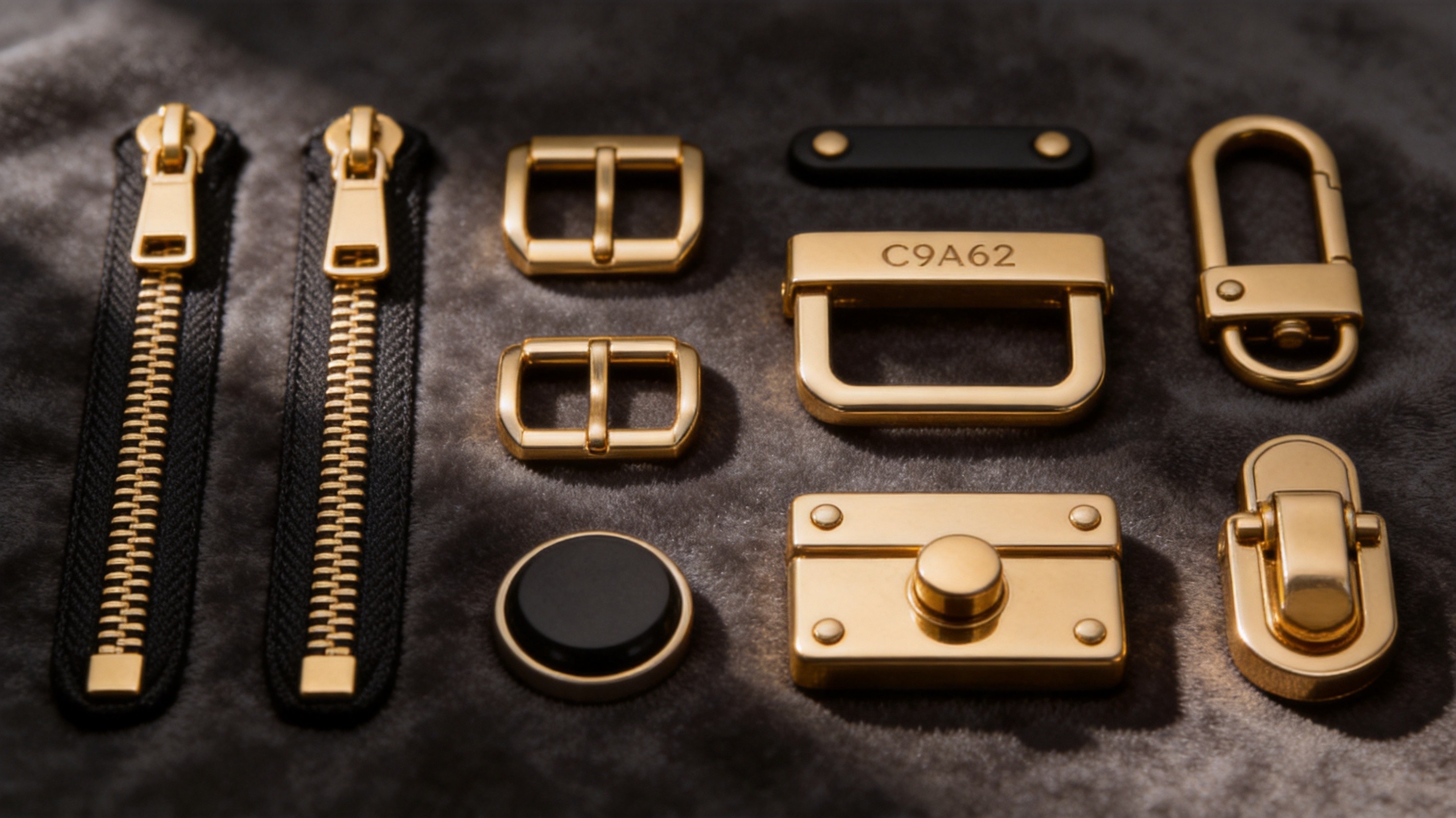
Hardware details are frequently underspecified, causing the most visible quality issues in finished products. Every metal component needs explicit documentation including material, finish, size, color, and attachment method.
Hardware Specification Requirements
- Material: Zinc alloy, brass, stainless steel, or iron
- Finish: Polished, brushed, antique, matte, plated color
- Plating color: Specify with Pantone or physical sample reference
- Dimensions: Length × width × thickness in millimeters
- Weight: Per piece (affects bag weight and shipping cost)
- Attachment method: Riveted, screwed, sewn, or welded
- Quality test: Salt spray test hours (minimum 48 hours for acceptable quality)
- Quantity per bag: Number of each hardware piece needed
Color Specifications and Pantone References
Color matching represents one of the most common sources of disagreement between brands and factories. Digital screens display colors differently. Photography lighting alters apparent color. Only standardized color references create reliable matching.
Pantone Color System
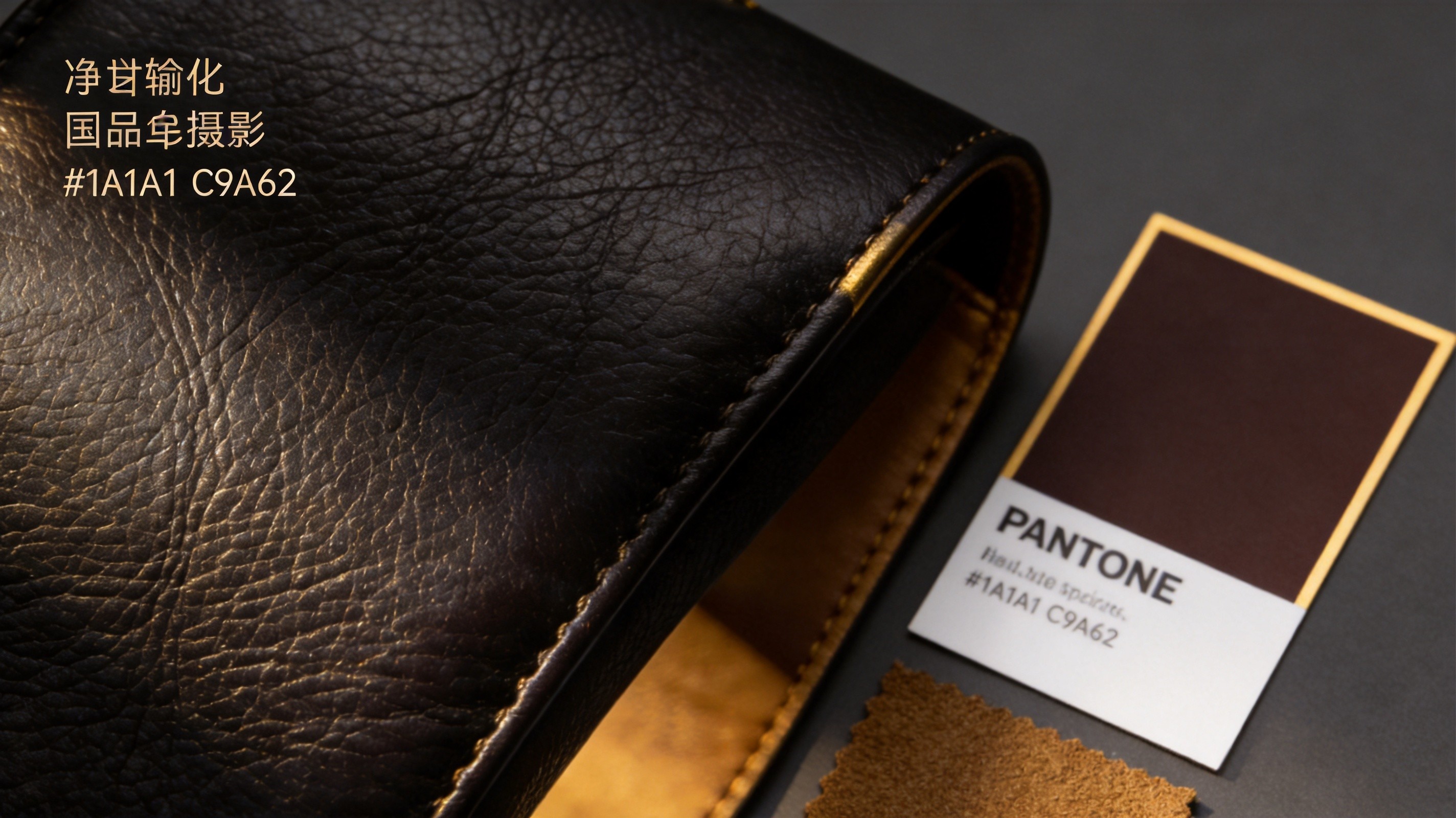
Use Pantone TPX (Textile Paper eXtended) codes for all material colors. Provide the specific Pantone code for: exterior material, lining, thread, edge paint, zipper tape, and any contrasting elements. Example: "Exterior: Pantone 19-4005 TPX (Blue Jewel). Thread: Pantone 19-4005 TPX (match to body)."
Physical Color References
Supplement Pantone codes with physical material swatches when possible. Mail leather swatches, fabric samples, or hardware finish samples to the factory. Physical references eliminate any ambiguity from digital color representation.
Precise color specification using Pantone codes and physical swatches ensures consistency
Stitching and Construction Details
Stitching specifications directly affect product durability, appearance, and perceived quality. Detailed stitching instructions prevent the factory from defaulting to their standard (which may not match your quality expectations).
Key Stitching Parameters
| Parameter | Standard Specification | Premium Specification |
|---|---|---|
| Stitches per inch (SPI) | 7 – 8 SPI | 9 – 10 SPI |
| Thread type | Bonded nylon T69 | Bonded nylon T70 or T90 |
| Seam type (body) | Lockstitch, single needle | Lockstitch, double needle topstitch |
| Seam type (stress points) | Bar tack reinforcement | Bar tack with backstitch |
| Edge stitch distance | 3mm from edge | 2mm from edge, consistent |
| Thread color | Match material or contrast | Exact Pantone match to material |
Construction Method Specifications
Specify how major construction elements are assembled: Are side gussets set-in or box-pleated? Is the bottom panel attached with a single or double row of stitching? Are handles attached with rivets, screws, or sewn tabs? Each construction decision affects both the manufacturing process and the final product appearance.
Interior Configuration
The interior layout affects both manufacturing complexity and user experience. Document every internal element: pocket types, pocket dimensions, pocket placements, closure types (zipper, snap, slip), divider panels, key clips, pen holders, and phone slots.
Interior Specification Format
Create a dedicated interior sketch showing the bag opened and viewed from above. Label each interior element with: position relative to bag edges, pocket opening direction (top, side, center), closure type, and internal dimensions. Include a cross-section view if the interior has complex structural elements.
Branding and Label Placement
Logo placement, size, and method must be precisely specified. Even small variations in logo position or size create visible differences between production runs.
Branding Specification Requirements
- Method: Deboss, hot foil stamp, emboss, metal plate, silk screen, embroidery
- Position: Distance from top edge and center point in millimeters
- Size: Width × height in millimeters
- Color: Foil color (gold, silver, rose gold, etc.) or blind deboss (no color)
- Depth: For debossing, specify depth in millimeters (0.5mm-1.5mm typical)
- Interior label: Fabric label content, dimensions, and sewing position
- Hang tag: Attachment point, string type, and tag dimensions
Precise logo placement specifications ensure branding consistency across production runs
Edge Finishing and Treatment
Edge finishing is one of the most visible quality indicators. Customers notice edges before construction details, and poorly finished edges immediately signal low quality.
Edge Finishing Options
| Method | Process | Appearance | Cost Level |
|---|---|---|---|
| Edge paint | Multiple coats of leather edge paint, sanded between coats | Smooth, rounded, colored | $$ |
| Burnished edge | Sanded and polished with water/beeswax | Natural, glossy, rounded | $$ |
| Folded edge | Material folded over raw edge and stitched | Clean, structured | $$$ |
| Bound edge | Separate leather strip wrapped around raw edge | Contrasting or matching binding | $$$ |
| Serged edge | Overlock stitching on raw edge | Casual, textile look | $ |
Quality Standards and Tolerances
Defining quality standards in your tech pack gives both you and the factory an objective basis for evaluating finished products.
Quality Specification Elements
- Dimensional tolerances: Maximum acceptable deviation for each measurement
- Color tolerance: Acceptable color variation (typically ΔE ≤ 1.5 for premium products)
- Stitching requirements: Minimum SPI, no skipped stitches, no loose threads
- Hardware function: Zippers must operate smoothly 100 consecutive cycles; snaps must withstand 50N pull force
- Surface defects: No visible scratches, glue marks, or discoloration on exterior surfaces
- Structural test: Bag must support 5kg load for 24 hours without deformation
- AQL standard: Specify acceptable quality level (AQL 2.5 for major defects, AQL 4.0 for minor)
Packaging Specifications
Include packaging instructions in your tech pack to ensure consistent presentation. Specify: dust bag material and size, stuffing method (tissue paper, air pillows, or shaped inserts), poly bag thickness and warning text, gift box dimensions and material, carton packing configuration (how many per carton), and carton dimensions and weight limits.
Tools and Software for Tech Pack Creation
Professional Tools
- Adobe Illustrator: Industry standard for flat sketches and technical drawings
- CLO 3D: 3D bag modeling and visualization
- Technical design templates: Pre-formatted tech pack templates streamline creation
Accessible Options
For brands without design software expertise, alternatives exist: hire a freelance tech pack designer ($150-$500 per style), use your factory's in-house design team to develop specifications from your sketches, or work with a product development consultant who creates tech packs as a service.
Factory-Assisted Tech Pack Development
Many manufacturers, including Purse Private Label, offer tech pack development as part of their OEM service. Send your design sketch, reference photos, and material preferences. Our technical team creates a production-ready tech pack optimized for manufacturing — saving you the cost and complexity of developing it independently.
Common Tech Pack Mistakes
Mistake #1: Vague Material Descriptions
"Brown leather" is not a specification. Write "Top-grain cowhide leather, 1.2mm thickness, vegetable-tanned, Pantone 18-1163 TPX (Sugar Almond)." The more specific you are, the less room for interpretation.
Mistake #2: Missing Tolerances
Every dimension needs a tolerance range. Without tolerances, the factory does not know what variation is acceptable, and you have no objective basis for rejecting off-spec products.
Mistake #3: No Construction Sequence
Complex bags benefit from construction sequence notes explaining assembly order. This is especially important for bags where internal construction steps must occur before external assembly is completed.
Mistake #4: Underspecifying Hardware
Simply writing "gold zipper" leads to inconsistent results. Specify: YKK or equivalent, metal type (zinc alloy), teeth size (#5), puller style (custom or standard), finish (antique brass with gold plating), and salt spray test requirement.
Mistake #5: No Revision Tracking
Every tech pack update should have a revision number, date, and change log. Without tracking, you and the factory may work from different versions — leading to production that does not match your current expectations.
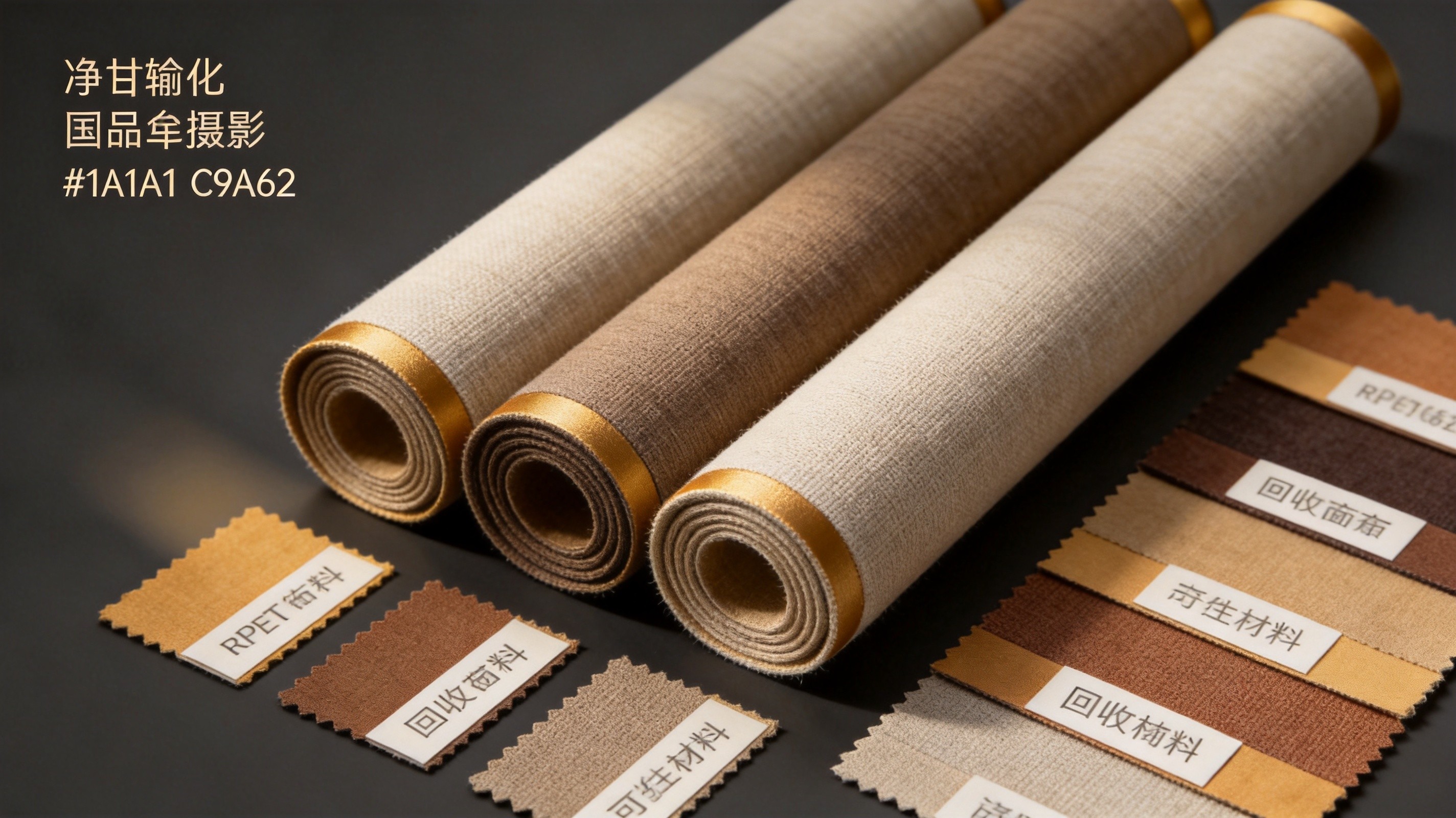
Thorough tech pack documentation reduces sampling iterations and production errors
Mistake #6: Ignoring Manufacturing Feasibility
Some designs look beautiful on paper but present manufacturing challenges. Consult with your factory during tech pack development to identify potential production difficulties. An experienced factory team can suggest construction alternatives that achieve the same aesthetic with better manufacturability and lower cost.
Creating a tech pack that translates your design vision into manufacturing reality requires both design knowledge and production expertise. Purse Private Label supports brands throughout the tech pack process — from initial sketch interpretation to production-ready specifications. Our OEM/ODM services include technical specification development, and our product range provides reference points for construction and material decisions. Contact us to start developing your custom handbag tech pack.
Ready to Launch Your Private Label Collection?
Get a free consultation and sample quote within 24 hours. MOQ from 200 pcs.
📧 service@junyuanbags.com | 📱 +86 17750020688 | MOQ: 200 pcs/style
Frequently Asked Questions
What is a tech pack for handbags?
A tech pack (technical package) is a comprehensive document that contains all the specifications needed to manufacture a handbag. It includes flat sketches with measurements, bill of materials, hardware specifications, stitching details, color codes, finishing instructions, and quality standards. Think of it as a blueprint that allows any qualified factory to reproduce your design exactly as intended.
How much does it cost to create a handbag tech pack?
Professional tech pack creation costs $150-$500 per style if hired out. Freelance handbag tech designers charge $200-$400 per tech pack. Some manufacturers include tech pack development in their sampling service. Creating your own tech pack requires design software skills but costs only your time investment.
Can I send a sketch instead of a full tech pack to a manufacturer?
A sketch can start the conversation, but manufacturers need detailed specifications to produce accurate samples and quotes. Without a tech pack, you will receive varying interpretations of your design, making comparison impossible. Many factories, including Purse Private Label, can develop a tech pack from your sketch and reference photos for an additional fee, ensuring your design intent is properly documented.
Limitations and Scope of This Guide
This guide covers how to create a comprehensive tech pack for custom handbags, including specifications, drawings, materials, construction details, and quality standards. It is based on our experience as a handbag manufacturer in Quanzhou, China, serving brands worldwide since 2004. Key limitations to keep in mind:
- Tech pack requirements vary by factory. Some factories need more detail, others less. The template provided covers comprehensive specifications suitable for most manufacturers.
- This guide focuses on handbags and wallets. Tech packs for shoes, clothing, or hard goods follow different specification standards.
- Measurements and tolerances mentioned are typical for handbags. Precision requirements depend on the product category and brand quality standards.
For advice tailored to your specific situation, contact our team directly.