Table of Contents
- Why Understanding Quote Breakdowns Gives You Negotiation Power
- Standard Quote Format — FOB, CIF, EXW and Other Terms
- Material Cost — How Factories Calculate Leather, Fabric and Lining
- Hardware Cost — Zippers, Buckles, Rings and Custom Pieces
- Labor Cost — How Production Time Translates to Unit Price
- Overhead and Factory Margin
- Packaging Cost — Dust Bag, Box and Shipping Materials
- Sample and Mold Cost Amortization
- Printing, Embroidery and Logo Cost Add-Ons
- Quantity Impact on Per-Unit Pricing
- Currency and Payment Terms
- Hidden Costs to Watch For — Surcharges, Tooling and Setup Fees
- Comparing Quotes from Multiple Factories
- Negotiation Strategies Based on Cost Breakdown
- Red Flags in Factory Quotations
- FAQ — Understanding Handbag Factory Quotes
Receiving a factory quote is just the beginning of the negotiation process. The real value emerges when you understand what each line item means, where the factory builds in margin, and which components offer room for cost optimization. Brand owners who can interpret quote breakdowns communicate more effectively with factories, negotiate from a position of knowledge, and ultimately secure better pricing without damaging the supplier relationship.
This guide decodes every element of a handbag factory quotation. From incoterms and material calculations to labor rates, overhead structures, and hidden costs, you will develop the analytical framework needed to evaluate quotes critically. Whether you are requesting your first factory quote or comparing proposals from multiple suppliers, this knowledge transforms you from a price-taker into an informed negotiating partner. For broader context on factory evaluation, our factory capacity report guide complements the pricing analysis covered here.
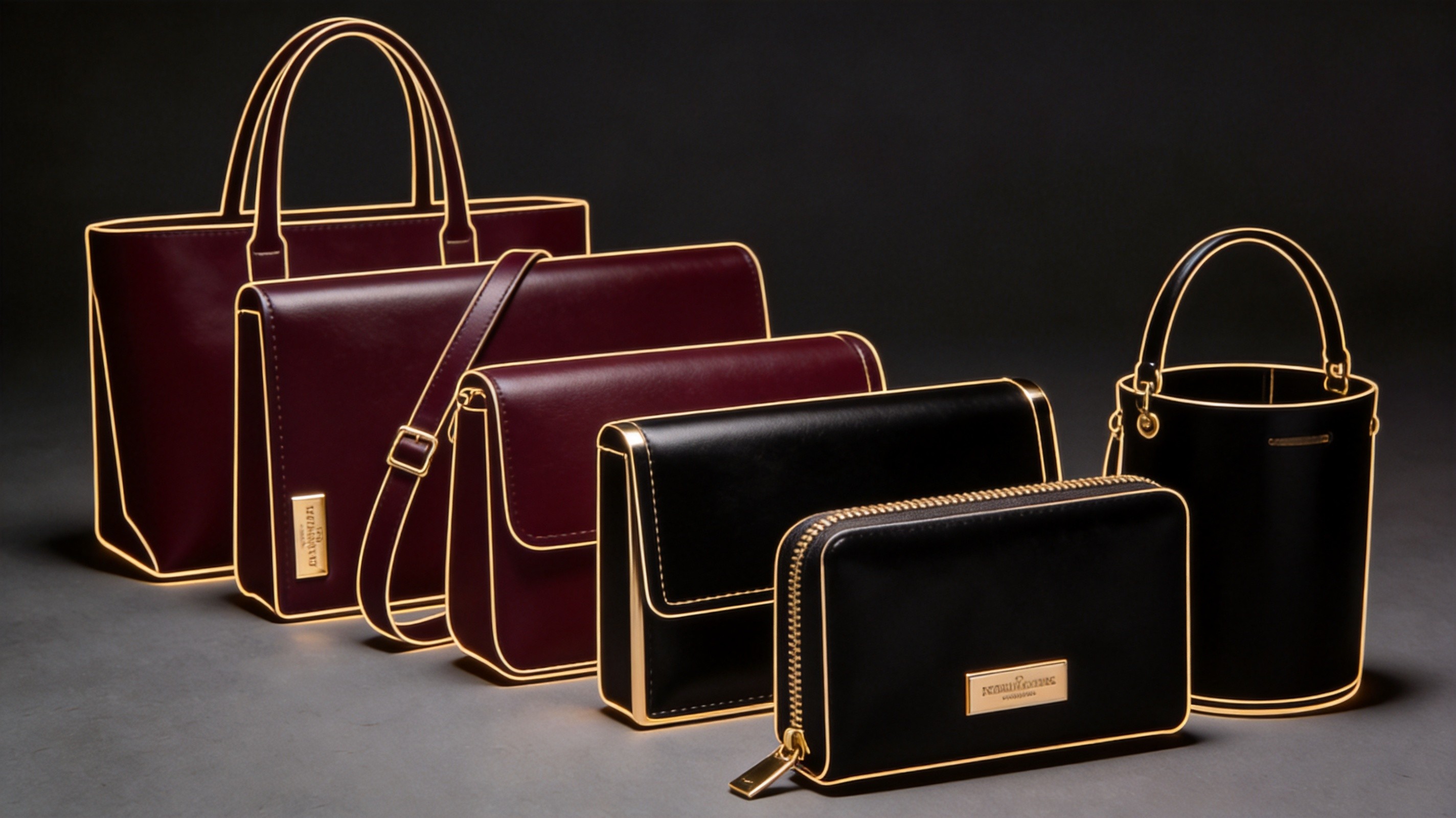
Understanding quote breakdowns transforms price negotiation from guesswork into strategic analysis
Why Understanding Quote Breakdowns Gives You Negotiation Power
A factory quote without breakdown is a black box. You see a single number with no visibility into how it was derived. When you request and can interpret a detailed breakdown, three things happen. First, you can identify specific cost areas where savings are possible. Second, you can compare apples to apples across different factory proposals. Third, you signal to the factory that you are a sophisticated buyer who cannot be easily overcharged.
Experienced factory sales representatives quickly assess the sophistication of each buyer. Buyers who accept lump-sum quotes without question receive less competitive pricing than buyers who ask probing questions about material specifications, labor estimates, and overhead calculations. Demonstrating knowledge of cost structures does not mean being adversarial — it means having informed conversations that lead to fair pricing for both parties. Our manufacturing services team provides transparent quote breakdowns for every project because we believe informed partnerships produce the best long-term outcomes.
Standard Quote Format — FOB, CIF, EXW and Other Terms
Incoterms define the point at which costs and risks transfer from factory to buyer. Understanding these terms is essential because the same factory production cost can appear very different depending on which incoterm the quote uses.
| Incoterm | What's Included | What Buyer Pays Extra | Common Use |
|---|---|---|---|
| EXW | Factory price only | All transport, customs, freight | Buyer has strong logistics |
| FOB | Factory price + domestic transport + port charges | Ocean freight, insurance, import costs | Most common for handbags |
| CIF | FOB + ocean freight + insurance | Import customs, destination transport | Buyers wanting simplicity |
| DDP | Everything to buyer's door | Nothing | Small orders, DTC brands |
| FCA | Factory price + transport to named place | Main freight and beyond | Air freight, multi-modal |
FOB — The Industry Standard
FOB (Free On Board) is the most common incoterm in handbag manufacturing. The factory handles all costs up to loading goods onto the vessel at the departure port. This includes inland transportation from factory to port (typically $0.05 to $0.15 per kilogram), export customs clearance ($50 to $150 per shipment), and port handling charges ($0.03 to $0.08 per CBM). The buyer manages and pays for ocean freight, marine insurance, import duties, and delivery to the final destination. FOB provides clear cost separation and allows buyers to negotiate freight rates independently. For a complete shipping overview, see our shipping methods guide.
Material Cost — How Factories Calculate Leather, Fabric and Lining
Material cost is the largest single component in most handbag quotes, typically representing 35 to 50 percent of the total FOB price. Understanding how factories calculate material costs enables you to verify accuracy and identify optimization opportunities.
Leather Cost Calculation
Leather is priced per square foot or square meter. Factories calculate the total leather area needed per bag by summing all pattern piece areas, adding seam allowances, then applying a yield factor (typically 1.15 to 1.30) to account for hide defects, grain variations, and cutting inefficiency. A medium tote requiring 12 square feet of finished leather might consume 15 to 16 square feet of raw material. Leather costs vary dramatically by type: PU leather ($2 to $5 per square foot), split leather ($4 to $8), top-grain cowhide ($8 to $15), and full-grain premium hides ($15 to $30+).
Fabric and Lining Cost
Fabric is priced per meter or yard from rolls typically 1.4 to 1.5 meters wide. Factories calculate the marker layout (pattern arrangement on fabric) to determine total fabric consumption per bag. Fabric waste ranges from 10 to 20 percent depending on piece shapes. Lining fabric costs $1 to $4 per meter for standard options. Canvas, nylon, and polyester fabrics range from $2 to $8 per meter. Specialty fabrics like jacquard, printed, or waterproof materials range from $5 to $15 per meter.
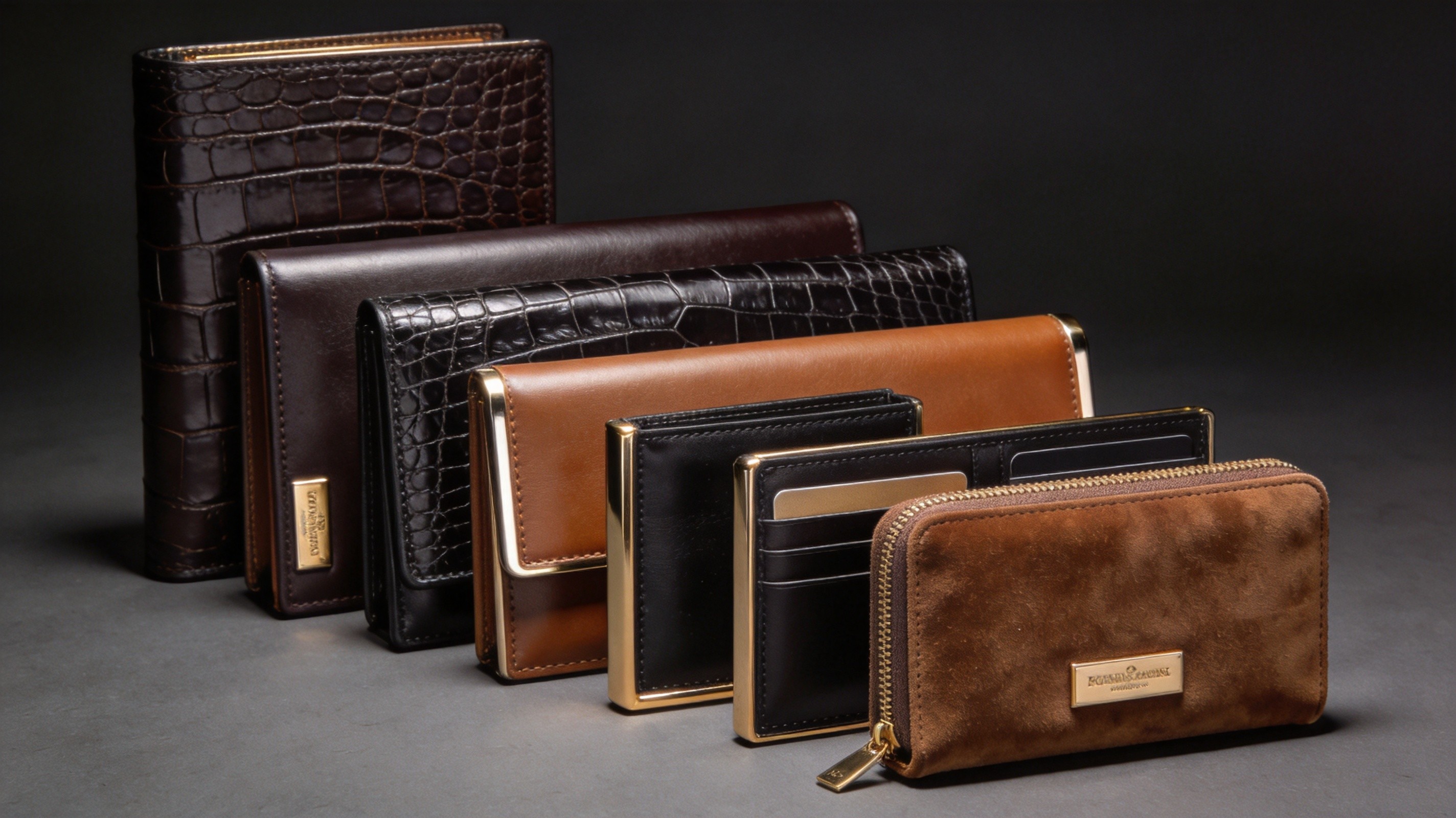
Material selection and yield optimization directly impact the per-unit cost of every handbag produced
Hardware Cost — Zippers, Buckles, Rings and Custom Pieces
Hardware typically accounts for 8 to 15 percent of bag cost but can exceed 20 percent for designs with extensive custom metal components. Stock hardware (standard zippers, D-rings, magnetic snaps) costs significantly less than custom-designed pieces requiring molds.
A typical handbag hardware package includes: zipper ($0.50 to $3.00 depending on type and brand), buckle ($0.30 to $2.00), D-rings or O-rings ($0.10 to $0.50 each), magnetic snap ($0.10 to $0.30), bottom feet ($0.05 to $0.15 each), and logo plate ($0.20 to $1.50). Custom hardware with proprietary molds adds mold amortization ($0.10 to $0.50 per piece depending on order quantity) on top of per-unit hardware costs. For a deep dive into hardware production, read our custom hardware guide.
Labor Cost — How Production Time Translates to Unit Price
Labor cost represents the time workers spend cutting, sewing, assembling, finishing, and inspecting each bag, multiplied by the hourly labor rate. In Chinese handbag manufacturing, labor rates vary by region: Quanzhou and Guangzhou average $4 to $6 per hour, while lower-cost regions like inland provinces may range from $3 to $5 per hour.
Production Time Estimates
A standard mid-size handbag requires 3 to 5 hours of total production time including cutting (30 to 60 minutes), sewing and assembly (2 to 3 hours), edge finishing and hardware attachment (30 to 60 minutes), and final inspection and packing (15 to 30 minutes). At a fully burdened labor rate of $5 per hour, a bag requiring 4 hours of labor carries a labor cost of approximately $20. Complex designs with multiple compartments, custom hardware, or intricate construction can require 6 to 10 hours, pushing labor costs to $30 to $50.
| Bag Type | Production Hours | Labor Cost (at $5/hr) | Complexity Level |
|---|---|---|---|
| Simple Clutch | 1.5 – 2.5 hrs | $7.50 – $12.50 | Low |
| Basic Tote | 2.5 – 4.0 hrs | $12.50 – $20.00 | Low-Medium |
| Standard Satchel | 4.0 – 6.0 hrs | $20.00 – $30.00 | Medium |
| Complex Backpack | 5.0 – 8.0 hrs | $25.00 – $40.00 | Medium-High |
| Luxury Multi-Compartment | 6.0 – 10.0 hrs | $30.00 – $50.00 | High |
Overhead and Factory Margin
Overhead encompasses all factory operating costs beyond direct materials and direct labor. This includes factory rent, equipment depreciation, utilities, management salaries, quality control staff, maintenance, insurance, and administrative expenses. In Chinese handbag factories, overhead typically represents 10 to 15 percent of total production cost.
Factory Profit Margin
The factory's profit margin sits on top of total production cost. For established factories with strong quality systems and compliance records, margins typically range from 10 to 15 percent. Smaller or newer factories competing primarily on price may operate at 5 to 8 percent margins. Understanding typical margins helps you evaluate quote competitiveness. If a factory quotes a price that implies less than 5 percent margin after all visible costs, they may be planning to cut corners on materials, skip quality steps, or intend to add charges later during production.
Packaging Cost — Dust Bag, Box and Shipping Materials
Packaging costs range from $1.50 to $8.00 per unit depending on the packaging ecosystem. Basic packaging (poly bag and simple dust bag) costs $0.50 to $1.50. Standard retail packaging (cotton dust bag, tissue paper, insert card, hang tag) costs $1.50 to $3.00. Premium packaging (rigid gift box, branded dust bag, insert cards, ribbon, shopping bag) costs $4.00 to $8.00 or more. For a complete packaging cost analysis, see our custom packaging guide.
Sample and Mold Cost Amortization
Sample development and mold creation are upfront costs that factories handle differently in their quotations. Some include sample costs separately, while others amortize them across the production quantity.
How Amortization Works
If a project requires $500 in mold costs for custom hardware and $300 for sample development, the total $800 can be amortized across the production order. For a 500-piece order, this adds $1.60 per unit. For a 2,000-piece order, it adds only $0.40 per unit. Always clarify whether mold and sample costs are included in the per-unit price or charged separately. Reputable factories itemize these costs transparently and specify the order quantity at which mold costs become fully amortized. Our factory provides clear mold and sample cost structures upfront. Contact service@junyuanbags.com for a detailed project quotation.
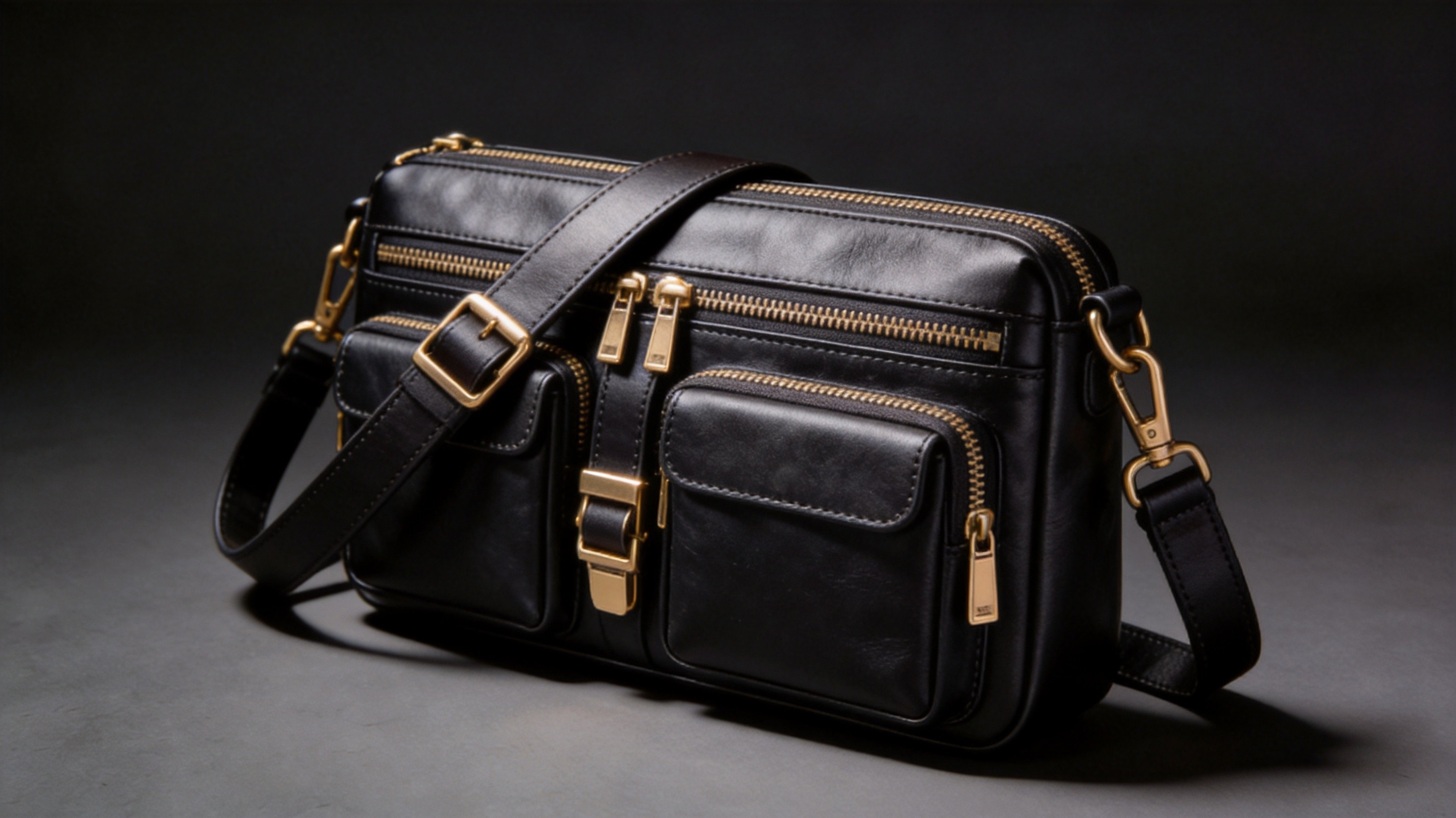
Sample costs and mold amortization should be clearly itemized in every professional factory quotation
Printing, Embroidery and Logo Cost Add-Ons
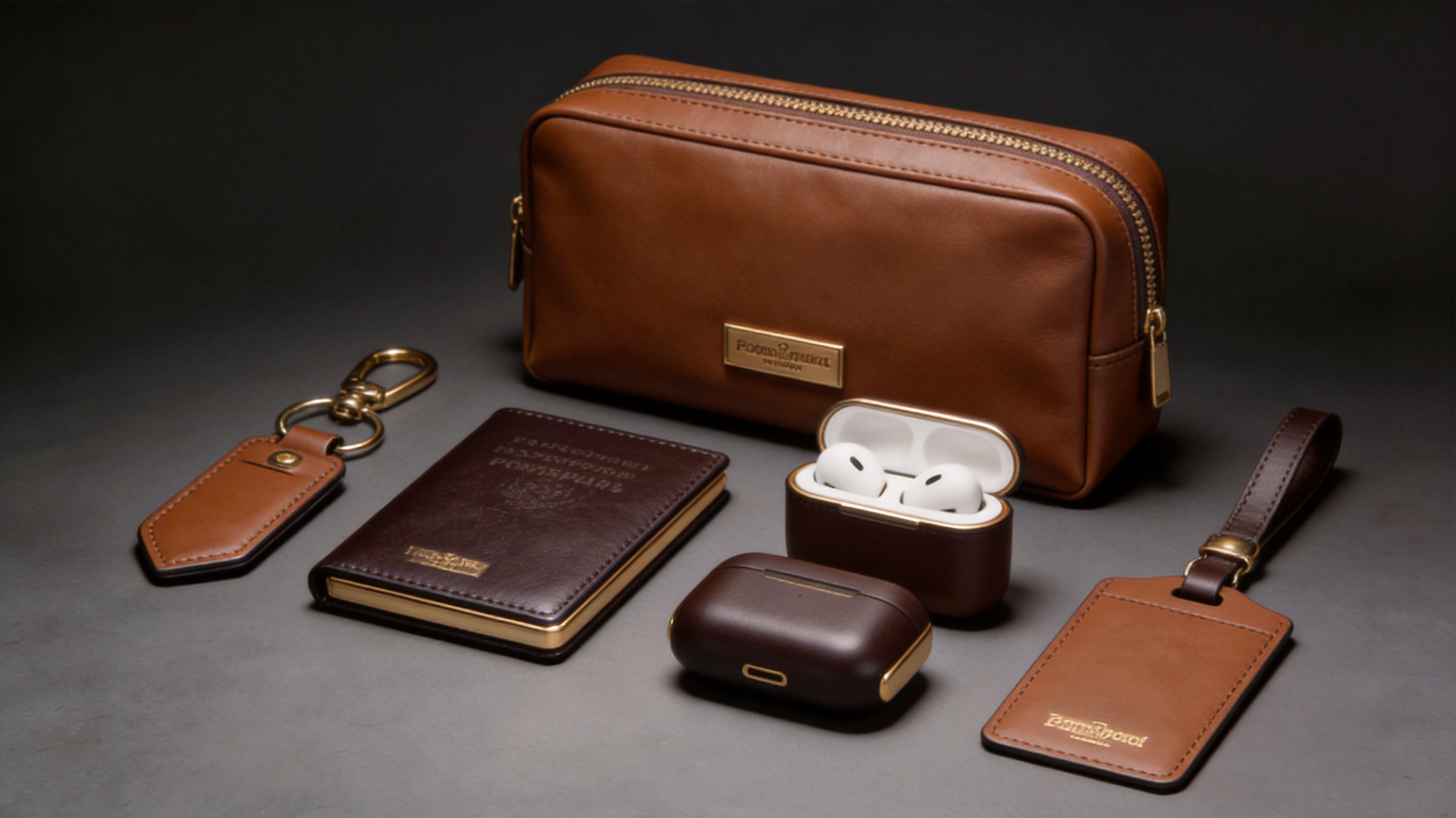
Logo application methods each carry distinct cost structures that affect the final per-unit price
Logo application adds cost beyond the base bag construction. The method, size, colors, and placement all affect the final price.
Logo Method Cost Comparison
Silk screen printing is the most economical option at $0.10 to $0.50 per piece for simple 1 to 2 color designs. Setup costs include screen charges of $20 to $50 per color. Embroidery ranges from $0.50 to $2.00 per piece depending on stitch count and complexity. Debossing or embossing on leather adds $0.30 to $1.00 per piece plus a mold cost of $50 to $200. Heat transfer printing costs $0.20 to $0.80 per piece with excellent detail reproduction. Laser engraving on leather or hardware costs $0.10 to $0.50 per piece with no setup charges after the initial program is created.
Quantity Impact on Per-Unit Pricing
Order quantity is the single most powerful lever for reducing per-unit cost. The relationship follows a predictable pattern of diminishing returns as quantities increase.
| Order Quantity | Price Impact | Source of Savings |
|---|---|---|
| 200 pcs | Baseline (100%) | Standard pricing |
| 500 pcs | -5% to -10% | Material volume discount, setup amortization |
| 1,000 pcs | -10% to -18% | Material purchasing power, line efficiency |
| 2,000 pcs | -15% to -22% | Direct material negotiation, overhead spread |
| 5,000 pcs | -18% to -28% | Maximum material discount, dedicated line |
| 10,000+ pcs | -22% to -35% | Strategic pricing, full overhead optimization |
Strategies for Quantity-Based Savings
Brands can maximize quantity discounts by consolidating orders across colorways, using common materials across multiple styles, and committing to longer production runs rather than frequent small orders. Our minimum order starts at 200 pcs/style, making it accessible for emerging brands while still offering competitive pricing at higher volumes.
Currency and Payment Terms
Most Chinese factories quote in US dollars, though some prefer RMB for domestic transactions. Payment terms significantly affect your total cost through cash flow impact and currency risk.
Standard Payment Structures
The most common payment structure is 30 percent deposit upon order confirmation, with 70 percent balance paid before shipment or against copy of Bill of Lading. Some factories offer 50/50 terms. For established relationships, letters of credit (L/C) provide security for both parties. Payment terms should be clearly stated in the quotation and confirmed in the purchase agreement. Wire transfer fees ($25 to $50 per transaction) and currency conversion costs (1 to 3 percent spread) add to total procurement cost and should be factored into your budget planning.
Hidden Costs to Watch For — Surcharges, Tooling and Setup Fees
Beyond the quoted unit price, several costs may appear during the production process if not clarified upfront. Savvy buyers identify these before committing to an order.
- Mold and tooling charges: May be quoted separately or hidden in unit pricing
- Sample development fees: $100 to $500 per sample, sometimes credited against production
- Logo plate or screen charges: $20 to $200 one-time setup per design
- Small quantity surcharges: 10 to 20 percent premium for orders below standard MOQ
- Rush order surcharges: 15 to 30 percent premium for expedited production
- Color change fees: $50 to $200 per color change for dye lots or thread
- Third-party inspection fees: $200 to $400 per inspection visit
- Bank charges: $25 to $50 per wire transfer
- Storage fees: If goods are ready but shipping is delayed
How to Avoid Surprise Costs
Request a comprehensive quotation that explicitly states what is included and what is excluded. Ask directly: "Are there any additional charges beyond the quoted price for the specified quantity and specifications?" Reputable factories provide complete transparency. Our product team always includes a complete cost summary with each quotation, ensuring no surprises during production.
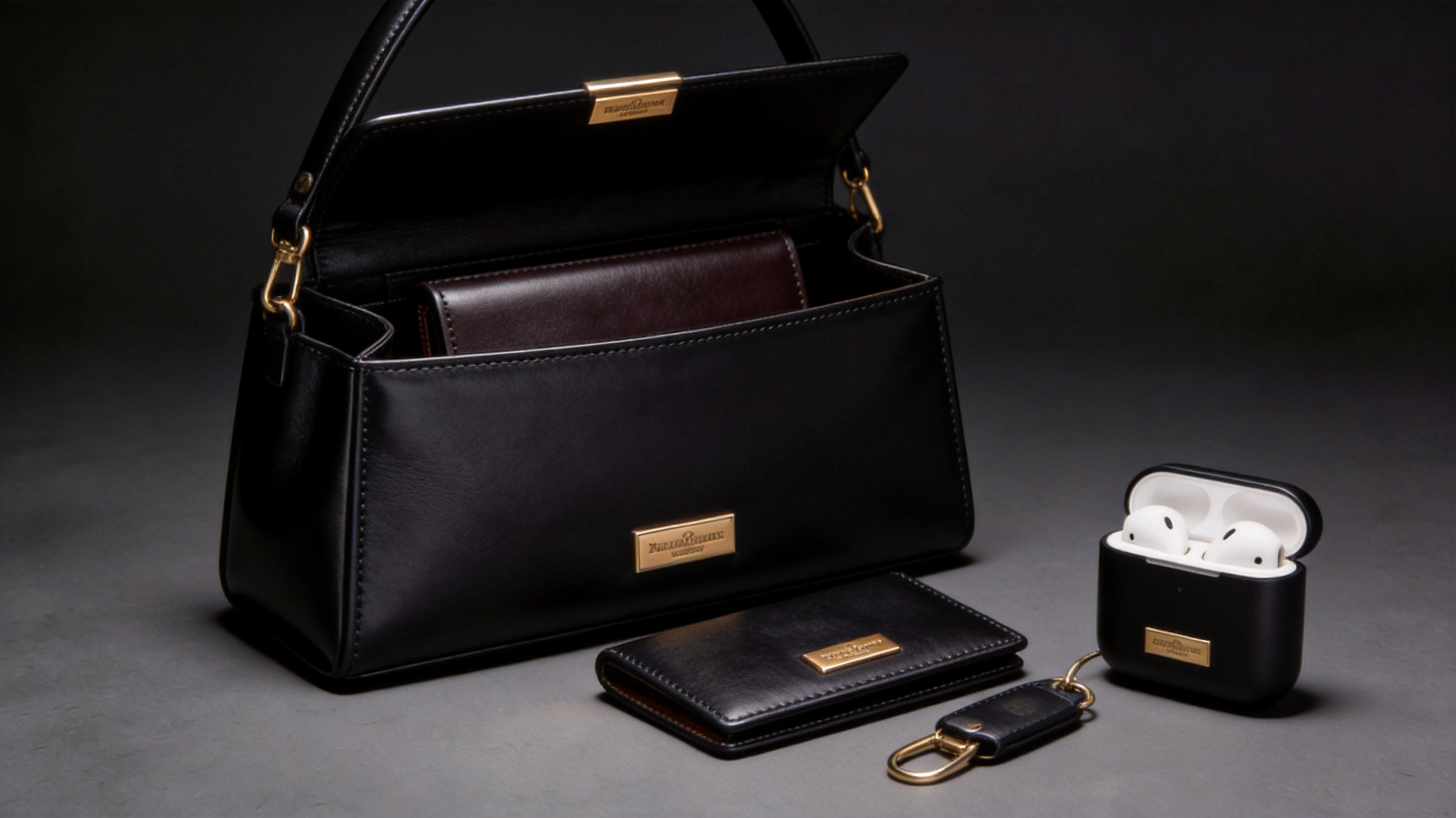
Systematic quote comparison reveals true cost differences beyond surface-level pricing
Comparing Quotes from Multiple Factories
Requesting quotes from multiple factories is standard practice, but meaningful comparison requires standardizing the parameters. A $25 FOB quote from one factory and a $28 FOB quote from another are not directly comparable if they use different materials, include different packaging, or assume different quantities.
Creating a Comparison Matrix
Build a spreadsheet comparing each quote across identical parameters: same incoterm, same quantity, same material specifications, same hardware specifications, same packaging configuration, and same delivery timeline. Break each quote into cost components (material, hardware, labor, overhead, margin) and compare component by component. Differences in specific components reveal where one factory has genuine cost advantages versus where they may be absorbing costs that will surface later. This analytical approach protects against misleadingly low quotes that exclude essential items.
Negotiation Strategies Based on Cost Breakdown
Understanding the cost breakdown enables targeted negotiation rather than blunt price demands that damage supplier relationships.
Effective Approaches
- Volume commitment: Offer larger quantities or multi-season commitments in exchange for lower unit pricing
- Material alternatives: Discuss alternative materials that meet quality requirements at lower cost
- Simplified construction: Explore design modifications that reduce labor time without sacrificing appearance
- Payment terms: Offer faster payment or larger deposits in exchange for price reductions
- Consolidated orders: Combine multiple styles using common materials to maximize volume purchasing
- Long-term partnership: Commit to regular orders and factory exclusivity for certain categories
What Not to Do
Avoid aggressive price squeezing that pushes the factory below sustainable margins. Factories forced into unprofitable orders will cut corners on materials, reduce quality control attention, or prioritize other customers. The goal is fair pricing that sustains a productive long-term relationship, not the lowest possible price at any cost to quality or reliability.
Red Flags in Factory Quotations
Certain quotation characteristics signal potential problems that warrant investigation before committing to production.
| Red Flag | What It Suggests | Recommended Action |
|---|---|---|
| Price significantly below market | Material substitution, quality shortcuts | Request material samples for verification |
| Refuses to provide breakdown | Unclear costing, possible hidden margins | Insist on detailed breakdown or move on |
| Vague material specifications | Floor-quality materials, bait-and-switch risk | Require specific grades and certifications |
| No mention of QC costs | Quality inspection may be skipped | Clarify QC process and who bears cost |
| Unusually short lead time | May skip production steps or overcommit | Verify with production schedule details |
| Constant price changes | Unstable costing or unreliable planning | Lock prices in written agreements |
Factory Insight
Our factory in Quanzhou provides transparent, itemized quotations for every handbag project. With 20+ years of manufacturing experience, 300+ skilled workers, and a 30,000 sqm production facility, we price competitively while maintaining the quality standards our brand partners expect. Every quotation clearly separates material costs, hardware, labor, packaging, and overhead so you can make informed decisions. We welcome detailed cost discussions and comparison requests from qualified buyers.
Transparent pricing discussions between factory and brand build the foundation for successful partnerships
Ready for a Transparent Factory Quote?
Our 20+ years of handbag manufacturing experience means accurate, competitive pricing with complete cost transparency. With 300+ skilled workers and a 30,000 sqm facility in Quanzhou, we deliver exceptional value. MOQ starts at 200 pcs/style with detailed itemized quotations.
Email: service@junyuanbags.com | WhatsApp: +86 17750020688
Request Detailed QuoteFrequently Asked Questions
What does FOB price mean in handbag manufacturing?
FOB means the factory's price includes all costs to get goods loaded onto the shipping vessel at the departure port — materials, labor, overhead, profit, domestic transport, and export clearance. The buyer pays ocean freight, insurance, and everything from the departure port onward.
What percentage of bag cost is materials?
Materials typically account for 35 to 50 percent. Leather bags skew toward 45 to 50 percent. Fabric bags range from 30 to 40 percent. Hardware adds 8 to 15 percent. The remaining cost splits between labor (20 to 30 percent), overhead (10 to 15 percent), and factory profit (8 to 15 percent).
How does order quantity affect per-unit price?
Doubling from 200 to 400 pieces typically reduces per-unit price by 8 to 15 percent. Moving to 1,000 pieces achieves another 5 to 10 percent reduction. Savings come from spreading fixed costs, material discounts at higher volumes, and improved line efficiency. Most factories show diminishing returns beyond 2,000 to 3,000 pieces.
What are common hidden costs in factory quotes?
Common hidden costs include mold and tooling fees, sample charges, bank transfer fees, quality inspection fees, packaging setup charges, logo plate fees, rush order surcharges, and small quantity premiums. Always request a complete line-item breakdown and ask explicitly about excluded items.
What is the typical factory profit margin in handbag manufacturing?
Factory margins typically range from 8 to 15 percent. Established factories with strong quality systems command 12 to 15 percent. Smaller factories competing on price operate at 5 to 8 percent. Quotes implying less than 5 percent margin may indicate planned quality shortcuts.
How should I compare quotes from multiple factories?
Ensure all quotes use the same incoterm, currency, quantity, and material specifications. Create a comparison table breaking each quote into components. Check for included or excluded items. Evaluate price alongside payment terms, lead time, quality guarantees, and communication responsiveness. Investigate unusually low quotes before deciding.
Continue Exploring
Deepen your sourcing knowledge with our related guides: Reading Factory Capacity Reports, Sampling Process and Costs, and Shipping Methods Guide. Visit our services page or contact us for a transparent quotation.
Limitations and Scope of This Guide
This guide covers interpreting handbag factory quote breakdowns, understanding cost components, material costs, labor, overhead, and margin structures. It is based on our experience as a handbag manufacturer in Quanzhou, China, serving brands worldwide since 2004. Key limitations to keep in mind:
- Quote structures vary between factories. Some provide detailed line-item breakdowns, others offer all-in pricing. Both are common in the industry.
- Cost percentages are representative ranges, not fixed formulas. Actual breakdowns depend on the specific product, materials, and factory location within China.
- This guide helps you understand quotes, not negotiate them. Negotiation strategy involves relationship dynamics, volume commitments, and timing—topics covered separately.
For advice tailored to your specific situation, contact our team directly.