Table of Contents
- Why DTC Handbag Brands Are Thriving in 2026
- Finding Your Niche and Market Positioning
- Defining Your Target Customer Persona
- Brand Identity — Name, Logo and Visual Language
- Product Development — Concept to First Collection
- Sourcing a Factory for Your DTC Brand
- Sampling and Prototyping Your Design
- Pricing Strategy for DTC Handbags
- Building Your Shopify Store
- Product Photography and Content Creation
- Pre-Launch Marketing — Building Anticipation
- Launch Strategy — First 90 Days Playbook
- Fulfillment and Shipping for DTC Orders
- Customer Experience — Unboxing and Post-Purchase
- Scaling Beyond the Launch
- FAQ — Launching a DTC Handbag Brand
The direct-to-consumer handbag market has never been more accessible for new entrepreneurs. With social media platforms providing free marketing channels, Shopify making store creation simple, and experienced factories in China ready to produce small quantities, the barriers to launching a handbag brand are lower than ever. Yet success still requires strategic planning, quality products, and authentic brand building that resonates with a specific audience.
This comprehensive guide walks through every stage of launching a DTC handbag brand from zero. Whether you are a fashion enthusiast with design ideas or an entrepreneur seeking a profitable e-commerce venture, this roadmap provides the framework, timelines, and decision points you need. For founders ready to find a manufacturing partner, our product catalog offers customizable designs that accelerate your path from concept to market.
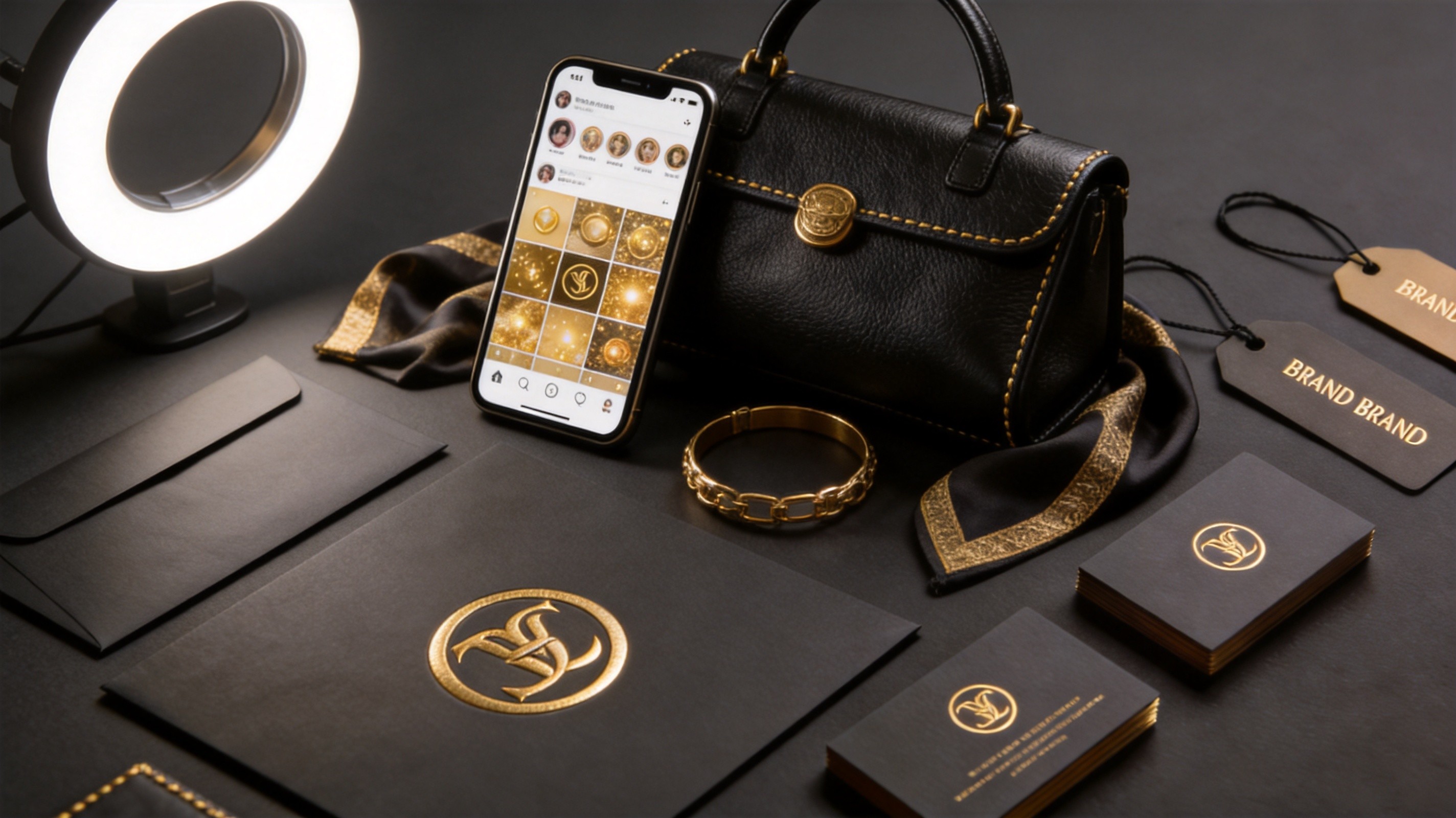
A strong brand identity combined with quality products creates the foundation for DTC success
Why DTC Handbag Brands Are Thriving in 2026
Consumer behavior has shifted dramatically in favor of direct-to-consumer brands. Shoppers increasingly value authenticity, brand stories, and unique designs over mass-market offerings. Social media platforms like Instagram, TikTok, and Pinterest have democratized fashion marketing, allowing small brands to reach engaged audiences without traditional advertising budgets.
The economics also favor DTC. By eliminating wholesale middlemen, DTC brands capture the full retail margin on every sale. A handbag that costs $10 to manufacture and sells for $85 wholesale generates $45 in margin for the brand owner. That same bag sold DTC at $120 retail generates $110 in gross margin. This margin advantage funds marketing, product development, and brand building that accelerate growth.
Finding Your Niche — Market Positioning for New Brands
The most successful new handbag brands do not try to appeal to everyone. They identify a specific niche and become the best option for that audience. Your niche should combine a defined customer segment with an unmet need or underserved aesthetic preference.
| Niche Example | Target Customer | Price Range | Key Differentiator | Market Size |
|---|---|---|---|---|
| Minimalist work bags | Professional women 25-40 | $80 - $180 | Clean design, laptop compartment | Large |
| Sustainable vegan bags | Eco-conscious millennials | $60 - $150 | Plant-based materials, transparency | Growing fast |
| Travel anti-theft bags | Frequent travelers | $70 - $160 | Security features, organization | Medium-large |
| Luxury-inspired affordable | Trend-conscious 20-35 | $50 - $120 | Premium look, accessible price | Very large |
| Artist collaboration bags | Art enthusiasts, collectors | $90 - $200 | Limited editions, unique prints | Niche but loyal |
| Mom-friendly totes | Mothers with young children | $60 - $140 | Stain-resistant, organized, lightweight | Medium |
Defining Your Target Customer Persona
A detailed customer persona guides every decision from product design to marketing tone. Go beyond demographics (age, income, location) to understand psychographics: values, aspirations, daily routines, media consumption, and purchase triggers. What does her ideal day look like? What brands does she already buy? What frustrates her about her current bag? What would make her recommend your brand to a friend?
Write a one-page persona document and reference it during every product and marketing decision. When you can describe your ideal customer by name and understand her motivations, your brand messaging becomes sharper and more compelling. This clarity translates directly into higher conversion rates and stronger customer loyalty.
A clearly defined customer persona guides every product and marketing decision
Brand Identity — Name, Logo and Visual Language
Your brand identity is the visual and emotional language that communicates your brand's personality to customers. It includes your brand name, logo, color palette, typography, photography style, and the overall aesthetic experience across every touchpoint.
Brand Name Selection
Choose a name that is easy to pronounce, memorable, available as a domain name, and not trademarked in your target markets. Test potential names with your target audience before committing. Verify trademark availability through the USPTO database in the United States. Secure the Instagram handle and domain name simultaneously with name selection.
Visual Identity Development
Invest in professional logo design that works across digital and physical touchpoints. Your logo appears on your website, social media, product labels, dust bags, packaging, and marketing materials. Develop a brand color palette (primary, secondary, and accent colors), select complementary typography, and create brand guidelines that ensure visual consistency. Budget $500 to $2,000 for professional brand identity development if not doing it yourself.
Product Development — From Concept to First Collection
Your first collection should consist of 2 to 4 styles that represent your brand's core aesthetic and serve your target customer's primary needs. Resist the temptation to launch with too many styles. A focused collection communicates clarity of vision and simplifies inventory management, photography, and marketing.
Start with your hero product: the single bag that best represents your brand and addresses your niche's primary need. This bag receives the most marketing attention and drives the majority of initial sales. Support it with one or two complementary styles that expand your offering without diluting focus. Our custom design services help translate your concepts into production-ready specifications.
Sourcing a Factory for Your DTC Brand
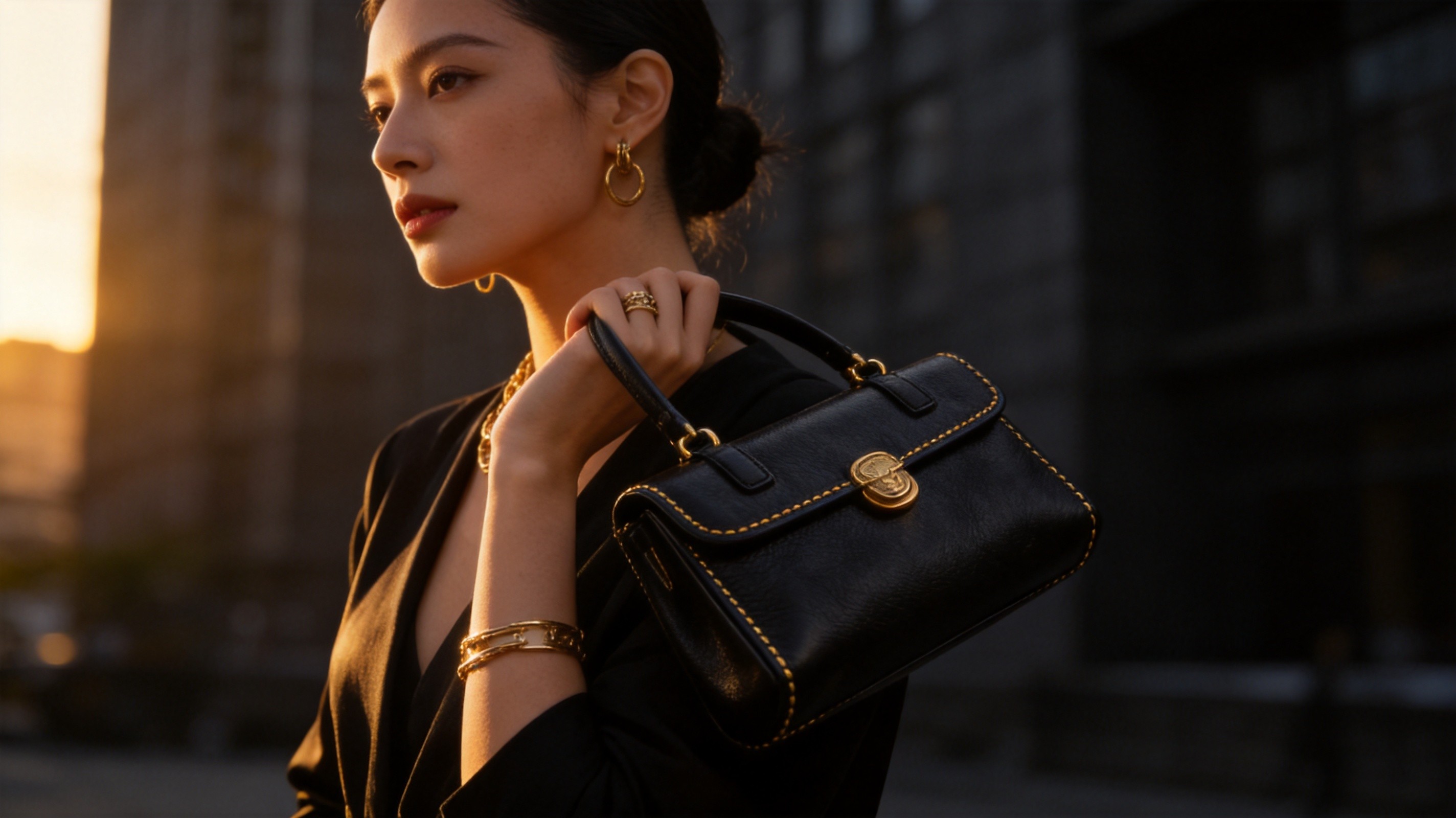
Your factory partnership determines product quality and brand reputation
Your factory is your most important business partner. The right factory produces quality consistently, communicates effectively, respects timelines, and grows with your brand. When evaluating factories, prioritize quality of samples over lowest price, responsiveness over size, and willingness to accommodate small orders over maximum capacity.
Key factory selection criteria include: minimum order quantity compatible with your launch budget, sample development capability and cost, communication quality in English, experience with DTC or private label brands, willingness to customize materials and hardware, quality control processes, and location in a region with strong logistics infrastructure. Our facility in Quanzhou with 20+ years of experience and 200-piece MOQ is purpose-built for emerging brands. Learn more about our capabilities on our about page.
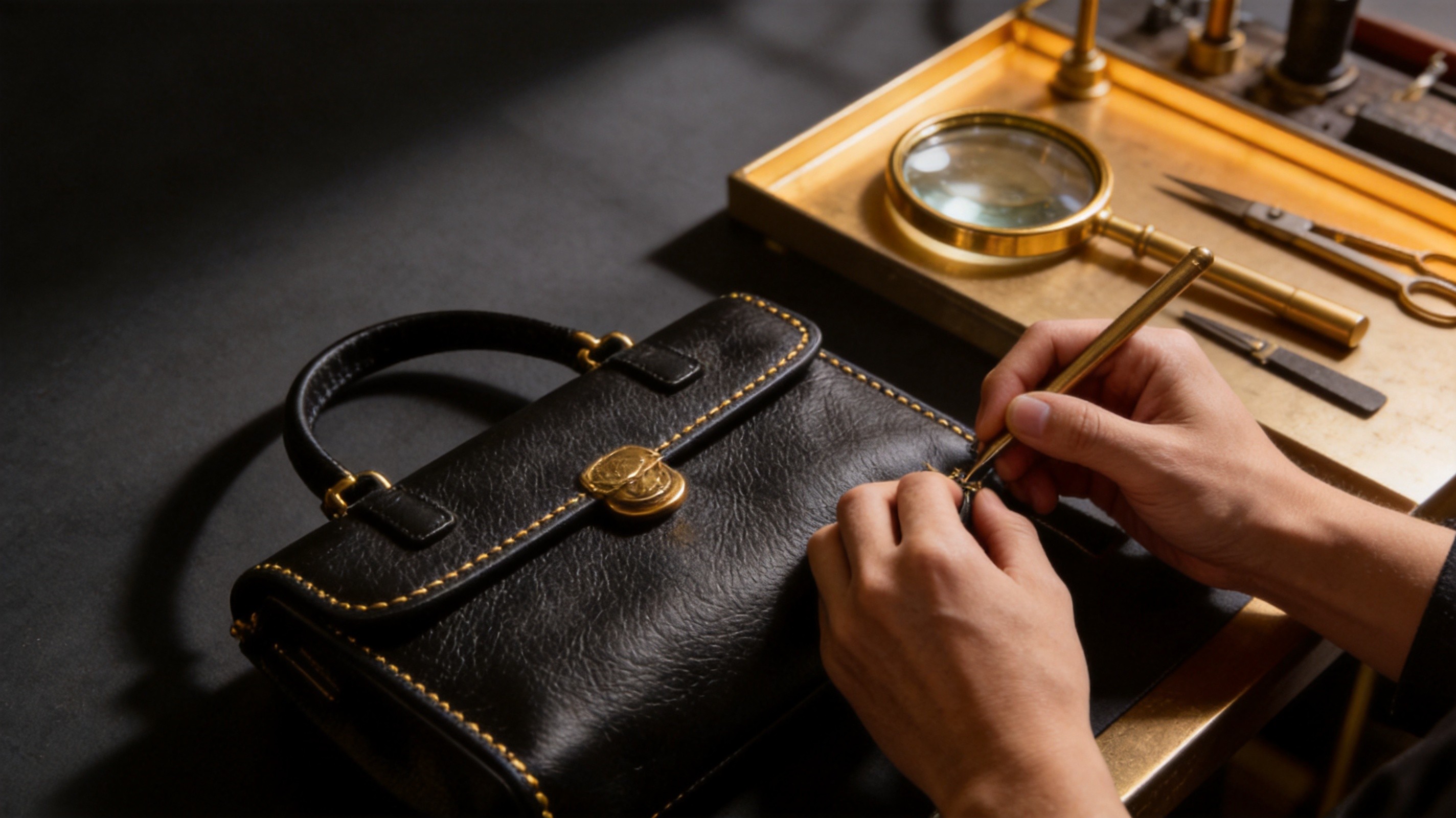
Choosing the right factory partner determines your product quality and brand reputation
| Factory Criterion | Why It Matters | How to Verify |
|---|---|---|
| Sample quality | Reveals true production capability | Evaluate 2-3 sample rounds |
| MOQ flexibility | Matches your launch budget | Confirm 200 pcs or less per style |
| Communication speed | Affects timeline and problem-solving | Test response time during sampling |
| Customization capability | Enables brand differentiation | Review portfolio of custom work |
Sampling and Prototyping — Getting Your Design Right
Sampling is where your design concept becomes a physical product you can evaluate. Expect to go through 2 to 3 sampling rounds before approving for production. The first sample (proto sample) tests overall design and proportions. The second sample (fit sample) refines details. The third sample (pre-production sample) confirms everything is production-ready.
Provide your factory with comprehensive tech packs including: technical drawings with measurements, material specifications with swatch references, hardware details and finish requirements, color specifications with Pantone references, stitching and construction notes, branding placement (labels, logos, hardware engraving), and packaging requirements. Our sampling guide covers this process in detail.
Pricing Strategy — Cost-Plus vs Value-Based for DTC
DTC pricing should reflect your brand positioning, not just your cost structure. While cost-plus pricing (cost times a fixed multiplier) provides a safety floor, value-based pricing (pricing based on perceived customer value) captures more margin and reinforces brand positioning.
| Pricing Approach | How It Works | Best For | Typical Multiplier |
|---|---|---|---|
| Cost-plus | Cost x multiplier = price | Safety net, early stage | 4x to 6x landed cost |
| Competitive | Price relative to competitors | Crowded markets | At, above, or below comp |
| Value-based | Based on perceived value | Differentiated brands | Whatever market bears |
| Penetration | Lower initial price for volume | Market entry strategy | Lower margin, higher volume |
For DTC handbag brands, the sweet spot is $80 to $180 for most markets. This range allows for quality materials and construction while remaining accessible to your target customer. Ensure your pricing covers: landed cost, packaging, shipping to customer, marketing cost per acquisition, platform fees (Shopify), returns buffer, and target profit margin of 40 to 60 percent gross margin.
Building Your Shopify Store
Shopify is the leading platform for DTC handbag brands, offering beautiful themes, robust e-commerce functionality, and extensive app integrations. Your store is your digital flagship and should reflect your brand's aesthetic at every scroll position.
Key elements for your handbag Shopify store include: a hero section with compelling brand imagery and clear value proposition, product pages with high-quality photography from multiple angles, detailed size and material information, customer reviews integration, a streamlined checkout process, mobile-responsive design (over 70% of fashion e-commerce traffic comes from mobile), and fast page load speeds under 3 seconds. Our guide on building on Shopify covers platform-specific details.
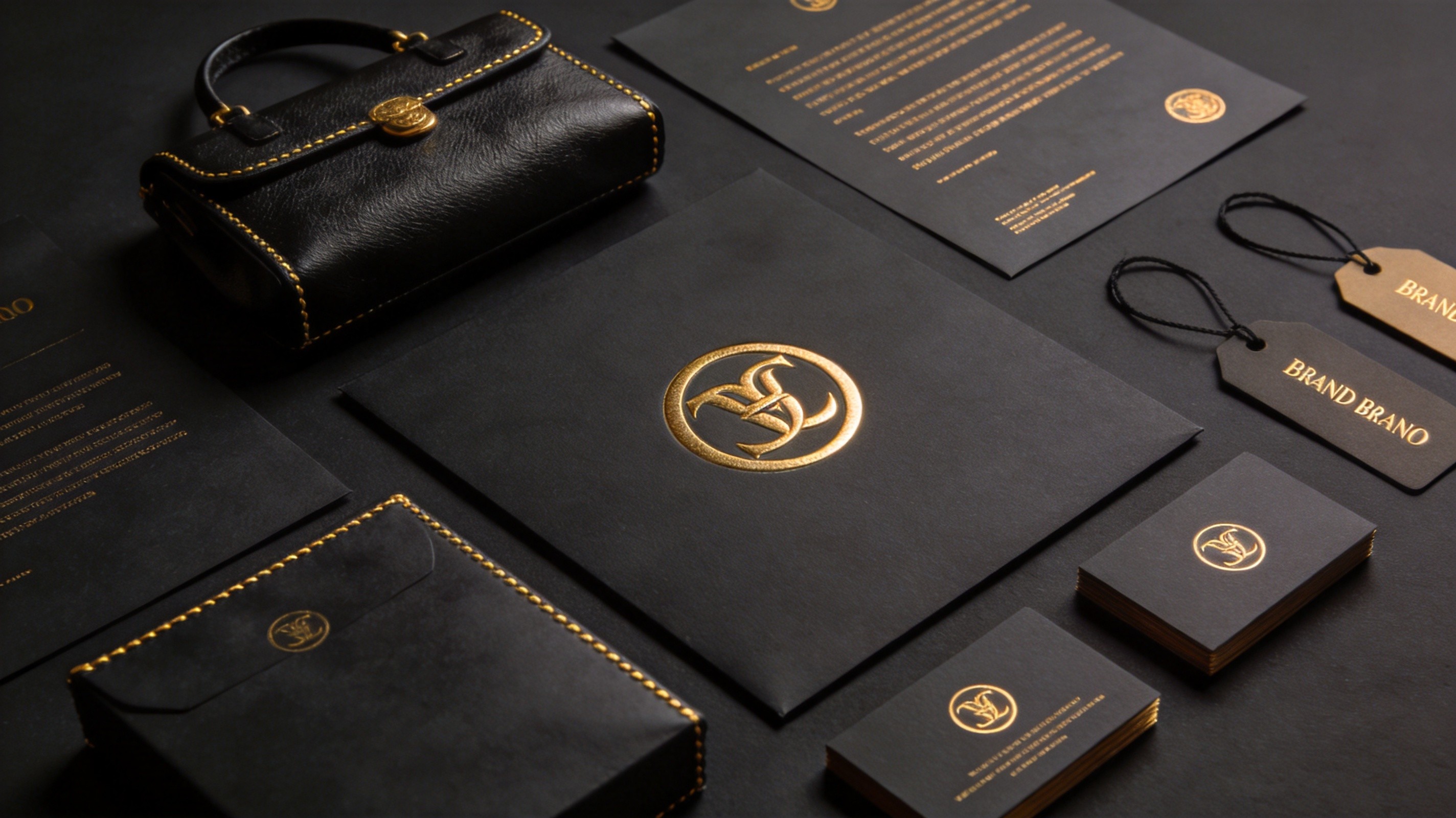
Your Shopify store should reflect your brand aesthetic and make purchasing effortless
Product Photography and Content Creation
For DTC handbag brands, photography is your most important marketing asset. Customers rely entirely on images to evaluate products they cannot touch. Invest in professional photography that includes: white background product shots for your catalog, lifestyle photography showing the bag in real-life contexts, detail close-ups of materials and construction, model shots showing scale and carrying style, and flat lay compositions with complementary accessories.
Create a library of content that serves multiple purposes: website product pages, social media posts, email marketing, advertising campaigns, and PR outreach. A single professional photography session can generate months of content across channels. See our photography guide for detailed recommendations.
Pre-Launch Marketing — Building Anticipation
The 30 to 60 days before your official launch are crucial for building an audience ready to purchase on day one. Pre-launch marketing creates anticipation, validates demand, and builds your email list with potential buyers.
Pre-Launch Activities
- Create a landing page collecting email signups with a launch discount incentive
- Share behind-the-scenes content on Instagram showing the design and production process
- Post product teasers and countdown content building toward launch day
- Engage with your target community in Facebook groups, Reddit, and fashion forums
- Send products to micro-influencers before launch so they can post on launch day
- Build anticipation with email subscribers through exclusive early access offers
Launch Strategy — First 90 Days Playbook
Your first 90 days set the trajectory for your brand. Focus on generating sales momentum, collecting reviews, and building organic visibility. The launch playbook includes: launch day email blast to your subscriber list, coordinated social media posts across all platforms, influencer posts going live simultaneously, limited-time launch discount to drive urgency, and daily content posting for the first 30 days.
Track key metrics from day one: website traffic, conversion rate, average order value, email open rates, social media engagement, and customer acquisition cost by channel. Use this data to double down on what works and quickly adjust what does not. Aim to generate at least 50 customer reviews within the first 90 days through follow-up emails and exceptional product experience.
A coordinated launch strategy maximizes first-day momentum and early reviews
Fulfillment and Shipping for DTC Orders
DTC fulfillment options range from self-fulfillment (packing and shipping orders yourself) to third-party logistics (3PL) providers. In the early stages, self-fulfillment offers the best control over packaging quality and unboxing experience. As order volume grows beyond 30 orders per day, transitioning to a 3PL becomes more efficient.
Shipping strategy for DTC handbags: offer free shipping above a threshold (typically $75 to $100) to increase average order value, use branded packaging that reinforces brand identity, include tracking information via email, and set clear delivery expectations. Factor shipping costs into your pricing model to maintain healthy margins while offering competitive delivery terms.
Customer Experience — Unboxing and Post-Purchase
The unboxing experience is your first physical touchpoint with customers and a powerful opportunity to create lasting impressions. A memorable unboxing generates social media shares, positive reviews, and word-of-mouth referrals. Design your packaging to create a moment of delight when customers open their order.
Include branded elements in every shipment: a thank you card with a personal touch, care instructions for the handbag, a branded dust bag, tissue paper with your logo, and a small surprise element like a sticker or sample of your next product. Post-purchase email sequences should check in after delivery, request feedback, encourage reviews, and introduce complementary products for future purchases.
Scaling Beyond the Launch — Growth Strategies
After validating your initial concept through sales and reviews, scaling involves expanding your product range, increasing marketing investment, and exploring new channels. Add new colors and sizes of proven styles before developing entirely new designs. Introduce complementary product categories like wallets, crossbody bags, or accessories that share your brand aesthetic.
Multi-channel expansion to platforms like Amazon can significantly increase revenue once your brand identity is established. Explore wholesale partnerships with select boutiques that align with your brand positioning. Invest in paid advertising (Facebook, Instagram, Google) once you understand your customer acquisition economics. Our factory with 30,000 sqm and 300+ workers scales seamlessly as your brand grows from initial launch to high-volume production. Contact us on WhatsApp at +86 17750020688 or email service@junyuanbags.com to start your brand journey.
Ready to Launch Your Handbag Brand?
From sampling to production, we support emerging DTC brands with 200-piece MOQ, custom design, private labeling, and quality that earns 5-star reviews.
WhatsApp: +86 17750020688 | Email: service@junyuanbags.com
MOQ: 200 pcs/style | Factory: 30,000 sqm, Quanzhou, China
Frequently Asked Questions
How much capital do I need to launch a DTC handbag brand?
Typically $5,000 to $15,000 covering sampling ($300-600), first production order ($2,000-5,000), branding ($500-1,500), photography ($500-1,500), Shopify setup ($300-500), and initial marketing ($1,000-3,000).
What is the most important factor when choosing a handbag brand niche?
Identifying a specific customer need that is underserved in the market. Combine a defined target customer, clear aesthetic differentiation, accessible price points, and sufficient market size.
How long does it take from concept to first sale?
Expect 4 to 6 months including market research (2-4 weeks), factory sourcing and sampling (4-6 weeks), branding (2-3 weeks), photography (2-3 weeks), store setup (2-4 weeks), and launch.
Should I start on Shopify or Amazon?
For building a long-term brand, Shopify is superior. It gives you complete brand control, customer data ownership, and better margins. Amazon offers faster customer acquisition but limits brand building.
What marketing strategies work best for a new handbag brand on a budget?
Focus on Instagram organic content, micro-influencer gifting, email list building through pre-launch landing pages, Pinterest content, and community engagement. These cost time rather than advertising dollars.
Limitations and Scope of This Guide
This guide covers launching a direct-to-consumer handbag brand from scratch, including business planning, product development, e-commerce setup, and marketing. It is based on our experience as a handbag manufacturer in Quanzhou, China, serving brands worldwide since 2004. Key limitations to keep in mind:
- DTC launch strategies are based on the current e-commerce landscape (2026). Platform algorithms, advertising costs, and consumer behaviors evolve continuously.
- Budget estimates assume a lean launch with 3-5 styles. Fully funded launches with larger collections, physical retail, or influencer partnerships require more capital.
- This guide covers the US/English-language DTC market. Launching in non-English markets (China, Japan, Middle East) requires localized strategies.
For advice tailored to your specific situation, contact our team directly.