Table of Contents
- Why China Remains the World's Handbag Manufacturing Hub
- Types of Chinese Handbag Factories: Choosing the Right Partner
- Finding Verified Handbag Manufacturers in China
- Trade Shows vs Online Platforms vs Direct Outreach
- Factory Qualification: What to Check Before Ordering
- Requesting Samples: Process, Cost, and Timeline
- Understanding Chinese Factory MOQs and Pricing Tiers
- Negotiating Bulk Order Terms Successfully
- Quality Standards and Inspection Protocols
- Communication Best Practices with Chinese Suppliers
- Payment Terms and Financial Protection
- Shipping Options: Air vs Sea vs Express for Bulk Orders
- Import Duties, Tariffs, and Customs Clearance
- Building Long-Term Factory Relationships
- Common Pitfalls and How to Avoid Them
- FAQ — Sourcing Handbags from China
China produces approximately 70 percent of the world's handbags, and for good reason. The country offers an unmatched combination of manufacturing expertise, supply chain depth, cost efficiency, and scale that no other manufacturing hub can replicate for handbag production. For boutique owners, brand owners, and wholesale distributors, sourcing handbags from Chinese factories offers the best path to competitive pricing, full customization, and reliable quality at scale.
This comprehensive guide walks through every step of the sourcing process, from finding and verifying factories to negotiating terms, managing quality control, arranging shipping, and navigating customs. Whether you are a first-time importer or an experienced buyer looking to optimize your existing sourcing, these frameworks will help you build a reliable, profitable supply chain from China. Our manufacturing services at Junyuan Bags exemplify the quality and professionalism available from established Chinese factories.
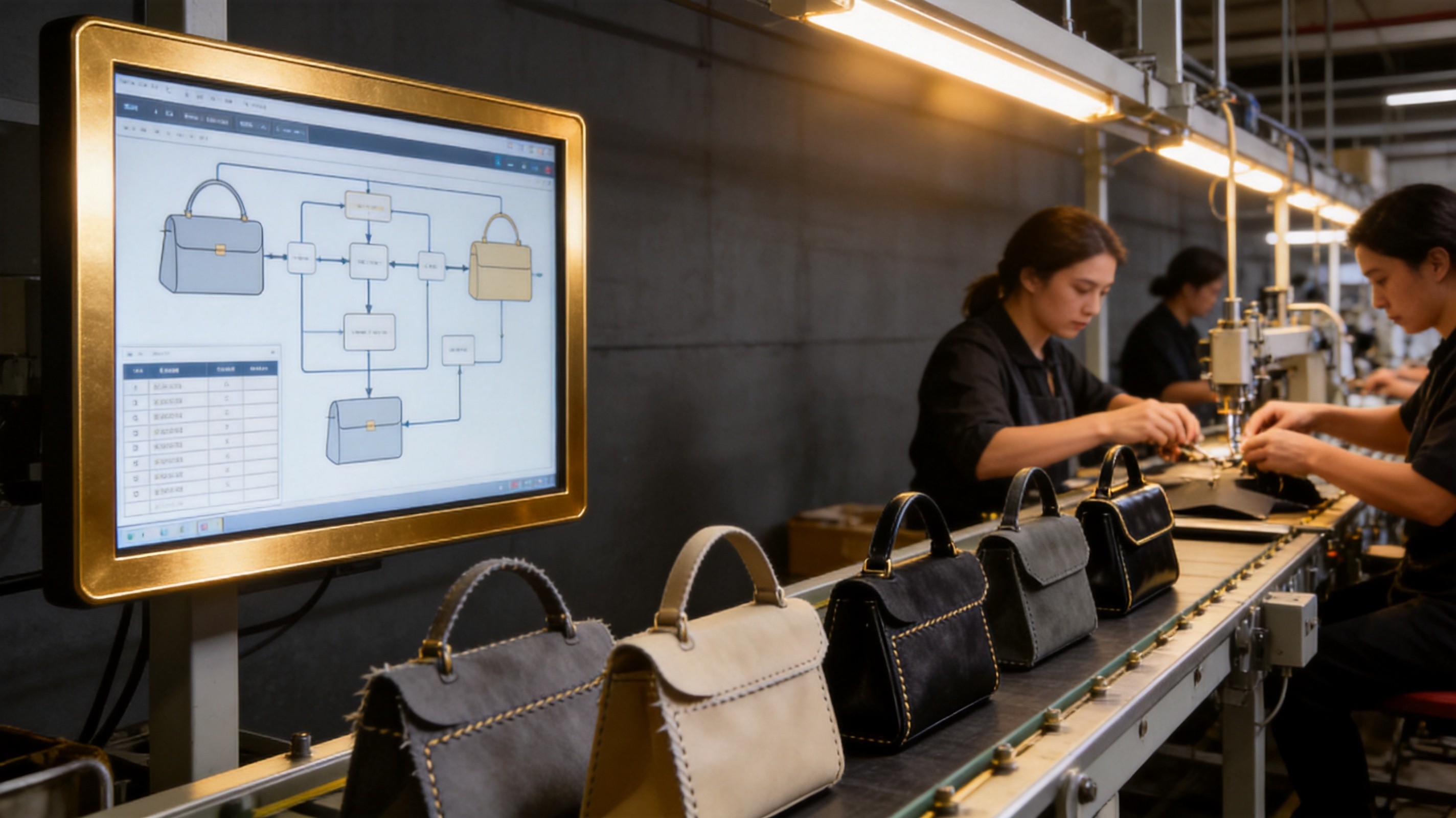
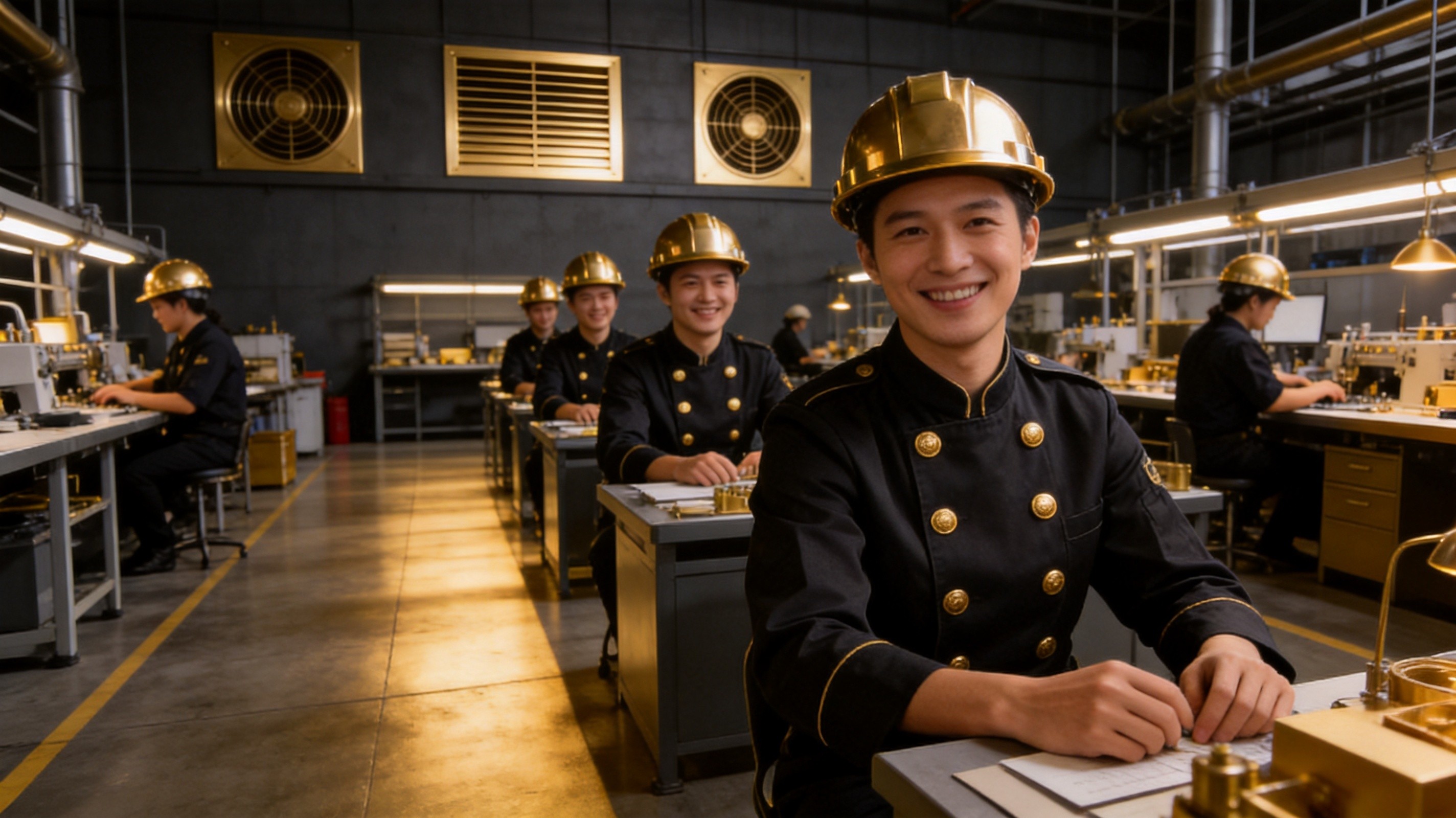
China's handbag manufacturing infrastructure offers unmatched scale, expertise, and supply chain depth
Why China Remains the World's Handbag Manufacturing Hub
Despite rising labor costs and geopolitical considerations, China maintains its dominance in handbag manufacturing through advantages that extend far beyond cost. The country's manufacturing ecosystem includes deep supply chains for materials, components, and hardware; decades of accumulated craftsmanship in leather working and bag construction; infrastructure optimized for export manufacturing; and a workforce trained in the specific skills required for quality handbag production.
The key manufacturing clusters for handbags in China include Quanzhou and Xiamen in Fujian province (known for bags, luggage, and sports products), Guangzhou in Guangdong province (known for leather goods and fashion accessories), Baigangling in Hunan province (emerging hub for leather bags), and Wenzhou in Zhejiang province (known for leather shoes and bags). Each cluster has developed specialized expertise and supply chain networks over decades, creating efficiency advantages that are difficult to replicate elsewhere.
For buyers, the practical implications are significant: faster sampling turnaround, more material and hardware options, competitive pricing at scale, and access to manufacturing partners with deep experience serving international brands. The Junyuan Bags factory in Quanzhou, with 20+ years of experience, a 30,000 square meter facility, and 300+ workers, exemplifies the quality and capability available from established Chinese manufacturers.
Types of Chinese Handbag Factories: Choosing the Right Partner
Chinese handbag factories vary significantly in size, capability, specialization, and target market. Understanding these differences helps you identify the right type of factory for your specific needs and budget.
| Factory Type | Size | MOQ | Best For | Pricing |
|---|---|---|---|---|
| Large Export Factory | 500+ workers | 300-500 pcs/style | Major brands, high volume | Lowest at scale |
| Mid-Size Specialist | 100-500 workers | 200-300 pcs/style | Private label, boutique brands | Competitive |
| Small Workshop | Under 100 workers | 50-100 pcs/style | Startups, very small orders | Higher per unit |
| Trading Company | No factory | Varies | Product sourcing, variety | 15-30% markup |
For most boutique owners and emerging brands, mid-size specialist factories offer the best combination of capability, flexibility, and pricing. These factories have sufficient infrastructure for consistent quality and reasonable MOQs while maintaining the flexibility to work on custom designs and smaller orders. Large export factories typically focus on major brand accounts with very high volume requirements. Small workshops may offer lower MOQs but often lack the quality control infrastructure and capacity for reliable bulk production.
Finding Verified Handbag Manufacturers in China
Finding legitimate, capable factories requires systematic research across multiple channels. Relying on a single source exposes you to risk. Cross-reference information from at least three channels before committing to a factory relationship.
Primary sourcing channels include online B2B platforms (Alibaba, Global Sources, Made-in-China), industry trade shows (Canton Fair, Hong Kong Fashion Week, LASSEM), direct outreach through industry networks, sourcing agents based in China, and referrals from other buyers in your network. Each channel has advantages and limitations. Online platforms provide breadth but require careful verification. Trade shows allow face-to-face meetings and physical product inspection. Referrals from trusted contacts reduce risk significantly. For additional sourcing guidance, see our article on ensuring quality across bulk orders.
Trade Shows vs Online Platforms vs Direct Outreach
Each sourcing channel offers distinct advantages depending on your experience level, budget, and timeline. Understanding the strengths of each channel helps you allocate your sourcing effort effectively.
- Online B2B Platforms: Broadest selection, convenient, price comparison possible. Requires careful verification. Best for initial research and supplier identification.
- Trade Shows: Physical product inspection, face-to-face relationship building, immediate sample requests. Higher cost to attend. Best for serious buyers ready to commit.
- Direct Outreach: Targeted approach to known factories, personalized communication. Requires research to identify targets. Best for buyers with specific factory requirements.
- Sourcing Agents: Local expertise, factory verification, on-the-ground support. Commission-based (3-8% of order value). Best for first-time importers or complex requirements.

Trade shows provide the opportunity to evaluate products and build relationships face-to-face
Factory Qualification: What to Check Before Ordering
Thorough factory qualification prevents costly mistakes and ensures you partner with a manufacturer capable of meeting your quality, timeline, and communication requirements. A systematic qualification process should cover legal, operational, quality, and commercial dimensions.
| Qualification Area | What to Verify | How to Verify | Red Flags |
|---|---|---|---|
| Business License | Registration, scope, validity | Government database check | Mismatched scope, expired license |
| Factory Audit | Actual facilities, capacity | Video tour or site visit | Trading company posing as factory |
| Quality Systems | ISO, BSCI certifications | Certificate verification | Fake or expired certificates |
| Client References | Track record with similar buyers | Direct reference calls | Unable to provide references |
| Financial Stability | Payment reliability, longevity | Years in business, credit check | New company, no track record |
| Export Experience | Understanding of import requirements | Export license, past shipments | No export history |
Requesting Samples: Process, Cost, and Timeline
The sampling process is your most critical quality checkpoint before committing to bulk production. It tests the factory's ability to interpret your requirements, work with your specified materials, and deliver consistent quality. Never skip sampling, even for seemingly simple orders.
Sample costs typically range from $50 to $200 per style, depending on complexity and whether new tooling is required. This cost is usually credited against your first bulk order. Sample timelines range from 7 to 15 days for existing styles with custom branding, and 15 to 25 days for fully custom designs. Expect to go through one to two sample revision rounds before achieving final approval. Each revision round adds 7 to 15 days to the timeline.
When evaluating samples, check stitching consistency and density, material quality and color accuracy, hardware function and finish, interior construction and lining quality, overall proportions and symmetry, edge painting and finishing, and zipper and closure function. Compare the sample against your tech pack specifications line by line. Document any deviations with photos and written notes.
Understanding Chinese Factory MOQs and Pricing Tiers
MOQ and pricing structures in Chinese handbag factories follow predictable patterns based on order volume, customization level, and material selection. Understanding these patterns helps you plan budgets and negotiate effectively.
| Order Volume (per style) | Typical Unit Price Range | Price Reduction vs Base | Notes |
|---|---|---|---|
| 100-199 pieces | $18 - $35 | Base pricing | Higher per-unit cost, limited customization |
| 200-499 pieces | $15 - $28 | 10-15% reduction | Standard MOQ, full customization available |
| 500-999 pieces | $12 - $22 | 20-30% reduction | Significant volume discount |
| 1,000+ pieces | $10 - $18 | 30-40% reduction | Best pricing, priority production |
The 200-piece MOQ used by factories like Junyuan Bags represents the sweet spot for most boutique and emerging brand buyers. It provides access to full customization, competitive pricing, and reasonable inventory commitment. As your business grows, increasing order volumes to 500+ pieces per style unlocks additional pricing advantages. For a comprehensive guide to negotiation, see our article on price negotiation strategies for wholesale buyers.
Negotiating Bulk Order Terms Successfully
Effective negotiation with Chinese factories involves more than pushing for the lowest unit price. The best outcomes come from building mutual value through volume commitments, long-term relationships, and fair dealing. Factories reward customers who provide predictability and growth potential with better pricing, priority production slots, and flexibility on terms.
Key negotiation points include unit price with volume tiers, payment terms (aim for 30/70 rather than full upfront), sample cost credits against bulk orders, shipping cost sharing or FOB pricing, exclusivity agreements for your designs, production lead time guarantees, and quality dispute resolution procedures. Always negotiate in a spirit of partnership rather than adversarial price extraction. Factories that feel squeezed on every order will not prioritize your production or invest in your success.
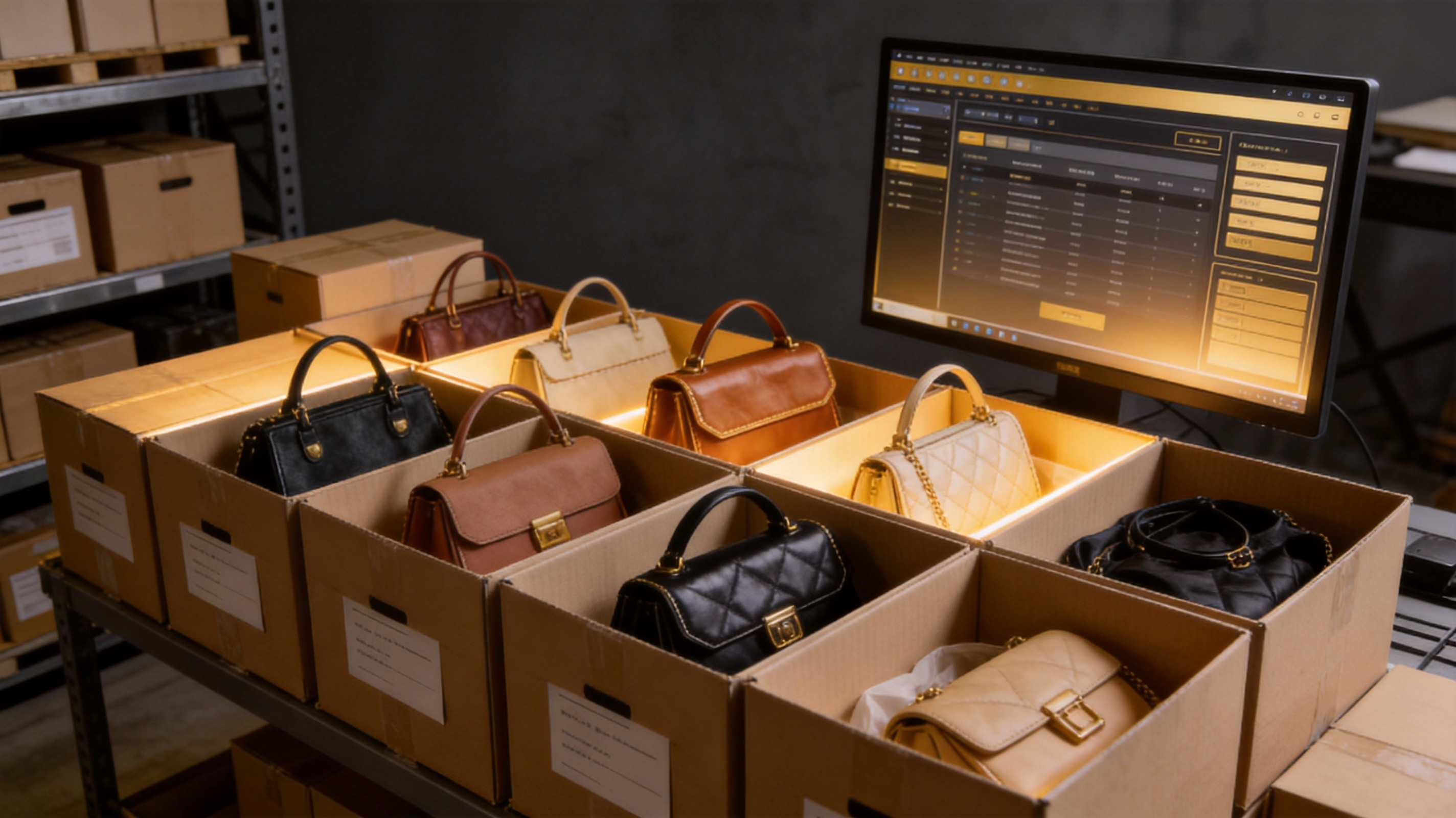
Rigorous quality inspection at multiple production stages prevents defects from reaching your warehouse
Quality Standards and Inspection Protocols
Quality control is the single most important factor in building a profitable handbag sourcing operation from China. Products that arrive with defects create returns, damage your reputation, and destroy margins. Implementing systematic quality control at multiple stages prevents problems before they become expensive.
A three-stage quality control protocol provides comprehensive coverage: pre-production inspection (verifying materials, colors, and construction setup before bulk production begins), in-line inspection (checking quality at 20-30% production completion when corrections are still possible), and final random inspection (using AQL 2.5 standards when production is complete and at least 80 percent packed). Third-party inspection services like SGS, Bureau Veritas, or QIMA provide independent verification for $200 to $350 per inspection day.
Communication Best Practices with Chinese Suppliers
Clear, consistent communication prevents the majority of sourcing problems. Language barriers, cultural differences, and time zone challenges create friction that can be managed with systematic approaches to communication.
- Use WeChat: The primary business communication tool in China. Faster than email for day-to-day communication
- Be specific: Use measurements, Pantone colors, and reference photos rather than vague descriptions
- Confirm understanding: Ask factories to repeat your requirements back in their own words
- Document everything: Follow verbal conversations with written summaries confirming agreements
- Respect hierarchy: Decision-making may involve multiple factory stakeholders; be patient with the process
- Build relationships: Visit factories when possible, send holiday greetings, and show appreciation for good work
Payment Terms and Financial Protection
Payment terms and methods represent the primary financial risk in international sourcing. Structuring payments appropriately protects your capital while maintaining a fair relationship with your factory.
Standard payment terms for production orders are 30 percent deposit upon order confirmation and 70 percent balance before shipment or against copy of Bill of Lading. Never pay 100 percent upfront for production orders. Use trade assurance platforms like Alibaba Trade Assurance for initial orders to add a layer of buyer protection. For larger orders over $50,000, consider using a Letter of Credit. Always use traceable wire transfers (T/T) rather than cash or untraceable methods. Keep detailed records of all payments with invoices, receipts, and transfer confirmations.
Shipping Options: Air vs Sea vs Express for Bulk Orders
Choosing the right shipping method balances cost, speed, and order value. For bulk handbag orders, the shipping method significantly impacts your total landed cost and delivery timeline.
| Shipping Method | Transit Time | Cost per KG | Best For | Min Weight |
|---|---|---|---|---|
| Express Courier | 5-8 business days | $5-$12 | Samples, urgent small orders | 0.5 kg |
| Air Freight | 7-12 business days | $4-$8 | Medium urgent orders, high value | 45 kg |
| Sea Freight (LCL) | 25-40 business days | $1-$3 | Medium orders, cost-conscious | 1 CBM |
| Sea Freight (FCL) | 25-40 business days | $0.50-$1.50 | Large full-container orders | 1x 20ft container |
For handbag bulk orders, ocean freight (FCL for large orders, LCL for medium orders) is typically the most cost-effective option. A 20-foot container can hold approximately 3,000 to 5,000 handbags depending on size and packing method. The cost per bag for ocean freight typically ranges from $0.30 to $1.00, compared to $3.00 to $8.00 per bag for air freight. Plan your ordering timeline to accommodate the longer transit time of ocean shipping.
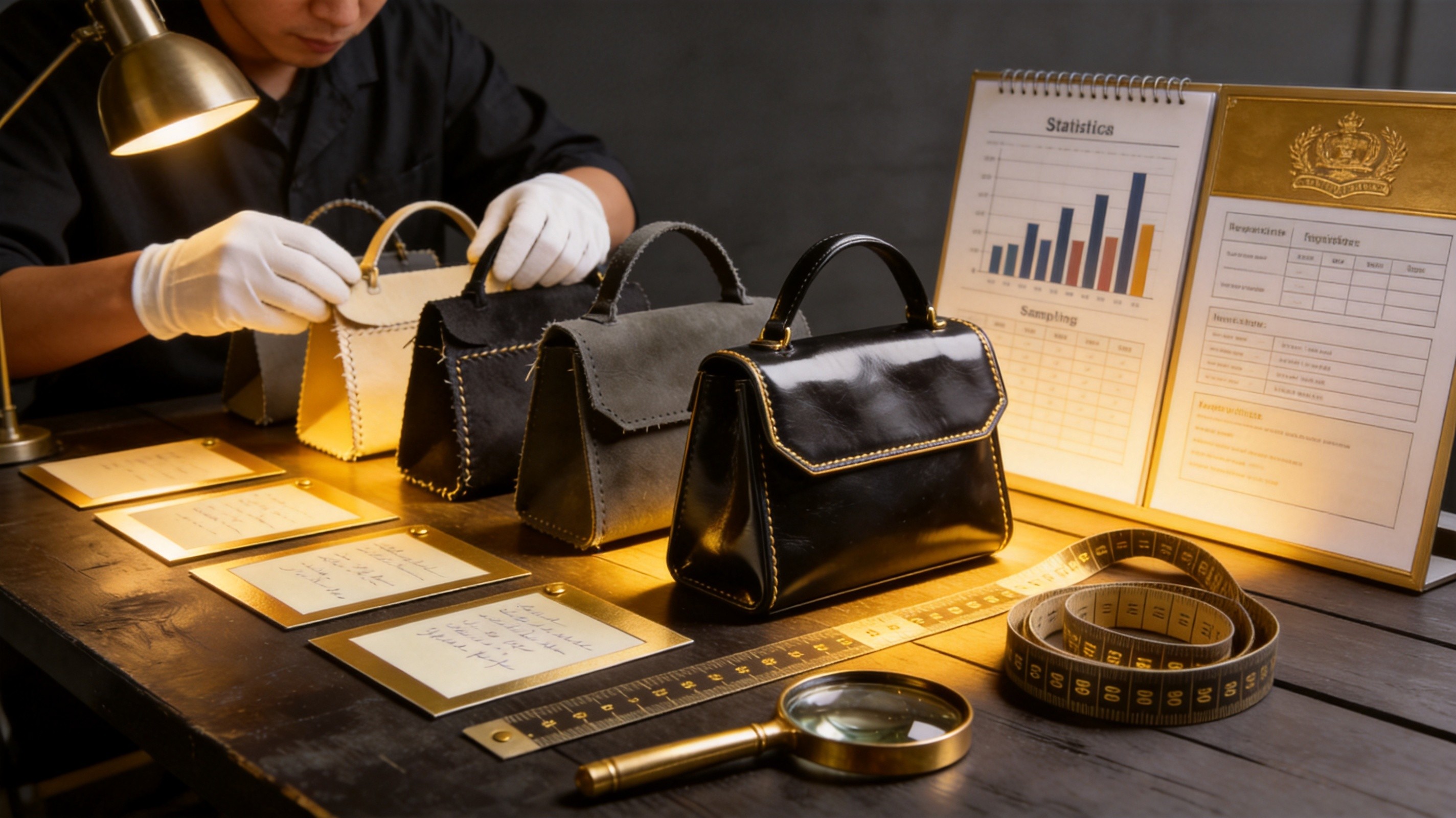
Proper import documentation ensures smooth customs clearance and accurate duty calculation
Import Duties, Tariffs, and Customs Clearance
Understanding import duties and customs requirements is essential for calculating true landed cost. Handbag import duties vary by material composition, country of origin, and destination country regulations. Failing to account for these costs leads to budget overruns and margin erosion.
In the United States, handbag import duties typically range from 5 to 20 percent of the declared value, depending on the material (leather bags generally face higher rates than textile bags). Additional considerations include the Merchandise Processing Fee (0.3464 percent), Harbor Maintenance Fee (0.125 percent for ocean shipments), and any applicable anti-dumping duties or Section 301 tariffs. Work with a licensed customs broker to ensure proper classification, duty calculation, and compliance with all import regulations. Factor all duties and fees into your landed cost calculation before setting retail prices.
Proper shipping planning ensures your inventory arrives on time and within budget
Building Long-Term Factory Relationships
The most successful importers view their factory relationships as strategic partnerships rather than transactional vendor arrangements. Long-term relationships generate pricing advantages, priority treatment, better communication, and collaborative product development that improves your products continuously.
Build long-term relationships through consistent ordering, fair dealing, prompt payment, regular factory visits, transparent communication about your business plans and growth trajectory, and genuine interest in the factory's success. Share feedback on product quality and customer response. Invite factory representatives to visit your store or attend your trade show booth. These investments in relationship capital pay dividends through better pricing, faster turnaround, and willingness to go the extra mile when you need flexibility. Contact Junyuan Bags to start building your factory partnership via WhatsApp at +86 17750020688 or service@junyuanbags.com.
Common Pitfalls and How to Avoid Them
First-time importers from China commonly encounter predictable challenges. Awareness of these pitfalls and proactive prevention strategies save significant time, money, and frustration.
- Insufficient sampling: Never approve bulk production without reviewing and approving production samples
- Unclear specifications: Vague requirements produce inconsistent results; invest in detailed tech packs
- Skipping quality inspections: Third-party inspection costs ($200-350) are trivial compared to receiving defective inventory
- Unrealistic timelines: Add buffer time to all factory estimates; production delays are common
- Ignoring landed cost: Calculate total cost including duties, shipping, and inspection, not just factory price
- Paying 100% upfront: Use standard 30/70 terms; never send full payment before production is complete
- Working with unverified factories: Always verify business licenses, visit or video tour factories, and check references
Thorough sample review before bulk production prevents costly quality issues
Source Quality Handbags from an Established Chinese Factory
Junyuan Bags (Junyuan Trading) has been manufacturing quality handbags since 2004. Our 30,000 sqm factory in Quanzhou, China, with 300+ skilled workers, is ready to be your trusted manufacturing partner.
WhatsApp: +86 17750020688 | Email: service@junyuanbags.com
MOQ: 200 pcs/style | Experience: 20+ Years
Frequently Asked Questions
How do you verify a Chinese handbag factory is legitimate?
Verify through multiple channels: business license check via government databases, Alibaba verified supplier status, video factory tours, client reference calls, ISO/BSCI certification verification, and factory address confirmation. Legitimate factories like Junyuan Bags with 20+ years have extensive digital footprints and verified credentials.
What is the typical MOQ for bulk handbag orders?
Typical MOQs range from 100 to 500 pieces per style per color, with 200 pieces being the most common standard. Custom designs typically require 200-300 pieces, while catalog styles with custom branding may accept 100-piece minimums. The 200-piece MOQ provides the best balance of customization and pricing.
What payment terms are standard?
Standard terms are 30% deposit upon order confirmation with 70% balance before shipment or against Bill of Lading copy. Use Alibaba Trade Assurance for initial orders, and licensed customs brokers for proper duty calculation. Never pay 100% upfront to unverified suppliers.
How long does shipping take from China?
Express courier takes 5-8 days ($5-12/kg), air freight 7-12 days ($4-8/kg), and ocean freight 25-40 days ($1-3/kg). For bulk handbag orders, ocean freight is most cost-effective at $0.30-1.00 per bag. Add 5-10 days for customs clearance and domestic delivery.
What quality control measures should be used?
Implement three-stage QC: pre-production inspection for materials and setup, in-line inspection at 20-30% production completion, and final random inspection using AQL 2.5 standards. Use third-party inspectors (SGS, Bureau Veritas, QIMA) at $200-350 per day for independent verification.
Limitations and Scope of This Guide
This guide covers sourcing handbags in bulk from Chinese factories, covering supplier identification, qualification, ordering, and logistics management. It is based on our experience as a handbag manufacturer in Quanzhou, China, serving brands worldwide since 2004. Key limitations to keep in mind:
- Sourcing guidance is specific to China-based manufacturing. The principles apply broadly, but specific platforms, trade shows, and regional factors are China-focused.
- MOQ and pricing information reflects 2026 market conditions. These figures change with raw material costs, labor rates, and currency fluctuations.
- This guide covers the sourcing process from initial contact to delivery. Post-delivery activities (warehousing, distribution, returns) are covered in separate resources.
For advice tailored to your specific situation, contact our team directly.