Table of Contents
- Why Red Flag Awareness Matters
- Red Flag #1: Unverifiable Business Credentials
- Red Flag #2: Refusal to Provide Samples
- Red Flag #3: Suspiciously Low Pricing
- Red Flag #4: Poor Communication Patterns
- Red Flag #5: No Physical Factory Address
- Red Flag #6: Pressure Tactics and Urgency
- Red Flag #7: Inability to Handle Custom Specifications
- Red Flag Severity Comparison
- Due Diligence Checklist
- Real-World Scenarios: What Goes Wrong
- How to Protect Your Investment
- Green Flags: What Good Manufacturers Do
- Frequently Asked Questions
Choosing the wrong handbag OEM factory can cost your brand thousands of dollars in defective products, missed deadlines, and damaged reputation. After working with hundreds of brands over 20+ years in the industry, we have compiled the seven most critical warning signs that indicate you are dealing with the wrong manufacturing partner.
This guide goes beyond surface-level advice. Each red flag includes real-world scenarios, severity assessments, and specific actions you should take when you encounter these warning signs during your factory search.
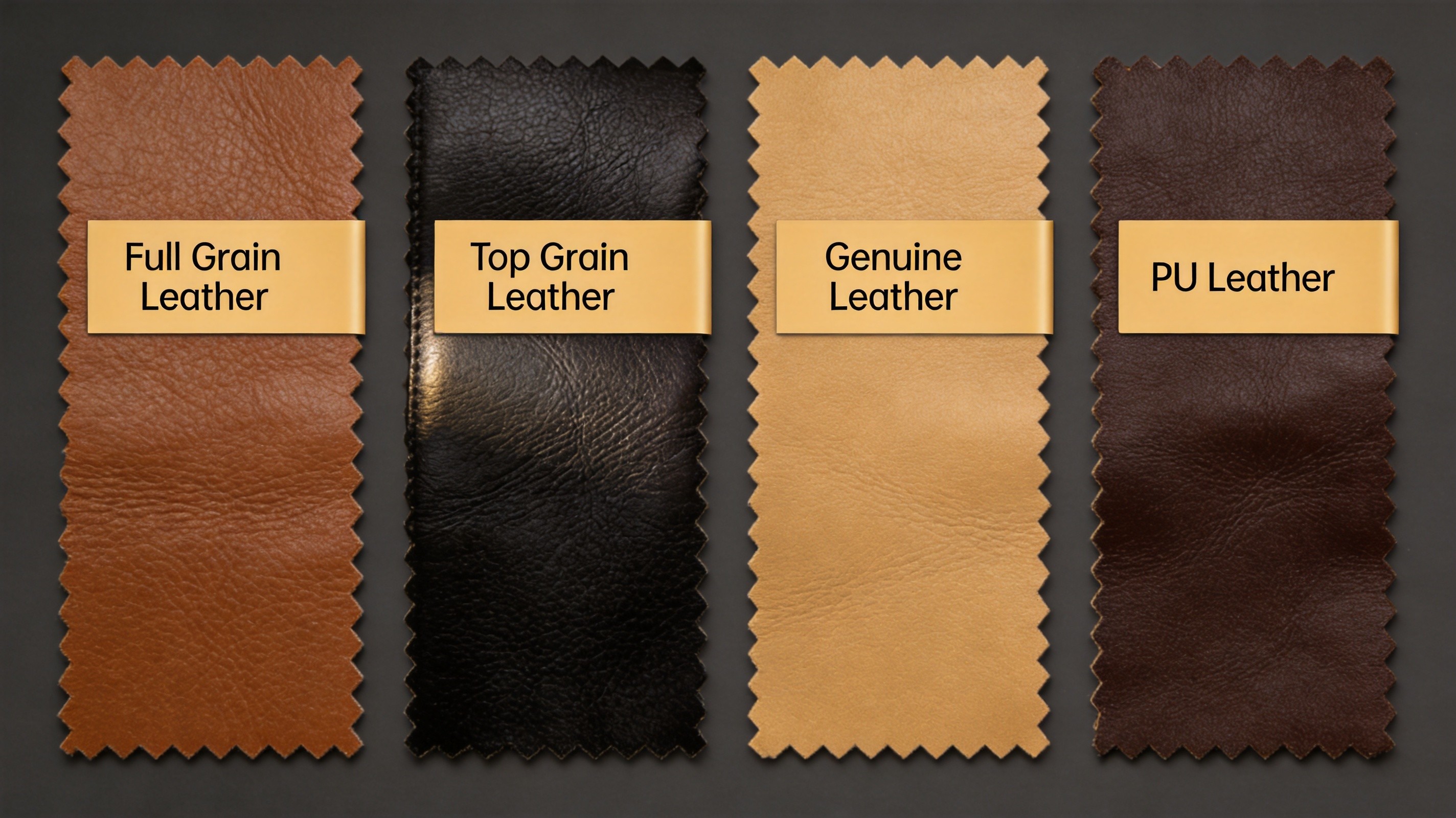
Recognizing warning signs early saves thousands in potential losses
1Red Flag #1: Unverifiable Business Credentials
A legitimate handbag manufacturer has nothing to hide. If a factory cannot or will not provide verifiable business credentials, you are either dealing with a trading company disguising itself as a manufacturer, or something worse entirely.
What to Request
- Chinese Business License (yingye zhizhao) — Verify through the National Enterprise Credit Information system. Check registered capital, establishment date, and business scope.
- International Certifications — BSCI, ISO 9001, REACH, CPSIA certificates should be verifiable through issuing organizations.
- Export License — Legitimate exporters hold their own import/export rights, documented through customs registration.
- Factory Audit Reports — Third-party audits from SGS, Bureau Veritas, or Intertek provide objective factory assessments.
Critical Warning
If a supplier says "we will send the certificate later" repeatedly, or provides certificates with blurred text, mismatched company names, or expired dates, disengage immediately. These are deliberate deception tactics designed to delay verification until after you have committed funds.
Verification Steps
Cross-reference the company name on their business license with the name on their certification documents. Even minor discrepancies — such as "Quanzhou XX Bags Co., Ltd." versus "Quanzhou XX Leather Products Co., Ltd." — indicate the certificates may belong to a different entity entirely.
2Red Flag #2: Refusal to Provide Samples
Sampling serves as the manufacturing equivalent of a test drive. Any factory confident in its production capability welcomes sampling requests. Refusal to provide samples — or creating excessive barriers to the sampling process — signals fundamental problems with production quality.
Common Excuses to Watch For
| Excuse Given | What It Actually Means | Your Response |
|---|---|---|
| "We only do samples for confirmed orders" | They cannot produce your design to standard | Walk away — legitimate factories always sample |
| "Sample takes 30+ days" | Production capacity is overloaded or disorganized | Acceptable only for highly complex designs; suspicious for simple styles |
| "Sample costs $500+ per piece" | Using sampling as profit center | Negotiate refund against first order; typical sample costs $50-200 |
| "We can only send our existing designs" | Limited custom manufacturing capability | Request both existing and custom samples to compare |
What Proper Sampling Looks Like
A professional factory provides clear sampling timelines (typically 7-15 days), transparent pricing ($50-200 per piece depending on complexity), refund policies against bulk orders, and regular progress updates with photos during the sampling process. At Purse Private Label, we treat every sample as a proof of concept for the production relationship.
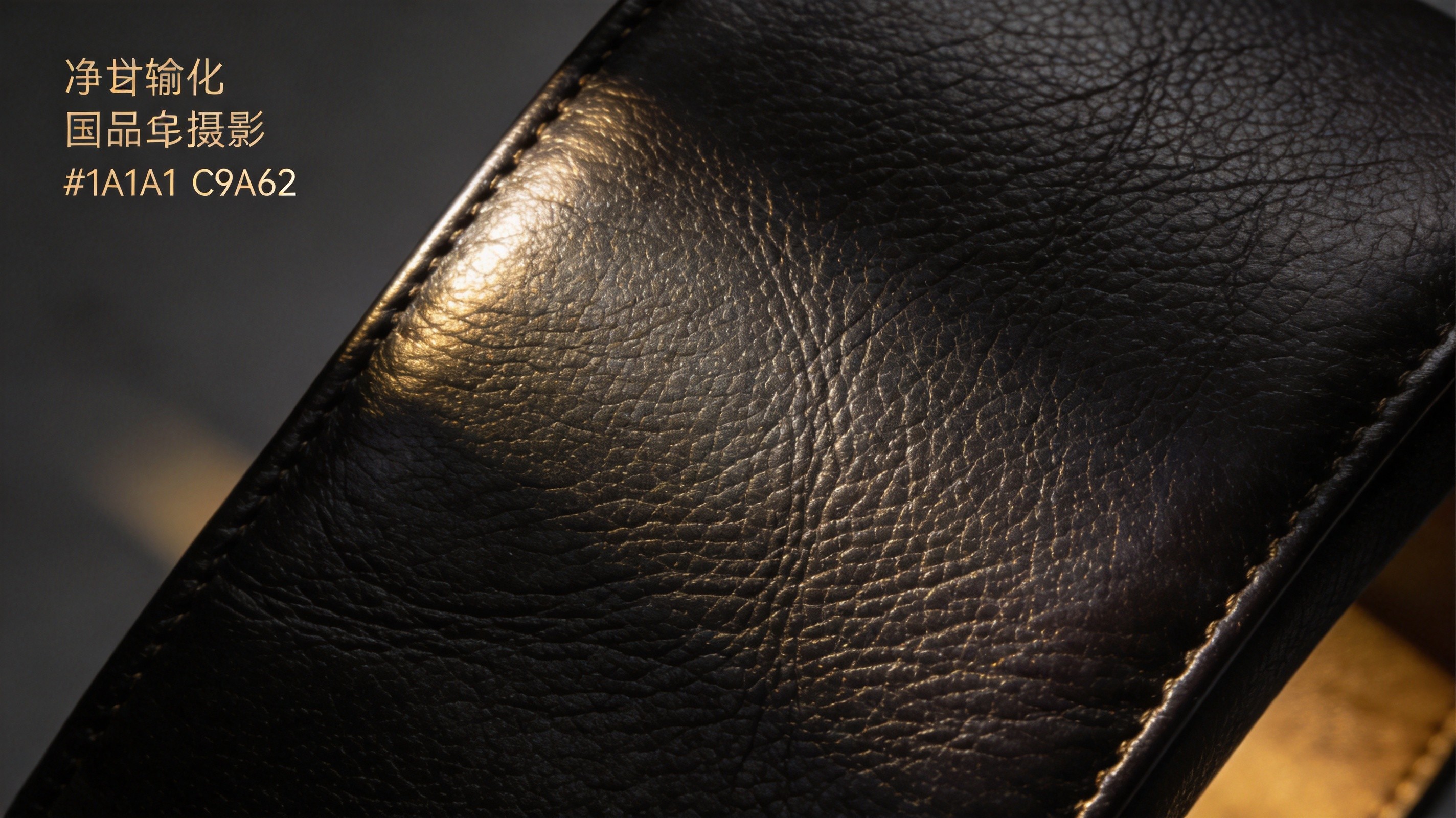
Always compare multiple samples side-by-side to assess consistency
3Red Flag #3: Suspiciously Low Pricing
Pricing that falls significantly below market rate is not a bargain — it is a warning sign. Manufacturing costs have a floor determined by material prices, labor rates, and overhead. Any quote below this floor means someone is cutting corners somewhere in the process.
How to Identify Unrealistic Quotes
Request quotes from at least five manufacturers for the same specifications. If the average quote clusters around $15-25 per unit for a mid-range PU handbag, and one factory quotes $8, the outlier quote likely involves inferior materials, reduced quality control, or planned specification substitution.
Where Factories Cut Corners
| Cost Area | Normal Practice | Cheap Factory Practice |
|---|---|---|
| Materials | Specified grade PU or genuine leather | Downgrade to lower grade without notice |
| Hardware | Zinc alloy or brass with proper finishing | Plastic or low-grade metal that tarnishes quickly |
| Stitching | 8-10 stitches per inch, consistent tension | 6 stitches per inch, uneven tension, loose threads |
| QC Inspection | Multi-point inspection with AQL standards | Minimal or skipped inspection entirely |
| Lining | Specified fabric with proper installation | Cheaper fabric, poor alignment, visible glue |
The True Cost of Cheap Manufacturing
Consider this calculation: a $10 saving per unit across 1,000 units equals $10,000 in apparent savings. But if 15% of units arrive with defects requiring returns, replacements, and customer service costs, the actual loss may exceed $20,000 — plus the immeasurable damage to your brand reputation. Always calculate total cost of ownership, not just unit price.
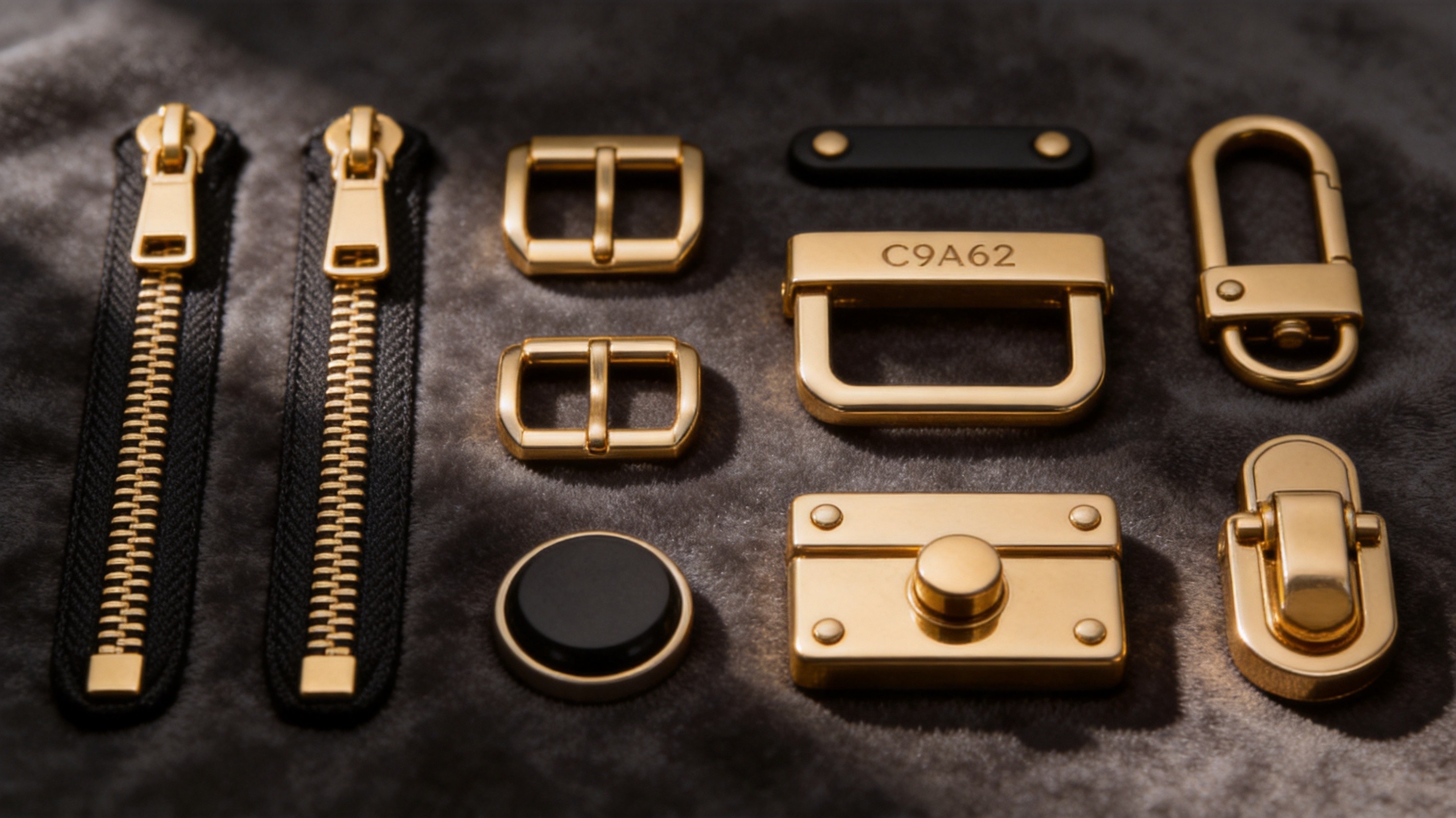
The price difference becomes obvious upon close inspection of materials and construction
4Red Flag #4: Poor Communication Patterns
Communication during the pre-order phase mirrors communication after the order is placed. If a factory is slow, vague, or evasive when trying to win your business, they will be even worse once they have your money.
Communication Warning Signs
- Response delays exceeding 72 hours without explanation or acknowledgment
- Template responses that ignore your specific questions or technical details
- Inconsistent information between different sales representatives from the same company
- Unwillingness to get on video calls to discuss your project face-to-face
- Over-promising on timelines and capabilities without asking clarifying questions
What Good Communication Looks Like
A reliable manufacturer responds within 24-48 hours, asks specific technical questions about your design, provides proactive suggestions for manufacturability improvements, assigns a dedicated contact person, and maintains consistent information across all communication channels. These patterns indicate an organized operation that takes client relationships seriously.
The 3-Question Test
Ask three technical questions about materials, construction methods, and finishing processes. A quality factory provides detailed, specific answers. A problematic factory gives vague responses like "we can do anything" or "don't worry about it." Technical competence reveals itself through the specificity of answers.
5Red Flag #5: No Physical Factory Address
Every legitimate manufacturer operates from a physical facility. If a company cannot provide a verifiable factory address, or if the address turns out to be a residential unit, shared office space, or nonexistent location, you are likely dealing with a middleman posing as a factory.
How to Verify Factory Addresses
- Google Maps satellite view — Check whether the address shows an industrial facility with appropriate size
- Street-level imagery — Google or Baidu Maps may show the actual building
- Video factory tour — Request a live video walkthrough; pre-recorded videos can be reused or borrowed
- Third-party verification — Services like QIMA or AsiaInspection can verify physical factory existence
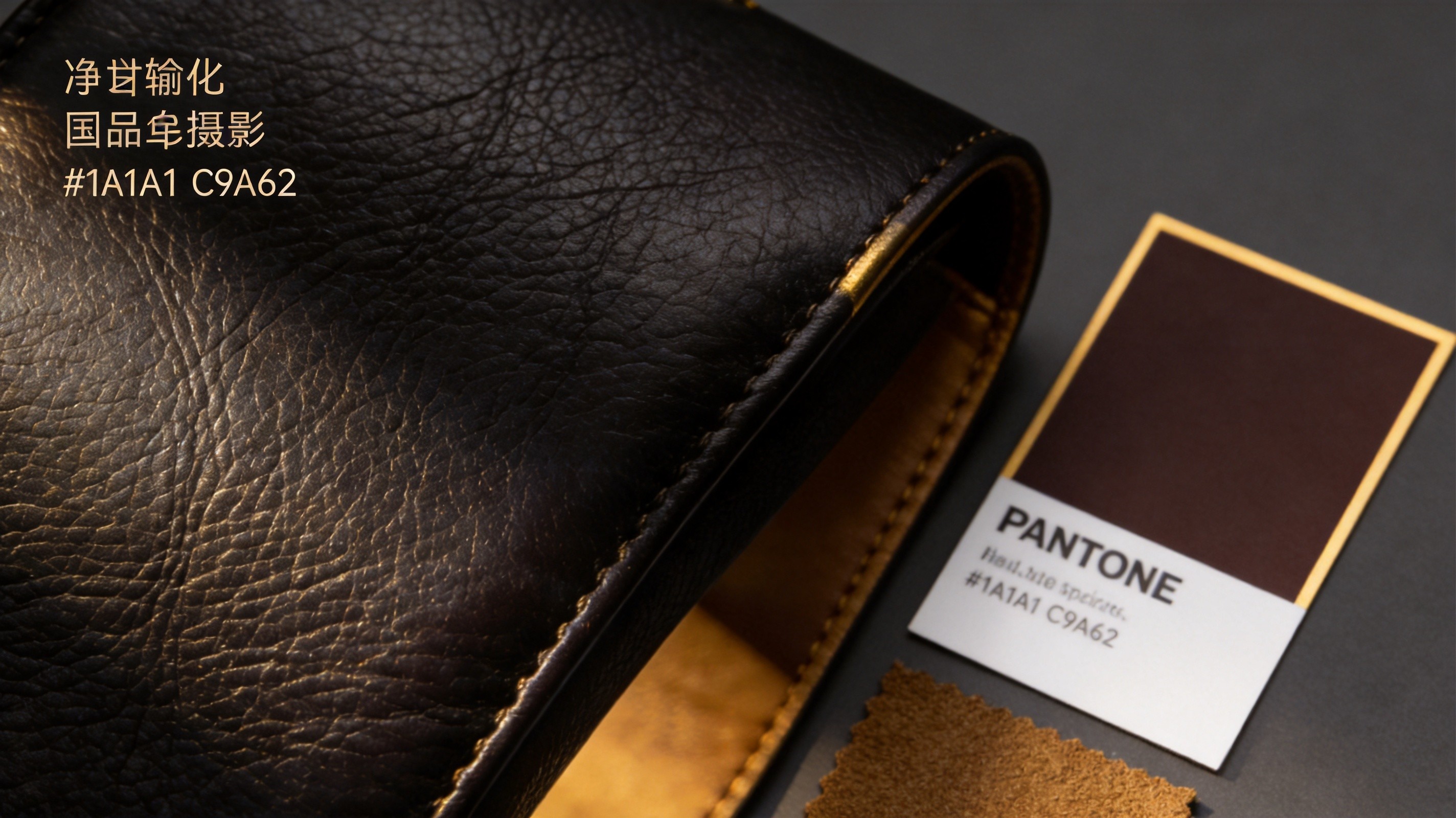
Legitimate factories welcome verification visits and video tours
6Red Flag #6: Pressure Tactics and Urgency
High-pressure sales tactics — "this price expires tomorrow," "we only have one production slot left," or "you must pay 100% now to secure your spot" — are designed to bypass your rational evaluation process. Legitimate manufacturers do not need to pressure buyers because their track record speaks for itself.
Common Pressure Tactics
| Pressure Tactic | Red Flag Level | Recommended Action |
|---|---|---|
| "Price valid only today" | HIGH | Walk away immediately — legitimate pricing holds |
| "100% payment upfront required" | HIGH | Negotiate standard 30% deposit, 70% before shipment |
| "Last available production slot" | MEDIUM | Verify with specific dates — real capacity constraints exist but are communicated professionally |
| "We don't need a contract" | HIGH | Immediate disengagement — contracts protect both parties |
| "Other clients are waiting for this design" | MEDIUM | Question how they can share other clients' designs — IP concern |
Professional Negotiation vs. Pressure
Professional manufacturers negotiate transparently. They explain cost structures, offer volume-based discounts with clear tiered pricing, and provide reasonable payment terms (typically 30% deposit, 70% upon completion or against bill of lading). They respect your need for due diligence and never rush your decision-making process.
7Red Flag #7: Inability to Handle Custom Specifications
The entire purpose of OEM manufacturing is producing goods to your exact specifications. A factory that struggles to understand, document, or execute custom requirements lacks the technical capability to serve your brand properly.
Technical Competence Indicators
Test the factory's technical depth by presenting detailed specifications including material requirements, hardware specifications, dimensional tolerances, stitching patterns, and finishing details. A capable factory responds with technical feedback, potential challenges, and suggestions for optimization. An incapable factory either agrees to everything without question or asks you to simplify your design to match their limited capabilities.
Customization Capability Assessment
- Can they source your specified materials, or do they insist on substitutions?
- Do they have in-house pattern-making and prototyping capabilities?
- Can they produce custom hardware to your designs?
- Do they understand and execute different construction methods (gusset types, edge finishing, reinforcement techniques)?
- Can they match Pantone colors accurately and consistently?
True OEM factories demonstrate technical flexibility and precision across custom specifications
Red Flag Severity Comparison
Not all red flags carry equal weight. Some indicate fundamental dishonesty, while others may reflect organizational weaknesses that could be managed. Use this severity framework to prioritize your concerns.
| Red Flag | Severity | Recoverable? | Recommended Action |
|---|---|---|---|
| Unverifiable Credentials | CRITICAL | No | Eliminate immediately — potential fraud |
| Sample Refusal | CRITICAL | No | Eliminate — indicates capability or honesty issues |
| Suspiciously Low Pricing | HIGH | Sometimes | Investigate root cause; if material substitution suspected, walk away |
| Poor Communication | HIGH | Sometimes | Test with specific technical requests; improve if responsive |
| No Physical Address | CRITICAL | No | Eliminate — likely not a real manufacturer |
| Pressure Tactics | CRITICAL | No | Eliminate — unethical business practices |
| Cannot Handle Custom Specs | MEDIUM | Depends | Reassess if your needs match their standard capabilities |
Systematic evaluation protects your brand from costly manufacturing mistakes
Due Diligence Checklist
Before committing to any manufacturer, complete this due diligence checklist. Every item should receive a clear pass before proceeding to the next stage of your partnership.
Phase 1: Initial Screening
- Business license verified through official government database
- Physical factory address confirmed via satellite imagery
- International certifications verified through issuing organizations
- Company establishment date confirms 3+ years of operation
- Product range aligns with your brand requirements
Phase 2: Communication Assessment
- Response time consistently within 48 hours
- Technical questions answered with specificity and accuracy
- Dedicated contact person assigned
- Willingness to conduct video calls
- Proactive suggestions provided for your design
Phase 3: Sampling Evaluation
- Sample quality meets your specifications
- Sample delivered within agreed timeline
- Pricing is transparent and reasonable
- Revision process is efficient and professional
- Sample matches the quality shown in factory's portfolio
Phase 4: Pre-Production Verification
- Written contract with detailed specifications
- Payment terms follow industry standards (30/70 split)
- Quality standards defined with photographic references
- Production timeline agreed with milestone checkpoints
- Intellectual property protections in place
Real-World Scenarios: What Goes Wrong
Scenario 1: The Bait-and-Switch
A brand orders 2,000 leather crossbody bags based on a perfect sample. The bulk shipment arrives with PU leather instead of genuine leather, inferior hardware that tarnishes within weeks, and stitching density reduced from 10 to 6 stitches per inch. The factory denies the specification change, claiming "this is what you ordered" — with no written specification to contradict them.
Scenario 2: The Ghost Factory
A new brand finds a supplier on Alibaba with excellent product photos and competitive pricing. After paying a 50% deposit, communication stops. The supplier's Alibaba account is closed. Investigation reveals the address was a shared office space and the product photos were stolen from another manufacturer. The deposit is unrecoverable.
Scenario 3: The Timeline Disaster
A brand selects a factory based on the fastest quoted lead time. The factory accepts the order without acknowledging peak season capacity constraints. Production is delayed by six weeks, missing the brand's holiday launch window. The factory offers no compensation and blames "unexpected material delays."
How to Protect Your Investment
Written Specifications Are Non-Negotiable
Every detail — material type and grade, hardware specification, stitching density, dimensional tolerances, color codes, finishing methods, packaging requirements — must be documented in writing with photographic references. This document becomes your quality standard and your protection against specification substitution.
Structured Payment Terms
Never pay 100% upfront. Standard terms are 30% deposit upon order confirmation, 70% balance upon successful pre-shipment inspection or against bill of lading. This structure ensures the factory has incentive to complete production to standard before receiving full payment.
Third-Party Inspection
For orders exceeding $5,000, arrange third-party pre-shipment inspection through services like QIMA, AsiaInspection, or SGS. The inspection cost ($200-350 per day) is minor insurance against receiving an entire shipment of defective products. Our OEM services include comprehensive quality control checkpoints to prevent these issues from arising.
Green Flags: What Good Manufacturers Do
Just as red flags warn you away, green flags signal a trustworthy manufacturing partner. Look for these positive indicators during your evaluation process:
- Proactive quality discussion — they bring up quality standards before you ask
- Transparent factory tours — virtual or in-person, without restrictions
- Realistic timelines — they push back when deadlines are too tight rather than agreeing to impossible dates
- Client references — willing to connect you with existing clients for feedback
- Continuous improvement — they invest in new equipment, training, and process optimization
- Proper certifications — BSCI, ISO 9001, REACH, and CPSIA maintained and current
At Purse Private Label, we embody these green flags. Our 30,000 sqm facility in Quanzhou, 20+ years of manufacturing excellence, and commitment to MOQs as low as 200 pieces per style reflect our dedication to serving brands at every growth stage. Explore our product collection or solutions to see how we can support your brand.
Ready to Launch Your Private Label Collection?
Get a free consultation and sample quote within 24 hours. MOQ from 200 pcs.
📧 service@junyuanbags.com | 📱 +86 17750020688 | MOQ: 200 pcs/style
Frequently Asked Questions
How do I know if a handbag OEM factory is a scam?
Watch for warning signs like refusing video factory tours, inability to provide verifiable certifications, demanding 100% upfront payment, using only stock photos, and providing vague or inconsistent responses to technical questions. Always verify business licenses through official databases.
What is the biggest mistake brands make when choosing an OEM factory?
The biggest mistake is selecting a manufacturer based solely on unit price. The cheapest quote often hides inferior materials, skipped quality control steps, and potential specification substitutions during production. Always evaluate total cost of ownership including defect rates, rework costs, and brand reputation impact.
Should I avoid factories that cannot produce samples quickly?
Not necessarily. Complex designs require 15-20 days for sampling. However, if a factory consistently misses agreed timelines for simple samples, cannot provide tracking information, or produces samples that do not match your specifications despite clear instructions, these are legitimate concerns about their production management capabilities.
Can a factory with excellent samples still deliver poor bulk production?
Yes. Some factories assign their best workers to sample production while bulk orders receive less experienced staff. Always request production samples from the actual production line, not the sample room. Include quality consistency clauses in your contract and arrange pre-shipment inspections.
Limitations and Scope of This Guide
This guide covers seven red flags to watch for when choosing a handbag OEM factory, covering warning signs in communication, pricing, quality, and business practices. It is based on our experience as a handbag manufacturer in Quanzhou, China, serving brands worldwide since 2004. Key limitations to keep in mind:
- Red flags are based on common issues observed in the handbag manufacturing industry. Some 'flags' may have legitimate explanations—investigate before concluding.
- This guide focuses on handbag OEM factories in China. Sourcing from other countries may present different warning signs and evaluation criteria.
- The absence of red flags does not guarantee a good factory fit. Positive evaluation criteria (capability, quality, communication) are equally important in selection.
For advice tailored to your specific situation, contact our team directly.