Table of Contents
- The Convergence of Fashion and Technology
- Types of Smart Bag Features
- Built-In Charging and Power Banks
- GPS Tracking and Anti-Theft Features
- LED Lighting and Illuminated Bags
- Bluetooth Connectivity and Find-My-Bag
- Solar-Powered Bag Concepts
- Manufacturing Challenges for Tech-Integrated Bags
- Cost Implications and Pricing Strategy
- Target Market for Smart Bags
- Patent Landscape for Smart Bag Technology
- Working with Factories on Tech Integration
- Frequently Asked Questions
The handbag has always been more than a fashion accessory — it is a mobile utility platform that carries the tools of daily life. As those tools have become increasingly digital, the bag carrying them is evolving to serve new functions. Smart handbags — bags that integrate electronic features like charging ports, GPS tracking, Bluetooth connectivity, and LED lighting — represent an emerging category that sits at the intersection of fashion, function, and technology.
For brand owners, smart bags present a complex opportunity. The consumer interest is real — particularly among younger, urban, tech-savvy demographics — but the manufacturing requirements are significantly more complex than traditional bag production. Electronic components introduce safety considerations, certification requirements, quality control complexity, and supply chain dependencies that do not exist in conventional bag manufacturing.
This analysis examines the smart handbag market in detail — the features that drive consumer interest, the manufacturing realities, the cost structures, and the strategic considerations for brand owners evaluating this category.

Tech-integrated bags sit at the intersection of fashion, function, and technology — serving the needs of a digitally dependent lifestyle
The Convergence of Fashion and Technology
The smart bag category reflects a broader trend: consumers increasingly expect their everyday objects to serve multiple functions. A bag that simply carries items feels incomplete when smartphones need charging, keys need finding, and security concerns need addressing. The smart bag responds to these needs by integrating solutions directly into the product.
This convergence creates interesting positioning questions for brand owners. Smart bags are not purely fashion products — they are functional technology products that happen to be worn as fashion. This dual identity affects everything from pricing (consumers compare to tech accessories, not just bags) to marketing (feature demonstrations matter as much as aesthetic presentation) to after-sales support (electronic components may require warranty service that traditional bag brands do not offer).
The brands succeeding in this space understand that they are building technology products wrapped in fashion aesthetics — not fashion products with technology bolted on. This distinction affects every decision from component selection to user interface design. See how AI and technology are reshaping the broader handbag industry.
Types of Smart Bag Features
Smart bag features can be categorized by their primary function and their level of consumer interest.
| Feature Category | Specific Features | Consumer Interest Level | Production Complexity |
|---|---|---|---|
| Power/Charging | USB ports, power bank, wireless charging | High (35%+ interest) | Medium |
| Security/Anti-theft | GPS tracking, alarm, RFID blocking | High (30%+ interest) | Medium-High |
| Connectivity | Bluetooth find-my-bag, app integration | Medium (20% interest) | Medium |
| Illumination | Interior LED, exterior decorative lighting | Medium (18% interest) | Low-Medium |
| Energy Generation | Solar panels, kinetic charging | Low-Medium (12% interest) | High |
| Environment | Temperature control, humidity sensors | Low (8% interest) | Very High |
The most commercially viable smart bags focus on one or two high-interest features rather than attempting to integrate everything. Complexity drives cost, weight, and failure points — each additional feature increases the risk of compromising the bag's core function as an attractive, comfortable accessory.
Built-In Charging and Power Banks
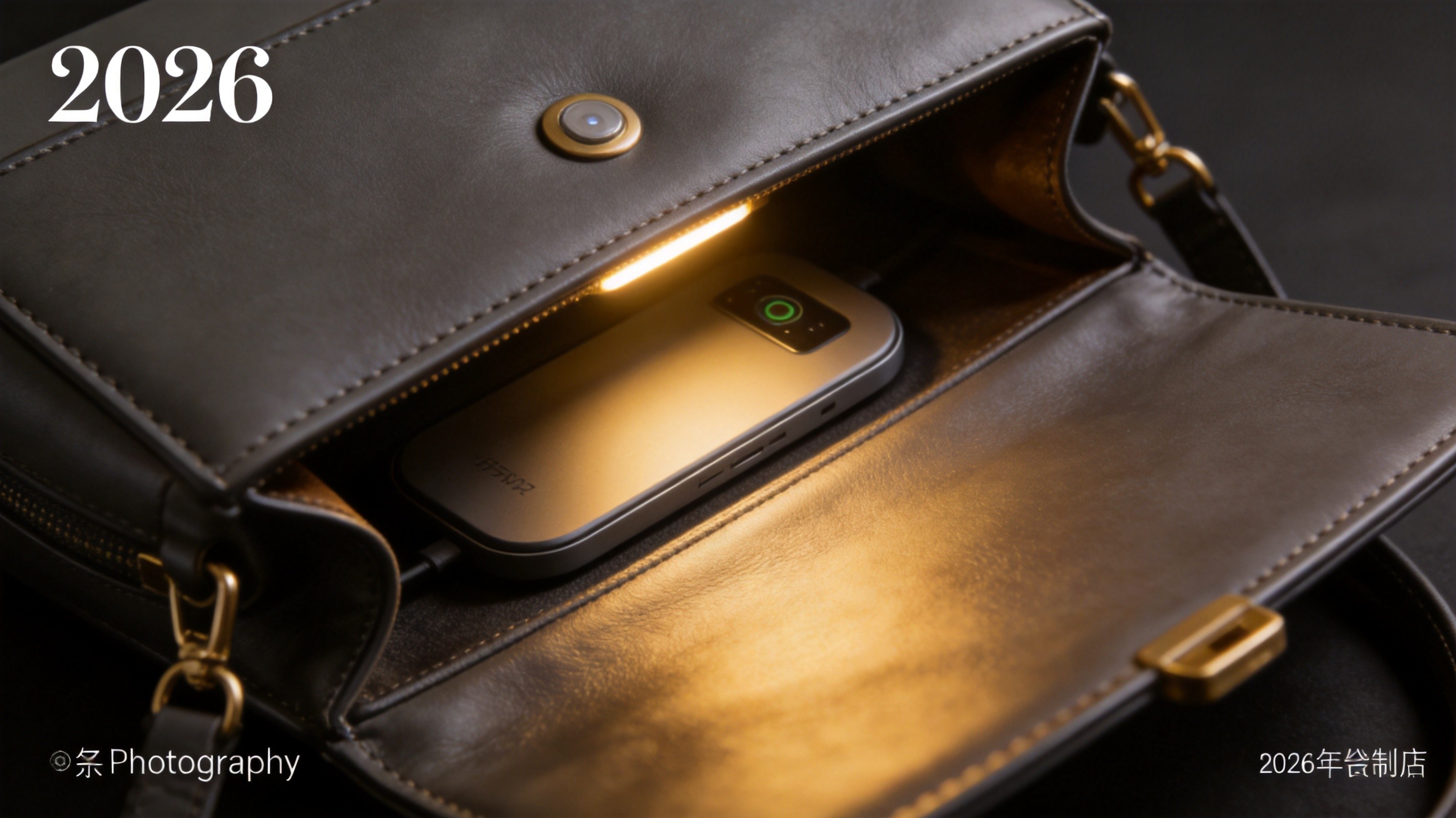
Integrated charging is the most popular and most practical smart bag feature. It addresses a universal pain point — dead phone batteries — with an elegant solution: a bag that charges your devices while you carry them.
Implementation Options
- External USB port with internal power bank: The most common approach. A USB port (USB-A or USB-C) is mounted on the bag exterior, connected via internal wiring to a removable power bank stored inside the bag. Cost: $8–$20 depending on power bank capacity.
- Wireless charging pad: A Qi-compatible wireless charging surface built into a dedicated interior pocket. Phones charge by being placed in the pocket. Cost: $10–$18. Requires the bag to carry its own power source.
- Solar-assisted charging: Solar panels on the bag exterior supplement battery charging during outdoor use. Practical contribution is limited (typically adds 10–20% daily charge) but serves as a marketing differentiator.
Safety and Certification
Any bag containing a lithium battery must comply with transportation safety regulations. This includes UN38.3 testing for lithium batteries, proper labeling for air freight, and capacity limitations (typically under 100Wh for consumer products). These requirements add both cost and complexity to production and logistics.
Integrated charging ports are the most popular smart bag feature, addressing the universal need for mobile device power
GPS Tracking and Anti-Theft Features
Anti-theft technology addresses a significant consumer concern — bag theft is a widespread problem in urban environments worldwide. Smart bags with tracking capabilities offer peace of mind that traditional bags cannot provide.
Tracking Technologies
- Bluetooth trackers (AirTag-compatible): Small Bluetooth modules that connect to Apple Find My or similar networks. Range: approximately 100 meters via direct Bluetooth, extended via network effects. Cost: $5–$12 per unit. Battery life: 12+ months on coin cell.
- GPS modules: True GPS tracking provides real-time location anywhere with cellular coverage. Requires a SIM card and subscription ($3–$8/month). Cost: $15–$25 for the module plus ongoing connectivity. Battery life: 1–7 days depending on reporting frequency.
- Alarm systems: Motion sensors that trigger an audible alarm when the bag is moved without authorization. Simple, effective, and does not require connectivity. Cost: $4–$8.
RFID Blocking
While not strictly a "smart" feature, RFID-blocking material in dedicated pockets prevents unauthorized scanning of contactless credit cards and passports. This feature has become expected in premium bags and adds minimal cost ($1–$3 for RFID-blocking fabric lining in specified pockets).
LED Lighting and Illuminated Bags
LED lighting in handbags serves both functional and decorative purposes. Interior lighting helps users find items in dark environments (restaurants, theaters, evening events). Exterior lighting creates visual impact for nighttime visibility and fashion-forward design statements.
Functional Interior Lighting
Small LED modules activated by a switch or motion sensor illuminate the bag interior. Powered by a small rechargeable battery or the same power bank used for device charging. Cost: $3–$6 for the lighting system. Practical and adds perceived value without significant weight or complexity.
Decorative Exterior Lighting
LED strips, fiber optic elements, or programmable light panels on the bag exterior create visual impact. These are primarily fashion statements rather than functional features. Power requirements are higher, and the design integration is more complex — the lighting system must be flexible enough to move with the bag without damage.
Bluetooth Connectivity and Find-My-Bag
Bluetooth connectivity transforms a handbag from a passive container into a connected device. The most practical application is find-my-bag functionality — locating a misplaced bag through a smartphone app.
Implementation
A small Bluetooth module (typically BLE — Bluetooth Low Energy) is embedded in the bag structure. It connects to the user's smartphone via a companion app, providing location proximity alerts, separation warnings (notifying the user when they walk away from their bag), and location history. The module is small enough to be virtually undetectable in the bag structure and powered by a coin cell battery lasting 12+ months.
App Integration
Some brands develop proprietary apps; others integrate with existing platforms like Apple Find My or Tile. Using established platforms reduces development cost and leverages network effects — an AirTag-compatible module works with the existing Find My network of hundreds of millions of devices.
Solar-Powered Bag Concepts
Solar-powered bags incorporate photovoltaic panels on the bag exterior to generate electricity for charging internal batteries or connected devices. While conceptually appealing, the practical energy contribution is limited by the surface area available on a bag.
Current solar bag products generate approximately 0.5–2 watts of power under direct sunlight — enough to supplement device charging but not to fully charge a smartphone from zero. The technology is most effective as a marketing story and brand differentiator than as a primary power solution. Cost adds $15–$30 to production for flexible solar panel integration.
Manufacturing Challenges for Tech-Integrated Bags
Adding electronics to handbag production introduces challenges that traditional bag factories are not equipped to handle. Understanding these challenges is essential before committing to a smart bag development project.
| Challenge | Description | Solution Approach | Cost Impact |
|---|---|---|---|
| Wiring durability | Wires must flex thousands of times without breaking | Use flexible ribbon cables; route through protected channels | +$2–$5 |
| Waterproofing | Electronic components must be protected from moisture | Sealed compartments; waterproof connectors; conformal coating | +$3–$8 |
| Battery safety | Lithium batteries require safety protection and certifications | BMS (Battery Management System); UN38.3 testing | +$2–$4 per battery |
| Heat management | Charging generates heat that must dissipate | Ventilated compartments; heat-spreading materials | +$1–$3 |
| Quality testing | Both bag and electronics must be tested | Dual QC process; automated electronic testing | +$1–$3 per unit |
| Regulatory compliance | FCC, CE, and other certifications for electronic products | Pre-certified modules; third-party testing | $3,000–$10,000 (one-time) |

Smart bag manufacturing requires dual expertise in both traditional bag construction and electronic assembly
Cost Implications and Pricing Strategy
Smart features add meaningful cost to bag production. Brand owners must carefully evaluate whether the target market will bear the resulting price premium.
| Feature | Added Production Cost | Typical Retail Premium | Consumer Willingness |
|---|---|---|---|
| USB charging port (no battery) | $3 – $8 | $15 – $30 | High |
| Integrated power bank (5000mAh) | $8 – $15 | $30 – $60 | High |
| Bluetooth tracker module | $5 – $12 | $20 – $40 | Medium-High |
| GPS tracking module | $15 – $25 | $50 – $80 | Medium |
| Interior LED lighting | $3 – $6 | $15 – $25 | Medium |
| RFID blocking pockets | $1 – $3 | $10 – $20 | High |
| Solar panel integration | $15 – $30 | $40 – $80 | Low-Medium |
The margin opportunity on smart features is generally favorable — consumers pay proportionally more for tech integration than the cost to produce it. However, the total price must remain within the target customer's comfort zone. A $250 smart backpack with charging and tracking may sell well; the same backpack priced at $450 due to extensive tech integration may not, even if the features justify the cost.
Target Market for Smart Bags
Smart bag consumers are not a random cross-section of the handbag market. They cluster in specific demographic and psychographic segments.
Primary Segments
- Urban commuters (25–40): Daily transit users who need device charging, theft protection, and organized tech storage. The largest addressable market.
- Travel-focused consumers (30–55): Frequent travelers who value anti-theft features, charging capability, and organized packing. Willing to pay premium for travel-specific features.
- Tech enthusiasts (22–35): Early adopters who value innovation and connectivity. More interested in novelty features and willing to accept trade-offs in traditional bag aesthetics for tech integration.
- Professional women (28–45): Career-focused consumers who need bags that bridge professional and personal contexts while keeping devices powered and organized.
Patent Landscape for Smart Bag Technology
The smart bag space has accumulated a significant body of patents covering various tech integration approaches. Brand owners entering this category should be aware of the IP landscape.
Key Patent Areas
- Integrated solar panel arrangements on flexible surfaces
- Specific power routing and management systems for bags
- Modular electronic component attachment systems
- Anti-theft alarm integration with bag structure
- Specific LED lighting arrangements for bags
Before developing smart bag products, conduct a patent landscape review to identify any blocking patents in your target feature set. Many smart bag patents are held by early entrants in the category. Licensing may be required for certain implementations, or design-around strategies may be possible. Budget $2,000–$5,000 for a patent landscape assessment specific to your planned features.
Working with Factories on Tech Integration
Not all handbag factories can produce smart bags. The manufacturing process requires capabilities that extend beyond traditional bag production into electronics assembly, testing, and compliance management.
Factory Requirements
- Dual production lines: Separate areas for bag construction and electronic component assembly
- Electronic testing equipment: Capability to test charging circuits, Bluetooth connectivity, LED function, and battery safety on every unit
- Component sourcing relationships: Established supply chains for power banks, Bluetooth modules, GPS trackers, and wiring components
- Certification experience: Familiarity with UN38.3 battery testing, FCC/CE electronic product certification, and relevant safety standards
- Quality control for electronics: Automated test procedures that verify electronic function alongside traditional bag quality checks
When sourcing a factory for smart bag production, request evidence of previous electronic integration work. Ask for test reports from past smart bag production runs. Visit the facility to confirm they have dedicated electronics assembly areas and testing equipment — not just a corner where someone solders wires. Our factory selection guide includes technology assessment criteria.
The Smart Bag Opportunity for Private Labels
Smart bags remain an under-developed category in the private label space. Most existing smart bags come from tech-focused startups or large established brands — leaving room for private label brands to offer well-executed smart features at accessible price points. The key is focusing on one or two features that genuinely solve customer problems (charging and anti-theft lead consumer preference) rather than building a feature-laden product that compromises on design and comfort.
Develop Your Smart Bag Collection
Our facility combines traditional bag manufacturing with dedicated electronics assembly and testing capabilities. From concept to certified product. MOQ from 200 pieces per style.
📧 service@junyuanbags.com | 💬 WhatsApp: +86 17750020688
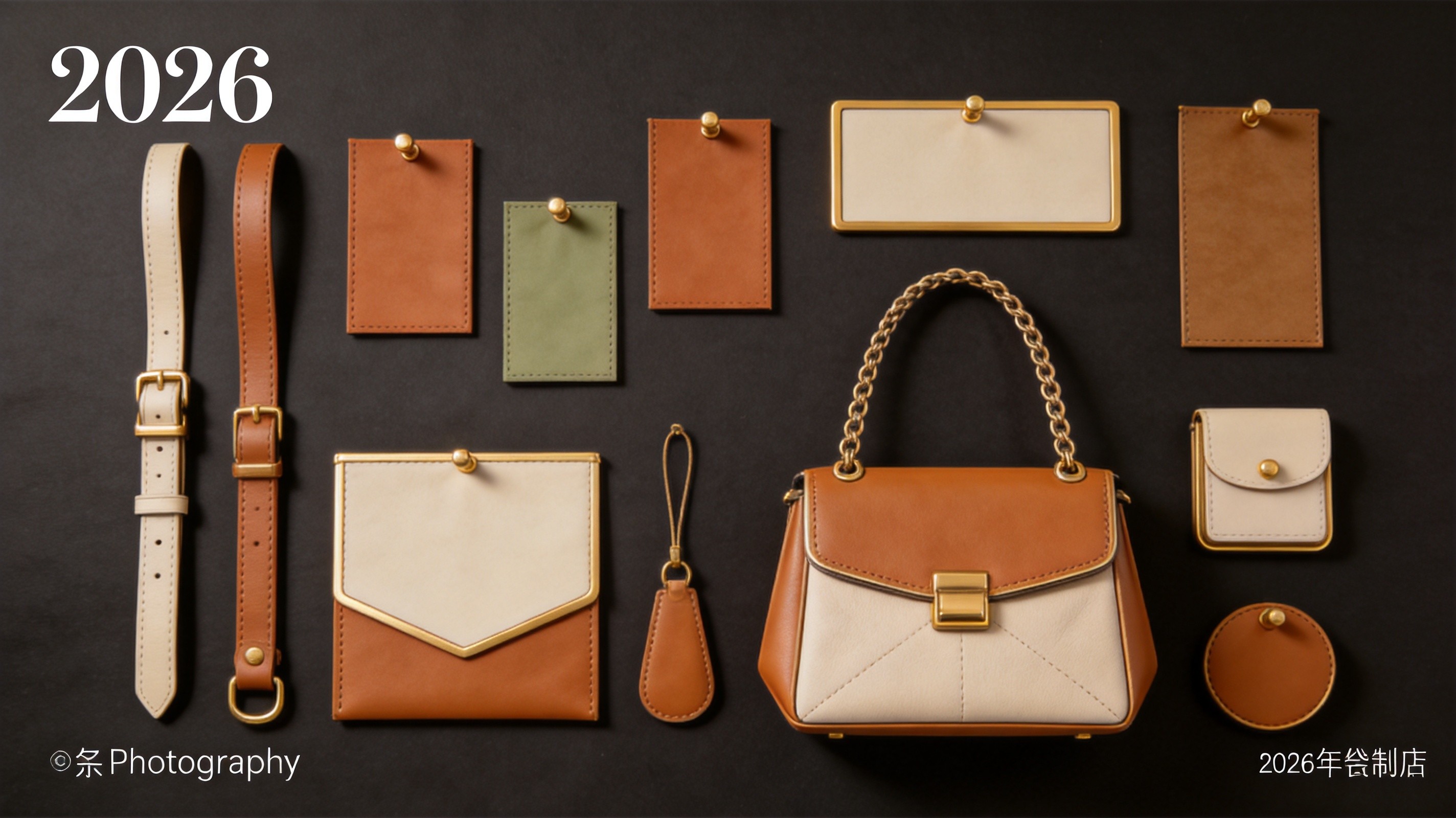
Smart bags offer private label brands an opportunity to differentiate in an increasingly competitive market
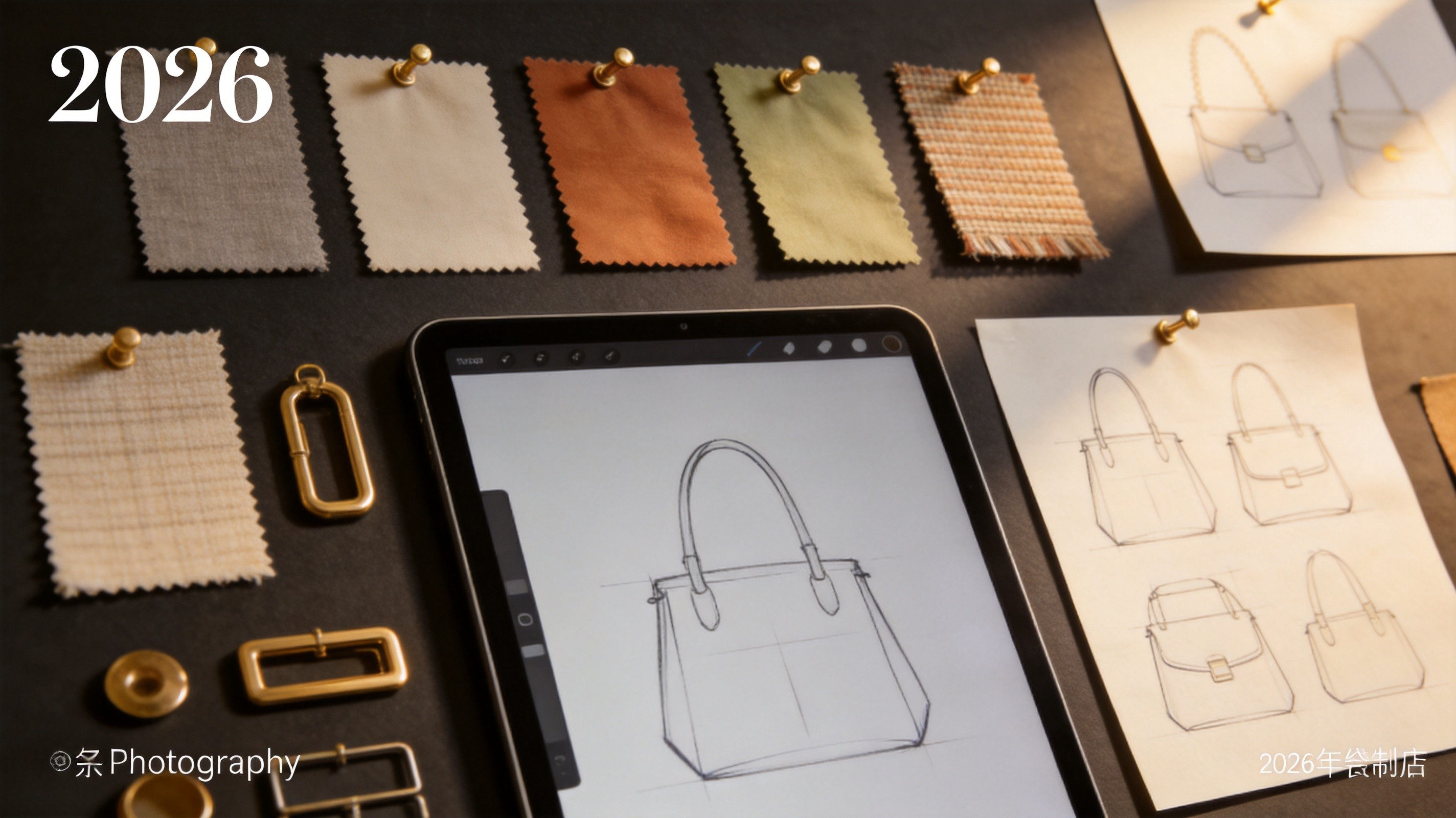
Tech components and electronic modules integrated into handbag design
Urban commuter using smart bag features in daily life
User Experience Design for Smart Bags
The success of a smart bag depends not just on the technology it contains but on how intuitively users interact with that technology. Poor user experience — confusing charging port placement, difficult-to-access power buttons, complicated app pairing — undermines the value of even the most impressive technical features.
Intuitive Interface Design
Smart bag features should operate with minimal user intervention. Charging ports should be positioned where users naturally reach for them. Power indicators should be visible at a glance. Bluetooth pairing should be automatic when the companion app is installed. Every additional step between the user and the benefit reduces adoption and satisfaction.
Battery Management
Users must be able to monitor and manage battery levels easily. A simple LED indicator showing approximate charge level (25/50/75/100%) is sufficient — complex app-based battery management adds friction without proportional value. Removable power banks are preferred over built-in batteries because they can be replaced when degraded and charged separately from the bag.
The Future of Smart Bag Technology
The smart bag category is still in its early stages. Several emerging technologies are likely to shape the next generation of tech-integrated bags.
Flexible Electronics
Advances in flexible circuit boards and bendable batteries will allow electronic components to be integrated more seamlessly into bag structures. Rather than rigid modules housed in dedicated compartments, future smart bags may have electronics woven into the fabric or printed directly onto leather surfaces.
Energy Harvesting
Future smart bags may generate power from motion (kinetic energy harvesting), body heat (thermoelectric generation), or ambient light more efficiently than current solar approaches. These energy harvesting technologies could eventually eliminate the need for manual charging entirely.
Frequently Asked Questions
What features make a handbag "smart"?
Smart handbags incorporate electronic features like built-in USB charging ports, GPS tracking, Bluetooth find-my-bag, LED lighting, anti-theft alarms, or wireless charging pads. The most successful products focus on one or two features executed well.
How much does tech integration add to production cost?
Feature costs range from $3–$8 for USB ports to $15–$25 for GPS modules. A multi-feature smart bag typically adds $20–$60 to production cost, translating to $50–$150 in retail price premium.
Is there real consumer demand for smart handbags?
25–35% of bag buyers express interest in tech features, with charging and anti-theft being most requested. Actual purchase rates are approximately 8–12% when given the option. The market is strongest among urban tech-savvy consumers aged 22–40.
What are the manufacturing challenges for tech-integrated bags?
Key challenges include waterproofing electronics, ensuring wiring durability through flexing, battery safety compliance for air freight, heat dissipation, and quality testing that covers both bag construction and electronic functionality.
Continue Reading
- How AI Is Changing Handbag Design and Manufacturing
- Modular Design in Handbags: Function Meets Fashion
- Handbag Trends 2026: What Styles Will Sell Next Season
- Explore Products
- Our Services
Limitations and Scope of This Guide
This guide covers the market opportunity for smart handbags with technology integration, including features, manufacturing challenges, and consumer adoption trends. It is based on our experience as a handbag manufacturer in Quanzhou, China, serving brands worldwide since 2004. Key limitations to keep in mind:
- Smart handbag technology is in early market stages. Consumer adoption data is limited, and market projections carry higher uncertainty than conventional bag categories.
- Tech integration adds complexity to manufacturing, warranty management, and product lifecycle. Battery replacement, software updates, and electronic waste present unique challenges.
- This guide covers fashion-oriented smart bags. Purpose-built tech bags (laptop bags, camera bags) serve different markets with different priorities.
For advice tailored to your specific situation, contact our team directly.