Table of Contents
- What Is Vegan Leather?
- Types of Vegan Leather Materials
- PU Leather: Properties and Grades
- Piñatex (Pineapple Leather): Production and Use
- Apple Skin Leather: Features and Applications
- Mushroom Leather (Mycelium): The Future?
- Cork Fabric as a Vegan Alternative
- Market Size and Growth Data
- Consumer Perception and Willingness to Pay
- Durability Comparison: Vegan vs Real Leather
- Manufacturing Considerations for Vegan Bags
- Marketing Vegan Leather Products
- Frequently Asked Questions
Vegan leather has undergone a dramatic transformation over the past decade. Once dismissed as a cheap, obviously synthetic substitute for the real thing, vegan leather materials now span a spectrum from affordable PU alternatives to cutting-edge plant-based innovations grown in laboratories. The global vegan leather market, valued at approximately $28 billion in 2024, is projected to exceed $50 billion by 2028 — and handbags represent one of its fastest-growing application categories.
For brand owners, the vegan leather movement creates both opportunity and complexity. The opportunity is clear: a growing consumer segment actively seeks animal-free products, and vegan materials allow brands to serve this demand while often achieving lower material costs than genuine leather. The complexity lies in navigating a material landscape that ranges from basic PU with questionable sustainability credentials to innovative plant-based alternatives with compelling stories but limited production scale.
This guide provides a comprehensive examination of every major vegan leather material — from established PU options through emerging mycelium innovations — with practical analysis of cost, durability, manufacturing requirements, and marketing positioning.
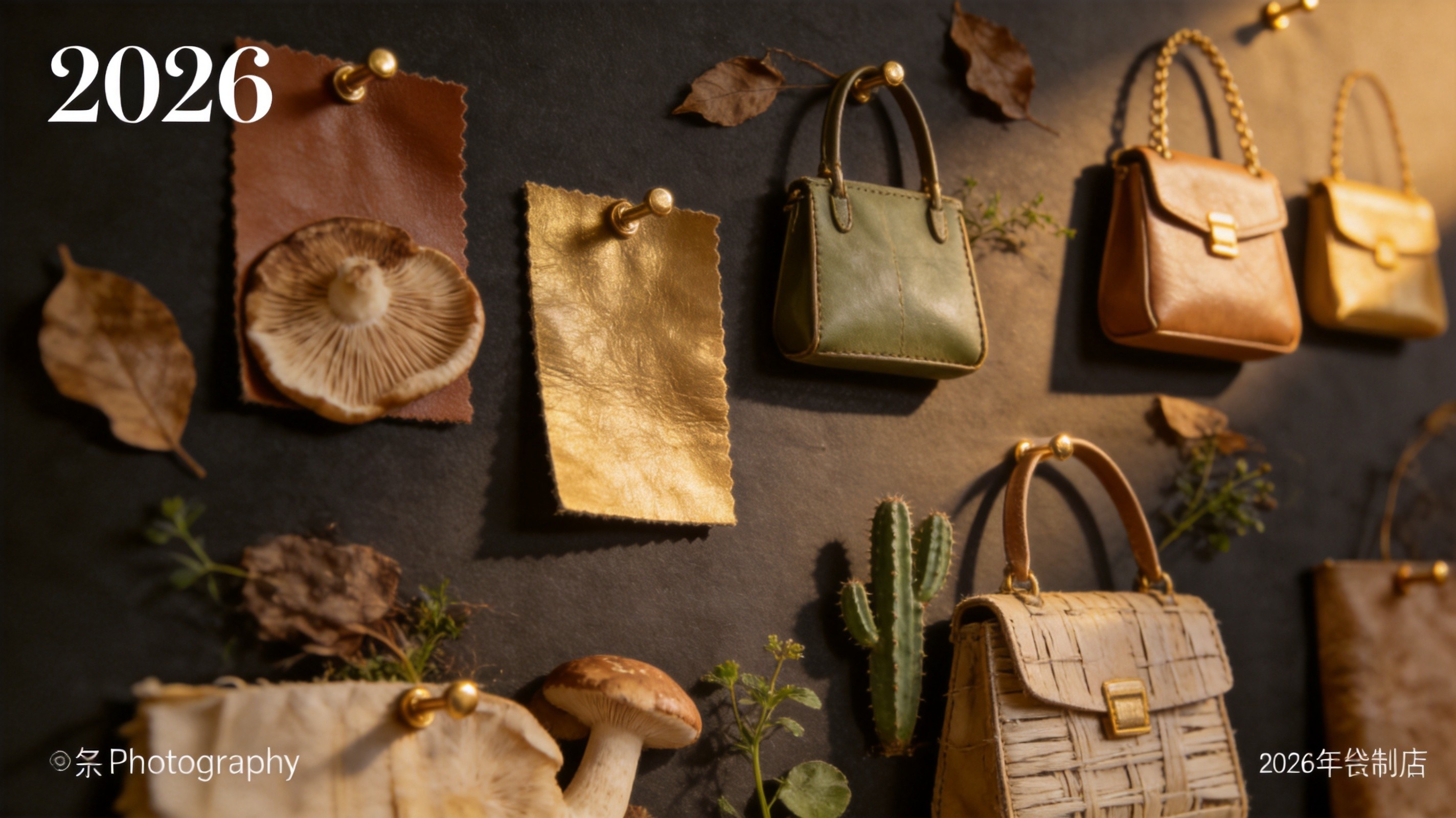
The vegan leather landscape now spans from affordable PU alternatives to innovative plant-based materials grown in laboratories
What Is Vegan Leather?
Vegan leather — also called faux leather, synthetic leather, or leather alternative — refers to any material designed to mimic the appearance and function of animal leather without using animal-derived ingredients. The term encompasses a wide range of materials with very different compositions, origins, and performance characteristics.
The vegan leather family includes:
- Petroleum-based synthetics: PU (polyurethane), PVC (polyvinyl chloride), and microfiber leather
- Plant-based composites: Piñatex, apple leather, cactus leather, and similar materials combining plant fibers with binding agents
- Bio-fabricated materials: Mycelium (mushroom) leather grown from fungal root structures
- Natural alternatives: Cork, waxed canvas, and rubber used as leather substitutes
Not all vegan leathers are created equal. Some are primarily petroleum-based products with minimal environmental advantage over conventional synthetics. Others derive from genuinely renewable sources with compelling sustainability stories. Brand owners should understand the specific composition of their chosen vegan leather to make accurate claims to customers. See our broader sustainable materials guide for context.
Types of Vegan Leather Materials
The vegan leather market can be organized by material origin and production method. Each type has distinct advantages, limitations, and cost profiles.
| Material Type | Source | Cost/meter | Lifespan | Best Application |
|---|---|---|---|---|
| Basic PU leather | Polyurethane on polyester/cotton base | $3 – $10 | 1–3 years | Budget fashion bags |
| Premium PU / Microfiber leather | Advanced PU with microfiber base | $15 – $35 | 4–7 years | Mid-range vegan brands |
| PVC leather | Polyvinyl chloride coating | $2 – $8 | 1–2 years | Low-cost applications |
| Piñatex | Pineapple leaf fiber + PLA | $25 – $40 | 2–5 years | Premium vegan, eco-brands |
| Apple leather | Apple pomace + PU binder | $20 – $35 | 2–4 years | Fashion-forward vegan |
| Cactus leather (Desserto) | Nopal cactus + bio-resin | $22 – $38 | 3–5 years | Premium vegan fashion |
| Mycelium leather | Fungal root structures | $35 – $60 | 3–7 years | Luxury vegan, innovation brands |
| Cork fabric | Cork oak bark | $15 – $30 | 5–10 years | Unique texture, accessories |
PU Leather: Properties and Grades
PU (polyurethane) leather remains the most widely used vegan leather in handbag production. It consists of a fabric base — typically polyester or cotton — coated with a polyurethane finish that is embossed with a grain pattern to mimic leather.
Quality Tiers
PU leather quality varies enormously. Understanding these tiers prevents costly quality mismatches:
| PU Grade | Thickness | Hand-Feel | Durability | Cost/m |
|---|---|---|---|---|
| Basic PU | 0.6–0.8mm | Stiff, plastic-like | 1–2 years | $3–$8 |
| Standard PU | 0.8–1.0mm | Improved softness | 2–3 years | $8–$15 |
| Premium PU | 1.0–1.2mm | Soft, close to leather | 3–5 years | $15–$25 |
| Microfiber leather | 1.2–1.5mm | Near-identical to leather | 4–7 years | $20–$35 |
Advantages and Limitations
PU leather offers consistent appearance, wide color availability, easy maintenance, and lower cost than genuine leather or plant-based alternatives. Its limitations include shorter lifespan than premium leather, less breathability, potential for peeling in lower grades, and petroleum-based origin that limits sustainability claims.
Piñatex (Pineapple Leather): Production and Use
Developed by Ananas Anam, Piñatex uses cellulose fibers extracted from pineapple leaves — a waste product of existing pineapple harvests in the Philippines. The fibers are processed into a non-woven mesh, then finished with a resin coating to create a leather-like material.
Key Properties
- Appearance: Distinctive textured surface with visible fiber patterns; not a perfect leather imitation but an attractive material in its own right
- Weight: Lightweight — approximately 25% lighter than comparable leather
- Breathability: Good air permeability due to fiber-based structure
- Flexibility: Soft and flexible, ideal for unstructured bag designs
- Environmental profile: Uses agricultural waste; no additional land, water, or pesticides required
Manufacturing Notes
Piñatex can be sewn on standard leather-working equipment. It does not require special tools or techniques. However, the material is less uniform than PU — natural variation between batches is normal and should be communicated to customers as a feature of natural material rather than a defect. Edge finishing requires specific techniques (bound edges work better than painted edges).
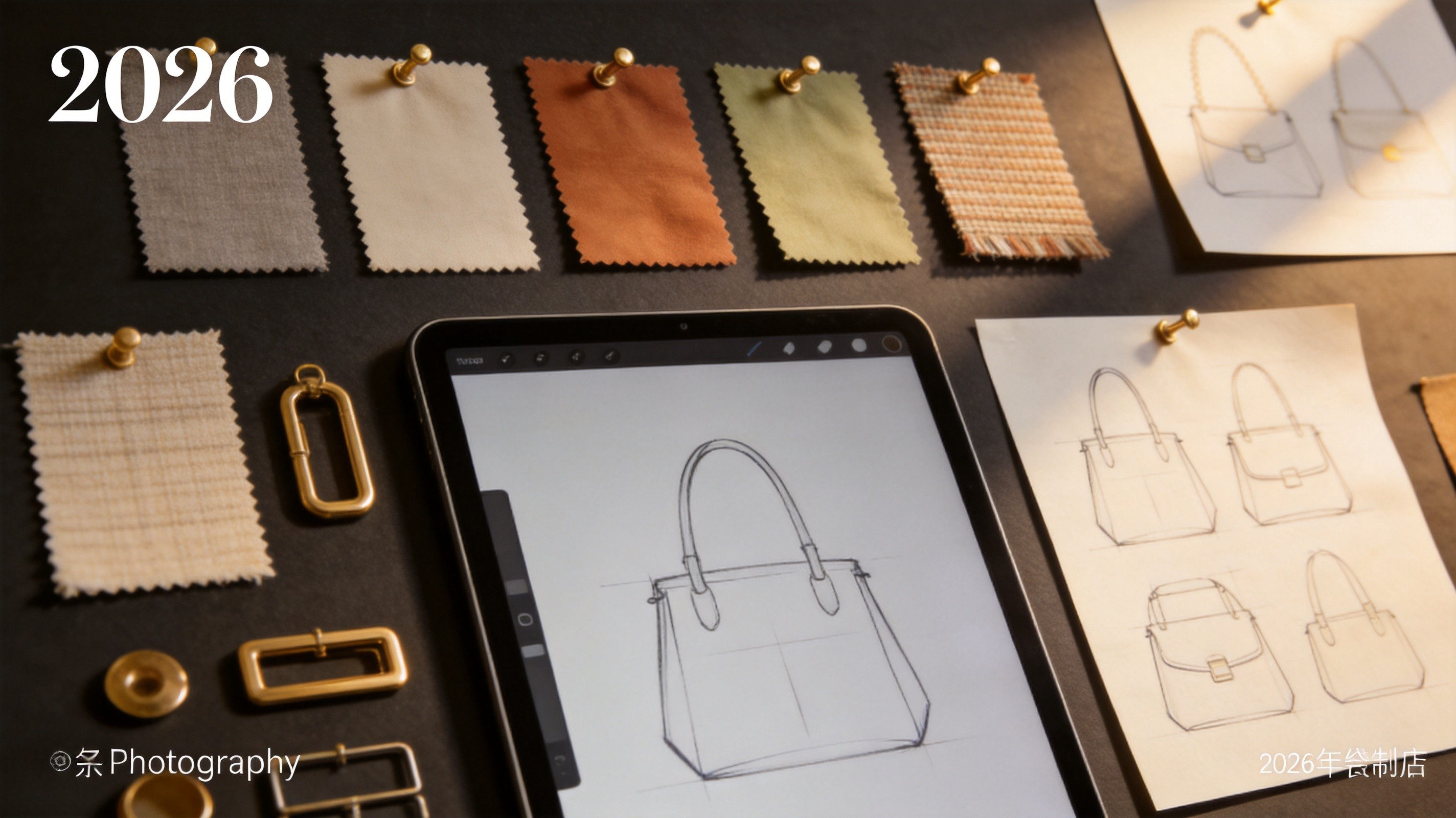
Plant-based vegan leathers like Piñatex offer distinctive textures that stand apart from both leather and synthetic materials
Apple Skin Leather: Features and Applications
Apple leather is produced from the pomace — the skin, core, and pulp remnants — left after apple juice and compote production. This waste material is dried, ground into powder, and combined with polyurethane binders before being applied to a fabric backing and finished to create a leather-like surface.
Important Transparency Note
Most commercial apple leather products contain 30–50% apple content, with the remainder being PU or other synthetic binders. While the apple component is genuinely derived from waste, the final material is a hybrid — not fully plant-based. Brand owners should communicate this accurately rather than claiming "100% apple leather."
Properties
Apple leather offers a soft, supple hand-feel that approaches lambskin in smoothness. It takes color well and shows subtle natural variation that adds character. Its main limitation is lower abrasion resistance compared to PU leather — high-friction areas (bottom corners, strap attachment points) may show wear earlier.
Mushroom Leather (Mycelium): The Future?
Mycelium leather — grown from the root structure of fungi — represents the most technologically advanced vegan leather currently reaching commercial scale. Companies like Bolt Threads (Mylo) and Ecovative grow mycelium in controlled environments, forming it into sheets that can be tanned, dyed, and finished similarly to animal leather.
Why Mycelium Matters
Among all vegan leather options, mycelium comes closest to replicating the structural properties of animal leather. The fibrous network of mycelium mimics the collagen fiber structure in animal hide, creating a material with comparable tensile strength, flexibility, and hand-feel. It can be produced in weeks rather than the years required for animal rearing, and the production process has a fraction of the environmental impact.
Current Status
Mycelium leather is transitioning from laboratory curiosity to commercial reality. Several luxury brands have released limited-edition mycelium leather bags. Production capacity is increasing but remains limited compared to PU or plant-based alternatives. Cost is currently the highest among vegan options ($35–$60 per meter), though economies of scale are expected to bring prices down significantly as production expands.
Cork Fabric as a Vegan Alternative
Cork — harvested from the bark of cork oak trees without harming the tree — offers a compelling vegan alternative with a genuinely renewable sourcing story. Cork oak bark regenerates every 9–12 years, and each tree can be harvested 15–20 times over its lifespan.
Properties for Bag Production
- Water resistance: Naturally water-repellent due to suberin content
- Weight: Extremely lightweight — among the lightest bag materials
- Durability: Resistant to abrasion, staining, and temperature changes; 5–10 year lifespan
- Texture: Unique natural pattern; no two pieces identical
- Hypoallergenic: Does not absorb dust; antimicrobial properties
Cork works well for wallets, clutches, and accent elements on larger bags. Its unique texture creates immediate visual interest and carries one of the strongest sustainability stories available in bag materials. The understated texture of cork aligns well with quiet luxury aesthetics.
Market Size and Growth Data
The vegan leather market is growing at a pace that significantly outstrips overall handbag market growth, indicating strong and sustained demand expansion.
| Market Segment | 2024 Value | 2028 Projected | CAGR | Key Driver |
|---|---|---|---|---|
| Global vegan leather (all applications) | $28B | $48–52B | 12–15% | Vegan/eco consumer growth |
| Vegan handbag segment | $7.5B | $13–15B | 14–17% | Fashion brands adopting vegan lines |
| Plant-based leather only | $1.2B | $4–5B | 30–35% | Innovation and cost reduction |
| PU/faux leather (conventional) | $20B | $28–30B | 8–10% | Fast fashion and accessible pricing |
The plant-based segment shows the highest growth rate, though from a much smaller base. The conventional PU segment remains the volume leader, driven by fast fashion and accessible price points. The most significant trend is the convergence: as plant-based materials scale and costs decrease, they begin competing directly with premium PU in the mid-market segment.
Consumer Perception and Willingness to Pay
Consumer attitudes toward vegan leather have shifted dramatically. What was once perceived as a compromise — accepting lower quality for ethical reasons — is increasingly perceived as a positive choice reflecting modern values.
Key Consumer Insights
- 42% of global consumers say they actively seek animal-free fashion products (up from 28% in 2020)
- Willingness to pay premium: Consumers will pay 15–30% more for plant-based vegan leather versus PU, and 10–20% more for vegan versus equivalent non-vegan leather
- Generational split: Gen Z shows the strongest preference for vegan (56% actively seek), followed by Millennials (47%), Gen X (32%), and Boomers (18%)
- Primary motivation: Animal welfare (38%), environmental concerns (32%), and health/allergy considerations (15%) — with animal welfare being the dominant driver
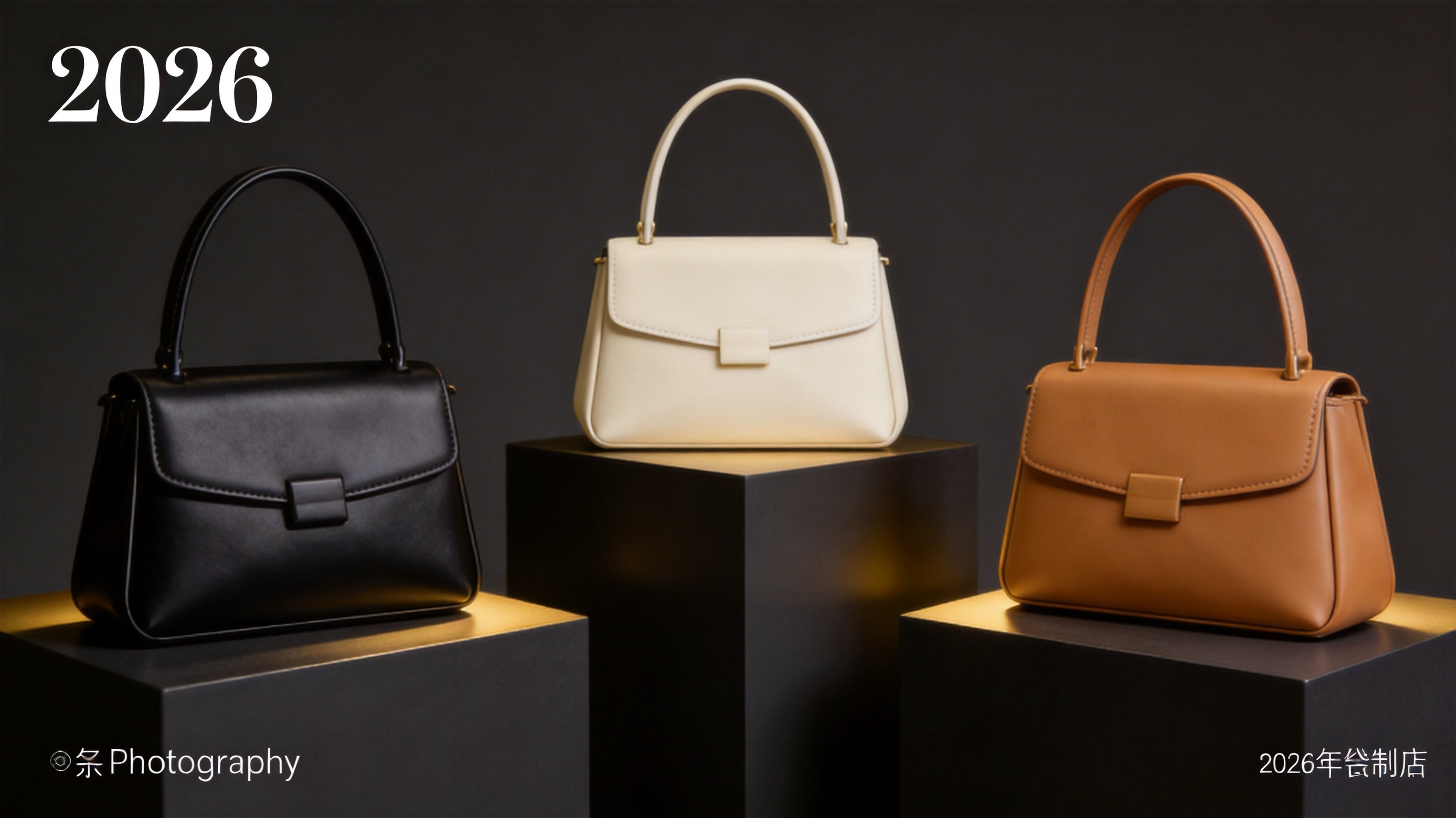
Consumer demand for vegan leather is driven primarily by animal welfare concerns, followed by environmental consciousness
Durability Comparison: Vegan vs Real Leather
The honest durability comparison between vegan and animal leather is essential for brand owners making material decisions. The data shows nuance rather than simple superiority for either category.
| Material | Tensile Strength | Abrasion Resistance | Lifespan (regular use) | Aging Behavior |
|---|---|---|---|---|
| Full-grain leather | Excellent | Excellent | 15–25+ years | Develops attractive patina |
| Top-grain leather | Very Good | Very Good | 10–15+ years | Maintains appearance well |
| Microfiber leather | Good | Good | 4–7 years | Gradual wear, no patina |
| Premium PU | Moderate | Moderate | 3–5 years | Surface wear, possible peeling |
| Piñatex | Moderate | Moderate-Low | 2–5 years | Softens with use |
| Mycelium leather | Good-Promising | Good | 3–7 years | Ages similarly to leather |
| Cork fabric | Moderate | Good | 5–10 years | Surface may darken naturally |
The key insight: premium vegan leathers (microfiber, mycelium) now offer acceptable durability for most bag applications at their target price points. Basic PU and plant-based options are best suited for fashion-forward designs where customers expect to refresh their bags more frequently.
Manufacturing Considerations for Vegan Bags
Vegan leather materials handle differently from animal leather during production. Understanding these differences prevents quality issues and production delays.
Key Manufacturing Differences
- Cutting: Vegan materials are more uniform than leather (no natural markings to work around), which simplifies cutting and improves material utilization — typically 85–90% utilization versus 70–80% for leather
- Sewing: Most vegan materials sew well on standard equipment. However, PU leather can be more slippery than leather, requiring adjusted presser foot pressure. Plant-based materials may require specific needle types to prevent fiber tearing.
- Edge finishing: Vegan materials cannot be burnished like leather edges. Most use folded edges, bound edges, or edge paint. Each method requires specific techniques and materials.
- Heat sensitivity: PU and plant-based materials are more heat-sensitive than leather. Ironing, pressing, and adhesive application require lower temperatures to prevent surface damage.
Working with a factory experienced in vegan material production ensures these nuances are handled correctly. Select your manufacturing partner carefully for vegan material expertise.
Marketing Vegan Leather Products
Marketing vegan leather effectively requires honesty, specificity, and an understanding of what motivates vegan leather consumers.
Effective Approaches
- Be specific about materials: "Made from Piñatex, derived from pineapple leaf fiber" is more credible and informative than simply "vegan leather"
- Acknowledge trade-offs honestly: Consumers trust brands that are upfront about where vegan materials excel and where they differ from leather. "Our apple leather bags are softer and lighter than traditional leather, with a 2–4 year lifespan" builds more trust than vague claims of equivalence.
- Tell the sourcing story: Plant-based vegan materials have compelling origin stories — pineapple harvests in the Philippines, apple orchards in northern Italy, mushroom farms. These stories create emotional connection and justify premium pricing.
- Lead with design, support with ethics: The bag should be desirable first for its design and quality. The vegan material is an additional reason to buy, not the only reason. Consumers who choose a vegan bag primarily for its design become loyal customers; those who choose only for the vegan claim may defect to the next vegan option they find.
Certifications That Matter
The PETA-Approved Vegan logo provides recognized verification that products contain no animal-derived materials. For plant-based materials, additional certifications (GRS for recycled content, OEKO-TEX for chemical safety) strengthen credibility. See our certification guide for detailed requirements.
The Vegan Leather Opportunity
The vegan leather market's growth trajectory creates a clear opportunity for private label brands. By offering well-designed, well-constructed vegan leather bags at accessible price points, brands can capture the growing segment of consumers seeking animal-free alternatives — without the premium pricing that currently limits many vegan brands to niche positioning.
Create Your Vegan Leather Collection
We work with all vegan leather materials — from premium PU to Piñatex, apple leather, and mycelium. Full customization from 200 pieces per style.
📧 service@junyuanbags.com | 💬 WhatsApp: +86 17750020688
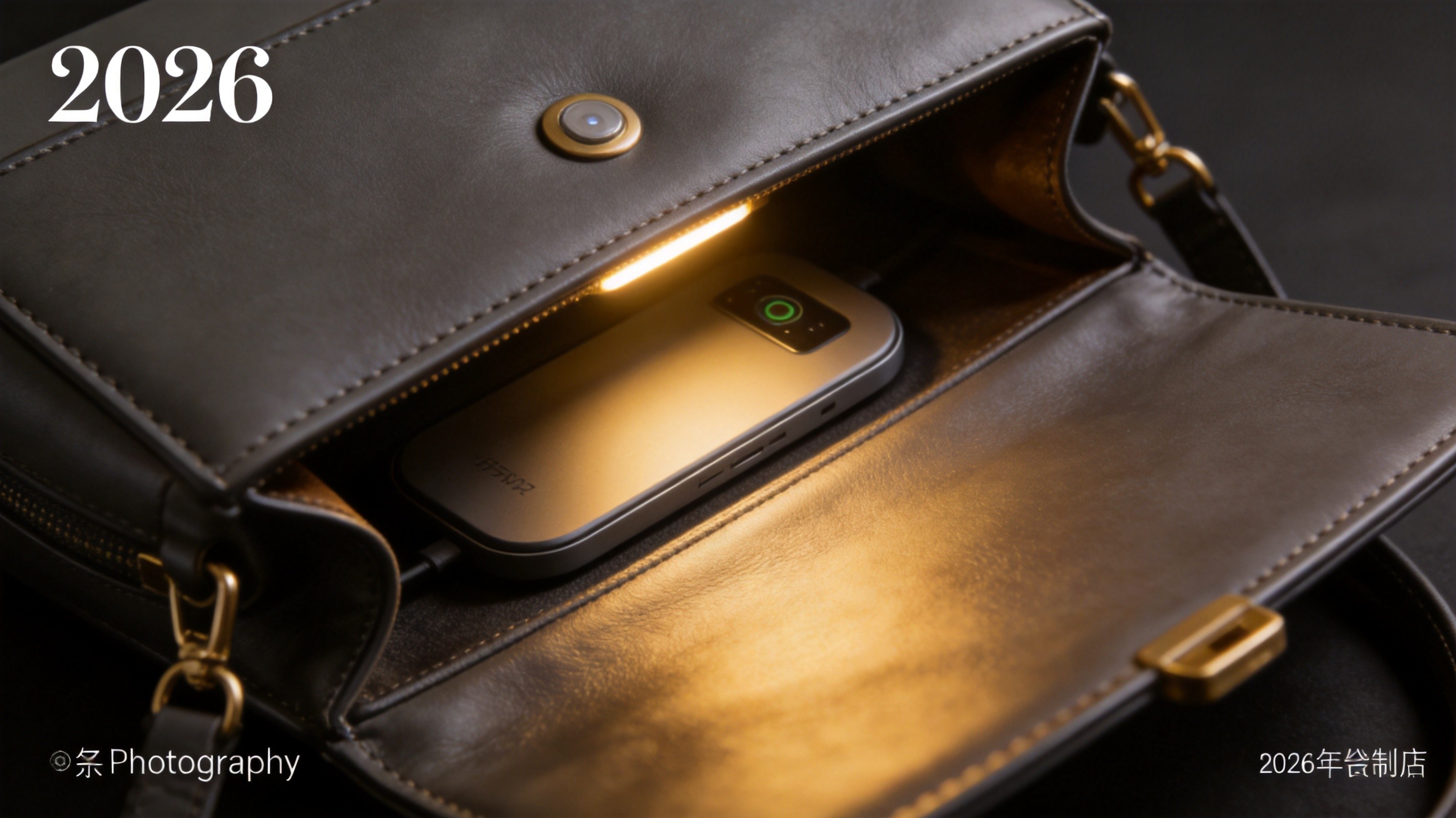
The right manufacturing partner brings out the best in any vegan leather material — from design through finished product
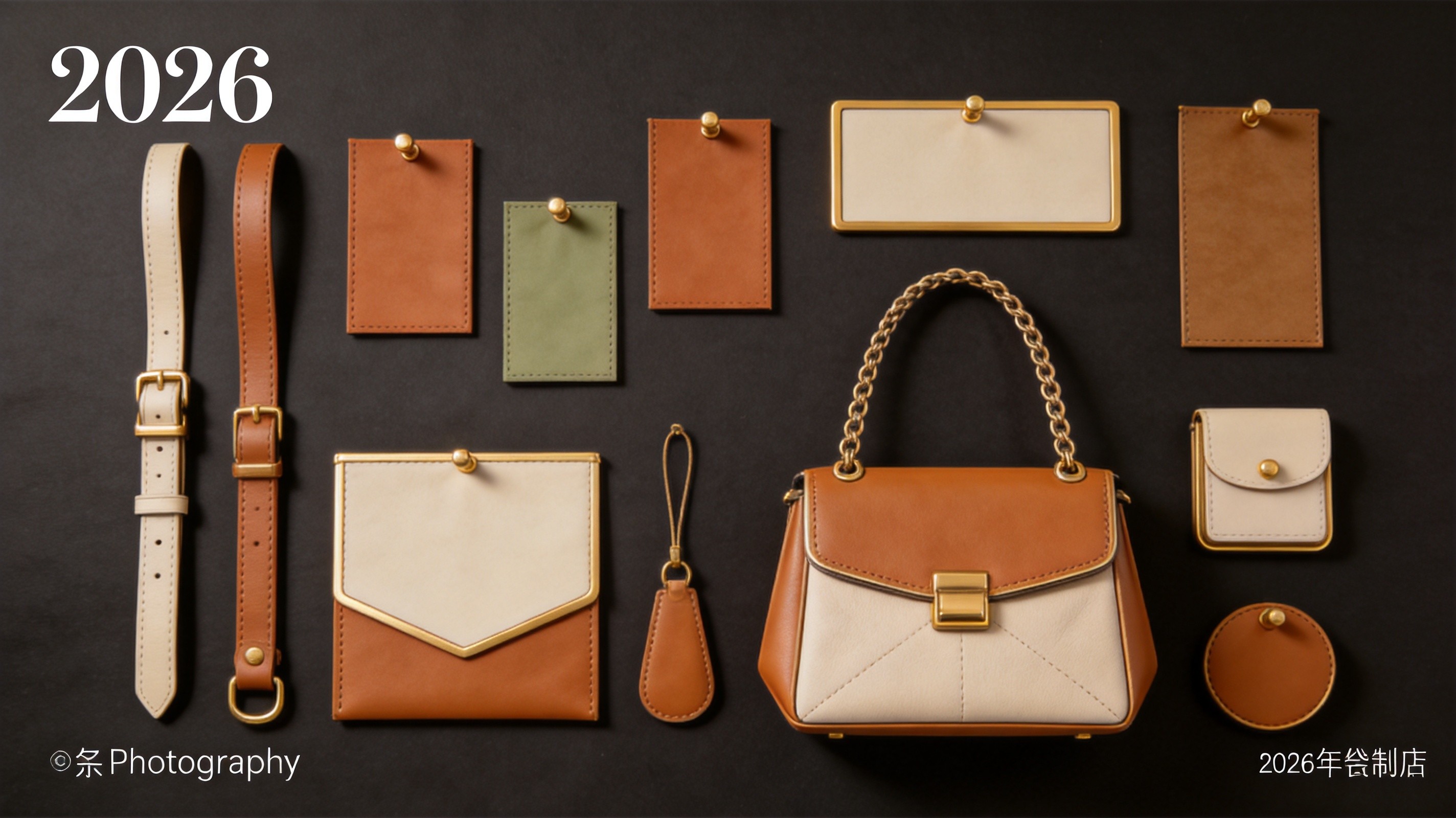
Vegan leather handbag manufacturing showing sustainable production process
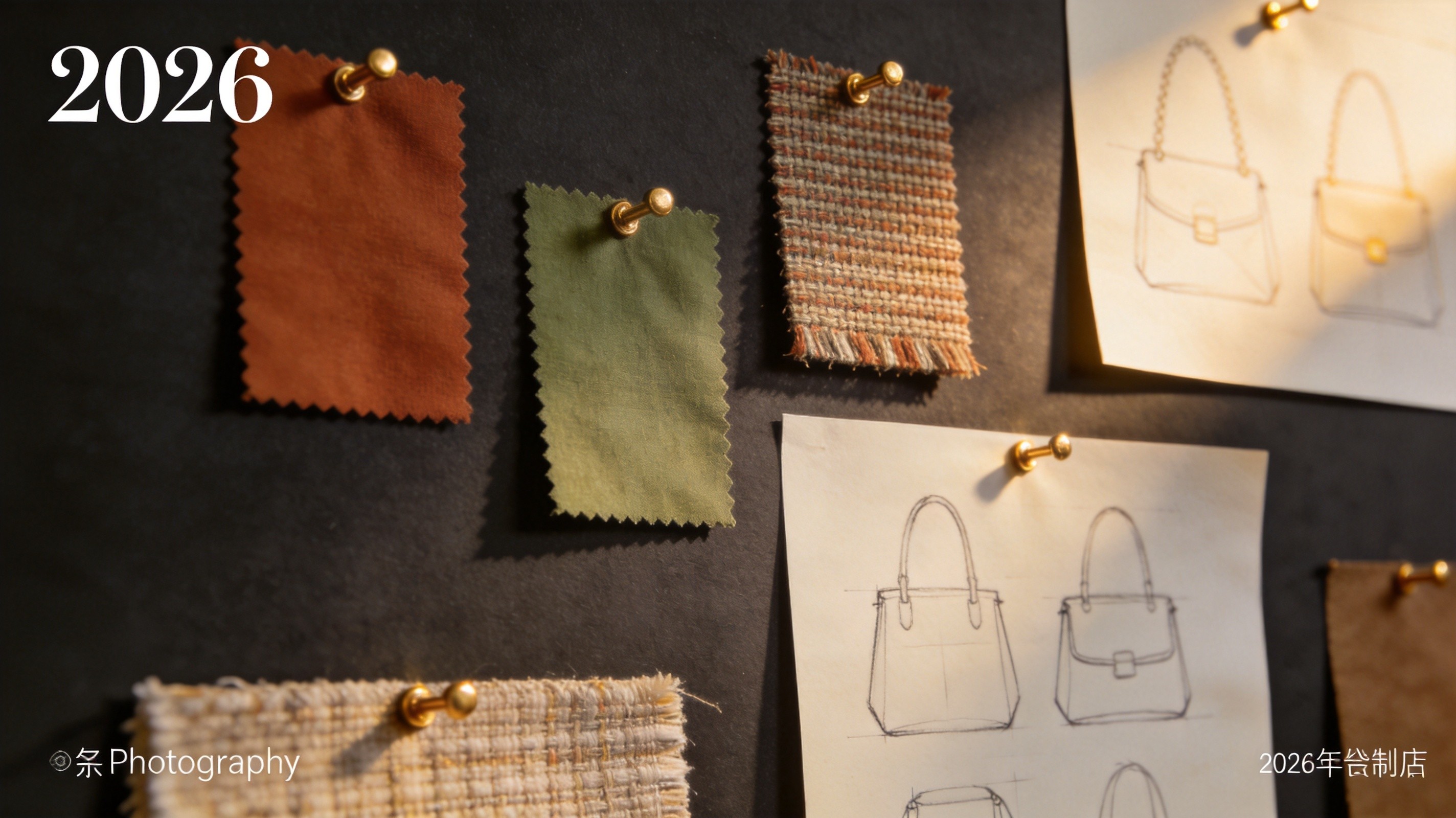
Cork and plant-based material accessories showcasing diverse vegan alternatives
Innovation Pipeline: Next-Generation Vegan Materials
Beyond the materials currently in commercial production, several next-generation vegan leather innovations are approaching market readiness. Brand owners should monitor these developments for future collection planning.
Lab-Grown Collagen
Several biotechnology companies are developing processes to grow collagen — the structural protein that gives leather its properties — without animals. This approach would produce material virtually identical to animal leather at the molecular level while eliminating the environmental impact of animal rearing. Commercial viability is estimated at 3–5 years away.
Recycled Leather Fiber
New processing techniques allow leather production scraps to be broken down into fibers and reconstituted into new sheets. Unlike bonded leather (which has poor durability), these reconstituted leather fibers maintain much of the original material's properties. This approach reduces waste from leather production while maintaining leather performance characteristics.
Regulatory Landscape for Vegan Leather Claims
As the vegan leather market grows, regulatory scrutiny of marketing claims is increasing. Brand owners must ensure their claims are accurate and substantiated.
Terminology Standards
Several jurisdictions are developing standards for vegan leather terminology. The term "leather" itself is contested — some industry groups argue that only animal-derived materials should be called leather, while vegan material producers argue for the right to use descriptive terms. Brand owners should stay informed about terminology regulations in their target markets.
Greenwashing Prevention
Plant-based vegan leathers that contain significant petroleum-based binders (some apple leather products contain 50%+ PU) face scrutiny over their environmental claims. Brands should disclose material composition honestly rather than making sweeping "natural" or "plant-based" claims that overstate the product's plant content.
Frequently Asked Questions
What is vegan leather and how is it different from PU leather?
Vegan leather is any leather alternative containing no animal materials. PU leather is one type of vegan leather. Newer plant-based options include Piñatex, apple leather, cactus leather, and mycelium. PU is the most affordable; plant-based options carry stronger sustainability credentials.
Is vegan leather durable enough for handbags?
Durability varies by type. Microfiber PU lasts 4–7 years, Piñatex 2–5 years, mycelium 3–7 years. All are less durable than full-grain leather (15–25+ years) but serve well for fashion-forward designs at accessible price points.
What is the market size for vegan leather handbags?
The vegan handbag segment was valued at $7.5B in 2024, projected to reach $13–15B by 2028 at 14–17% CAGR. Growth is driven by vegan consumer population expansion and sustainability concerns.
Can vegan leather handbags be marketed as luxury?
Yes. Stella McCartney and others have established vegan luxury at $500–$2,000. Success requires premium materials (mycelium, high-grade microfiber) and exceptional construction. Most consumers still associate vegan with lower price points, so quality communication is essential.
Continue Reading
- Sustainable Handbag Materials: Future of Eco-Friendly Fashion
- Complete Guide to Handbag Materials
- Quiet Luxury Bags: Why Minimalist Design Dominates 2026
- Explore Products
- OEM/ODM Services
Limitations and Scope of This Guide
This guide covers the rise of vegan leather in the handbag industry, covering material types, market growth, performance characteristics, and brand adoption. It is based on our experience as a handbag manufacturer in Quanzhou, China, serving brands worldwide since 2004. Key limitations to keep in mind:
- Vegan leather encompasses many different materials (PU, plant-based, recycled). Performance varies dramatically between types—generalizations may not apply to specific products.
- Market growth data reflects increasing consumer awareness and brand adoption. The category remains a fraction of total leather goods market by volume.
- Some 'vegan leathers' use petroleum-based coatings that raise environmental questions. The vegan label does not automatically mean more sustainable overall.
For advice tailored to your specific situation, contact our team directly.