Table of Contents
- What Is Quiet Luxury in Handbags?
- History of the Minimalist Bag Movement
- Key Design Elements of Quiet Luxury
- Why Consumers Are Shifting Away from Logos
- Material Quality as the New Status Symbol
- Price Positioning for Quiet Luxury Brands
- Top Quiet Luxury Brands Leading the Market
- How to Design a Quiet Luxury Collection
- Factory Specifications for Minimalist Bags
- Marketing Quiet Luxury to Modern Consumers
- Quiet Luxury vs Traditional Luxury: Market Data
- Building a Quiet Luxury Brand from Scratch
- Frequently Asked Questions
A profound shift is reshaping the luxury handbag landscape. The conspicuous consumption that defined the previous decade — logo-covered canvas, recognizable monogram patterns, hardware designed to be identified from across a room — is giving way to something more refined, more intentional, and ultimately more challenging to produce: quiet luxury.
Quiet luxury in handbags strips away the crutch of brand recognition and forces the product to stand on its own merits. Material quality. Construction precision. Design proportion. These become the currency of value — and they cannot be faked or shortcut. For private label brands and emerging designers, this shift represents an extraordinary opportunity: the playing field is leveled when quality of execution matters more than size of marketing budget.
This article examines the quiet luxury movement in depth — its origins, its design principles, its market performance, and most importantly, how brand owners can build collections that compete in this demanding but rewarding segment.
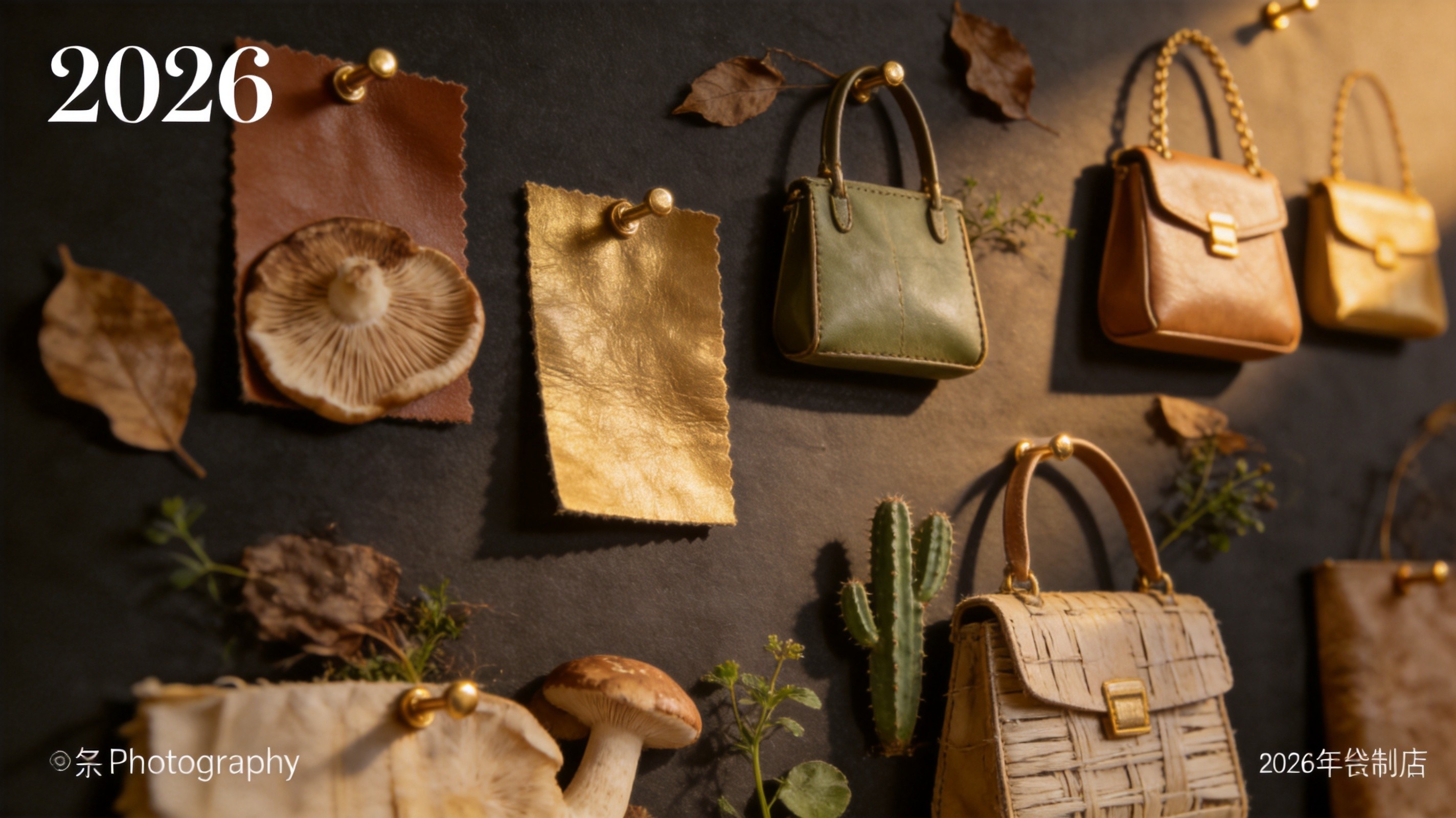
Quiet luxury communicates value through craftsmanship and material quality, not visible branding
What Is Quiet Luxury in Handbags?
Quiet luxury — sometimes called "stealth wealth" or "understated luxury" — describes products that communicate quality and exclusivity through intrinsic attributes rather than overt brand signaling. In handbags, this means designs where the value is immediately apparent to anyone who examines the piece closely, but not immediately recognizable as a specific brand from a distance.
The defining characteristics include:
- No visible logos or monograms — branding is discreet, placed on interior labels, stamped in tonal leather, or omitted entirely
- Exceptional material quality — premium leathers, solid metal hardware, quality linings that feel luxurious to the touch
- Precise construction — perfectly aligned stitching, clean edge finishing, consistent tension, no visible glue
- Timeless silhouettes — designs that resist seasonal trends and remain elegant across years of use
- Restrained color palettes — rich neutrals, deep earth tones, and classic black dominate
- Minimal hardware — functional rather than decorative, often in brushed or matte finishes
The philosophy extends beyond aesthetics. Quiet luxury brands typically produce smaller quantities, maintain closer relationships with their manufacturing partners, and emphasize the story of craftsmanship over the speed of trend response. Learn more about our craftsmanship-focused approach.
History of the Minimalist Bag Movement
The minimalist bag movement did not emerge overnight. Its roots trace through several cultural and economic currents that converged to create the conditions for quiet luxury's dominance.
Phase 1: The Logomania Era (2000–2012)
The early 2000s were defined by visible luxury consumption. Louis Vuitton monogram canvas, Gucci GG pattern, and Fendi Zucca print became status symbols. Carrying a recognizable brand was the primary way consumers signaled taste and economic standing. During this period, bag design was often secondary to brand identification.
Phase 2: The Minimalist Reaction (2013–2019)
A counter-movement began emerging around 2013, driven by several factors. The rise of social media created visual fatigue with identical logo patterns. Economic recovery after the 2008 financial crisis shifted luxury consumption from new-money display to old-money discretion. Brands like The Row (founded 2006) and Lemaire demonstrated that extreme quality and proportion could create desire without logos.
Phase 3: Mainstream Adoption (2020–Present)
The pandemic accelerated the shift toward understated consumption. Remote work reduced the social contexts where visible luxury mattered. Economic uncertainty made conspicuous spending culturally uncomfortable. By 2023, quiet luxury had moved from fashion insider preference to mainstream consumer expectation, amplified by popular culture references and celebrity adoption.
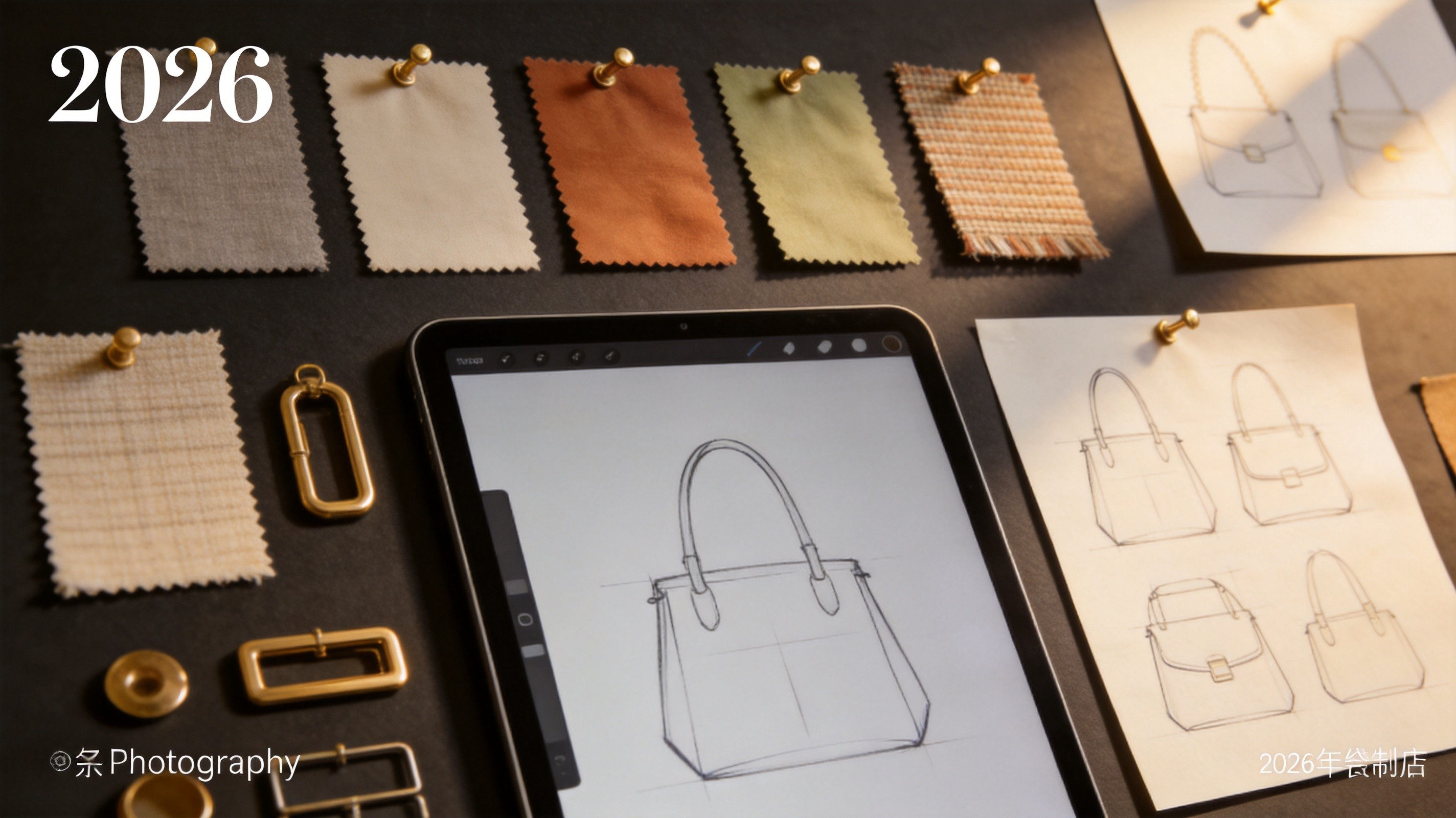
The shift from logomania to quiet luxury reflects deeper cultural changes in how consumers signal status
Key Design Elements of Quiet Luxury
Designing for quiet luxury requires mastering subtlety. Every element must be considered, refined, and executed with precision because there is no brand recognition to compensate for design weaknesses.
Proportion and Scale
The single most important design element in quiet luxury is proportion. The relationship between bag height and width, the placement of closures, the ratio of strap drop to bag height, the scale of hardware relative to bag size — all of these must feel harmonious. Quiet luxury bags achieve a sense of rightness that is difficult to articulate but immediately apparent when proportions are off.
Edge Treatment
Edge finishing separates adequate bags from exceptional ones. In quiet luxury designs, edges receive multiple coats of edge paint, hand-burnished finishes, or carefully folded and glued constructions. The edge of a quiet luxury bag is smooth, even, and consistent — a detail that rewards close inspection.
Stitching Precision
Stitching in quiet luxury bags serves both structural and aesthetic functions. Stitch length is consistent (typically 3mm per stitch for premium bags), tension is even, and stitching lines are perfectly parallel to edges. Decorative stitching is minimal — the beauty comes from precision, not elaboration.
Interior Finishing
Interior quality receives as much attention as exterior design in quiet luxury bags. Lining materials are premium (suede, microsuede, or high-grade textile). Interior pockets are thoughtfully placed. Zipper pulls are leather-wrapped or metal-matched. Even the bottom of the bag receives attention — felt pads, protective feet, or clean finishing.
Why Consumers Are Shifting Away from Logos
The movement away from visible logos is not merely aesthetic preference — it reflects fundamental shifts in how consumers perceive and communicate status.
Cultural Factors
In an era where anyone can purchase a logo-covered bag, visible branding has lost its exclusivity signal. Counterfeiting sophistication means even authentic logos can be questioned. The result: consumers who genuinely want to signal taste and resources have moved toward subtler indicators — quality that those "in the know" recognize but that does not broadcast to everyone.
Generational Shifts
Younger luxury consumers (Millennials and Gen Z) show stronger preference for authenticity and individuality than previous generations. Visible logos communicate brand membership; minimalist design communicates personal taste. For these consumers, being recognized for their own style — rather than their brand loyalty — is the higher status signal.
Economic Context
Periods of economic uncertainty historically correlate with reduced conspicuous consumption. When economic conditions are challenging, visible luxury can attract negative social judgment. Quiet luxury allows continued consumption of premium products without triggering social resentment.
Material Quality as the New Status Symbol
In the absence of logos, material quality becomes the primary differentiator. This shift has significant implications for how brand owners approach material sourcing and selection.
Leather Selection
Quiet luxury demands full-grain or top-grain leather with minimal surface treatment. The leather should show its natural character — visible pores, subtle grain variation, and a hand-feel that communicates quality at first touch. Over-processed, heavily corrected leathers undermine the quiet luxury proposition because they obscure the natural beauty that justifies premium pricing.
| Leather Type | Quiet Luxury Suitability | Characteristics | Cost Range per Meter |
|---|---|---|---|
| Full-grain, natural finish | Excellent | Visible pores, develops patina, unique character | $50 – $120 |
| Top-grain, light finish | Very Good | Consistent appearance, soft hand-feel, durable | $30 – $60 |
| Vegetable-tanned | Excellent | Natural tanning process, ages beautifully, earthy tones | $60 – $150 |
| Heavily corrected grain | Poor | Uniform but artificial appearance, plastic-like feel | $10 – $25 |
| Split leather with coating | Not recommended | Lacks structural integrity, coatings crack over time | $5 – $15 |
Hardware Standards
Hardware in quiet luxury bags must be solid — not hollow, not plated over base metals. Brass and stainless steel are the standard materials, with finishes that resist tarnishing while maintaining the warm, subtle character that defines the aesthetic. Zippers should operate smoothly and feel substantial in hand.
Price Positioning for Quiet Luxury Brands
Price positioning in the quiet luxury segment requires careful calibration. Price too low and the product cannot support the material and construction quality the segment demands. Price too high without brand equity to justify it and the market rejects the proposition.
For private label brands entering quiet luxury, the sweet spot falls between $200 and $500 retail. This range allows for premium materials and construction while remaining accessible to consumers who are new to the brand. As brand recognition builds through word-of-mouth and editorial coverage, prices can gradually move into the $500–$800 range.
The key is ensuring the product physically communicates its price point. A $350 quiet luxury bag must feel and look like it could cost $800 when held by someone unfamiliar with the brand. This is achieved through material quality, construction precision, and packaging presentation.
Top Quiet Luxury Brands Leading the Market
Understanding which brands have successfully built quiet luxury positions provides a roadmap for private label operators entering this space.
| Brand | Price Range | Design Philosophy | Key Differentiator |
|---|---|---|---|
| The Row | $2,500 – $8,000+ | Extreme minimalism, oversized proportions | Uncompromising material quality |
| Lemaire | $800 – $3,000 | Soft, architectural, wearable art | Unique silhouette language |
| Polène | $300 – $700 | Sculptural French minimalism | Direct-to-consumer value |
| Strathberry | $400 – $1,200 | Clean lines, signature bar closure | European craftsmanship story |
| Bottega Veneta | $2,000 – $6,000 | Intrecciato weave as brand identity | Craft technique as signature |
| Jil Sander | $1,000 – $3,500 | Pure geometric minimalism | Architectural precision |
The common thread among these brands is not price point — it is commitment to quality and design integrity. Each has found a way to make restraint feel like a statement, and precision feel like personality.
How to Design a Quiet Luxury Collection
Building a quiet luxury collection from scratch requires a disciplined approach to design, material selection, and production standards. The process differs significantly from designing trend-driven fashion bags.
Start with Silhouette
Quiet luxury collections typically feature a limited number of silhouettes — often just 5 to 8 styles — each designed to serve a specific function (tote, shoulder, crossbody, clutch, evening). Rather than offering many variations, the focus is on perfecting each silhouette until the proportions feel inevitable.
Invest in Patterns
Pattern development receives disproportionate attention in quiet luxury production. A well-engineered pattern ensures clean construction, minimal material waste, and consistent results across production runs. Budget extra time and resources for pattern refinement — this is where the foundation of quality is established.
Select Materials Before Finalizing Design
In quiet luxury, materials drive design rather than the reverse. Begin by sourcing exceptional materials, then design styles that showcase those materials at their best. A beautiful piece of leather with natural grain variation suggests a clean, unadorned design that lets the material speak. This approach produces more authentic results than designing first and then searching for materials to match.
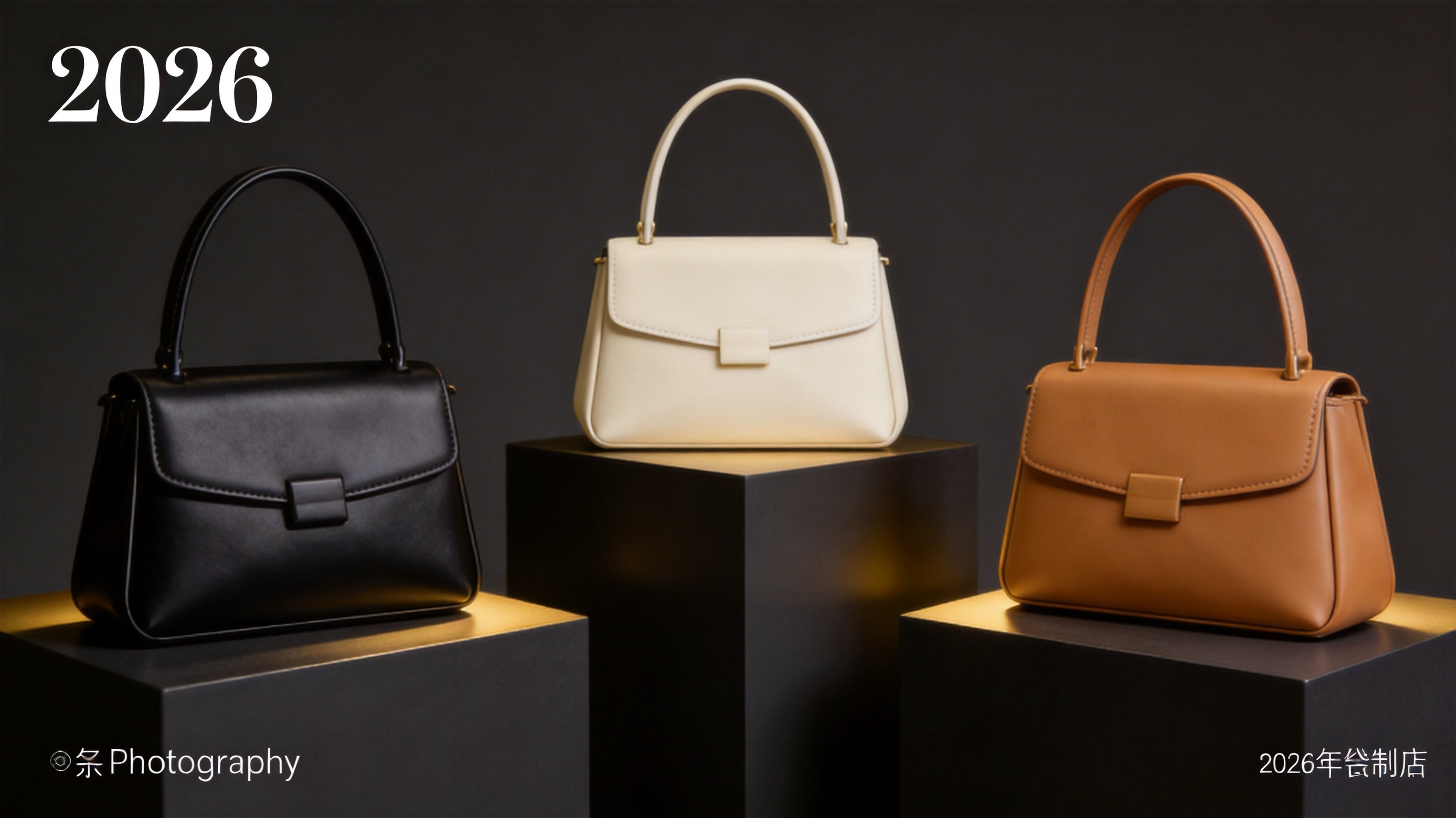
In quiet luxury design, materials drive the design direction rather than the reverse
Factory Specifications for Minimalist Bags
Manufacturing quiet luxury bags demands higher standards across every production step. The absence of decorative elements means construction flaws become more visible, not less. Brand owners must communicate specific quality requirements to their manufacturing partners.
Critical Quality Checkpoints
- Stitch consistency: 8–10 stitches per inch, uniform tension, no skipped stitches
- Edge finishing: Minimum 3 coats of edge paint with sanding between coats, or hand-burnished to smooth finish
- Alignment: All stitching lines parallel to edges within 1mm tolerance, symmetrical pocket placement
- Hardware attachment: Secure, flush-fitting, no visible glue residue, smooth operation on all moving parts
- Interior: Clean finishing on all interior seams, premium lining without wrinkles or gaps
- Color consistency: Uniform dye absorption across all pieces in production run
Documentation Requirements
Quiet luxury production requires detailed quality specification documents (tech packs) that address every visible and structural element. These documents should include photographs of acceptable versus unacceptable construction at each checkpoint, creating an unambiguous quality standard that factory workers can reference during production.
Working with an experienced factory familiar with quiet luxury standards significantly simplifies this process. Facilities that produce for established premium brands already have the quality systems, trained workers, and inspection processes in place. Find the right manufacturing partner for your collection.
Marketing Quiet Luxury to Modern Consumers
Marketing quiet luxury presents a unique challenge: how do you communicate value when the product deliberately avoids obvious brand signals? The answer lies in storytelling, education, and experiential marketing.
Material Storytelling
Quiet luxury consumers want to know where materials come from and why they matter. Content that traces leather from specific tanneries, explains the difference between full-grain and corrected grain, or details the hardware selection process builds the knowledge framework that helps customers recognize and appreciate quality.
Craftsmanship Documentation
Video and photography showing production processes — leather cutting, edge painting, final assembly — communicates quality in ways that words alone cannot. Social media content showing the details that distinguish a premium bag from a mass-market one educates consumers while building brand credibility.
Influencer Strategy
Quiet luxury marketing works best through influencers known for taste and discernment rather than volume of followers. Partnerships with stylists, designers, and cultural figures who embody the "less but better" philosophy create more authentic endorsement than traditional influencer campaigns focused on reach.
Quiet Luxury vs Traditional Luxury: Market Data
The market data supporting the quiet luxury shift is compelling. Brands embracing minimalist, logo-free design consistently outperform logo-dependent competitors in key growth metrics.
| Metric | Quiet Luxury Brands | Logo-Dependent Brands | Trend Direction |
|---|---|---|---|
| Average revenue growth (2023–2025) | +12–18% | +2–5% | Favoring quiet luxury |
| Customer retention rate | 72–85% | 45–60% | Significantly higher for quiet luxury |
| Average order value | $380–$650 | $250–$400 | Quiet luxury commands premium |
| Return rate | 5–8% | 12–18% | Lower returns for quality-focused brands |
| Social media engagement quality | Higher save rate, deeper comments | Higher raw engagement numbers | Quality over quantity |
These numbers reflect a fundamental truth: consumers who invest in quiet luxury products tend to be more satisfied, more loyal, and more valuable over their lifetime as customers. The initial acquisition cost may be higher, but the lifetime customer value justifies the investment.
Building a Quiet Luxury Brand from Scratch
For entrepreneurs entering the handbag market, quiet luxury offers a viable entry strategy that does not require the massive brand-building budgets demanded by logo-dependent models. The path from concept to established quiet luxury brand follows a recognizable sequence.
Phase 1: Product Excellence (Year 1)
Launch with 3 to 5 perfectly executed styles in 2 to 3 colorways. Focus all resources on making these initial products exceptional. Send samples to editors and stylists whose taste you trust. Gather feedback relentlessly and refine.
Phase 2: Story Development (Year 1–2)
Build the brand narrative around material sourcing, manufacturing partnerships, and design philosophy. Create content that educates your audience about what makes a bag truly well-made. This educational content becomes the foundation of customer trust.
Phase 3: Community Building (Year 2–3)
Quiet luxury brands grow primarily through word-of-mouth and cultural credibility. Invest in customer experience — packaging, unboxing, post-purchase communication — because every touchpoint reinforces or undermines the brand's quality promise. Encourage and share user-generated content from customers who embody the brand's aesthetic.
Phase 4: Strategic Expansion (Year 3+)
Once the brand has established credibility, expand deliberately. Add styles that complement the existing collection rather than chasing trends. Consider material innovations that align with the brand's quality-first philosophy. Stay informed about trends while maintaining brand integrity.
The Quiet Luxury Advantage for Private Labels
Private label brands have a natural advantage in quiet luxury because they are not burdened by legacy brand expectations tied to logos or seasonal trends. Building a new brand around quality, craftsmanship, and timeless design is more authentic than an established mass-market brand attempting to pivot toward quiet luxury positioning.
Create Your Quiet Luxury Collection
We specialize in premium craftsmanship for brands that let quality speak for itself. MOQ from 200 pieces per style with full customization.
📧 service@junyuanbags.com | 💬 WhatsApp: +86 17750020688
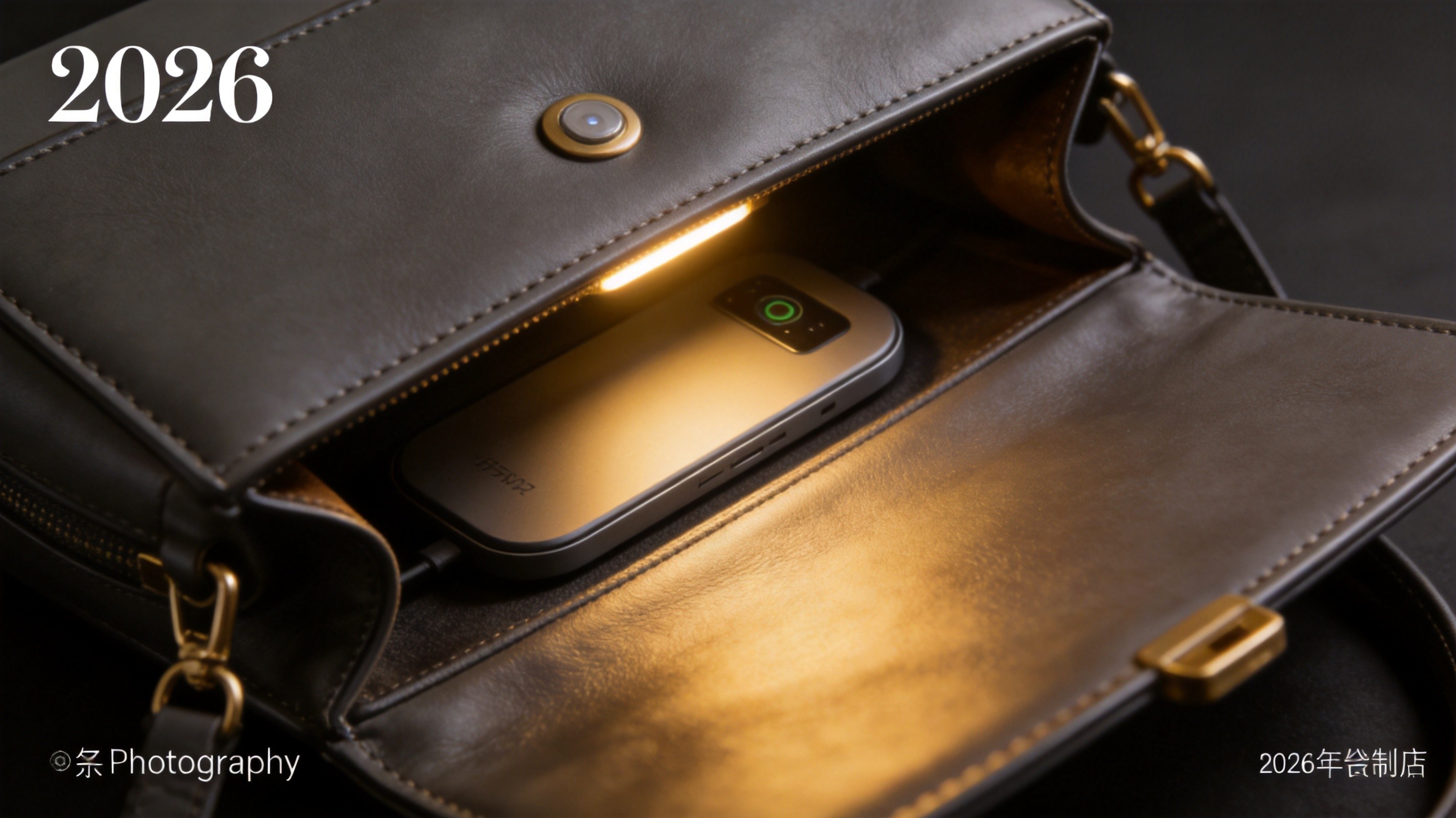
From material selection to final finishing, every detail matters in quiet luxury design
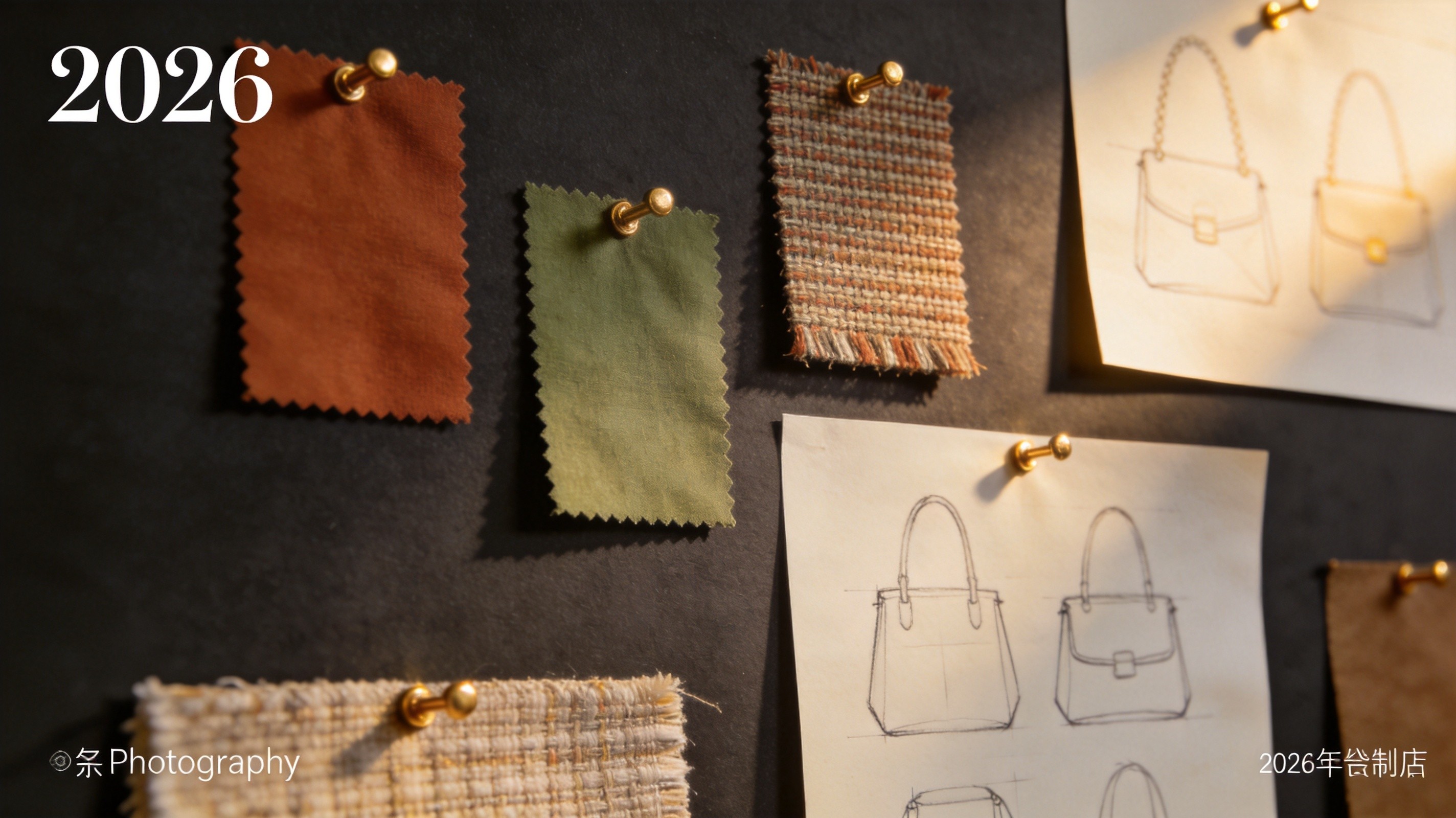
Artisan craftspeople creating minimalist luxury handbag with precision
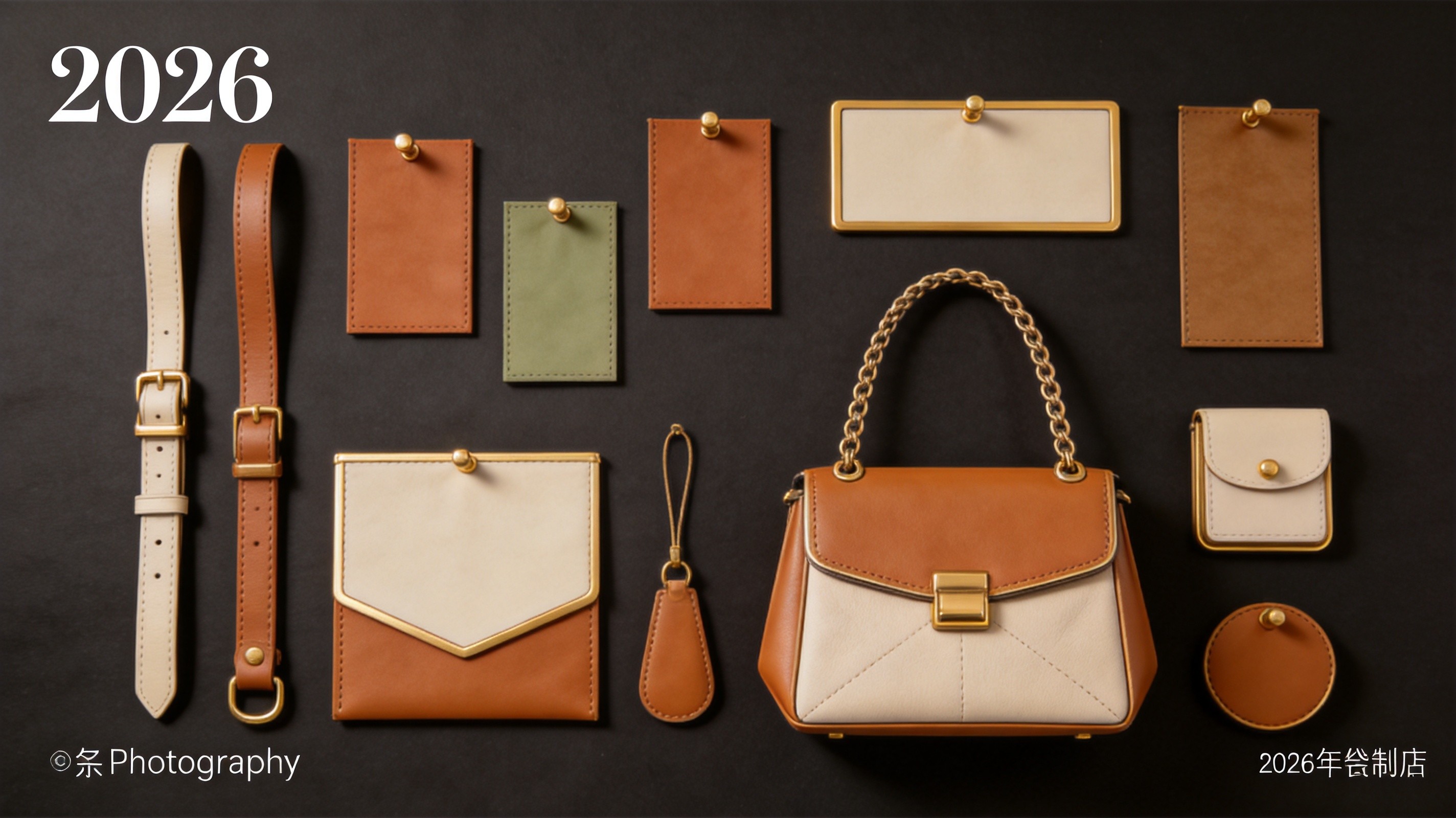
Quiet luxury brand collection emphasizing craftsmanship over branding
Common Mistakes in Quiet Luxury Positioning
Brands attempting to enter the quiet luxury space frequently make errors that undermine their positioning efforts. Avoiding these pitfalls saves significant time and capital.
Mistake 1: Confusing Minimal with Minimalist
Minimal design means simple — few elements, clean lines. Minimalist design means intentional — every element earns its place through contribution to the whole. A quiet luxury bag can have complex construction and multiple design elements, provided each serves a clear purpose. The goal is not the absence of detail but the presence of purposeful detail.
Mistake 2: Under-Investing in Materials
Without visible branding to carry the design, material quality bears the full weight of value communication. Brands that attempt quiet luxury positioning with mid-grade materials create products that feel like compromises rather than intentional choices. The material must be the story.
The Future of Quiet Luxury in Handbags
The quiet luxury movement shows no signs of reversing. If anything, it is deepening — becoming not just an aesthetic preference but a fundamental shift in how consumers evaluate and purchase luxury goods.
Technology Integration
As smart features become more common in handbags, the challenge for quiet luxury brands will be integrating technology without disrupting the aesthetic of restraint. Invisible technology — charging that works through the leather surface, tracking that leaves no visible evidence — will become an important design discipline.
Generational Evolution
As Gen Z consumers age into higher earning power, their preference for authentic, understated expression will continue to shape the market. Quiet luxury is not a generational phase — it is the expression of values that younger consumers hold more strongly than their predecessors.
Frequently Asked Questions
What defines quiet luxury in handbags?
Quiet luxury in handbags is defined by exceptional material quality, meticulous craftsmanship, and refined design — without visible logos, overt branding, or trend-driven styling. The value is communicated through tactile experience, construction details, and proportion rather than brand identification.
Can a private label brand create quiet luxury bags?
Private label brands are exceptionally well-positioned for the quiet luxury segment because the category prioritizes quality and craftsmanship over brand recognition. Success requires investing in premium materials, precise construction, and thoughtful design proportions. The absence of a recognizable logo means every quality detail is visible and scrutinized.
What price point works for quiet luxury handbags?
Quiet luxury handbags typically occupy the $200–$800 range for emerging brands, with established quiet luxury houses pricing from $1,500 to $5,000+. For private label brands entering this segment, the $200–$500 range offers the strongest opportunity.
What materials are essential for quiet luxury bag design?
Essential materials include full-grain or top-grain leather with natural finishes, high-quality lining (suede or microsuede), solid brass or stainless steel hardware with brushed finishes, and careful edge treatment. Material consistency across all components is critical.
Continue Reading
- Handbag Trends 2026: What Styles Will Sell Next Season
- Sustainable Handbag Materials: Future of Eco-Friendly Fashion
- The Rise of Vegan Leather in the Handbag Industry
- Explore Our Products
- OEM/ODM Services
Limitations and Scope of This Guide
This guide covers quiet luxury bags and why minimalist design dominates 2026, covering market drivers, design principles, materials, and brand positioning. It is based on our experience as a handbag manufacturer in Quanzhou, China, serving brands worldwide since 2004. Key limitations to keep in mind:
- 'Quiet luxury' is a market trend that may cycle. Consumer preferences for logo visibility and overt branding may return, shifting demand away from minimalism.
- This guide focuses on handbags in the $300-2000 retail range. Ultra-luxury quiet brands (The Row, Hermès) operate with different dynamics and price expectations.
- Manufacturing minimalist designs requires exceptional craftsmanship—hiding construction complexity behind clean exteriors is technically demanding and costly.
For advice tailored to your specific situation, contact our team directly.