Table of Contents
- The Psychology of Handbag Display
- Principles of Visual Merchandising for Accessories
- Choosing the Right Display Fixtures
- Wall-Mounted vs Freestanding Display Solutions
- Creating Focal Points and Hero Displays
- Color Blocking Strategies for Handbag Walls
- Price Point Grouping vs Style Grouping
- Lighting Techniques That Make Bags Sell
- Window Display Ideas for Handbag Retailers
- Table and Island Display Arrangements
- Using Props and Lifestyle Context
- Seasonal Display Rotation Calendar
- Small Space Solutions for Compact Boutiques
- Digital Signage and Interactive Displays
- Measuring Display Effectiveness: Sales Per Square Foot
- FAQ — Visual Merchandising for Handbags
Visual merchandising is the silent salesperson in your boutique. A well-designed handbag display does not just hold products; it guides customer attention, communicates value, creates desire, and ultimately drives purchase decisions. The difference between a handbag that sells within a week and one that languishes for months often comes down to how it is presented, not the product itself.
This comprehensive guide covers every aspect of handbag visual merchandising, from the psychology behind display design to specific fixture recommendations, lighting techniques, color strategies, and rotation schedules. Whether you are designing a new store layout or refreshing your current displays, these strategies will help you maximize sales per square foot and create an inviting shopping environment that keeps customers coming back. For insights into selecting the products you will display, see our guide on curating a handbag collection.
Strategic visual merchandising transforms handbag displays from storage into selling tools
The Psychology of Handbag Display
Understanding why customers respond to certain displays and not others is the foundation of effective visual merchandising. Handbag purchasing is an emotionally driven decision supported by rational justification. The display must first capture attention, then create emotional desire, and finally provide the rational reasons to justify the purchase.
Research in retail environmental psychology shows that customers form impressions about product value within 0.3 seconds of viewing a display. Factors that influence this instant perception include the number of items displayed (fewer items communicate exclusivity), the spacing between items (generous spacing signals premium positioning), the lighting quality (focused lighting creates visual hierarchy), and the surrounding context (clean backgrounds direct attention to the product). These psychological principles apply regardless of your store's size or price positioning.
The "decompression zone" near your store entrance is particularly critical for handbag displays. Customers need 5 to 15 feet of transition space before they begin processing merchandise information. Placing your strongest handbag display just past this zone ensures maximum visibility when customers are mentally ready to engage with products.
Principles of Visual Merchandising for Accessories
Several universal principles guide effective accessory merchandising across all retail environments. These principles create the framework within which your specific design decisions should operate.
- The Rule of Three: Group items in threes for visual harmony. Three bags on a shelf look composed; two look incomplete; four look crowded
- Pyramid Composition: Arrange items with the tallest or most prominent in center, creating a triangular visual flow
- Right-Hand Bias: Customers naturally look right first when entering a space. Place priority displays on the right side
- Eye-Level Priority: Products at 48 to 66 inches from the floor receive 40 percent more attention than products at other heights
- Color Progression: Arrange colors in a logical progression (light to dark, warm to cool) for visual coherence
- Negative Space: Empty space around products increases perceived value. Avoid overstuffing displays
These principles should be applied consistently throughout your store to create a cohesive visual language that customers find comfortable and intuitive. When displays follow these principles, customers navigate your collection more easily and make purchase decisions more confidently.
Choosing the Right Display Fixtures
The fixtures you choose determine how your handbags are presented, how many you can display, and the overall aesthetic of your store. Fixture selection should balance display capacity, product protection, visual appeal, and accessibility for customers.
| Fixture Type | Best For | Capacity | Price Range | Aesthetic |
|---|---|---|---|---|
| Slatwall Panels | Versatile wall display | 15-25 bags per 4ft panel | $150-$400 | Clean, modern |
| Waterfall Shelves | Structured bags, totes | 8-12 bags per unit | $200-$500 | Premium, elevated |
| Pegboard Systems | Crossbodies, clutches | 12-20 bags per panel | $100-$300 | Industrial, flexible |
| Glass Shelving | Premium/limited edition | 4-8 bags per unit | $300-$800 | Luxury, exclusive |
| Acrylic Shelves | Lightweight, colorful | 10-15 bags per unit | $80-$250 | Modern, minimal |
| Tabletop Risers | Small bags, groupings | 6-10 bags per table | $50-$200 | Accessible, tactile |
| Rotating Stands | Compact display | 8-16 bags per stand | $100-$350 | Efficient, dynamic |
Invest in quality fixtures that complement your store's aesthetic. Wobbly or dated fixtures communicate carelessness and reduce perceived product value. For premium positioning, choose fixtures with clean lines, neutral finishes (black, white, brushed metal), and integrated lighting options. Our solutions for retailers include display consultation to help you optimize your fixture selection.
Wall-Mounted vs Freestanding Display Solutions
Wall-mounted displays maximize vertical space and create a backdrop that organizes your collection visually. Freestanding displays offer flexibility and allow customers to view products from multiple angles. The most effective stores use both strategically, with wall displays serving as the primary collection showcase and freestanding units creating secondary focal points and impulse zones.
Wall-mounted systems work best for your core collection of structured bags, totes, and shoulder bags. They provide a clean backdrop that allows color blocking and category organization. Freestanding displays are ideal for island arrangements in the center of your store, tabletop presentations of smaller bags, and rotating feature displays that change with seasons or promotions. The combination of wall and freestanding displays creates a layered visual environment that encourages customers to explore your entire collection.
Combining wall-mounted and freestanding displays creates a layered visual environment
Creating Focal Points and Hero Displays
Every handbag display area needs a focal point that captures attention and draws customers into the collection. Without focal points, displays become monotonous walls of product that customers scan past without engaging. Hero displays create visual hierarchy and give customers a starting point for exploration.
Create hero displays by giving your most important product premium placement with enhanced lighting, generous spacing, and supporting context. A hero display might feature a single statement bag on an illuminated pedestal, a curated trio of new arrivals on a featured table, or a seasonal vignette with the collection's key bag surrounded by complementary props. Refresh hero displays every two to three weeks to maintain novelty and encourage repeat visits.
Color Blocking Strategies for Handbag Walls
Color blocking is the most impactful visual merchandising technique for handbag walls. Organizing bags by color creates a visually stunning display that communicates order, intentionality, and professionalism. It also helps customers quickly identify options that work with their wardrobe.
Effective color blocking follows a logical progression. Start with your neutral foundation (black, brown, tan, navy, grey) on one end of the wall, transition through soft neutrals (blush, cream, olive, mauve) in the middle, and end with bold seasonal colors on the opposite end. This arrangement mirrors how customers shop: they first consider their core neutral needs and then explore accent options.
Within each color group, arrange bags by size (largest to smallest, left to right) to create visual rhythm. Maintain consistent spacing between bags (typically 3 to 4 inches) to prevent a cluttered appearance. For walls with mixed categories, use subtle shelf dividers or signage to maintain category coherence within the color progression.
Price Point Grouping vs Style Grouping
The decision between organizing by price point or by style/category depends on your customer behavior and store positioning. Both approaches have merits, and many stores benefit from a primary organization method supplemented by secondary cross-merchandising.
Style or category grouping (totes together, crossbodies together, clutches together) works best when your customers shop by need: they know what type of bag they want and are comparing options within that category. This is the most common and generally most effective approach for handbag displays.
Price point grouping works when your customers shop by budget: they have a spending range in mind and want to see all options within that range. This approach is effective for stores with wide price ranges or for dedicated "gift shop" sections. Consider testing both approaches and tracking sales data to determine which generates higher conversion and average transaction value for your specific market.
Color blocking creates visual impact and helps customers navigate your collection intuitively
Lighting Techniques That Make Bags Sell
Lighting is the single most impactful environmental factor in handbag presentation. The right lighting makes materials look rich, colors appear accurate, and details visible. Poor lighting makes even beautiful bags look flat, dull, and unappealing.
| Lighting Type | Color Temperature | Purpose | Best Application |
|---|---|---|---|
| Ambient (General) | 3000K-3500K | Overall store illumination | Ceiling fixtures, track lights |
| Accent (Spot) | 2700K-3000K | Highlighting specific bags | Track heads, picture lights |
| Display (Integrated) | 3000K-4000K | In-shelf illumination | LED strips, puck lights |
| Feature (Dramatic) | 2700K | Hero displays, windows | Spotlights, fiber optics |
Always select light sources with a Color Rendering Index (CRI) of 90 or above. Low-CRI lighting distorts colors, making leather look artificial and fabric appear faded. For leather handbags specifically, slightly warm lighting (2700K-3000K) enhances the richness and depth of the material. Avoid fluorescent lighting entirely, as it creates an unflattering green cast on most materials. Invest in quality LED fixtures that provide consistent, flicker-free illumination with excellent color rendering. Learn more about creating the right products for display in our product catalog.
Window Display Ideas for Handbag Retailers
Window displays are your store's first impression and your most valuable advertising real estate. An effective window display stops pedestrian traffic, communicates your brand identity, and draws customers through the door. For handbag retailers, window displays offer the opportunity to present your collection at its most aspirational.
Effective window display concepts for handbag retailers include lifestyle vignettes showing bags in context (a bag on a cafe table, hanging on a coat rack, beside a pair of shoes), monochromatic displays featuring a single color story with matching props, oversized artistic presentations with dramatic lighting and minimal bags for high impact, and thematic seasonal narratives that tell a story through product and props. Change window displays every two to three weeks to maintain freshness and encourage repeat passes from regular foot traffic.
Table and Island Display Arrangements
Table and island displays create intimate shopping moments in the center of your store. These displays encourage customers to slow down, touch products, and engage with your collection more deeply than wall displays allow. Well-designed island displays generate 20 to 30 percent of in-store handbag sales despite occupying a small fraction of floor space.
Design island displays using the pyramid principle: place the most prominent bag at center or highest point, with supporting pieces arranged around it at varying heights. Use risers, books, or decorative boxes to create height variation. Include 3 to 5 pieces maximum to maintain visual clarity. Change island displays weekly to feature new arrivals, bestsellers, or curated groupings that tell a story. For compact stores, a single well-designed island display can replace multiple smaller fixtures while creating more visual impact.
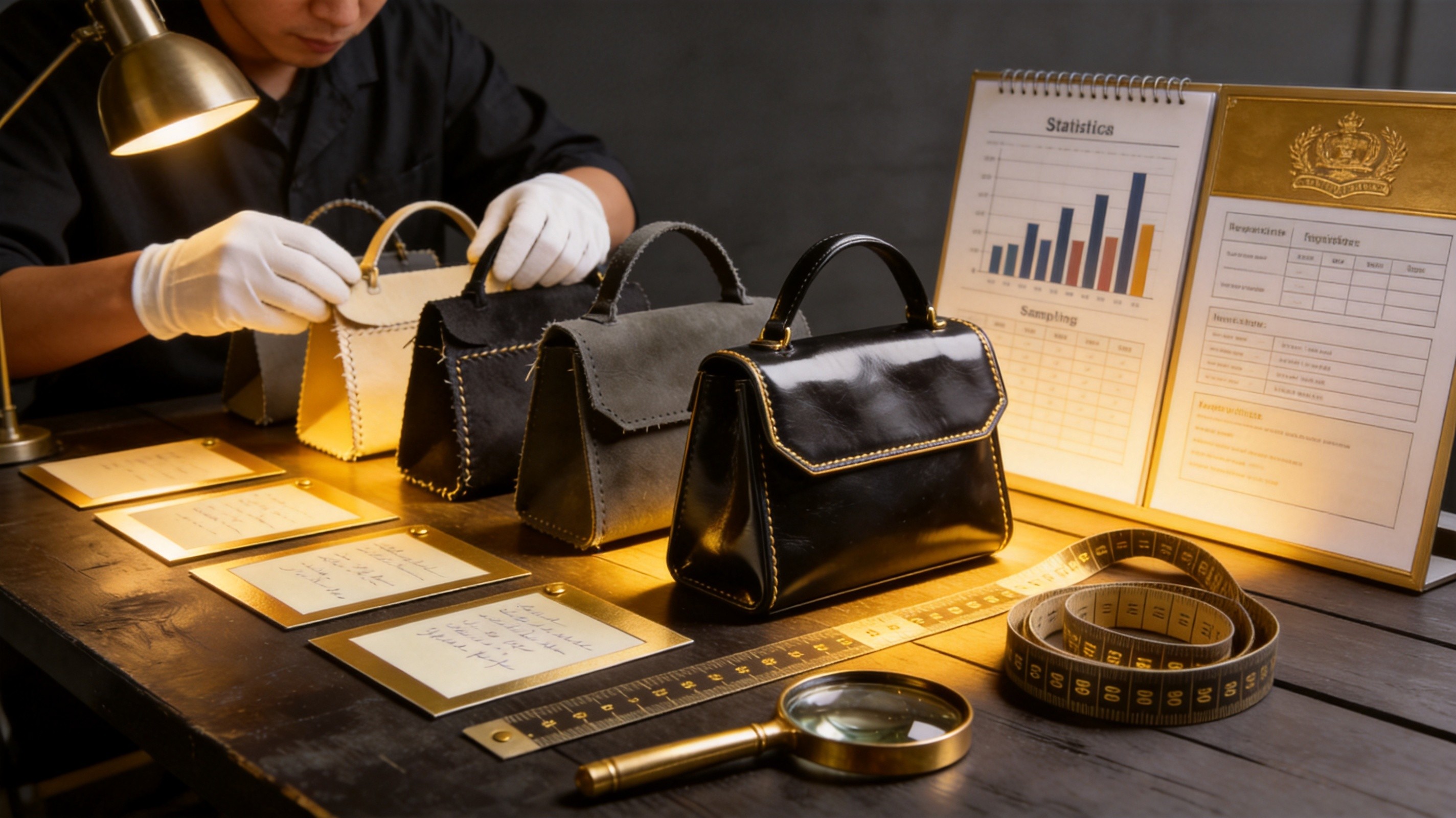
Island displays create intimate shopping moments that encourage customers to touch and explore
Using Props and Lifestyle Context
Props transform handbag displays from product presentations into lifestyle stories. When a customer sees a bag displayed alongside sunglasses, a coffee cup, and a passport, they can immediately envision carrying that bag while traveling. This contextual presentation accelerates the emotional connection that drives purchase decisions.
Use props sparingly and purposefully. Each prop should support the story you are telling without competing with the bags for attention. Seasonal props (scarves for fall, sunglasses for summer) create timely relevance. Lifestyle props (laptops for work bags, evening gloves for clutches) communicate use occasions. Keep prop budgets modest; the props should complement, not overshadow, the product.
Seasonal Display Rotation Calendar
A structured display rotation calendar ensures your store always feels fresh and current. Regular rotation prevents display fatigue among repeat customers and provides natural opportunities to feature new arrivals, promote seasonal collections, and maintain visual excitement throughout the year.
| Period | Display Theme | Key Actions | Featured Categories |
|---|---|---|---|
| January - February | New Year, Fresh Start | Full reset, new arrivals | Work totes, structured bags |
| March - April | Spring Awakening | Color introduction, lighter materials | Crossbodies, pastels, canvas |
| May - June | Summer Ready | Bright colors, resort styles | Straw, woven, mini bags |
| July - August | Back to School/Work | Functional focus, capacity | Totes, backpacks, organizers |
| September - October | Fall Transition | Rich textures, warm tones | Suede, leather, earth tones |
| November - December | Holiday/Gift Season | Luxury presentation, gift sets | Clutches, limited editions |
For detailed seasonal buying guidance that informs your display planning, see our seasonal buying guide for boutique inventory.
Small Space Solutions for Compact Boutiques
Not every boutique has generous square footage. Compact stores face the challenge of displaying a meaningful handbag collection within limited space while maintaining an uncluttered, premium atmosphere. Strategic thinking about vertical space, multi-functional fixtures, and curated density solves this challenge effectively.
Maximize vertical wall space with floor-to-ceiling shelving systems that display 30 to 50 bags on a single wall. Use the inside of bags for smaller item display (stuffing mini bags inside totes). Install a rotating floor stand near the entrance for 8 to 12 featured pieces. Place slim-profile hooks on the back wall for hanging crossbody bags. Use the area above the checkout counter for a compact display of clutches and card holders. A well-planned small store can effectively display 40 to 60 handbags in under 500 square feet while maintaining an uncluttered, premium feel.
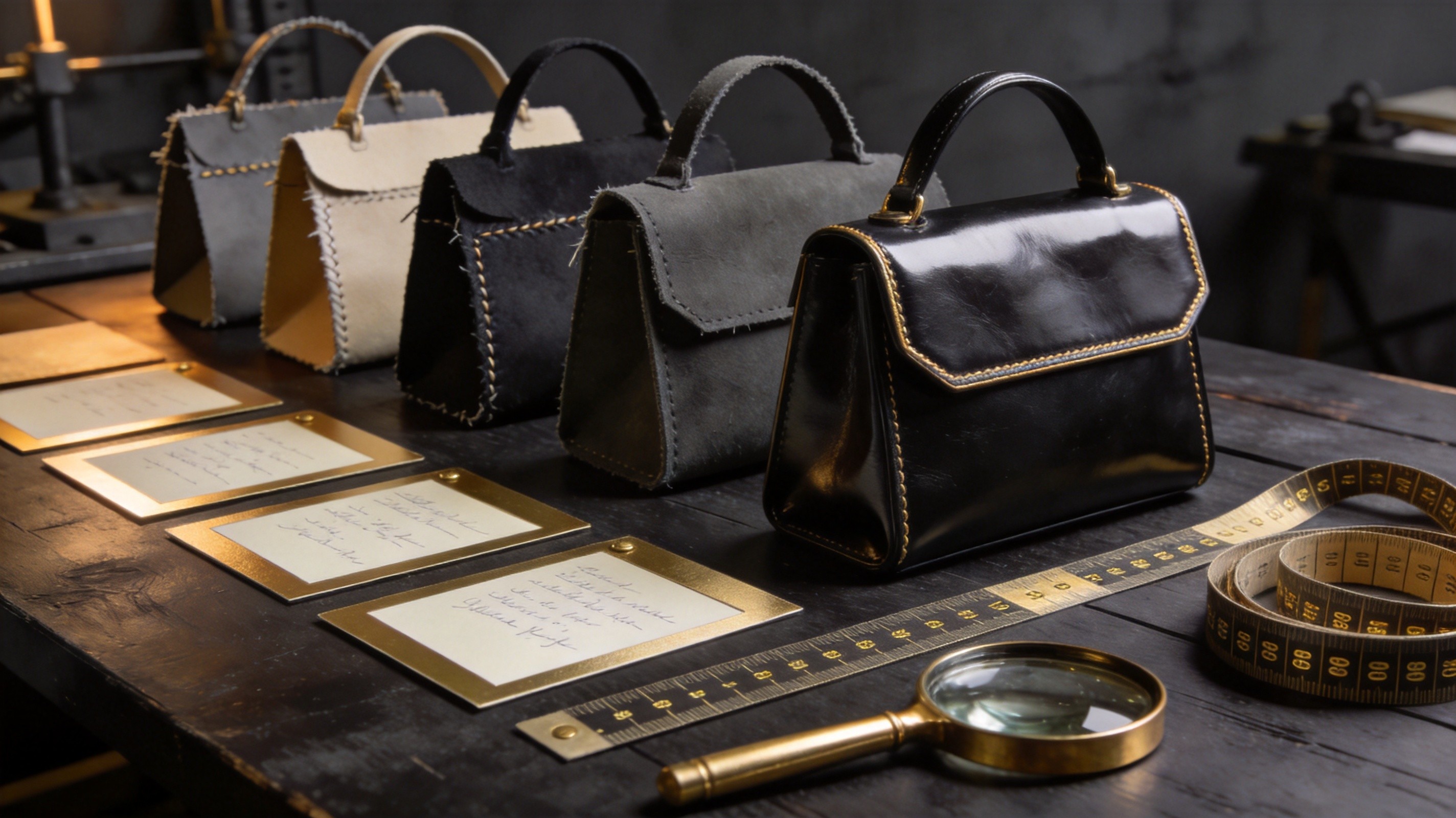
Creative space planning allows compact boutiques to display extensive collections without feeling cluttered
Digital Signage and Interactive Displays
Technology integration in handbag displays is growing rapidly. Digital signage, interactive screens, and QR code integration enhance the shopping experience by providing information, storytelling, and convenience that physical displays alone cannot deliver.
Digital signage near handbag displays can show product videos, styling suggestions, material origin stories, or customer testimonials. QR codes on shelf tags allow customers to access additional product information, check available colors, or read reviews on their phones. Interactive touch screens let customers browse your full inventory including items not currently on display. These digital supplements enhance rather than replace physical displays, adding information depth to the visual presentation.

Digital signage and interactive displays complement physical merchandising to enhance the customer experience
Measuring Display Effectiveness: Sales Per Square Foot
Effective visual merchandising is not just aesthetic; it is measurable. Tracking the performance of your displays allows you to optimize placement, identify high-traffic zones, and make data-driven decisions about fixture allocation and product positioning.
Key metrics for display effectiveness include sales per square foot by display zone, sell-through rate by display position (eye level versus lower shelves), conversion rate for featured versus non-featured items, average transaction value for customers who engage with specific displays, and dwell time in different store areas. Use your POS data to track which display zones generate the most sales. Simple observation (watching where customers stop and touch products) provides additional insight. Adjust your displays based on data, not just aesthetics, and you will see measurable improvement in sales performance.
For broader strategies on managing your handbag inventory and maximizing returns, our team brings decades of retail manufacturing experience to support your business growth.
Quality Handbags That Display Beautifully
Great displays need great products. Junyuan Bags creates handbags with the craftsmanship and visual appeal that look stunning in any display setting. 20+ years of manufacturing excellence.
WhatsApp: +86 17750020688 | Email: service@junyuanbags.com
MOQ: 200 pcs/style | Factory: 30,000 sqm, 300+ workers, Quanzhou, China
Frequently Asked Questions
What are the best display fixtures for handbags?
The best fixtures include slatwall panels for versatile wall display, waterfall shelves for structured bags, pegboard systems for crossbodies, glass shelving for premium positioning, and tabletop risers for small spaces. Choose fixtures that support your bags' structure while keeping them accessible for customers.
How often should handbag displays be rotated?
Rotate major displays four times per year for seasonal changes, refresh groupings every 6-8 weeks for new arrivals, and make weekly micro-adjustments to move bestsellers to prime positions. Window displays should change every 2-3 weeks. Regular rotation increases sell-through by 15-25%.
What lighting works best for handbag displays?
Use 3000K-3500K warm white ambient lighting with accent spotlights at 30-degree angles. Always choose LED fixtures with CRI of 90 or above for accurate color rendering. For leather bags, 2700K-3000K enhances material richness. Avoid fluorescent lighting entirely.
How do you display handbags effectively in a small boutique?
Maximize vertical space with floor-to-ceiling shelving, use multi-functional rotating stands, nest smaller bags inside larger ones, mount slim hooks on back walls, and place compact displays near checkout. A well-planned small store can display 40-60 bags effectively in under 500 square feet.
Should handbags be grouped by color or by style?
Use both strategies in layers: primary grouping by category (totes, crossbodies, clutches) since this matches how customers shop, with secondary color arrangement within each category from neutrals to bold. For window displays, pure color blocking creates the strongest visual statement.
Limitations and Scope of This Guide
This guide covers visual merchandising tips for handbag displays in retail environments, including fixture selection, arrangement strategies, and seasonal refreshes. It is based on our experience as a handbag manufacturer in Quanzhou, China, serving brands worldwide since 2004. Key limitations to keep in mind:
- Visual merchandising advice is based on physical retail environments. Online stores, pop-ups, and market stalls require different display approaches.
- Fixture recommendations assume standard retail budgets. Custom millwork and luxury fixtures can dramatically increase display costs beyond the ranges suggested.
- This guide focuses on independent boutiques and small retail. Large department stores and chain retailers have corporate visual merchandising standards that override general advice.
For advice tailored to your specific situation, contact our team directly.