Table of Contents
- The East-West Bag Trend Explained
- Why Horizontal Silhouettes Are Trending
- Historical Context of Bag Shape Evolution
- Key Design Features of East-West Bags
- Popular East-West Styles for 2026
- Material Choices for Horizontal Bags
- Hardware and Strap Considerations
- Target Demographics for East-West Bags
- Design Specifications for Manufacturing
- Pricing Strategy for East-West Collections
- How to Order East-West Bags from Factories
- Marketing East-West Bags to Retail Buyers
- Frequently Asked Questions
In the handbag industry, silhouette trends cycle with remarkable consistency — but occasionally a shape emerges that feels genuinely fresh rather than merely recycled. The east-west (horizontal) bag silhouette is one of those moments. Wider than it is tall, with clean architectural lines and a profile that photographs like it was designed for social media, the east-west bag has become the defining shape of 2026.
For brand owners and private label operators, this trend represents a significant commercial opportunity. East-west bags are appearing across price points and categories — from $50 contemporary styles to $3,000 luxury pieces — and they show no signs of being a fleeting fad. The horizontal orientation solves real functional needs (organization, device compatibility, ease of access) while delivering visual distinctiveness that makes products stand out on crowded retail shelves and social media feeds.
This guide provides everything a brand owner needs to know about the east-west bag trend — from design principles and material selection through manufacturing specifications and pricing strategy.
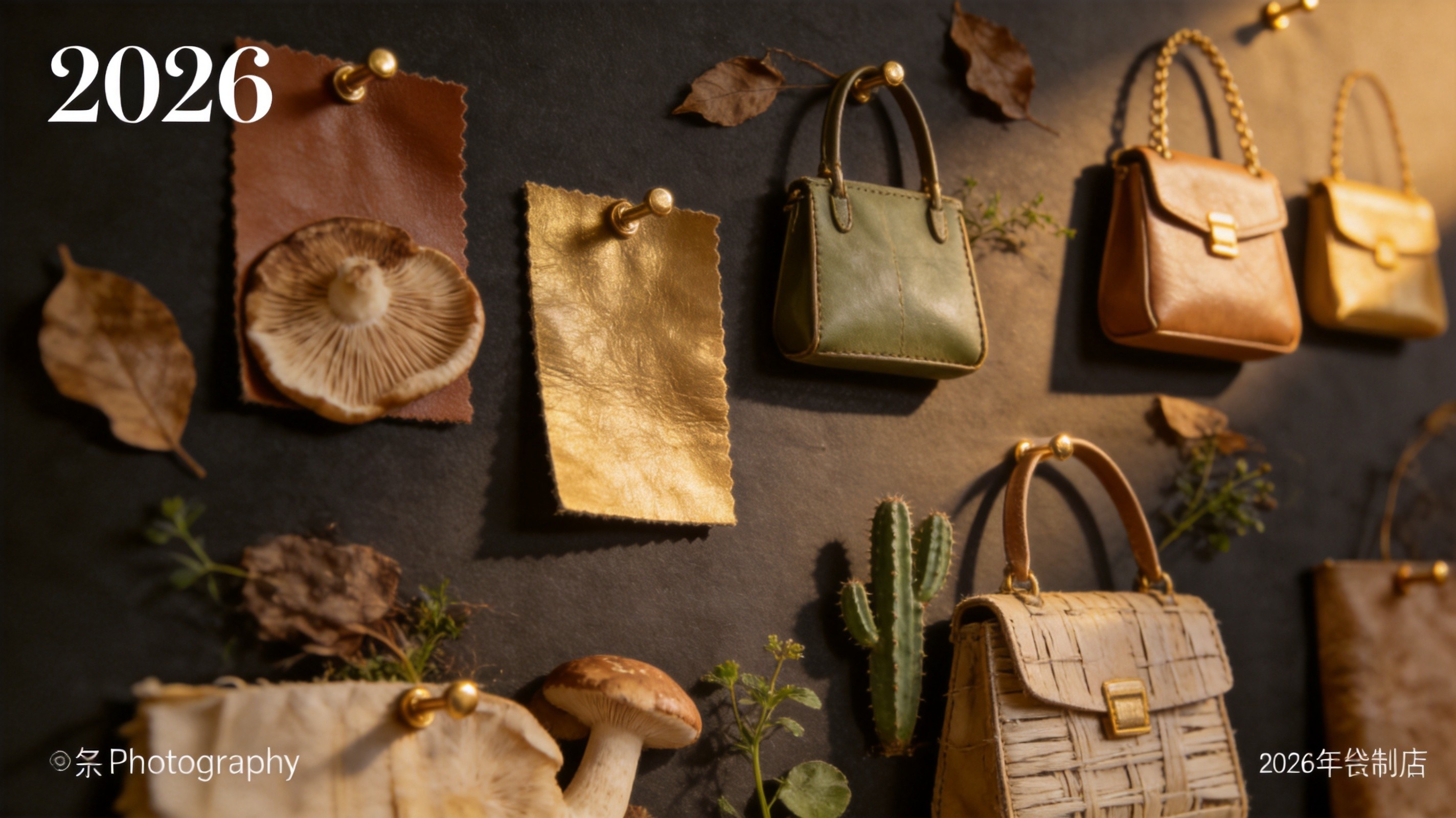
The east-west silhouette creates a distinctive modern profile that stands out in any collection
The East-West Bag Trend Explained
The term "east-west" describes a bag whose width exceeds its height — the opposite of traditional vertical ("north-south") bag proportions. This horizontal orientation is not merely an aesthetic choice; it fundamentally changes how a bag sits on the body, how contents are organized inside, and how the product is perceived visually.
The east-west shape can be applied across virtually every bag category:
- East-west clutches: Elongated evening bags with clean, linear profiles
- East-west shoulder bags: Medium-sized horizontal bags with single or double strap options
- East-west crossbodies: Compact horizontal styles worn across the body
- East-west totes: Wider versions of the classic tote with rectangular profiles
- East-west bucket bags: A newer interpretation combining the horizontal shape with bucket-style openings
The unifying characteristic across all these variations is the horizontal emphasis — the bag extends laterally rather than vertically, creating a modern, architectural look that contrasts with the rounded, vertical shapes that have dominated the market for several seasons.
Why Horizontal Silhouettes Are Trending
Multiple cultural and practical factors have converged to make the east-west silhouette the defining shape of 2026. Understanding these factors helps brand owners position their products effectively.
The Social Media Effect
Horizontal bags photograph exceptionally well on social media platforms. Their proportions align with landscape-oriented photography, and their distinctive shape creates immediate visual recognition in a crowded feed. When an influencer posts a photo featuring an east-west bag, the shape is immediately identifiable — even in a thumbnail, even at small scale.
Device Compatibility
The modern consumer carries more devices than ever — smartphones, tablets, e-readers, portable chargers. These devices are predominantly wider than they are tall (or at least as wide). A horizontal bag naturally accommodates this technology without requiring oversized proportions. An east-west bag can fit a tablet or large phone flat against its interior wall, while a vertical bag forces devices into awkward diagonal positions.
Organizational Logic
The horizontal orientation creates a wider opening that reveals all contents at once — similar to opening a drawer rather than reaching into a deep well. This visibility and accessibility appeals to consumers who value organization and efficiency. Interior compartments can be arranged side-by-side rather than stacked, making it easier to find items quickly.
Architectural Design Language
The broader trend toward clean, architectural design in fashion — visible in tailoring, footwear, and accessories — naturally favors the east-west silhouette. The horizontal lines convey modernity, structure, and intentionality that align with the quiet luxury movement and contemporary aesthetic preferences.
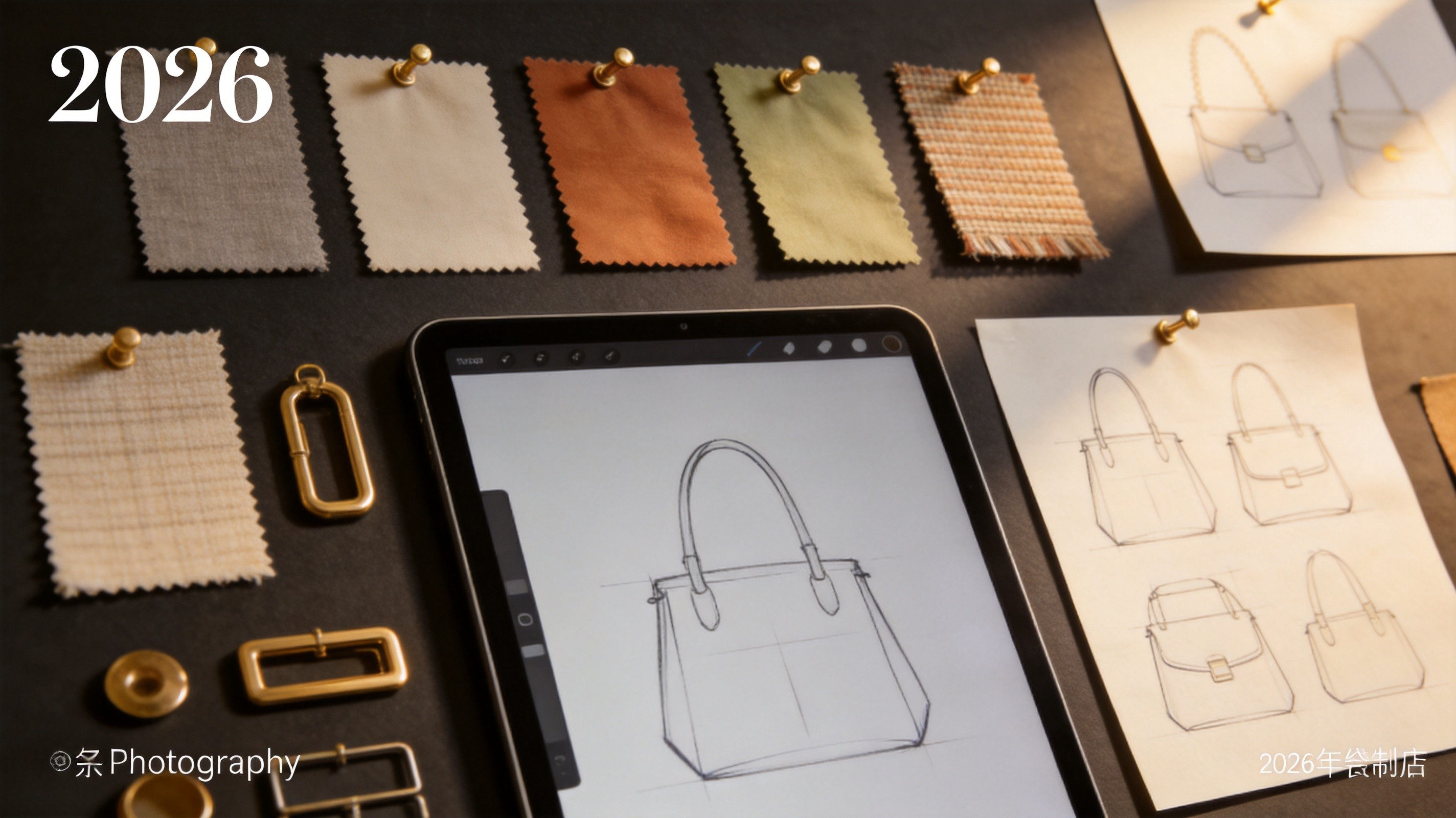
The east-west silhouette aligns with the broader shift toward architectural design in contemporary fashion
Historical Context of Bag Shape Evolution
Bag silhouettes have always reflected their cultural moments. Understanding this evolution helps predict how the east-west trend fits into the broader cycle of shape innovation.
| Period | Dominant Shape | Cultural Driver | Notable Examples |
|---|---|---|---|
| 1990s | Small rectangular, baguette | Minimalism, sleek dressing | Fendi Baguette, Prada nylon |
| 2000s | Large tote, oversized | Celebrity culture, carry-everything lifestyle | Marc Jacobs Stam, Birkin |
| 2010s | Structured box, mini bag | Social media aesthetics, logomania | Chanel Boy Bag, mini sizes |
| 2020s early | Soft slouchy, crescent | Casual comfort, pandemic lifestyle | Bottega Veneta Pouch, Coach Tabby |
| 2025–2026 | East-west horizontal | Architectural design, device compatibility | Emerging across all price tiers |
Each shift in dominant silhouette reflects deeper changes in how people live, work, and present themselves. The east-west trend reflects our current moment — a convergence of digital life (device carrying), architectural aesthetic preference, and the desire for distinctive-but-not-logo-dependent design.
Key Design Features of East-West Bags
Successful east-west bag design requires attention to specific proportions and structural elements that distinguish effective designs from awkward ones.
The Golden Ratio
The most visually pleasing east-west bags maintain a width-to-height ratio between 1.4:1 and 1.8:1. A bag that is 30cm wide should be approximately 17–21cm tall. Ratios outside this range tend to feel either too squat (less than 1.3:1) or too elongated (more than 2:1), losing the balanced, intentional look that defines the category.
Structural Integrity
The wider span of an east-west bag creates structural challenges that vertical bags do not face. The center of the bag — particularly on the top edge — is a potential weak point where sagging can occur. Successful designs address this through reinforced top edges, internal stiffeners, strategic seam placement, or structured base panels that distribute weight evenly across the width.
Closure Placement
Closure position on east-west bags differs from vertical bags. Top-center closures (like a zipper running the full width) work naturally with the horizontal shape. Side closures create asymmetrical designs that can be visually interesting but require careful proportion management. Magnetic snaps at the top edge provide clean closures for unstructured styles.
Popular East-West Styles for 2026
Several specific east-west styles have emerged as the strongest commercial performers. Brand owners should consider which of these align with their collection positioning.
The Structured East-West Shoulder Bag
A clean, boxy horizontal bag with structured walls, a flat base, and a single shoulder strap or top handle. This style bridges professional and social contexts, working equally well in an office meeting and at dinner. It typically ranges from 28–35cm wide and 16–22cm tall.
The Soft East-West Crossbody
An unstructured or semi-structured horizontal bag with an adjustable crossbody strap. The softness creates a relaxed, approachable look that appeals to younger consumers and aligns with casual-luxury positioning. Often features a flap closure or magnetic snap.
The East-West Clutch
A sleek, flat horizontal clutch designed for evening or formal occasions. The elongated shape creates an elegant line that complements evening wear. Typically 25–30cm wide with minimal interior structure — designed for phone, cardholder, keys, and lipstick.
The East-West Tote
A wider, shallower interpretation of the classic tote. The horizontal orientation provides easy access and visible organization. Particularly popular in canvas or lightweight leather for everyday use.
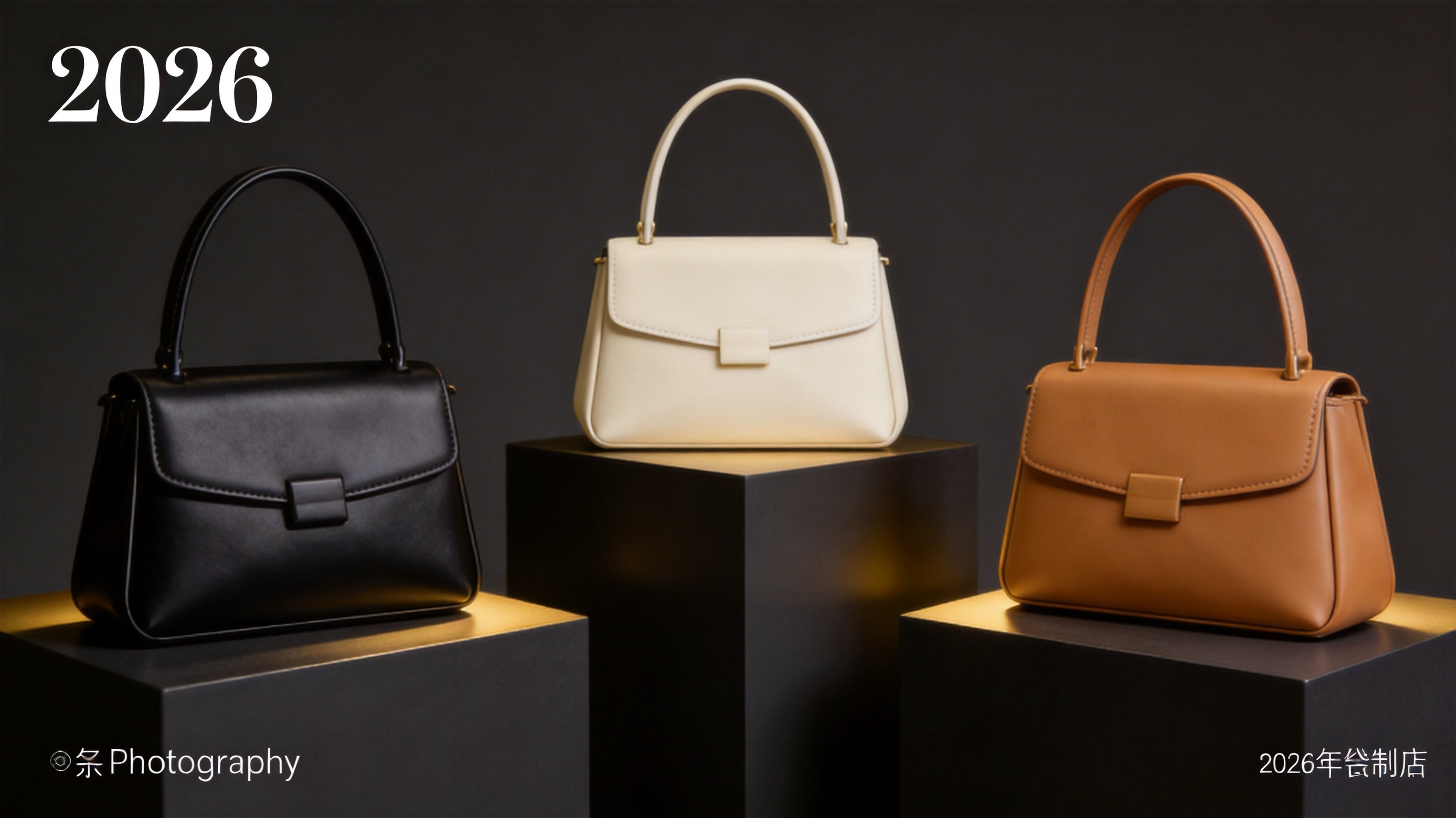
The east-west silhouette applies across all bag categories — from structured shoulder bags to soft crossbodies and evening clutches
Material Choices for Horizontal Bags
Material selection for east-west bags must account for the structural demands of the horizontal shape. The material must maintain its form across a wider span without sagging, buckling, or losing its intended profile.
Best Materials for Structured East-West Bags
- Full-grain leather (1.2mm+): Provides natural structure and develops character over time
- Top-grain leather with firm backing: Offers consistent appearance with internal support
- Vegetable-tanned leather: Naturally firm, holds structure well, develops patina
- Structured textiles with interfacing: Canvas or twill with firm internal lining
Best Materials for Soft East-West Bags
- Soft cowhide or lambskin: Creates the desirable drape and slouch
- Suede: Tactile richness with natural softness
- Woven leather: Adds texture while maintaining flexibility
- Nylon or technical fabrics: Lightweight, casual, practical
For brands exploring sustainable options, cork fabric and stiff plant-based leathers work well for structured east-west styles, while softer apple leather and mycelium materials suit the unstructured versions. Learn more about sustainable material options.
Hardware and Strap Considerations
Hardware placement and strap design require special attention in east-west bags because the horizontal orientation changes how weight distributes and how the bag hangs on the body.
Strap Attachment Points
For shoulder bags, strap attachment points should be positioned at approximately one-quarter and three-quarters of the bag's width — not at the extreme edges. This placement allows the bag to hang horizontally when carried, rather than tipping to one side. For crossbody styles, a single centered attachment or D-ring placement at the top corners works effectively.
Chain and Strap Styles
The elongated shape of east-west bags pairs well with:
- Wide leather straps: 2.5–3.5cm width provides visual balance for the wider bag body
- Chain straps: Create elegant contrast with structured horizontal forms
- Adjustable detachable straps: Allow the bag to function as shoulder, crossbody, or clutch
- Top handles: Short handles positioned at center or at quarter-points for handheld carry
Target Demographics for East-West Bags
The east-west trend appeals across a broad demographic range, but certain segments show particularly strong affinity for the horizontal silhouette.
| Demographic | Preferred Style | Price Range | Key Purchase Drivers |
|---|---|---|---|
| Professional women 28–45 | Structured east-west shoulder bag | $200 – $600 | Organization, device fit, professional appearance |
| Fashion-forward 22–35 | Soft crossbody, mini east-west | $100 – $350 | Trend awareness, social media appeal, versatility |
| Luxury consumer 35–55 | Premium leather structured | $500 – $2,000 | Material quality, craftsmanship, distinctive silhouette |
| Evening/formal buyer | East-west clutch | $80 – $400 | Elegant proportions, event appropriateness |
Design Specifications for Manufacturing
Producing east-west bags requires specific attention to several manufacturing details that differ from traditional bag construction. Communicating these specifications clearly in your tech pack prevents costly revisions.
Critical Specifications
- Width-to-height ratio: Specify exact proportions (recommended 1.4:1 to 1.8:1)
- Top edge reinforcement: Specify method — top-stitched cord, internal stiffener, or reinforced seam
- Base construction: Flat base with or without protective feet; specify base depth (typically 8–15cm)
- Strap placement: Exact measurement from bag edge to strap attachment point
- Interior layout: Specify divider placement, pocket positions, and opening width accessibility
- Hardware finish: Match aesthetic direction — see 2026 hardware trend analysis
Common Manufacturing Challenges
The most common production issue with east-west bags is center sagging — where the top edge of the bag droops in the middle, destroying the clean horizontal line. This is prevented through proper reinforcement specification and confirmed during sample review. Other challenges include maintaining consistent proportions across production runs and ensuring strap attachment points can handle lateral stress.
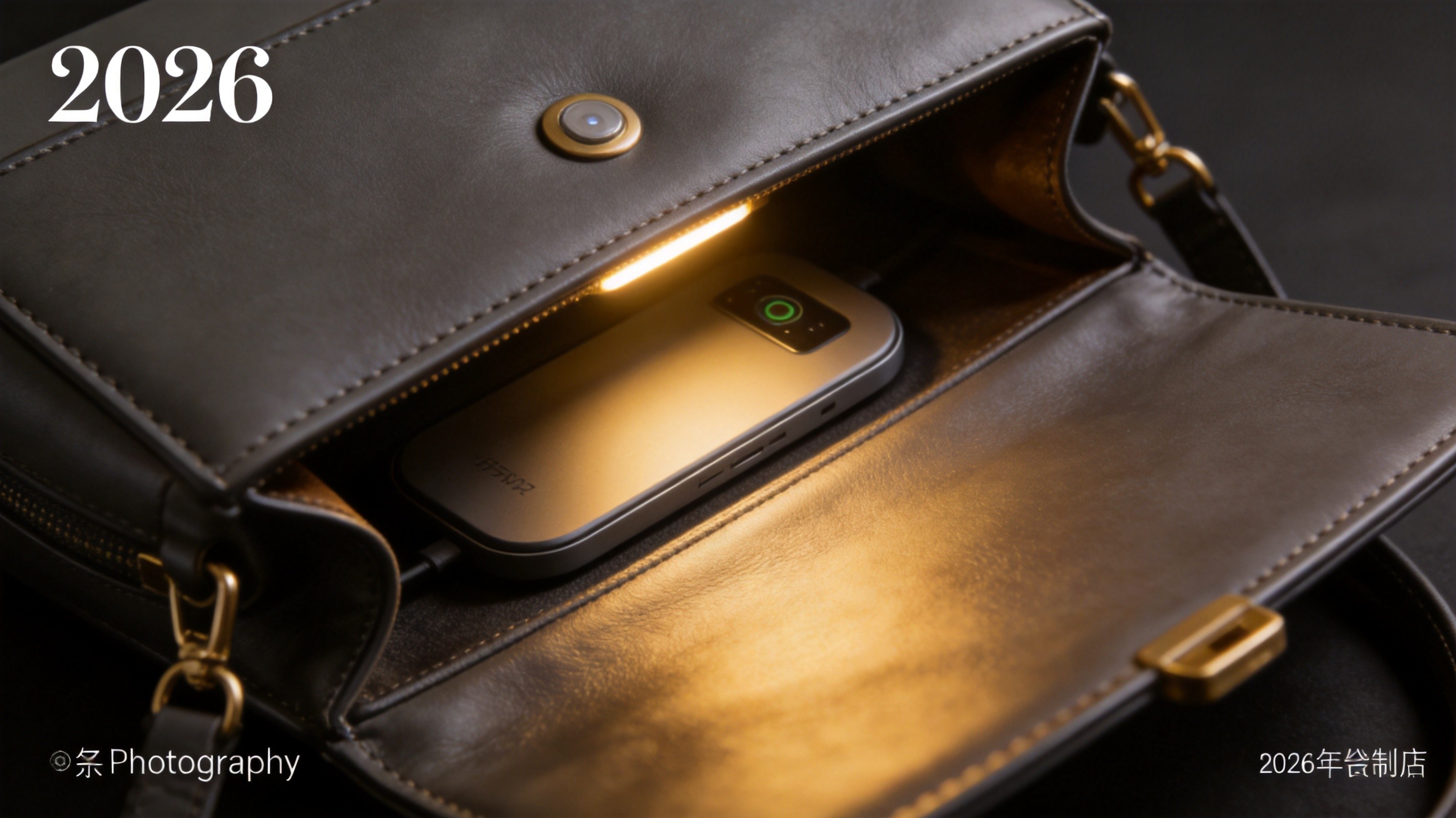
East-west bags require specific structural reinforcement to maintain clean horizontal lines in production
| Style Variation | Width Range | Height Range | Best For | Price Positioning |
|---|---|---|---|---|
| Compact crossbody | 20–25cm | 12–16cm | Everyday casual, travel | $80 – $200 |
| Medium shoulder bag | 28–35cm | 16–22cm | Professional, versatile | $150 – $400 |
| Large tote | 35–45cm | 22–30cm | Work, carry-all | $200 – $500 |
| Evening clutch | 25–30cm | 12–15cm | Formal occasions | $100 – $350 |
| Mini statement | 18–22cm | 10–14cm | Fashion-forward, gifts | $60 – $180 |
Pricing Strategy for East-West Collections
Pricing east-west bags involves balancing the trend premium against market expectations. The horizontal shape is novel enough to command attention but not so rare that it justifies extreme pricing.
For most private label brands, positioning east-west bags at the same price point as your existing collection — or a 5–10% premium for the specialized construction — creates the strongest market response. The goal is for the east-west silhouette to be a collection differentiator, not a separate price tier.
Entry-level east-west styles ($80–$150) perform well as trend-accessible pieces that draw new customers into a brand. Mid-tier ($150–$400) styles with premium materials and construction serve as the core revenue drivers. Premium east-west pieces ($400+) position the brand at the intersection of trend awareness and craftsmanship excellence.
How to Order East-West Bags from Factories
Ordering east-west bags from a manufacturing partner requires specific preparation. The horizontal shape introduces construction elements that factories must understand before quoting and producing.
What to Include in Your Request
- Detailed technical drawings showing width, height, and depth dimensions
- Width-to-height ratio specifications
- Structural reinforcement requirements for the top edge
- Strap attachment point positions with measurements
- Interior configuration with pocket and divider placement
- Material specifications including thickness/weight requirements
Working with a factory experienced in diverse silhouettes ensures they understand the structural requirements specific to horizontal bags. Find a factory equipped for varied silhouette production. Request samples specifically to test structural integrity — fill the sample bag and hang it on a strap to check for sagging, distortion, or stress at attachment points.
Marketing East-West Bags to Retail Buyers
When presenting east-west bags to retail buyers or wholesale accounts, the messaging should emphasize both the trend relevance and the functional advantages that drive repeat purchases.
Key Selling Points
- "The shape of 2026" — Position east-west styles as the current defining silhouette
- "Designed for modern life" — Highlight device compatibility and organizational benefits
- "Photographs like nothing else" — Emphasize the visual distinctiveness that drives social media sharing
- "A fresh alternative" — Position as a differentiated option in a market saturated with vertical shapes
Visual Merchandising
East-west bags create distinctive visual merchandising opportunities. Their horizontal profile contrasts with the vertical shapes that dominate most retail displays, creating natural focal points. In e-commerce photography, the horizontal shape fills the frame differently — often requiring landscape-oriented product shots that stand out among the standard vertical product images in a retailer's catalog.
Why East-West Bags Are More Than a Trend
While the current momentum is trend-driven, the east-west silhouette has staying power because it solves genuine functional needs. Device carrying, organizational preferences, and the broader shift toward architectural design all support the horizontal format beyond a single season. Brand owners who develop expertise in east-west design now will be positioned to lead rather than follow as this shape becomes a permanent addition to the bag design vocabulary.
Develop Your East-West Collection
Our team specializes in complex silhouettes with precision structural requirements. MOQ from 200 pieces per style with full customization options.
📧 service@junyuanbags.com | 💬 WhatsApp: +86 17750020688
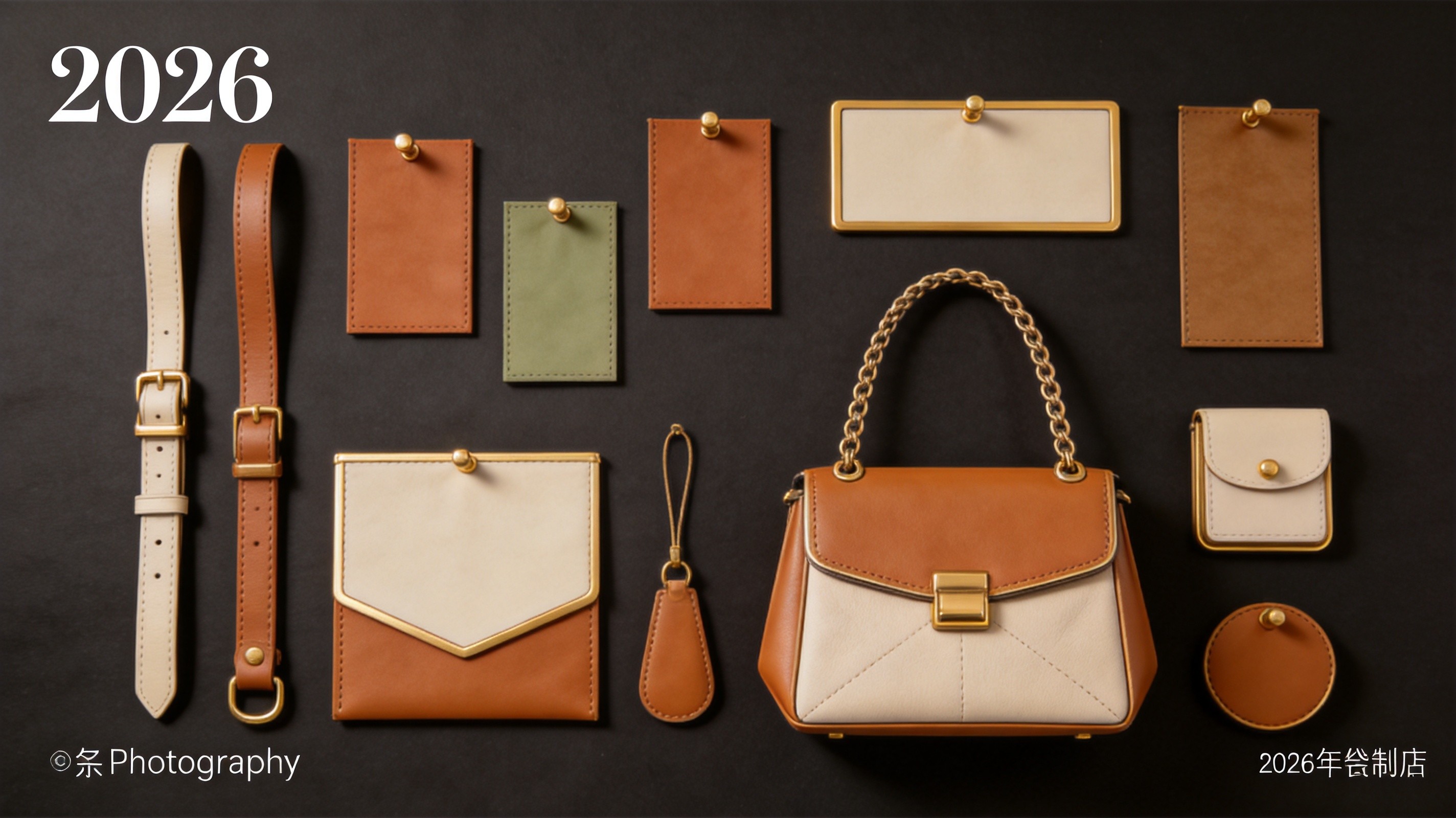
Position your brand at the forefront of the defining bag silhouette of 2026
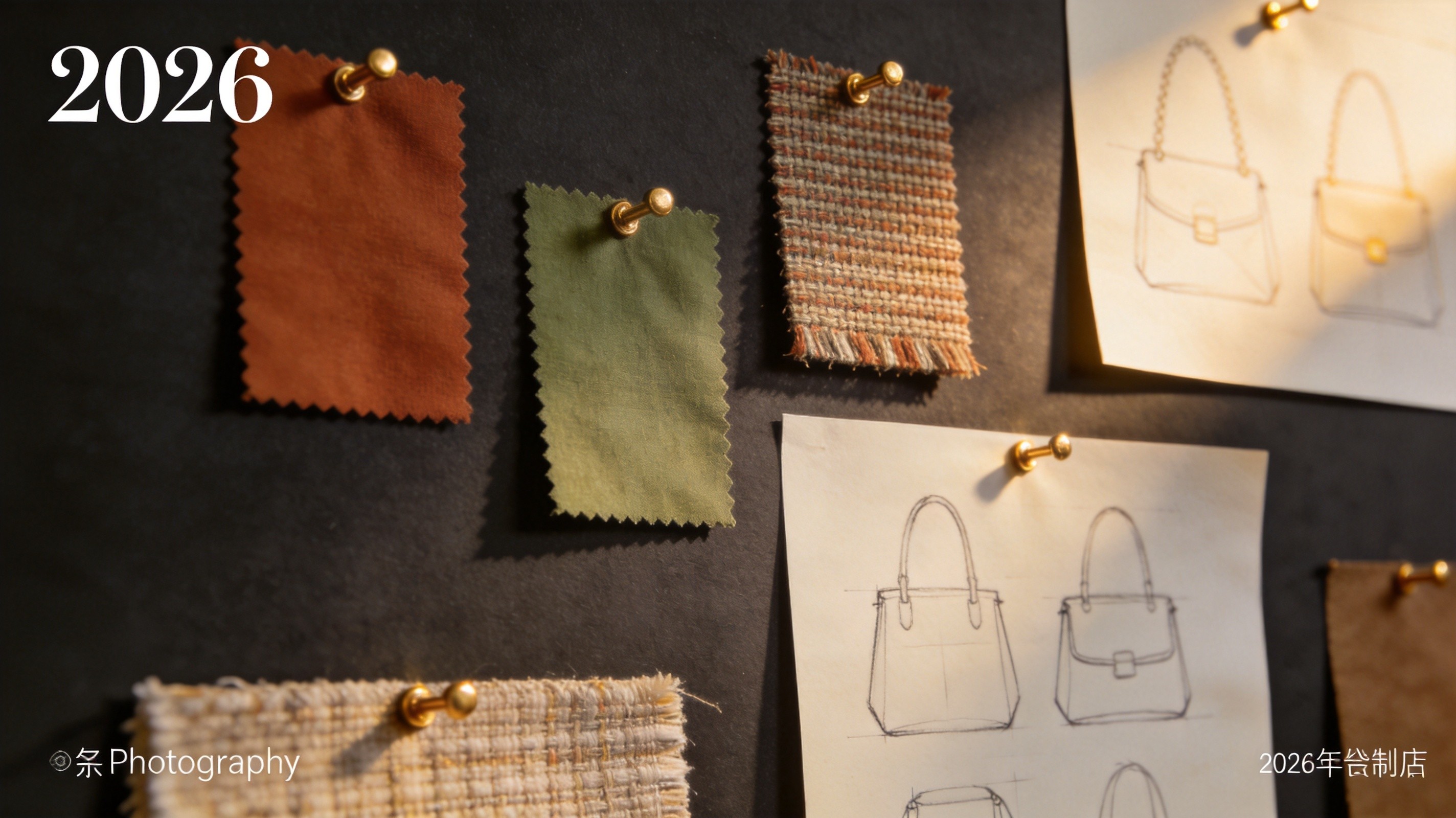
East-west bag craftsmanship detail showing horizontal construction
Modern horizontal bag design with premium materials and clean lines
Care and Maintenance of East-West Bags
The horizontal orientation of east-west bags creates specific care considerations that differ from traditional vertical bags. Understanding these helps brands provide accurate care guidance to customers.
Storage Considerations
East-west bags should be stored upright on their base, stuffed with tissue paper to maintain their horizontal shape. Hanging east-west bags by straps can cause the wider body to distort over time. For long-term storage, dust bags should accommodate the wider profile.
Wear Pattern Management
The wider surface area of east-west bags means the bottom edge contacts surfaces more extensively than vertical bags. Protecting the bottom with feet or a base pad extends the bag's appearance life. Regular rotation between bags in the collection prevents concentrated wear on any single piece.
The Future of the East-West Silhouette
While the east-west shape is at peak trend momentum in 2026, its fundamentals suggest longevity beyond a typical trend cycle. The functional advantages — device compatibility, organizational logic, visual distinctiveness — are not fleeting preferences but practical benefits that address lasting consumer needs.
Evolution of the Form
Expect the east-west silhouette to continue evolving through hybrid forms — bags that incorporate horizontal proportions within traditional categories, convertible designs that shift between vertical and horizontal orientations, and scaled variations that apply the horizontal principle to categories not yet explored.
Frequently Asked Questions
What is an east-west bag?
An east-west bag is a handbag with a horizontal orientation — wider than it is tall. The name references the bag's proportions: it extends east-to-west rather than north-to-south. This horizontal silhouette works across multiple bag categories including clutches, shoulder bags, totes, and crossbody styles.
Why are east-west bags trending in 2026?
East-west bags are trending due to their social media photogenicity, practical width for device carrying, alignment with architectural design trends, and freshness as an alternative after years of vertical and rounded silhouettes. They solve real organizational needs while delivering visual distinctiveness.
Are east-west bags practical for everyday use?
Yes. The horizontal orientation provides wider interior space that accommodates tablets, wallets, and phones naturally. The wider opening makes accessing contents easier, and items can be arranged side-by-side for better organization.
What is the manufacturing cost difference for east-west bags?
Manufacturing costs are generally comparable to traditional vertical bags of similar size. Structural reinforcements for the wider span — top edge reinforcement and reinforced strap attachment points — typically add 5–15% to material costs.
Continue Reading
- Handbag Trends 2026: What Styles Will Sell Next Season
- Modular Design in Handbags: Function Meets Fashion
- Color Trends for Handbags and Accessories 2026–2027
- Explore Our Product Range
- Our OEM/ODM Services
Limitations and Scope of This Guide
This guide covers east-west bag silhouettes as a 2026 trend, covering design principles, market positioning, and manufacturing considerations. It is based on our experience as a handbag manufacturer in Quanzhou, China, serving brands worldwide since 2004. Key limitations to keep in mind:
- Trend analysis is based on runway shows, trade fairs, and retail observation through early 2026. Trends may evolve or reverse as the market develops.
- Structural requirements for east-west bags differ from traditional north-south shapes. Internal organization and strap attachment points need custom engineering.
- This guide focuses on fashion handbags. East-west silhouettes in tote, luggage, or briefcase formats require different structural and material considerations.
For advice tailored to your specific situation, contact our team directly.