Table of Contents
- Why Multi-SKU Orders Are the Norm in Handbag Brands
- What Constitutes a SKU — Style, Color, Size and Material Variants
- Production Planning for Multi-SKU Orders
- Material Procurement Across Multiple SKUs
- Pattern Grading and Size Variations
- Color Way Management and Dye Lot Consistency
- Line Balancing — Allocating Production Lines Across SKUs
- Quality Control Challenges with Multiple SKUs
- Packaging and Labeling for Different SKUs
- Inventory and Warehouse Management
- Shipping and Container Optimization
- Common Errors in Multi-SKU Fulfillment
- Technology Systems for SKU Tracking
- Best Practices for Placing Multi-SKU Orders
- Case Study — Managing a 50-SKU Handbag Collection
- FAQ — Multi-SKU Order Management
Modern handbag brands rarely produce a single style in a single color. A typical collection launch includes 5 to 15 styles, each offered in 2 to 5 colorways, generating 10 to 75 unique SKUs from a single collection. Managing this complexity across material procurement, production scheduling, quality control, labeling, and shipping requires sophisticated factory systems and experienced production planning. For private label brands, understanding how factories handle multi-SKU orders helps you structure your orders for maximum efficiency and minimum error risk.
This guide explores every dimension of multi-SKU order management in handbag manufacturing. From SKU definition and production planning to color consistency, quality control, and container optimization, you will learn the systems that professional factories use to deliver complex orders accurately and on time. Whether you are launching your first multi-color collection or scaling to hundreds of SKUs, this knowledge helps you work more effectively with your manufacturing partner. For broader production context, see our production bottlenecks guide and complete manufacturing process.
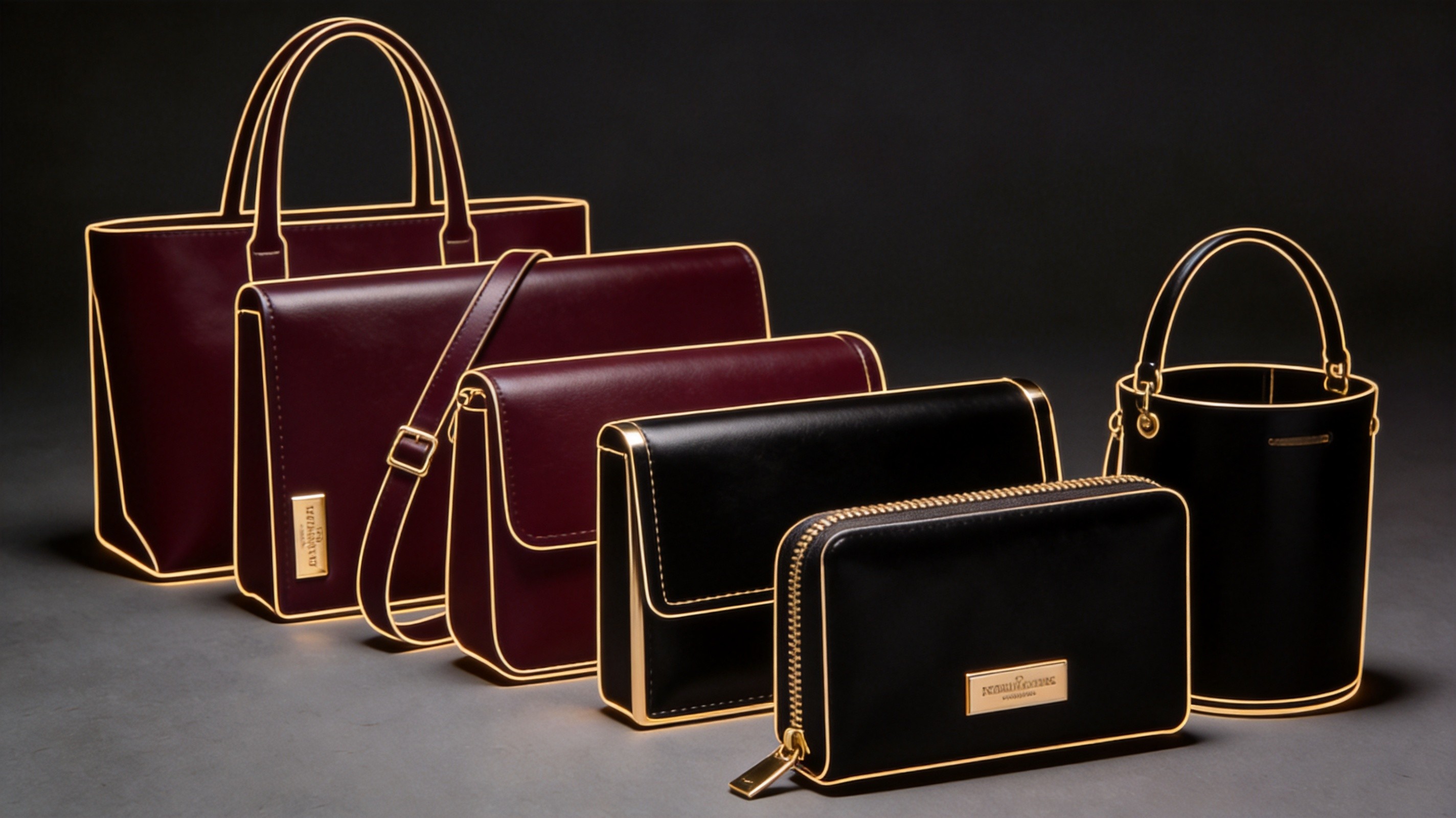
Modern handbag collections require factories to manage dozens of SKUs simultaneously with precision and consistency
Why Multi-SKU Orders Are the Norm in Handbag Brands
Handbag brands operate in a market that demands variety. Retail buyers expect collections with multiple styles addressing different use cases — totes for work, crossbodies for casual, clutches for evening. Each style must be offered in multiple colors to appeal to diverse customer preferences and seasonal trends. A brand with only one style in one color cannot fill a retail rack or present a compelling online catalog.
Multi-SKU ordering also provides brands with market testing capability. Launching a style in three colors allows the brand to gauge customer preference and allocate future production accordingly. Color bestsellers receive deeper reorders, while underperformers are discontinued. This iterative approach to product development requires factories to manage SKU diversity efficiently while maintaining consistent quality across all variants. Our product collection demonstrates how professional factories execute complex multi-SKU collections with consistent quality.
What Constitutes a SKU — Style, Color, Size and Material Variants
A SKU (Stock Keeping Unit) represents a unique product configuration that requires distinct production handling. In handbag manufacturing, SKU variation occurs across four primary dimensions.
| SKU Dimension | Example | Production Impact | Inventory Impact |
|---|---|---|---|
| Style | Tote, Crossbody, Clutch | Different patterns, processes, times | Separate product listing |
| Color | Black, Brown, Navy | Different material orders, dye lots | Separate inventory count |
| Size | Small, Medium, Large | Different pattern grading, material usage | Separate inventory count |
| Material | Leather, Canvas, Suede | Different sourcing, processing, finishing | Separate product variant |
SKU Structure Example
A practical SKU coding system helps both brand and factory track each variant unambiguously. For example: PPL-TOT-BLK-M could represent Purse Private Label, Tote style, Black color, Medium size. The same tote in brown leather becomes PPL-TOT-BRN-M. This systematic coding prevents confusion during production, labeling, and shipping. The SKU code appears on spec sheets, production tickets, quality inspection forms, packaging labels, and shipping documents throughout the entire process.
Production Planning for Multi-SKU Orders
Production planning for multi-SKU orders balances multiple competing priorities: meeting delivery deadlines for all SKUs, minimizing material waste through batch grouping, maintaining sewing line efficiency by reducing changeovers, and ensuring balanced workload across production stations.
Batch Grouping Strategy
The most efficient approach groups SKUs that share common elements. SKUs using the same leather color are cut in a single cutting session to maximize hide utilization and minimize setup changes. SKUs with similar construction (same number of pockets, same zipper type, same handle attachment method) are scheduled on the same sewing line consecutively to reduce operator adjustment time. This grouping strategy can reduce total production time by 15 to 25 percent compared to processing SKUs sequentially without optimization.
Scheduling Sequence
Within the grouped batches, factories sequence production to build complexity gradually. Simpler SKUs are produced first to establish process rhythm, identify any systematic issues, and confirm quality before tackling more complex variants. If the same style exists in 3 colors, the factory might produce the most popular color first to have it available for shipping while the remaining colors complete production. Our production planning team optimizes SKU sequencing for every multi-style order to balance efficiency with delivery priorities.
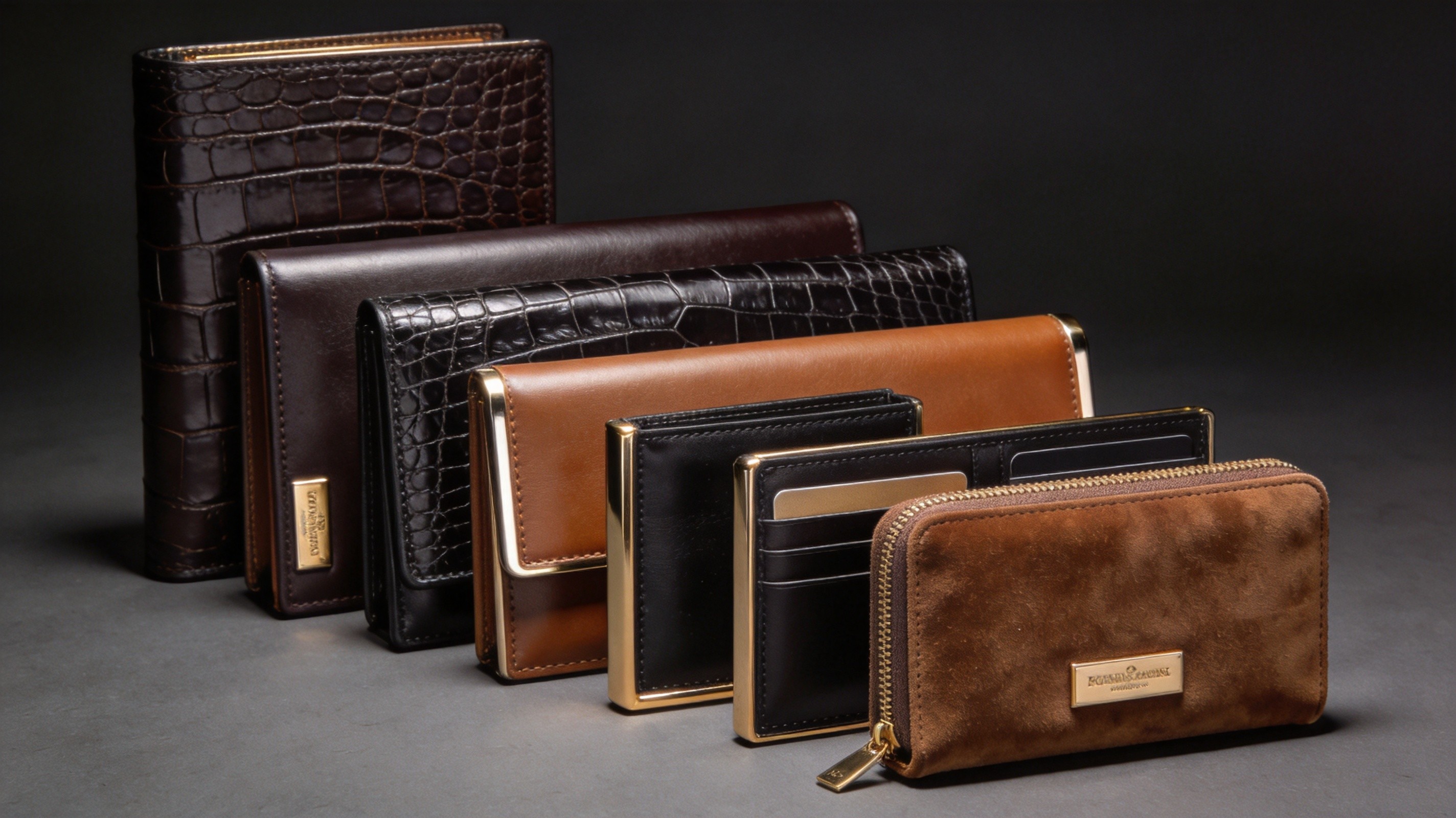
Strategic SKU grouping and sequencing reduces changeover time and maximizes production line efficiency
Material Procurement Across Multiple SKUs
Multi-SKU orders multiply material procurement complexity. Each color requires separate material sourcing, and each material type must be ordered in quantities sufficient for all SKUs that use it.
Consolidated Purchasing
Professional factories consolidate material requirements across all SKUs to maximize purchasing power. If five SKUs use the same black top-grain leather, the factory places a single consolidated order for the total requirement rather than five separate orders. This consolidation achieves volume pricing discounts of 5 to 15 percent, ensures dye lot consistency across all SKUs using the same color, and simplifies supplier communication and delivery coordination.
Material Allocation Controls
When materials arrive at the factory, they must be allocated precisely to each SKU according to the planned quantity. Material allocation errors — where one SKU receives material intended for another — create production delays and potential quality issues if different SKUs require slightly different material grades. Professional factories use barcode scanning and allocation logs to track material distribution from warehouse to cutting table to finished goods. Our facility in Quanzhou manages material procurement for orders of all complexity levels with systematic allocation controls.
Pattern Grading and Size Variations
When a handbag is offered in multiple sizes, each size requires its own set of patterns scaled proportionally from the base size. This process, called pattern grading, must maintain the design proportions across all size variants.
Grading Rules for Handbags
Unlike garment grading which follows standardized body measurement increments, handbag grading is custom to each design. A small version of a tote might reduce all dimensions by 10 percent, while a large version increases them by 12 percent. The grading must account for material thickness changes, hardware proportion adjustments, and strap length variations. Each graded pattern set requires its own sample approval, adding sampling time and cost for each size variant. Brands should carefully evaluate whether multiple sizes are truly necessary, as each additional size adds approximately 15 to 25 percent to sampling costs and 10 to 20 percent to pattern development time.
Color Way Management and Dye Lot Consistency
Color consistency across SKUs — and within a single SKU across production batches — represents one of the most persistent challenges in multi-SKU handbag manufacturing.
Dye Lot Variation
Leather and fabric are dyed in batches (lots), and each dye lot carries slight color variation. When the factory orders the same leather color twice from the same supplier, the two deliveries may differ subtly in shade. If one SKU is produced from the first delivery and another from the second, the color difference becomes visible when both bags are displayed together in retail. Professional factories manage this by ordering all leather for a collection in a single dye lot, verifying color consistency across all received hides before beginning production, and retaining reference samples from each dye lot for future reorder matching.
Color Approval Process
Each color in a collection requires formal approval before production begins. The factory provides lab dips (small fabric swatches dyed to the target color) or leather strike-offs for brand review. The brand compares these against their Pantone reference or physical color standard and provides written approval or requests adjustments. This approval step adds 3 to 7 days per color but prevents costly production of off-color goods that cannot be sold. The color approval process is documented and referenced throughout production to ensure consistency.
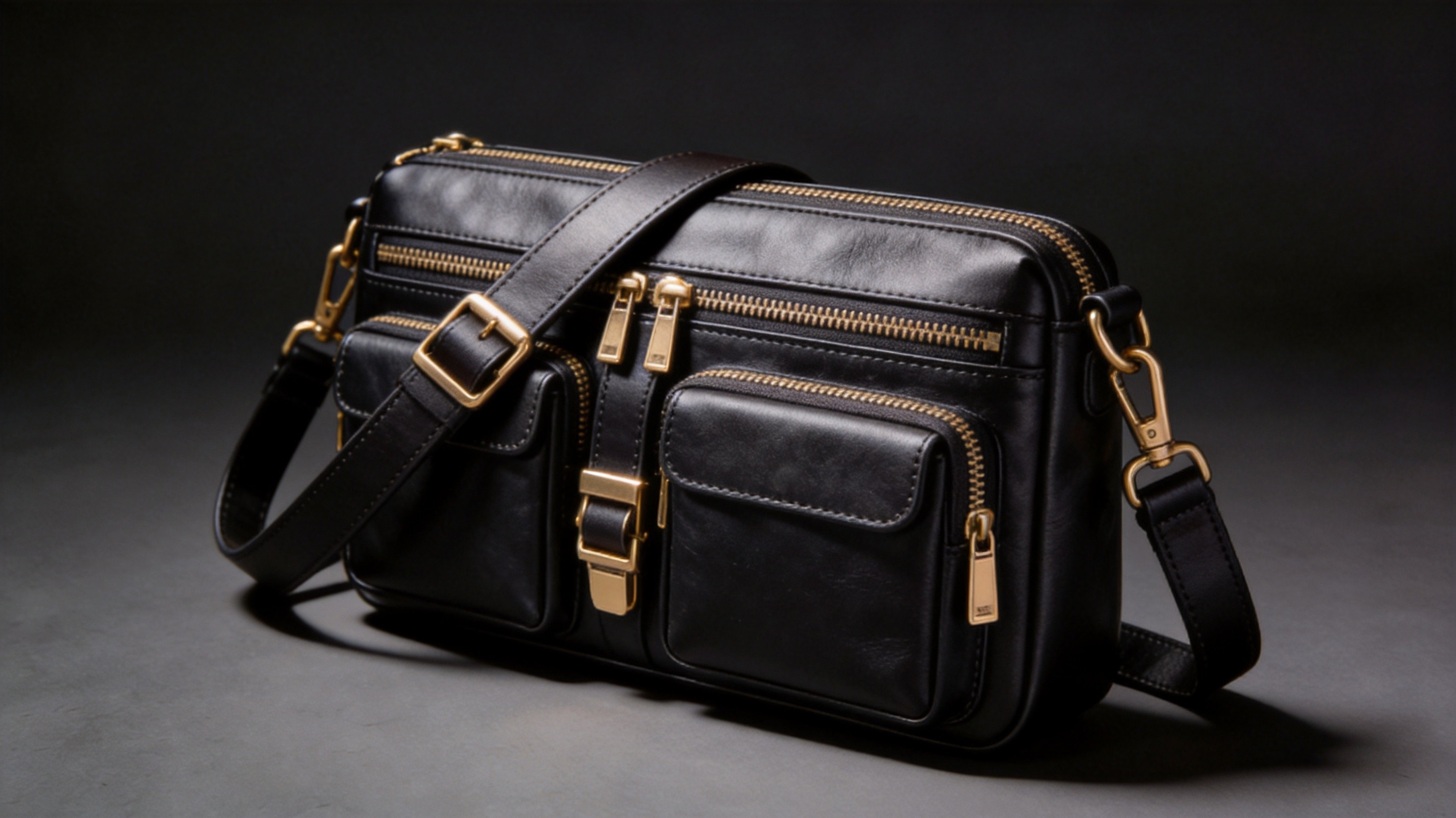
Systematic color management with dye lot reference samples ensures consistency across all SKUs in a collection
Line Balancing — Allocating Production Lines Across SKUs
Production line balancing ensures that each sewing station has approximately equal work content, preventing bottlenecks where work piles up before slow stations while fast stations sit idle.
Multi-SKU Line Balancing Challenges
When multiple SKUs share a production line, each SKU may have slightly different operation times. The line must be balanced for the weighted average across all SKUs, not for any single SKU. This creates inherent inefficiency because operators must adjust their pace when switching between SKUs. Experienced factories minimize this impact by grouping SKUs with similar operation structures and providing operators with clear work instructions for each SKU transition. Our 30,000 sqm factory operates dedicated lines with 300+ workers trained on multiple SKU specifications to minimize changeover impact.
Quality Control Challenges with Multiple SKUs
Quality control becomes exponentially more complex with each additional SKU. Inspectors must reference different specifications, check different materials, and verify different labeling for each variant — often within the same inspection session.
QC System Design for Multi-SKU
Professional factories implement SKU-specific quality checklists that detail the unique inspection criteria for each variant. These checklists cover material type verification, color matching against approved standards, dimensional accuracy against the correct size specification, hardware type and finish verification, and labeling accuracy. Inspectors receive training on all active SKUs before beginning inspection and reference physical approved samples for each color and style combination. For detailed quality systems, see our quality control guide.
Sampling Strategy
AQL (Acceptable Quality Level) sampling must be applied separately to each SKU rather than across the total order. If an order includes 10 SKUs of 200 pieces each, the inspection sample is drawn from each SKU independently. This ensures that a quality issue affecting only one color or style is not masked by averaging across all SKUs. Professional QC teams track defect rates by SKU to identify systematic issues that may affect specific variants due to material differences or construction complexities.
Packaging and Labeling for Different SKUs
Each SKU requires correct labeling, hang tags, UPC codes, and packaging configuration. Labeling errors in multi-SKU orders are the most common source of customer complaints and retail chargebacks.
Label Verification Systems
Professional factories implement label verification at multiple points. First, labels are printed from the SKU-specific data file and checked against the spec sheet. Second, during packing, operators scan the bag's SKU identifier and the label's barcode to confirm they match before applying. Third, the packed carton is checked against the packing list to verify the correct quantity and mix of SKUs per carton. These verification steps add 5 to 10 seconds per bag but prevent the far more costly errors of mislabeled products reaching retail shelves. Our packaging guide details labeling requirements for different distribution channels.
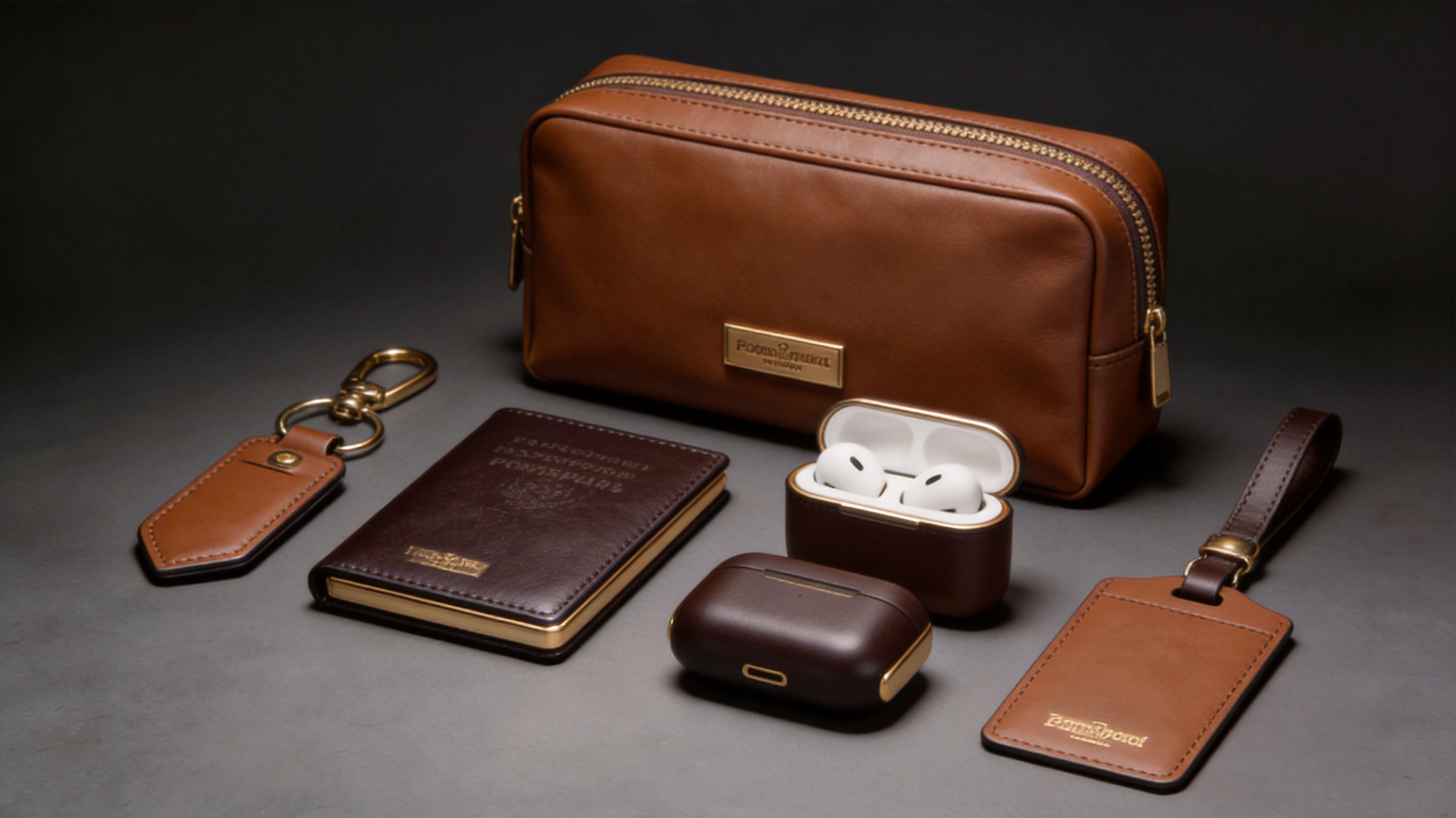
Systematic label verification prevents costly mislabeling errors across multi-SKU production runs
Inventory and Warehouse Management
Multi-SKU orders create complex warehouse management requirements. Finished goods must be stored, tracked, and retrieved by specific SKU to enable accurate packing and shipping.
Warehouse Organization
Professional factories organize finished goods storage by order, then by SKU within each order. Each storage location is labeled with the order number and SKU code. Barcode scanning at the warehouse level tracks exact quantities of each SKU in storage, enabling real-time visibility into order completion status. This system prevents the common error of shipping the wrong quantity of a specific SKU because warehouse staff counted similar-looking bags from different SKUs as interchangeable.
Shipping and Container Optimization
Loading a container with multiple SKUs requires careful planning to maximize space utilization while ensuring correct quantities of each variant are included.
Container Loading Plans
Professional factories create detailed container loading plans before packing begins. These plans specify how many cartons of each SKU load into the container, the position of each SKU group within the container, and the total carton count. The plan maximizes container fill rate (targeting 85 to 95 percent utilization) while grouping SKUs logically for easy unloading and verification at the destination.
| Container Size | Total CBM | Typical Bag Cartons | Multi-SKU Consideration |
|---|---|---|---|
| 20ft GP | 33 CBM | 80 – 120 cartons | Limited SKU mix, best for focused orders |
| 40ft GP | 67 CBM | 160 – 240 cartons | Ideal for full collection shipments |
| 40ft HQ | 76 CBM | 180 – 270 cartons | Maximum capacity for large multi-SKU orders |
Common Errors in Multi-SKU Fulfillment
Despite best systems, multi-SKU orders carry inherent error risks. Understanding common errors helps brands implement verification checkpoints that catch problems before they reach customers.
| Error Type | Root Cause | Prevention Method | Impact Level |
|---|---|---|---|
| Wrong Label | Similar SKUs confused during packing | Barcode scan verification | High |
| Quantity Error | Miscounting across similar-looking SKUs | Separate storage, digital counting | High |
| Color Mismatch | Dye lot differences between production runs | Single dye lot ordering, reference samples | Medium |
| Material Mix-Up | Similar materials allocated to wrong SKU | Barcode material tracking | Medium |
| Carton Marking Error | Wrong SKU info on shipping carton | Automated carton label printing | Medium |
| Mixed Carton | Multiple SKUs in same carton inadvertently | One SKU per carton policy | High |
Technology Systems for SKU Tracking
Professional factories deploy technology systems to maintain visibility and control across dozens of simultaneous SKUs throughout every production stage.
ERP and MES Systems
Enterprise Resource Planning (ERP) systems track each SKU from order entry through material procurement, production scheduling, quality inspection, packaging, and shipping. Manufacturing Execution Systems (MES) provide real-time visibility into production progress at the individual operation level. Barcode scanning at each station confirms operators are working on the correct SKU and records production completion data automatically. These systems generate real-time dashboards showing the completion status of every SKU in every order, enabling proactive management of potential delays or shortages.
Best Practices for Placing Multi-SKU Orders
Brands can significantly reduce errors and improve efficiency by following best practices when structuring multi-SKU orders.
- Use clear SKU coding: Implement a systematic SKU code that encodes style, color, and size in a consistent format
- Provide individual spec sheets: Create a separate spec sheet for each SKU with photos, measurements, and material specifications
- Approve color samples early: Provide lab dip approvals for every color before production begins to prevent dye lot issues
- Consolidate where possible: Use common materials across styles to reduce SKU complexity and improve material efficiency
- Order balanced quantities: Avoid extreme quantity imbalances (200 of one SKU, 2,000 of another) that create production inefficiency
- Specify carton configuration: Define how many pieces per carton for each SKU and require one SKU per carton
- Request pre-shipment inspection: Conduct final random inspection covering all SKUs proportionally before shipment
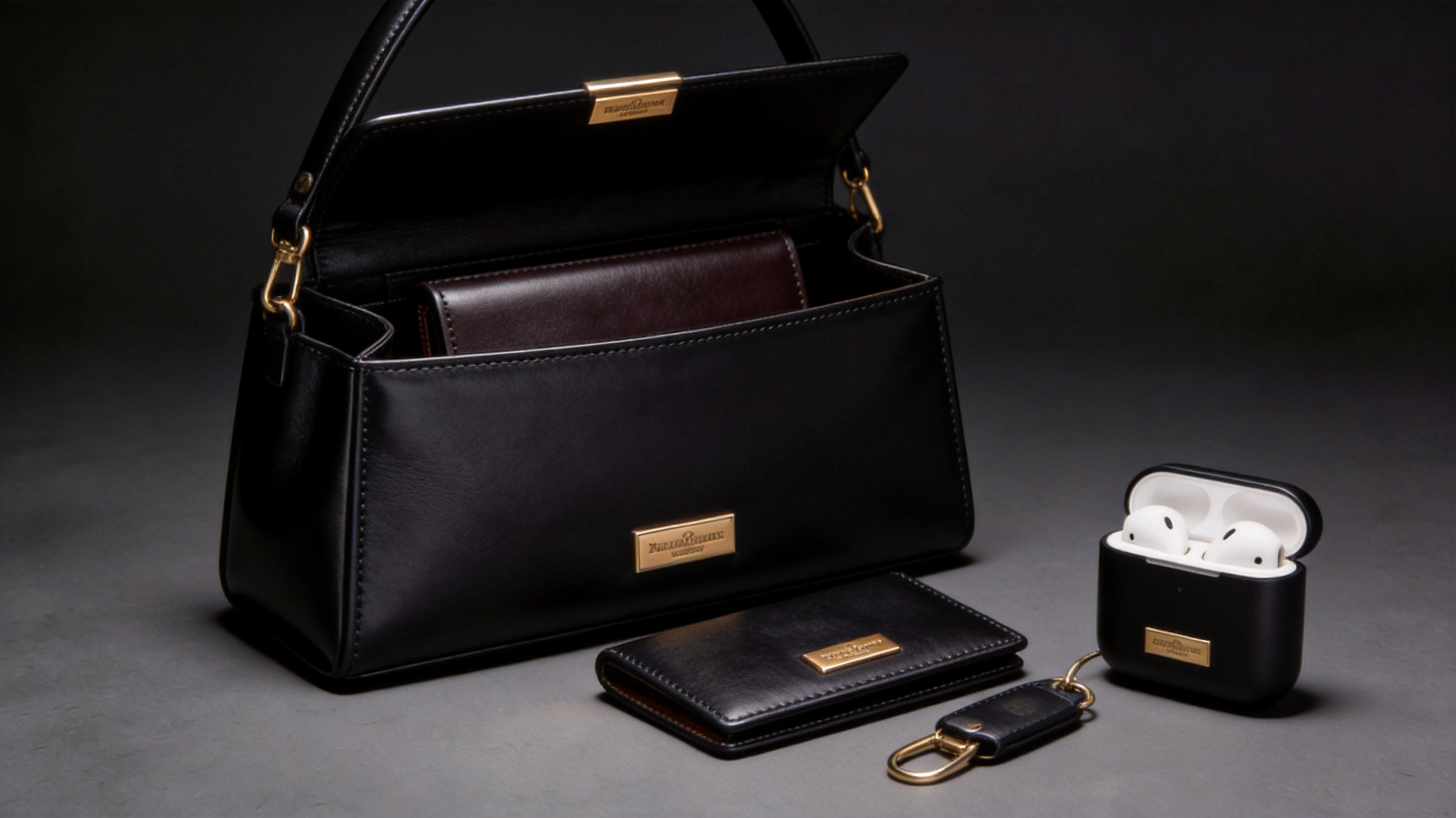
Organized warehouse management with barcode tracking ensures accurate SKU fulfillment across complex orders
Case Study — Managing a 50-SKU Handbag Collection
To illustrate multi-SKU management in practice, consider a typical collection order: 8 styles across 6 colors with 2 size options for selected styles, totaling 50 unique SKUs with an average of 300 pieces per SKU (15,000 total pieces).
Planning Phase (5 days)
The production team creates a master production plan grouping SKUs by common materials (6 leather colors, 3 fabric types, 2 hardware finishes). Material procurement orders are consolidated: total leather requirement across all SKUs is approximately 45,000 square feet, ordered in 6 dye lots corresponding to the 6 colors. Hardware is ordered by type and finish in consolidated quantities.
Production Phase (25 days)
Cutting is organized by material color — all SKUs using black leather are cut in one session, brown leather in the next, and so on. Sewing lines are allocated by construction complexity — 3 lines handle simple styles (totes, shoppers), 2 lines handle medium complexity (crossbodies, satchels), and 1 line handles complex styles (backpacks, multi-compartment designs). Each line receives clear SKU-specific work instructions and approved reference samples.
QC and Shipping (7 days)
Quality inspection proceeds by SKU group, with inspectors checking dimensional accuracy, color consistency, and labeling for each variant. Final packing follows the container loading plan, with cartons labeled by SKU code and arranged in the container by destination and SKU sequence. The entire 50-SKU order ships in two 40ft HQ containers.
Factory Insight
Our 30,000 sqm facility in Quanzhou routinely manages orders with 30 to 80 SKUs for established handbag brands. With 300+ trained workers, dedicated production lines, ERP-based tracking, and systematic quality control, we maintain 98%+ labeling accuracy and 96%+ first-pass quality across all SKUs. With 20+ years of multi-SKU production experience, we help brands optimize their collection structure for manufacturing efficiency while maintaining full design variety. Contact service@junyuanbags.com to discuss your multi-SKU project.
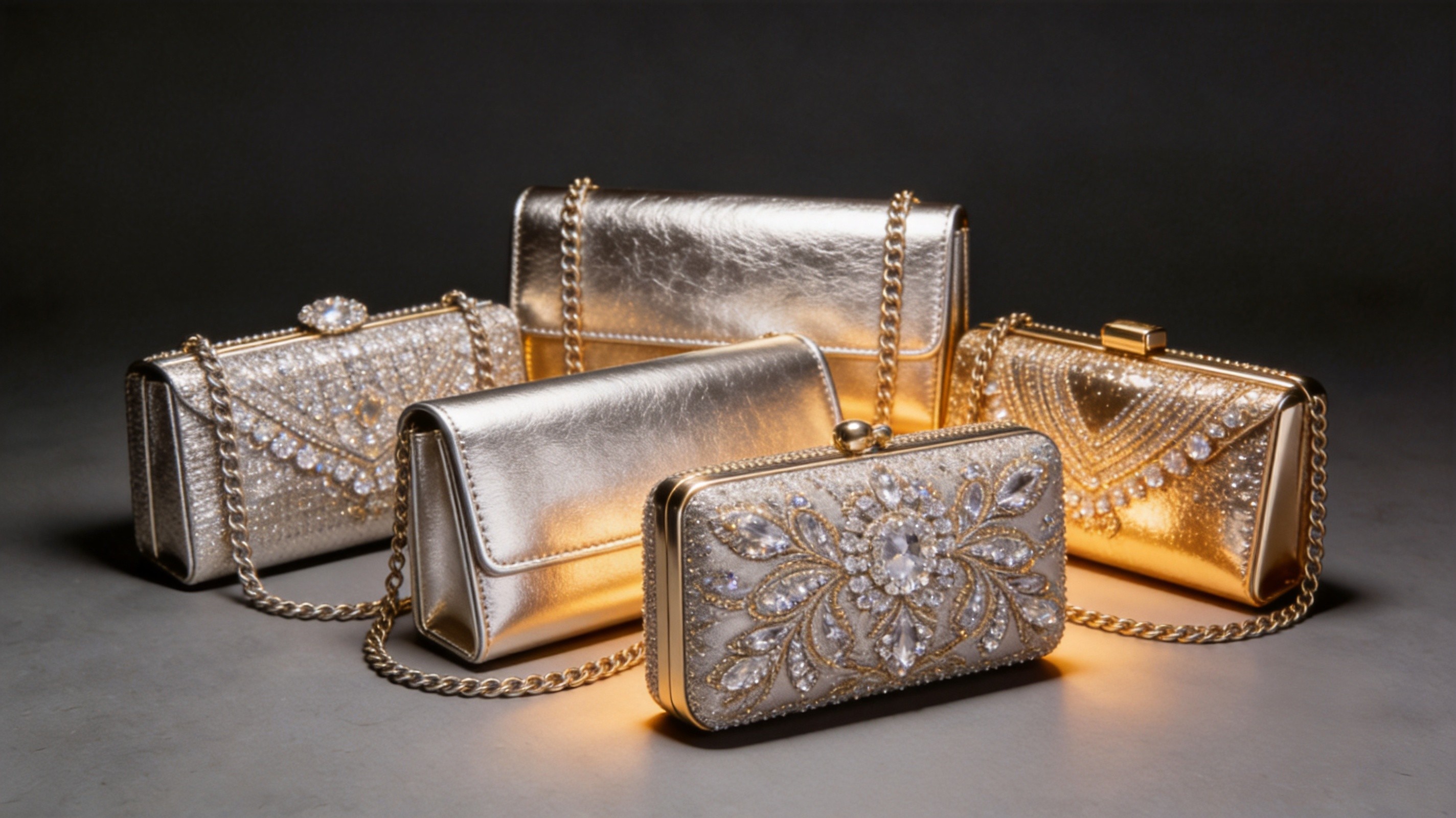
Professional multi-SKU management delivers complete collections with consistent quality across every variant
Ready to Launch Your Multi-SKU Collection?
Our 20+ years of handbag manufacturing experience includes managing collections with 50+ SKUs across multiple styles, colors, and sizes. With 300+ skilled workers, a 30,000 sqm facility in Quanzhou, and ERP-based tracking systems, we deliver complex orders with precision. MOQ starts at 200 pcs/style.
Email: service@junyuanbags.com | WhatsApp: +86 17750020688
Discuss Your CollectionFrequently Asked Questions
What is a SKU in handbag manufacturing?
A SKU represents a unique combination of style, color, size, and material requiring distinct production handling. The same tote in black leather, brown leather, and navy fabric represents three separate SKUs. A typical brand launch with 5 styles in 3 colors generates 15 SKUs.
How do factories plan production for multi-SKU orders?
Factories group SKUs with common materials and processes into production batches. SKUs sharing the same leather color are cut together. Similar construction methods are scheduled on the same sewing lines consecutively. The plan balances quantities, deadlines, material availability, and line capacity over a 2 to 5 day planning cycle.
What are the biggest challenges with multi-SKU orders?
Key challenges include color consistency across dye lots, material allocation errors, labeling mistakes, quantity imbalances between SKUs, and increased QC complexity. Each additional SKU increases error probability exponentially, making systematic verification essential.
How does multi-SKU ordering affect shipping?
Multi-SKU orders require detailed container loading plans specifying carton counts per SKU, loading sequence, and carton marking. Poor planning results in 70 to 80 percent container fill versus optimal 85 to 95 percent. Professional factories use loading software to maximize space utilization.
What technology systems do factories use for SKU tracking?
Professional factories use ERP systems tracking each SKU through every stage, MES for real-time production visibility, and barcode scanning at each station to confirm correct SKU processing. These systems generate dashboards showing completion status for every SKU in every order.
How can brands minimize errors in multi-SKU orders?
Use clear SKU codes, provide individual spec sheets with photos, approve color samples early, consolidate common materials across styles, order balanced quantities, specify carton configuration per SKU, and request pre-shipment inspection covering all SKUs proportionally.
Continue Exploring
Master your multi-SKU production with our related guides: Factory Capacity Report Guide, Shipping Methods Guide, Production Bottlenecks Prevention, and Complete Manufacturing Process. Visit our solutions page or contact us to plan your collection production.
Limitations and Scope of This Guide
This guide covers how handbag factories manage multi-SKU orders including color variations, size options, and product mix planning for brands. It is based on our experience as a handbag manufacturer in Quanzhou, China, serving brands worldwide since 2004. Key limitations to keep in mind:
- Production planning approaches vary by factory size and capability. The processes described reflect a mid-to-large factory (300+ workers). Smaller factories may organize differently.
- MOQ and pricing structures for multi-SKU orders are negotiated case-by-case. The examples provided illustrate common industry practices rather than fixed rules.
- Lead time estimates assume standard materials are in stock. Custom materials, dyed-to-order leathers, or imported hardware can extend timelines significantly.
For advice tailored to your specific situation, contact our team directly.