Table of Contents
The interior of a handbag is the space where your customer's daily life intersects with your brand every single day. Every time she reaches inside to find her phone, keys, or lipstick, her hand touches the lining. The tactile quality, visual impression, and functional performance of that interior surface shapes her perception of your brand more intimately than any exterior detail.
Yet lining is the most frequently under-specified material in private label handbag production. Brand owners pour attention into leather selection, hardware finish, and exterior color — then accept whatever default lining the factory suggests. This oversight creates a quality disconnect that customers notice immediately. A premium leather exterior paired with thin, scratchy polyester lining sends a mixed message about quality commitment.
This guide covers every aspect of lining material selection, from fiber content to performance specifications, giving you the knowledge to make lining decisions that reinforce your brand positioning.
The interior lining of a handbag shapes customer perception every time they reach inside
Why Lining Matters in Premium Bags
Lining serves four critical functions in handbag construction, each with direct commercial implications.
Tactile Experience
The lining is the most frequently touched surface of any handbag. Unlike the exterior, which may be admired but not always handled by potential buyers in a retail setting, the interior is touched by every person who uses the bag — multiple times per day. The hand-feel of the lining communicates quality more viscerally than any visual detail.
Protection and Cleanliness
Lining protects the bag's structural interior from dust, debris, and the contents themselves. Keys, cosmetics, pens, and phones all contact the lining surface. It must resist abrasion, stains, ink transfer, and color bleeding — maintaining its appearance through months and years of daily use.
Brand Identity
Custom branded lining — featuring logos, monograms, or signature patterns — creates a distinctive brand signature that customers recognize immediately. Heritage brands like Louis Vuitton, Goyard, and Burberry have built iconic brand identity partly through their signature linings. For emerging brands, custom lining is one of the most cost-effective brand differentiation tools available.
Structural Contribution
Lining contributes to the bag's structural integrity. It covers raw edges, reinforces seam allowances, and provides a clean interior surface that maintains the bag's shape. Poor lining construction — loose threads, exposed seams, inadequate adhesion — compromises both aesthetics and structure.
Types of Lining Materials
The handbag industry uses a defined set of lining materials, each with distinct properties relevant to quality, cost, and brand positioning.
| Material | Feel | Durability | Cost | Best For |
|---|---|---|---|---|
| Cotton Twill | Natural, soft | Good (15,000+ cycles) | $1–3/yd | Mid-premium leather bags |
| Polyester | Smooth, synthetic | Very good (20,000+) | $0.80–2.50/yd | Volume production, value |
| Cotton-Poly Blend | Balanced | Very good (20,000+) | $1.20–3/yd | Best all-around option |
| Micro-Suede | Luxurious, soft | Good (10,000+) | $3–8/yd | Luxury bags ($500+) |
| Silk/Satin | Ultra-smooth | Fair (delicate) | $5–15/yd | Evening bags, ultra-luxury |
| Microfiber | Soft, suede-like | Very good (15,000+) | $2–5/yd | Premium everyday bags |
| Water-Resistant Nylon | Technical, slick | Excellent (25,000+) | $1.50–4/yd | Sporty/travel bags |
Cotton Lining
Cotton is the most traditional lining material for quality handbags, offering a natural hand-feel that many customers associate with premium construction.
Properties
Cotton lining provides excellent breathability, natural softness, and a warm, organic hand-feel. It absorbs moisture (which can be an advantage for comfort but a disadvantage for stain resistance). Cotton twill and cotton sateen are the most common weaves used in handbag lining.
Weight Considerations
Handbag cotton lining typically ranges from 120–200 GSM (grams per square meter). Lighter weights (120–150 GSM) work well for structured bags where the lining does not bear significant stress. Heavier weights (160–200 GSM) are preferred for unstructured bags or styles where the lining contributes to the bag's body and shape.
Finishing Options
Cotton can be finished with stain-resistant treatments, softening agents, or printed with custom patterns. Mercierized cotton (treated for enhanced luster and dye affinity) provides a silkier hand-feel while maintaining cotton's natural character.
Polyester Lining
Polyester is the most widely used lining material in handbag manufacturing, chosen for its durability, cost efficiency, and consistent performance.
Advantages
Polyester lining offers excellent abrasion resistance, stain resistance, color fastness, and dimensional stability. It maintains its shape regardless of humidity, resists wrinkling, and dries quickly if exposed to moisture. Modern polyester fabrics can be engineered with soft hand-feels that approach natural fibers.
Perception Challenge
The primary disadvantage of polyester is consumer perception. Many buyers associate polyester with lower quality, even when the material performs well functionally. For premium-positioned brands, this perception gap can undermine the overall quality impression despite excellent performance characteristics.
Best Applications
Polyester lining works best for: high-volume production where cost efficiency matters, sporty or casual bag styles where technical performance is expected, and bags where custom printing is desired (polyester accepts printed designs vividly and durably).
Selecting the right lining fabric balances tactile quality, durability, and brand positioning
Suede Lining
Micro-suede lining provides a luxurious velvety hand-feel that communicates premium quality
Suede (or suede-like microfiber) lining represents the premium end of handbag interior materials, offering a luxurious hand-feel that immediately communicates quality.
Natural Suede
Split leather suede provides an unmatched natural hand-feel and visual richness. However, it carries significant drawbacks: higher cost ($8–15/yard), increased weight, tendency to attract lint and dust, and vulnerability to water staining. Most brands have moved away from natural suede lining for these practical reasons.
Micro-Suede Alternatives
Micro-suede (Alcantara-type synthetic suede) has largely replaced natural suede for premium lining applications. It replicates the soft, velvety hand-feel of natural suede while offering superior stain resistance, easier maintenance, lighter weight, and consistent quality across batches. Leading luxury brands including several from the LVMH and Kering groups specify micro-suede for their premium lines.
Silk and Satin Options
Silk and satin linings occupy the ultra-luxury end of the spectrum, used primarily for evening bags, limited-edition pieces, and brands where the ultimate luxury experience is paramount.
Silk Lining
Natural silk lining provides an incomparably smooth hand-feel and refined visual luster. It is used by heritage luxury brands for their highest-tier products. However, silk is delicate — it snags easily, stains readily, and requires careful maintenance. For everyday handbag use, silk lining is impractical. Its appropriate application is limited to evening bags, collector's pieces, and products where the luxury experience takes priority over functional durability.
Satin-Weave Synthetics
Polyester or nylon satin weaves provide a similar smooth, lustrous surface to silk at a fraction of the cost and with significantly better durability. These fabrics work well for dressy bags and provide a premium feel without the maintenance challenges of natural silk.
Microfiber Lining
Microfiber represents the modern sweet spot for premium handbag lining — offering excellent performance, refined hand-feel, and reasonable cost.
What Makes Microfiber Different
Microfiber is produced from extremely fine synthetic filaments (typically polyester or polyamide) that are thinner than one denier. This creates a fabric with exceptional softness, high density, and superior cleaning ability — the same technology used in premium cleaning cloths. For handbag lining, microfiber provides a soft, suede-like hand-feel with excellent abrasion resistance and stain release properties.
Performance Advantages
- Exceptionally soft hand-feel approaching suede quality
- High abrasion resistance (15,000+ Martindale cycles)
- Good stain release — spills wipe clean easily
- Lighter weight than natural suede or cotton
- Consistent quality across production batches
Water-Resistant Linings
For bags designed for travel, outdoor use, or markets with wet climates, water-resistant lining provides functional protection for the bag's contents and interior structure.
Coated Fabrics
Nylon or polyester fabrics with PU or TPU coating on the interior face provide effective water resistance. These linings prevent liquid from penetrating through to the bag's structural materials. The coated surface also creates a smooth, easy-to-clean interior — ideal for bags that may carry cosmetics, beverages, or other items prone to spills.
Application Considerations
Water-resistant linings add a slight weight penalty and create a more "technical" hand-feel that may not suit all brand aesthetics. They work exceptionally well for travel bags, tote bags, sporty styles, and any design where functional performance is a key selling proposition. See our materials comparison guide for context on how nylon fits in the broader material landscape.
Premium lining choices extend the quality experience from the exterior to every detail of the interior
Color and Pattern Options
Lining color and pattern are powerful brand-building tools that receive far less strategic attention than they deserve.
Color Strategy
The most common lining colors — black, champagne, burgundy, and navy — are chosen because they hide stains and complement the exterior leather. However, contrasting linings (a dark bag with bright interior, or vice versa) create visual delight and practical visibility of contents. Some brands use signature lining colors that become part of their brand identity.
Custom Prints and Jacquards
Custom printed lining featuring brand logos, monograms, or proprietary patterns is one of the highest-ROI branding investments in handbag production. Printing costs add approximately $0.50–2.00 per yard over solid-dyed fabric, while creating a distinctive brand marker that customers recognize and competitors cannot replicate. Our ODM design team can develop custom lining patterns aligned with your brand identity.
Jacquard Weaving vs Printing
Jacquard-woven lining (where the pattern is woven into the fabric structure rather than printed on the surface) creates a more premium effect. The pattern has depth and texture that printing cannot replicate. However, jacquard development requires higher minimum orders (3,000+ yards) and longer lead times (6–8 weeks for loom setup).
Durability Considerations
Custom jacquard-woven lining with brand logos creates a distinctive interior signature
Lining durability is measured across several performance dimensions that should all be specified in your purchase requirements.
Abrasion Resistance
The Martindale test (ISO 12947-2) measures how many rubbing cycles a fabric withstands before showing wear. For handbag lining, minimum 10,000 cycles for moderate-use bags and 20,000+ cycles for everyday bags. Premium micro-suede achieves 10,000–15,000 cycles, while polyester and cotton-poly blends achieve 20,000–30,000 cycles.
Color Fastness to Rubbing
Crocking tests (ISO 105-X12) measure whether the lining transfers color to contents. This is critical — a dark burgundy lining that stains a customer's white phone is a guaranteed return and negative review. Specify dry crocking grade 4+ and wet crocking grade 3+ minimum.
Seam Strength
Interior seams bear stress from contents and handling. Lining fabric must have sufficient tensile strength to resist tearing at seam points. Minimum seam strength of 100N is recommended for handbag linings.
Cost by Material
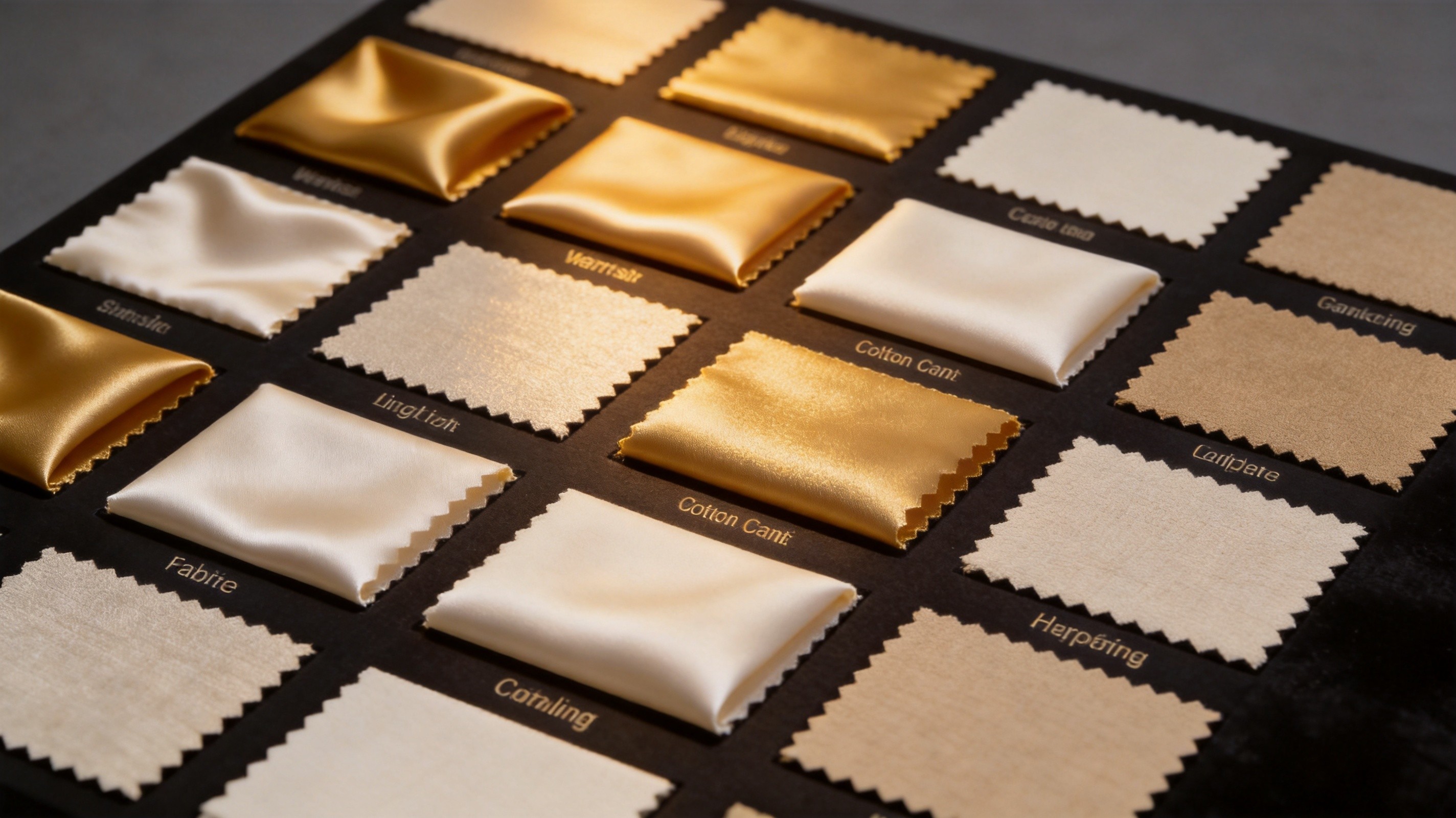
Lining materials come in a wide range of options — the right choice balances quality, durability, and cost
Lining costs are modest relative to total bag production cost but deliver disproportionate impact on perceived quality.
| Lining Material | Cost per Yard | Yards per Standard Bag | Cost per Bag | % of Total Material Cost |
|---|---|---|---|---|
| Basic Polyester | $0.80–1.50 | 0.5–0.8 | $0.40–1.20 | 2–4% |
| Cotton Twill | $1.00–3.00 | 0.5–0.8 | $0.50–2.40 | 3–6% |
| Cotton-Poly Blend | $1.20–3.00 | 0.5–0.8 | $0.60–2.40 | 3–6% |
| Microfiber | $2.00–5.00 | 0.5–0.8 | $1.00–4.00 | 5–10% |
| Micro-Suede | $3.00–8.00 | 0.5–0.8 | $1.50–6.40 | 7–12% |
| Silk/Satin Luxury | $5.00–15.00 | 0.5–0.8 | $2.50–12.00 | 10–18% |
How to Specify Lining for Orders
Precise lining specifications prevent production surprises and ensure the finished product matches your quality expectations.
Premium vs Standard Lining Comparison
| Attribute | Premium Lining (Micro-Suede) | Standard Lining (Polyester) |
|---|---|---|
| Hand-feel | Luxurious, velvety | Smooth, synthetic |
| Abrasion resistance | 10,000–15,000 cycles | 20,000–30,000 cycles |
| Stain release | Good | Very Good |
| Brand perception | Luxury, premium | Functional, basic |
| Custom print option | Limited | Excellent |
| Cost per bag | $1.50–6.40 | $0.40–1.20 |
| Best retail positioning | $500+ | Under $200 |
Essential Specification Fields
- Material: Fiber composition (e.g., "65% polyester, 35% cotton twill")
- Weight: GSM specification with tolerance (e.g., "180 GSM ± 10%")
- Color: Pantone reference + physical lab dip standard
- Finish: Any treatments (stain-resistant, softener, water-repellent)
- Print/Pattern: Artwork file + repeat specification for custom designs
- Testing: Abrasion, crocking, and seam strength requirements
- Certifications: Oeko-Tex, GRS (for recycled linings)
Quality Approval Process
Before production, request lab dips (color approval samples) and physical test reports for the lining fabric. Verify hand-feel, weight, and color accuracy against your standards. For custom printed linings, request a strike-off (printed sample) showing the pattern repeat, color accuracy, and registration quality.
Professional Tip
Always specify lining quality requirements equivalent to the exterior material quality tier. A full-grain leather bag demands at minimum a cotton-poly blend or microfiber lining. Specifying basic polyester as the lining for a premium leather bag creates a quality disconnect your customers will notice and remember. The $2–5 per bag cost difference is negligible against the brand damage risk.
Anti-Bacterial and Functional Lining Technologies
Modern lining materials can incorporate functional properties beyond basic aesthetics and protection. These technologies add tangible value for end consumers and justify premium positioning:
Silver-Ion Anti-Bacterial Treatment: Silver ions embedded in polyester or nylon lining fibers inhibit bacterial growth, reducing odors and maintaining interior hygiene over the product's lifetime. This treatment is permanent (survives 50+ wash cycles) and is certified safe for skin contact under OEKO-TEX Standard 100. The cost premium is approximately $0.30-0.50 per linear meter of lining fabric.
Activated Carbon Linings: A thin layer of activated carbon integrated into the lining absorbs and neutralizes odors from cosmetics, food, and personal items stored inside the bag. This technology is particularly valued in travel bags and everyday totes. The carbon layer is typically sandwiched between two fabric layers and adds minimal weight (approximately 15g per square meter).
RFID-Blocking Linings: A metallic mesh or coating integrated into the lining prevents unauthorized scanning of RFID-enabled credit cards and passports stored inside the bag. This feature has transitioned from novelty to expected for urban commuter bags and travel accessories. RFID-blocking linings add approximately $1.00-2.00 per bag in material cost but support a $15-30 retail price premium.
UV-Protective Linings: For bags with mesh or lightweight panels, UV-blocking lining layers protect contents from sun damage. This is particularly important for bags marketed as sun-ready or beach accessories, where preventing damage to sunglasses, phones, and cosmetics is valued by consumers.
Lining Attachment Methods and Construction Quality
How the lining is attached to the bag body significantly affects both the user experience and the bag's longevity. Brand owners should specify attachment methods in their production requirements:
| Method | Description | Quality Level | Cost Impact | Best For |
|---|---|---|---|---|
| Fully Bagged | Lining sewn separately, then inserted and attached at opening edge | Premium | Higher labor | Structured leather bags, tote bags |
| Drop-In (Loose) | Lining inserted loosely, attached only at top edge | Standard | Lower labor | Unstructured bags, bucket bags |
| Glued and Tacked | Lining adhered at stress points with fabric adhesive | Budget | Lowest labor | Low-cost production bags |
| Fully Bonded | Lining bonded to shell with fusible interlining throughout | Premium | Highest labor | High-end structured handbags |
The "fully bagged" method is the industry standard for premium handbags because it allows the lining to move independently from the shell, reducing stress on both materials. This construction also enables the bag to be turned inside out during assembly, concealing all internal seams for a clean finish.
For bags with structured bases, the lining must include adequate ease (extra fabric) at the bottom to prevent pulling when the bag is loaded with contents. A common defect in lower-quality production is lining that pulls taut when the bag is filled, creating visible tension lines and eventually tearing at the attachment points. Specify minimum ease allowances in your technical package—typically 5-10mm of additional length and width in the lining versus the shell measurements.
The stitching quality of internal lining seams is equally important. While less visible than external stitching, poorly executed lining seams can unravel and cause the lining to bunch, pill, or separate from the bag body over time.
Branding Your Lining: Custom Labels, Prints, and Details
The bag interior is a powerful but often underutilized branding opportunity. Customers discover branded lining details as a pleasant surprise, creating memorable unboxing experiences that drive social media sharing and word-of-mouth marketing:
Custom Jacquard Weaving: The brand name or logo woven directly into the lining fabric using jacquard techniques creates a subtle, sophisticated branding element visible on close inspection. Minimum order quantities for custom jacquard linings are typically 1,000-3,000 meters, making this viable for brands with consistent product lines across multiple seasons.
Printed Lining: Digital or rotary printing allows for more elaborate designs, including repeating brand patterns, seasonal artwork, or signature motifs. Printed linings offer greater creative freedom than jacquard and can be produced in smaller quantities (typically 500+ meters). The cost is approximately $2-5 per linear meter depending on print complexity.
Interior Leather Labels: A small leather patch debossed or foil-stamped with the brand logo, sewn into the lining at a visible interior position. This is the most traditional interior branding method and works well for brands with established logo recognition. Cost is approximately $0.50-1.50 per piece depending on size, material, and finishing.
Custom Zipper Pulls and Hardware: Extending branding to interior zipper pulls, key clips, and pocket closures creates a cohesive brand experience throughout the entire product. Even small details like custom-engraved zipper pulls signal attention to quality.
When designing branded linings, ensure the color coordination between the lining and exterior materials is intentional. A contrasting lining creates a striking visual effect when the bag is open, while a tonal lining offers subtlety and sophistication. Both approaches can be effective depending on your brand positioning.
Need Help Specifying the Perfect Lining for Your Collection?
Our material specialists can provide lining samples, develop custom prints, and ensure quality specifications match your brand positioning. MOQ starts at 200 pcs/style.
Email: service@junyuanbags.com | WhatsApp: +86 17750020688
Request Lining SamplesFrequently Asked Questions
What is the best lining material for premium handbags?
For luxury handbags ($500+), micro-suede or cotton-poly blend with custom print are standard. For mid-premium ($200–500), cotton twill or cotton-poly blends provide excellent quality. For accessible luxury ($100–300), polyester satin or branded woven polyester offers good quality at reasonable cost.
Why does lining material matter?
Lining affects the customer experience through tactile quality (felt every time the bag is opened), durability (contacts keys, cosmetics, phones daily), and brand perception (custom branded lining creates distinctive identity). Lining failure is a common source of returns and negative reviews.
How much does handbag lining cost?
Lining represents 5–12% of total material cost. Cotton twill costs $1–3 per yard; polyester satin $0.80–2.50; micro-suede $3–8; silk $5–15. Upgrading from basic polyester to cotton twill may add $2–5 to material cost but significantly elevates perceived quality.
Can I use custom printed lining for my brand?
Yes. Custom printed lining minimum orders typically start at 1,000–3,000 yards. Designs can include logos, monograms, or custom patterns. Custom jacquard weaving creates a more premium woven-in effect with higher minimum orders and longer lead times.
What lining material is most durable?
Cotton-polyester blend twill (65/35 or 50/50 ratio) offers the best balance of durability, cleanability, and hand-feel for everyday bags. Look for 150–200 GSM weight and ensure color fastness to rubbing meets ISO 105-X12 grade 4+.
Continue Exploring
Related guides: Hardware Selection Guide, Leather Grade Guide, Thread and Stitching Standards, and PU Leather Quality Grades. Visit our products page or about us.
Limitations and Scope of This Guide
This guide covers how to choose lining materials for premium handbags, including fabric types, performance characteristics, and brand-appropriate selections. It is based on our experience as a handbag manufacturer in Quanzhou, China, serving brands worldwide since 2004. Key limitations to keep in mind:
- This guide covers the most common lining options for leather and PU handbags. Specialty bags (waterproof, travel, tech) may require functional linings not covered here.
- Material performance data is based on standard testing. Real-world durability depends on the products carried, environmental conditions, and user habits.
- Cost comparisons assume bulk purchasing (200+ units). Small-quantity lining fabric sourcing may have limited options and higher per-meter costs.
For advice tailored to your specific situation, contact our team directly.