Table of Contents
- Overview of Bag Materials
- Canvas: Properties and Uses
- Leather: Properties and Uses
- Nylon: Properties and Uses
- Polyester and Other Synthetics
- Durability Comparison
- Weight Comparison
- Cost Comparison
- Aesthetic Differences
- Best Materials by Bag Type
- Environmental Impact
- How to Choose for Your Brand
- Frequently Asked Questions
The material you choose for your handbag line is the single most impactful product decision you will make. It determines your cost structure, your retail price positioning, your brand identity, your manufacturing process, and your customer's daily experience with the product. Yet the choice is often made based on incomplete information — a superficial comparison of aesthetics without understanding the full performance, commercial, and strategic implications.
This guide provides the definitive side-by-side comparison of the three dominant handbag materials — canvas, leather, and nylon — across every dimension that matters for brand owners making production decisions. The analysis extends to polyester and other synthetics that are gaining market share in specific segments.
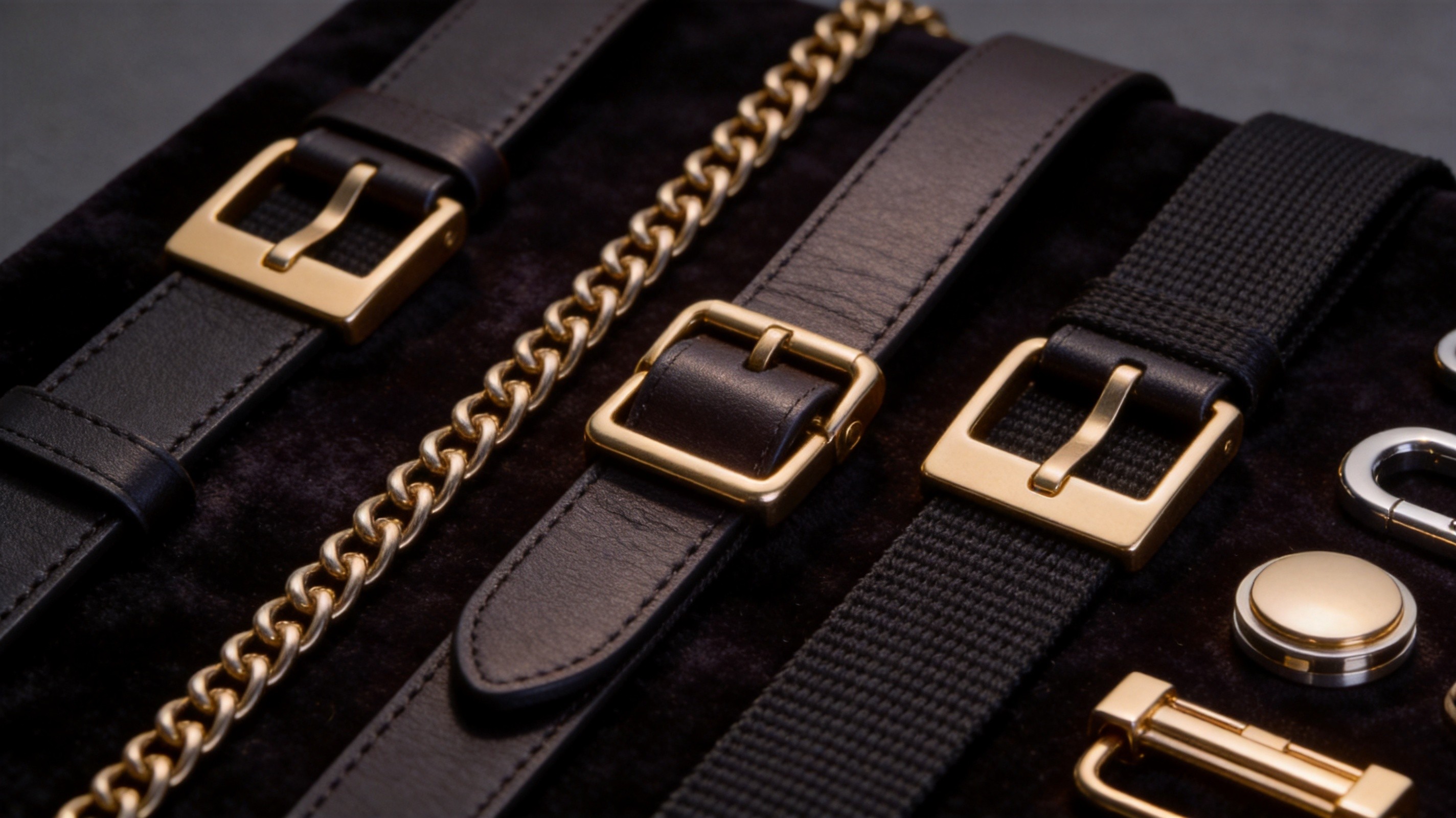
Canvas, leather, and nylon each offer distinct advantages depending on brand positioning and product requirements
Overview of Bag Materials
Each major handbag material occupies a distinct position in the market, defined by its physical properties, cost structure, and the brand narratives it supports.
| Property | Canvas | Leather | Nylon |
|---|---|---|---|
| Material Type | Woven textile (cotton/poly) | Natural animal hide | Synthetic polymer |
| Typical Cost/sq ft | $1–4 | $5–15 | $2–5 |
| Retail Positioning | $30–400 | $150–50,000+ | $50–1,500 |
| Weight | Medium | Heavy | Light |
| Water Resistance | Low (unless coated) | Low-Medium | High |
| Expected Lifespan | 3–8 years | 15–30+ years | 5–10 years |
Canvas: Properties and Uses
Canvas is the oldest and most traditional textile material for bag construction, with a history stretching back centuries. Modern canvas comes in natural (cotton) and synthetic (polyester) forms, each with distinct properties.
Cotton Canvas
Natural cotton canvas is woven from cotton yarns in a plain weave pattern. It offers a natural, organic hand-feel and aesthetic that communicates casual quality. Weight ranges from 8 oz (lightweight tote canvas) to 18+ oz (heavy-duty bag canvas). Cotton canvas is breathable, biodegradable, and accepts dyes and prints readily — making it ideal for branded designs.
Coated Canvas
Coated canvas — cotton or polyester canvas with a PVC or PU coating — is the material behind some of the most iconic luxury bags in history. The coating provides water resistance, stain resistance, and a structured body that holds shape well. Louis Vuitton's Monogram canvas, Gucci's GG Supreme, and Dior's Oblique are all coated canvas designs. This material category allows brands to achieve luxury positioning at moderate cost with exceptional brand recognition potential.
Best Applications
- Tote bags and shoppers
- Coated canvas luxury bags with leather trim
- Casual everyday bags
- Printed/branded promotional bags
- Travel bags and duffels
Leather: Properties and Uses
Leather remains the gold standard for handbag materials, offering unmatched combination of durability, aesthetic appeal, and aging characteristics. For detailed grade information, see our complete leather grade guide.
Performance Qualities
Premium leather (full-grain and top-grain) offers exceptional tensile strength, natural water resistance, and the ability to develop an attractive patina over decades of use. The material's breathability prevents odor buildup. Its repairability means damaged areas can be reconditioned rather than replaced.
Brand Positioning Power
Leather communicates quality, heritage, and permanence in ways that no textile or synthetic can replicate. The weight, smell, and hand-feel of quality leather create sensory cues that customers associate with luxury and craftsmanship. This positioning power justifies retail multiples that are impossible with canvas or nylon — a leather bag with $50 in material cost can retail for $500+ based on the material's inherent value perception.
Limitations
Leather is the heaviest major bag material, the most expensive, and requires the most skilled labor to process. Natural variation between hides complicates color consistency across large production runs. Animal-derived material is unsuitable for vegan brand positioning.
Leather remains the gold standard for handbag materials, offering unmatched durability and aging characteristics
Nylon: Properties and Uses
Nylon — the engineering polymer that revolutionized textiles — offers a unique combination of lightweight strength, water resistance, and modern aesthetics for handbag applications.
Performance Qualities
Nylon offers the highest strength-to-weight ratio of any common bag material. Ballistic nylon (originally developed for flak jackets) achieves extraordinary tear and abrasion resistance. Standard nylon bag fabrics are inherently water-resistant, dry quickly, and resist staining. The material holds color exceptionally well, resisting UV fading better than most natural fibers.
Brand Applications
Nylon occupies a fascinating space in handbag brand positioning. Prada's Pocone nylon bags proved that a synthetic material can command luxury pricing when supported by exceptional design and brand narrative. In the performance and travel segments, nylon is the default material — brands like Tumi, Briggs & Riley, and Eagle Creek build entire product lines around nylon's technical advantages.
Limitations
Nylon lacks the natural prestige of leather. It can appear "cheap" if not specified and finished carefully. The material does not develop patina or improve with age — it simply maintains its condition until the end of its functional life. Heat sensitivity limits some construction techniques.

Coated canvas paired with leather trim creates iconic luxury bag designs recognized worldwide
Polyester and Other Synthetics
Polyester fabrics are gaining share in handbag construction, particularly in recycled form (rPET). They offer similar properties to nylon at lower cost, with the added advantage of recycled content options that support sustainability positioning.
Key Properties
Polyester bag fabrics offer good strength, excellent color fastness, low cost, and increasing availability in recycled form. While not as strong as nylon at equivalent weight, polyester's cost advantage and sustainability story make it increasingly attractive for volume production. See our recycled materials guide for rPET details.
Durability Comparison
Durability must be evaluated across multiple dimensions — no single material leads in every category.
| Durability Metric | Canvas | Leather (Full-Grain) | Nylon |
|---|---|---|---|
| Abrasion (Martindale) | 15,000–30,000 cycles | 50,000+ cycles | 40,000–60,000 cycles |
| Tear Strength | Moderate | High | Very High |
| UV Resistance | Moderate (fades) | Good (darkens) | Very Good |
| Water Resistance | Low (unless coated) | Low-Medium | High |
| Flex Crack Resistance | Good | Excellent | Excellent |
| Expected Lifespan | 3–8 years | 15–30+ years | 5–10 years |
| Repairability | Difficult | Excellent | Difficult |
Weight Comparison
Weight directly affects customer comfort and satisfaction, particularly for larger bag styles where material weight compounds with contents weight.
At equivalent coverage (same bag design), nylon is the lightest option at approximately 200–350 grams for a standard tote body. Canvas falls in the middle at 350–600 grams. Leather is the heaviest at 600–1,200 grams depending on thickness and style. For brands targeting the travel or everyday-carry market where total carried weight matters, nylon or canvas provide clear advantages.
Weight varies significantly between materials — nylon is lightest, leather heaviest, canvas in the middle
Cost Comparison
The cost comparison extends beyond per-square-foot pricing to include yield efficiency, labor requirements, and total production economics.
| Cost Factor | Canvas | Leather (Top-Grain) | Nylon |
|---|---|---|---|
| Material per sq ft | $1–4 | $5–10 | $2–5 |
| Yield efficiency | 95%+ | 75–85% | 95%+ |
| Material per tote bag | $8–25 | $75–200 | $15–40 |
| Labor cost impact | Lower | Higher (skilled) | Moderate |
| Defect/rework rate | 1–2% | 3–5% | 1–2% |
| Total production cost (tote) | $15–40 | $100–350 | $25–60 |
Aesthetic Differences
The visual and tactile qualities of each material create fundamentally different brand impressions and customer experiences.
Canvas Aesthetic
Canvas communicates casual, approachable quality. Natural cotton canvas has an organic, artisanal feel. Coated canvas can achieve luxury positioning when combined with branded printing and leather trim — the Louis Vuitton model proves canvas can command premium pricing with the right design and brand narrative.
Leather Aesthetic
Leather communicates heritage, craftsmanship, and permanence. The natural grain, weight, and scent of leather create multi-sensory quality signals. Leather develops patina that enhances beauty over time — a quality no other material can replicate. For traditional luxury and heritage brands, leather is the default material.
Nylon Aesthetic
Nylon communicates modern, technical, and functional design. High-quality nylon with refined hardware can achieve luxury positioning (Prada's nylon line proves this), but the material's DNA is firmly rooted in performance and utility. For sporty, travel, and tech-forward brands, nylon aligns naturally with brand identity.
Best Materials by Bag Type
The optimal material depends heavily on the bag style and its intended use context.
| Bag Type | Best Material | Why |
|---|---|---|
| Everyday Tote | Canvas or Nylon | Lightweight, easy care, cost-effective |
| Luxury Handbag | Leather | Heritage, patina, prestige |
| Travel Bag | Nylon | Lightweight, water-resistant, durable |
| Evening Bag | Leather or Satin | Refined aesthetic, tactile luxury |
| Crossbody | Leather or Nylon | Weight matters; leather for premium, nylon for sport |
| Backpack | Nylon or Canvas | Lightweight, structural support |
| Beach/Pool Bag | Coated Canvas | Water-resistant, easy to clean |
Environmental Impact
Sustainability considerations are increasingly important in material selection. For detailed analysis of specific materials, see our vegan vs real leather analysis.
- Canvas (cotton): Conventional cotton is water-intensive and pesticide-heavy. Organic cotton and recycled cotton significantly reduce impact. Canvas is biodegradable at end of life.
- Leather: Environmental impact varies enormously by tannery. Vegetable-tanned and LWG Gold-certified tanneries minimize impact. Chrome tanning without proper controls creates significant chemical waste. Leather is partially biodegradable (veg tan) and has long lifespan reducing per-year impact.
- Nylon: Virgin nylon is petroleum-based with significant carbon footprint. Recycled nylon (from fishing nets and industrial waste) dramatically reduces impact while matching virgin performance. Nylon is not biodegradable.
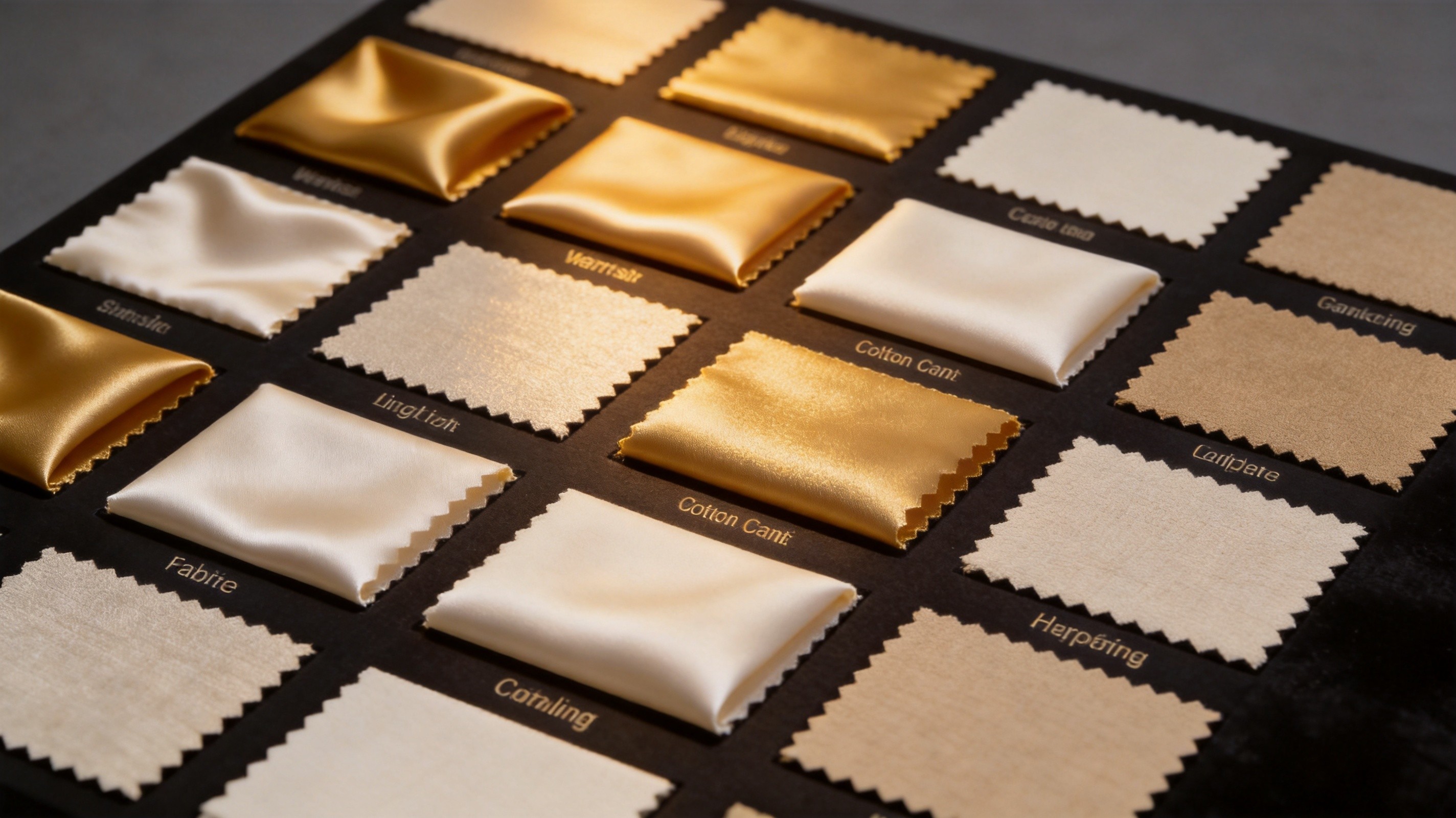
Nylon's strength-to-weight ratio makes it the default choice for travel and performance bags
How to Choose for Your Brand
The material decision should flow from five sequential brand-strategy questions:
- What is your brand positioning? Luxury/heritage → leather. Casual/approachable → canvas. Modern/technical → nylon.
- What is your target retail price? Under $100 → canvas or nylon. $100–500 → leather or premium nylon. $500+ → leather or exotic.
- What does your customer value most? Status and tradition → leather. Practicality and ease → canvas or nylon. Sustainability → recycled options in any material.
- What bag styles are you designing? Match material to style function (see table above).
- What is your production scale? High volume → canvas or nylon (consistent, efficient). Limited edition → leather (exclusive, craft-intensive).
Many successful brands operate across multiple materials, using each for the styles where it excels. A brand might produce leather structured handbags, nylon travel bags, and canvas totes — each material serving its optimal application. Our solutions team can help design multi-material collections that maximize each material's strengths.
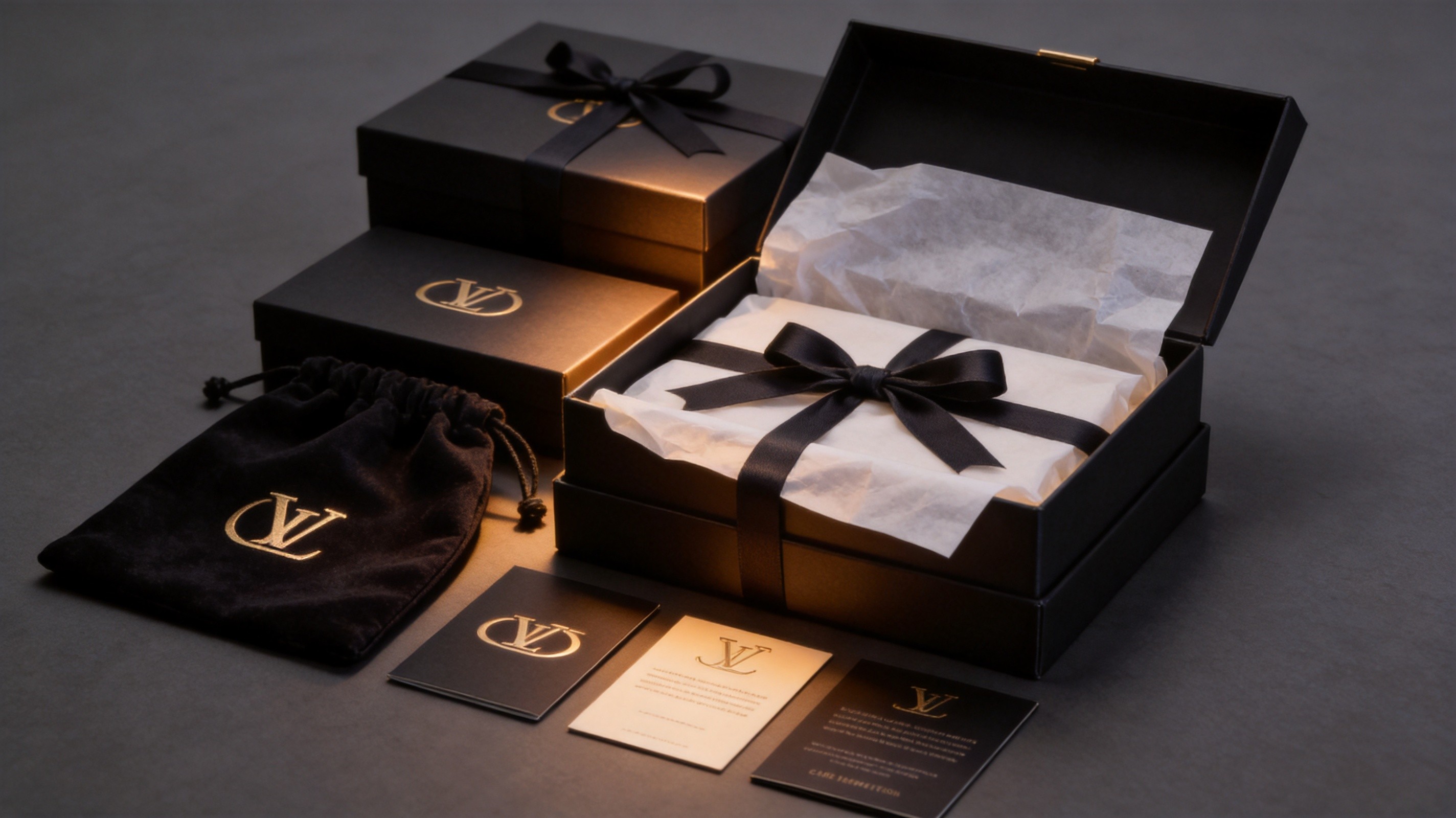
Strategic material selection aligns brand positioning, customer expectations, and commercial viability
Material Innovations Shaping 2026-2027
The handbag material landscape is evolving rapidly. Several emerging technologies and material science breakthroughs deserve attention from brand owners planning their next collections:
Lab-Grown Leather: Companies like Modern Meadow are cultivating leather from collagen-producing yeast cells, creating bio-fabricated materials that are chemically identical to animal leather without the environmental footprint of raising livestock. Early samples show tensile strength comparable to mid-grade cowhide, and commercial availability for bag manufacturing is projected within 2-3 years.
Nano-Coated Canvas: Nanotechnology-enhanced canvas treatments now provide water repellency, stain resistance, and even antimicrobial properties without altering the hand feel or appearance of traditional canvas. These treatments can extend the functional lifespan of canvas bags by 40-60% in real-world conditions.
Recycled Carbon Fiber Composites: Some experimental luxury bags now incorporate recycled carbon fiber into structural panels, offering exceptional rigidity at minimal weight. While currently cost-prohibitive for mass production, prices are declining and this material may become viable for premium lines within the next production cycle.
Algae-Based Foams: For bags requiring padding or structural fill, algae-based foam materials are replacing petroleum-based alternatives. These foams are biodegradable, lightweight, and provide comparable cushioning properties to EVA foam.
Brand owners who stay informed about these innovations can position themselves as early adopters, creating differentiation in an increasingly competitive market. Request innovation samples from your manufacturing partner during the planning phase of each new collection.
How to Request and Evaluate Material Samples
Before committing to a full production order, systematic sample evaluation is essential. Here is a structured approach to requesting and assessing material samples from your manufacturing partner:
| Step | Action | Details | Timeline |
|---|---|---|---|
| 1 | Initial Inquiry | Submit material specification sheet with desired properties | Day 1 |
| 2 | Sample Shipment | Factory sends 5-10 material swatches (10x10cm each) | Day 3-7 |
| 3 | Visual Assessment | Check color accuracy, surface consistency, weight | Day 8 |
| 4 | Physical Testing | Bend, scratch, stretch, water-drop tests | Day 8-9 |
| 5 | Proto Sample | Request a full bag sample in selected material | Day 10-25 |
| 6 | Approval or Revision | Approve or request alternative materials | Day 25-30 |
Always request multiple grade options simultaneously (e.g., three canvas weights or two leather grades) so you can compare them side-by-side. This comparative approach prevents anchoring bias and often reveals better value options that you might not have initially considered.
When evaluating samples, create a standardized scoring card covering: hand feel, color consistency, weight, drape, durability impression, and cost-per-unit. Score each sample on a 1-10 scale across these dimensions, then compare numerically to make data-driven decisions rather than relying on subjective impressions alone.
Sustainability Certifications for Bag Materials
As consumer demand for sustainable products intensifies, material certifications provide verifiable proof of environmental claims. Understanding these certifications helps brand owners make credible sustainability commitments:
| Certification | Applies To | What It Verifies | Cost Impact |
|---|---|---|---|
| Global Recycled Standard (GRS) | rPET, recycled nylon, recycled cotton | Recycled content ≥20%, chain of custody | +5-10% |
| Leather Working Group (LWG) | All leather types | Environmental compliance in tanning | +8-15% |
| OEKO-TEX Standard 100 | Fabrics, linings, threads | Freedom from harmful substances | +3-5% |
| Bluesign | Textiles and fabrics | Chemical management, environmental emissions | +10-18% |
| FSC (Forest Stewardship Council) | Paper labels, packaging | Responsible forestry | +2-4% |
| Cradle to Cradle | Multi-material products | Material health, reutilization potential | +15-25% |
For private label brands targeting the premium segment, obtaining at least one recognized certification per product line significantly strengthens brand positioning. The recycled materials landscape offers particularly accessible entry points, with GRS certification adding minimal cost while providing maximum marketing credibility.
When specifying certified materials in your production orders, always request the supplier's certification documentation and verify its validity through the certifying body's online database. Some suppliers may claim certification without holding current, valid certificates, and verification protects your brand from greenwashing accusations.
Need Help Choosing the Right Materials for Your Collection?
Our material specialists work with brand owners to evaluate options across all major handbag materials. We provide sampling, testing, and production support. MOQ starts at 200 pcs/style.
Email: service@junyuanbags.com | WhatsApp: +86 17750020688
Discuss Material OptionsFrequently Asked Questions
Which handbag material is most durable?
Full-grain leather and ballistic nylon are the top performers. Leather achieves 50,000+ abrasion cycles and lasts 15–30+ years. Ballistic nylon achieves 40,000–60,000+ cycles. Canvas falls between at 15,000–30,000 cycles. The best choice depends on the type of durability needed.
What is the most cost-effective material?
Standard polyester canvas at $1–3/sq ft is most cost-effective. Nylon ranges $2–5/sq ft. Real leather costs $5–10/sq ft. Canvas and nylon also offer 95%+ yield efficiency vs leather's 70–85%, further reducing effective cost.
Can leather and canvas be combined?
Yes, leather-canvas combinations are extremely popular. Louis Vuitton's coated canvas with leather trim is a proven luxury formula. This hybrid approach achieves premium aesthetics at moderate price points ($200–800 retail).
Which material is best for eco-friendly brands?
Top options include recycled nylon, organic cotton canvas, vegetable-tanned leather, and GRS-certified recycled polyester canvas. Product lifespan also matters — a bag lasting 20 years has lower annual environmental impact than replacing shorter-lived bags.
What material do luxury brands use?
Luxury brands primarily use real leather. Some iconic brands are built around coated canvas with leather trim. Exotic leathers serve as ultra-luxury tier. Nylon is used selectively as a modern design statement (Prada Pocone). Material choice communicates brand DNA.
Continue Exploring
Related guides: Leather Grade Guide, PU Leather Quality Grades, Recycled Materials Guide, and Lining Material Selection. Visit our products or about us.
Limitations and Scope of This Guide
This guide covers comparison of canvas, leather, and nylon as handbag materials, covering durability, cost, aesthetics, and manufacturing considerations. It is based on our experience as a handbag manufacturer in Quanzhou, China, serving brands worldwide since 2004. Key limitations to keep in mind:
- This comparison covers the three most common handbag materials. Specialty materials (cork, Piñatex, recycled fabrics) have different properties and are covered in separate guides.
- Durability claims are based on standard-grade materials. Premium grades of any material (e.g., full-grain leather vs bonded leather) will perform differently.
- Cost comparisons reflect typical wholesale material pricing in 2026. Material costs fluctuate with market conditions, supply chain factors, and order volume.
For advice tailored to your specific situation, contact our team directly.