Table of Contents
- Why China Remains the Top Destination for Purse Manufacturing
- Key Criteria for Evaluating Manufacturers
- Online Research: Where to Start
- Verifying Factory Credentials and Certifications
- Assessing Production Capacity and Scalability
- Requesting and Evaluating Samples
- Communication and Responsiveness Testing
- Visiting the Factory: What to Look For
- Common Mistakes to Avoid
- Comparison Table: China vs Other Manufacturing Regions
- Checklist: Manufacturer Evaluation Scorecard
- Building a Long-Term Manufacturing Relationship
- Frequently Asked Questions
Finding the right private label purse manufacturer in China can make or break your handbag brand. With thousands of factories across Guangdong, Fujian, and Zhejiang provinces, the search process often feels overwhelming — especially for first-time brand owners who have never imported from China before.
This guide distills over 20 years of manufacturing experience into a practical, step-by-step framework for identifying, vetting, and partnering with the best purse manufacturer for your brand. We cover everything from initial online research to factory visits, sample evaluation, and long-term relationship building.
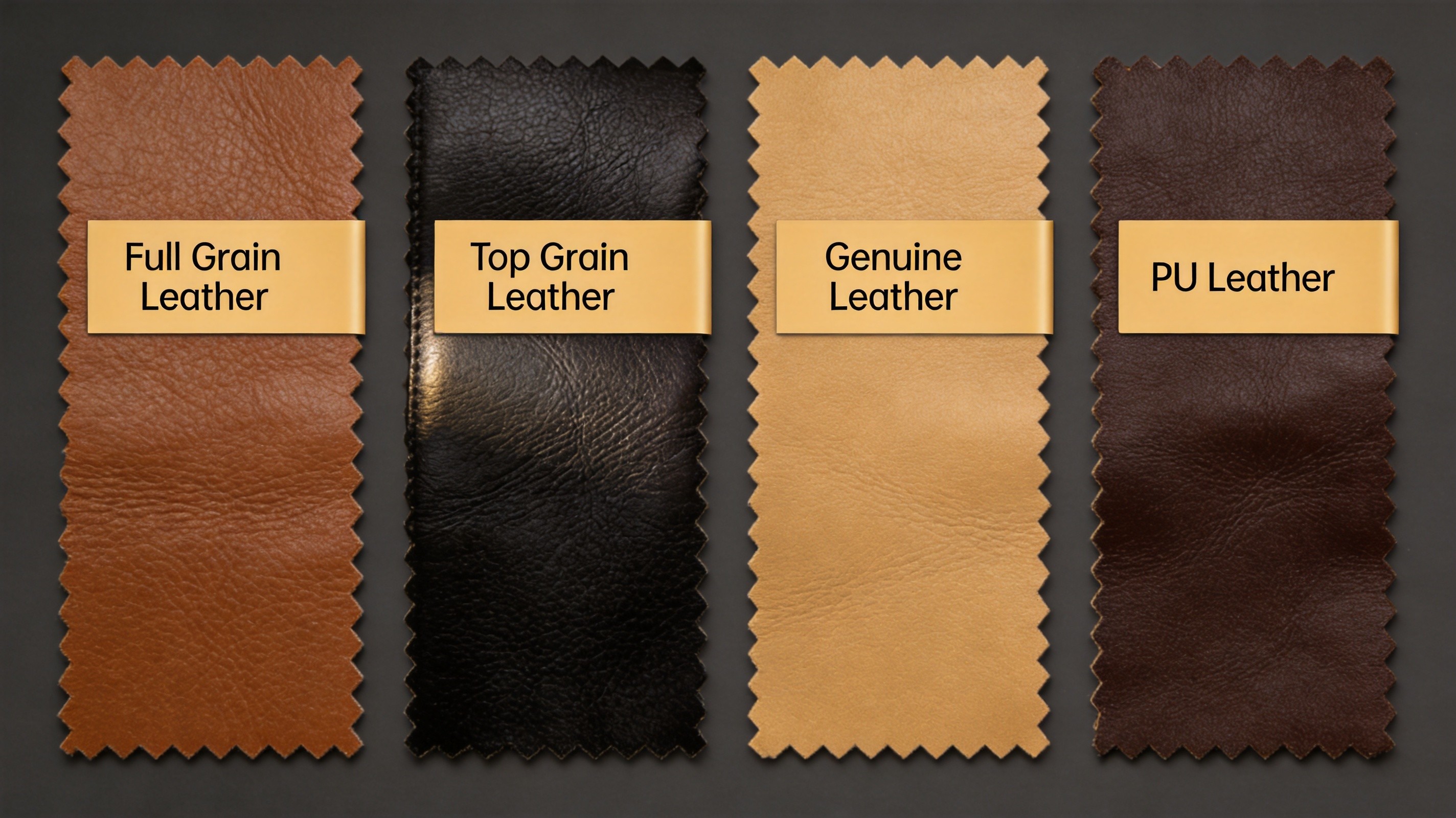
A modern private label purse manufacturing facility in China
Why China Remains the Top Destination for Purse Manufacturing
China has dominated global bag manufacturing for decades, and the reasons extend far beyond lower labor costs. The country has built a complete ecosystem — from raw material sourcing to finished goods logistics — that remains unmatched by any competing manufacturing nation.
Established Supply Chain Infrastructure
The bag manufacturing clusters in Quanzhou (Fujian), Guangzhou (Guangdong), and Yiwu (Zhejiang) have decades of accumulated expertise. Within a 100-kilometer radius of these cities, you can source every component a purse needs: leather, PU, hardware, zippers, linings, thread, and packaging materials. This supply chain density reduces lead times and keeps costs competitive.
Scalability from Startup to Enterprise
Chinese factories can accommodate orders ranging from 200 pieces for emerging brands to 500,000 pieces for established retailers. This scalability means your manufacturing partner can grow with your brand without requiring you to switch suppliers as your volumes increase.
Technical Expertise and Versatility
After 20+ years of producing for global brands, Chinese purse manufacturers have developed sophisticated techniques in leather crafting, hardware finishing, embroidery, printing, and structural engineering. Many factories employ master craftsmen who trained under luxury brand production protocols.
| Factor | China Advantage | Impact on Your Brand |
|---|---|---|
| Supply Chain | Complete ecosystem within 100km radius | Faster lead times, lower material costs |
| Scalability | 200 pcs to 500K+ pcs per order | Grow without switching manufacturers |
| Technical Skill | 20+ years of luxury brand production | Higher quality at competitive prices |
| Cost Efficiency | 30-50% less than European production | Better margins or competitive pricing |
| Export Infrastructure | Established logistics to 100+ countries | Reliable, tracked international shipping |
Key Criteria for Evaluating Manufacturers
Before you begin reaching out to factories, establish a clear set of evaluation criteria. Without defined benchmarks, you risk choosing a manufacturer based on price alone — a decision that often leads to quality problems, missed deadlines, and damaged brand reputation.
Quality Standards and Consistency
The manufacturer must demonstrate consistent output quality across multiple samples and production runs. Ask about their quality control process: how many inspection points exist, what is their defect rate target, and do they perform AQL inspections before shipment.
Certifications and Compliance
Legitimate manufacturers hold internationally recognized certifications. Look for BSCI (Business Social Compliance Initiative), ISO 9001 (Quality Management), REACH (EU chemical safety), and CPSIA (US consumer product safety). These certifications confirm the factory meets social, environmental, and safety standards required by major markets.
Experience with Your Market
A factory that has produced for brands in your target market understands the regulatory requirements, consumer expectations, and quality standards of that market. Ask which countries they primarily export to and whether they have experience with your specific product category.
Quality inspection checkpoints ensure consistent output standards
Online Research: Where to Start
Your search begins online, but not every platform delivers equal value. Here is a strategic approach to researching purse manufacturers across multiple channels.
Alibaba and Global Sources
These B2B platforms offer the broadest supplier database. Filter by verified suppliers, trade assurance members, and factories with at least 5 years of operating history. Pay attention to response rates, product range, and the quality of their product photography — factories that invest in professional imagery typically maintain higher production standards.
Trade Show Directories
The Canton Fair, Hong Kong Fashion Week, and the Shanghai International Bag Fair publish exhibitor directories online. Even if you cannot attend in person, these directories list established manufacturers who invest in their export business. Cross-reference trade show exhibitors with their online presence to verify legitimacy.
Industry Forums and Communities
Platforms like Reddit's r/EntrepreneurRideAlong, Facebook groups for Amazon FBA sellers, and niche handbag design communities often contain firsthand reviews of manufacturing experiences. These unfiltered accounts reveal details that curated supplier profiles omit.
Google and Social Media Searches
Search for "private label purse manufacturer China" and evaluate which factories maintain professional websites with detailed product catalogs, about pages, and blog content. A well-maintained website signals a company that invests in its brand and takes its online presence seriously — qualities that often correlate with manufacturing quality.
Pro Tip
Create a spreadsheet to track 15-20 potential manufacturers. Include columns for: company name, location, website, MOQ, lead time, certifications, product range, response quality (1-5), and notes. This structured approach prevents the confusion that comes from managing multiple conversations across different platforms.
Verifying Factory Credentials and Certifications
Anyone can create a professional-looking website and claim to be a manufacturer. Verification separates legitimate factories from trading companies posing as manufacturers — and from outright scams.
Business License Verification
Request the factory's Chinese business license (yingye zhizhao) and verify it through the National Enterprise Credit Information Publicity System (NECIPS). The license reveals the company's registered capital, business scope, establishment date, and legal representative. A legitimate purse manufacturer should have "bag manufacturing" (bag production) explicitly listed in their business scope.
Certification Authentication
Do not accept certification claims at face value. Request the actual certificate documents and verify them through the issuing organization's database. For BSCI, check the amfori database. For ISO 9001, verify through the certifying body's website. Legitimate factories welcome verification requests because they have nothing to hide.
Factory Audit Reports
If the factory has been audited by third-party organizations like SGS, Bureau Veritas, or Intertek, request copies of the most recent audit reports. These reports reveal the factory's actual conditions — production floor layout, worker safety measures, environmental controls, and quality management systems — in ways that marketing materials cannot.
| Certification | What It Verifies | Why It Matters |
|---|---|---|
| BSCI | Social compliance, worker welfare, ethical practices | Required by most EU and major US retailers |
| ISO 9001 | Quality management system effectiveness | Ensures consistent output quality |
| REACH | Chemical safety compliance for EU market | Required for products sold in European Union |
| CPSIA | Consumer product safety for US market | Required for products sold in the United States |
| SGS/BV Audit | Comprehensive factory condition assessment | Third-party validation of actual factory conditions |
Legitimate manufacturers maintain up-to-date certification documentation
Assessing Production Capacity and Scalability
A manufacturer's stated capacity and its actual usable capacity for your brand may differ significantly. Understanding both figures helps you set realistic expectations and plan your growth trajectory.
Understanding Factory Output Metrics
Factories typically report capacity in units per month. However, actual output depends on product complexity, material availability, and current order queue. A factory producing simple tote bags can output far more units per month than one producing structured leather handbags with multiple compartments and custom hardware.
Equipment and Floor Space
A 30,000 square meter facility with 300+ workers indicates serious manufacturing capacity. Look for details about their equipment: computerized cutting machines, automated sewing stations, specialized leather working tools, and quality testing equipment all signal a factory equipped for high-volume, high-quality production.
Scalability for Your Growth Plan
If you plan to start with 200 pieces per style and scale to 5,000 pieces within two years, confirm the factory can accommodate that growth without sacrificing quality or lead times. Ask about their maximum capacity utilization rate — a factory running at 90% capacity may struggle to accommodate your growth.
Requesting and Evaluating Samples
Sampling is the most critical step in manufacturer evaluation. A sample reveals the factory's actual capability more accurately than any document, certification, or sales pitch.
How to Request Samples Effectively
Prepare detailed specifications before requesting samples. Include: exact dimensions, material requirements (specify leather type or PU grade), hardware finish and color, stitching details (stitches per inch), interior configuration, lining material, branding placement, and packaging requirements. The more precise your specifications, the more accurately the sample reflects the factory's capability.
Evaluating Sample Quality
Examine each sample against specific criteria: stitching consistency and straightness, edge finishing quality, hardware attachment security, zipper smoothness, structural integrity when loaded, material feel and smell (genuine leather has a distinctive aroma), glue application visibility, and lining installation quality. Use a magnifying glass to inspect stitch density — quality handbags typically feature 8-10 stitches per inch.
Sample Timeline and Costs
Expect sample production to take 7-15 days depending on complexity. Sample costs typically range from $50 to $200 per piece, which is often refundable against your first bulk order. Factories that charge excessive sample fees without offering refunds may be using sampling as a profit center rather than a genuine evaluation tool.
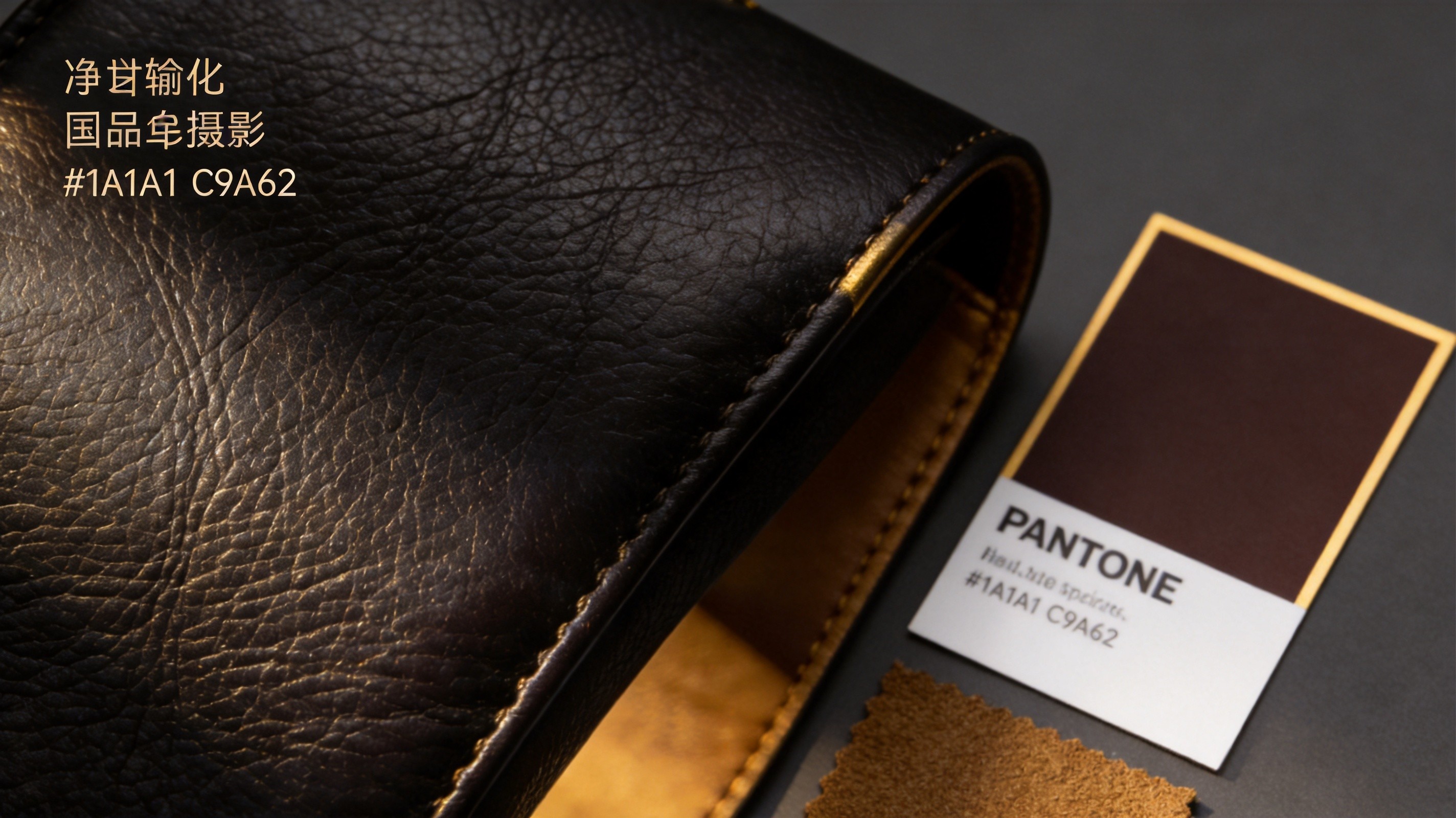
Detailed sample evaluation reveals stitching quality, hardware finish, and material grade
Communication and Responsiveness Testing
How a manufacturer communicates during the inquiry phase predicts how they will communicate throughout your production relationship. Poor communication early on almost always worsens after the order is placed.
Response Time Expectations
A reliable manufacturer should respond to your initial inquiry within 24-48 hours during business days. Responses should address your specific questions rather than sending generic template replies. If a sales representative cannot answer basic technical questions about materials or production processes, escalate to a production manager or technical director.
Language and Technical Proficiency
English proficiency varies across Chinese manufacturers. The best export-oriented factories employ dedicated sales engineers who can discuss technical specifications, interpret your design requirements, and provide proactive suggestions for manufacturability improvements. Test their technical knowledge by asking specific questions about material properties, construction methods, or finishing processes.
Proactive Problem-Solving
The strongest indicator of a quality manufacturing partner is proactive problem-solving. When you present a design concept, a good manufacturer does not simply say "yes" to everything — they identify potential production challenges, suggest alternatives, and explain trade-offs between different approaches. This transparency protects both parties from costly misunderstandings later.
Communication Red Flag
If a factory agrees to every request without pushback, asks no clarifying questions, and provides no technical input, treat this as a warning sign. Quality manufacturers have opinions and share them because they understand production realities. A factory that simply says "no problem" to everything likely does not fully understand your requirements — or does not care about the outcome.
Visiting the Factory: What to Look For
Nothing replaces an in-person factory visit for building confidence in your manufacturing partnership. While virtual tours provide useful initial screening, a physical visit reveals details that cameras miss.
Pre-Visit Preparation
Schedule your visit at least two weeks in advance. Prepare a checklist covering: production floor observation, warehouse inspection, quality control area review, worker interviews (if permitted), documentation review, and sample room examination. Arrange accommodation near the factory to allow a full day of observation.
Production Floor Observations
During your visit, observe the production floor for cleanliness and organization, worker skill and focus, material storage conditions, equipment maintenance status, workflow efficiency, and safety measures. A well-organized production floor with clear workflow paths indicates strong management and quality consciousness.
Warehouse and Material Storage
Inspect how raw materials are stored. Leather should be kept in temperature-controlled environments with proper humidity levels. Hardware components should be organized in labeled bins. Finished goods awaiting shipment should be properly packaged and stacked. Poor material storage leads to material degradation that affects final product quality.
A well-organized production floor reflects strong management and quality consciousness
Common Mistakes to Avoid
After two decades of working with international brands, we have observed recurring mistakes that new brand owners make when searching for manufacturers. Avoiding these pitfalls saves significant time, money, and frustration.
Mistake #1: Choosing Based on Price Alone
The cheapest quote often reflects corner-cutting in materials, construction, or quality control. A manufacturer quoting 30% below market rate is likely using inferior materials, skipping inspection steps, or planning to substitute specifications during production. Calculate total cost of ownership — including defects, returns, and brand damage — rather than comparing unit prices.
Mistake #2: Skipping the Sampling Phase
Some buyers place bulk orders without requesting samples to save time. This approach almost always leads to disappointment. Even if you have seen the factory's existing products, your custom design requires its own sample to validate that the factory can meet your specific requirements.
Mistake #3: Not Defining Quality Standards in Writing
Verbal agreements about quality lead to disputes. Every quality parameter — material grade, stitching density, hardware finish, color accuracy, dimensional tolerance — must be documented in your purchase agreement with photographic references. Without written standards, "quality" becomes subjective and unenforceable.
Mistake #4: Ignoring Trading Companies
While direct factory relationships offer advantages, trading companies can provide value for buyers who need product sourcing across multiple categories, smaller initial order quantities, or English-language customer service. The key is transparency — the trading company should clearly disclose its role and add genuine value to the process.
Mistake #5: Not Planning for Scalability
A manufacturer perfect for your initial 200-piece order may struggle when you reorder 2,000 pieces. Discuss your 12-month and 24-month volume projections during initial conversations. The right partner plans capacity allocation based on your growth trajectory.
Comparison Table: China vs Other Manufacturing Regions
Understanding how Chinese manufacturers compare to alternatives helps you make an informed sourcing decision. The table below provides a realistic comparison across key factors.
| Factor | China | India | Vietnam | Italy |
|---|---|---|---|---|
| Unit Cost | $$ (Competitive) | $ (Low) | $-$$ (Low-Moderate) | $$$$ (Premium) |
| MOQ | 200-500 pcs | 100-300 pcs | 300-1000 pcs | 50-200 pcs |
| Lead Time | 30-45 days | 45-60 days | 35-50 days | 60-90 days |
| Quality Range | Low to Luxury | Low to Mid | Low to Mid-High | High to Luxury |
| Supply Chain | Complete ecosystem | Developing | Growing | Mature (luxury) |
| Technical Capability | High (all levels) | Moderate | Moderate-High | Very High (luxury) |
| Communication | Good (export factories) | Good | Moderate | Variable |
| Scalability | Excellent | Moderate | Moderate | Limited |
China offers the best balance of cost, quality, and scalability for most handbag brands
Checklist: Manufacturer Evaluation Scorecard
Use this scorecard to objectively compare manufacturers you are evaluating. Rate each factor from 1-5 and weight them according to your brand priorities. The manufacturer with the highest weighted score represents your strongest candidate.
| Evaluation Factor | Weight | Score (1-5) | Weighted Score |
|---|---|---|---|
| Sample Quality | 25% | — | — |
| Certifications and Compliance | 15% | — | — |
| Communication and Responsiveness | 15% | — | — |
| Production Capacity | 10% | — | — |
| Pricing Competitiveness | 10% | — | — |
| MOQ Flexibility | 10% | — | — |
| Lead Time Reliability | 10% | — | — |
| Scalability for Growth | 5% | — | — |
| TOTAL WEIGHTED SCORE | 100% | /5.0 |
Building a Long-Term Manufacturing Relationship
Finding the right manufacturer is only the beginning. The strongest brand-manufacturer relationships develop over multiple production cycles, where both parties invest in understanding each other's standards, processes, and business objectives.
Establish Clear Contracts and Agreements
Your first order should be accompanied by a comprehensive manufacturing agreement covering: quality standards with photographic references, acceptable defect rates, intellectual property protections, payment terms and schedules, penalty clauses for late delivery or quality failures, and dispute resolution procedures. Clear contracts prevent misunderstandings and protect both parties.
Invest in Personal Relationships
Chinese business culture values long-term personal relationships (guānxi). Visit your factory annually, maintain regular communication with your production team, and show genuine interest in their operations. Manufacturers who view you as a partner rather than a transaction allocate better resources to your orders and prioritize your production when capacity constraints arise.
Provide Constructive Feedback
After each production run, provide detailed feedback — both positive and constructive. Document what worked well, what needs improvement, and what your customers said about the finished products. Factories that receive systematic feedback improve faster and produce better results over time.
Plan Collaboratively
Share your sales forecasts, upcoming product plans, and market trends with your manufacturer. When your factory understands your business trajectory, they can allocate appropriate production capacity, source materials proactively, and suggest improvements based on their experience with similar brands.
For brands seeking a manufacturing partner that combines two decades of expertise, international certifications, and a commitment to long-term partnerships, Purse Private Label offers a proven platform for building your handbag brand. Our product range and solutions are designed for brands at every growth stage.
Ready to Launch Your Private Label Collection?
Get a free consultation and sample quote within 24 hours. MOQ from 200 pcs.
📧 service@junyuanbags.com | 📱 +86 17750020688 | MOQ: 200 pcs/style
Frequently Asked Questions
How do I verify a purse manufacturer in China is legitimate?
Verify business licenses through official Chinese government databases, check for international certifications like BSCI and ISO 9001, request factory video tours, read third-party audit reports, and ask for references from existing clients in your market.
What is the minimum order quantity for most purse manufacturers in China?
Most established purse manufacturers in China require MOQs between 200 and 500 pieces per style. Some factories specializing in small brand partnerships, like Purse Private Label, offer MOQs as low as 200 pieces per style, making it accessible for emerging brands.
How long does it take to find and vet a purse manufacturer?
The complete process of researching, contacting, sampling, and selecting a purse manufacturer typically takes 4 to 8 weeks. Initial research takes 1 to 2 weeks, sampling and evaluation adds 2 to 4 weeks, and final negotiation and agreement takes another 1 to 2 weeks.
Is it better to use Alibaba or attend trade shows to find purse manufacturers?
Both channels have advantages. Alibaba offers convenience, a wide supplier base, and buyer protection for initial research. Trade shows like Canton Fair and HK Fashion Week allow you to touch materials, meet face-to-face, and build stronger relationships. Experienced buyers typically combine both approaches.
Limitations and Scope of This Guide
This guide covers finding the best private label purse manufacturer in China, covering research methods, evaluation criteria, verification steps, and selection process. It is based on our experience as a handbag manufacturer in Quanzhou, China, serving brands worldwide since 2004. Key limitations to keep in mind:
- This guide focuses on handbag manufacturers in China. Sourcing from other regions (India, Vietnam, Italy) involves different considerations.
- Factory recommendations are based on general capabilities. Your specific product requirements may narrow the field differently.
- Pricing and MOQ mentioned are industry benchmarks as of 2026. Individual quotes will vary.
For advice tailored to your specific situation, contact our team directly.