Table of Contents
- Why Sampling Is Non-Negotiable
- Types of Samples in the Production Process
- How to Request Samples Effectively
- Sampling Timeline: What to Expect
- Sample Costs and Refund Policies
- The 7-Point Sample Evaluation Framework
- Dimensional Accuracy Check
- Material Quality Verification
- Stitching and Construction Quality
- Hardware Function and Finish
- Aesthetic and Design Fidelity
- Managing Sample Revisions
- Sample Approval Workflow
- Common Sampling Mistakes to Avoid
- Frequently Asked Questions
A sample is the single most reliable indicator of what your bulk production will look like. It reveals the factory's actual capability — not their marketing claims, not their showroom pieces, but what their production team can execute when working from your specifications.
This guide covers every aspect of the sampling process: how to request samples that accurately reflect your requirements, what timeline to expect, how much samples cost, and most importantly, how to evaluate what you receive against objective quality criteria.
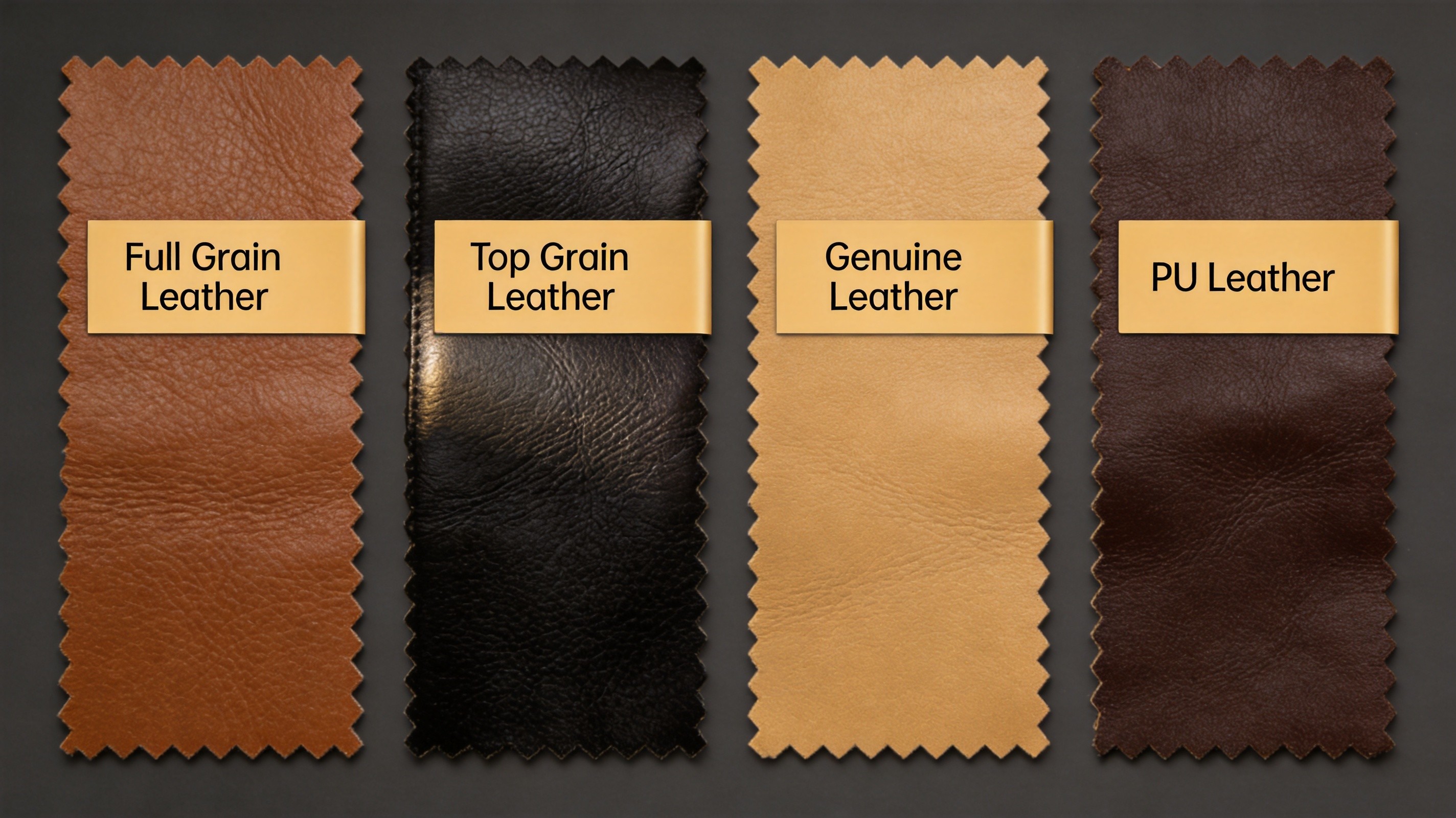
Thorough sample evaluation prevents costly bulk production mistakes
Why Sampling Is Non-Negotiable
Some first-time buyers consider skipping sampling to save time and money. This decision almost always results in costly errors. Here is what sampling accomplishes that nothing else can:
- Validates factory capability — The sample proves whether the factory can execute your specific design to your standards
- Reveals communication gaps — Differences between your expectation and the sample highlight specification areas needing clarification
- Tests material quality — You can physically assess material feel, weight, smell, and appearance
- Verifies dimensions — Actual measurements confirm the bag matches your size requirements
- Creates a reference standard — The approved sample becomes the quality benchmark for bulk production
Types of Samples in the Production Process
The sampling process includes multiple sample types, each serving a different purpose at different stages of development.
| Sample Type | Purpose | Timing | Cost Range |
|---|---|---|---|
| Proto Sample | Validate design concept and basic construction | First sample | $80 – $200 |
| Fitting Sample | Test proportions, strap drop, carrying comfort | After proto approval | $100 – $250 |
| Pre-Production Sample | Final approval using production materials and methods | Before bulk production | $100 – $300 |
| Top of Production (TOP) | Verify bulk production matches approved sample | From first bulk units | $0 (from production) |
| Shipment Sample | Reference piece retained for quality comparison | From finished shipment | $0 (from shipment) |
How to Request Samples Effectively
The quality of samples you receive depends heavily on the quality of information you provide. Vague requests produce vague samples.
Information to Include in Your Sample Request
- Technical drawings or detailed photographs — Front, back, side, interior views
- Exact dimensions — Height, width, depth with tolerances
- Material specifications — Type, grade, thickness, color (Pantone codes)
- Hardware details — Type, finish, size, placement
- Interior configuration — Pocket count, types, dimensions, placement
- Branding requirements — Logo method, placement, size
- Edge finishing — Paint, binding, burnished, or folded
- Stitching specifications — SPI, thread color, stitch type
- Reference products or images — Similar products showing desired quality level
Pro Tip: The Reference Bag Strategy
If possible, send the factory a physical reference bag — even from a competitor — that demonstrates the quality level, construction method, or finishing detail you expect. Physical references communicate more effectively than written descriptions. Purse Private Label accepts reference products at our Quanzhou facility to ensure precise understanding of your quality expectations.
Sampling Timeline: What to Expect
Understanding realistic sampling timelines helps you plan your product launch schedule and avoid frustration.
| Stage | Duration | What Happens |
|---|---|---|
| Specification review | 2 – 3 days | Factory reviews your requirements and asks clarifying questions |
| Material sourcing | 3 – 7 days | Factory sources or confirms material availability |
| Pattern making | 2 – 4 days | Pattern created based on your specifications |
| Sample production | 5 – 10 days | Sample cut, sewn, assembled, and finished |
| Internal QC | 1 – 2 days | Factory checks sample against specifications |
| Shipping to buyer | 3 – 7 days | Express courier delivery (DHL, FedEx, UPS) |
| Total first sample | 16 – 33 days | Approximately 3 – 5 weeks |
Revision samples typically take 7-14 days (shorter than first samples because patterns exist and materials are on hand). Plan for 2-3 revision rounds, adding 3-6 weeks to the total sampling timeline.
Sample Costs and Refund Policies
Sample pricing follows a predictable structure based on design complexity and material requirements.
| Design Complexity | Sample Cost | Typical Revision Cost | Refund Policy |
|---|---|---|---|
| Simple (tote, basic crossbody) | $50 – $100 | $30 – $60 | Refundable against bulk order |
| Medium (structured bag, multiple compartments) | $100 – $200 | $60 – $120 | Refundable against bulk order |
| Complex (custom hardware, exotic materials) | $200 – $350 | $100 – $200 | Partially refundable or negotiable |
Always confirm refund terms before commissioning samples. Most reputable factories — including Purse Private Label — refund sample costs against your first bulk order, making effective sampling free for committed buyers. Our sampling services follow this standard practice.
The 7-Point Sample Evaluation Framework
Evaluate every sample against seven quality dimensions. Use a scoring system (1-5 for each dimension) to create objective comparison data when evaluating samples from multiple factories.
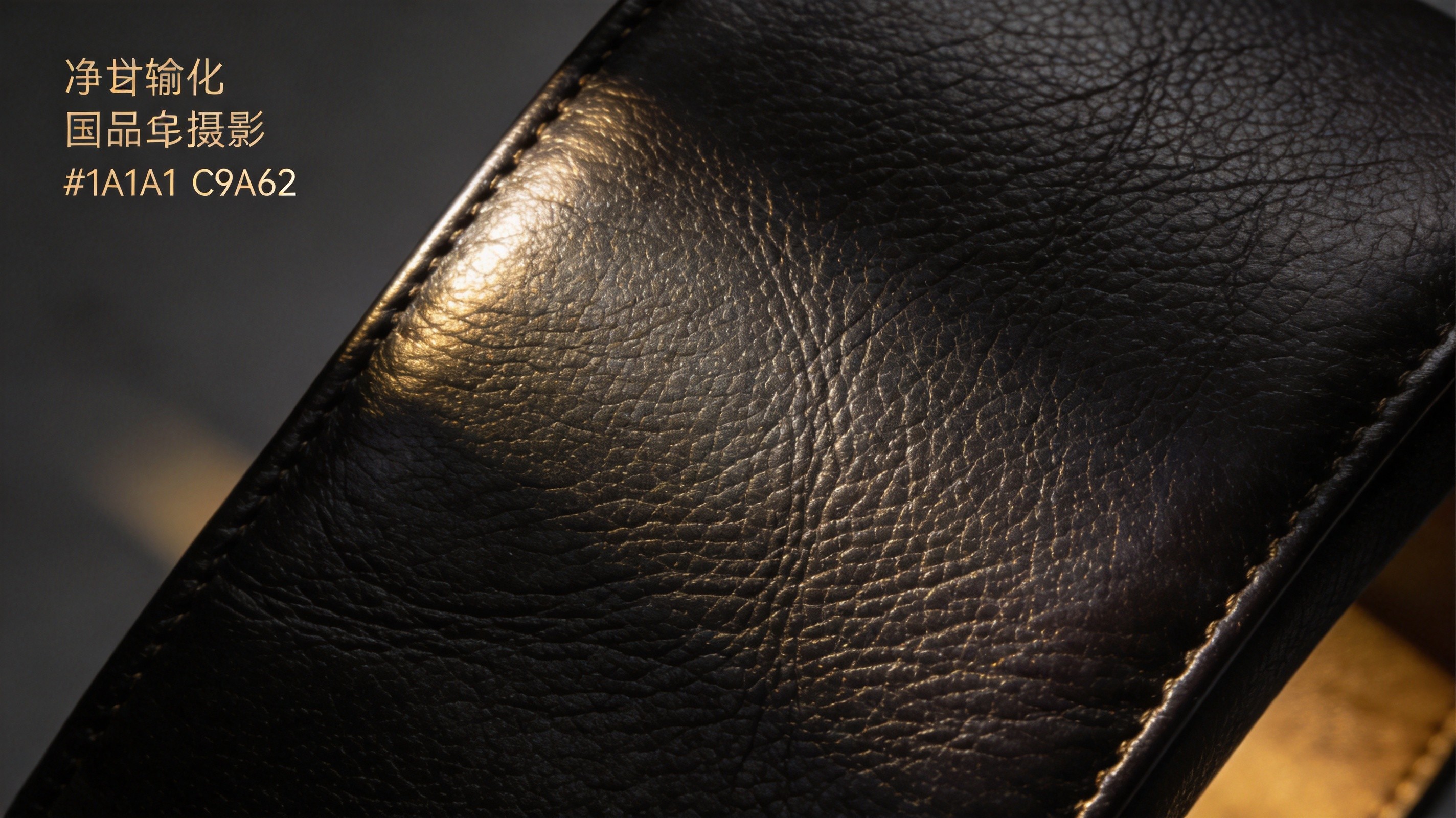
Systematic evaluation across seven quality dimensions provides objective sample comparison
1. Dimensional Accuracy Check
Using a measuring tape, check every dimension specified in your tech pack against the physical sample. Record actual measurements and compare them to your specifications with tolerances.
Measurement Checklist
- Overall height, width, and depth
- Handle/strap drop length
- Strap width and length (adjustable positions)
- Pocket dimensions (each interior and exterior pocket)
- Zipper length and placement
- Logo size and placement position
- Bottom panel dimensions
Any measurement outside your specified tolerance range requires correction before bulk production approval.
2. Material Quality Verification
Material assessment requires both visual inspection and tactile evaluation.
Material Evaluation Criteria
- Color accuracy: Compare to your Pantone reference or physical swatch under natural light
- Texture and hand-feel: Does the material feel correct for the grade specified?
- Thickness: Use a caliper to measure material thickness against specification
- Smell: Strong chemical odor indicates low-quality materials or finishing chemicals
- Surface consistency: No visible defects, scratches, or discoloration
- Flexibility: Bend the material — it should flex without cracking or creasing permanently
3. Stitching and Construction Quality
Stitching quality reveals the factory's craftsmanship standards more clearly than any other element.
Stitching Inspection Points
- Stitch density: Count stitches per inch — should meet your spec (8-10 SPI for quality bags)
- Consistency: Stitch length should be uniform throughout; no variation visible
- Straightness: Seams should run straight with no waviness or pulling
- Tension: Thread should lie flat against material; no looping or puckering
- Thread ends: All thread ends should be trimmed cleanly; no loose threads visible
- Stress points: Strap attachments, handle bases, and pocket openings should have bar tack reinforcement
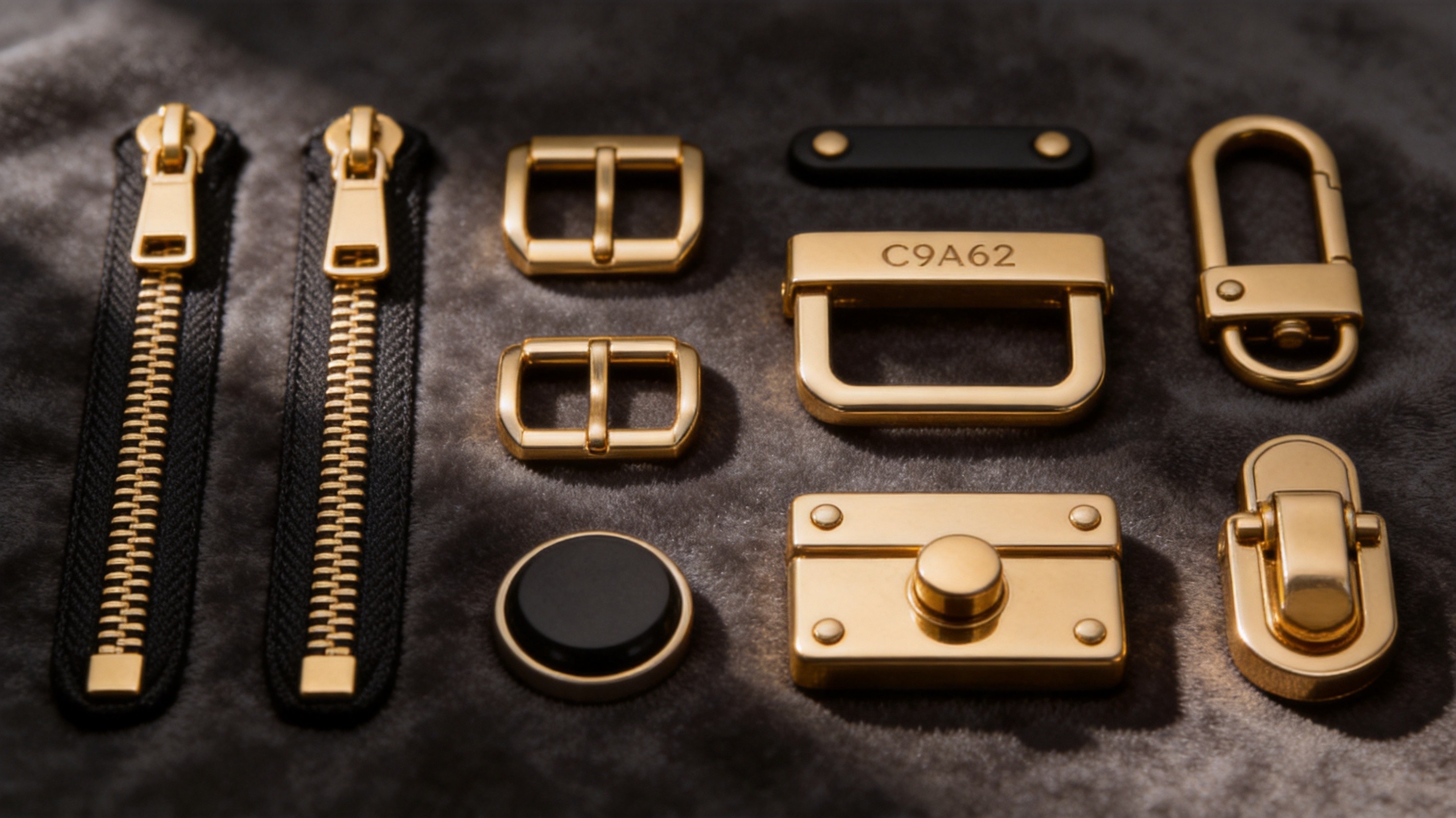
Stitching inspection reveals craftsmanship quality more clearly than any other element
4. Hardware Function and Finish
Test every hardware component for function, finish quality, and security of attachment.
- Zippers: Should operate smoothly through 20+ complete cycles with one hand
- Snap closures: Should engage securely with firm but not excessive force
- Magnetic closures: Magnets should be strong and properly aligned
- D-rings and clasps: Should rotate freely without catching
- Hardware finish: No scratches, bubbles, or discoloration on metal surfaces
- Attachment security: Pull firmly on all hardware — no movement or looseness
- Feet: Bottom feet should sit flat and not wobble
5. Aesthetic and Design Fidelity
Compare the sample against your design reference — is the overall appearance, proportion, and styling consistent with your vision? Specific elements to evaluate:
- Overall silhouette and proportions
- Symmetry (both sides should match)
- Color harmony between material, thread, and hardware
- Logo placement accuracy and quality
- Edge finishing quality and consistency
- Overall "premium" impression — does it look like a product you would be proud to sell?
Managing Sample Revisions
Most samples require 1-3 revision rounds before achieving final approval. Managing revisions efficiently reduces timeline and cost.
Effective Revision Communication
- Provide specific, numbered feedback — not general impressions
- Photograph every issue with a red circle or arrow marking the problem area
- Measure deviations and state the correct dimension needed
- Prioritize changes into "must fix" and "nice to have" categories
- Confirm the factory understands each revision before they begin rework
Revision Documentation Template
Create a standardized revision feedback form with columns for: Issue number, Location (with photo reference), Current state, Required change, Priority (critical/standard/nice-to-have). This format eliminates ambiguity and reduces revision rounds by ensuring the factory addresses exactly what needs changing.
Sample Approval Workflow
Formalize your approval process to prevent misunderstandings during bulk production.
Approval Steps
- Receive sample — Inspect against the 7-point evaluation framework
- Document findings — Written evaluation with photos and measurements
- Communicate decision: Approved / Approved with conditions / Rejected with specific corrections
- Sign and date the approved sample — Both buyer and factory keep a signed reference
- Ship one signed sample to factory — This becomes the production reference standard
- Include signed sample reference in production contract — Ties quality obligations to physical reference
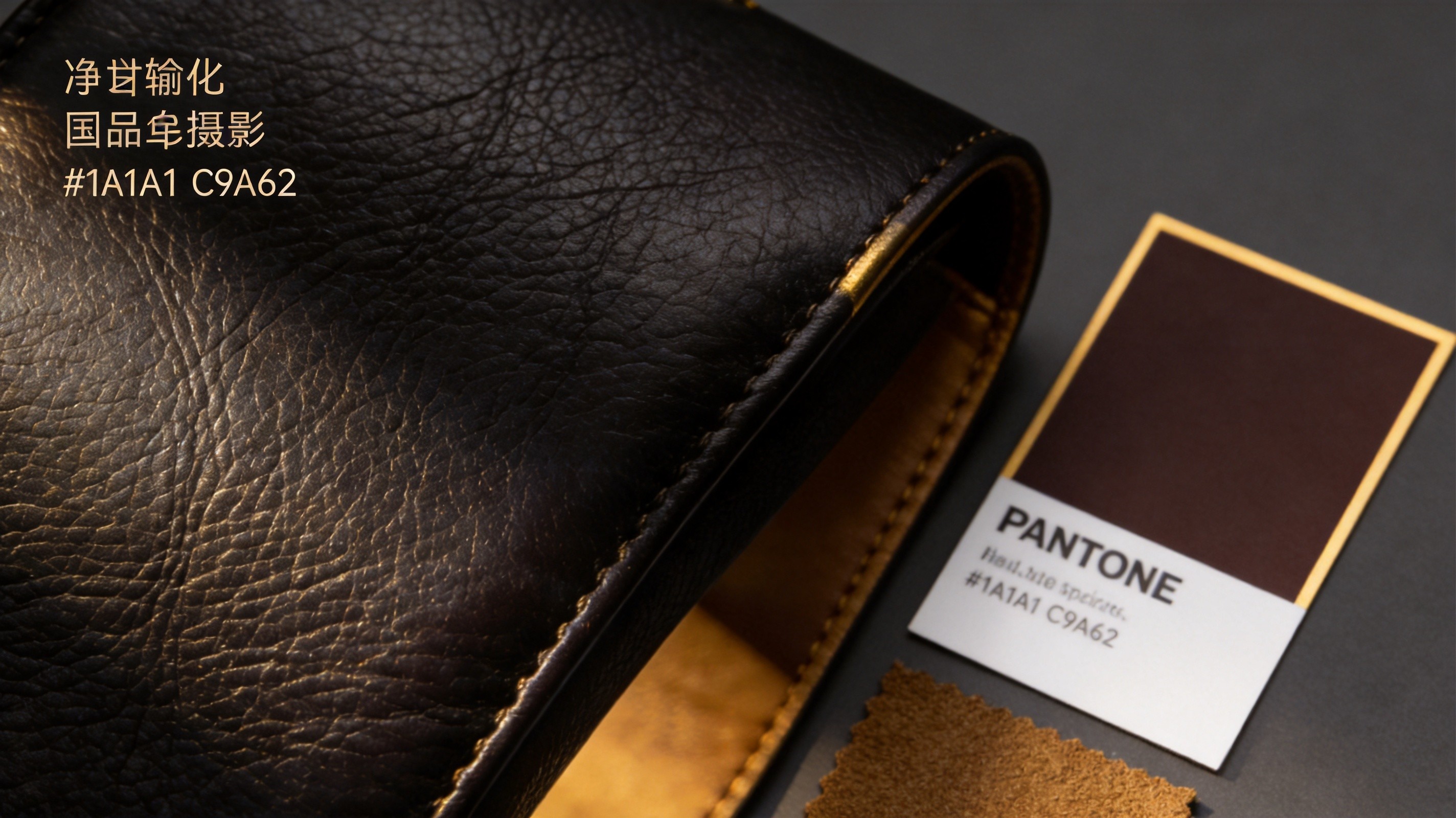
Signed and dated samples create clear quality standards for bulk production
Common Sampling Mistakes to Avoid
Mistake #1: Accepting a "Golden Sample"
Some factories produce an exceptional sample using their best workers and premium materials, then produce bulk order with standard workers and materials. Request a TOP (Top of Production) sample pulled from the actual production line to verify consistency between sample and bulk output.
Mistake #2: Not Specifying Materials Precisely
If you specify "brown leather" instead of "top-grain cowhide leather, 1.2mm, vegetable-tanned, Pantone 18-1163 TPX," the factory selects materials based on availability and cost. Always specify exact materials with verifiable references.
Mistake #3: Evaluating Only Aesthetics
A sample that looks beautiful but has structural weaknesses will generate customer complaints. Test load-bearing capacity, zipper cycle durability, strap attachment strength, and material stress resistance — not just visual appearance.
Mistake #4: Skipping Interior Inspection
Interior quality matters as much as exterior. Check lining installation, pocket construction, zipper function on interior pockets, label placement, and internal structural elements. Poor interior finishing is a common area where factories cut corners.
Mistake #5: Not Keeping Reference Samples
Always keep at least two approved samples — one for your records and one shipped to the factory as the production reference. Without a signed reference sample, disputes about quality standards become "he said, she said" disagreements with no objective resolution.
Quality sampling requires an experienced manufacturing partner. Purse Private Label has refined our sampling process over 20+ years of serving international brands. Our sampling service delivers accurate prototypes within 7-15 days, with transparent pricing refundable against your first order. Explore our product catalog for sampling inspiration, and contact our team to begin your sampling process.
Ready to Launch Your Private Label Collection?
Get a free consultation and sample quote within 24 hours. MOQ from 200 pcs.
📧 service@junyuanbags.com | 📱 +86 17750020688 | MOQ: 200 pcs/style
Frequently Asked Questions
How long does the purse sampling process take?
The complete sampling process takes 3-6 weeks from initial request to final approval. Initial sample production requires 7-15 days. Revision rounds add 5-10 days each. Shipping samples internationally adds 3-7 days via express courier. For complex designs with custom hardware, add an additional 7-10 days for hardware mold creation.
How much do handbag samples cost?
Sample costs range from $50-$300 per piece depending on design complexity and materials. Simple PU bags cost $50-$100 per sample. Complex leather designs with custom hardware cost $150-$300. Most factories refund sample costs against your first bulk order. Always confirm refund terms before commissioning samples.
What should I check when evaluating a purse sample?
Evaluate the sample across seven categories: dimensional accuracy (compare to your tech pack measurements), material quality (verify material matches specifications), stitching quality (check stitch density, consistency, and tension), hardware function (test zippers, snaps, and clasps), edge finishing (inspect for smoothness and consistency), interior construction (verify pocket placement and lining quality), and overall aesthetics (compare to your design intent).
Limitations and Scope of This Guide
This guide covers how to request and evaluate purse samples before placing a bulk order, including sample types, evaluation criteria, and approval processes. It is based on our experience as a handbag manufacturer in Quanzhou, China, serving brands worldwide since 2004. Key limitations to keep in mind:
- Sample timelines and costs are based on our factory's standard processes. Other factories may have different policies, especially during peak production periods.
- Evaluation criteria focus on handbags and wallets. Samples for other categories (shoes, belts, small accessories) require different assessment standards.
- Sample quality may differ from bulk production quality. Requesting pre-production samples (PP samples) before bulk run provides a more accurate quality benchmark.
For advice tailored to your specific situation, contact our team directly.