Table of Contents
- Why Factory Certifications Matter
- Overview of Key Certifications: BSCI, ISO, REACH, SGS
- How to Verify BSCI Compliance
- Understanding ISO 9001 for Handbag Factories
- REACH Compliance for European Markets
- SGS and Intertek Testing Reports
- Sedex and SMETA Audits Explained
- How to Check Certificate Authenticity
- Online Verification Databases
- Red Flags: Fake vs Real Certificates
- What to Do If a Factory Lacks Certifications
- Building a Certification Requirements Checklist
- Certificate Maintenance and Renewal Tracking
- Certification Costs: What to Expect
- Frequently Asked Questions
Factory certifications serve as your first line of defense against unreliable manufacturers. In an industry where anyone can create a convincing website and claim international standards compliance, knowing how to verify certifications transforms you from a vulnerable buyer into an informed decision-maker.
This guide provides a systematic framework for understanding, verifying, and monitoring factory certifications specific to the handbag manufacturing industry. Drawing on our experience maintaining BSCI, ISO 9001, and REACH certifications at our Quanzhou facility for over two decades, we reveal exactly what each certification means, how to verify it, and what warning signs to watch for.

Legitimate factory certifications represent years of investment in quality systems and compliance infrastructure
Why Factory Certifications Matter
Certifications are not merely marketing badges — they represent verifiable evidence that a factory meets specific standards verified through independent third-party assessment. For handbag brands, factory certifications address three critical risk dimensions.
Quality Assurance Risk
Certifications like ISO 9001 confirm that a factory operates documented quality management systems. These systems ensure consistent production quality across orders, systematic defect tracking and resolution, and continuous improvement processes that benefit your products over time.
Compliance and Market Access Risk
Major retail markets — the EU, US, UK, and Australia — increasingly require importers to demonstrate that their supply chains meet specific social, environmental, and safety standards. Without proper factory certifications, your products may be denied entry at customs or rejected by retail buyers who mandate certified suppliers.
Brand Reputation Risk
Modern consumers and retail partners scrutinize supply chain ethics. A factory that cannot demonstrate fair labor practices, safe working conditions, and environmental responsibility poses a reputational risk to your brand. Certifications like BSCI and Sedex provide independently verified evidence of ethical manufacturing practices.
Overview of Key Certifications: BSCI, ISO, REACH, SGS
The handbag manufacturing industry relies on several internationally recognized certifications and testing standards. Each addresses a different aspect of factory operations and product compliance.
| Certification | Issuing Body | Covers | Validity Period | Market Requirement |
|---|---|---|---|---|
| BSCI | amfori | Social compliance, labor practices | 2 years (annual surveillance) | EU retailers, global brands |
| ISO 9001 | Accredited certifying bodies | Quality management systems | 3 years (annual surveillance) | Global, all markets |
| REACH | ECHA (EU regulation) | Chemical safety compliance | Test-specific (typically 12 months) | EU, UK mandatory |
| SGS Testing | SGS SA (Switzerland) | Product/material testing | Test-specific | Global, buyer requirement |
| Sedex/SMETA | Sedex Limited | Ethical trade, social audit | 1-2 years depending on audit type | UK/EU retailers |
How to Verify BSCI Compliance
The Business Social Compliance Initiative (BSCI), managed by amfori, is the leading social compliance standard for factories supplying European and global retailers. BSCI audits evaluate 11 performance areas including workers' rights, fair remuneration, occupational health and safety, and environmental management.
Step-by-Step BSCI Verification
- Request the BSCI audit report — the factory should provide the full audit report (not just the certificate page) issued by an authorized audit firm
- Check the amfori BSCI database — log in to the amfori BSCI platform and search for the factory by company name or DBID number
- Verify the audit score — BSCI uses a rating system from A (best) to E (worst). A score of C or above is generally acceptable to most retail buyers
- Confirm validity period — check that the audit is current and has not expired
- Review corrective action plans — if the audit identified non-conformities, verify that corrective actions were completed and verified
Understanding BSCI Audit Results
A BSCI audit score of A (90-100% compliance) indicates excellent social performance. Score B (75-89%) is good. Score C (50-74%) is acceptable to most buyers but indicates room for improvement. Scores D (25-49%) and E (0-24%) represent significant compliance failures that should disqualify a factory from your supplier list.

BSCI audits evaluate worker safety, fair labor practices, and environmental management at manufacturing facilities
Understanding ISO 9001 for Handbag Factories
ISO 9001 is the world's most widely adopted quality management standard. For handbag factories, ISO 9001 certification confirms the factory has implemented systematic processes for managing production quality, handling non-conformities, and driving continuous improvement.
What ISO 9001 Means in Practice
An ISO 9001-certified factory maintains documented procedures for incoming material inspection, in-process quality checks, final inspection protocols, non-conformance handling, corrective and preventive actions (CAPA), customer complaint management, and supplier evaluation. These documented procedures mean your quality standards are managed systematically rather than ad hoc.
Verification Steps for ISO 9001
Request the ISO certificate and verify it through the certifying body's website. Legitimate certificates include the certifying body's accreditation mark (e.g., UKAS, ANAB, CNAS). Check that the certificate scope explicitly covers bag or handbag manufacturing — some factories hold ISO certificates for unrelated business activities. Confirm the certificate has not been suspended or withdrawn by checking the IAF CertSearch database.
REACH Compliance for European Markets
REACH (Registration, Evaluation, Authorization and Restriction of Chemicals) is an EU regulation that restricts the use of specific chemicals in consumer products. For handbags, REACH compliance focuses on materials that come into direct contact with consumers — leather, synthetic materials, dyes, coatings, adhesives, and metal hardware.
Key REACH Requirements for Handbags
- Hexavalent Chromium (Cr VI) — restricted to 5 mg/kg (0.0005%) in leather articles. This is the most common REACH failure in leather handbags
- Azo Dyes — restricted aromatic amines limited to 30 mg/kg in textile and leather components
- Nickel Release — metal hardware in direct skin contact must not exceed 0.5 µg/cm²/week
- Phthalates — restricted in PVC and flexible plastic components
- SVHC List — Substances of Very High Concern must be reported if present above 0.1% by weight
Verifying REACH Compliance
Request REACH test reports from an accredited laboratory (SGS, Intertek, Bureau Veritas, TÜV). The test report should specify the exact materials tested, the specific restricted substances analyzed, the test methods used, and the results against applicable limits. Test reports should be less than 12 months old and cover all materials used in your specific product.
SGS and Intertek Testing Reports
SGS and Intertek are the world's leading independent testing, inspection, and certification companies. Their test reports carry international recognition and provide credible evidence of product compliance.
Understanding Test Report Structure
A legitimate SGS or Intertek test report includes the laboratory's accreditation details, the client's name and address, sample identification, test methods referenced (e.g., EN 1648 for Cr VI in leather, EN 12472 for nickel release), specific test results with units, and comparison against applicable regulatory limits. The report should bear the laboratory's official stamp and authorized signature.
Verifying Test Report Authenticity
Both SGS and Intertek offer online report verification services. Enter the report number on their respective websites to confirm the report is genuine and has not been altered. Cross-check the client name, test date, and results against the physical document provided by the factory.

Accredited laboratory testing provides credible evidence of material safety and regulatory compliance
Sedex and SMETA Audits Explained
Sedex (Supplier Ethical Data Exchange) and SMETA (Sedex Members Ethical Trade Audit) are widely used in the UK and EU retail supply chains. While similar in purpose to BSCI, Sedex/SMETA offers a different framework for evaluating ethical manufacturing practices.
SMETA Audit Types
SMETA offers two audit levels: the 2-Pillar audit (covering labor standards and health and safety) and the 4-Pillar audit (adding environmental assessment and business ethics). Most handbag buyers require the 2-Pillar audit at minimum, with the 4-Pillar version preferred by major retailers.
Verification Process
Sedex audit reports are uploaded to the Sedex platform and accessible to connected buyers. Request the factory's Sedex membership and ensure their audit reports are shared with your account. Verify the audit was conducted by a Sedex-approved audit firm and that the scope covers the specific factory location producing your goods.
How to Check Certificate Authenticity
Unfortunately, certificate fraud exists in manufacturing. Some factories present altered documents, expired certificates, or certificates belonging to other companies. Systematic verification protects you from these deceptions.
Verification Protocol
- Cross-check the company name on the certificate against the business license — names must match exactly
- Verify through the issuing body's official online database or verification service
- Contact the certifying body directly if online verification is unavailable
- Check certificate dates — issue date, expiry date, and surveillance audit dates
- Confirm the certificate scope covers the relevant product category and factory location
Online Verification Databases
Several official databases allow you to verify factory certifications independently.
| Certification | Verification Database | What You Can Verify | Access |
|---|---|---|---|
| BSCI | amfori BSCI Platform | Audit status, score, validity, corrective actions | amfori member access |
| ISO 9001 | IAF CertSearch / Certifying body website | Certificate validity, scope, suspension status | Free / varies by body |
| REACH/SGS | SGS / Intertek online verification | Report authenticity, test results, date | Free with report number |
| Sedex/SMETA | Sedex Platform | Audit status, report sharing, membership | Sedex member access |
| Business License | National Enterprise Credit Information System (China) | Company registration, scope, legal representative | Free |
Red Flags: Fake vs Real Certificates
Certificate fraud ranges from simple Photoshop alterations to sophisticated schemes where factories present genuine certificates belonging to other companies. Recognizing these red flags protects your sourcing decisions.
Common Warning Signs
- Blurry or low-resolution certificate images — often indicates the document has been scanned from an altered copy or photographed from a screen
- Mismatched company names or addresses — the certificate may list a different factory name, legal representative, or address than the supplier's business license
- Expired certificates presented as current — some factories present certificates that expired years ago, hoping buyers will not check validity dates
- Certificates from unrecognized issuers — legitimate certifications come from accredited bodies. Certificates from unknown organizations carry no weight
- Scope does not match the product category — a factory may hold ISO 9001 for electronics manufacturing but present it as evidence of handbag manufacturing capability
- Resistance to verification requests — legitimate factories welcome verification. Factories that become defensive or delay when you ask to verify certificates may have something to hide

Always verify certificates through official databases — never accept documents at face value
What to Do If a Factory Lacks Certifications
Not every capable factory holds international certifications, particularly smaller operations with strong craftsmanship but limited administrative infrastructure. However, the absence of certifications creates real risks that must be managed.
Assessing the Situation
First, determine whether the certifications you need are legally required for your target market or merely preferred by your retail partners. REACH compliance is legally required for EU market access — you cannot sell non-REACH products in Europe regardless of factory quality. BSCI, while not legally mandated, is required by most major EU retailers as a condition of supply.
Working Toward Certification
If a factory demonstrates strong product quality but lacks certifications, assess their willingness to invest in compliance. BSCI certification typically takes 3-6 months and costs $3,000-8,000 for the initial audit. ISO 9001 certification takes 6-12 months. Some factories resist these investments because they serve primarily domestic or informal export markets.
Strategic Recommendation
For brands that require certified manufacturing partners, starting with pre-certified factories eliminates months of waiting and compliance risk. Factories that already maintain BSCI, ISO 9001, and REACH compliance have invested heavily in their quality and social compliance infrastructure — investments that directly benefit your products.
Building a Certification Requirements Checklist
Every brand should maintain a certification requirements checklist tailored to their specific market, product type, and sales channels. This checklist becomes part of your factory evaluation process.
| Certification | Required For | Verification Method | Renewal Cycle | Priority |
|---|---|---|---|---|
| Business License | All markets | Chinese government database | Annual | Mandatory |
| REACH Test Reports | EU, UK markets | SGS/Intertek online verification | 12 months | Mandatory |
| BSCI Audit | EU retail, global brands | amfori BSCI platform | 2 years | High priority |
| ISO 9001 | All markets | IAF CertSearch | 3 years | High priority |
| Sedex/SMETA | UK retail | Sedex platform | 1-2 years | Market dependent |
| Prop 65 Testing | California/US market | Lab test reports | 12 months | Market dependent |
Certificate Maintenance and Renewal Tracking
Certifications are not one-time achievements — they require ongoing maintenance, surveillance audits, and renewal. Building a tracking system ensures your factory's certifications remain valid throughout your production relationship.
Creating a Certification Calendar
Record the issue date, expiry date, and surveillance audit schedule for every certification your factory holds. Set reminders 60 days before each expiry date to confirm renewal is in progress. Request updated certificates immediately when renewals are completed.
Ongoing Monitoring
Periodically re-verify certificates through official databases, especially before placing large orders or launching new product lines. Certifications can be suspended between surveillance audits if the certifying body identifies compliance issues.
Certification Costs: What to Expect
Understanding certification costs helps you appreciate the investment your factory has made and informs pricing discussions.
Typical Certification Investments
BSCI audit costs range from $3,000-8,000 depending on factory size and location, plus ongoing surveillance costs. ISO 9001 certification costs $5,000-15,000 for initial certification plus $2,000-5,000 annually for surveillance audits. REACH testing costs $200-800 per material per test panel. A factory maintaining comprehensive certifications typically invests $20,000-50,000 annually in compliance infrastructure.
This investment translates into tangible value for your brand: market access, retail buyer confidence, consumer trust, and reduced compliance risk. When evaluating factory pricing, consider certification costs as part of the total value proposition.
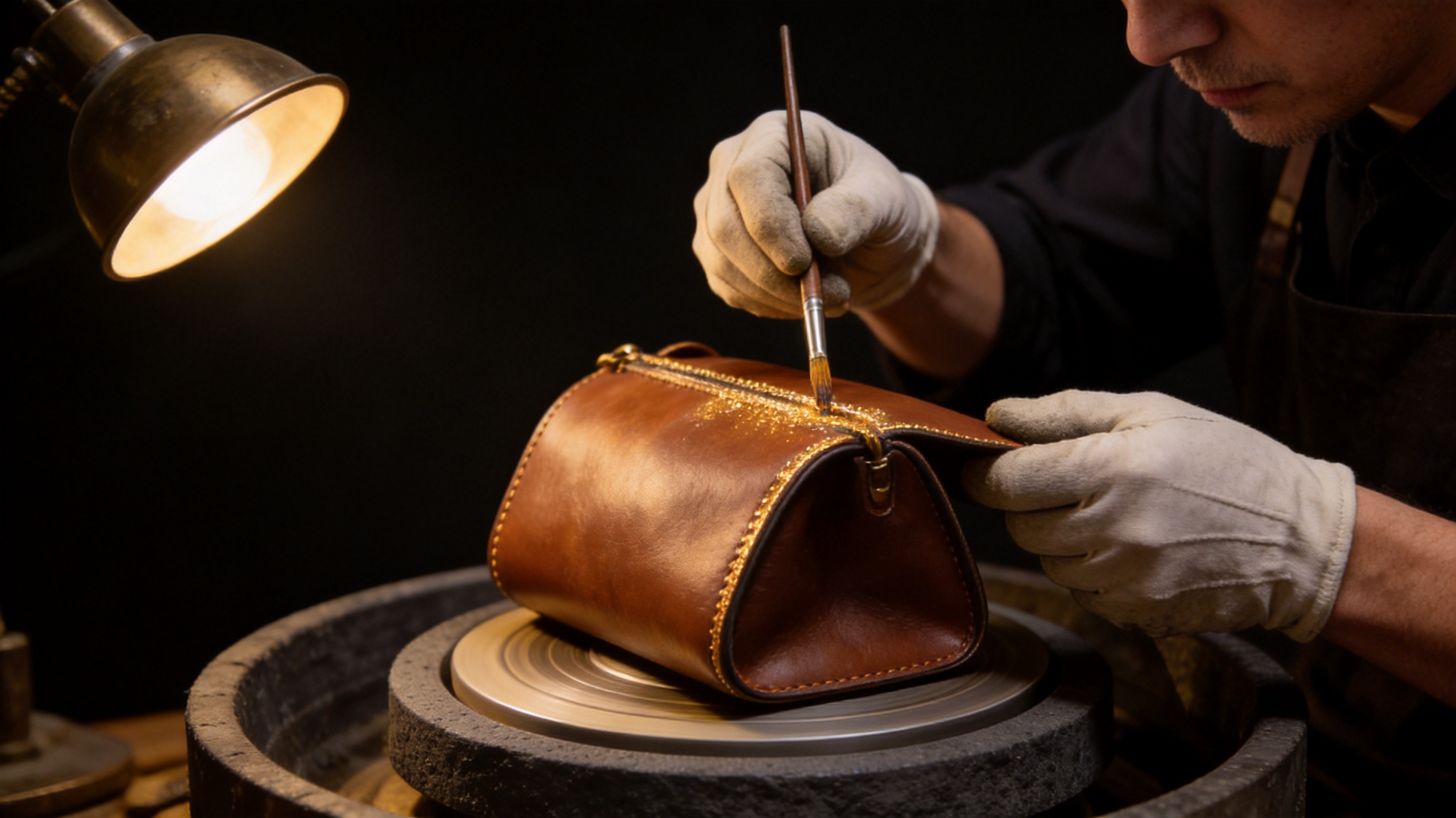
Certified manufacturing processes ensure every product meets international quality and safety standards
For brands prioritizing certification compliance, Purse Private Label maintains current BSCI, ISO 9001, and REACH certifications across our 30,000 sqm Quanzhou facility. Our manufacturing services include full compliance documentation support, ensuring your products meet all regulatory requirements for your target markets.
When evaluating potential manufacturing partners, combine certification verification with a comprehensive red flag assessment to ensure you are working with a legitimate, reliable factory. Our factory audit checklist provides additional guidance for thorough factory evaluation.
Working with a Certified Manufacturing Partner
Our factory maintains BSCI, ISO 9001, and REACH certifications with full documentation support. MOQ from 200 pcs.
📧 service@junyuanbags.com | 📱 +86 17750020688 | MOQ: 200 pcs/style
Frequently Asked Questions
How do I verify a BSCI certificate is genuine?
BSCI certificates can be verified through the amfori BSCI online database. Search by the factory's company name or BSCI member ID. The database shows the factory's current compliance status, audit date, audit score, and certificate validity period. Always cross-check the certificate document against this official database.
What is the difference between ISO 9001 and BSCI for handbag factories?
ISO 9001 certifies quality management systems — how the factory controls production processes to ensure consistent output quality. BSCI certifies social compliance — how the factory treats workers, manages workplace safety, and follows ethical labor practices. Both are important but address different aspects of factory operations.
How often should factory certifications be renewed?
BSCI audits are valid for 2 years but require annual surveillance. ISO 9001 certificates require annual surveillance audits and full recertification every 3 years. REACH test reports should be refreshed annually or whenever materials change. SGS test reports are typically valid for 12 months for active product lines.
What should I do if a factory cannot provide valid certifications?
If a factory lacks required certifications, assess whether they are willing to obtain them and on what timeline. Some certifications like BSCI require 3-6 months to achieve. If your target market or retail partners mandate specific certifications, you cannot proceed with an uncertified factory. Consider factories that maintain current certifications as standard practice.
Limitations and Scope of This Guide
This guide covers verifying handbag factory certifications including BSCI, ISO, REACH, and SGS, covering what each means and how to validate them. It is based on our experience as a handbag manufacturer in Quanzhou, China, serving brands worldwide since 2004. Key limitations to keep in mind:
- Certification requirements vary by buyer, market, and product category. Not all certifications are necessary for every situation—focus on what your specific customers require.
- Certification validity must be verified through issuing bodies. Certificates can be expired, forged, or issued for different facility locations than claimed.
- This guide covers the most commonly requested certifications in handbag manufacturing. Industry-specific certifications (SA8000, WRAP, Sedex) are available but not detailed here.
For advice tailored to your specific situation, contact our team directly.