Table of Contents
- Understanding the Three Manufacturing Models
- Private Label Manufacturing Explained
- OEM Manufacturing Explained
- ODM Manufacturing Explained
- Comprehensive Comparison Table
- Pros and Cons of Each Model
- Cost Analysis: Private Label vs OEM vs ODM
- Which Model Should You Choose?
- Choosing by Business Stage
- Transitioning Between Models
- The Hybrid Approach
- Intellectual Property Rights
- Common Misconceptions Debunked
- Real-World Scenarios
- Frequently Asked Questions
The handbag industry uses three primary manufacturing models — Private Label, OEM (Original Equipment Manufacturing), and ODM (Original Design Manufacturing). Each model serves different business needs, requires different investment levels, and offers different degrees of creative control. Choosing the right model affects your brand's product uniqueness, profit margins, time-to-market, and long-term competitive positioning.
This guide breaks down each model with specific relevance to handbag and purse brands, providing detailed comparisons, cost analyses, and practical guidance for selecting the model that matches your current business stage and growth objectives.
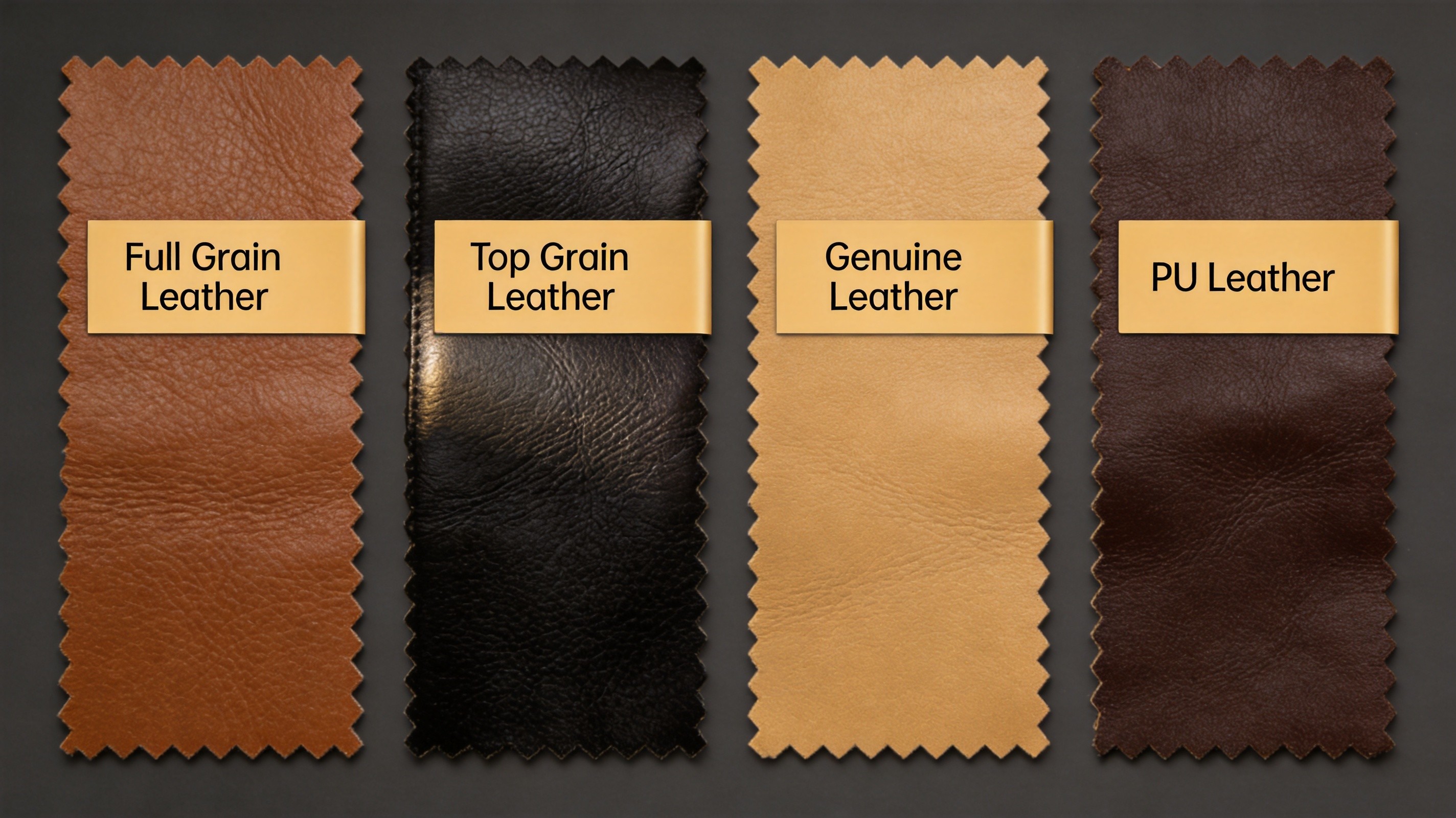
Understanding manufacturing models helps you choose the right partnership structure for your brand
Understanding the Three Manufacturing Models
Before examining each model individually, establish a clear understanding of what distinguishes them. The fundamental difference lies in who controls the design, who owns the intellectual property, and how much customization is possible.
The Control Spectrum
Think of these three models as points on a spectrum of brand control. Private Label sits at the low-control end (the factory creates the design), OEM occupies the high-control end (you create the design), and ODM falls in between (the factory creates designs that you can customize and brand as your own).
| Aspect | Private Label | OEM | ODM |
|---|---|---|---|
| Design Origin | Factory designs | Brand designs | Factory designs, brand customizes |
| IP Ownership | Shared or factory | Brand owns | Factory owns base, brand owns customization |
| Customization Level | Low (branding only) | Complete | Medium (modify existing designs) |
| Investment Required | Low | High | Medium |
| Time to Market | Fastest | Slowest | Moderate |
| Product Uniqueness | Low | Highest | Medium |
Private Label Manufacturing Explained
Private label manufacturing means selecting products from the factory's existing catalog and applying your brand name, logo, and packaging. The designs belong to the manufacturer, and you are essentially licensing their designs for your brand.
How Private Label Works for Handbags
- Browse the manufacturer's product catalog
- Select designs that align with your brand aesthetic
- Choose materials and colors from available options
- Add your brand logo, labels, and custom packaging
- Place your order with your branding applied
When Private Label Makes Sense
Private label is ideal for fashion boutiques building a curated collection, e-commerce sellers testing product categories quickly, new brands launching without a design team, and businesses prioritizing speed-to-market over product uniqueness. Many successful Amazon and Shopify sellers start with private label to generate revenue before investing in custom designs.
Limitations of Private Label
The same designs may be available to your competitors. You cannot claim exclusive design ownership. Product differentiation depends primarily on branding and marketing rather than unique design features. This model works well for commodity-style products but creates challenges for brands building design-led identities.
Private label allows rapid market entry with established, proven designs
OEM Manufacturing Explained
OEM (Original Equipment Manufacturing) means you provide the complete design, specifications, and technical requirements, and the factory produces the product exactly to your specifications. You own the design, and the factory serves as your production partner.
How OEM Works for Handbags
- Create detailed designs with technical specifications (tech pack)
- Submit specifications to the manufacturer for quotation
- Factory produces samples based on your specifications
- Review samples and request modifications if needed
- Approve final sample and place bulk production order
- Factory produces your exact design with your IP protections
When OEM Makes Sense
OEM is the right model for established brands with proprietary designs, brands building defensible market positions through unique products, companies with in-house design teams or hired designers, and businesses where product differentiation is central to brand identity. Luxury brands, design-forward contemporary labels, and brands with patent-pending features all rely on OEM manufacturing.
Requirements for OEM
OEM requires significant upfront investment in design development, detailed technical specifications (tech packs), pattern making, material sourcing specifications, and sample development. You need either internal design capability or a partnership with freelance designers who can produce production-ready specifications.
ODM Manufacturing Explained
ODM (Original Design Manufacturing) sits between private label and OEM. The factory creates original designs, but you can customize materials, colors, hardware, dimensions, and branding elements. The factory retains base design ownership while you add your brand's distinctive elements.
How ODM Works for Handbags
- Review the factory's design collection
- Select base designs that align with your brand direction
- Customize materials, colors, hardware, and dimensions
- Add exclusive branding elements and packaging
- Request exclusive rights to specific designs for your market
- Place production order with customized specifications
When ODM Makes Sense
ODM works well for brands transitioning from private label to custom designs, businesses with marketing strength but limited design capability, companies wanting semi-unique products without full OEM investment, and brands testing new categories before committing to full custom development.
ODM offers a middle ground with factory designs customized to your brand requirements
Comprehensive Comparison Table
The following table provides a detailed side-by-side comparison across every dimension that matters for handbag brands evaluating these three manufacturing models.
| Dimension | Private Label | OEM | ODM |
|---|---|---|---|
| Design Control | Minimal | Complete | Moderate |
| Startup Investment | $2,000 – $5,000 | $8,000 – $25,000 | $4,000 – $10,000 |
| Sample Cost | $30 – $80 | $80 – $300 | $50 – $150 |
| Lead Time to First Order | 2 – 4 weeks | 6 – 12 weeks | 4 – 8 weeks |
| MOQ Range | 200 – 500 pcs | 200 – 500 pcs | 200 – 500 pcs |
| Product Exclusivity | None | Full exclusivity | Partial (by market) |
| Brand Differentiation | Low (branding only) | High (unique product) | Medium (customized design) |
| IP Protection | Limited | Full patent/trade dress | Partial |
| Risk Level | Low | High | Medium |
| Profit Margin Potential | Lower (competitive pricing) | Highest (unique product) | Moderate |
Pros and Cons of Each Model
Private Label: Pros
- Fastest time to market — launch in weeks, not months
- Lowest investment requirement for startup
- No design team needed
- Proven designs reduce product risk
- Easy to expand product range quickly
Private Label: Cons
- No design exclusivity — competitors sell identical products
- Lower profit margins due to commoditization
- Difficult to build brand loyalty based on product alone
- Limited ability to patent or protect designs
- Dependence on factory's design direction
OEM: Pros
- Complete design ownership and exclusivity
- Highest potential for brand differentiation
- Full intellectual property protection
- Premium pricing power for unique products
- Complete control over materials, construction, and quality
OEM: Cons
- Highest upfront investment in design and sampling
- Longest development timeline
- Requires design expertise or designer partnerships
- Higher risk if designs do not resonate with market
- Technical specification development adds complexity
ODM: Pros
- Balances customization with cost efficiency
- Access to factory's design expertise
- Faster than OEM while offering more uniqueness than private label
- Partial market exclusivity achievable
- Good platform for brand building with moderate investment
ODM: Cons
- Base designs not fully exclusive
- Customization limited to factory's capability
- Competitors in other markets may have similar products
- Dependency on factory's design evolution
- Transitioning to fully custom later may require redesign
Each manufacturing model carries different investment requirements and return profiles
Cost Analysis: Private Label vs OEM vs ODM
Understanding the true cost of each model requires looking beyond unit price to total investment required to bring your product to market.
Total Launch Cost Breakdown
| Cost Component | Private Label | OEM | ODM |
|---|---|---|---|
| Design Development | $0 | $3,000 – $15,000 | $500 – $2,000 |
| Tech Pack Creation | $0 | $500 – $2,000 | $0 – $500 |
| Sampling (3-5 rounds) | $100 – $400 | $400 – $1,500 | $250 – $750 |
| First Production Run (200 pcs) | $2,000 – $4,000 | $3,000 – $8,000 | $2,500 – $6,000 |
| Branding and Packaging | $300 – $800 | $500 – $1,500 | $400 – $1,000 |
| Total Estimated | $2,400 – $5,200 | $7,400 – $28,000 | $3,650 – $10,250 |
Cost Per Unit Comparison
Private label typically offers the lowest unit cost because the factory spreads design costs across multiple brands purchasing the same design. OEM commands higher unit costs due to custom tooling, unique material sourcing, and dedicated production setup. ODM falls between the two, with design costs shared among brands within the factory's portfolio.
However, unit cost alone does not determine profitability. A unique OEM product can command 40-60% higher retail prices than an identical private label product sold by multiple brands, often resulting in superior profit margins despite higher production costs.
Which Model Should You Choose?
The right manufacturing model depends on your brand's current stage, resources, competitive strategy, and growth ambitions. There is no universally superior model — each serves specific business objectives effectively.
Choose Private Label If:
- You are testing a new market or product category
- Speed to market is your primary competitive advantage
- Your brand competes on curation and marketing rather than unique design
- You have limited capital for product development
- You want to generate revenue quickly to fund future custom development
Choose OEM If:
- Your brand identity is built on unique, proprietary designs
- You have design capability in-house or through partnerships
- You need patent or trade dress protection for competitive defense
- Your target market values product uniqueness over price
- You have sufficient capital for development and sampling investment
Choose ODM If:
- You want to bridge the gap between private label and custom
- Your factory has strong design capabilities you want to leverage
- You need moderate customization without full tech pack development
- You are building a brand while managing development costs
- Market exclusivity in your region is achievable through the factory
Choosing by Business Stage
Your business stage significantly influences the appropriate manufacturing model. As your brand evolves, your needs change accordingly.
Stage 1: Pre-Launch (0-6 months)
Most pre-launch brands benefit from starting with private label or ODM to test market response before committing to expensive custom development. Use this stage to understand customer preferences, price sensitivity, and category dynamics.
Stage 2: Early Growth (6-24 months)
As revenue stabilizes and customer insights accumulate, begin developing proprietary designs through OEM for your best-selling categories. Maintain private label or ODM for experimental categories while investing OEM resources in proven winners.
Stage 3: Established Brand (2+ years)
Established brands with clear design identity typically operate primarily through OEM for core products, supplemented by ODM for seasonal extensions and trend-driven pieces. Private label becomes less relevant as brand identity solidifies around proprietary designs.
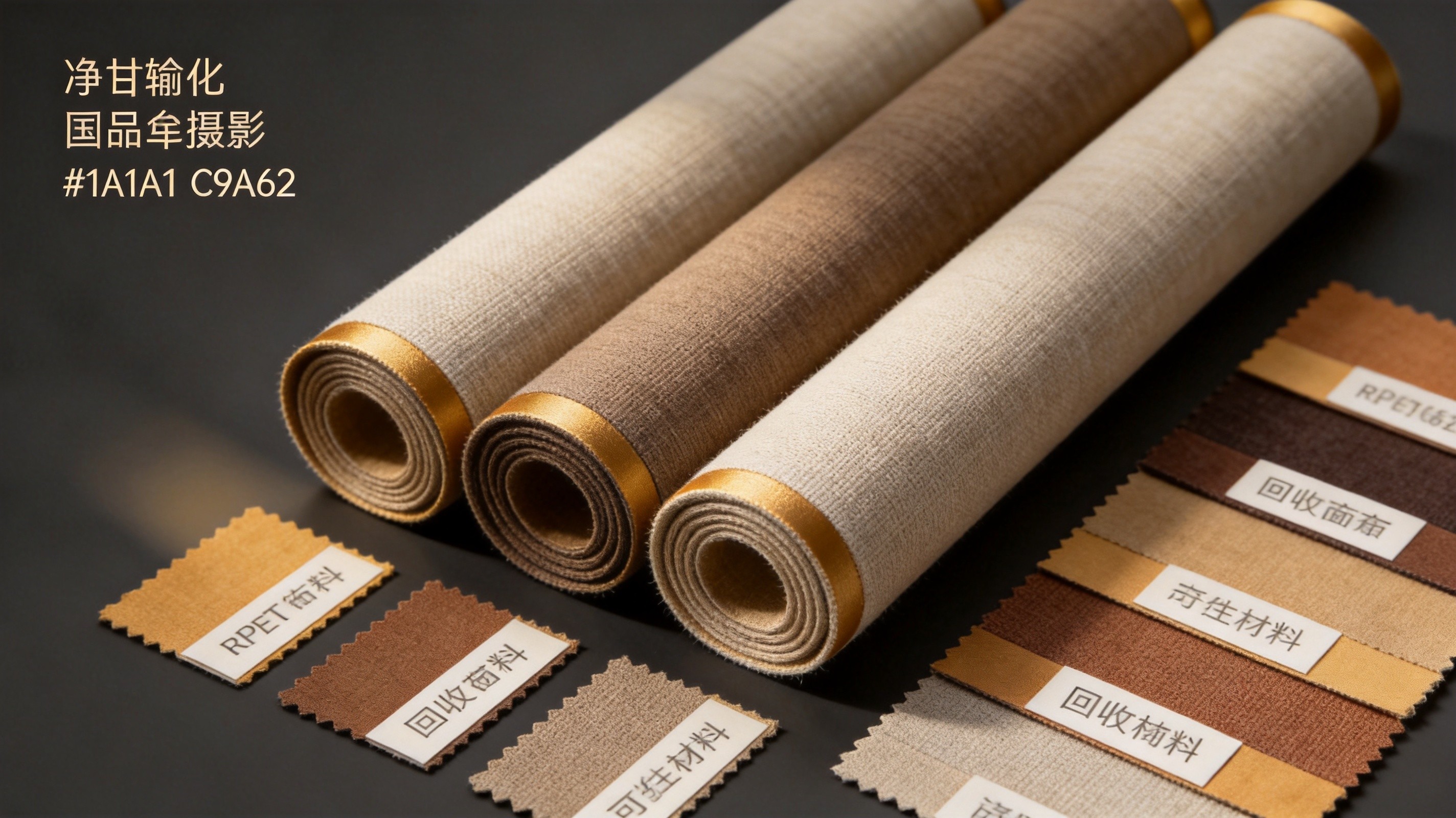
Your manufacturing model should evolve as your brand grows and matures
Transitioning Between Models
Many successful brands transition between models as they grow. The most common path moves from private label to ODM to OEM, though some brands move directly to OEM if they have strong design capabilities from the start.
Private Label to ODM Transition
Begin by requesting customization options on your existing private label selections — different materials, colors, hardware finishes, or minor dimensional modifications. This introduces you to the customization process without the investment of fully original designs.
ODM to OEM Transition
Identify your best-performing ODM designs and develop fully custom versions through OEM. Use customer feedback, sales data, and market insights to inform your custom design decisions. Your factory already understands your aesthetic preferences from the ODM collaboration, making the OEM transition smoother.
The Hybrid Approach
Many successful brands use multiple models simultaneously. Your core collection might be OEM (proprietary designs that define your brand), while seasonal trend pieces use ODM (leveraging factory design trends) and accessories use private label (where unique design matters less). This approach balances differentiation, speed, and cost efficiency.
Strategic Recommendation
Do not view these models as mutually exclusive. The most sophisticated brands use the model that best serves each product category and business objective. Your signature collection deserves OEM exclusivity. Your trend-driven seasonal pieces benefit from ODM speed. Your accessories and small leather goods can launch efficiently through private label.
Intellectual Property Rights
Intellectual property considerations significantly impact your manufacturing model choice. Understanding who owns what protects your brand investment and prevents disputes.
IP Under Private Label
The factory retains design ownership. You receive a license to sell the design under your brand name. You typically cannot prevent the factory from selling the same design to competitors. Your IP protection is limited to your brand name, logo, and any custom packaging elements you create.
IP Under OEM
You own all design rights. The factory produces your designs under a manufacturing agreement that specifies IP ownership, confidentiality obligations, and non-compete clauses. You can patent unique design elements, register trade dress, and prevent others from producing identical or substantially similar designs.
IP Under ODM
The factory owns the base design, and you own your customizations. Negotiate market exclusivity agreements to prevent the factory from selling your customized design to competitors in your target market. Document exactly which modifications constitute your IP versus the factory's base design IP.
Common Misconceptions Debunked
Misconception: Private Label Means Low Quality
Private label quality depends on the factory, not the model. A premium factory producing private label handbags can deliver equal quality to their OEM products. The difference lies in design exclusivity, not construction quality.
Misconception: OEM Is Always Better
OEM offers maximum control but also maximum risk and investment. A poorly designed OEM product costs more and fails more expensively than a well-curated private label selection. The "better" model is the one that matches your brand's current capabilities and market position.
Misconception: ODM Is Just Rebranded Private Label
ODM involves meaningful customization — material changes, dimensional modifications, hardware substitutions, and branding integration — that creates products significantly different from the base design. The level of customization available through ODM often surprises brands that assume it equals private label.
Real-World Scenarios
Scenario: Boutique Owner Launching Handbag Line
A boutique owner with strong customer relationships but no design team starts with private label to offer branded handbags alongside their clothing collection. After two seasons of sales data, they identify their best-selling styles and commission OEM versions with unique materials and construction details that differentiate them from competing boutiques carrying the same base designs.
Scenario: DTC Brand Building from Scratch
A fashion industry professional launches a direct-to-consumer handbag brand with original designs developed through their network of freelance designers. They use OEM manufacturing from day one because product uniqueness is central to their brand positioning. Their higher development costs are offset by premium pricing and strong brand loyalty built on proprietary designs.
Scenario: Amazon Seller Scaling Up
An Amazon seller generating $50K monthly through private label handbags wants to build a defensible brand. They transition their top-selling designs to ODM with exclusive market agreements, then gradually develop fully custom OEM designs for their core collection while maintaining private label for experimental new categories.
Regardless of which model fits your brand, Purse Private Label supports all three approaches — private label, OEM, and ODM — with MOQs starting at just 200 pieces per style. Our product catalog offers excellent private label and ODM starting points, while our OEM capabilities bring your original designs to life with precision and quality. Learn more about our factory or contact us to discuss the right model for your brand.
Ready to Launch Your Private Label Collection?
Get a free consultation and sample quote within 24 hours. MOQ from 200 pcs.
📧 service@junyuanbags.com | 📱 +86 17750020688 | MOQ: 200 pcs/style
Frequently Asked Questions
What is the main difference between private label and OEM for handbags?
Private label manufacturing means the factory creates the design and you apply your brand name. OEM means you provide the design and specifications, and the factory produces exactly to your requirements. Private label gives you less creative control but lower costs; OEM gives you full design control but requires technical specifications and higher development investment.
Which manufacturing model is best for a new handbag brand?
For a new handbag brand with limited capital and no design team, private label offers the fastest market entry with the lowest investment. As your brand grows and develops a distinct design identity, transitioning to OEM allows you to create proprietary products that differentiate your brand from competitors.
Can I switch from private label to OEM as my brand grows?
Yes, most brands start with private label to test the market and build revenue, then transition to OEM once they have established designs, technical specifications, and customer insights. Many manufacturers, including Purse Private Label, support both models and facilitate smooth transitions between them.
Limitations and Scope of This Guide
This guide covers key differences between private label, OEM, and ODM manufacturing models for bag brands, including control, cost, and strategic implications. It is based on our experience as a handbag manufacturer in Quanzhou, China, serving brands worldwide since 2004. Key limitations to keep in mind:
- Definitions of private label, OEM, and ODM vary across the industry. Some factories use these terms interchangeably or with slightly different meanings.
- The 'right' model depends on your brand maturity, design capabilities, and investment appetite. Many brands evolve through multiple models as they grow.
- IP ownership and exclusivity terms should be explicitly defined in contracts regardless of the model chosen. Verbal agreements lead to disputes.
For advice tailored to your specific situation, contact our team directly.