Table of Contents
- Why Seasonal Planning Is Critical for Boutique Success
- The Handbag Buying Calendar: When to Order What
- Spring/Summer Collection: Materials, Colors, and Styles
- Fall/Winter Collection: Textures, Tones, and Function
- Holiday Season: Gift-Ready Collections and Limited Editions
- Resort and Cruise Collections: The Third Season
- How Far in Advance Should You Place Orders
- Analyzing Previous Season Sales Data
- Identifying Emerging Trends Before They Peak
- Balancing Trend Pieces with Evergreen Staples
- Weather and Climate Considerations by Region
- Event-Driven Buying: Weddings, Graduations, Back to School
- Managing Inventory Turnover Across Seasons
- End-of-Season Markdown Strategies
- Building Relationships with Suppliers for Priority Access
- FAQ — Seasonal Handbag Buying
Seasonal planning separates boutiques that consistently achieve strong sell-through rates from those perpetually stuck with dead stock and emergency markdowns. Handbag demand fluctuates significantly across seasons, driven by fashion cycles, weather patterns, holidays, and lifestyle shifts. Getting the timing, assortment, and quantity right for each season is one of the highest-leverage skills a boutique buyer can develop.
This comprehensive seasonal buying guide provides the frameworks, timelines, and decision-making tools you need to plan your handbag inventory with confidence. From the annual buying calendar to specific seasonal assortment strategies, trend identification methods, and markdown scheduling, every section delivers actionable guidance you can implement immediately. For a broader perspective on collection curation, see our guide on curating handbag collections for your boutique.
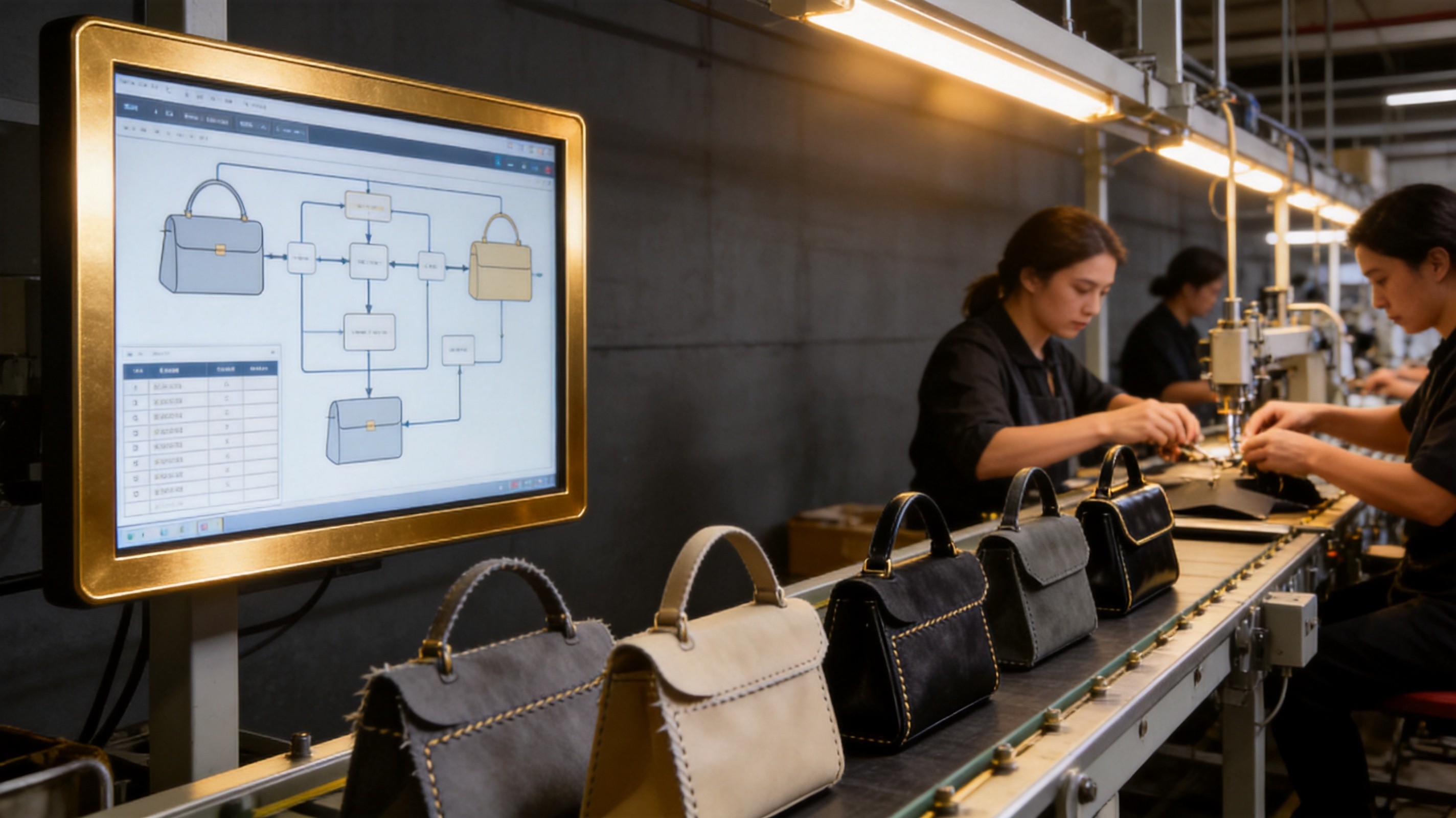
Seasonal planning ensures the right products arrive at the right time to capture peak demand
Why Seasonal Planning Is Critical for Boutique Success
The handbag market is inherently seasonal. Customer preferences shift with weather, occasions, and fashion cycles. The bag a customer wants in January (a structured work tote in dark leather) differs dramatically from what she seeks in July (a lightweight straw crossbody for beach days). Boutiques that plan seasonally have the right products when demand peaks, while those that do not plan miss opportunities and accumulate dead stock.
Data from boutique retail performance benchmarks shows that stores with structured seasonal buying plans achieve average sell-through rates of 72 to 78 percent at full price, compared to 52 to 60 percent for stores without seasonal planning. The difference translates directly to profitability: better-planned stores carry less dead stock, require fewer markdowns, and generate higher average margins across the handbag category. Additionally, seasonal planning enables better supplier relationships because you can provide factories with forward visibility into your needs, securing better pricing and priority production slots.
The Handbag Buying Calendar: When to Order What
A structured buying calendar ensures that every seasonal collection arrives on time, with adequate lead time for preparation and merchandising. The following calendar provides a month-by-month framework for a boutique operating on four main selling seasons plus holiday.
| Month | Buying Activity | Season Target | Key Actions |
|---|---|---|---|
| January | Spring collection review, reorder | Spring arrival Feb 1 | Assess spring sell-through, reorder winners |
| February | Summer collection planning | Summer arrival May 1 | Design development, material sourcing |
| March | Summer order placement | Full summer floor set | Place production orders for summer |
| April | Fall collection concept | Fall arrival Aug 1 | Trend research, initial design briefs |
| May | Fall sampling and approval | Pre-holiday planning | Review samples, approve for production |
| June | Fall order placement | Holiday planning begins | Place fall orders, begin holiday concept |
| July | Holiday collection orders | Holiday arrival Oct 15 | Place holiday production orders |
| August | Holiday receiving, spring concept | Next year spring | Floor set holiday, begin spring design |
| September | Holiday replenishment, spring sampling | Holiday peak Nov-Dec | Reorder holiday bestsellers |
| October | Holiday in full swing | Peak selling season | Monitor daily, quick-ship reorder if needed |
| November | Post-holiday analysis begins | Cyber week execution | Track performance, begin next year planning |
| December | Year-end review, next year planning | New year reset | Analyze all seasons, plan next year calendar |
This calendar creates a continuous planning cycle where you are always working one to two seasons ahead. The key discipline is maintaining this forward-looking perspective even during busy selling periods. December is the right time to analyze the current holiday season and plan next year, not to react to what just happened.
Spring/Summer Collection: Materials, Colors, and Styles
Spring and summer handbag demand shifts toward lighter materials, brighter colors, and casual styles. Customers transition from heavy leather totes to breathable crossbodies, straw bags, and canvas options. Understanding these seasonal preferences ensures your assortment matches customer desire.
Spring collections should emphasize soft pastel colors (blush, mint, lavender, sky blue), lightweight materials (canvas, woven fabrics, soft leathers), medium-sized styles (crossbodies, medium totes), and transitional designs that work with both spring and summer wardrobes. Summer collections shift toward bolder colors (coral, turquoise, yellow), natural materials (straw, rattan, woven leather), compact styles (mini bags, beach clutches), and vacation-oriented designs.

Summer collections demand lighter materials and vibrant colors that match the season's energy
Fall/Winter Collection: Textures, Tones, and Function
Fall and winter represent the strongest handbag selling season for most boutiques. Cooler weather drives demand for richer materials, deeper colors, and larger functional bags. The fall/winter season typically generates 55 to 65 percent of annual handbag revenue for boutiques in temperate climates.
Fall collections should feature rich, warm colors (burgundy, forest green, camel, rust), textured materials (suede, embossed leather, croc-pattern), structured silhouettes (satchels, structured totes, bucket bags), and functional details (multiple compartments, laptop sleeves, weather-resistant finishes). Winter collections extend into darker tones (black, navy, charcoal), luxurious materials (velvet accents, metallic leather, shearling trim), and evening-appropriate styles (clutches, metallic shoulder bags) for holiday events.
For fall and winter sourcing, our manufacturing services include a wide range of materials suited to seasonal demands, from premium suede to textured leathers and specialty finishes.
Holiday Season: Gift-Ready Collections and Limited Editions
The holiday season from November through December represents the highest-revenue period for handbag retailers. Gift purchases drive significant volume, and customers are willing to spend more per item during this period. Preparing a dedicated holiday assortment maximizes your capture of this seasonal demand.
Holiday collections should include gift-ready packaging with branded boxes and dust bags, premium materials and finishes that justify higher price points, limited edition colors or designs that create urgency, smaller items at accessible price points for gift-giving (clutches, wallets, mini bags), and sets or bundles that increase average transaction value. Consider creating holiday-exclusive gift sets pairing a handbag with matching accessories like card holders or key fobs.
| Holiday Category | Style Focus | Price Range | Key Feature |
|---|---|---|---|
| Luxury Gifts | Premium totes, structured bags | $120 - $250 | Gift-ready packaging |
| Accessible Gifts | Crossbodies, clutches | $55 - $95 | Branded dust bag included |
| Stocking Stuffers | Wallets, card holders, mini bags | $25 - $50 | Gift box packaging |
| Limited Editions | Exclusive colors, metallic finishes | $80 - $180 | Numbered or dated edition |
| Self-Purchase | Everyday totes, work bags | $65 - $150 | Functional + seasonal colors |
Resort and Cruise Collections: The Third Season
Resort and cruise collections have emerged as a significant third season in handbag retail, driven by pre-holiday travel, winter vacations to warm destinations, and the fashion industry's adoption of resort as a major buying period. For boutiques in warmer climates or with travel-oriented customer bases, resort collections can represent 15 to 25 percent of annual handbag revenue.
Resort collections should focus on lightweight, packable styles in colors and materials that evoke warm-destination dressing. Think canvas totes for beach days, compact crossbodies for sightseeing, woven or textured materials, and bright or metallic color stories. These collections typically sell from December through February, filling the gap between fall/winter and spring transitions.
How Far in Advance Should You Place Orders
Order timing is the most common source of seasonal inventory problems. Orders placed too late miss the selling window; orders placed too early tie up capital in premature inventory. Getting timing right requires understanding your supplier's lead times and working backward from your in-store delivery dates.
For overseas manufacturing (China, Vietnam, India), allow 90 to 120 days from order confirmation to warehouse receipt. This includes production (30-45 days), quality inspection (3-5 days), ocean shipping (25-35 days), customs clearance (5-10 days), and domestic transit (5-7 days). For domestic wholesale, lead times are typically 2 to 4 weeks. For private label with custom designs, add 20 to 30 days for sample development and approval before production begins.
The safest approach is to place seasonal orders 4 to 5 months before your target in-store date for overseas production and 2 to 3 months for domestic. This provides buffer time for unexpected delays while ensuring products arrive with sufficient time for merchandising and marketing preparation. For a detailed sourcing guide, see our article on sourcing handbags from Chinese factories.
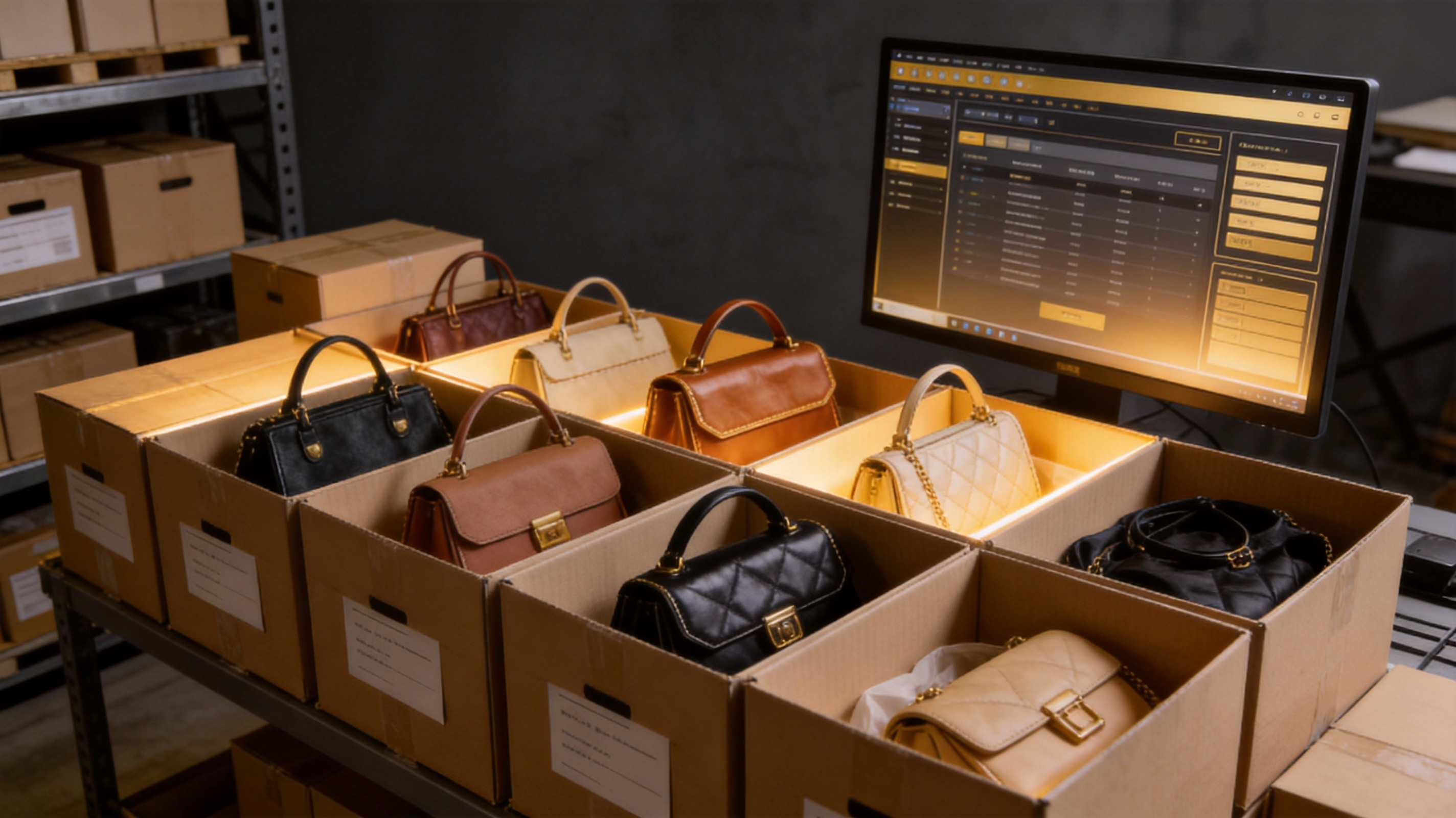
Fall collections with rich textures and warm tones drive the strongest selling season for most boutiques
Analyzing Previous Season Sales Data
Your own sales data is the most reliable predictor of future seasonal performance. Before every new season's buying, conduct a thorough analysis of the comparable previous season to identify patterns, winners, and areas for improvement.
- Sell-through by style: Which styles sold fastest? Which lagged? What do winners have in common?
- Sell-through by color: Which colors outperformed? Were there surprising color preferences?
- Price point analysis: Which price ranges moved fastest? Where is unmet demand?
- Category performance: Did crossbodies outperform totes? Were clutches stronger than expected?
- Week-by-week curve: When did sales peak? How long was the selling window?
- Customer feedback: What requests did staff receive that you could not fulfill?
Identifying Emerging Trends Before They Peak
The most profitable seasonal buys capture trends early, before they reach peak saturation and price competition intensifies. Identifying trends 3 to 6 months before they hit mainstream retail requires systematic monitoring of multiple trend signals.
Key trend indicators include runway shows from fashion weeks (Milan, Paris, New York, London) which show directions 6 months ahead, trade shows and market weeks where you can see what manufacturers are developing, social media platforms where early adopters share emerging styles, celebrity and influencer sightings that drive consumer interest, material and color forecasts from services like Pantone and WGSN, and observations from your own store about what customers are requesting. Cross-reference signals from at least three independent sources before committing to a trend direction.
Balancing Trend Pieces with Evergreen Staples
Every seasonal buying decision involves the tension between trend relevance and staple reliability. Trend pieces generate excitement and attract new customers. Evergreen staples generate consistent revenue with lower risk. The optimal balance maximizes both.
Seasonal Mix Framework
Allocate your seasonal open-to-buy as follows: 55-60 percent evergreen staples in proven styles and core colors, 25-30 percent seasonal trend translations in current colors and silhouettes, and 10-15 percent fashion-forward experimental pieces. Adjust these ratios based on your customer demographics and risk tolerance.
Evergreen staples for every season include classic totes in black and tan, medium crossbody bags in neutral colors, simple shoulder bags with clean lines, and wallet and small leather goods. These items sell year-round regardless of trend direction. The seasonal 25 to 30 percent allocation captures current trends while limiting risk. The experimental 10 to 15 percent is where you test emerging directions, accepting that some pieces may require markdown while generating the buzz and social media attention that drives overall store traffic.
Weather and Climate Considerations by Region
Handbag demand is significantly influenced by regional climate and weather patterns. A boutique in Miami has different seasonal needs than a store in Minneapolis. Understanding your regional climate profile ensures your seasonal assortment matches actual customer conditions.
| Climate Zone | Extended Season | Short Season | Key Considerations |
|---|---|---|---|
| Tropical/Subtropical | Lightweight, canvas, straw (10+ months) | Leather/structured (2-3 months) | Humidity resistance, rain-friendly materials |
| Temperate (4 seasons) | Transitional bags (spring/fall) | Heavy winter, summer lightweight | Layered transitions, versatile designs |
| Cold Continental | Structured leather, functional bags (7-8 months) | Lightweight/straw (2-3 months) | Weather resistance, larger sizes for layers |
| Arid/Desert | Lightweight leather, canvas (8-9 months) | Rain-season bags (2-3 months) | UV-resistant materials, light colors |
Event-Driven Buying: Weddings, Graduations, Back to School
Beyond seasonal weather cycles, event-driven demand creates significant handbag purchasing opportunities throughout the year. Smart boutique buyers plan inventory around these predictable demand peaks.
Key event-driven periods include wedding season (April through September, peaking May through June) which drives demand for clutches, evening bags, and metallic styles; graduation season (May through June) which creates gift-oriented purchases in the $50 to $120 range; back to school (July through September) which drives demand for functional totes, backpacks, and crossbodies in durable materials; Mother's Day and Valentine's Day which generate gift purchases; and holiday parties (November through December) which drive evening and special-occasion bag sales. Plan event-specific inventory at least 8 to 10 weeks before each event period to ensure availability during peak demand.
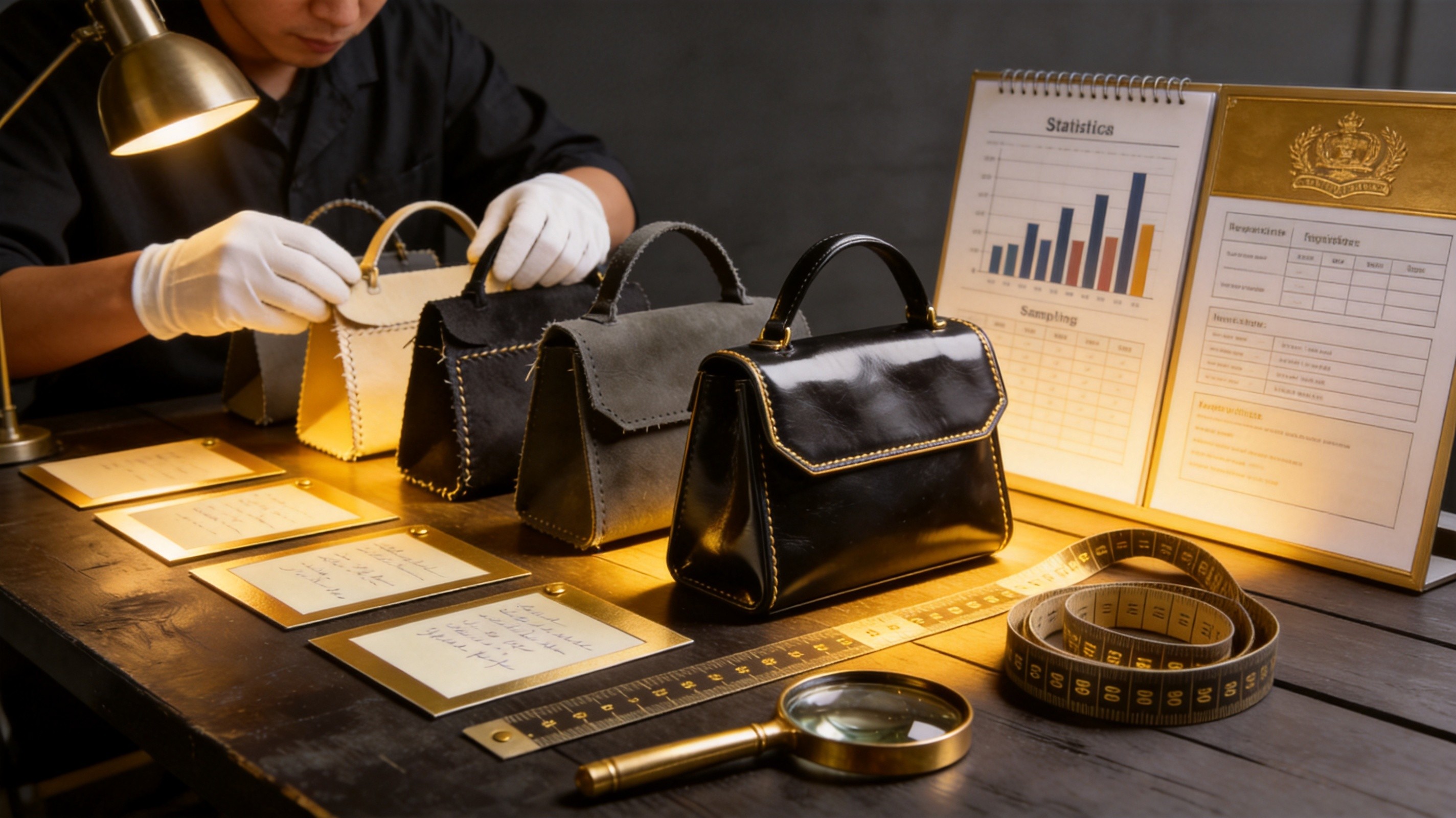
Holiday collections with gift-ready packaging capture the season's highest spending period
Managing Inventory Turnover Across Seasons
Inventory turnover is the measure of how efficiently your capital is working. High turnover means products sell quickly and capital is reinvested in fresh merchandise. Low turnover means capital is trapped in slow-moving inventory. Seasonal management directly impacts turnover rates.
Target an annual handbag inventory turnover of 4 to 6 times per year, meaning your average inventory sells completely and is replaced 4 to 6 times annually. This translates to roughly 8 to 12 weeks of supply on hand at any given time. To achieve this, plan aggressive initial buys (covering 60 to 70 percent of expected seasonal demand), monitor sell-through weekly, reorder bestsellers quickly, and markdown slow movers promptly when they fall behind schedule.
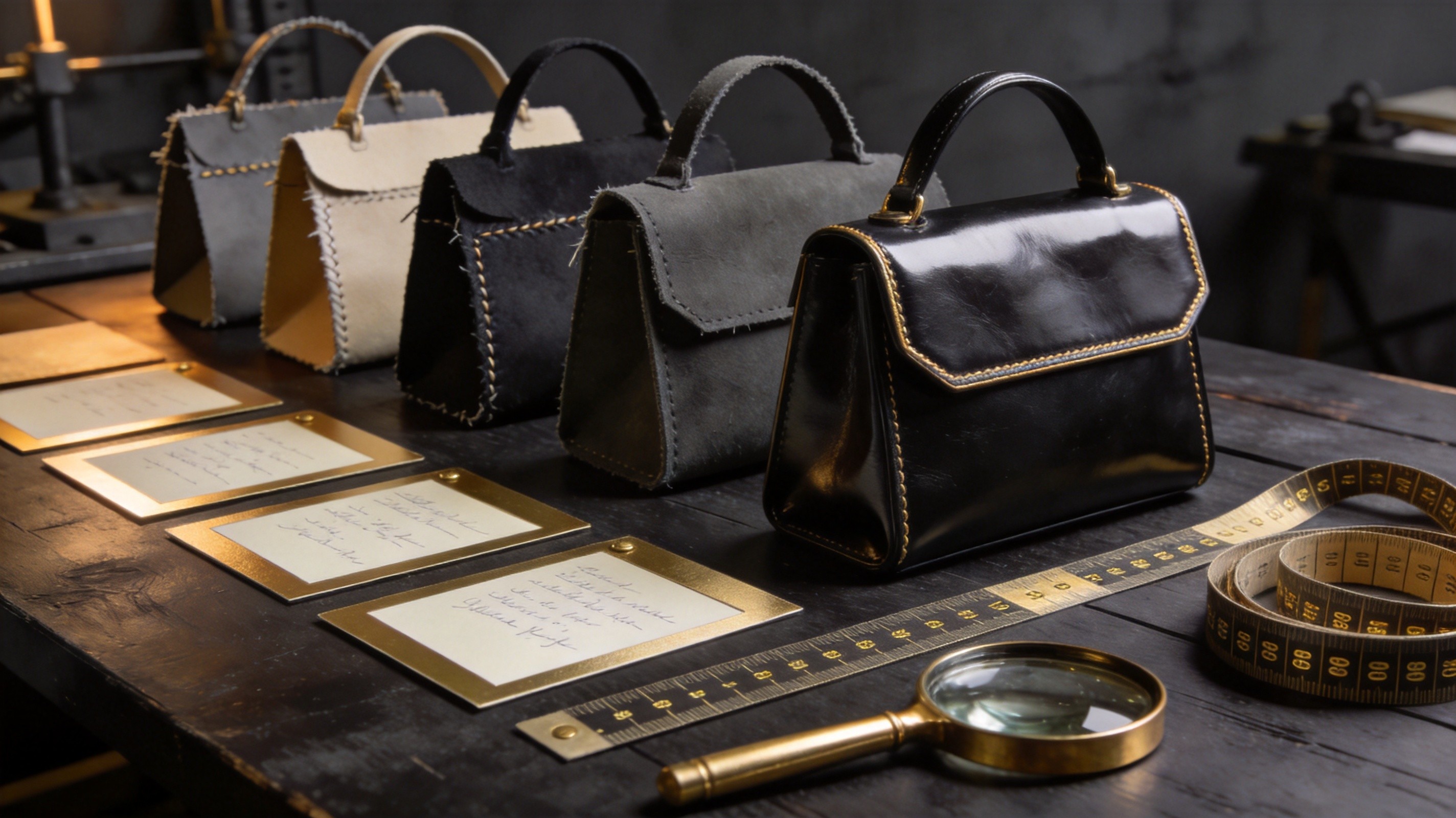
Effective supplier relationships ensure priority access to trending styles and flexible production scheduling
End-of-Season Markdown Strategies
Even the best-planned seasonal assortment will have items that do not sell at full price. A structured markdown strategy minimizes the financial impact while clearing inventory efficiently to make room for the next season's collection.
| Markdown Stage | Trigger Condition | Discount Level | Expected Outcome |
|---|---|---|---|
| Stage 1 | Below 50% sell-through with 4+ weeks left | 15-20% off | Accelerate sell-through, recover most margin |
| Stage 2 | Below 30% sell-through with 2+ weeks left | 30-40% off | Clear inventory, recover cost |
| Stage 3 | Season ending, remaining stock | 50-60% off | Final clearance, free capital for new season |
| Stage 4 | Residual dead stock | 70%+ or liquidation | Remove from floor, recover minimal value |
The key to effective markdown management is starting early. A 15 percent markdown applied when there are still four weeks in the selling season will clear significantly more inventory than a 40 percent markdown applied with one week remaining. Plan your markdown calendar alongside your buying calendar, and execute discounts decisively when triggers are met.
Building Relationships with Suppliers for Priority Access
Strong supplier relationships provide tangible advantages for seasonal buying: priority production slots, faster turnaround on reorders, better pricing through volume commitments, first access to new materials and designs, and flexibility during rush orders. These benefits directly improve your seasonal planning execution.
Build supplier relationships through consistent ordering patterns, clear communication about your seasonal needs 6 to 12 months in advance, prompt approval of samples and production issues, on-time payment per agreed terms, and regular in-person factory visits when possible. Suppliers invest their best effort and capacity in customers who provide predictability and respect. Working with established manufacturers like Junyuan Bags, with 20+ years of experience and a 30,000 square meter facility, gives you access to the production capacity and expertise needed for reliable seasonal delivery. Contact our team on WhatsApp at +86 17750020688 or email service@junyuanbags.com to discuss seasonal production planning.

Systematic trend research and mood board development ensure seasonal collections capture emerging demand
Plan Your Seasonal Handbag Collection with Confidence
Junyuan Bags supports seasonal planning with reliable production timelines, flexible MOQs, and 20+ years of manufacturing expertise. Let us be your seasonal production partner.
WhatsApp: +86 17750020688 | Email: service@junyuanbags.com
MOQ: 200 pcs/style | Factory: 30,000 sqm, 300+ workers, Quanzhou, China
Frequently Asked Questions
When should boutiques order for the holiday season?
Place holiday orders by July-August for overseas manufacturing and by September for domestic wholesale. The full timeline includes design and sampling in May-June, production in July-August, shipping in August-September, with inventory ready for selling by late October.
How do you predict seasonal handbag trends?
Use multiple data sources: fashion week runway reports, trade show intelligence, social media trend analysis, your own previous season sales data, and customer feedback. Cross-reference at least three independent sources before committing. Trends confirmed by multiple signals have significantly higher sell-through rates.
When should markdowns begin on seasonal inventory?
Begin markdowns when sell-through reaches 60-65% with 4-6 weeks remaining in the selling season. Start with 15-20% off, progressing to 30-40% at the second stage and 50%+ for final clearance. Early markdowns recover more margin than deep late discounts.
What is the best reorder strategy for bestselling seasonal bags?
Start with a conservative initial order (60-70% of estimated demand), identify winners within 2-3 weeks, and immediately reorder 50-100% of the original quantity for confirmed bestsellers. Maintain a 2-week safety stock threshold and trigger automatic reorders when inventory drops below this level.
How far in advance should seasonal buying be planned?
Plan 6-9 months ahead for private label collections and 3-4 months for wholesale. The cycle includes trend research (6-9 months before), sampling and ordering (4-6 months before), production and shipping (2-4 months before), and floor preparation (1 month before). Maintain a rolling 12-month buying calendar.
Limitations and Scope of This Guide
This guide covers seasonal buying guide for boutique handbag inventory, including timing, assortment planning, trend integration, and budget allocation. It is based on our experience as a handbag manufacturer in Quanzhou, China, serving brands worldwide since 2004. Key limitations to keep in mind:
- Seasonal calendars described follow the US/European retail cycle. Boutiques in other regions (Australia, Middle East, Asia) follow different seasonal patterns.
- Buying timing recommendations assume manufacturing lead times from China (8-16 weeks). Local or domestic sourcing allows shorter planning windows.
- Trend recommendations are directional. Over-buying trends creates markdown risk—balanced assortments of trend and core styles manage inventory risk better.
For advice tailored to your specific situation, contact our team directly.