Table of Contents
- The Booming Secondhand Bag Market
- Market Size and Growth Statistics
- Why Consumers Buy Pre-Owned Bags
- Impact on New Brand Positioning
- Designing for Longevity and Resale Value
- Quality Standards That Support Resale Value
- Authentication and Provenance Considerations
- How New Brands Can Leverage the Resale Trend
- Circular Fashion and Brand Responsibility
- Materials That Age Well for Resale
- Pricing Strategy in a Resale-Aware Market
- Building Brand Equity for Long-Term Value
- Frequently Asked Questions
The secondhand handbag market is no longer a fringe phenomenon — it is a structural force reshaping how consumers think about bag purchases, how brands position their products, and how the industry approaches quality and longevity. Valued at approximately $18 billion in 2024 and growing at 13–17% annually, the resale market is expanding three to four times faster than the primary handbag market.
For new brand owners, this creates a paradox: the resale market is simultaneously a competitor and an opportunity. It competes for consumer dollars — why buy new when a pre-owned luxury bag at a similar price point offers more brand recognition? Yet it also creates powerful tailwinds for brands that design for longevity, build recognizable identity, and establish genuine quality credentials. Bags that hold resale value are perceived as better investments, and this perception flows backward to influence new purchase decisions.
This article examines the secondhand bag market from every angle relevant to new brand owners — market dynamics, consumer motivations, design implications, quality standards, and strategic positioning — providing a framework for building brands that thrive in a resale-aware market.

The secondhand bag market is reshaping consumer expectations around quality, longevity, and value retention
The Booming Secondhand Bag Market
Several converging forces have propelled the secondhand bag market from niche consignment to mainstream retail channel.
The Value Consciousness Shift
Consumers — particularly Millennials and Gen Z — increasingly evaluate purchases through a value-per-use lens rather than a lowest-price lens. A $3,000 Hermès bag that retains 80% of its value over five years costs less per year of ownership than a $300 fast-fashion bag replaced every two years. This value framework naturally favors well-made products and punishes disposable consumption.
Platform Infrastructure
Digital resale platforms — The RealReal, Vestiaire Collective, Rebag, Poshmark, and others — have removed the friction and stigma from secondhand purchasing. Professional authentication, high-quality photography, standardized grading, and buyer protection programs make purchasing pre-owned bags as convenient and trustworthy as buying new.
Sustainability Alignment
Buying secondhand aligns with growing sustainability consciousness. A pre-owned bag extends the useful life of an existing product without generating new environmental impact. For consumers who want to reduce their fashion footprint without sacrificing quality or style, resale offers an attractive path. See how sustainability trends are reshaping the entire industry.
Market Size and Growth Statistics
The data on secondhand bag market growth tells a compelling story of structural change in consumer behavior.
| Market Segment | 2024 Value | 2028 Projected | CAGR | Key Platform |
|---|---|---|---|---|
| Luxury resale ($1,000+) | $8.5B | $14–16B | 12–14% | The RealReal, Rebag |
| Premium resale ($300–$1,000) | $5.2B | $9–11B | 15–18% | Vestiaire Collective |
| Mid-market resale ($100–$300) | $3.1B | $5–7B | 14–17% | Poshmark, Mercari |
| Value resale (Under $100) | $1.2B | $2–3B | 12–15% | Thrift platforms, local |
| Total secondhand handbags | $18B | $30–37B | 13–17% | Multiple channels |
The premium resale segment ($300–$1,000) is growing fastest — and this is precisely the price range where most private label brands compete. This means the resale market is not just a luxury phenomenon; it is directly relevant to emerging brands building in the mid-market premium space.
Why Consumers Buy Pre-Owned Bags
Understanding why consumers choose secondhand reveals what they value — and how new brands can compete on those same values.
Access to Higher Tiers
The primary motivation for many resale buyers is access to brands and quality levels they could not afford at full retail. A consumer who budgets $500 for a bag can purchase a pre-owned designer piece rather than a new mid-tier brand. This creates direct competition at the mid-market price point where private label brands operate.
Value Optimization
Value-conscious consumers choose resale because they understand that new bags depreciate immediately while pre-owned bags have already absorbed their initial depreciation. Buying a bag at 60% of retail that will retain 70% of that price represents a much lower total cost of ownership than buying new.
Vintage and Uniqueness
A growing segment of resale buyers specifically seeks discontinued styles, vintage pieces, and rare colorways unavailable in current collections. This desire for uniqueness creates a counterbalance to the homogenization of trend-driven design — and it favors brands that create distinctive, recognizable designs rather than generic trend-following products.
Sustainability Motivation
Approximately 25–30% of resale buyers cite environmental concerns as a primary motivation. For these consumers, buying pre-owned is a conscious alternative to new production. This sustainability motivation creates an interesting dynamic: consumers who care enough about the environment to buy secondhand also care about the environmental practices of the new brands they consider.
Impact on New Brand Positioning
The resale market affects new brand positioning in several ways that require strategic awareness.
The Competition Effect
At the $200–$500 price point — where most private label brands enter the market — consumers frequently choose between a new private label bag and a pre-owned recognized brand at similar prices. The pre-owned option offers brand recognition, proven quality, and potential resale value. The new option offers current design, full warranty, and the emotional experience of buying something new.
New brands must articulate clearly why their product deserves the purchase over the pre-owned alternative. The most effective arguments center on: contemporary design that pre-owned options lack, direct relationship with the brand and maker, customization options, and ethical production practices that pre-owned luxury may not guarantee.
The Validation Effect
Conversely, the resale market validates the importance of quality investment. In a market where consumers evaluate products partly by their longevity and resale potential, brands that invest in premium materials and construction gain a structural advantage. The resale market effectively rewards quality — creating a feedback loop where well-made products build brand reputation through their second-life performance.
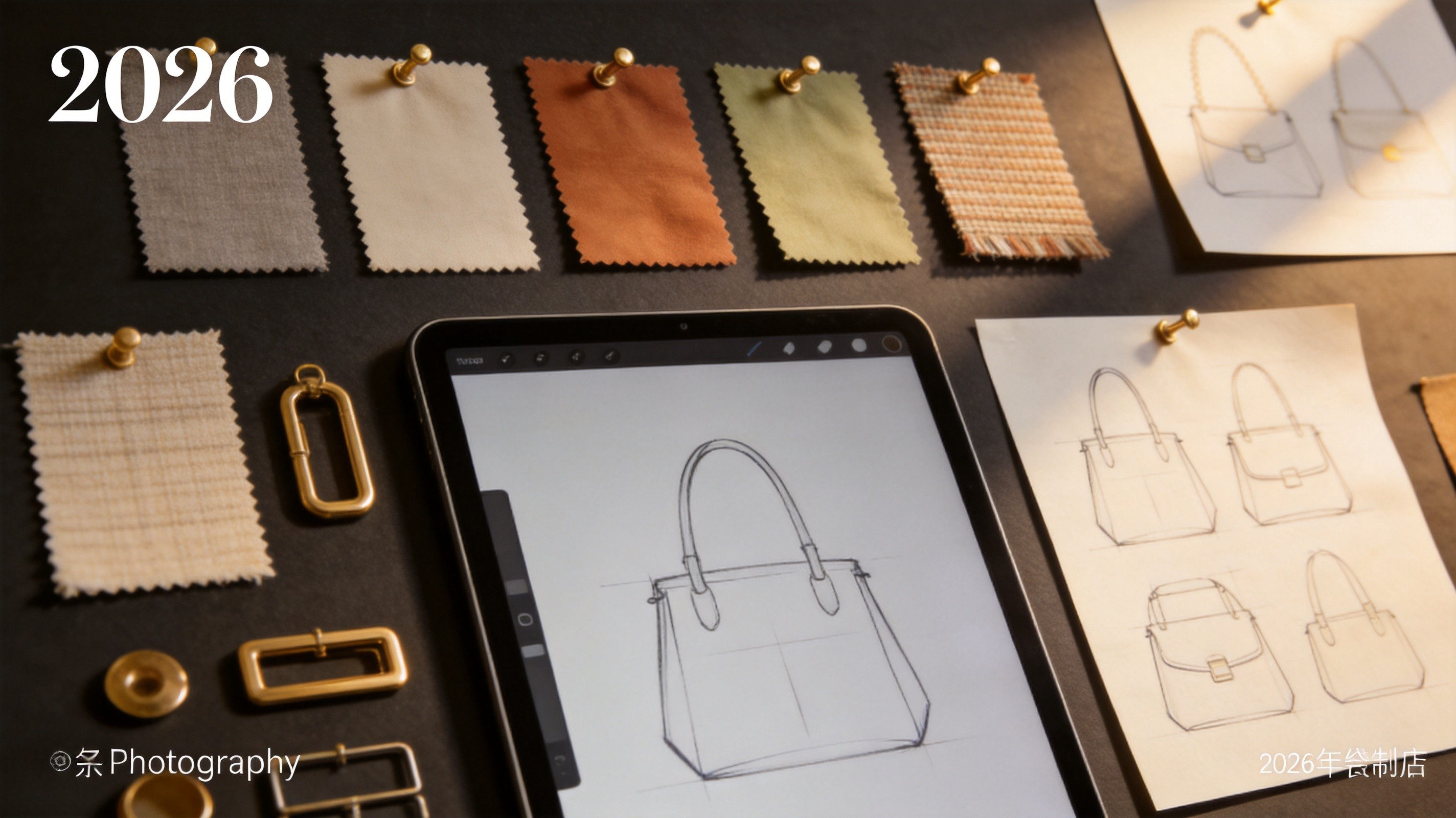
New brands that design for longevity gain competitive advantage in a resale-aware market
Designing for Longevity and Resale Value
Designing bags that hold value over time requires a fundamentally different approach than designing for trend-driven seasonal cycles. The focus shifts from "what sells now" to "what will still be desirable in three to five years."
Timeless Silhouettes
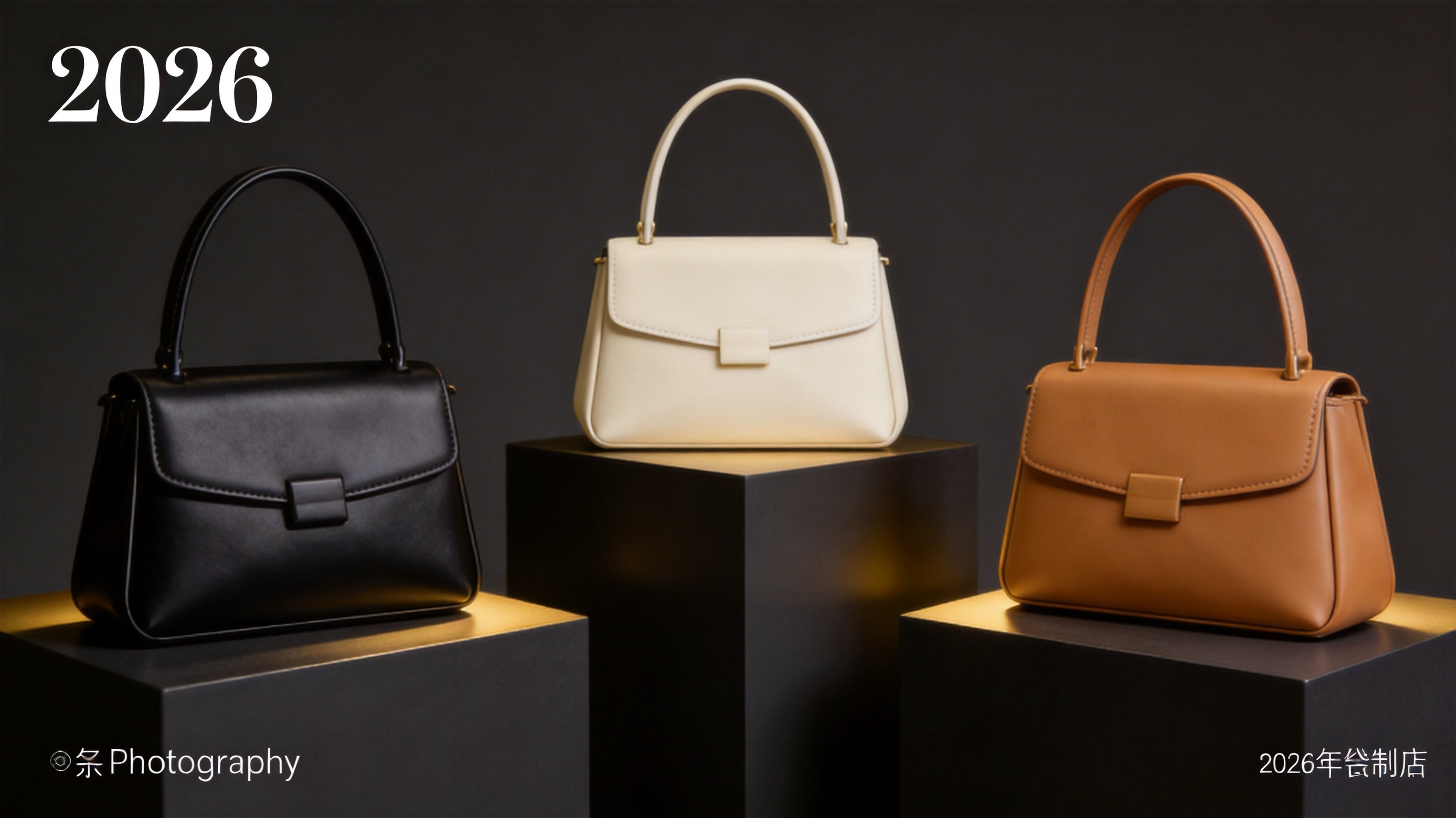
The bags that hold the most resale value share a common characteristic: their silhouettes are not tied to a specific trend moment. Classic shapes — structured top-handles, clean shoulder bags, simple totes, elegant clutches — maintain desirability across years because they are not identifiable as products of a specific season. Balance trend-awareness with timeless appeal in your collection.
Recognizable Design Identity
Resale buyers search for recognizable brands and styles. New brands must develop signature design elements — distinctive hardware shapes, characteristic proportions, signature construction details — that make their products identifiable even without a visible logo. These elements become the visual language that resale buyers use to authenticate and evaluate your products.
Understated Branding
Paradoxically, the quiet luxury trend aligns with resale value principles. Bags with subtle branding age more gracefully than bags covered in logos that may feel dated as brand aesthetics evolve. The quality signals — material, construction, proportion — carry more lasting value than visible brand marks.
Quality Standards That Support Resale Value
Quality is the single most important determinant of resale value. Bags that maintain their structural integrity, material appearance, and functional performance over years of use command higher prices on resale platforms.
| Quality Factor | Impact on Resale Value | Standard to Achieve | Cost Impact |
|---|---|---|---|
| Leather quality | Very High | Full-grain or top-grain; minimum 1.0mm thickness | +++ vs PU/bonded |
| Hardware durability | High | Solid brass/stainless; PVD finish; no hollow components | ++ vs plated |
| Stitch integrity | High | Consistent tension; no loose threads; reinforced stress points | + vs basic |
| Edge finishing | Medium-High | Multiple coat edge paint or burnished; no raw edges | + vs single coat |
| Lining quality | Medium | Durable textile or suede; securely attached | + vs basic lining |
| Structural integrity | High | Maintains shape after years of use; no sagging | ++ for reinforcement |
Authentication and Provenance Considerations
Authentication matters most for established luxury brands, but provenance documentation is increasingly relevant for emerging brands as well.
What New Brands Should Provide
- Certificate of authenticity: A document verifying the bag was purchased directly from the brand, including style name, production batch, and date
- Material provenance: Information about where key materials were sourced — tannery names for leather, mill names for fabrics
- Care documentation: Detailed care instructions that help the owner maintain the bag's condition over time
- Serial or batch numbers: Unique identifiers that allow verification of authenticity on resale platforms
These documents serve dual purposes: they enhance the new purchase experience (feeling of investing in something documented and verifiable) and they support resale value when the time comes (buyers on resale platforms pay more for bags with complete provenance documentation).
How New Brands Can Leverage the Resale Trend
Rather than viewing resale as purely competitive, new brands can actively leverage the resale market to strengthen their positioning.
Authorized Resale Programs
Some brands are establishing their own resale channels — buying back used bags from customers, refurbishing them, and reselling through a brand-controlled platform. This approach captures value from the second transaction, maintains quality control over the resale experience, and demonstrates confidence in product longevity.
Trade-In and Upgrade Programs
Offering customers trade-in credit toward new purchases when they return their old bags creates a circular relationship that drives repeat purchases. The returned bags can be refurbished for resale, recycled for materials, or donated — each option carrying sustainability benefits.
Resale Value Communication
Brands that confidently communicate expected resale value — "This bag is designed to hold 50–60% of its value after 3 years of use" — create a compelling value proposition. This claim must be backed by genuine quality; empty promises damage brand trust immediately when customers discover the bag does not hold value as promised.
Circular Fashion and Brand Responsibility
The resale market is part of a broader circular fashion movement that challenges brands to think beyond the initial sale. In a circular model, brands are responsible for their products across their entire lifecycle — not just from production to first sale, but through years of use, multiple ownership transitions, and eventual end-of-life.
Design for Disassembly
Circular design principles encourage designing bags that can be easily repaired, refurbished, and eventually recycled. This means using separable material combinations (leather that can be separated from lining), standardized hardware that can be replaced, and construction methods that allow repair rather than requiring replacement.
Repair Services
Offering repair services — replacing worn straps, re-dyeing faded leather, fixing broken hardware — extends product lifespan and builds brand loyalty. Customers who send bags for repair are demonstrating commitment to the brand and are highly likely to purchase again. Repair services also generate content opportunities (before/after repair stories) that communicate quality commitment.
Materials That Age Well for Resale
Not all materials age equally well. Some develop character and beauty over time; others deteriorate. For brands designing with resale awareness, material selection is critical.
| Material | Aging Behavior | Resale Impact | Best For |
|---|---|---|---|
| Full-grain leather | Develops rich patina; character improves | Positive — aged leather desirable | Timeless styles, premium positioning |
| Vegetable-tanned leather | Darkens beautifully; unique aging pattern | Very positive — considered premium | Heritage and artisan brands |
| Solid brass hardware | Patina develops; can be polished | Positive — shows authenticity | All premium bags |
| Top-grain leather | Maintains appearance; minimal change | Neutral — consistent condition | Professional and structured bags |
| Basic PU leather | Peels, cracks, deteriorates | Very negative — appears worn | Avoid for resale-positioned products |
| Hollow/plated hardware | Flaking, discoloration, dents | Very negative — signals poor quality | Avoid for resale-positioned products |
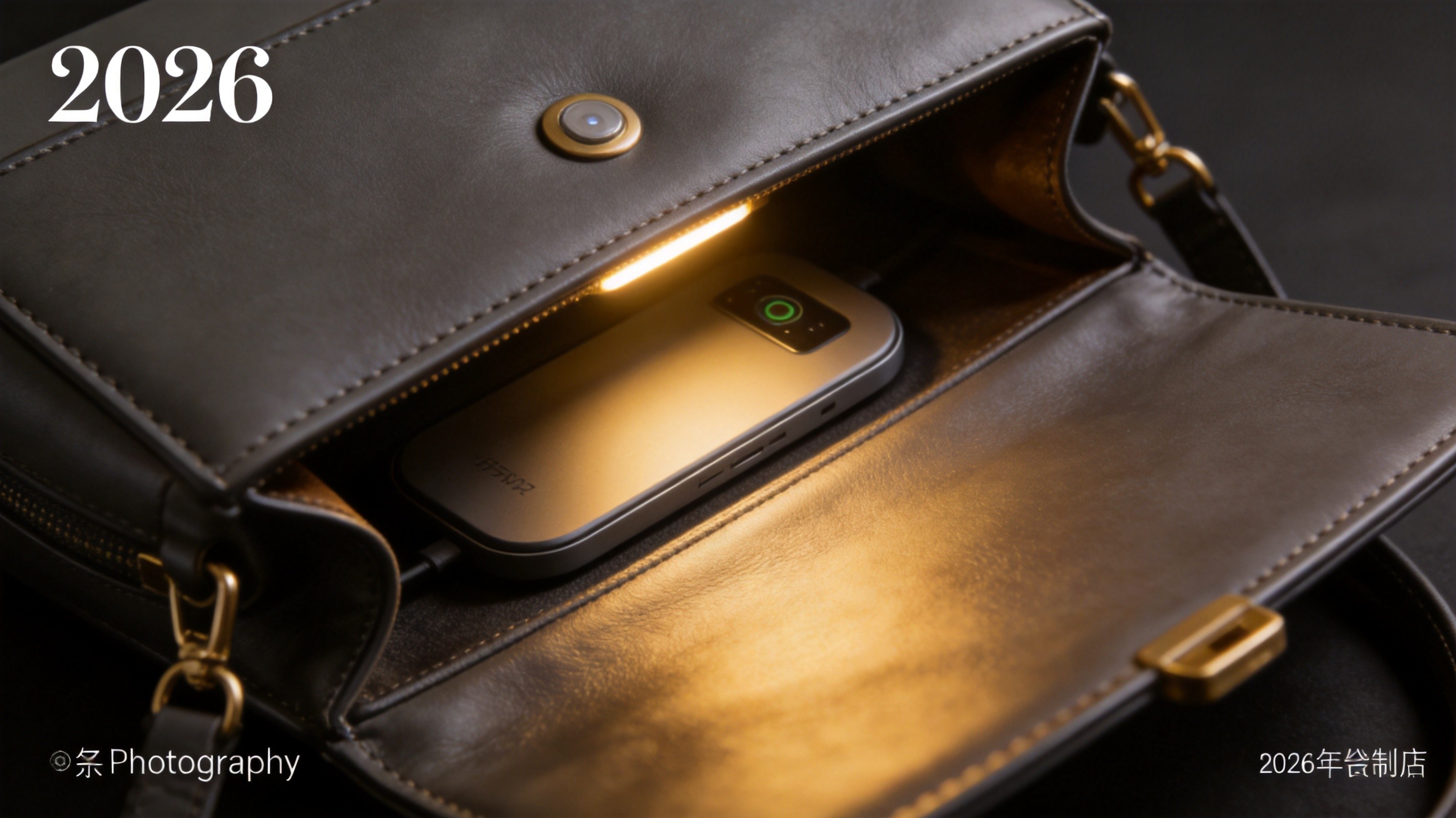
Full-grain and vegetable-tanned leathers develop attractive patina that actually enhances resale value over time
Pricing Strategy in a Resale-Aware Market
The existence of a robust resale market affects pricing strategy for new brands in several ways.
The Value Floor
When consumers know they can resell a bag for 40–60% of its purchase price, the effective cost of ownership drops significantly. A $400 bag that resells for $200 in three years has an effective annual cost of approximately $67 — comparable to a $100 bag replaced annually. This value framework supports higher initial pricing for brands that can demonstrate genuine longevity and resale potential.
Avoiding the Markdown Trap
New brands that discount heavily undermine their resale value. A bag originally priced at $300 that is immediately discounted to $180 establishes a market value of $180 — and resale prices will reference that lower figure. Brands that maintain pricing discipline create stronger resale values, which in turn supports the brand's premium positioning.
Price Architecture
Consider offering products at different tiers with clear quality differentiation. Entry-level products at $150–$250 introduce customers to the brand. Mid-tier products at $250–$450 serve as the core collection with the strongest resale positioning. Premium products at $450+ establish brand aspiration and demonstrate maximum quality commitment.
Building Brand Equity for Long-Term Value
In a resale-aware market, brand equity — the collective perception of quality, desirability, and trust associated with your brand name — directly affects resale prices. Bags from recognized, respected brands sell for more on resale platforms than identical-quality bags from unknown brands.
The Long Game
Building brand equity takes time — typically 3–5 years of consistent quality, design integrity, and customer experience before a new brand develops the recognition that supports strong resale values. This timeline should inform expectations: initial resale values for new brand products will be modest, growing as brand awareness increases.
Community and Advocacy
Brands that build genuine community — through customer events, social media engagement, design transparency, and responsive customer service — create advocates who promote the brand organically. These advocates become the brand's resale marketing team, sharing their positive experiences and creating demand that supports resale values.
The Flywheel Effect
When executed well, the relationship between quality, brand equity, and resale value creates a positive flywheel: high quality leads to customer satisfaction; satisfied customers become advocates; advocacy builds brand equity; brand equity supports resale values; visible resale values validate the initial quality investment; validation attracts new customers who invest in quality. This flywheel, once spinning, becomes the brand's most powerful competitive advantage.
The Resale-Aware Brand Advantage
New brands that design with resale awareness from the outset gain a structural advantage over competitors who treat each bag as a disposable seasonal product. By investing in materials that age well, construction that lasts, and design that endures, these brands create products that work harder for their customers — delivering value not just at first purchase but across years of ownership and into their second life. This is not just good ethics; it is good business.
Build Bags That Last — and Hold Their Value
We specialize in premium materials and construction that age beautifully. Full-grain leather, solid hardware, and precision craftsmanship from 200 pieces per style.
Create Your Lasting Collection →
📧 service@junyuanbags.com | 💬 WhatsApp: +86 17750020688
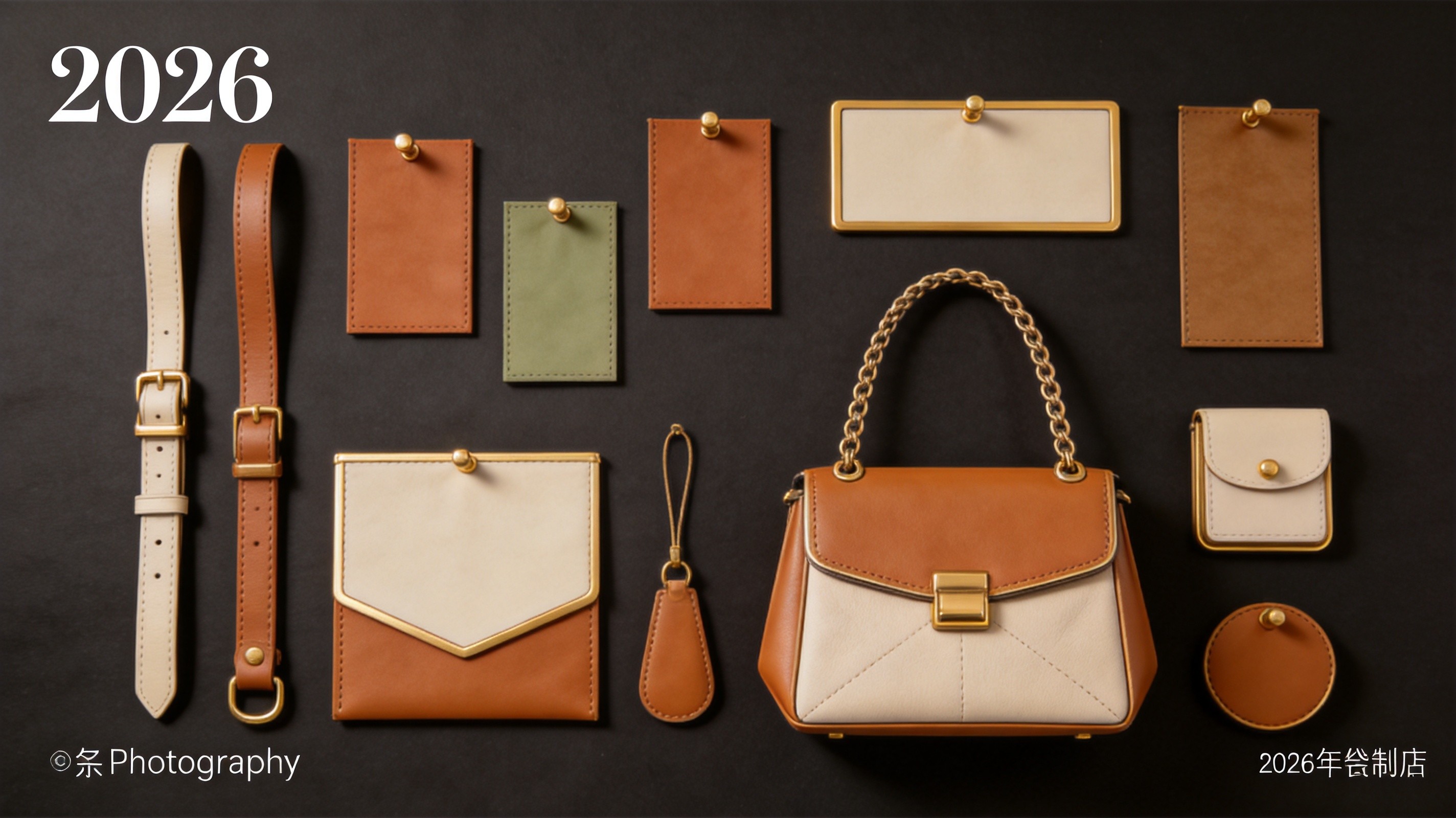
Brands that design for longevity create products that work harder for customers across their entire lifecycle
Vintage handbag collection showing timeless design that retains resale value

Handbag repair and restoration process extending product lifespan
Understanding Resale Platform Dynamics
Different resale platforms serve different market segments and have varying implications for brand value. Understanding these dynamics helps brand owners make informed decisions about how their products perform in the secondary market.
Curated Platforms (The RealReal, Rebag)
Curated resale platforms authenticate, photograph, and grade products professionally. They carry predominantly luxury brands and maintain quality standards that protect brand reputation. Having products accepted on these platforms signals quality to potential new customers. However, these platforms take significant commission (30–50%), meaning resale prices may not reflect the full value of well-maintained products.
Peer-to-Peer Platforms (Poshmark, Vestiaire Collective)
Peer-to-peer platforms allow individual sellers to list products directly. They offer broader market access but less quality control. Brand owners should monitor these platforms to understand how their products are being presented and priced, and to identify potential counterfeiting issues.
Consumer Psychology of Resale-Aware Purchasing
The knowledge that a bag has resale value fundamentally changes the purchase psychology. Consumers who factor in potential resale value evaluate the initial purchase differently than those who view a bag as a pure consumption item.
The Investment Mindset
When consumers view a bag purchase partly as an investment (knowing they can recover 40–60% of the cost through resale), they become more willing to pay higher initial prices — provided the brand supports that resale value through quality and recognition. This investment mindset favors brands with clear quality positioning over those competing solely on price.
The Confidence Effect
Knowing a product holds resale value reduces purchase anxiety. The consumer thinks: "Even if I don't love this bag as much as I expect, I can sell it and recover most of my cost." This confidence effect increases conversion rates and reduces return rates — both commercially significant benefits for brands that can credibly support resale value claims.
Frequently Asked Questions
How big is the secondhand handbag market?
The global secondhand handbag market was valued at approximately $18 billion in 2024, projected to reach $30–35 billion by 2028 at 13–17% CAGR — growing three to four times faster than the primary market.
How should new brands design for resale value?
Use durable materials (full-grain leather, solid hardware), choose timeless silhouettes, maintain consistent quality, establish recognizable design elements, provide authentication documentation, and offer repair services that extend product lifespan.
Does the resale market hurt new brands?
It creates both competition and opportunity. It competes at the mid-market price point, but also validates quality investment, increases brand awareness through resale platforms, and creates urgency that drives new purchases. Well-positioned brands benefit from resale market growth.
What materials age best for resale?
Full-grain leather (develops attractive patina), vegetable-tanned leather (beautiful aging), solid brass hardware (patinas gracefully), and heavy canvas all age well. Basic PU (peels), thin corrected-grain leather (wears without character), and hollow hardware (dents) age poorly and destroy resale value.
Continue Reading
- Quiet Luxury Bags: Why Minimalist Design Dominates 2026
- Sustainable Handbag Materials: Future of Eco-Friendly Fashion
- Complete Guide to Handbag Materials
- About Our Craftsmanship
- OEM/ODM Services
Limitations and Scope of This Guide
This guide covers implications of the secondhand and vintage bag market for new brands, including positioning, durability expectations, and resale value strategies. It is based on our experience as a handbag manufacturer in Quanzhou, China, serving brands worldwide since 2004. Key limitations to keep in mind:
- The secondhand market dynamics described focus on the luxury segment. Mid-market and value segments have different resale dynamics and consumer motivations.
- Resale value predictions are based on historical patterns for established brands. New brands lack resale track records, making long-term value predictions speculative.
- Designing for longevity and resale value may conflict with trend-driven designs. Brands must balance desirability now with timelessness for future resale appeal.
For advice tailored to your specific situation, contact our team directly.