Table of Contents
- Why Stitching Quality Matters
- Types of Thread Materials
- Polyester vs Nylon Thread
- Bonded vs Unbonded Thread
- Thread Weight and Thickness
- Stitch Types in Bag Making
- SPI (Stitches Per Inch) Standards
- Reinforcement Stitching Techniques
- Edge Painting vs Raw Edge
- Common Stitching Defects
- Quality Inspection Standards
- How to Specify Stitching in Orders
- Frequently Asked Questions
Stitching is the structural skeleton of every handbag. It holds together every panel, attaches every strap, and secures every closure. When leather quality, hardware, and design receive the attention they deserve but stitching is neglected, the result is a bag that looks premium on the showroom floor but falls apart within months of regular use — seams splitting at stress points, threads fraying, and stitches unraveling.
Stitching quality is also one of the most visible indicators of manufacturing craftsmanship. A customer examining a bag will instinctively assess the stitching — its evenness, consistency, and refinement. Sloppy stitching communicates poor quality control regardless of how premium the leather may be. For brand owners, specifying and controlling stitching quality is a relatively low-cost investment that delivers outsized returns in product durability and brand perception.
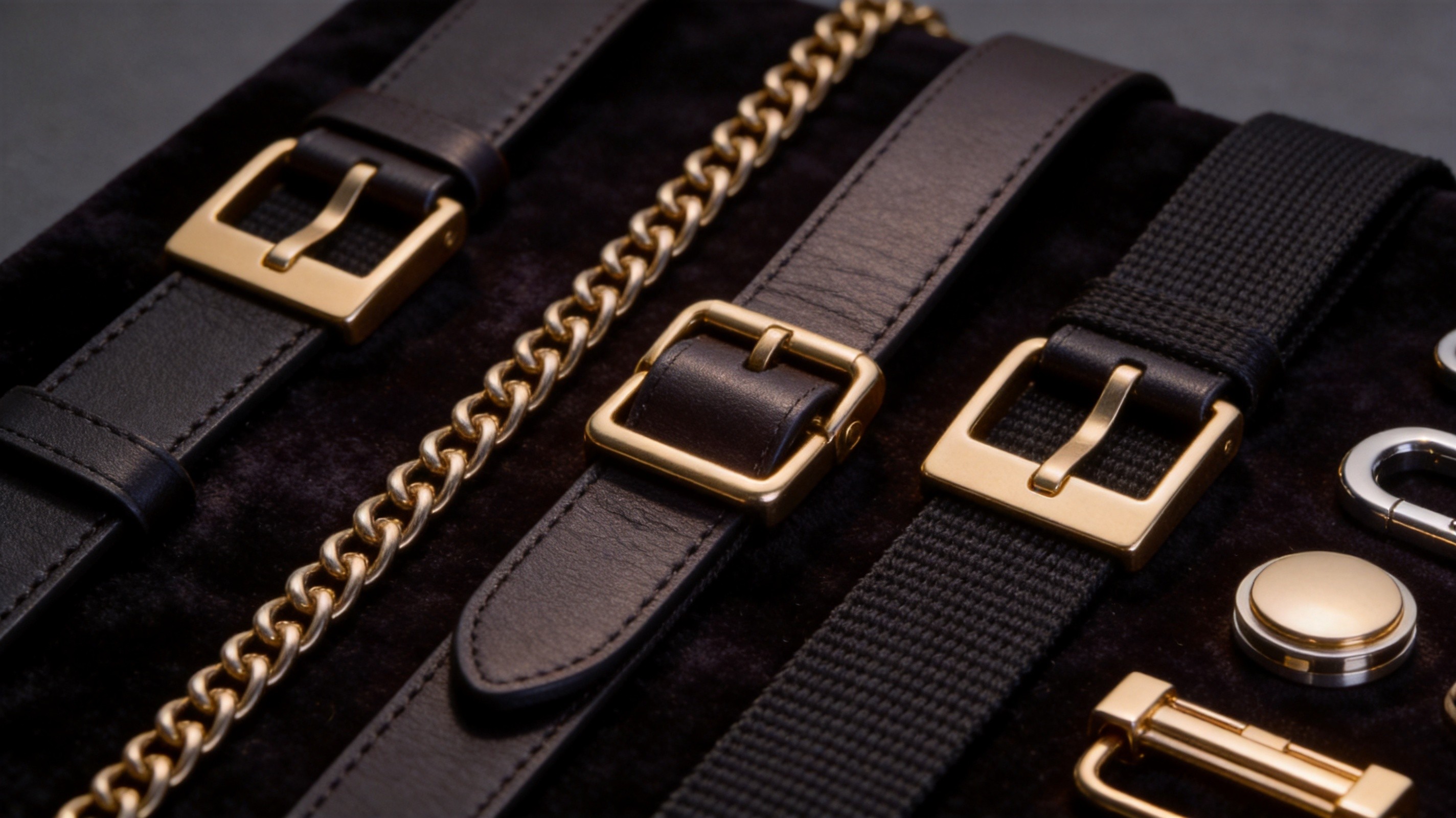
Precise, even stitching is one of the most visible indicators of handbag manufacturing quality
Why Stitching Quality Matters
Stitching quality impacts three critical dimensions of handbag performance: structural integrity, aesthetic quality, and brand reputation.
Structural Integrity
Every seam in a handbag bears load. Strap attachment points support the entire weight of the bag and its contents — often 5–10 kg of dynamic load as the bag swings during walking. Side seams resist spreading forces as the bag fills. Zipper seams undergo repeated stress during opening and closing. When stitching fails at any of these points, the bag fails — regardless of the quality of all other components.
Aesthetic Quality
Stitching is visible on every handbag. Topstitching along edges, around pockets, and across decorative panels is a prominent design element. Even and consistent stitching communicates precision, quality control, and attention to detail. Irregular, wavy, or puckered stitching communicates the opposite — and triggers quality concerns even if the structural integrity is adequate.
Brand Reputation
Stitching failure — a seam splitting, a strap detaching — is among the most visible and embarrassing product failures a customer can experience. It generates returns, negative reviews, and word-of-mouth damage disproportionate to the cost of the stitching itself. Investing in quality thread and proper stitching technique is one of the highest-ROI quality investments in handbag manufacturing.
Types of Thread Materials
The thread material determines the fundamental performance characteristics of every seam in your handbag.
| Thread Material | Strength | UV Resistance | Moisture Resistance | Best For |
|---|---|---|---|---|
| Bonded Nylon | Excellent | Fair | Fair | Leather bags, structural seams |
| Bonded Polyester | Excellent | Excellent | Excellent | All bags, especially outdoor/travel |
| Cotton | Fair | Poor | Poor | Decorative stitching only |
| Polyester-Cotton Blend | Good | Good | Moderate | Fabric bags, linings |
| Kevlar/Aramid | Exceptional | Fair | Good | High-stress tactical bags |
Polyester vs Nylon Thread
The polyester vs nylon thread decision is the most fundamental choice in thread specification. Both are high-performance synthetics with distinct advantages.
Nylon Thread
Nylon (polyamide) thread offers the highest tensile strength per diameter of any common thread material. It has excellent elasticity, recovering from stretch without breaking. This makes it ideal for leather bag construction where seams experience dynamic loading. The main weakness of nylon is UV degradation — prolonged sunlight exposure weakens nylon fibers over time. For bags primarily used indoors or in urban environments, this is rarely a practical concern.
Polyester Thread
Polyester thread offers slightly lower tensile strength than nylon but superior UV resistance, moisture resistance, and chemical resistance. It does not stretch as much as nylon, which can be an advantage (less seam relaxation over time) or a disadvantage (less shock absorption at stress points). For bags used extensively outdoors, in tropical climates, or where moisture exposure is frequent, polyester is the preferred choice.
The Practical Decision
For leather handbags in typical fashion market segments, bonded nylon remains the industry standard and performs excellently. For travel, outdoor, or sporty bags exposed to elements, bonded polyester is superior. Most leading thread manufacturers (Coats, A&E, Amann) produce both types in bag-specific formulations. See our services page for thread sourcing support.
Bonded vs Unbonded Thread
The bonding treatment applied to thread is one of the most important quality differentiators that brand owners frequently overlook.
What Bonding Does
Bonded thread has a special resin coating applied that binds the individual filaments together into a smooth, unified strand. This coating provides three critical benefits: (1) It prevents the thread from fraying or untwisting during sewing; (2) It reduces friction between the thread and the material being sewn, preventing heat buildup and material damage; (3) It creates consistent tension during sewing, producing even stitches.
Unbonded Thread Problems
Unbonded thread (sometimes called "soft" thread) lacks this protective coating. During high-speed industrial sewing, unbonded thread frays, creates lint buildup in the machine, produces uneven tension, and generates excess friction heat that can damage sensitive materials like coated leather or synthetic fabrics. For handbag manufacturing, bonded thread is essential — the small cost premium is justified many times over by improved sewing quality and reduced machine downtime.
Bonded thread with proper coating ensures consistent stitching quality during high-speed bag assembly
Thread Weight and Thickness
Selecting the correct thread weight for each seam type ensures both strength and visual refinement
Thread weight (thickness) must be matched to both the material being sewn and the structural demands of the seam.
Tex Measurement System
Thread thickness for bag manufacturing is measured in Tex — the weight in grams of 1,000 meters of thread. Higher Tex numbers indicate thicker thread. The common ranges for handbag construction are:
- Tex 20–40: Fine thread for lightweight fabrics, decorative topstitching, and lining assembly
- Tex 40–60: Medium thread for fabric bag construction and light leather seams
- Tex 60–90: Standard range for leather bag structural seams — the most commonly specified range
- Tex 90–135: Heavy thread for thick leather, high-stress strap attachments, and decorative contrast stitching
Needle and Thread Relationship
Thread weight must be matched to needle size. A Tex 70 thread requires a needle eye sized for that thickness — using a needle too small causes friction and thread breakage; using a needle too large creates unnecessarily large holes in the material. Standard pairings: Tex 60 with #18–20 needle, Tex 70 with #20–22 needle, Tex 90 with #22–24 needle.
Stitch Types in Bag Making
Different stitch types serve different functions in handbag construction. Understanding which to specify where ensures optimal performance at each seam.
| Stitch Type | ISO Code | Characteristics | Used For |
|---|---|---|---|
| Lockstitch | 301 | Strong, secure, doesn't unravel | Main structural seams, topstitching |
| Chainstitch | 401 | Flexible, stretchy, can unravel | Decorative stitching, closures |
| Overlock/Serger | 504 | Edge finishing, prevents fraying | Fabric edges, interior seam finishing |
| Flatlock | 602 | Flat, comfortable seam | Strap padding, soft bag construction |
| Bar Tack | — | Dense reinforcement point | Stress points, strap attachments |
Lockstitch: The Foundation
The lockstitch (ISO 301) is the primary stitch type for leather handbag construction. It creates a strong, secure seam that does not unravel if a single stitch breaks. The interlocking of upper and bobbin threads within the material layers provides excellent seam strength and clean appearance on both sides.
SPI (Stitches Per Inch) Standards
SPI — stitches per inch — is one of the most critical and most frequently mis-specified parameters in handbag manufacturing.
Recommended SPI by Application
| Application | Material | Recommended SPI | Why |
|---|---|---|---|
| Main structural seams | Leather (1.0–1.4mm) | 6–8 SPI | Balance of strength vs perforation |
| Topstitching | Leather | 8–10 SPI | Density for visual appeal |
| Strap attachment | Leather | 7–9 SPI + bar tack | Maximum strength at stress point |
| Lightweight fabric | Cotton/poly canvas | 10–12 SPI | Fine fabric needs more stitches |
| Heavy fabric/nylon | Ballistic nylon | 6–8 SPI | Thick material; fewer stitches per inch |
| Lining assembly | Polyester/cotton | 10–14 SPI | Light material, speed-oriented |
The SPI Sweet Spot
Too few stitches per inch creates weak seams that fail under stress. Too many stitches per inch perforate the material excessively — in leather, each needle hole is a potential tear point. The recommended range for leather bags (6–8 SPI for structural seams) balances seam strength against material perforation. This range has been validated through decades of bag manufacturing experience and standardized testing.
Even stitch spacing and correct SPI are hallmarks of quality handbag construction
Reinforcement Stitching Techniques
Certain areas of a handbag experience concentrated stress that requires reinforcement beyond standard seam stitching.
Bar Tack Reinforcement
Bar tacks are dense clusters of stitches applied at high-stress points — strap attachment points, D-ring anchors, handle connections, and pocket corners. A standard bar tack measures 6–10mm in length and contains 15–25 stitches packed into that small area. This reinforcement distributes load across a wider material area, preventing concentrated stress from pulling through the leather or fabric.
Box-X Stitching
For strap-to-bag attachments, box-X stitching creates a rectangular pattern with an X inside, distributing load in multiple directions. This is the standard reinforcement for shoulder strap D-ring attachments and heavy-duty handle connections on totes and travel bags.
Double-Row Stitching
For critical structural seams, double-row stitching provides redundant security. If one row fails, the second maintains seam integrity. Double-row stitching is specified for main body side seams on heavy-use bags and for strap-to-body connections on bags designed for heavy loads.
Edge Painting vs Raw Edge
Edge painting requires 4–6 coats for a smooth, professional finish on premium handbags
How the edges of leather panels are finished is both a functional requirement (protecting the cut edge from moisture and wear) and a key quality signal.
Edge Painting
Edge painting involves applying multiple thin coats of edge paint — typically wax-based or resin-based compounds — to the cut edges of leather panels. Each coat is dried and buffed before the next is applied, building up a smooth, colored, sealed edge. Premium edge painting requires 4–6 coats and produces a clean, uniform edge that matches or complements the bag's color scheme. This is the standard for luxury and premium handbags.
Burnished/Raw Edge
Burnished edges are created by sanding the cut edge smooth, applying edge dressing or gum tragacanth, then burnishing (rubbing vigorously) to create a smooth, rounded, polished edge. This technique reveals the natural fiber structure of the leather and creates an artisanal, handcrafted aesthetic favored by heritage and craft-positioned brands.
Folded Edge
Some designs eliminate visible edges entirely by folding the leather over and stitching — creating a clean, finished edge without painting or burnishing. This technique requires more material and greater skill but produces the cleanest possible edge finish.
Common Stitching Defects
Understanding common defects helps brand owners identify quality problems during factory inspections and production sample reviews.
- Skipped stitches: Gaps where the needle failed to catch the bobbin thread. Caused by dull needles, incorrect timing, or thick material sections. Creates weak points in seams.
- Uneven stitch length: Variation in stitch spacing along a seam. Indicates poor machine maintenance, inconsistent operator technique, or material thickness variation. Primarily an aesthetic defect.
- Thread puckering: Fabric/leather gathering along the seam line. Caused by incorrect thread tension (too tight), wrong needle size, or inappropriate SPI for the material.
- Seam grinning: Visible gap between stitched panels at the seam line. Indicates insufficient seam allowance or incorrect seam construction method.
- Thread breaks: Stitch line where thread has broken mid-seam. Indicates thread quality issues, incorrect tension, or damaged thread from friction during sewing.
- Bird nesting: Thread tangle on the underside of the seam, resembling a bird's nest. Caused by incorrect bobbin threading or tension imbalance.
Quality Inspection Standards
Establishing clear inspection criteria ensures consistent stitching quality across production batches.
Visual Inspection Criteria
- All stitches should be uniform in length within ±0.5mm variation
- No skipped stitches within any 2-inch section
- No thread puckering or material distortion along seam lines
- Thread ends should be trimmed flush — no loose tails exceeding 2mm
- Topstitching should be parallel to edges with consistent distance (±1mm tolerance)
- Bar tacks should be dense, centered, and fully covering the reinforcement area
- Edge painting should be smooth, with no chips, runs, or color variation
Destructive Testing (Periodic)
At regular intervals, pull-test seam samples to verify seam strength meets minimum requirements. Standard requirement: main structural seams should withstand 150N+ pull force without failure. Strap attachment points should withstand 250N+ (including bar tack reinforcement). These tests are performed on random samples from each production batch.
How to Specify Stitching in Orders

Detailed stitching specifications in your tech pack ensure consistent results across production runs
Complete stitching specifications in your tech pack prevent ambiguity and ensure consistent results.
Essential Specification Fields
- Thread type: Material, brand, Tex weight (e.g., "Coats Epica bonded nylon, Tex 70")
- Thread color: Pantone reference + physical standard
- SPI per seam type: Structural, topstitch, lining, etc.
- Stitch type: Lockstitch 301, chainstitch 401, etc. per seam
- Edge finish: Painted (color reference), burnished, or folded
- Reinforcement: Bar tack locations and dimensions, box-X requirements
- Defect tolerance: Maximum acceptable defects per bag (e.g., "zero skipped stitches; max 1 minor cosmetic issue per bag")
Critical Quality Reminder
Always review stitching on pre-production samples before authorizing bulk production. Check SPI with a stitch counter (a simple magnifying tool with a measured grid). Verify thread type by burning a small sample — nylon melts and smells like plastic; polyester burns with a sweet chemical smell; cotton burns like paper. These simple checks catch 90% of potential stitching quality problems before they become production-scale issues.
Decorative Stitching Options for Brand Differentiation
Beyond functional joining, stitching serves as a powerful design element that can elevate a bag's visual appeal and brand identity. Decorative stitching options that brand owners should consider for their collections:
Contrast Topstitching: Using thread color that deliberately contrasts with the bag material creates visual definition along seam lines and edges. The most classic example is blue jean stitching on tan leather, but contemporary applications include gold thread on black leather, white thread on navy bags, or pastel thread on earth-tone materials. Contrast thread should be specified one full shade step darker or lighter than the material for maximum visual impact without appearing accidental.
Double and Triple Row Stitching: Running two or three parallel rows of topstitching along seam lines creates a rich, detailed appearance associated with premium craftsmanship. The spacing between rows should be consistent (typically 3-5mm between rows) and requires specialized multi-needle machines or careful single-needle work. This technique adds both visual weight and structural reinforcement at stress points.
Saddle Stitching: A hand-stitching technique where two needles work from opposite sides of the leather, creating a distinctive diagonal stitch pattern visible on both surfaces. Saddle stitching is the hallmark of ultra-premium leather goods and is significantly more labor-intensive than machine stitching. Each stitch is independent, meaning if one stitch breaks, the surrounding stitches remain intact—unlike machine lockstitch where a single break can cause a cascade failure.
Embossed Stitch Effect: For bags where actual stitching is not feasible (such as bonded or welded constructions), some manufacturers create the visual impression of stitching through embossing or debossing. While this lacks the structural benefits of actual thread, it maintains the aesthetic language of traditional leather goods at lower production cost.
Automated vs Hand Stitching: Quality and Cost Trade-Offs
The choice between automated and hand stitching affects quality, cost, production speed, and brand positioning. Understanding the trade-offs helps brand owners make informed decisions:
| Aspect | Automated (Machine) | Hand Stitching | Hybrid Approach |
|---|---|---|---|
| Speed | Very fast (minutes per bag) | Slow (hours per bag) | Moderate |
| Consistency | Perfectly uniform | Natural variation | Machine seams + hand accents |
| Strength | High (lockstitch) | Very High (saddle stitch) | Optimized per location |
| Cost | Low ($0.50-2.00/bag) | Very High ($15-50/bag) | Moderate ($5-15/bag) |
| Brand Perception | Standard quality | Artisan luxury | Thoughtful craftsmanship |
| Best Application | Production runs 200+ pcs | Limited editions, bespoke | Premium lines at scale |
The hybrid approach is increasingly popular among premium private label brands. Machine stitching handles the structural seams where consistency and speed matter, while hand stitching is reserved for visible accent elements—handle attachments, flap closures, and decorative details. This balances production efficiency with the visible craftsmanship cues that justify premium pricing.
For brands at the 200-500 pcs/style production level, fully hand-stitched bags are typically not economically viable. However, investing in higher-quality automated equipment and superior hardware finishing alongside precise machine stitching achieves a quality perception that satisfies premium market expectations. The key is consistency: every stitch should be uniform in tension, spacing, and alignment.
Thread Tension and Quality Control Protocols
Thread tension—the tightness of each stitch—is one of the most important yet least visible quality factors in bag production. Incorrect tension causes problems that may not appear until the bag has been in use for weeks or months:
Too Tight: Excessive thread tension pulls the material, causing puckering along seam lines. Over time, overtight stitches cut into the material fibers, creating perforation lines that eventually tear. This is the most common cause of seam failure in machine-stitched bags and is entirely preventable through proper tension calibration.
Too Loose: Insufficient tension allows stitches to loop, snag, and abrade against each other during use. Loose stitches also create gaps between the material surfaces, allowing the seam to "breathe" and move excessively. This accelerates wear and creates a sloppy appearance inconsistent with premium positioning.
Optimal Tension Testing: The correct tension produces stitches that lie flat against the material without puckering, with the thread interlock (where upper and bobbin threads meet) positioned within the material layers—not on the surface. QC inspectors should perform a "pull test" on every 50th bag: grasp the seam on both sides and pull firmly. The seam should not gap, and individual stitches should not deform. Any seam that fails this test requires immediate tension recalibration.
Environmental Factors: Thread tension requirements change with temperature and humidity variations. During rainy seasons or in high-humidity factory environments, thread may absorb moisture and expand, requiring tension adjustments. Similarly, synthetic threads (polyester, nylon) respond differently to environmental changes than natural threads (cotton). Skilled machine operators learn to make micro-adjustments throughout the workday as conditions shift.
Implement a documented tension calibration protocol requiring operators to check and record tension settings at the start of each shift and after any thread change. This data creates a traceable quality record and enables root cause analysis if stitching defects emerge in finished products. Pair this with the material quality standards your brand maintains to ensure holistic production quality.
Need Quality Stitching for Your Handbag Production?
Our factory maintains strict stitching quality standards with premium bonded threads, precise SPI control, and comprehensive QC inspection. MOQ starts at 200 pcs/style.
Email: service@junyuanbags.com | WhatsApp: +86 17750020688
Request Production SampleFrequently Asked Questions
What is the ideal stitches per inch (SPI) for handbags?
For leather handbags, 6–8 SPI for main structural seams and 8–10 SPI for decorative topstitching. For fabric bags, 8–12 SPI. Below 5 SPI creates weak seams; above 12 SPI on leather weakens the material through excessive perforation.
What thread is best for leather handbags?
Bonded nylon thread is the industry standard for leather bags — it provides high tensile strength, prevents fraying, and ensures consistent tension. Bonded polyester is preferred for bags exposed to UV or moisture. Never use cotton thread for structural leather seams.
What are the most common stitching defects?
Skipped stitches, uneven stitch length, thread puckering, seam grinning, raw edge fraying, and broken stitches. Most are preventable through proper machine setup, regular needle changes, and skilled operator training.
What is the difference between edge painting and raw edge?
Edge painting applies multiple coats of edge paint creating a smooth, sealed, colored edge (premium luxury finish). Burnished/raw edge involves sanding and polishing the natural leather edge for an artisanal look. Both protect edges but create different aesthetic effects.
How should I specify stitching quality?
Include thread type/brand/Tex, thread color Pantone, SPI per seam type, stitch type per seam, edge finish method, reinforcement requirements, and defect tolerance. Always review stitching on pre-production samples before bulk authorization.
Continue Exploring
Related guides: Hardware Selection Guide, Color Matching & Pantone Guide, Leather Grade Guide, and Lining Material Selection. Visit our products or about us.
Limitations and Scope of This Guide
This guide covers thread and stitching quality standards for durable handbags, including thread types, stitch patterns, SPI standards, and inspection criteria. It is based on our experience as a handbag manufacturer in Quanzhou, China, serving brands worldwide since 2004. Key limitations to keep in mind:
- Stitching standards described apply to leather and heavy fabric handbags. Lightweight fabric bags, knit products, or non-woven materials require different stitching specifications.
- SPI (stitches per inch) recommendations are guidelines, not universal standards. Different luxury brands and market segments specify different stitch density requirements.
- Thread quality depends on material (polyester, nylon, cotton), thickness, and treatment. The 'best' thread depends on the material being sewn and the expected use conditions.
For advice tailored to your specific situation, contact our team directly.