Table of Contents
- Defining Vegan and Real Leather
- Types of Vegan Leather
- Pros of Vegan Leather
- Cons of Vegan Leather
- Pros of Real Leather
- Cons of Real Leather
- Environmental Impact Comparison
- Consumer Market Trends
- Durability Comparison
- Cost Analysis
- Best Use Cases for Each
- How to Choose for Your Brand
- Frequently Asked Questions
The debate between vegan leather and real leather has become one of the most polarized discussions in the handbag industry. Brand owners face pressure from multiple directions: consumers demanding cruelty-free products, regulatory shifts toward sustainability, and traditional luxury markets that consider animal leather irreplaceable. Making this decision based on marketing narratives rather than data leads to material choices that misalign with brand positioning and customer expectations.
This article provides an objective, factory-informed analysis of both material categories. Rather than advocating for one over the other, we present the technical, environmental, and commercial realities so you can make the choice that best serves your specific brand, market, and product strategy.
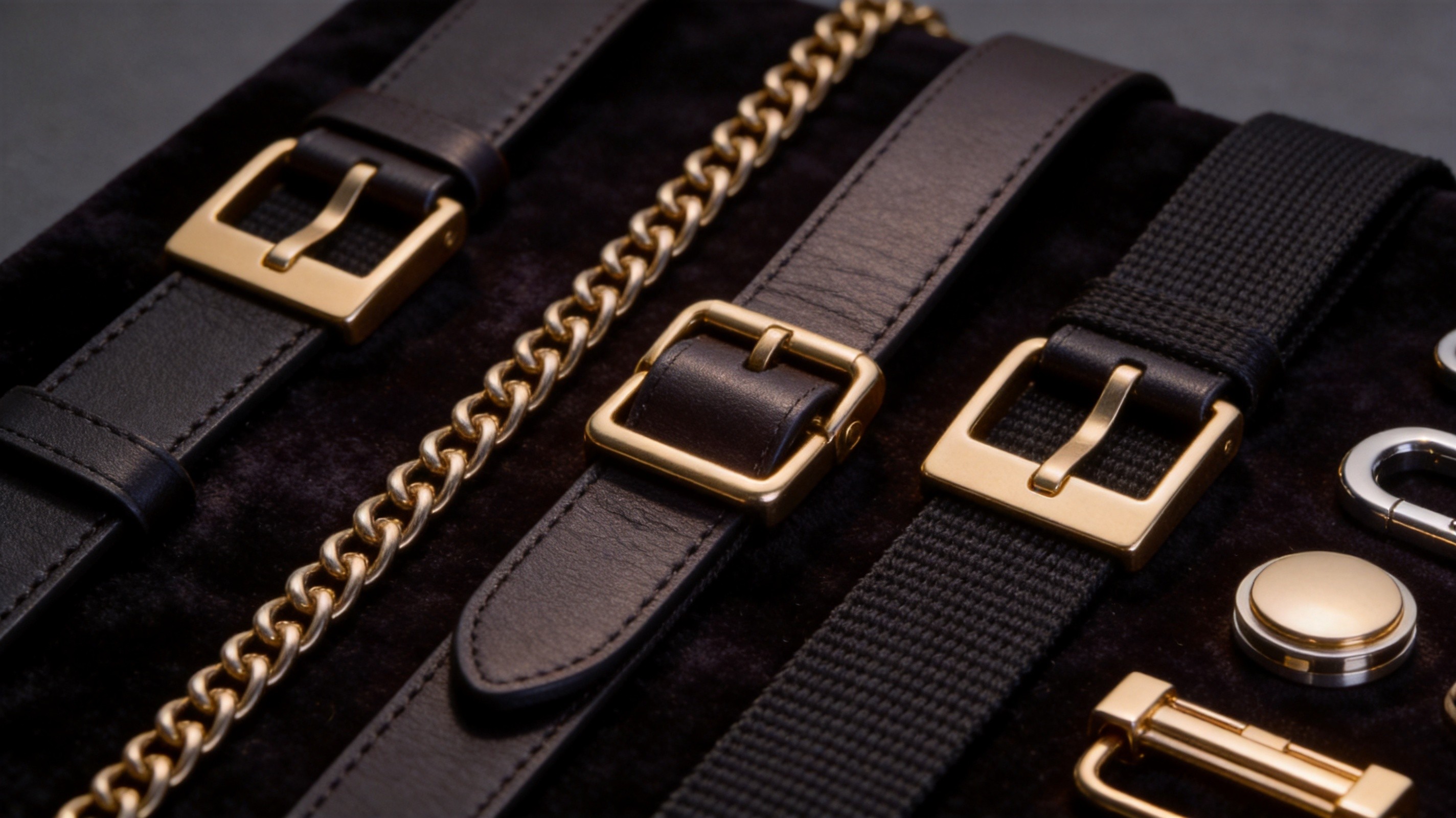
Modern handbag brands navigate the choice between vegan and real leather based on brand values and market positioning
Defining Vegan and Real Leather
Before comparing these materials, precise definitions prevent confusion. The terms are used inconsistently in marketing, and clarity is essential for brand owners making sourcing decisions.
Real Leather
Real leather is a natural material produced from animal hides (primarily cattle, but also sheep, goat, buffalo, and exotic species) through the process of tanning. Tanning stabilizes the protein structure of the hide, preventing decomposition and creating a flexible, durable material. The two primary tanning methods — vegetable tanning (using plant-based tannins) and chrome tanning (using chromium salts) — produce leathers with different characteristics. See our complete leather guide for detailed grade breakdowns.
Vegan Leather
Vegan leather is any material that mimics the appearance and feel of animal leather without using animal-derived ingredients. This is a broad category spanning petroleum-based synthetics (PU, PVC), plant-based materials (apple skin, cactus leather, mushroom leather), and hybrid composites. Not all vegan leathers are created equal — the performance, cost, and environmental profile vary dramatically across subtypes.
Types of Vegan Leather
Understanding the diversity within vegan leather is essential for informed material selection. Each type has distinct properties relevant to handbag manufacturing.
| Material | Base Composition | Characteristics | Price Range |
|---|---|---|---|
| PU Leather | Polyurethane on fabric backing | Flexible, lightweight, versatile | $2–5/sq ft |
| PVC Vinyl | Polyvinyl chloride | Durable, water-resistant, less flexible | $1.50–4/sq ft |
| Apple Skin | Apple waste + PU binder | Natural texture, limited supply | $8–15/sq ft |
| Cactus Leather | Nopal cactus + bio-resins | Soft hand-feel, emerging supply | $6–12/sq ft |
| Mushroom (Mycelium) | Fungal mycelium | Most bio-based, premium pricing | $10–20/sq ft |
| Piñatex | Pineapple leaf fiber + PLA | Textured, sustainable story | $5–10/sq ft |
| Cork Fabric | Cork oak bark | Natural, water-resistant, unique | $6–12/sq ft |
| rPET Leather | Recycled polyester + PU coating | Sustainable story, versatile | $3–7/sq ft |
Plant-based leather alternatives like apple skin and mushroom leather are gaining traction in premium bag markets
Pros of Vegan Leather
Animal Welfare
The most straightforward advantage: vegan leather eliminates animal-derived materials from your supply chain. For brands built on cruelty-free values or targeting ethically motivated consumers, this is non-negotiable. The growing vegan consumer market — estimated at 79 million in the US alone — represents significant commercial opportunity.
Cost Advantages (For Some Types)
Standard PU leather costs 50–70% less than equivalent-quality real leather. This margin advantage allows brands to offer lower retail pricing or achieve higher margins at equivalent price points. For high-volume, trend-driven collections where material cost sensitivity is paramount, PU leather offers genuine commercial advantages.
Consistency and Uniformity
Unlike natural leather with its inherent variation in texture, thickness, and markings, vegan leather provides uniform appearance across every roll. This consistency simplifies production planning, reduces cutting waste, and makes color matching more predictable across production runs — a significant advantage for brands producing large quantities.
Weight Reduction
Most vegan leather alternatives are lighter than animal leather of comparable thickness. For brands designing travel-friendly bags, oversized totes, or products where weight is a key attribute, this difference can be commercially meaningful.
Design Flexibility
Vegan leather can be produced in any color, pattern, or texture without the constraints of natural hide processing. Metallic finishes, holographic effects, printed patterns, and unconventional textures are easier and less expensive to achieve with synthetics than with real leather.
Cons of Vegan Leather
Limited Longevity
The most significant limitation. Most vegan leathers have a functional lifespan of 2–5 years, compared to 15–30+ years for quality real leather. The coating layer eventually cracks, peels, or delaminates from the fabric backing. This is a structural limitation of the layered construction, not a manufacturing defect.
Microplastic Concerns
Petroleum-based vegan leathers (PU, PVC) shed microplastics during use and at end-of-life decomposition. As environmental regulations tighten — the EU is actively legislating microplastic restrictions — this creates compliance risk for brands relying on synthetic materials.
No Patina Development
Vegan leather does not develop patina — the attractive aging that enhances real leather's character over time. Instead of improving with age, vegan leather simply deteriorates. For brands building products around longevity and lifetime value, this is a fundamental disadvantage.
Recycling Challenges
Most vegan leather composites cannot be easily recycled because they combine multiple material types (plastic coatings, textile backings, bio-based components) that cannot be separated. This contradicts the sustainability narrative many vegan leather brands promote.
Pros of Real Leather
Exceptional Durability
Real leather, particularly full-grain, offers unmatched longevity for handbag applications. The dense, interlocking fiber structure resists tearing, abrasion, and deformation far better than any synthetic alternative. A well-made real leather handbag is genuinely a decades-long product.
Patina and Character Development
Perhaps leather's most commercially valuable attribute is its ability to age beautifully. The surface develops a rich, deepening patina that reflects the owner's personal use. This creates emotional attachment, justifies premium pricing, and drives word-of-mouth brand advocacy that synthetic materials simply cannot replicate.
Breathability and Comfort
Natural leather breathes — it allows air and moisture to pass through the fiber structure. This means leather bags resist odor development, maintain a pleasant hand-feel in varied temperatures, and feel more comfortable against the skin during extended carry.
Repairability
Real leather products can be repaired, re-dyed, re-conditioned, and restored. A scratched surface can be treated, worn edges re-painted, and the entire bag reconditioned to extend its life further. This repairability supports brand sustainability claims and customer loyalty programs.
Cons of Real Leather
Higher Material Cost
Real leather costs 2–5x more than synthetic alternatives per square foot, and the lower yield efficiency (due to natural defects) increases the effective cost further. For brands targeting price-sensitive markets, this material cost creates margin pressure.
Environmental Concerns in Tanning
Traditional chrome tanning involves heavy metals that pose environmental and worker safety risks if not properly managed. While certified tanneries (Leather Working Group) have dramatically improved practices, the industry still carries environmental baggage that vegan advocates legitimately highlight.
Weight
Real leather is heavier than most synthetic alternatives at equivalent thickness. For oversized bags or designs where weight is a concern, leather's density requires careful pattern engineering to keep finished products comfortable to carry.
Natural Variation
Each hide is unique. This is an advantage for exclusivity but a challenge for consistency. Color variation between hides, natural markings, and irregular shapes require skilled cutting and can increase production waste.
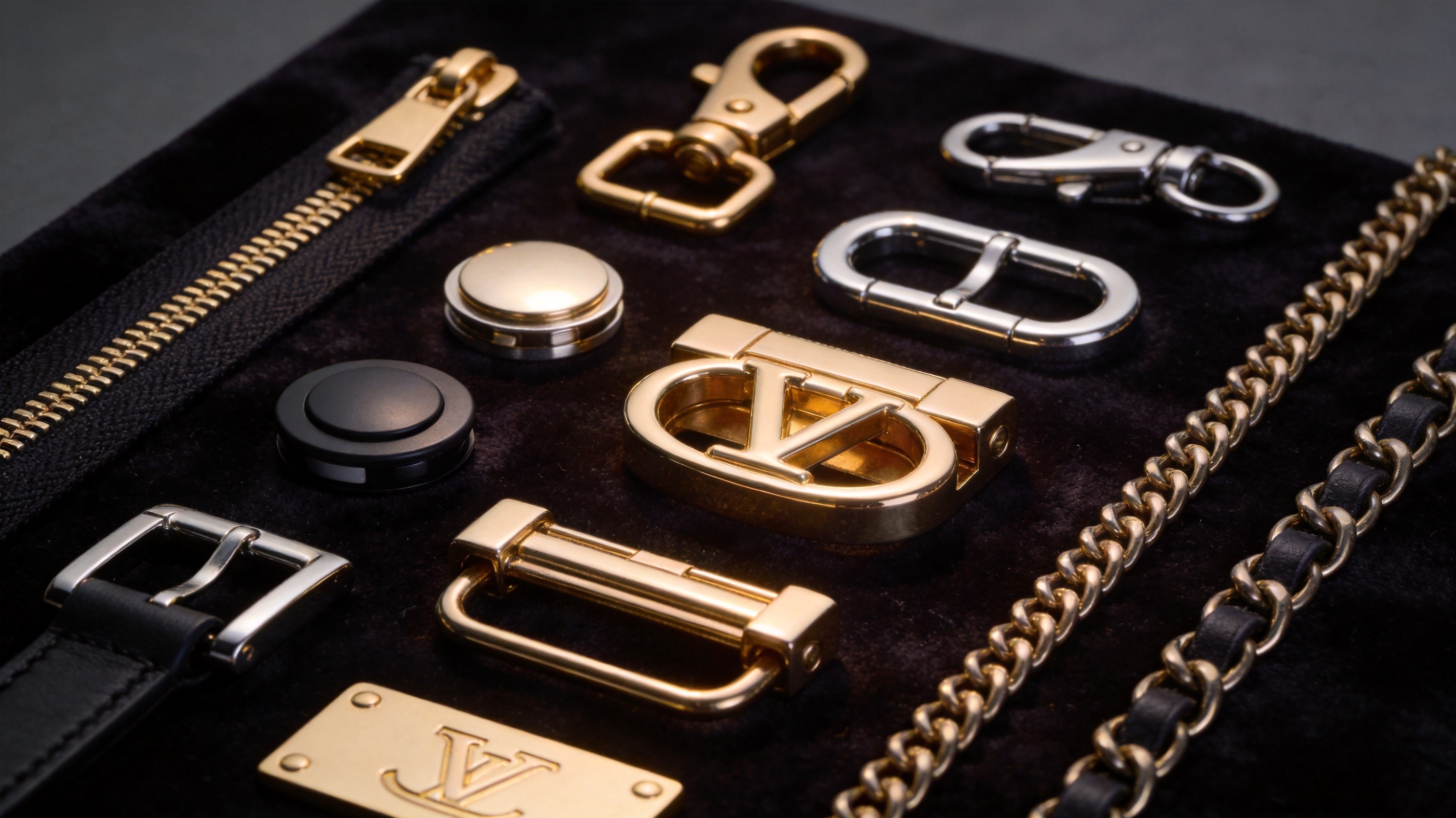
Real leather offers aging qualities and durability that synthetic alternatives have yet to replicate
Environmental Impact Comparison
The environmental comparison between vegan and real leather is far more nuanced than either side typically presents. A responsible analysis requires examining multiple impact categories rather than reducing the question to a single metric.
| Impact Category | Real Leather (Chrome Tan) | PU Leather | Plant-Based Vegan |
|---|---|---|---|
| Carbon Footprint | High (livestock + processing) | Moderate (petroleum) | Low to moderate |
| Water Usage | Very high (livestock + tanning) | Moderate | Low to moderate |
| Chemical Intensity | High (chromium, dyes) | Moderate (solvents) | Varies widely |
| Biodegradability | Yes (veg tan), Partial (chrome) | No | Varies (limited data) |
| Microplastic Shedding | None | Yes | Minimal to none |
| End-of-Life Options | Biodegrades (veg tan) | Landfill only | Limited recycling |
| Product Lifespan | 15–30+ years | 2–5 years | 3–8 years |
The lifespan factor dramatically affects the per-year environmental impact. A real leather bag lasting 20 years may have lower annual environmental cost than replacing three vegan leather bags over the same period, despite higher initial impact. This whole-life-cycle perspective is essential for honest sustainability claims.
Consumer Market Trends
The vegan leather market is growing rapidly, but the dynamics are more complex than headline growth figures suggest.
Market Growth
The global vegan leather market reached approximately $28 billion in 2024, with projected growth to $45–50 billion by 2030 at 8–10% CAGR. The handbag segment represents roughly 25–30% of total market value. This growth is real and driven by genuine shifts in consumer values, not merely marketing hype.
Key Consumer Segments
- Gen Z consumers (ages 15–28) show the strongest preference for vegan materials, with 60–70% expressing willingness to pay premium for cruelty-free products
- Millennial consumers (ages 29–44) are split, with sustainability awareness high but durability expectations also strong
- Gen X and older consumers (45+) continue to strongly prefer real leather, associating it with quality, luxury, and value
Regional Variations
European markets show the strongest vegan leather adoption, driven by regulatory environment and consumer awareness. North American markets are growing but real leather still dominates premium segments. Asian markets show rapid growth in vegan leather for fashion-forward brands, while traditional luxury consumers maintain strong preference for real leather. Learn more about regional market strategies.
Consumer preferences vary significantly by age group and region, influencing material selection strategy
Durability Comparison
Durability is where the gap between materials is most pronounced, and it directly impacts customer satisfaction, brand reputation, and product return rates.
Abrasion Resistance
Quality real leather (full-grain) achieves 50,000+ Martindale abrasion cycles before visible wear. Top-grain real leather achieves 20,000–40,000 cycles. Standard PU leather manages 5,000–15,000 cycles. Plant-based alternatives vary widely but typically fall between 8,000–25,000 cycles in available test data.
Flex and Crack Resistance
Real leather flexes without cracking because the fibers move together as a single structure. Coated vegan leathers experience stress at the interface between the coating and backing fabric, eventually leading to cracking along high-flex areas like bag corners and strap attachment points.
Moisture and Heat Resistance
Real leather, when properly conditioned, handles moisture exposure gracefully. PU leather can delaminate when the coating separates from the backing under sustained heat or moisture. This is why vegan leather bags left in hot cars or humid conditions often show accelerated deterioration.
Cost Analysis
Cost comparison must account for the complete production picture, not just per-square-foot material pricing.
| Cost Element | Real Leather (Top-Grain) | PU Leather | Plant-Based Vegan |
|---|---|---|---|
| Material per sq ft | $5–10 | $2–5 | $5–20 |
| Material per standard tote | $75–200 | $30–100 | $75–400 |
| Yield efficiency | 80–90% | 95%+ | 85–95% |
| Labor cost impact | Higher (skilled handling) | Lower (consistent material) | Moderate (emerging) |
| Defect/rework rate | 3–5% | 1–2% | 2–4% |
| Retail price positioning | $300–2000+ | $50–300 | $150–800 |
Best Use Cases for Each
When to Choose Real Leather
- Luxury or heritage brand positioning
- Products where longevity and patina are core value propositions
- Target retail price above $300
- Markets where consumers associate leather with quality and status
- Classic, timeless designs intended for multi-year use
When to Choose Vegan Leather
- Brand identity built on cruelty-free or vegan values
- Trend-driven, fast-fashion-adjacent collections with seasonal refresh
- Price-sensitive market segments under $150 retail
- Experimental designs requiring unconventional colors, textures, or effects
- Target demographic skewing heavily toward Gen Z vegan consumers
When to Offer Both
Many successful brands operate tiered collections: a core line in real leather for heritage customers and a complementary vegan line for ethically motivated buyers. This approach maximizes market coverage but requires careful brand messaging to avoid diluting either line's positioning. Our product development team can help design dual-material collections.
How to Choose for Your Brand
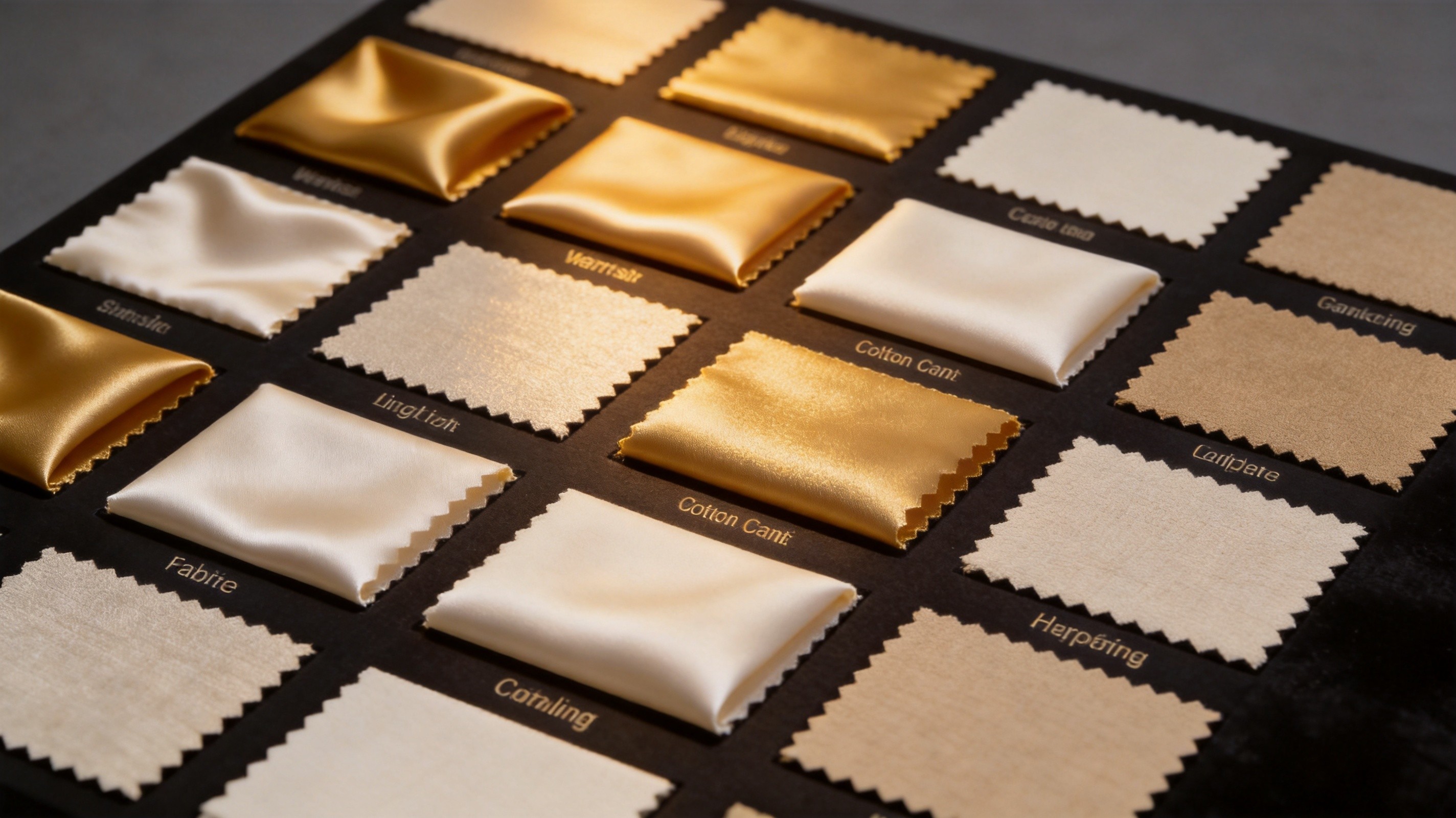
Strategic material selection requires balancing brand values, customer expectations, and commercial viability
The material decision framework should address five sequential questions:
- What does your target customer genuinely value most? Survey existing customers rather than assuming. The loudest voices on social media about sustainability may not represent your actual buyer.
- What is your realistic retail price range? This determines which materials are commercially viable. A $100 retail bag cannot use premium plant-based leather and maintain acceptable margins.
- What durability expectations exist in your market? Department store brands face different return-rate pressures than fast-fashion brands. Match material lifespan to expected product lifespan.
- What is your brand's authentic story? Forced positioning as vegan or luxury when your supply chain doesn't support it creates vulnerability to credibility challenges.
- What regulatory environment are you selling into? EU markets face different compliance requirements (REACH, potential microplastic restrictions) than US or Asian markets.
Strategic material selection aligns brand values, customer expectations, and commercial viability
Innovations in Plant-Based Leather Alternatives
The plant-based leather sector is advancing rapidly, with new materials entering the market each year. Brand owners should track these innovations to identify options that may better serve their product requirements:
Mycelium Leather (Reishi, Mylo): Grown from mushroom root structures in controlled laboratory environments, mycelium leather offers the most convincing natural leather mimicry among plant-based options. The material grows in sheets within 2-3 weeks, can be produced in various thicknesses, and features a fibrous structure remarkably similar to animal collagen. Major brands including Stella McCartney, Hermès, and Lululemon have released mycelium-based products. Current cost is approximately $40-60 per square meter, with prices declining as production scales.
Tree Leather (Mirum): Made from natural rubber tree sap combined with plant-based fillers, Mirum contains zero petroleum-based polymers and is fully biodegradable. The material is produced by Natural Fiber Welding and has attracted investment from major luxury conglomerates. It can be embossed, dyed, and finished using techniques similar to genuine leather, reducing the learning curve for factories transitioning from traditional materials.
Corn-Based PU: Some manufacturers now produce PU leather using polyols derived from corn starch rather than petroleum. These bio-PU materials maintain the performance characteristics of conventional PU while reducing fossil fuel dependence by 30-50%. They represent a transitional technology—more sustainable than petroleum-based PU but not as revolutionary as fully plant-based alternatives.
Tea Leather (Kombucha-derived): The cellulose pellicle produced during kombucha fermentation can be dried and processed into a leather-like material. While still primarily used by independent artisans, research institutions are working to scale production for commercial viability. The material is naturally translucent and biodegradable but currently lacks the durability for heavy-use bag applications.
End-of-Life Considerations and Biodegradability Reality
Marketing materials often emphasize the "eco-friendly" nature of vegan leather, but end-of-life reality is more complex. Brand owners making sustainability claims should understand the biodegradability nuances:
| Material Type | Biodegradable? | Conditions Required | Timeline | Microplastic Risk |
|---|---|---|---|---|
| Conventional PU Leather | No | N/A | 50+ years (fragmentation) | High |
| PVC Leather | No | N/A | 100+ years | Very High |
| Bio-PU (corn-based) | Partially | Industrial composting | 2-5 years (bio-content) | Moderate |
| Mycelium (pure) | Yes | Home or industrial composting | 6-12 months | None |
| Mirum/Tree Leather | Yes | Industrial composting | 1-2 years | None |
| Piñatex (uncoated) | Yes | Industrial composting | 1-2 years | Low |
| Desserto (cactus) | Partially | Industrial composting | 3-5 years | Moderate |
Many popular vegan leathers—including PU, PVC, and most plant-based options coated with PU—contain petroleum-based polymers that do not biodegrade. When these materials break down, they fragment into microplastics that persist in the environment indefinitely. Brand owners claiming "biodegradable" or "compostable" should have third-party certifications (such as TÜV OK Biodegradable or BPI Certified) to substantiate those claims.
For brands prioritizing end-of-life sustainability alongside vegan principles, mycelium-based and Mirum-type materials represent the most honest options. These genuinely biodegrade under appropriate conditions without leaving microplastic residues. However, they currently cost 3-5x more than conventional PU, which impacts pricing decisions. The recycled materials market offers intermediate options that reduce environmental impact without the premium of fully bio-based alternatives.
Brand Positioning Strategies for Vegan vs Leather Collections
The decision between vegan and real leather extends beyond material properties—it shapes your entire brand narrative and market positioning. Strategic considerations include:
Single-Material vs Hybrid Approach: Some brands commit exclusively to vegan materials, building their entire identity around cruelty-free principles. Others offer both vegan and leather lines, serving different customer segments. The hybrid approach generates broader market coverage but requires careful brand messaging to avoid diluting either position. Brands choosing this path typically separate collections with distinct naming and visual identity.
Transparency in Marketing: Modern consumers scrutinize sustainability claims. Rather than simply labeling products as "vegan leather" (which includes petroleum-based PU), specify the exact material type and its properties. "Our bag is made from Mylo™ mycelium leather, a plant-based material grown from mushroom roots" is far more credible than "premium vegan leather." Specificity builds trust.
Price Positioning: Vegan leather products occupy different price tiers depending on the material. Conventional PU bags occupy the affordable segment ($50-150 retail), while mycelium and Mirum-based bags command premium pricing ($300-800+). Position your vegan leather collection in the tier that aligns with your brand's overall pricing architecture and your customers' expectations.
Story Integration: The most effective brand strategies weave material selection into a broader narrative about values, lifestyle, and aspiration. A vegan leather bag is not simply "not leather"—it represents a conscious choice that connects to larger themes of sustainability, innovation, and ethical consumption. Build your marketing content around these themes using consistent brand storytelling across all touchpoints.
Working with an experienced manufacturing partner who handles both genuine leather and vegan materials allows you to develop and compare prototypes in both material types, making informed decisions based on physical samples rather than assumptions alone. This dual-capability approach gives your brand maximum flexibility as the market evolves.
Need Help Choosing the Right Material for Your Brand?
Our material specialists work with brand owners to evaluate options across real leather, vegan leather, and innovative alternatives. We provide sampling, testing, and production support. MOQ starts at 200 pcs/style.
Email: service@junyuanbags.com | WhatsApp: +86 17750020688
Request Material SamplesFrequently Asked Questions
Is vegan leather more sustainable than real leather?
The comparison is more complex than often presented. PVC-based vegan leather has significant environmental concerns. Plant-based alternatives show lower carbon footprints but lack scale. Real leather from certified tanneries has improved environmental performance. The most sustainable choice depends on specific materials and your brand's priorities across carbon, water, chemicals, and waste.
How durable is vegan leather compared to real leather?
High-quality real leather generally outlasts vegan alternatives significantly. Real leather bags last 15–30+ years while most vegan leather shows meaningful wear within 2–5 years. Next-generation plant-based materials are improving, but for luxury positioning and longevity, real leather remains the superior choice.
What is the market size for vegan leather handbags?
The global vegan leather market was valued at approximately $28 billion in 2024, projected to reach $45–50 billion by 2030. The handbag segment represents roughly 25–30% of this market, with growth driven by consumer awareness and improving material quality.
Can vegan leather be used for luxury handbags?
Yes — brands like Stella McCartney have positioned vegan leather as luxury. However, achieving this requires careful selection of high-end plant-based materials, premium hardware, and superior construction. The main challenge remains replicating the aging characteristics that many luxury consumers value in real leather.
What are the main types of vegan leather for handbags?
Main types include PU leather (most common), PVC vinyl (declining), and plant-based options like apple skin, cactus leather, mushroom leather, Piñatex, cork fabric, and rPET-based alternatives. Each offers distinct properties for cost, durability, hand-feel, and sustainability profile.
Continue Exploring
Deepen your materials knowledge: Full-Grain vs Top-Grain vs Genuine Leather, PU Leather Quality Grades, Recycled Materials for Handbags, and Canvas vs Leather vs Nylon Compared. Visit our services page for production support or about page to learn about our factory capabilities.
Limitations and Scope of This Guide
This guide covers vegan leather vs real leather comparison covering pros, cons, market trends, and implications for bag brands. It is based on our experience as a handbag manufacturer in Quanzhou, China, serving brands worldwide since 2004. Key limitations to keep in mind:
- This comparison covers general categories. Specific vegan leather types (PU, cactus, apple, mushroom) have vastly different properties—broad generalizations may mislead.
- Environmental impact comparisons are complex and contested. Studies favoring either material often use different system boundaries and assumptions.
- Market trend data reflects 2026 conditions. Consumer preferences between vegan and real leather are influenced by generational shifts, cultural factors, and economic conditions.
For advice tailored to your specific situation, contact our team directly.