Table of Contents
- Understanding the Terminology Confusion
- What Is White Label Handbags?
- What Is Private Label Handbags?
- Key Differences: Ownership, Customization, MOQ
- Pros and Cons of White Label
- Pros and Cons of Private Label
- Cost Comparison: White Label vs Private Label
- Which Model Fits Your Business Stage?
- Transitioning from White Label to Private Label
- Hybrid Approaches: Best of Both Worlds
- Real-World Examples and Case Studies
- How to Choose the Right Factory Partner
- Long-Term Brand Strategy Considerations
- Special Considerations for Amazon Sellers
- Decision Framework: Choosing Your Path
- Frequently Asked Questions
The terms "white label" and "private label" get used interchangeably across the handbag industry — but they describe fundamentally different business models with distinct implications for your brand's ownership, product uniqueness, cost structure, and growth trajectory. Understanding these differences clearly before committing to a manufacturing approach saves significant time, money, and strategic missteps.
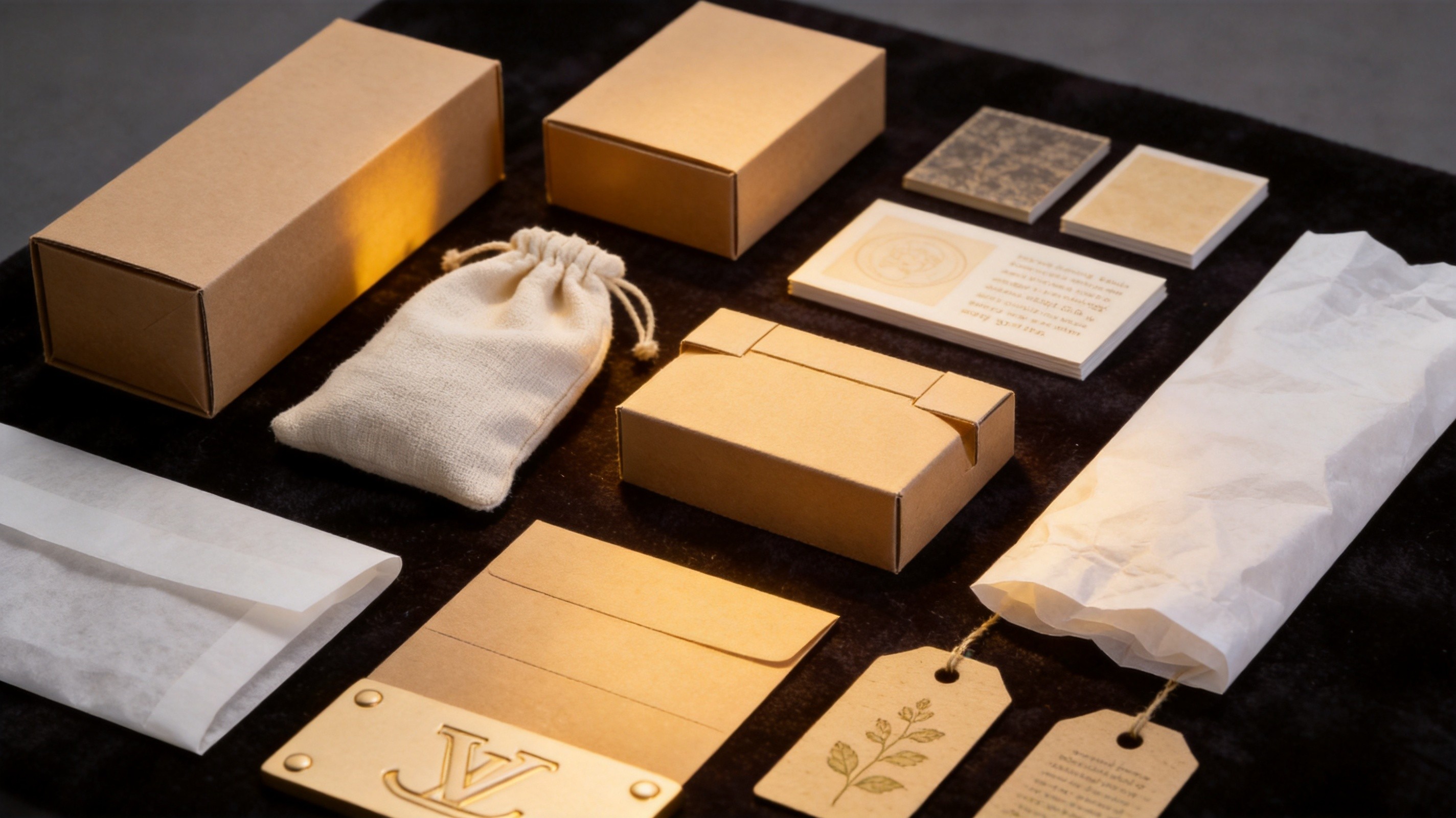
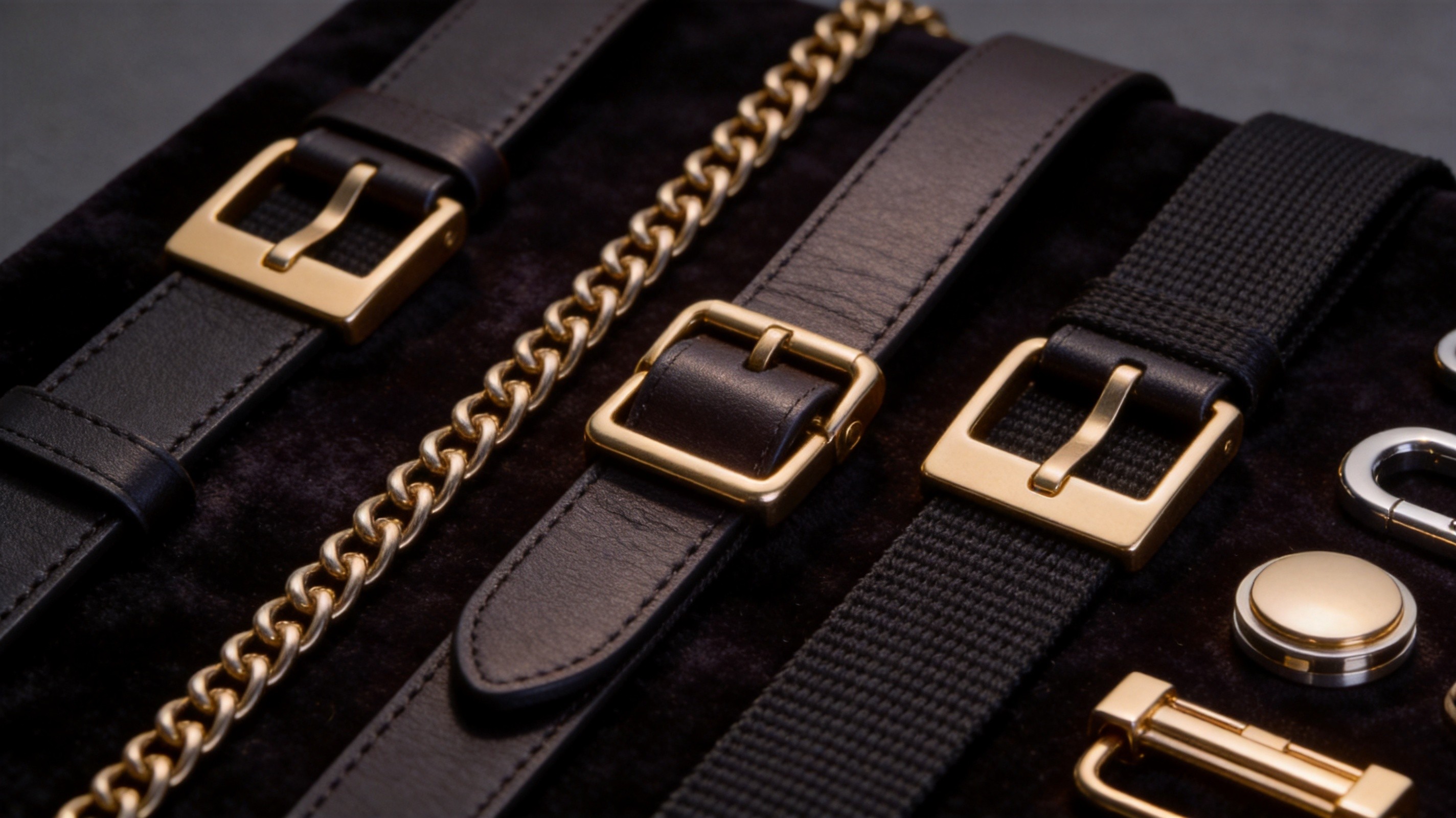
This guide provides the definitive comparison between white label and private label handbags, covering everything from ownership structures and customization levels to cost analysis and growth pathways. Based on 20+ years of manufacturing experience serving brands across both models, we offer the practical perspective that helps you make the right choice for your specific situation.
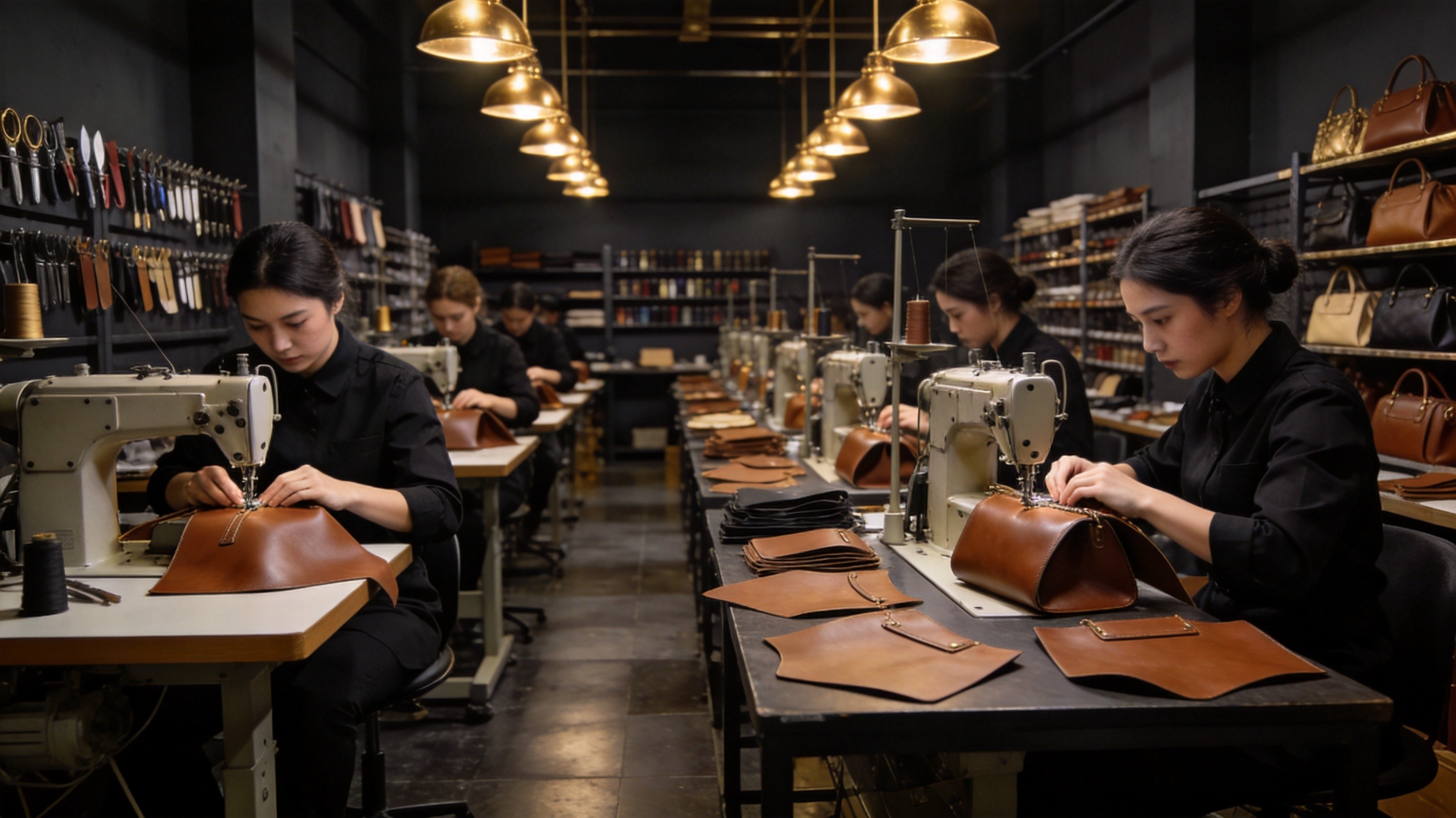
Understanding the distinction between white label and private label is critical for your brand strategy
Understanding the Terminology Confusion
The confusion between white label and private label stems from the fact that both models involve selling products under your own brand name. However, the path to that outcome — and what you actually own and control — differs dramatically.
Why the Confusion Exists
Many manufacturers and sourcing agents use "private label" as a catch-all term for any arrangement where the buyer's brand appears on the product. This loose usage blurs the distinction between true private label (custom-designed, brand-owned products) and white label (pre-designed products where the buyer simply adds their logo). Additionally, some factories offer a spectrum of services between the two extremes, further muddying the terminology.
Why the Distinction Matters
The model you choose determines your level of product differentiation, your intellectual property rights, your manufacturing costs, your minimum order quantities, and your brand's long-term defensibility. A brand built on white label products faces different competitive dynamics than one built on genuinely private label products.
What Is White Label Handbags?
White label handbags are pre-designed, pre-produced (or catalog-designed) products created by a factory and offered to multiple buyers. Each buyer purchases the same base product and adds their own brand label, logo, or packaging. The factory owns the design; the buyer owns only the brand under which they sell it.
How White Label Works in Practice
A factory designs and develops a collection of handbag styles. They photograph these styles, list them in their catalog, and offer them to any buyer who wants to purchase. The buyer selects styles they like, orders with their logo debossed or printed on the bag and packaging, and sells under their brand name. The same bag — perhaps with a different logo — appears in dozens of other brands' catalogs and online stores.
Typical White Label Characteristics
- Design owned and controlled by the factory
- Same product available to multiple competing brands
- Limited customization: logo placement, color options, packaging
- Low MOQs (often 50-200 pieces)
- Fast turnaround (2-4 weeks typical)
- Low upfront investment (no design or pattern development costs)
What Is Private Label Handbags?
Private label handbags are custom-designed products created exclusively for one brand. The brand owns the design, controls every specification — from silhouette and dimensions to materials, hardware, stitching, and interior configuration — and the factory produces the product solely for that brand. No other buyer receives the same design.
How Private Label Works in Practice
The brand (or a designer working for the brand) creates original designs, often expressed through a detailed tech pack. The factory develops patterns, sources specified materials, creates custom hardware if needed, produces samples for approval, and manufactures the final product exclusively for the brand. The design is proprietary — the factory cannot sell the same design to any other buyer.
Typical Private Label Characteristics
- Design owned and controlled by the brand
- Exclusive product — no other brand sells the same design
- Full customization: every design element is brand-controlled
- Higher MOQs (typically 200-500 pieces per style)
- Longer development timeline (4-8 weeks for sampling, 30-45 days for production)
- Higher upfront investment in design, sampling, and tooling
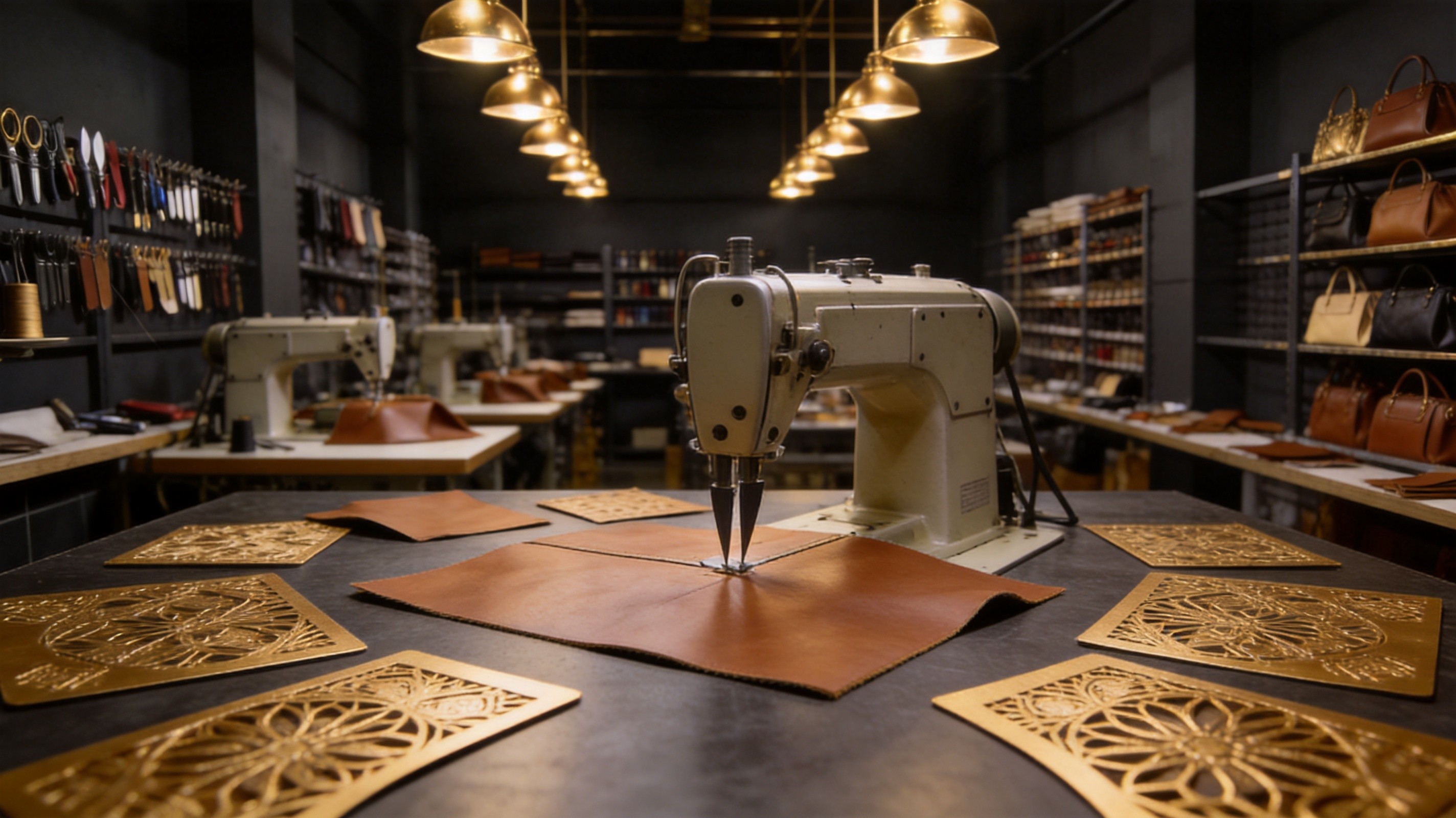
Private label products feature original designs owned exclusively by the brand
Key Differences: Ownership, Customization, MOQ
Understanding the structural differences between white label and private label requires examining several dimensions side by side.
| Dimension | White Label | Private Label |
|---|---|---|
| Design Ownership | Factory owns the design | Brand owns the design |
| Product Exclusivity | None — same product sold to multiple brands | Full — design produced only for your brand |
| Customization Level | Logo, color, packaging only | Every element: design, materials, hardware, construction |
| MOQ | 50-200 pieces | 200-500 pieces per style |
| Development Time | 1-2 weeks (select from catalog) | 4-8 weeks (design through sample approval) |
| Production Lead Time | 2-3 weeks | 30-45 days |
| Upfront Investment | $500-2,000 | $3,000-15,000+ |
| IP Protection | None — design not protectable | Full — design patent and trade dress protection available |
| Brand Differentiation | Low — identical products across competitors | High — unique products define your brand |
| Scalability | Limited by factory catalog options | Unlimited — expand your design library freely |
Pros and Cons of White Label
Advantages of White Label
White label offers compelling benefits for brands in their earliest stages. The low upfront investment means you can launch a product line with minimal capital risk. Fast turnaround times allow you to test multiple styles quickly, identify winners, and build initial revenue without long development cycles. The low MOQ means you can start with small quantities and scale based on actual market response.
Disadvantages of White Label
The fundamental limitation of white label is commoditization. Because your competitors sell the same product, differentiation depends entirely on branding, marketing, and price — not product uniqueness. Price competition becomes inevitable when consumers discover identical products at different price points. You cannot build defensible intellectual property, and your brand has no unique product story to tell.
Pros and Cons of Private Label
Advantages of Private Label
Private label creates genuine product differentiation that competitors cannot replicate. Your designs become your intellectual property, protectable through design patents and trade dress rights. Customers choose your brand because they love your unique designs — not because you offer the lowest price on a commodity product. This differentiation supports premium pricing, stronger margins, and deeper brand loyalty.
Disadvantages of Private Label
Private label requires significantly more upfront investment in design development, sampling, and custom tooling. Lead times are longer because each product must be developed from scratch. MOQs are higher because the factory invests in custom patterns and materials specific to your design. If a design fails in the market, the development investment is lost — unlike white label, where you can simply select a different catalog style.
Cost Comparison: White Label vs Private Label
Understanding the full cost picture — not just unit price but total investment — is essential for choosing the right model.
| Cost Category | White Label | Private Label |
|---|---|---|
| Design Development | $0 (factory provides designs) | $500-3,000 per style |
| Sampling | $0-50 (catalog sample) | $100-500 per style |
| Custom Tooling/Molds | $0 | $200-2,000 (if custom hardware needed) |
| Unit Cost (200 pcs) | $12-25 | $18-45 |
| Unit Cost (1,000 pcs) | $10-20 | $14-35 |
| Total Launch Cost | $2,400-5,000 (3 styles, 200 pcs each) | $8,000-25,000 (3 styles, 200 pcs each) |
| Branding/Logo Application | $0.50-2.00 per unit | Included in unit cost |
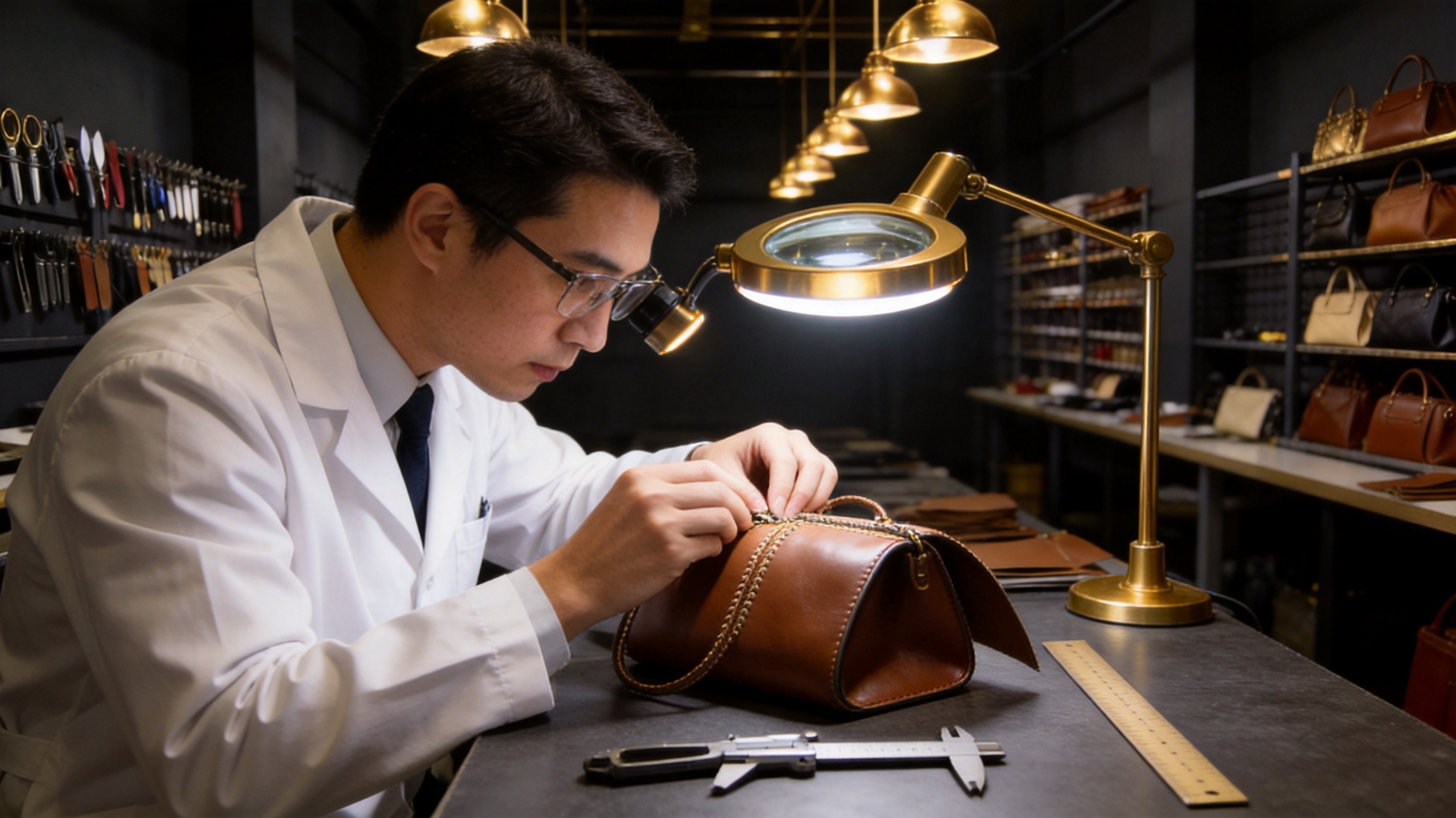
Total cost analysis reveals the investment difference between white label and private label approaches
Which Model Fits Your Business Stage?
The right model depends heavily on where your brand is in its development journey.
Pre-Launch / Idea Stage
White label serves entrepreneurs validating market demand before committing to design investment. If you want to test whether your target audience will purchase handbags at your intended price point, white label lets you do so with minimal financial risk.
Early Stage (0-12 months revenue)
Brands generating initial revenue often operate a mix — white label for bread-and-butter basics, private label for signature hero products that define the brand's identity and attract press attention.
Growth Stage (12-36 months)
Established brands should transition predominantly to private label. At this stage, your brand identity is established, your customer base understands your aesthetic, and product differentiation becomes essential for continued growth and margin protection.
Mature Stage (36+ months)
Mature brands operate almost exclusively in private label territory, with custom designs protected by intellectual property rights. White label, if used at all, is limited to accessory categories where customization adds minimal brand value.
Transitioning from White Label to Private Label
Many successful brands follow a natural progression from white label to private label as they grow. Managing this transition strategically prevents disruption to your revenue stream.
When to Start the Transition
Begin transitioning when your white label products generate consistent revenue, you understand your customer preferences, and you have identified the design elements that resonate most with your audience. Use these insights to inform your private label designs — your customers have already told you what they want.
Phased Transition Approach
Rather than switching overnight, transition gradually. Replace your weakest-selling white label styles with private label designs first. Maintain white label products that perform well until you have private label alternatives ready. This approach maintains revenue continuity while building your proprietary product library.
Hybrid Approaches: Best of Both Worlds
Sophisticated brands combine white label and private label strategically rather than choosing one model exclusively.
The Core-Hero-Basic Model
Use private label for your hero products — the signature designs that define your brand and drive marketing. Use white label (with extensive customization) for basic categories like simple totes, pouches, and accessories where design differentiation matters less. This hybrid approach optimizes your investment while maintaining brand distinctiveness where it counts most.
Seasonal Strategy
Some brands use private label for seasonal collections (where unique designs drive excitement and full-price selling) and white label for evergreen basics (where consistent availability and lower costs matter more than uniqueness).
Real-World Examples and Case Studies
Understanding how other brands have navigated the white label versus private label decision provides practical context for your own choices.
Case Study: DTC Brand Launch
A direct-to-consumer brand launched with three white label crossbody styles, investing $4,500 in initial inventory. After six months of sales data revealed their customers preferred structured silhouettes in earth tones, they invested $12,000 in developing five private label designs based on these insights. Within 18 months, their average selling price increased 40% and their repeat purchase rate doubled — both attributable to the unique private label products that could not be compared directly to competitor offerings.
Case Study: Amazon Seller Transition
An Amazon FBA seller began with white label products to test demand across multiple bag categories. Once they identified their best-selling category (vegan leather tote bags), they transitioned to private label with differentiated design features, custom hardware, and branded packaging. This transition eliminated direct price comparison with identical products from other sellers and improved their profit margin by 18% despite higher unit costs.
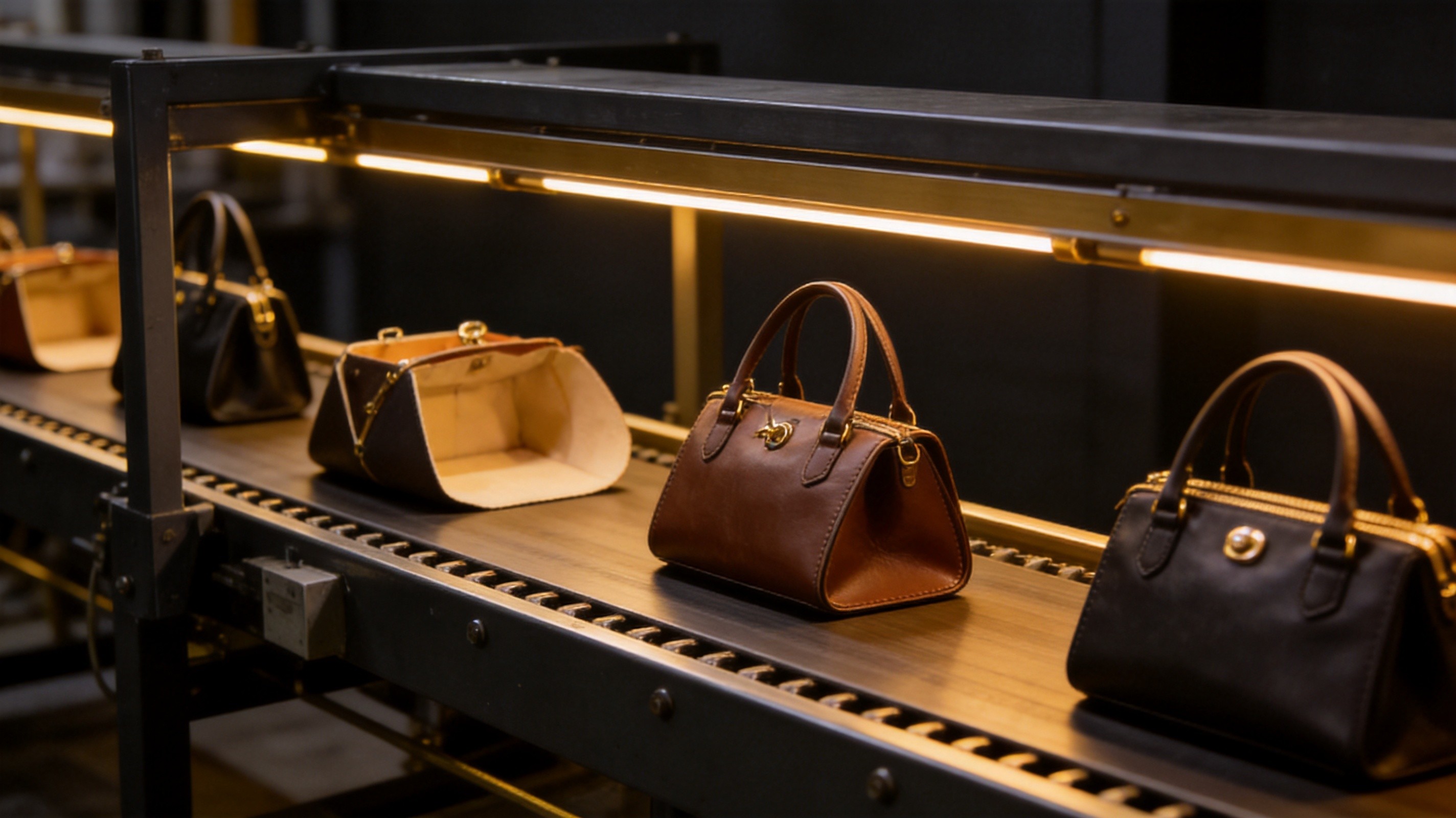
Strategic product line development balances white label basics with private label hero products
How to Choose the Right Factory Partner
Not all factories serve both white label and private label models equally well. Choose a partner whose capabilities align with your chosen approach.
For White Label Requirements
Look for factories with extensive catalog options, flexible MOQs, quick turnaround, and efficient logo application processes. The factory's design library breadth and customization options within the white label framework determine your product range potential.
For Private Label Requirements
Look for factories with strong design development capabilities, pattern-making expertise, custom hardware sourcing experience, and willingness to invest in your exclusive designs. The factory should treat your designs as confidential intellectual property and never replicate them for other clients.
Our product range and manufacturing services support both white label and private label approaches, allowing brands to evolve their manufacturing model as they grow. With MOQs starting at just 200 pieces per style for private label production, we make premium custom manufacturing accessible to emerging brands.
Long-Term Brand Strategy Considerations
Your manufacturing model affects your brand's long-term strategic position in the market. These considerations extend well beyond initial costs and timelines.
Building Defensible Brand Assets
Private label designs become intellectual property assets that increase in value as your brand grows. A library of proprietary designs, protected by design patents and trade dress rights, creates barriers to entry for competitors. White label products build no such defensible assets — your product range can be replicated by any competitor purchasing from the same factory.
Customer Loyalty and Brand Identity
Customers who love your unique designs become loyal advocates who return for new collections. Customers who purchase white label products have no compelling reason to return to your brand specifically — the same product is available from dozens of other sellers. This loyalty difference compounds over time, creating dramatically different business trajectories.
Special Considerations for Amazon Sellers
Amazon's marketplace dynamics create unique considerations for the white label versus private label decision.
Competition and Differentiation
Amazon's search algorithm surfaces identical products from multiple sellers, creating intense price competition for white label products. Private label products with unique designs face fewer direct comparisons, supporting higher prices and better margins. For detailed guidance, see our analysis of private label vs OEM vs ODM differences.
Brand Registry Benefits
Amazon Brand Registry requires trademarked products with unique branding. Private label products with original designs and registered trademarks gain access to enhanced brand content, A+ Content, and brand protection tools that white label sellers cannot access as effectively.
Decision Framework: Choosing Your Path
Use this decision framework to determine the right model for your current situation and near-term goals.
| Decision Factor | Choose White Label If... | Choose Private Label If... |
|---|---|---|
| Budget | Under $5,000 for initial inventory | $5,000+ available for development and production |
| Timeline | Need products within 2-4 weeks | Can invest 6-12 weeks in development |
| Brand Stage | Pre-revenue or testing market | Established identity with growing revenue |
| Differentiation | Competing on price, service, or niche | Competing on unique design and brand story |
| Long-term Vision | Short-term revenue generation | Building a lasting, defensible brand |
| Risk Tolerance | Low — prefer proven designs | Moderate — willing to invest in original design |
For brands ready to explore the full cost of launching a private label purse line, our team provides transparent guidance on investment requirements at every stage. Understanding the MOQ dynamics for private label production helps you plan your budget and timeline accurately.
Ready to Build Your Private Label Collection?
Custom-designed handbags exclusively for your brand. MOQ from 200 pcs per style.
📧 service@junyuanbags.com | 📱 +86 17750020688 | MOQ: 200 pcs/style
Frequently Asked Questions
What is the main difference between white label and private label handbags?
White label handbags are pre-designed products manufactured by a factory and sold to multiple buyers who each add their own brand label. Private label handbags are custom-designed products created exclusively for one brand, with full control over design, materials, hardware, and branding.
Can I transition from white label to private label as my brand grows?
Yes, many successful handbag brands start with white label products to test the market and build initial revenue, then transition to private label as they grow. The transition typically happens when the brand has established its aesthetic identity and developed the budget for custom design development.
Which is more profitable: white label or private label bags?
Private label bags typically command higher profit margins because they offer unique products that cannot be directly compared to competitors. White label products face commoditization pressure because multiple sellers offer identical items. However, white label has lower startup costs, making it accessible for brands with limited initial capital.
What is the typical MOQ difference between white label and private label?
White label handbags often have lower MOQs of 50-200 pieces since the factory produces the base design regardless. Private label handbags typically require 200-500 pieces per style because the factory must invest in custom patterns, material sourcing, and sometimes custom hardware molds for your exclusive design.
Limitations and Scope of This Guide
This guide covers the difference between white label and private label bags, including definitions, customization levels, costs, and strategic implications. It is based on our experience as a handbag manufacturer in Quanzhou, China, serving brands worldwide since 2004. Key limitations to keep in mind:
- Terminology varies across the industry. Some manufacturers use 'white label' and 'private label' differently than the definitions presented here.
- The choice between white label and private label depends on your brand strategy, budget, and timeline. Neither approach is universally better—it depends on your goals.
- Customization options and associated costs vary significantly between factories. The examples provided illustrate typical ranges, not fixed pricing.
For advice tailored to your specific situation, contact our team directly.