Table of Contents
- Material Landscape Overview
- Genuine Leather: Types and Grades
- Full-Grain Leather
- Top-Grain Leather
- "Genuine Leather" (The Grade)
- PU Leather: The Versatile Alternative
- Vegan Leather: Plant-Based Innovations
- Sustainable and Recycled Materials
- Fabric and Canvas Options
- Complete Material Comparison Table
- Cost Analysis by Material
- Durability and Lifespan Comparison
- Aesthetic Qualities and Brand Positioning
- How to Choose the Right Material for Your Brand
- Material Care and Maintenance
- Frequently Asked Questions
Material selection is the single most impactful decision in handbag design. It determines your product's look, feel, durability, price point, brand positioning, and environmental footprint. The wrong material choice can undermine an excellent design; the right material elevates it beyond expectations.
This comprehensive guide covers every material option available for handbag manufacturing in 2025 — from traditional leathers through cutting-edge sustainable alternatives. Each material is evaluated across cost, durability, aesthetics, workability, and brand positioning to help you make an informed decision for your private label collection.
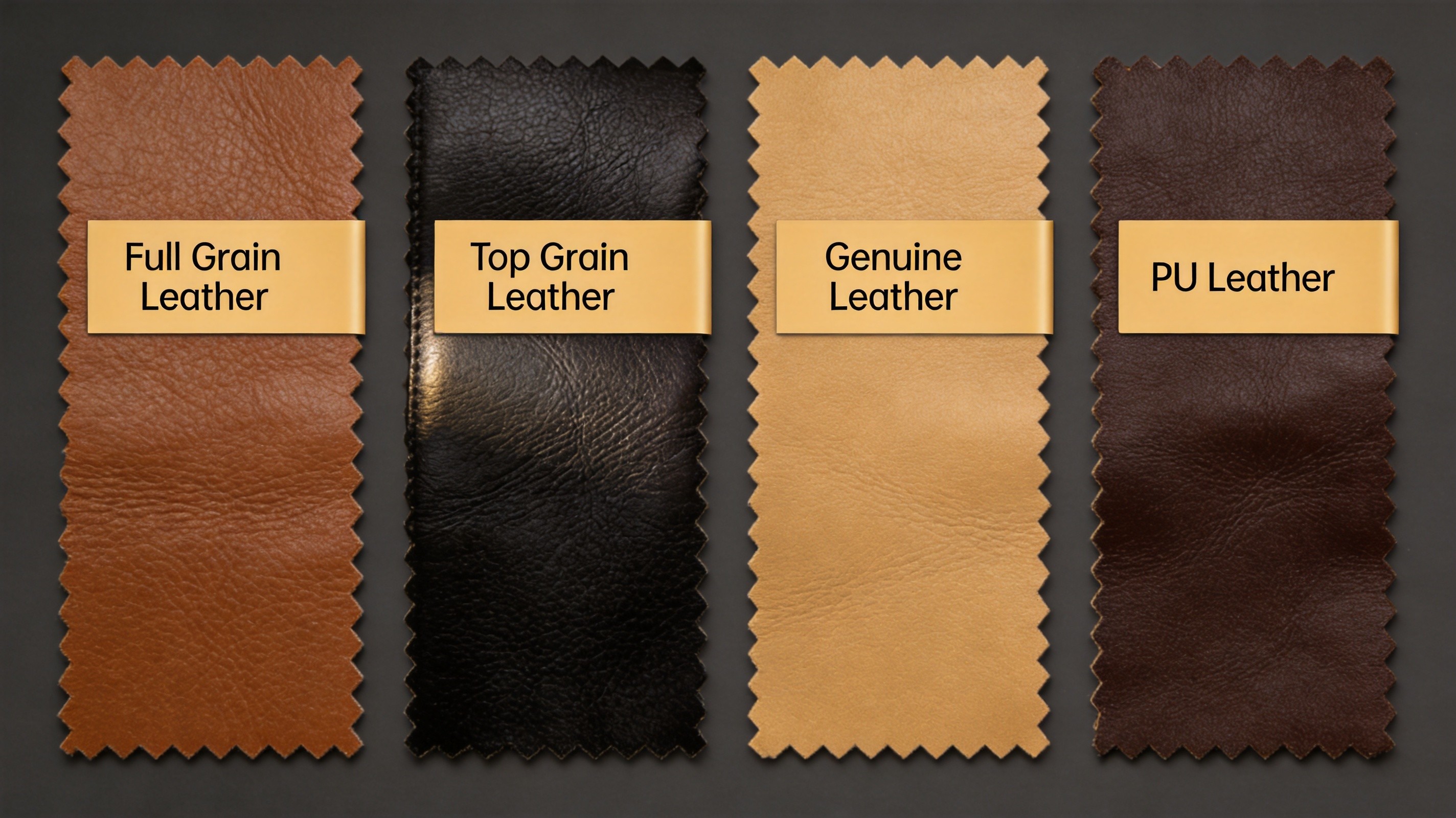
Understanding material properties helps you match the right material to your brand positioning
Material Landscape Overview
The handbag material landscape has expanded dramatically over the past decade. Beyond traditional leather and basic PU, brands now choose from advanced synthetic leathers, plant-based vegan alternatives, recycled materials, and hybrid composites. Each category serves specific market segments and brand positions.
| Category | Examples | Price Range | Market Position |
|---|---|---|---|
| Natural Leather | Full-grain, top-grain, split, suede | $$$ – $$$$ | Premium, Luxury |
| Synthetic Leather | PU, PVC, microfiber leather | $ – $$ | Accessible, Mid-range |
| Plant-Based Vegan | Cactus, pineapple, mushroom, apple | $$ – $$$ | Eco-conscious Premium |
| Recycled Materials | rPET, recycled nylon, recycled leather | $$ – $$$ | Sustainable, Contemporary |
| Natural Fibers | Cork, canvas, jute, rattan, straw | $ – $$ | Casual, Bohemian, Eco |
| Technical Fabrics | Neoprene, ballistic nylon, ripstop | $$ – $$$ | Sport, Urban, Functional |
Genuine Leather: Types and Grades
"Genuine leather" is both a material category and a specific grade — a distinction that confuses many consumers and new brand owners. Understanding leather grades prevents costly misunderstandings with suppliers and helps you communicate accurate product descriptions to customers.
Leather is produced from animal hides (primarily cattle) through a tanning process that preserves the raw hide and makes it suitable for manufacturing. The grade of leather depends on which layer of the hide is used and how it is processed.
Full-Grain Leather
Full-grain leather uses the entire thickness of the hide, including the outer grain layer with its natural markings, pores, and texture. It is the highest quality leather available — stronger, more durable, and more beautiful with age than any other grade.
Characteristics
- Appearance: Natural grain pattern with unique markings; no two pieces identical
- Feel: Firm, substantial, with a rich natural texture
- Aging: Develops a beautiful patina that enhances appearance over decades
- Durability: 20+ year lifespan with proper care; most durable leather grade
- Cost: $50-$120 per meter; $35-$80 per average handbag
Best For
Luxury brands, heritage-focused labels, premium-priced handbags, products where longevity and patina development are selling points. Full-grain leather justifies premium pricing and creates products that customers keep — and tell others about — for decades.
Top-Grain Leather
Top-grain leather is the second-highest quality. The outer grain layer is sanded or buffed to remove imperfections, then embossed with a uniform grain pattern. This process creates a more consistent appearance than full-grain while maintaining excellent durability.
Characteristics
- Appearance: Uniform, clean surface with consistent grain pattern
- Feel: Slightly softer than full-grain due to sanding process
- Aging: Minimal patina development; maintains consistent appearance
- Durability: 10-15+ year lifespan; excellent stain resistance due to surface treatment
- Cost: $30-$60 per meter; $20-$40 per average handbag
Best For
Contemporary premium brands, professional work bags, products requiring consistent color and appearance across production runs. Top-grain is the leather of choice for most designer brands that sit below the ultra-luxury tier.
"Genuine Leather" (The Grade)
Counterintuitively, "genuine leather" is the lowest common grade of real leather. It is made from the layers remaining after the top layers are separated for higher grades. It is real leather but lacks the strength, beauty, and longevity of full-grain or top-grain.
Characteristics
- Appearance: Often coated with heavy finish to create uniform appearance
- Feel: Stiffer and less supple than higher grades
- Aging: Does not develop attractive patina; may crack or peel over time
- Durability: 3-5 year lifespan; least durable real leather grade
- Cost: $15-$30 per meter; $10-$20 per average handbag
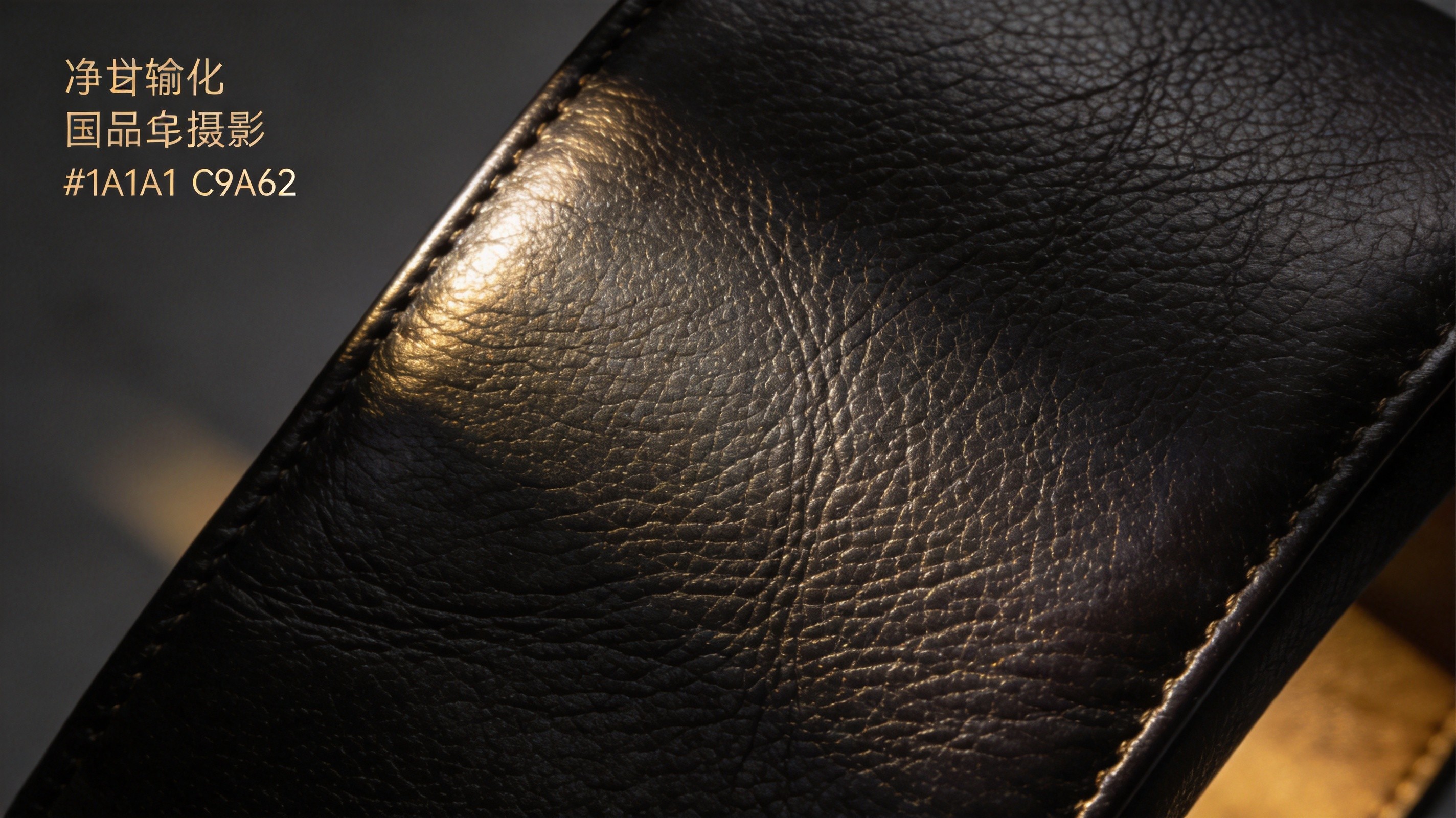
Different leather grades offer varying quality, durability, and price points
PU Leather: The Versatile Alternative
Polyurethane (PU) leather — also called faux leather or synthetic leather — consists of a fabric base (usually polyester or cotton) coated with a polyurethane finish that mimics the appearance and texture of genuine leather. Modern PU leather has improved dramatically in quality and realism.
Quality Tiers Within PU
| PU Grade | Characteristics | Cost per Meter | Lifespan |
|---|---|---|---|
| Basic PU | Thin coating, noticeable synthetic feel, limited grain options | $3 – $8 | 1 – 2 years |
| Standard PU | Better grain embossing, improved hand-feel, wider color range | $8 – $15 | 2 – 4 years |
| Premium PU | Close resemblance to leather, good durability, soft hand-feel | $15 – $25 | 3 – 5 years |
| Microfiber Leather | Near-identical to real leather in look and feel; most durable synthetic | $20 – $40 | 4 – 7 years |
Advantages of PU Leather
- Significantly lower cost than genuine leather at comparable aesthetics
- Consistent appearance — no natural variations or imperfections
- Available in unlimited colors, finishes, and textures
- Lighter weight than genuine leather
- Easier to clean and maintain
- Vegan-friendly and animal-free
- REACH-compliant formulations available for EU market
Limitations
PU leather does not develop a patina, is less breathable than genuine leather, may peel or crack after extended use, and lacks the prestige perception of real leather. Premium microfiber leather narrows these gaps but at higher cost.
Vegan Leather: Plant-Based Innovations
The vegan leather category has expanded beyond PU to include innovative plant-based materials derived from natural sources. These materials appeal to eco-conscious consumers seeking alternatives to both animal leather and petroleum-based synthetics.
Cactus Leather (Desserto®)
Made from nopal cactus grown in Mexico. The cactus is harvested, dried, crushed, and combined with bio-resins to create a leather-like material. Cactus leather is partially bio-based (approximately 50%),soft and supple, and available in various textures. Cost: $25-$50 per meter.
Pineapple Leather (Piñatex®)
Created from cellulose fibers extracted from pineapple leaves — a byproduct of pineapple harvesting that would otherwise be waste. Piñatex has a distinctive textured appearance and is used by several contemporary fashion brands. Cost: $20-$40 per meter.
Mushroom Leather (Mylo™, Reishi™)
Grown from mycelium (mushroom root structures) in controlled environments. Mushroom leather offers a remarkably leather-like feel and can be grown to specific thicknesses and textures. Still relatively new with limited production capacity. Cost: $30-$60 per meter.
Apple Leather
Made from apple pomace — the leftover pulp from apple juice production — combined with polyurethane. Apple leather offers a smooth finish and is gaining adoption among European fashion brands. Cost: $18-$35 per meter.
Plant-based vegan leathers offer innovative alternatives for eco-conscious brands
Important Distinction
Most plant-based vegan leathers are not 100% plant-derived. They typically combine 30-50% plant content with polyurethane or other bio-resins for durability and performance. Brands claiming "100% vegan leather" should verify the actual composition with their material supplier. Transparency about material composition builds consumer trust.
Sustainable and Recycled Materials
Beyond vegan leather, several sustainable material options serve brands prioritizing environmental responsibility.
Recycled Polyester (rPET)
Made from recycled plastic bottles, rPET can be woven into durable fabric suitable for tote bags, backpacks, and casual handbags. It reduces plastic waste and requires 59% less energy to produce than virgin polyester. Cost: $5-$12 per meter.
Recycled Nylon
Produced from discarded fishing nets, carpet fibers, and industrial nylon waste. Recycled nylon (like Econyl®) matches virgin nylon in quality and durability while reducing environmental impact. Popular for sport-luxury and technical bag designs. Cost: $8-$18 per meter.
Recycled Leather
Created from leather scraps and fibers bonded together with natural or synthetic binders. Recycled leather maintains the look and smell of genuine leather at reduced cost and environmental impact. Suitable for brands wanting leather aesthetics with sustainability credentials. Cost: $12-$25 per meter.
Cork
Harvested from cork oak trees without harming the tree, cork is naturally water-resistant, lightweight, and has a distinctive organic appearance. It works well for casual bags, clutches, and accessories. Cost: $8-$20 per meter.
Fabric and Canvas Options
Cotton Canvas
Heavy-weight cotton canvas (10-16 oz) creates durable, casual bags that can be printed, dyed, or painted. Canvas is affordable, easy to work with, and appeals to consumers seeking lightweight, washable bags. Cost: $3-$8 per meter.
Ballistic Nylon
Originally developed for flak jackets, ballistic nylon is extremely durable and abrasion-resistant. It creates sleek, modern bags with excellent weather resistance. Popular for men's bags, travel accessories, and urban carry. Cost: $8-$15 per meter.
Neoprene
This synthetic rubber material offers a distinctive modern aesthetic with excellent shape retention, water resistance, and padding properties. Neoprene bags are lightweight, easy to clean, and appeal to sport-luxury and contemporary markets. Cost: $10-$20 per meter.
Complete Material Comparison Table
| Material | Cost/Bag | Lifespan | Weight | Water Resistance | Brand Tier |
|---|---|---|---|---|---|
| Full-Grain Leather | $35 – $80 | 20+ years | Heavy | Moderate | Luxury |
| Top-Grain Leather | $20 – $40 | 10 – 15 years | Heavy | Moderate | Premium |
| Genuine Leather | $10 – $20 | 3 – 5 years | Heavy | Low | Mid-range |
| Premium PU | $5 – $10 | 3 – 5 years | Light | Good | Mid-range |
| Microfiber Leather | $12 – $25 | 4 – 7 years | Medium | Good | Mid-Premium |
| Cactus Leather | $15 – $30 | 3 – 5 years | Light | Moderate | Eco-Premium |
| Piñatex | $12 – $25 | 2 – 4 years | Light | Low | Eco-Contemporary |
| Cork | $5 – $12 | 5 – 8 years | Very Light | Excellent | Eco-Casual |
| rPET Fabric | $3 – $8 | 3 – 5 years | Very Light | Low | Eco-Accessible |
| Canvas | $1 – $4 | 3 – 5 years | Light | Low | Casual |
Cost Analysis by Material
Material cost directly determines your retail pricing strategy and profit margins. The following analysis shows how material choice affects total production cost and suggested retail price range.
| Material | Production Cost (PU tote example) | Suggested Retail | Gross Margin |
|---|---|---|---|
| Basic PU | $8 – $12 | $35 – $55 | 65% – 78% |
| Premium PU | $12 – $18 | $55 – $95 | 68% – 81% |
| Genuine Leather | $22 – $35 | $95 – $180 | 63% – 77% |
| Top-Grain Leather | $35 – $55 | $180 – $350 | 69% – 84% |
| Full-Grain Leather | $50 – $95 | $300 – $600+ | 71% – 84% |
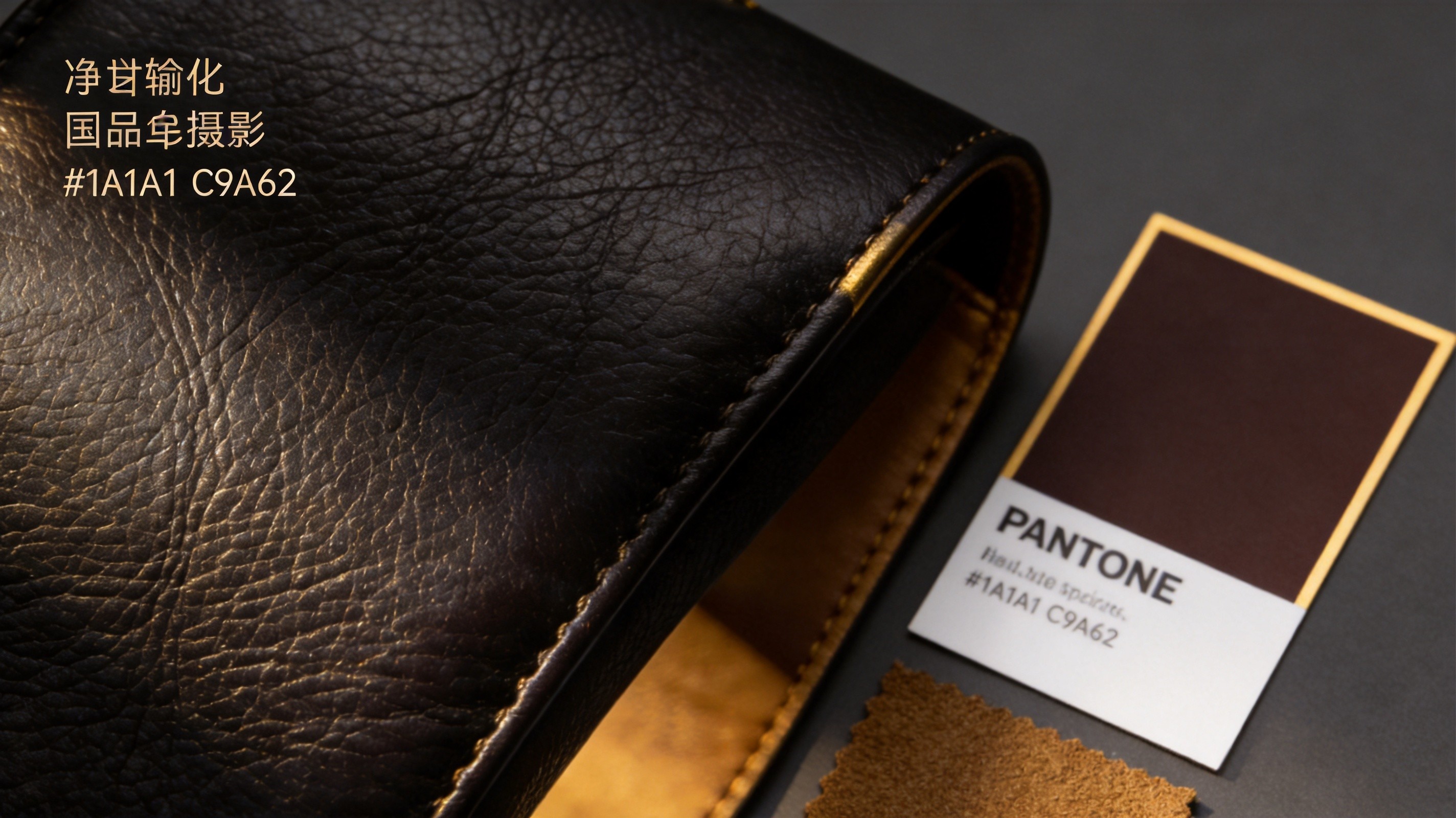
Material selection directly impacts your cost structure and pricing strategy
Durability and Lifespan Comparison
Durability affects customer satisfaction, return rates, brand reputation, and your product's lifetime environmental impact. Understanding how materials perform over time helps you set accurate customer expectations.
Wear Resistance Factors
- Scratch resistance: Full-grain leather and microfiber leather perform best; basic PU shows scratches easily
- Corner wear: Leather (all grades) wears gracefully; PU may peel at stress points; fabric frays
- Color fastness: Top-grain leather and premium PU resist fading; basic PU and vegan leathers may fade in direct sunlight
- Moisture damage: Cork and treated nylon excel; untreated leather and canvas stain easily
- Structural integrity: Leather maintains structure longest; fabric bags may sag; some vegan leathers soften excessively
Aesthetic Qualities and Brand Positioning
Material choice communicates brand values before a customer reads a single word of your product description. The material sends signals about quality, sustainability, luxury, and target audience.
Perception by Material
| Material | Consumer Perception | Brand Signal |
|---|---|---|
| Full-Grain Leather | "This will last a lifetime" | Heritage, craftsmanship, luxury |
| Top-Grain Leather | "Quality designer product" | Professional, premium, reliable |
| Premium PU | "Stylish and affordable" | Fashion-forward, accessible, practical |
| Plant-Based Vegan | "Ethical and innovative" | Sustainable, modern, conscious |
| Recycled Materials | "Environmentally responsible" | Eco-minded, transparent, progressive |
| Canvas | "Casual and practical" | Approachable, everyday, functional |
How to Choose the Right Material for Your Brand
Decision Framework
- Define your retail price point — this narrows viable material options immediately
- Identify your target customer's values — luxury-seeking, eco-conscious, practical, or trend-driven
- Consider your product category — everyday totes need durability; evening clutches prioritize aesthetics
- Evaluate your brand story — heritage and craftsmanship favor leather; innovation and sustainability favor alternatives
- Test multiple options — request material swatches from your manufacturer before committing
Multiple Material Strategy
Many successful brands use different materials across their product range. A brand might offer full-grain leather for core classic styles, premium PU for trend-driven seasonal pieces, and vegan options for eco-conscious customers. Our product catalog demonstrates this multi-material approach, with each material matched to its ideal product category.
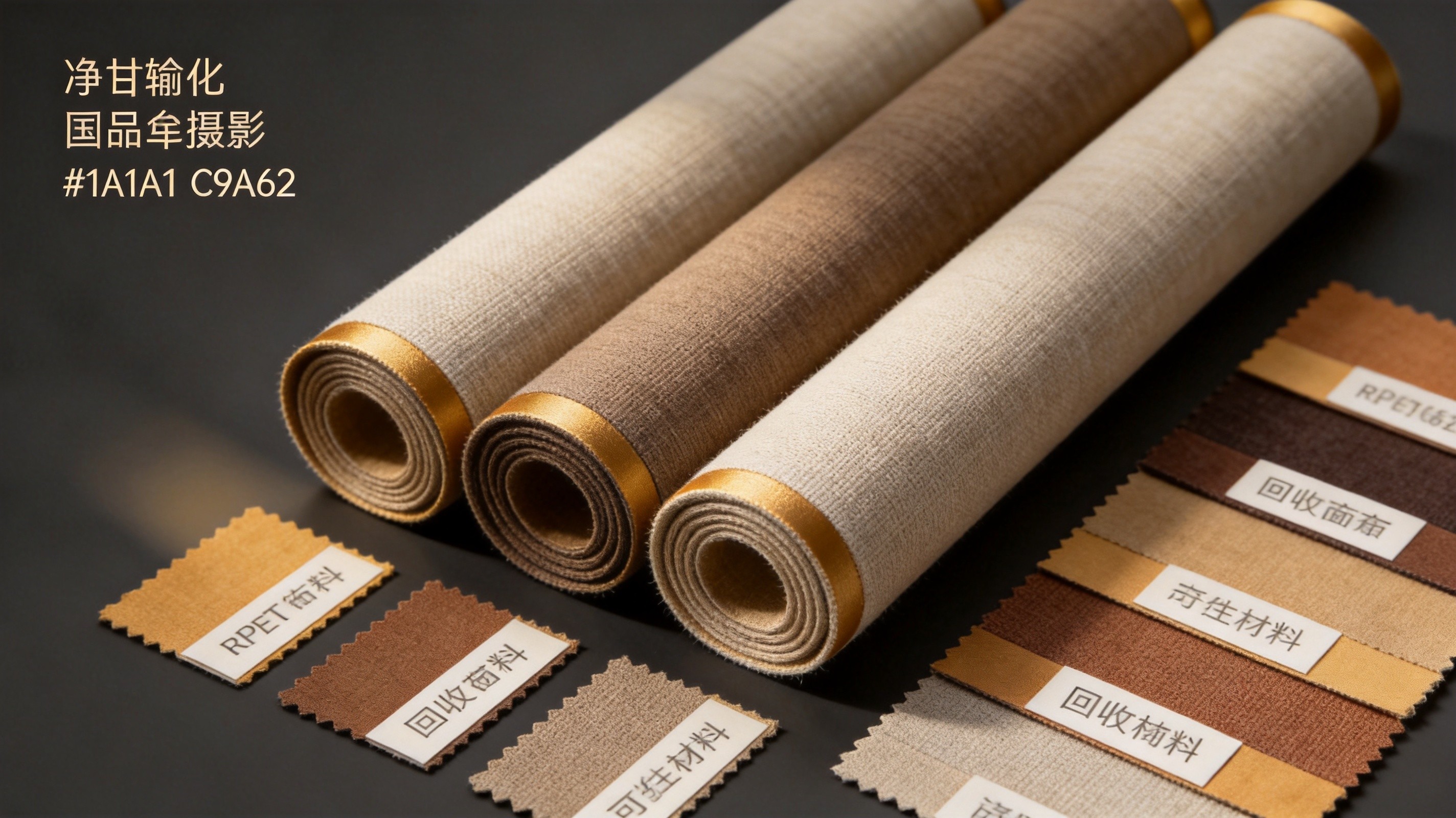
Request material swatches before committing to production to evaluate feel, color, and quality firsthand
Material Care and Maintenance
Understanding care requirements helps you provide accurate customer guidance and reduces warranty claims. Each material has specific maintenance needs.
Care Requirements by Material
- Full-grain leather: Condition every 3-6 months; avoid water exposure; store with shape stuffing
- Top-grain leather: Wipe clean with damp cloth; occasional conditioning; avoid prolonged sun exposure
PU leather: Wipe clean; no conditioning needed; avoid sharp objects; store away from heat - Vegan leather (plant-based): Follow manufacturer instructions; typically wipe-clean; avoid soaking
- Canvas: Machine washable (some); spot clean preferred; water-resistant sprays available
- Cork: Wipe with damp cloth; naturally antimicrobial; avoid prolonged water immersion
Selecting the right material for your brand requires expert manufacturing guidance. Purse Private Label works with every material category — from full-grain leather to cutting-edge vegan alternatives — across our 30,000 sqm manufacturing facility. We provide material swatches, sample pieces, and expert guidance to help you choose the perfect material for your brand's positioning and price point. Explore our manufacturing services or request a consultation to discuss your material requirements.
Ready to Launch Your Private Label Collection?
Get a free consultation and sample quote within 24 hours. MOQ from 200 pcs.
📧 service@junyuanbags.com | 📱 +86 17750020688 | MOQ: 200 pcs/style
Frequently Asked Questions
What is the best material for a handbag?
The best material depends on your brand positioning and customer expectations. Full-grain leather offers the highest quality and longevity for premium brands. High-grade PU provides the best value for mid-range brands. Vegan leather (cactus, pineapple, mushroom) serves eco-conscious consumers. Canvas works for casual, lightweight bags. There is no universally best material — the right choice aligns with your brand promise and price point.
Is PU leather as good as genuine leather for handbags?
PU leather has improved significantly in quality and can closely mimic the appearance and feel of genuine leather at 30-50% of the cost. However, genuine leather offers superior durability (10-20+ year lifespan vs 2-5 years for PU), develops a desirable patina over time, and carries higher perceived value. PU is excellent for fashion-forward designs at accessible prices, while genuine leather suits brands emphasizing longevity and craftsmanship.
What is the most sustainable material for handbags?
Sustainability depends on your priorities. Plant-based vegan leathers (cactus, pineapple, mushroom) offer renewable sourcing. Recycled materials (rPET, recycled nylon) reduce waste. Cork is naturally renewable and biodegradable. However, longevity is itself sustainable — a full-grain leather bag lasting 20 years may have lower lifetime environmental impact than a vegan leather bag replaced every 2 years. Consider the full lifecycle: sourcing, production, use lifespan, and end-of-life disposal.
Limitations and Scope of This Guide
This guide covers comprehensive guide to handbag materials including leather, PU, vegan alternatives, and sustainable options for brand owners. It is based on our experience as a handbag manufacturer in Quanzhou, China, serving brands worldwide since 2004. Key limitations to keep in mind:
- This guide covers the most commonly used handbag materials. Niche materials (fish leather, mushroom leather, stone-washed fabrics) are evolving rapidly and require direct consultation.
- Material performance data is based on standard testing conditions. Real-world durability depends on usage patterns, climate, and care by the end consumer.
- Sustainability claims for each material type are simplified for clarity. Full environmental impact assessment requires life-cycle analysis specific to your supply chain.
For advice tailored to your specific situation, contact our team directly.
Continue Reading