Table of Contents
- Why Long-Term Factory Partnerships Matter
- Setting Clear Expectations from Day One
- Communication Best Practices Over Time
- Visiting Your Factory: Building Personal Trust
- How to Handle Quality Issues Without Damaging Relationships
- Negotiating Better Terms as a Loyal Buyer
- Joint Product Development Opportunities
- Sharing Market Feedback with Your Factory
- Exclusive Arrangements and Priority Production
- Payment Term Evolution Over Time
- When to Stay vs When to Switch Factories
- The Relationship Maturity Curve
- Cultural and Relationship Investment
- Measuring Partnership Health
- Frequently Asked Questions
The difference between a transactional supplier relationship and a strategic manufacturing partnership is enormous — and it compounds over time. Brands that invest in building deep, long-term relationships with their handbag factories receive tangible benefits: better pricing, priority production scheduling, proactive quality improvements, flexible terms, and a partner who genuinely cares about their brand's success.
This guide provides a comprehensive framework for building and nurturing a long-term factory partnership, drawing on 20+ years of experience at our Quanzhou facility where we have cultivated partnerships with brands spanning every stage from startup to enterprise. Every insight reflects real relationship dynamics that have produced measurable business results.
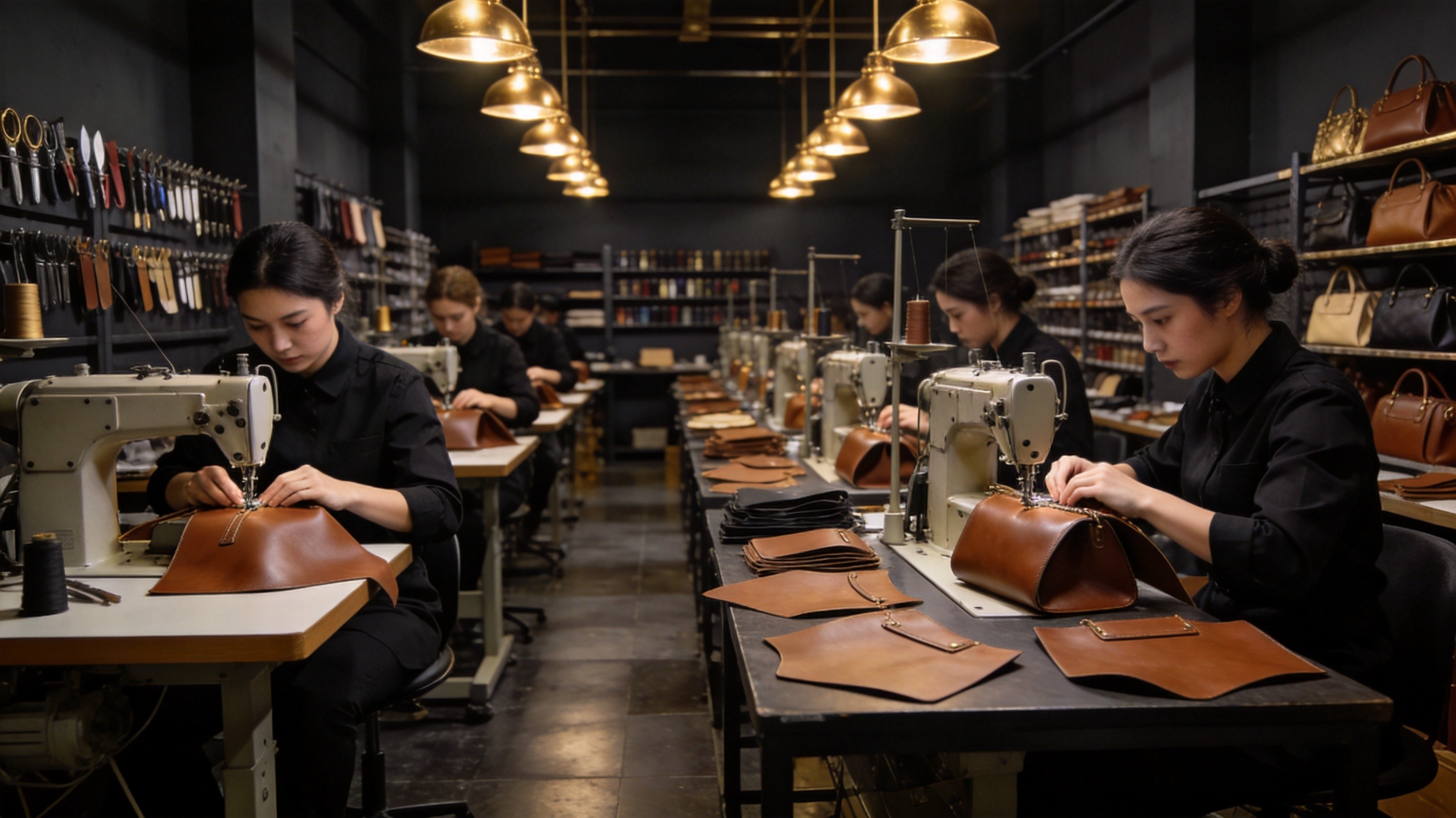
Strong factory partnerships compound in value over years of consistent collaboration
Why Long-Term Factory Partnerships Matter
In handbag manufacturing, relationships create value that price comparison alone cannot capture. The factory that views you as a strategic partner — not just another purchase order — invests differently in your success.
The Partnership Premium
Long-term partners receive tangible economic benefits. Factories offer loyal clients better pricing (typically 5-15% lower than one-time buyers), faster turnaround (priority scheduling ahead of newer clients), more flexible MOQs (accommodating test runs and smaller orders), and willingness to invest in process improvements specific to your products. These advantages compound over years of collaboration, creating a significant competitive edge over brands that switch factories frequently.
Knowledge Accumulation
Over multiple production cycles, your factory accumulates deep knowledge of your brand's quality standards, aesthetic preferences, construction details, and customer expectations. This institutional knowledge produces better output with fewer corrections — your factory learns which details matter most to your brand and allocates attention accordingly. A new factory starting from scratch must relearn these preferences through costly trial and error.
Setting Clear Expectations from Day One
The foundation of every strong partnership is clear, mutual expectations established before the first production run begins.
The Partnership Agreement
Beyond the purchase order, establish a partnership framework that covers: quality standards with photographic references, acceptable defect rates and resolution procedures, communication expectations and response time commitments, delivery timeline commitments and penalty/reward structures, intellectual property protections, pricing structure and review schedule, and growth plans that inform capacity allocation.
Growth Communication
Share your 12-month and 24-month volume projections from the beginning. A factory that knows you plan to scale from 200 to 5,000 units over 18 months can plan capacity, invest in appropriate equipment, and allocate skilled workers to your production line. Factories surprised by rapid growth often struggle to maintain quality and delivery performance because they cannot scale operations fast enough.
Communication Best Practices Over Time
Communication patterns established in the first few orders tend to persist throughout the relationship. Invest in building effective communication habits from the start.
Structured Check-Ins
Establish regular communication rhythms: weekly production updates during active production runs, monthly business reviews covering upcoming orders and pipeline, quarterly strategic discussions about product development and market trends, and annual in-person meetings (ideally at the factory). These structured touchpoints prevent the relationship from becoming purely transactional.
Transparency and Honesty
Share both good news and challenges honestly. If sales are declining and you need to reduce order quantities, communicate early rather than simply canceling orders. If a new collection exceeded expectations and you need to increase volumes urgently, share that too. Factories that understand your real business situation can plan more effectively and respond more flexibly.
For comprehensive guidance on factory communication, see our article on communication tips for working with Chinese bag factories.
Visiting Your Factory: Building Personal Trust
In Chinese business culture, face-to-face interaction carries weight that digital communication cannot match. An annual factory visit demonstrates commitment, builds personal trust, and provides insights that remote observation cannot deliver.
What to Observe During Visits
- Production floor conditions — cleanliness, organization, equipment maintenance
- Worker skill and morale — are experienced workers present? Is the workforce stable?
- Quality control processes — are documented QC procedures actually followed?
- Material storage — are materials stored properly to prevent damage?
- New capabilities — has the factory invested in new equipment or techniques?
- Capacity utilization — is the factory growing and thriving, or struggling?
Making the Most of Factory Visits
Beyond the business inspection, use visits to build personal connections. Dine with your factory contacts. Meet the production managers and senior craftspeople who work on your products. Bring small gifts from your home country. These personal investments strengthen the guanxi (guānxi) that underpins reliable business collaboration in Chinese culture.
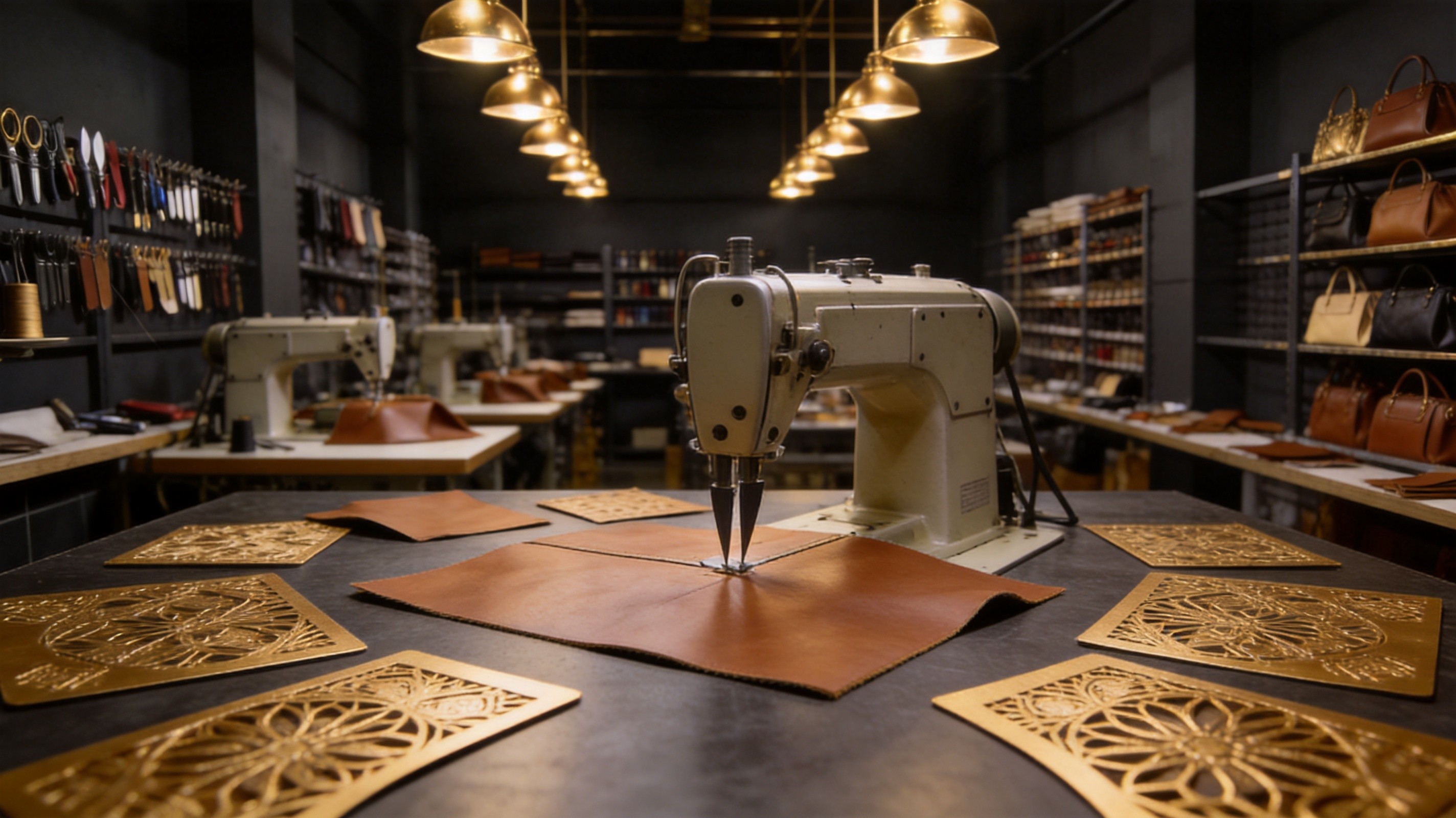
Annual factory visits build personal trust and provide insights that remote communication cannot deliver
How to Handle Quality Issues Without Damaging Relationships
Quality issues are inevitable in manufacturing. How you handle them determines whether the relationship strengthens through collaborative problem-solving or deteriorates through blame and defensiveness.
The Collaborative Approach
Approach quality issues as shared challenges rather than factory failures. Present evidence (photos, measurements, defect counts) factually, without emotional language. Ask the factory for their analysis of root causes. Work together to develop corrective actions. This approach preserves face, maintains trust, and produces better long-term results than adversarial confrontation.
Documenting Without Weaponizing
Maintain a quality issue log that tracks defects, root causes, and corrective actions over time. Share this log with your factory during quarterly reviews. The goal is continuous improvement — not punishment. Factories that receive constructive quality feedback improve faster and produce better results than factories that receive only complaints.
Negotiating Better Terms as a Loyal Buyer
Loyalty creates negotiation leverage that new buyers cannot access. After 12+ months of successful partnership, you have earned the right to request improved terms.
Terms That Improve with Loyalty
| Term | New Buyer | After 1 Year | After 3 Years |
|---|---|---|---|
| Unit Pricing | Base rate | 5-10% reduction | 12-18% reduction |
| Payment Terms | 30/70 deposit/balance | 20/80 | 15/85 or better |
| MOQ Flexibility | Standard MOQ | 50% of standard for test runs | Highly flexible |
| Sample Development | Sample fees apply | Reduced sample fees | Complimentary sampling |
| Lead Time Priority | Standard queue | Priority scheduling | Dedicated production line |
| Quality Investment | Standard QC | Enhanced QC attention | Dedicated QC resources |
How to Request Improvements
Frame term improvement requests within the context of mutual growth: "As our partnership has grown from 500 to 3,000 units annually, I would like to review our pricing structure to reflect the volume commitment and consistency we have demonstrated." This approach connects improved terms to demonstrated value rather than demanding concessions.
For detailed pricing negotiation strategies, see our guide on negotiating pricing with handbag factories.
Joint Product Development Opportunities
The strongest partnerships extend beyond production into collaborative product development. Your factory's manufacturing expertise provides insights that improve your products in ways you cannot discover independently.
Leveraging Factory Expertise
Factory technicians and master craftsmen have built hundreds of designs across multiple brands. They understand what construction methods produce the best durability, what material combinations work most effectively, and what design elements are most cost-efficient to produce. Solicit their input during the design phase — not just during production execution.
Co-Development Projects
Some of the most successful product developments emerge from collaborative brainstorming between brand and factory. Share your market research and customer feedback. Ask the factory to propose construction improvements or material alternatives you have not considered. This collaborative approach often produces products that are better, more durable, and more cost-effective than designs developed in isolation.
Sharing Market Feedback with Your Factory
Your factory benefits enormously from understanding how your products perform in the market. This information helps them prioritize quality attributes, suggest improvements, and align their production focus with what matters most to your customers.
What to Share
Share customer reviews (both positive and negative), best-selling styles and colorways, return reasons and quality complaints, competitor observations, and seasonal sales patterns. When your factory knows that customers love a specific stitching detail or consistently complain about a zipper issue, they can allocate quality attention more effectively.
Exclusive Arrangements and Priority Production
As your partnership deepens, explore exclusive arrangements that benefit both parties.
Design Exclusivity
Request that specific designs or construction methods developed for your brand are not shared with other clients. In exchange, commit to minimum annual volumes that justify the factory's exclusivity investment. This arrangement protects your design differentiation while providing the factory with predictable revenue.
Capacity Reservation
For growing brands, negotiate capacity reservation agreements that guarantee production slots during peak season. Commit to minimum quarterly volumes in exchange for guaranteed lead times and priority scheduling. This arrangement protects your delivery timeline while providing the factory with demand visibility.
Payment Term Evolution Over Time
Payment terms should evolve as trust and volume grow. Starting with standard 30/70 terms is appropriate for new relationships. As you demonstrate consistent ordering and reliable payment, negotiate progressively favorable terms.
The Trust-Based Progression
Orders 1-3: Standard 30/70 terms (establishing the relationship). Orders 4-8: Negotiate 20/80 or offer faster balance payment for a small discount. Orders 9+: Negotiate 15/85, net-30 on balance, or open account terms for your most established relationship. Each step reflects accumulated trust and demonstrated reliability.
When to Stay vs When to Switch Factories
Not every factory relationship should last forever. Recognizing when to invest in improvement versus when to transition to a new partner is one of the most important sourcing decisions you make.
Signs to Stay and Invest
- Quality is generally good with occasional fixable issues
- Communication remains responsive and constructive
- The factory demonstrates willingness to improve
- Pricing remains competitive relative to quality received
- The factory is investing in their own growth and capabilities
Signs to Plan a Transition
- Quality declines consistently despite clear feedback and corrective action
- Communication deteriorates — slow responses, evasiveness, broken commitments
- The factory cannot scale to meet your growing volume needs
- Pricing increases without corresponding quality or service improvements
- The factory loses key certifications or faces regulatory issues
- They repeatedly miss delivery deadlines without acceptable explanation
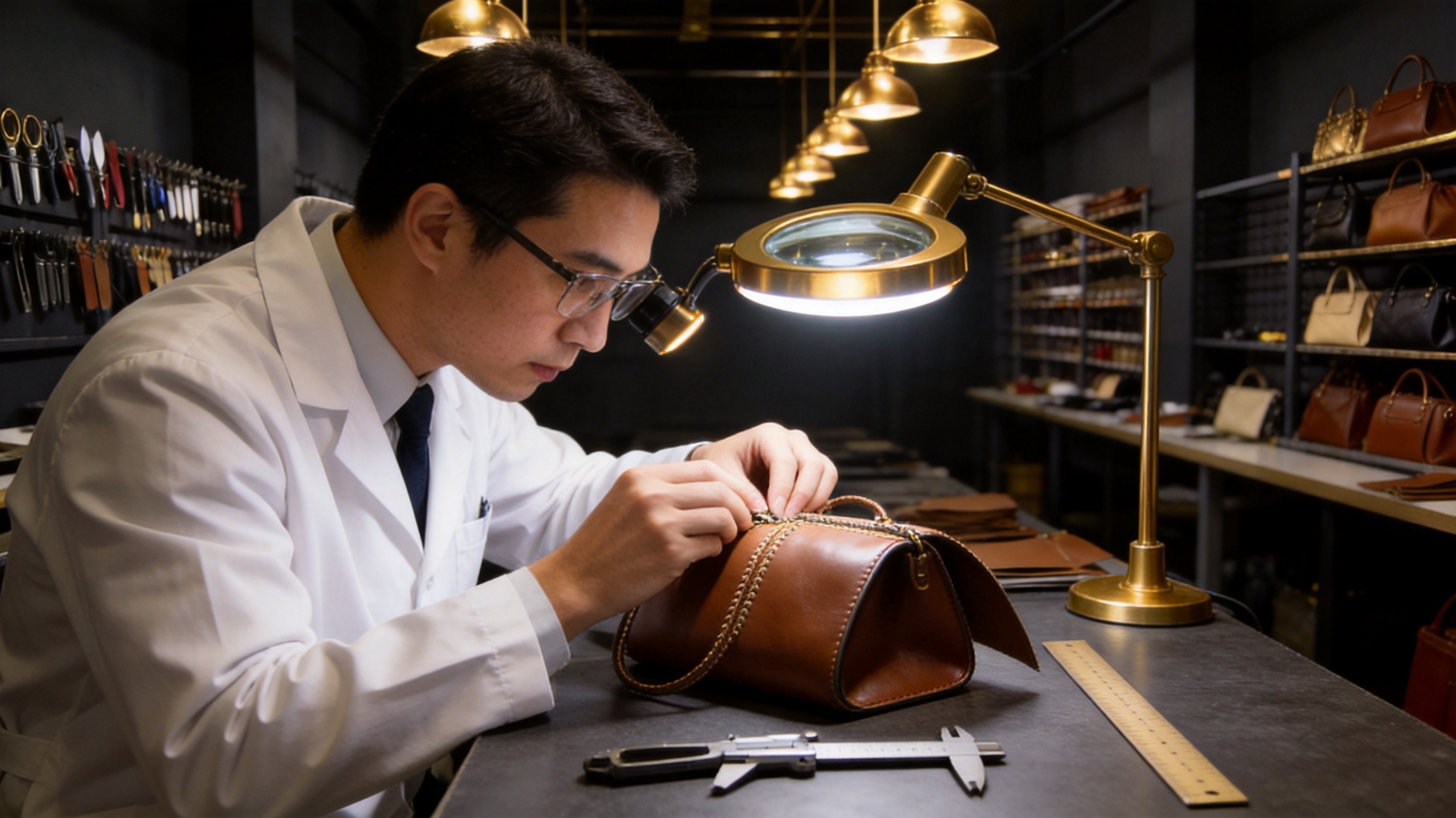
The best product results come from factory partnerships that deepen over multiple production cycles
The Relationship Maturity Curve
Factory partnerships evolve through predictable stages, each requiring different management approaches.
| Stage | Timeline | Characteristics | Your Focus |
|---|---|---|---|
| Evaluation | Months 1-3 | Sampling, initial orders, trust building | Verify quality, test communication, establish standards |
| Establishment | Months 3-12 | Regular orders, developing rhythms | Build communication patterns, provide feedback, grow volume |
| Optimization | Year 1-2 | Smooth operations, continuous improvement | Negotiate better terms, co-develop products, plan growth |
| Partnership | Year 2+ | Strategic collaboration, mutual investment | Joint development, exclusive arrangements, shared growth |
Cultural and Relationship Investment
Chinese business relationships thrive on personal connection beyond pure commercial exchange. Investing in the relationship dimension produces disproportionate returns in partnership quality.
Relationship-Building Actions
Acknowledge Chinese holidays with greetings or small gestures. Remember personal details about your key factory contacts. Send occasional updates about your brand's success — your factory takes pride in knowing their work contributes to your growth. When visiting, bring thoughtful gifts from your home country. These small investments in the human dimension of your business relationship build loyalty and goodwill that strengthens every commercial interaction.
Measuring Partnership Health
Periodically assess your factory partnership across key dimensions to identify issues before they become crises.
Partnership Health Scorecard
Rate your factory partnership quarterly across these dimensions: (1) Quality consistency — are defect rates stable or improving? (2) Communication responsiveness — do they reply within 24-48 hours? (3) Delivery reliability — are on-time delivery rates above 95%? (4) Pricing fairness — have prices remained competitive over time? (5) Innovation contribution — do they proactively suggest improvements? (6) Relationship quality — is the partnership collaborative and constructive? Score each 1-10 and address any dimension scoring below 7.
For brands seeking a manufacturing partner committed to long-term relationship building, Purse Private Label brings 20+ years of partnership-focused manufacturing to every client relationship. Our manufacturing services are designed for brands that value consistent quality, transparent communication, and collaborative growth over the long term.
Finding the right private label purse manufacturer is the first step — building a lasting partnership with them is where the real competitive advantage develops.
Looking for a Long-Term Manufacturing Partner?
We build partnerships, not just production runs. Let's discuss your brand's growth journey.
📧 service@junyuanbags.com | 📱 +86 17750020688 | MOQ: 200 pcs/style
Frequently Asked Questions
How long does it take to build a strong relationship with a handbag factory?
A productive working relationship typically develops over 3-6 production cycles (6-18 months). Deep partnership status — where the factory prioritizes your orders and offers preferential pricing — usually requires 2-3 years of consistent, reliable collaboration.
When should I visit my handbag factory in person?
Visit your factory at least once annually. The first visit should occur after your second or third successful order. Subsequent annual visits maintain the relationship and allow you to observe improvements, new capabilities, and production conditions firsthand.
How do I negotiate better terms as a loyal factory client?
After 12+ months of successful partnership, request lower unit pricing based on volume history, improved payment terms (smaller deposits), priority production scheduling, complimentary sample development, and dedicated account management. Loyalty and consistency create real negotiation leverage.
When should I consider switching to a different handbag factory?
Consider switching when quality declines consistently despite feedback, the factory cannot scale to meet your growing volume, communication deteriorates, or they repeatedly miss delivery deadlines. Switch strategically — secure a new partner before ending the current relationship to avoid production gaps.
Limitations and Scope of This Guide
This guide covers building and maintaining long-term partnerships with purse factories, including communication strategies, trust building, and mutual growth. It is based on our experience as a handbag manufacturer in Quanzhou, China, serving brands worldwide since 2004. Key limitations to keep in mind:
- Relationship advice is based on our experience as a manufacturer working with Western brands. Cultural dynamics differ when working with factories in other countries.
- This guide assumes a buyer-manufacturer relationship. Agent-broker relationships, trading company arrangements, and joint ventures follow different dynamics.
- Volume commitments and pricing advantages described are typical incentives. Not all factories offer the same partnership benefits, and terms are negotiated individually.
For advice tailored to your specific situation, contact our team directly.