Table of Contents
- Why Exclusive Lines Are the Future of Retail
- Understanding the Economics of Exclusivity
- Defining Your Store's Design Identity
- Market Research: What Your Customers Wish They Could Find
- Working with Manufacturers on Custom Designs
- From Concept to Sample: The Development Process
- Material Selection for Exclusive Collections
- Hardware Customization: Zippers, Buckles, Logos
- Branding Elements: Labels, Tags, Packaging
- Pricing Your Exclusive Line for Profit
- Marketing Your Exclusive Collection In-Store
- Online Presentation of Exclusive Products
- Protecting Your Designs and Intellectual Property
- Managing Production Timelines and Reorders
- Case Studies: Boutiques That Built Successful Exclusive Lines
- FAQ — Creating Exclusive Handbag Lines
Exclusive handbag lines represent the highest form of retail differentiation. When a retail store offers handbags that literally cannot be found anywhere else, it transforms from a point of purchase into a destination. Customers visit because your store is the only place they can acquire those specific designs, creating loyalty that transcends price comparison and online competition.
Creating exclusive handbag lines is no longer reserved for luxury department stores with dedicated design teams. Today's manufacturing ecosystem allows independent boutiques and mid-size retailers to develop custom collections with relatively modest investments. The key is understanding the process from concept through production, knowing where to invest in customization, and building the right manufacturing partnership to bring your vision to life. Our custom manufacturing services are designed specifically to support retailers in building exclusive collections.
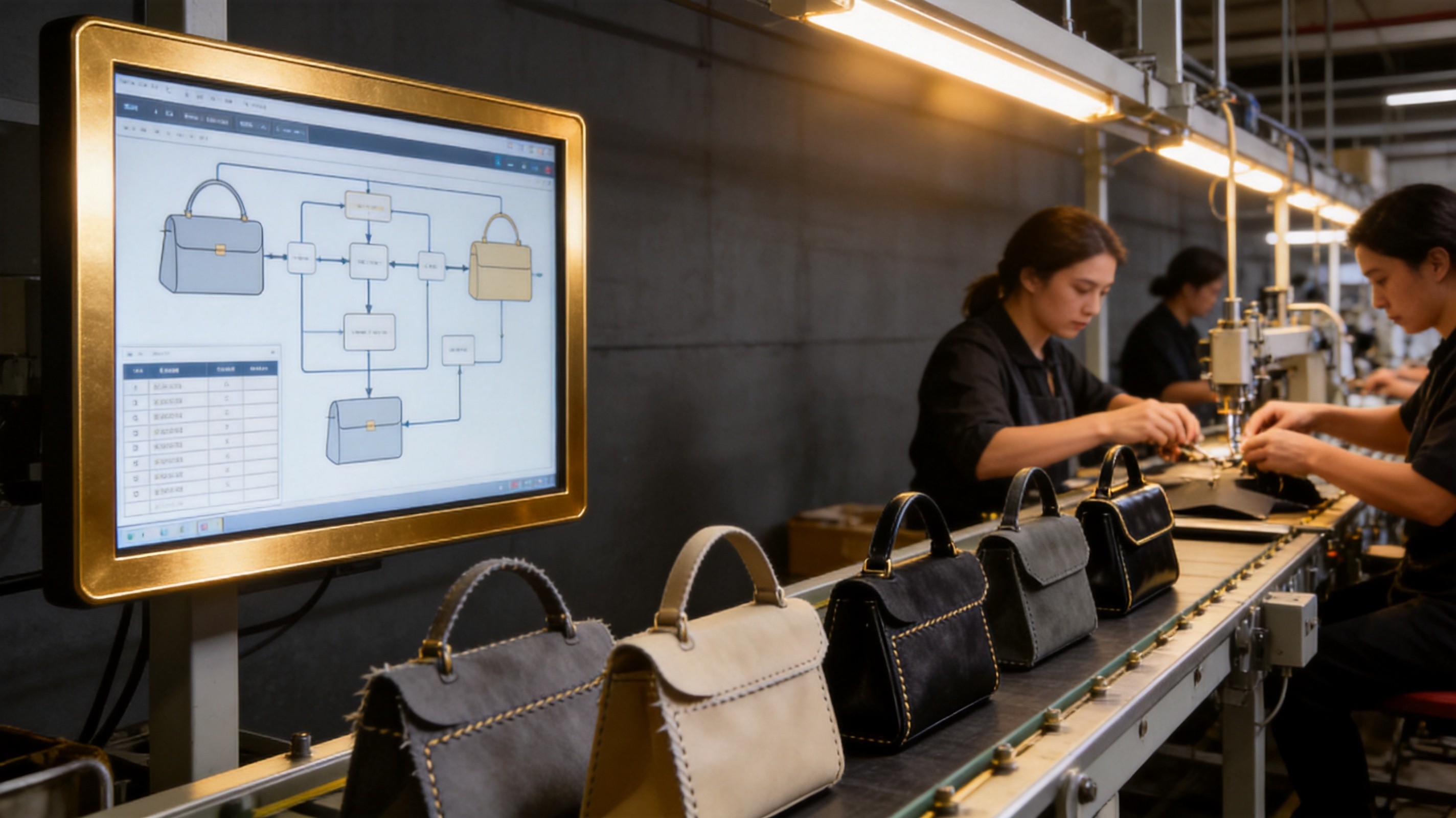
Exclusive handbag lines transform retail stores from points of purchase into unique destinations
Why Exclusive Lines Are the Future of Retail
The retail landscape has been fundamentally reshaped by e-commerce. Any branded handbag available in your store is available online, often at lower prices. This showrooming dynamic erodes margins and customer loyalty for retailers who cannot differentiate their product assortment. Exclusive lines solve this problem at its root.
When your handbag collection is exclusive, several powerful dynamics activate simultaneously. First, customers cannot comparison shop because the products exist nowhere else. Second, your store becomes the sole source, increasing foot traffic and purchase urgency. Third, exclusivity justifies premium pricing because value is determined by scarcity and access. Fourth, you build brand equity in your own label rather than building someone else's brand.
Industry data from the Retail Industry Leaders Association shows that retailers with exclusive private label lines reporting 40 percent higher gross margins in the handbag category compared to retailers relying on national brands. More importantly, stores with strong exclusive collections report 25 percent higher customer retention rates because shoppers associate unique product access with your store specifically. For a deeper dive into collection strategy, see our guide on curating handbag collections.
Understanding the Economics of Exclusivity
Exclusivity carries both costs and benefits that must be understood before committing resources. The economic case for exclusive lines rests on higher margins, reduced markdown exposure, and the creation of intangible brand value that compounds over time.
| Economic Factor | Exclusive Line | Wholesale Brand | Advantage |
|---|---|---|---|
| Gross Margin | 65-75% | 45-55% | +20 points |
| Markdown Rate | 8-12% | 18-25% | 50% less |
| Customer Retention | +25% | Baseline | Store loyalty |
| Price Elasticity | Low (unique product) | High (comparable) | Pricing power |
| Brand Equity | Builds your brand | Builds their brand | Long-term asset |
| Competitive Moat | High | None | Differentiation |
The economics shift further in your favor over time. As your exclusive line gains recognition, customers begin seeking your brand by name, reducing customer acquisition costs and increasing repeat purchase rates. After two to three years, a successful exclusive line becomes your store's most valuable asset, generating returns that far exceed the initial development investment.
Defining Your Store's Design Identity
Before designing a single handbag, you must articulate the design identity that will guide every creative decision. Your store's design identity is the visual and functional language that makes your exclusive collection recognizable and desirable. It encompasses silhouette preferences, material aesthetics, color philosophy, hardware style, and the overall lifestyle your products communicate.
Start by analyzing what makes your store's existing assortment successful. Which styles sell fastest? What feedback do customers provide? What gaps do they mention? Your design identity should amplify what already works while addressing identified opportunities. Consider these foundational questions:
- What three words describe your store's aesthetic? (e.g., modern, minimal, luxurious)
- What price tier does your customer shop in? (accessible, mid-range, premium)
- What materials does your customer prefer? (leather, vegan, fabric, mixed)
- What occasions dominate your customer's bag needs? (work, casual, evening, travel)
- What hardware finish aligns with your brand? (gold, silver, rose gold, matte black)
Document these decisions in a brand identity brief that guides every subsequent design conversation. This brief becomes the foundation for working with manufacturers, ensuring alignment between your vision and the final product.
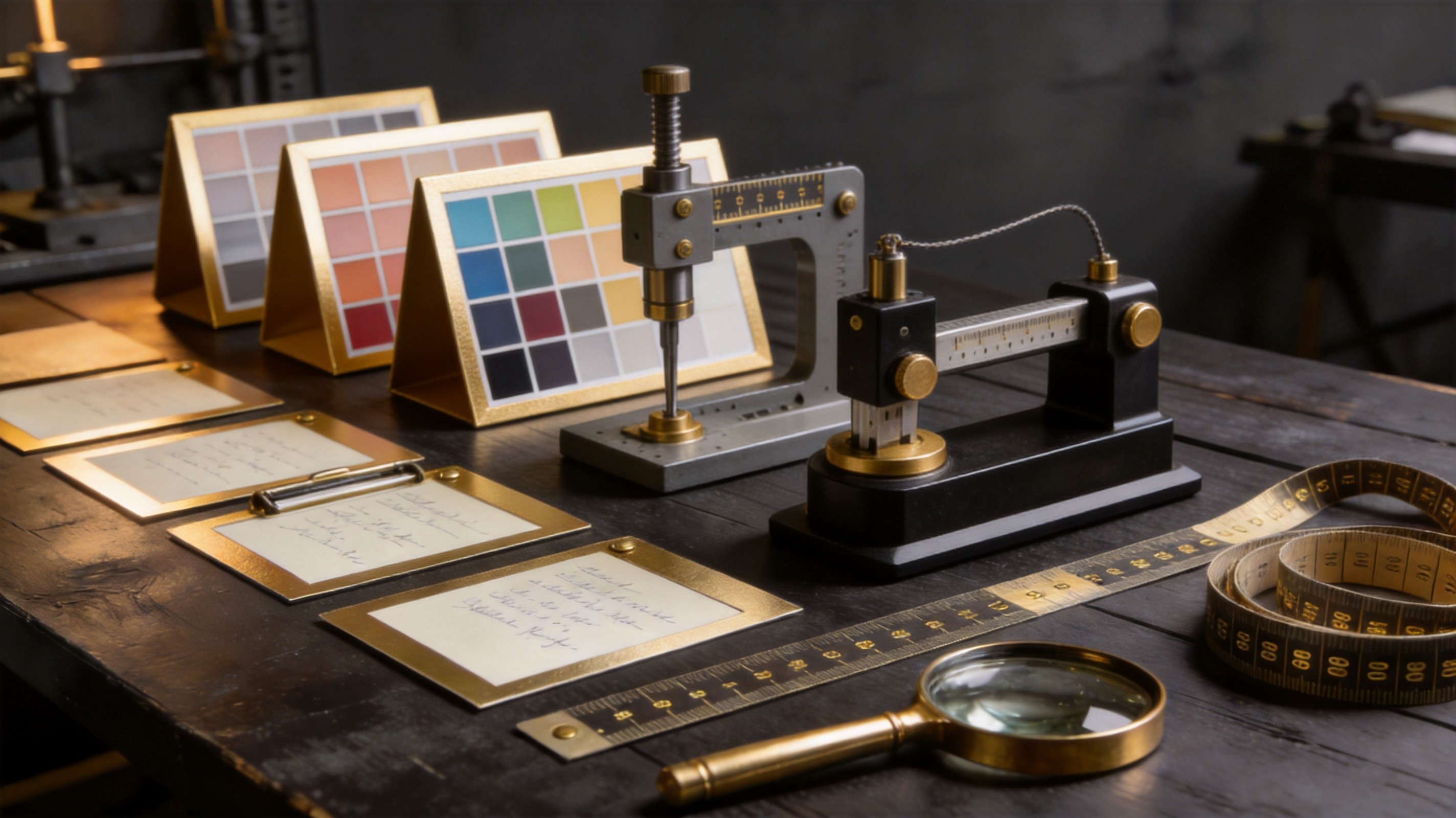
Strong design identity starts with clear brand guidelines and customer insight
Market Research: What Your Customers Wish They Could Find
The best exclusive collections are built on direct customer insight rather than assumptions. Before designing, conduct structured research to understand what your customers want but cannot currently find in the market. This unmet demand represents your greatest opportunity for exclusive designs that sell at full price.
Methods for gathering customer insight include in-store conversation logs where staff document requests and wish lists, social media listening to identify recurring themes in customer comments and DMs, structured surveys distributed through email lists, observation of what customers browse but do not purchase, and analysis of return reasons to identify mismatched expectations. For broader market context, our analysis of global handbag market trends provides regional insight into consumer preferences.
Working with Manufacturers on Custom Designs
Choosing the right manufacturing partner is the single most important decision in creating exclusive handbag lines. The factory's capabilities, communication quality, and willingness to collaborate on custom work determine whether your vision translates into a finished product that meets your standards.
Look for manufacturers with demonstrated experience in custom and private label work, not just catalog production. Key qualifications include in-house design and pattern-making teams, willingness to work from sketches and concepts rather than requiring you to select from existing molds, sample development capability with quick turnaround, quality control infrastructure including in-line and final inspections, and capacity to support your growth from initial orders to scale. Factories like Junyuan Bags, with over 20 years of experience, a 30,000 square meter facility, and 300+ workers, offer the infrastructure and expertise required for custom development. Explore our product catalog to see the range of styles achievable through custom manufacturing.
From Concept to Sample: The Development Process
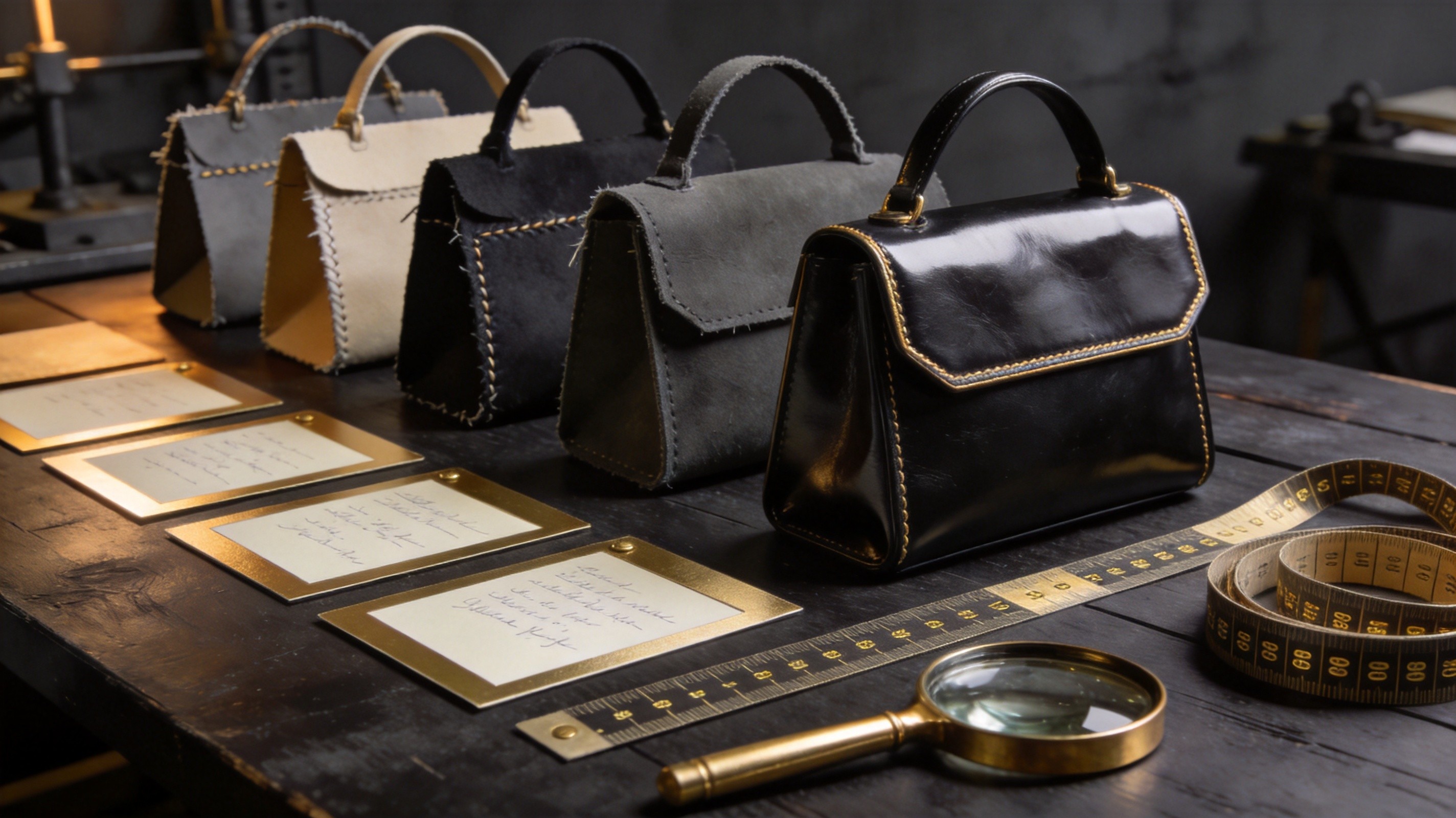
The journey from design concept to approved sample involves several distinct stages, each requiring careful communication and quality checkpoints. Understanding this process helps you plan timelines, budget appropriately, and set realistic expectations.
| Stage | Duration | Deliverable | Your Role |
|---|---|---|---|
| 1. Design Brief | 3-5 days | Detailed specification document | Provide concept, references, requirements |
| 2. Tech Pack Creation | 5-10 days | Technical package with measurements | Review and approve specifications |
| 3. First Sample | 15-25 days | Physical prototype for review | Evaluate fit, proportions, materials |
| 4. Revisions | 10-15 days | Revised sample incorporating feedback | Provide detailed feedback |
| 5. Pre-Production Sample | 7-10 days | Final sample from production materials | Final approval before bulk production |
| 6. Bulk Production | 30-45 days | Complete order ready for shipment | In-line inspection if possible |
The entire process from concept to delivered inventory typically spans 90 to 150 days for a first collection. Subsequent reorders with established patterns and materials can be completed in 60 to 90 days. Plan your collection calendar accordingly, ordering seasonal collections at least four to five months before they need to hit your sales floor.
Material Selection for Exclusive Collections
Material selection is where your design identity becomes tangible. The materials you choose communicate quality, influence price positioning, affect durability, and ultimately determine customer satisfaction. For exclusive lines, material selection must balance aesthetic vision, functional requirements, cost targets, and sourcing reliability.
For leather-exclusive collections, consider full-grain leather for premium positioning, top-grain leather for the best quality-to-price ratio, and split leather or suede for texture variety within the collection. For vegan and mixed-material lines, high-quality PU leather has improved dramatically in recent years, with some grades nearly indistinguishable from genuine leather in appearance and hand feel. Specialty materials like cork, recycled fabrics, and plant-based leathers offer differentiation opportunities for sustainability-focused brands.
Always request material swatches before committing to production. Evaluate hand feel, weight, durability, color consistency, and how the material ages over time. Our guide on quality consistency in bulk orders covers material quality assessment in detail.
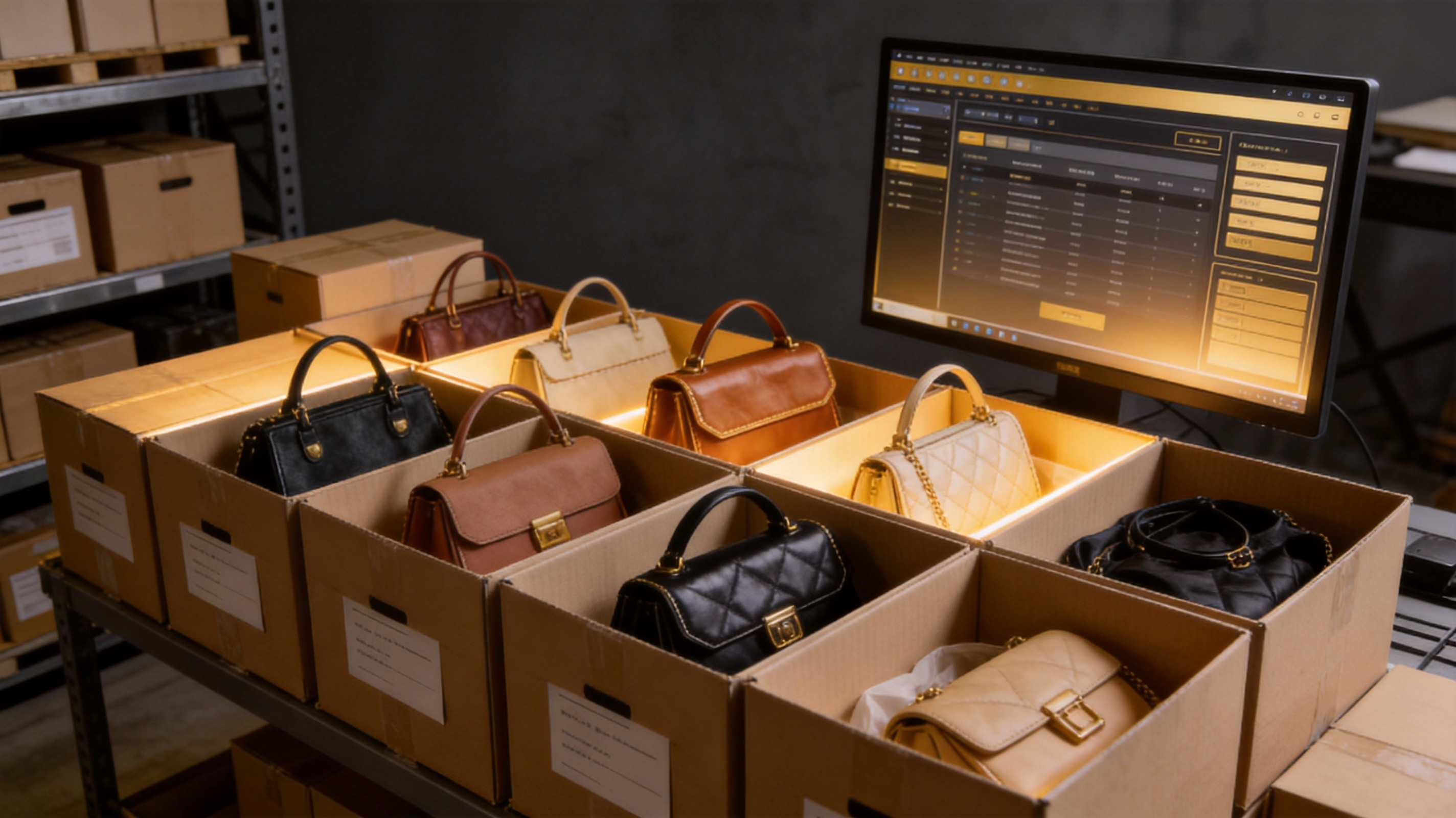
Custom hardware details elevate exclusive collections from generic to distinctly branded
Hardware Customization: Zippers, Buckles, Logos
Hardware is the jewelry of a handbag. Custom hardware transforms a well-designed bag into a distinctly branded product. Even subtle customization like branded zipper pulls, engraved buckles, or custom logo plates creates perceived value that justifies premium pricing.
Hardware customization options include custom zipper pulls with your logo embossed, metal feet in your brand's signature finish, custom buckles and clasps with branded engraving, interior label plates in metal or leather, and branded rivets and ring hardware. The cost impact of hardware customization is relatively modest, typically adding $0.50 to $2.00 per piece depending on complexity, but the perceived value impact is substantial.
When selecting hardware finishes, consider longevity. Gold plating should be at least 0.3 microns for durability. Anti-tarnish coatings protect silver finishes. Matte and brushed finishes tend to age more gracefully than high-polish options. Test hardware for function before approving: zippers should glide smoothly, clasps should engage securely, and adjustable straps should hold position under load.
Branding Elements: Labels, Tags, Packaging
Branding elements complete the exclusive experience. Every touchpoint from the bag itself to the shopping bag it goes home in should communicate your brand identity consistently. These elements transform a product into a branded experience.
| Branding Element | Purpose | Cost per Unit | Impact Level |
|---|---|---|---|
| Interior Leather Label | Brand identification, quality signal | $0.30 - $0.80 | High |
| Exterior Logo Plate | Visible branding, status signal | $0.50 - $2.00 | High |
| Branded Dust Bag | Protection, unboxing experience | $0.80 - $2.50 | Medium |
| Hang Tags | Story communication, price justification | $0.15 - $0.40 | Medium |
| Custom Shopping Bag | Walking advertisement, brand recall | $0.30 - $1.00 | High |
| Authenticity Card | Premium positioning, trust | $0.10 - $0.25 | Medium |
| Branded Tissue/Wrapping | Unboxing experience | $0.05 - $0.15 | Low-Medium |
Invest in a cohesive branding system where all elements work together visually. Consistent color palette, typography, and logo treatment across all touchpoints create a professional, premium impression that justifies higher price points and encourages social media sharing when customers post their purchases.
Pricing Your Exclusive Line for Profit
Pricing exclusive lines requires a different mindset than pricing wholesale brands. With exclusive products, you set the market price rather than following a manufacturer's suggested retail price. This freedom allows you to optimize for margin, but it also requires understanding your customer's willingness to pay and the value signals your pricing communicates.
The pricing framework for exclusive handbag lines should consider total landed cost (manufacturing, shipping, duties, packaging), target gross margin (65 to 75 percent for exclusive lines), competitive positioning within your market, and customer perceived value. A common approach is to set pricing at 2.5x to 3x total landed cost, which generates strong margins while leaving room for strategic promotions without eroding brand value.
Exclusive Line Pricing Formula
Retail Price = Total Landed Cost x 2.5 to 3.0 multiplier. Total Landed Cost includes manufacturing cost, shipping and duties, packaging and branding elements, and an allocation for quality inspection costs. This generates 60-67% gross margin at the 2.5x multiplier and 67-75% at 3x.
Marketing Your Exclusive Collection In-Store
Exclusive collections deserve dedicated in-store marketing that communicates their unique value proposition. Customers need to understand why these products are special and why they are only available in your store. Effective in-store marketing for exclusive lines includes dedicated display areas, storytelling signage, staff training on product narratives, launch events, and limited-edition announcements.
Create a dedicated section or vignette for your exclusive collection that visually separates it from other merchandise. Use premium display fixtures, enhanced lighting, and lifestyle imagery that communicates the design story. Train your sales staff to articulate the design inspiration, material quality, and exclusivity of each piece. For display strategies, see our comprehensive guide on visual merchandising tips for handbag displays.
Complete branded packaging transforms a purchase into a memorable unboxing experience
Online presentation of exclusive lines extends the in-store experience to digital customers
Online Presentation of Exclusive Products
Your online presentation of exclusive handbags must communicate the same premium positioning as your physical store while leveraging digital capabilities for richer storytelling. High-quality photography, detailed product descriptions, behind-the-scenes content, and customer testimonials all contribute to effective online presentation.
Invest in professional photography that captures your exclusive collection at its best. Include multiple angles, detail shots of custom hardware and materials, lifestyle imagery showing the bags in context, and size reference shots. Video content showing the bag being carried, opened, and interacted with adds another dimension that builds confidence in online purchases. Every product page should emphasize the exclusive nature of the collection and the story behind its design.
Protecting Your Designs and Intellectual Property
As you invest in creating exclusive designs, protecting your intellectual property becomes essential. Design protection prevents competitors from copying your successful styles and preserves the exclusivity that justifies your pricing.
- Non-Disclosure Agreements: Execute NDAs with manufacturers before sharing design concepts and technical details
- Exclusivity Clauses: Include contractual terms prohibiting the factory from producing identical or similar designs for other clients
- Design Patents: Register design patents for unique silhouettes and ornamental elements in key markets
- Trademark Registration: Protect your brand name, logo, and any distinctive design elements
- Trade Dress Protection: Establish recognizable visual identity that can be protected as trade dress
Work with an intellectual property attorney to develop a comprehensive protection strategy appropriate for your market and growth plans. The cost of protection is modest compared to the value of exclusive designs that generate strong margins and customer loyalty over many years.
Managing Production Timelines and Reorders
Production timeline management is critical for maintaining inventory availability and meeting seasonal selling windows. Late deliveries mean missed selling opportunities, while early deliveries tie up capital in premature inventory. Developing a reliable production calendar requires clear communication with your factory and realistic planning.
Build a seasonal production calendar that works backward from your in-store delivery dates. For fall collections, production should begin in April to May with delivery by late July. Spring collections should begin production in September to October for January delivery. Always include buffer time for sample revisions and quality issues. Reorders of proven bestsellers should be placed 60 to 90 days before projected stockout dates.
For businesses planning their buying calendar, our seasonal buying guide provides a detailed month-by-month framework for timing orders across categories and seasons.

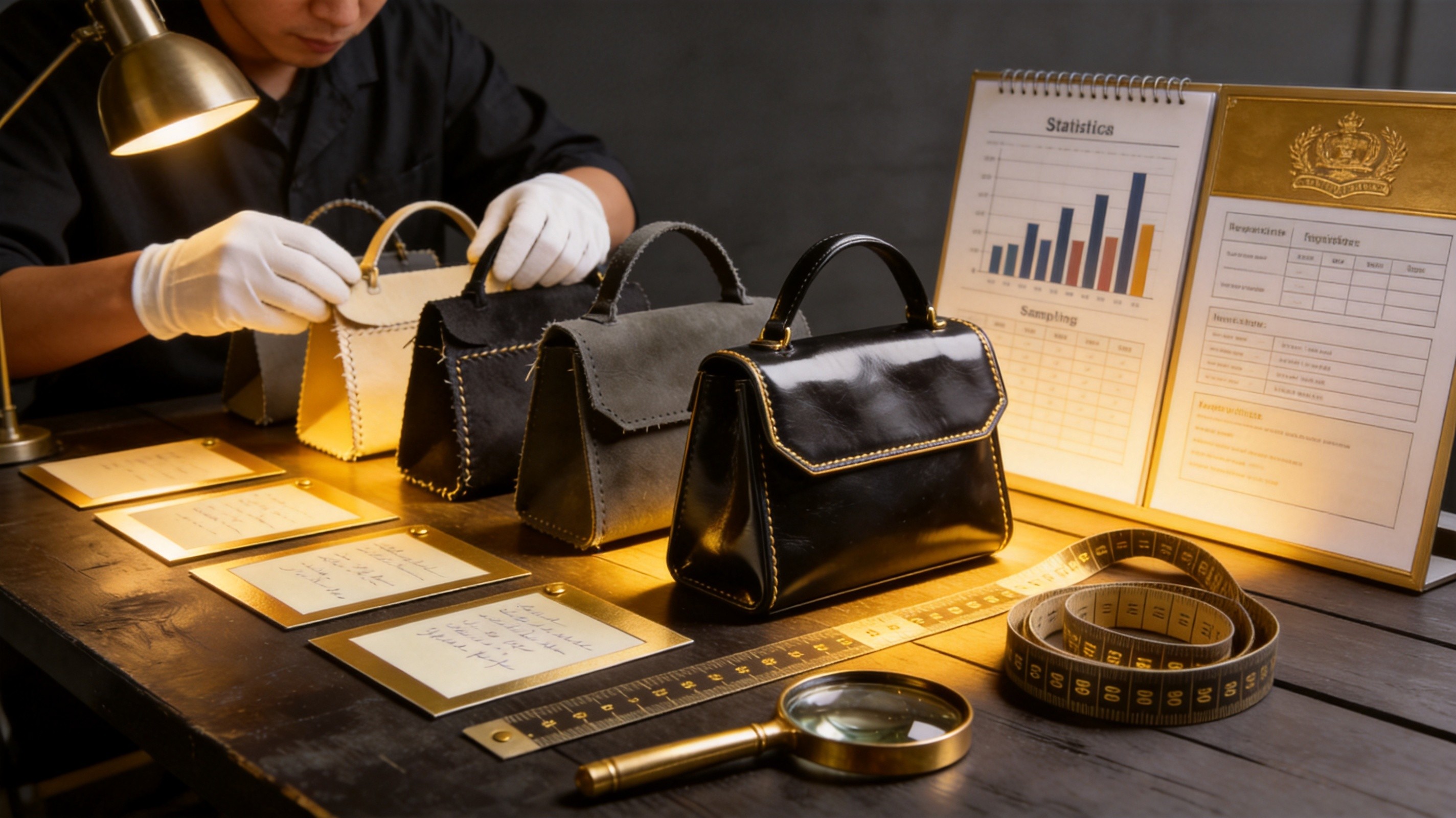
Working with experienced factories ensures your exclusive designs meet the highest quality standards
Case Studies: Boutiques That Built Successful Exclusive Lines
The most compelling evidence for exclusive handbag lines comes from retailers who have successfully implemented this strategy. While specific financial details are proprietary, the patterns of success are consistent across diverse markets and price points.
A mid-size boutique chain in the southeastern United States launched its first private label handbag collection of eight styles through Junyuan Bags, with an initial investment of approximately $15,000. Within 18 months, the exclusive line represented 35 percent of handbag category revenue and generated gross margins 22 percentage points higher than their previous wholesale-brand-only assortment. The store reported that exclusive line customers had 40 percent higher visit frequency and 28 percent higher average transaction values compared to customers who purchased only wholesale brands.
A single-location boutique in the Pacific Northwest developed an exclusive collection focused on sustainable materials and minimalist design. By controlling the full design process and sourcing eco-certified materials, the boutique created a narrative that resonated with its environmentally conscious customer base. The exclusive line sold through at 82 percent within the first season, compared to 58 percent for the wholesale brands in the same price range, demonstrating that exclusivity combined with authentic brand values drives superior sell-through.
These examples illustrate a consistent pattern: retailers who invest in exclusive handbag lines achieve higher margins, stronger customer loyalty, and greater competitive differentiation than those who rely solely on wholesale brands. The initial investment and operational complexity are higher, but the returns compound over time, creating a sustainable competitive advantage.
Ready to Create Your Exclusive Handbag Line?
Junyuan Bags has 20+ years of experience helping retailers create custom handbag collections. From concept to delivery, our team supports every step of the development process.
WhatsApp: +86 17750020688 | Email: service@junyuanbags.com
MOQ: 200 pcs/style | Factory: 30,000 sqm, 300+ workers, Quanzhou, China
Frequently Asked Questions
How much does it cost to develop an exclusive handbag line?
A first collection of 5 to 10 styles typically costs $8,000 to $25,000, including sample development, tooling, initial production of 200 pieces per style, custom branding and packaging, and photography. The investment varies based on material choices and hardware customization level.
What is the timeline from concept to delivery?
The typical timeline is 90 to 150 days for a first collection. This includes design development (10-15 days), sampling and revisions (25-40 days), bulk production (30-45 days), and shipping (15-30 days). Reorder collections with established patterns complete in 60-90 days.
What is the minimum order quantity for custom designs?
Most established factories require 200 pieces per style per color for custom exclusive lines. For a collection of 5 styles in 2 colors each, this means 2,000 total pieces. This volume secures competitive pricing and justifies the factory's setup investment for your custom designs.
How can I protect my exclusive designs from being copied?
Use multiple layers of protection: NDAs with manufacturers, exclusivity clauses in contracts, design patent registration, trademark registration for branding, and trade dress protection for distinctive visual elements. Working with reputable factories that have business reputations to protect provides an additional layer of security.
Can I start with a small collection and grow over time?
Absolutely. Many successful exclusive lines started with 3 to 5 styles and expanded based on sales data. Begin with your strongest category (often crossbody bags or totes), test customer response, and expand winning categories in subsequent seasons. This approach minimizes risk while building toward a comprehensive collection.
Limitations and Scope of This Guide
This guide covers creating exclusive handbag lines for retail stores, including private label programs, design differentiation, and retail partnership strategies. It is based on our experience as a handbag manufacturer in Quanzhou, China, serving brands worldwide since 2004. Key limitations to keep in mind:
- Exclusivity agreements and terms vary significantly between retailers. The frameworks described are common patterns, not standard templates.
- Pricing structures (wholesale, margin expectations) are based on US and European retail norms. Asian and Middle Eastern retail markets operate with different margin structures.
- This guide focuses on independent and mid-tier retail partnerships. Major department store programs (Macy's, Nordstrom) have additional compliance and volume requirements.
For advice tailored to your specific situation, contact our team directly.