Table of Contents
- Why IP Protection Matters in Handbag Manufacturing
- Types of IP: Trademarks, Design Patents, Copyrights
- Registering Your Brand Before Manufacturing
- Protecting Design Elements: Logos, Patterns, Hardware
- NDA and NNN Agreements with Chinese Factories
- How to Structure Manufacturing Agreements
- Monitoring and Enforcement Strategies
- Online Marketplaces: Counterfeit Prevention
- Customs Recordation to Stop Fake Imports
- Working with IP Lawyers for Handbag Brands
- Case Studies: Successful IP Protection
- The Factory's Role in IP Protection
- Building Your IP Protection Checklist
- IP Protection Costs: A Strategic Investment
- Frequently Asked Questions
Your handbag designs represent your most valuable brand asset. Every silhouette, every distinctive hardware detail, every signature pattern you create carries the potential to define your brand's market position — and equally, the potential to be copied by competitors if left unprotected.
This comprehensive guide covers every dimension of intellectual property protection for handbag brands working with Chinese manufacturers. From trademarks and design patents to NNN agreements and customs recordation, we provide the practical framework that protects your creative investment and maintains your competitive advantage.
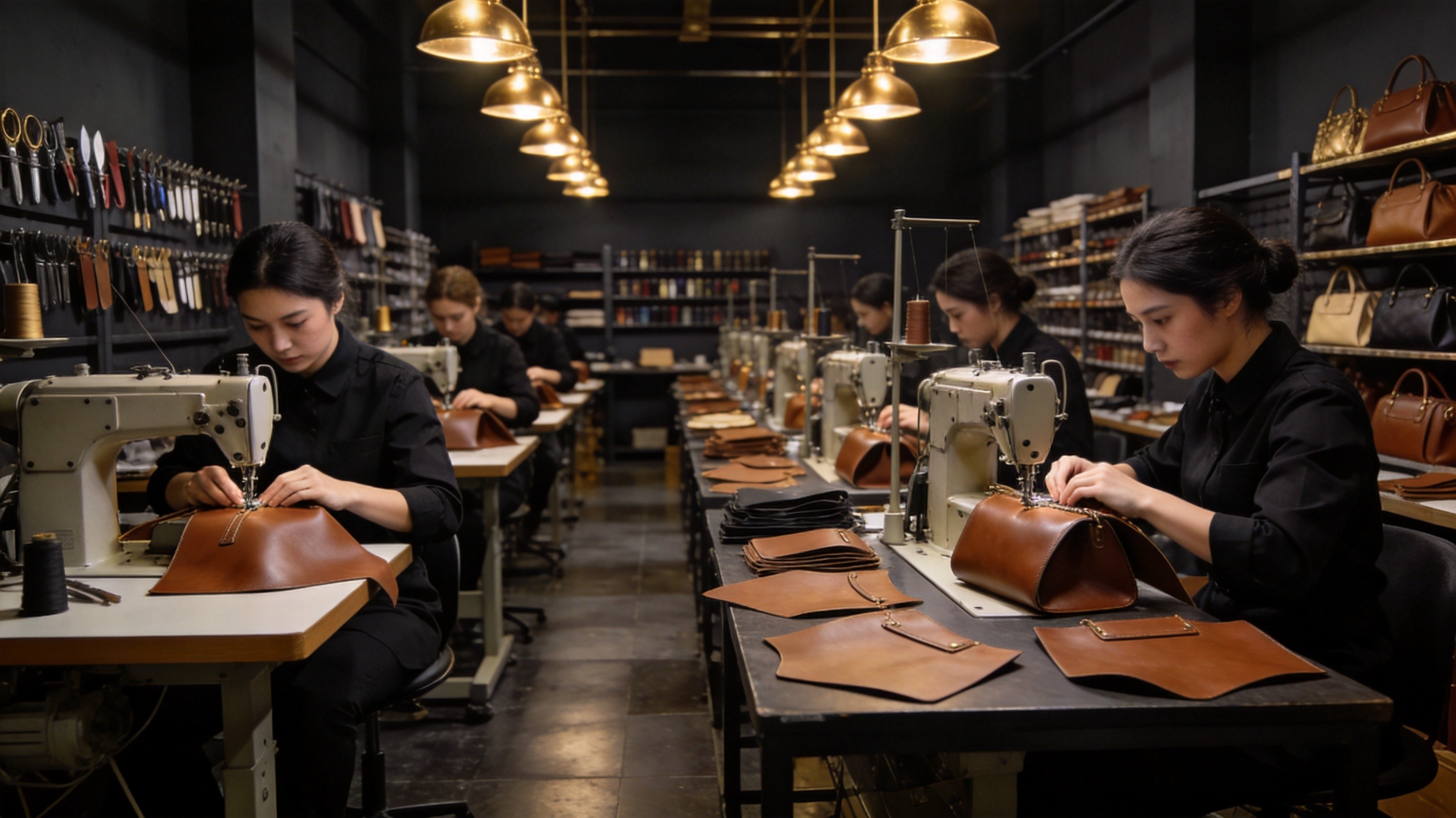
Protecting your original handbag designs requires a multi-layered IP strategy
Why IP Protection Matters in Handbag Manufacturing
The handbag industry faces persistent intellectual property challenges. Designs that take months of creative development and significant financial investment can be replicated by competitors in weeks — especially when manufacturing relationships provide access to your complete design specifications.
The Stakes for Handbag Brands
Unlike many product categories, handbag designs carry significant brand equity. A distinctive silhouette — think the Hermès Birkin or the Chanel Classic Flap — becomes inseparable from the brand itself. When competitors replicate these designs, they do not just steal a product; they appropriate brand identity, consumer trust, and market positioning that took years to build.
Manufacturing Relationship Risks
Working with any factory means sharing your complete design specifications — patterns, material requirements, construction methods, and hardware details. Without proper IP protection, this sharing creates vulnerability. A factory that has your complete tech pack has everything needed to produce your design for another buyer, produce unauthorized overruns, or sell your design to competitors.
Types of IP: Trademarks, Design Patents, Copyrights
Handbag brands can leverage multiple forms of intellectual property protection, each covering different aspects of their products.
| IP Type | What It Protects | Duration | Registration Required | Cost Range |
|---|---|---|---|---|
| Trademark | Brand name, logo, slogans | Perpetual (with renewal) | Yes | $250-1,500 per class |
| Design Patent (US) | Ornamental design of a functional item | 15 years from grant | Yes | $1,000-3,000 |
| Registered Design (EU) | Appearance of a product | 25 years (renewable) | Yes | €900-2,000 |
| Copyright | Original artistic works, patterns, prints | Life of author + 70 years | Automatic (registration optional) | $45-65 (US registration) |
| Trade Dress | Overall product appearance and image | Perpetual (while in use) | Optional (common law exists) | $1,000-5,000 |
Strategic Selection of IP Protection
Not every design element warrants patent protection. Reserve design patents for your most distinctive, most commercially important designs. Use trademarks to protect brand identifiers. Rely on copyright for original prints, patterns, and artistic elements. Combine trade dress protection for your overall product aesthetic that consumers associate with your brand.
Registering Your Brand Before Manufacturing
Before you share a single design with any factory, ensure your brand name and logo are properly registered as trademarks in every market where you plan to sell.
The China Trademark Imperative
China operates on a first-to-file trademark system. This means whoever files a trademark application first owns that mark in China — regardless of who used it first anywhere in the world. If you do not register your trademark in China before working with a Chinese factory, a bad-faith actor could register your brand name in China and then block your imports or demand payment for the rights to your own brand.
Multi-Market Registration Strategy
Register your trademarks in every market where you sell or plan to sell. At minimum, this should include your home market, China (where your factory operates), and any significant sales markets. The Madrid Protocol allows international trademark registration through a single application, simplifying multi-market protection.
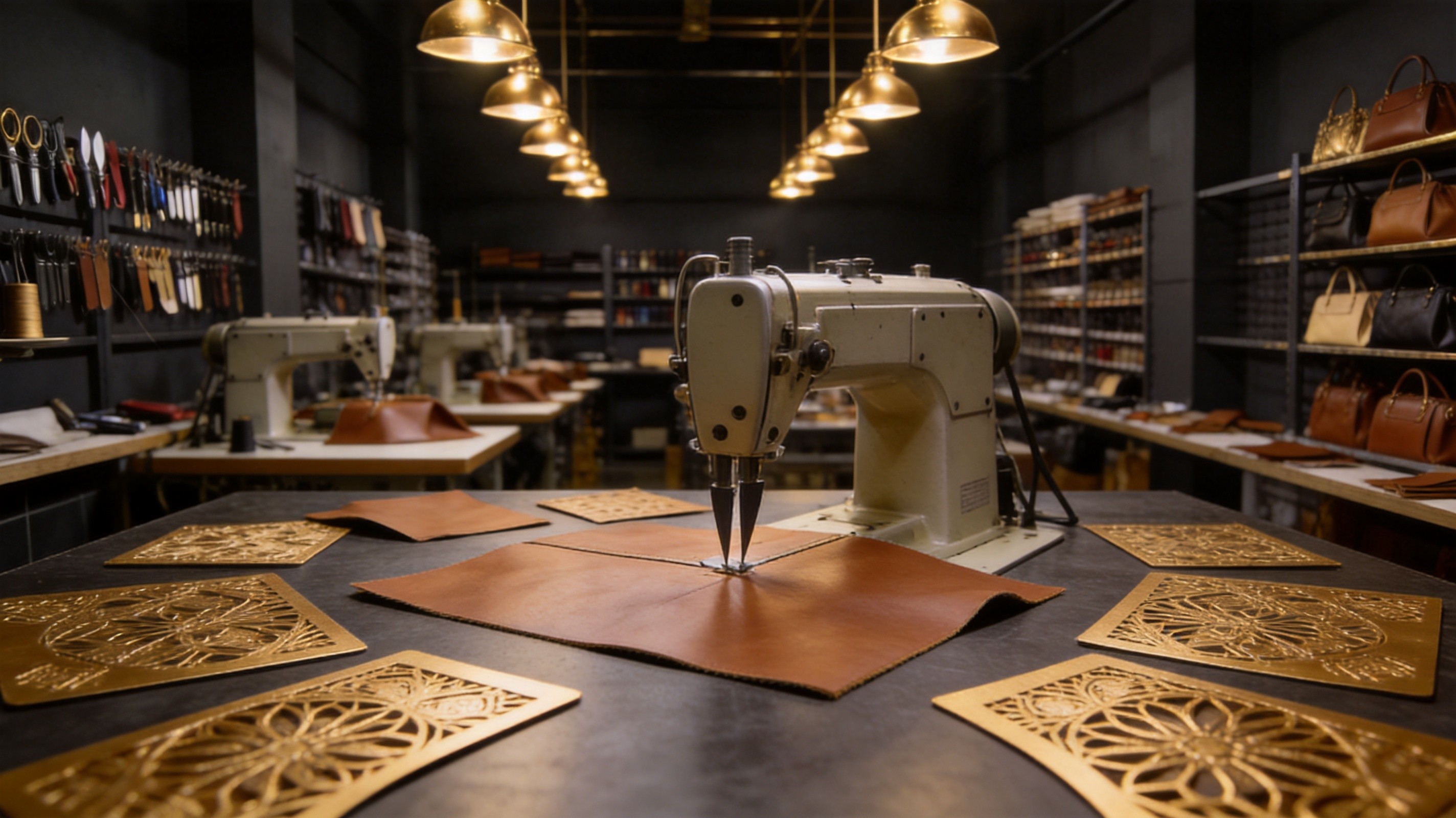
Register your trademarks before sharing any designs with manufacturing partners
Protecting Design Elements: Logos, Patterns, Hardware
Different design elements require different protection strategies. Building a comprehensive protection plan means addressing every distinctive element of your products.
Logo and Brand Marks
Your logo should be protected through trademark registration and careful specification of how and where it appears on products. Specify exact placement, size, color, and application method (embossing, debossing, metal plate, heat transfer) in your manufacturing agreements to prevent unauthorized variations.
Signature Patterns and Prints
Original patterns and prints receive automatic copyright protection upon creation. However, registering copyrights provides stronger enforcement tools and statutory damages. For patterns that define your brand identity — like Burberry's check or Louis Vuitton's monogram — additional trade dress protection creates broader coverage.
Custom Hardware Designs
Custom-designed buckles, clasps, chain patterns, and logo hardware can be protected through design patents. These patents prevent competitors from using substantially similar hardware designs, protecting one of the most visible and distinctive elements of your products.
NDA and NNN Agreements with Chinese Factories
Contractual protection forms the front line of IP defense in manufacturing relationships. However, not all agreements are created equal — and standard Western legal documents often fail in Chinese jurisdiction.
Why Standard NDAs Fall Short in China
A standard Non-Disclosure Agreement drafted under US or EU law has limited enforceability in Chinese courts. Chinese courts generally do not enforce foreign-language contracts that reference foreign legal jurisdiction. The agreement must be written in Chinese, governed by Chinese law, and specify remedies enforceable in Chinese courts.
The NNN Agreement: China-Specific Protection
An NNN (Non-Disclosure, Non-Use, Non-Circumvention) agreement is the China-specific equivalent of an NDA, designed for enforceability under Chinese law. It includes three critical protections: non-disclosure (the factory cannot share your designs with third parties), non-use (the factory cannot use your designs for their own benefit or produce your products for anyone else), and non-circumvention (the factory cannot bypass you to sell directly to your customers or distribution channels).
Key NNN Agreement Clauses
| Clause | Purpose | Key Details |
|---|---|---|
| Non-Disclosure | Prevent sharing designs with third parties | Define confidential information broadly; specify permitted disclosures only |
| Non-Use | Prevent factory from using designs independently | Factory cannot produce your designs for any purpose other than fulfilling your orders |
| Non-Circumvention | Prevent factory from selling directly to your market | Factory cannot sell your designs to your customers, distributors, or competitors |
| Liquidated Damages | Specify financial consequences for breach | Set a specific dollar amount (typically $50,000-200,000) to avoid proving actual damages |
| IP Ownership | Clarify who owns designs and molds | All designs, patterns, and molds created for your brand are your property |
| Jurisdiction | Establish enforceable legal framework | Chinese law, Chinese language, Chinese court jurisdiction |
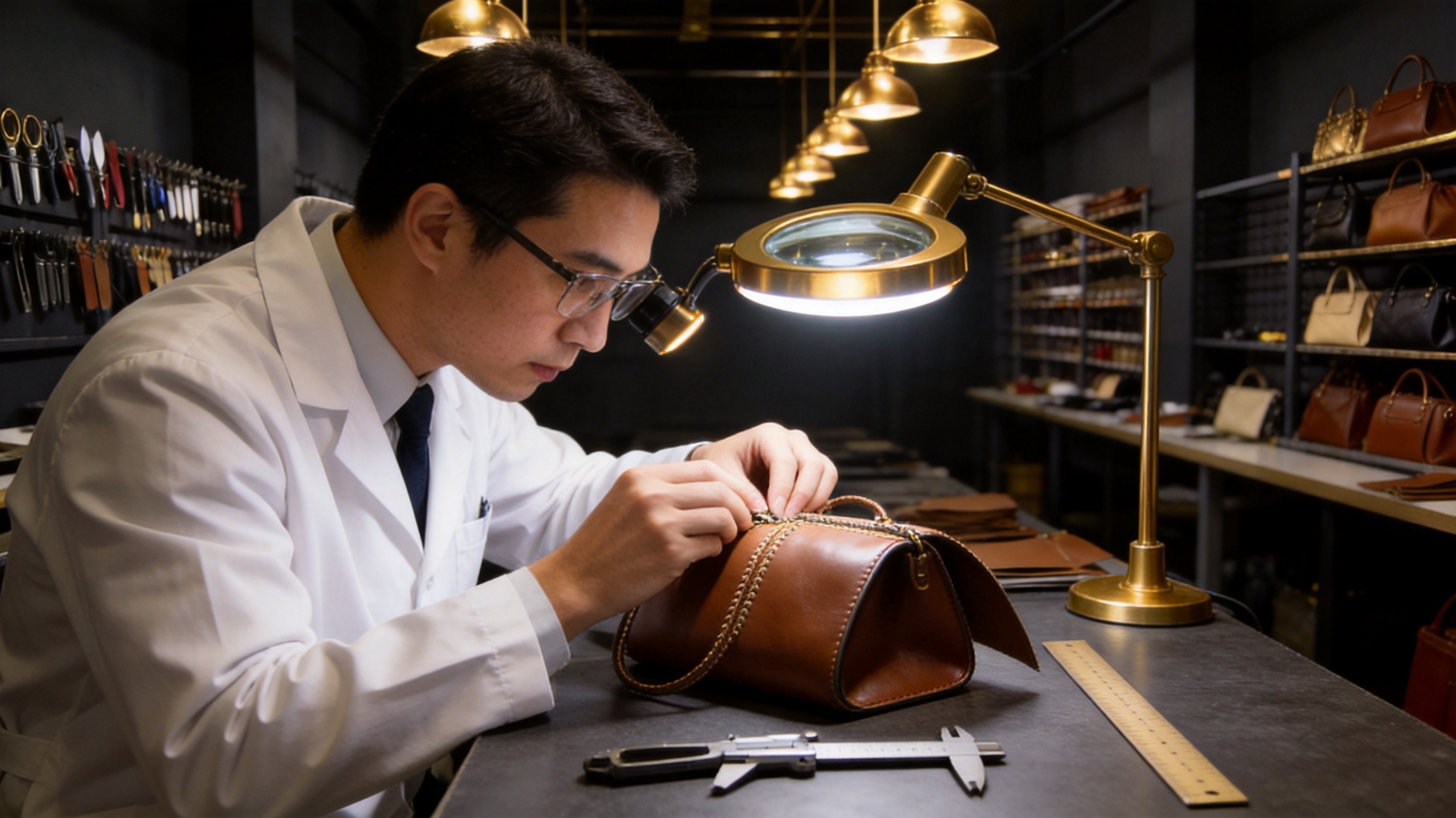
NNN agreements drafted under Chinese law provide the strongest contractual IP protection for manufacturing relationships
How to Structure Manufacturing Agreements
Beyond the NNN agreement, your manufacturing contract should include specific IP protection provisions that create clear boundaries and remedies.
IP Ownership Clauses
Every manufacturing agreement should explicitly state that all designs, patterns, molds, tooling, and specifications created for your brand remain your exclusive property. The factory has no right to reproduce, modify, or use these materials for any purpose other than fulfilling your specific orders.
Mold and Tooling Ownership
Custom hardware molds and embossing tools represent significant investments. Your agreement should specify that these items are your property, held by the factory solely for producing your orders. The factory cannot use your molds for any other purpose, and you have the right to retrieve them at any time.
Overrun and Seconds Policies
Specify policies for production overruns (units produced beyond the ordered quantity) and seconds (units with minor defects). These items must not enter the market without your explicit authorization. Unauthorized overruns sold through secondary channels represent a common form of IP leakage.
Critical Reminder
Have all manufacturing agreements reviewed by a lawyer who specializes in China manufacturing law. General business lawyers may not understand the nuances of Chinese commercial law, and using inappropriate legal frameworks leaves your IP vulnerable despite having signed agreements.
Monitoring and Enforcement Strategies
Registering IP and signing agreements are essential but insufficient on their own. Active monitoring detects infringement early, when enforcement is more effective and less costly.
Online Monitoring
Regularly search major e-commerce platforms — Amazon, Alibaba, AliExpress, DHgate, eBay, and Temu — for products that infringe your designs. Set up Google Alerts for your brand name and distinctive design terms. Monitor social media platforms where counterfeit products are increasingly marketed.
Market Surveillance
Purchase products from suspicious sources to verify authenticity. Maintain a database of authorized products with specific identifying features (date codes, serial numbers, hidden markers) that distinguish genuine products from counterfeits.
Online Marketplaces: Counterfeit Prevention
Major online marketplaces offer IP protection programs that allow trademark and patent holders to request removal of infringing listings.
Platform-Specific Programs
Amazon's Brand Registry provides powerful tools for detecting and removing counterfeit listings. Alibaba's IPP (Intellectual Property Protection) platform allows rights holders to report infringement. Each platform has distinct requirements and processes — register your IP with each platform's protection program proactively.
Building a Case for Takedown
Effective takedown requests require clear evidence: your registration number (trademark, patent, or copyright), specific identification of the infringing product, and a side-by-side comparison showing the infringement. Prepare standardized documentation packages that can be quickly deployed when infringement is detected.
Customs Recordation to Stop Fake Imports
Recording your intellectual property with customs authorities empowers officials to detain suspected counterfeit goods at the border before they reach consumers.
US Customs Recordation
Record your registered trademarks with US Customs and Border Protection (CBP). This recordation allows CBP officers to identify and detain goods bearing counterfeit versions of your marks. The recordation process costs $190 per trademark and lasts 20 years.
EU Customs Action Applications
File a customs application for action (AFA) with EU customs authorities. This application authorizes customs officials across all EU member states to detain suspected counterfeit goods bearing your trademarks or protected designs.
Working with IP Lawyers for Handbag Brands
Intellectual property law is specialized, and handbag IP presents unique challenges that require specific expertise.
Selecting the Right Legal Counsel
Choose an IP lawyer with specific experience in fashion and accessories, and ideally with experience in China-related IP matters. Your legal team should include a domestic IP attorney for trademark and patent filings, and a China-qualified attorney for NNN agreements and Chinese IP registrations.
Building an IP Portfolio Strategy
Rather than reacting to infringement after it occurs, build a proactive IP portfolio strategy. Register trademarks for your brand name and logo. File design patents for your most distinctive products. Document creation dates for all designs to establish priority. Create a systematic IP management process that grows with your brand.
Case Studies: Successful IP Protection
Emerging Brand Protection Success
A direct-to-consumer handbag brand invested $8,000 in IP protection before launching — including US trademark registration, Chinese trademark registration through CNIPA, two design patents for their signature silhouettes, and a properly drafted NNN agreement with their manufacturing partner. Eighteen months after launch, they discovered a competitor selling near-identical copies on Amazon. Their design patents and trademark registrations enabled rapid takedown of the infringing listings through Amazon Brand Registry, and their NNN agreement provided leverage to identify and cut off the source of the copies at the manufacturing level.
The Cost of Inaction
Conversely, a brand that skipped IP registration discovered that their factory had been selling their exact designs (under a different label) to three other brands simultaneously. Without a Chinese trademark, design patents, or an NNN agreement, their legal recourse was limited, expensive, and ultimately unsuccessful. The lesson: IP protection investment before manufacturing begins costs a fraction of enforcement after infringement occurs.
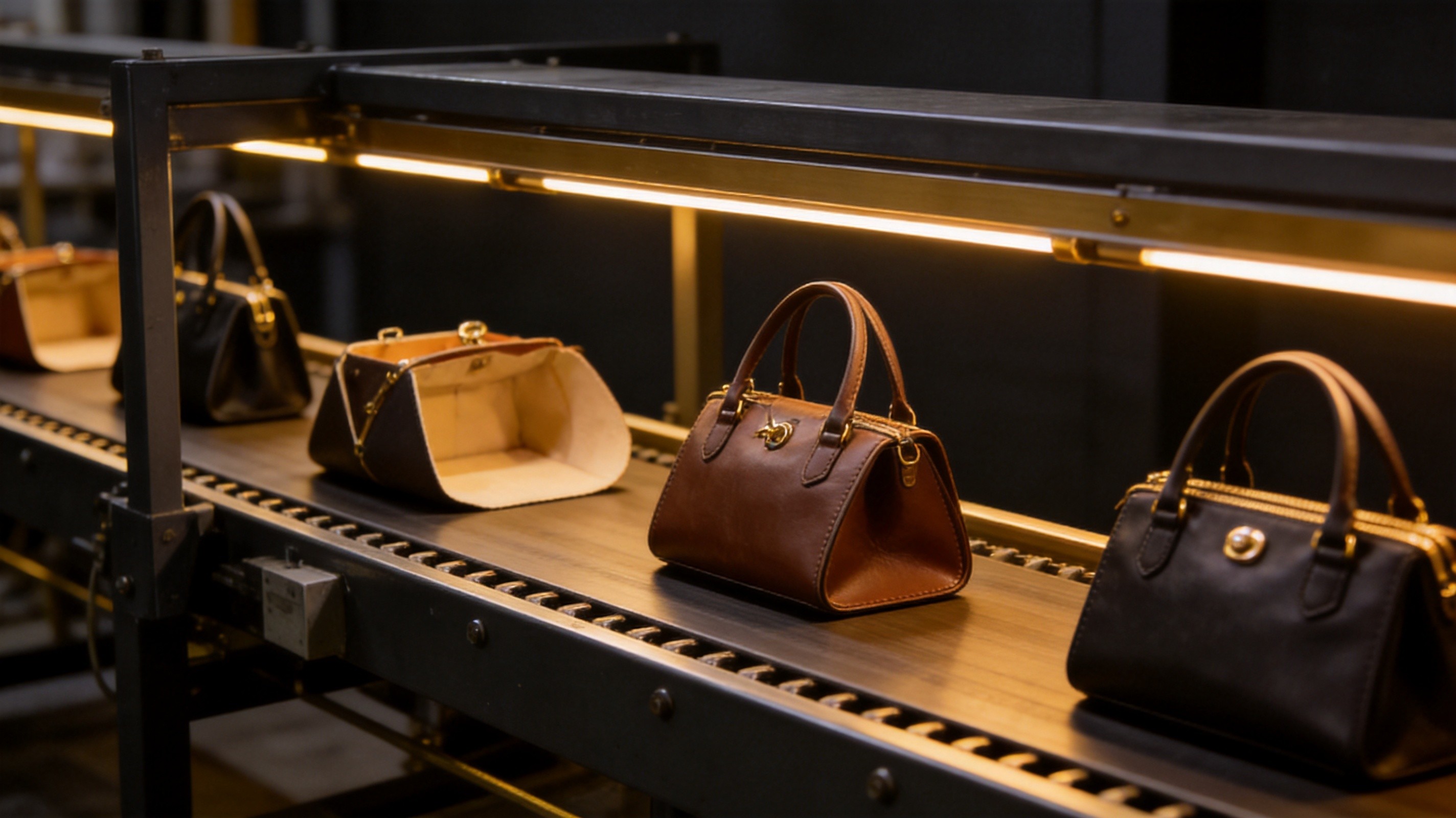
Brands that invest in IP protection maintain competitive advantages that cannot be easily replicated
The Factory's Role in IP Protection
A trustworthy manufacturing partner actively supports your IP protection efforts rather than creating vulnerabilities.
What to Expect from a Responsible Factory
A reputable factory signs NNN agreements without hesitation, maintains confidentiality protocols for client designs, restricts factory floor access to prevent design photography, controls access to client-specific molds and tooling, and reports any suspected infringement they encounter. Our manufacturing services include strict IP protection protocols for every client project.
When creating your tech pack, be strategic about what you share. Provide enough detail for accurate production but structure information flow so that no single document reveals your complete competitive advantage. The factory needs specifications; they do not need your complete brand strategy.
Building Your IP Protection Checklist
Use this checklist to ensure comprehensive IP protection before and during your manufacturing relationship.
| Protection Step | Timing | Priority | Status |
|---|---|---|---|
| Register trademark (home country) | Before brand launch | Critical | ☐ |
| Register trademark in China (CNIPA) | Before engaging Chinese factory | Critical | ☐ |
| Execute NNN agreement with factory | Before sharing any designs | Critical | ☐ |
| File design patent for signature products | Before product launch | High | ☐ |
| Register copyrights for original patterns | Upon design creation | Medium | ☐ |
| Record trademarks with customs | After trademark registration | High | ☐ |
| Register with marketplace IP programs | Before listing products | High | ☐ |
| Establish online monitoring routine | Ongoing (monthly minimum) | Medium | ☐ |
IP Protection Costs: A Strategic Investment
IP protection requires upfront investment, but the costs are modest compared to the value of the protection provided. A comprehensive IP protection package — including trademark registrations in three markets, two design patents, and NNN agreement preparation — typically costs $5,000-15,000. Compare this to the potential loss of a successful product line to copying, which could represent hundreds of thousands in lost revenue and brand damage.
For brands navigating the complexities of IP protection while working with private label purse manufacturers, understanding these protection strategies ensures your creative investments remain exclusively yours.
Ready to Create Exclusive Designs for Your Brand?
We respect and protect your intellectual property with strict confidentiality protocols. MOQ from 200 pcs.
📧 service@junyuanbags.com | 📱 +86 17750020688 | MOQ: 200 pcs/style
Frequently Asked Questions
Should I use an NDA or NNN agreement with my Chinese handbag factory?
For Chinese factories, an NNN (Non-Disclosure, Non-Use, Non-Circumvention) agreement is significantly more effective than a standard NDA. NNN agreements are enforceable under Chinese law because they are written in Chinese, reference Chinese legal jurisdiction, and specify liquidated damages. Standard Western-style NDAs have limited enforceability in Chinese courts.
How much does it cost to register a design patent for a handbag?
In the US, design patent filing costs range from $1,000-3,000 including attorney fees. In China, design patent registration costs approximately $500-1,500. EU registered design protection costs approximately €900-2,000 for legal fees. The investment protects your exclusive right to the design for 15 years (US) or 25 years (EU).
Can my Chinese factory legally copy my handbag design?
Without proper IP protection, enforcing your rights against a Chinese factory is extremely difficult. With a properly structured NNN agreement, Chinese design patent registrations, and trademark filings in China, you have legal tools to prevent and address design copying. Prevention through proper agreements is far more effective than enforcement after infringement.
How do I protect my handbag brand name and logo?
Register your brand name and logo as trademarks in every market where you sell. In the US, file with the USPTO. In the EU, file an EUTM. Critically, also register your trademark in China through CNIPA — China follows a first-to-file system, meaning whoever registers first owns the mark.
Limitations and Scope of This Guide
This guide covers protecting handbag design intellectual property, including patents, trademarks, design rights, and manufacturing agreements. It is based on our experience as a handbag manufacturer in Quanzhou, China, serving brands worldwide since 2004. Key limitations to keep in mind:
- IP protection strategies described focus on US, EU, and Chinese legal frameworks. Other jurisdictions have different registration requirements and enforcement mechanisms.
- This guide provides general IP awareness, not legal advice. Always consult qualified IP attorneys for specific protection strategies and enforcement actions.
- Design patent protection in China has improved significantly but enforcement still varies. Practical protection through supplier agreements and relationship management is equally important.
For advice tailored to your specific situation, contact our team directly.