Table of Contents
- Why Recycled Materials Matter
- rPET (Recycled Polyester)
- Recycled Cotton and Canvas
- Apple Skin Leather
- Mushroom Leather (Mycelium)
- Cork Fabric
- Recycled Nylon
- Econyl and Regenerated Materials
- Certifications for Recycled Materials
- Cost Comparison vs Virgin Materials
- Consumer Demand Data
- Sourcing Recycled Materials
- Frequently Asked Questions
The handbag industry stands at a material crossroads. Growing consumer demand for sustainable products, tightening environmental regulations in key markets (particularly the EU), and genuine concern about waste streams are converging to accelerate adoption of recycled and bio-based materials. For brand owners, this is no longer a niche concern — it directly impacts purchasing decisions, regulatory compliance, and competitive positioning.
This guide provides a comprehensive technical overview of every major recycled and bio-based material currently viable for handbag manufacturing. Each material is assessed on performance characteristics, cost realities, sourcing availability, and practical production considerations — the information brand owners need to make informed decisions rather than marketing-driven assumptions.
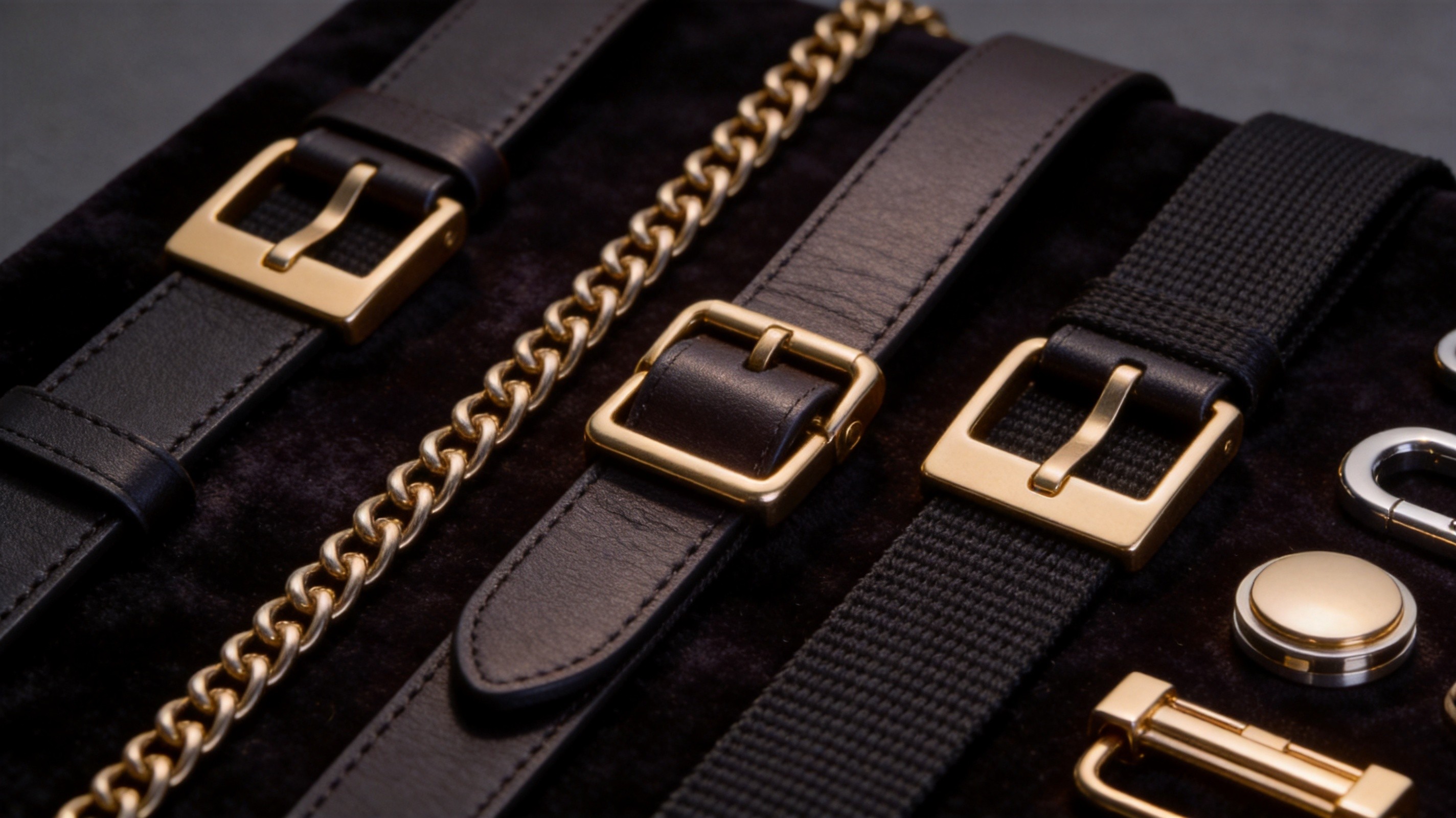
Recycled and bio-based materials are rapidly expanding the options available to sustainable handbag brands
Why Recycled Materials Matter
The case for recycled materials in handbag production rests on three converging forces: consumer demand, regulatory pressure, and supply chain economics.
Consumer Demand
A 2024 McKinsey consumer survey found that 67% of handbag buyers consider sustainability an important factor in purchase decisions, with 34% saying they have paid a premium specifically for products made with recycled or sustainable materials. Among Gen Z consumers, these figures rise to 78% and 42% respectively. This is not a passing trend — it represents a fundamental shift in purchase criteria.
Regulatory Drivers
The EU's Strategy for Sustainable and Circular Textiles, expected to be fully implemented by 2026–2028, will require textile products sold in EU markets to meet minimum recycled content thresholds and provide lifecycle environmental data. Brands selling into Europe need to begin building recycled material supply chains now to ensure compliance readiness.
Brand Differentiation
In an increasingly crowded handbag market, recycled materials offer authentic differentiation when backed by genuine sourcing practices. Brands like Prada (Re-Nylon), Gucci (Off The Grid), and Furla (Metropolis Bio) have demonstrated that recycled materials can be positioned at luxury price points when paired with compelling storytelling and quality construction. See our solutions page for sustainability-focused production strategies.
rPET (Recycled Polyester)
rPET is the most established and commercially viable recycled material for handbag manufacturing. Produced from post-consumer plastic bottles, it diverts waste from landfills while creating a versatile textile fiber.
Production Process
PET bottles are collected, sorted by color, cleaned, shredded into flakes, melted, and extruded into polyester fiber. This fiber can then be woven or knitted into fabric that serves as the primary material for bag construction or as lining. The resulting fabric performs almost identically to virgin polyester in terms of strength, color fastness, and workability.
Environmental Impact
According to the Bureau of International Recycling, rPET production reduces petroleum consumption by approximately 59%, CO2 emissions by 32%, and water usage by 21% compared to virgin polyester production. These figures are verified by lifecycle assessments and form the basis for legitimate sustainability claims.
Applications in Handbags
- Primary fabric: Canvas, twill, or ripstop weaves for casual and sporty bag styles
- Lining: Lightweight rPET fabrics replacing virgin polyester linings
- Suede alternative: Brushed rPET creating a sueded texture for bag panels
- Webbing and straps: rPET-based webbing for straps and trim

rPET fabric is the most commercially viable recycled material for handbag production today
Recycled Cotton and Canvas
Recycled cotton addresses one of the most resource-intensive crops in textile production. Conventional cotton farming consumes enormous quantities of water and pesticides — recycling post-industrial and post-consumer cotton significantly reduces these impacts.
Recycled Cotton Production
Cotton waste from textile manufacturing (cuttings, thread waste) and post-consumer cotton garments are collected, sorted by color (reducing re-dyeing needs), mechanically shredded back into fiber, and re-spun into yarn. The resulting yarn is typically blended with virgin cotton or recycled polyester to strengthen the shorter recycled fibers.
Properties for Handbags
Recycled cotton canvas offers the natural aesthetic and hand-feel that consumers associate with quality, with a compelling sustainability story. However, the shorter recycled fibers mean slightly lower tensile strength than virgin cotton canvas. Blending with recycled polyester (typically 60/40 or 50/50 ratio) restores strength while maintaining a high recycled content percentage.
Best Applications
Recycled cotton works exceptionally well for tote bags, canvas bags, casual crossbody styles, and any design where a natural textile aesthetic fits the brand positioning. It pairs naturally with leather trim details for contrast.
Apple Skin Leather
Apple skin leather represents one of the most innovative bio-based materials entering the handbag market. Produced primarily by Italian company Mabel, it utilizes waste from apple juice and compote production.
Composition and Manufacturing
Apple pomace (the solid residue left after pressing) is dried, ground into a fine powder, and combined with bio-based polyurethane or other binders. The resulting compound is spread onto a fabric backing and finished to create a leather-like material. Current formulations contain 30–50% apple waste by weight, with the remainder being PU or bio-based binder and the backing fabric.
Performance Characteristics
Apple skin leather offers a distinctive natural texture with subtle organic patterning. It is lighter than animal leather, has a pleasant warm hand-feel, and can be embossed with various patterns. Durability testing shows 8,000–15,000 Martindale abrasion cycles — adequate for structured handbags with moderate use patterns but below the performance of real leather (50,000+ cycles).
Commercial Considerations
Supply is still limited compared to conventional materials. Lead times of 8–12 weeks are common, and minimum orders are typically 500+ meters. Cost ranges from $8–15 per square foot, positioning it as a premium material suitable for brands targeting $200+ retail with a sustainability narrative.

Bio-based materials like apple skin leather offer distinctive textures for sustainability-focused brands
Mushroom Leather (Mycelium)
Mycelium-based leather alternatives — grown from the root structure of fungi — represent the cutting edge of bio-materials for fashion applications. Companies like Bolt Threads (Mylo), Ecovative (Reishi), and MycoWorks produce these materials with increasingly impressive performance characteristics.
How It Is Made
Mycelium is grown on agricultural waste substrate in controlled environments, forming a dense, interlocking network of fungal fibers. This mat is then harvested, compressed, tanned using proprietary processes, and finished to create a flexible, leather-like material. The entire growth cycle takes approximately 2–4 weeks, dramatically faster than raising cattle for leather.
Current Performance
Mycelium leather shows remarkable promise. It offers a soft, natural hand-feel, reasonable durability (10,000–20,000 Martindale cycles), and a unique organic aesthetic. Brands including Stella McCartney, Hermès (in collaboration with MycoWorks), and Lululemon have introduced mycelium-based products to market.
Limitations for Handbag Brands
Production scale remains the primary constraint. Current global production capacity is limited, pricing is premium ($10–20+ per square foot), and lead times are long. Material consistency between batches can vary as the biological growth process is still being optimized. For most bag brands, mycelium leather remains a future opportunity rather than a current production option — though pilot programs and limited-edition collaborations are accessible.
Cork Fabric
Cork is one of the most established sustainable materials for fashion accessories, with a centuries-old harvesting tradition that remains inherently sustainable. Cork oak trees are not cut — their bark is stripped every 9 years, and the tree continues growing and absorbing CO2 throughout its 200+ year lifespan.
Material Properties
Cork fabric is produced by slicing cork bark into thin sheets and bonding them to a textile backing. The result is a lightweight, water-resistant, flexible material with a distinctive natural pattern. Each sheet is unique, with variations in grain, color, and texture that create visual interest in finished handbags.
Advantages for Handbags
- Naturally water-resistant — does not require chemical coatings
- Lightweight — significantly lighter than leather at equivalent coverage
- Hypoallergenic — suitable for sensitive skin contact
- Fire-retardant — naturally resists ignition
- Renewable — harvested without harming the tree
- Distinctive appearance — no two pieces are identical
Limitations
Cork can be brittle in very thin sheets, requiring careful handling during bag construction. Edge finishing is critical — exposed cork edges can crumble. The material does not lend itself to structured bags as well as leather, and bonding to other materials requires specific adhesives. Cost is moderate at $6–12 per square foot, with Portugal and Spain being the primary sourcing origins.
Recycled Nylon
Recycled nylon — particularly from discarded fishing nets, carpet waste, and industrial nylon — offers high-performance material properties for handbag brands focused on technical or sporty aesthetics.
Sources and Processing
Post-consumer nylon waste (primarily fishing nets, which constitute approximately 46% of the Great Pacific Garbage Patch by some estimates) is collected, cleaned, depolymerized to its base chemical components, and repolymerized into virgin-equivalent nylon fiber. This regeneration process allows recycled nylon to match the performance of virgin nylon exactly.
Performance for Handbags
Recycled nylon offers exceptional strength-to-weight ratio, excellent abrasion resistance, and inherent water resistance. It processes similarly to virgin nylon in bag manufacturing — sewing, bonding, and finishing behave identically. The material works well for lightweight totes, travel bags, crossbody styles, and any design where durability and low weight are priorities.
Econyl and Regenerated Materials
ECONYL® is the most well-known brand of regenerated nylon, produced by Italian company Aquafil. It has become synonymous with recycled nylon in the fashion industry and is used by brands including Gucci, Prada, and Burberry.
ECONYL® vs Generic Recycled Nylon
Chemically, ECONYL® is identical to other regenerated nylon meeting the same specifications. The premium comes from brand recognition, marketing value of the name, and Aquafil's established chain-of-custody documentation that supports legitimate sustainability claims. For handbag brands, the decision between branded ECONYL® and equivalent generic recycled nylon often comes down to whether the brand name adds sufficient marketing value to justify the 10–15% cost premium.
| Material | Cost/sq ft | Durability (Martindale) | Sustainability Rating | Availability |
|---|---|---|---|---|
| rPET Fabric | $2–5 | 30,000–50,000 | ★★★★☆ | High |
| Recycled Cotton | $3–6 | 15,000–30,000 | ★★★★☆ | High |
| Apple Skin | $8–15 | 8,000–15,000 | ★★★★☆ | Moderate |
| Mushroom Leather | $10–20 | 10,000–20,000 | ★★★★★ | Low |
| Cork Fabric | $6–12 | 20,000–35,000 | ★★★★★ | Moderate |
| Recycled Nylon/ECONYL® | $3–7 | 35,000–60,000 | ★★★★☆ | High |

From rPET to cork, sustainable materials offer diverse options for every bag style category
Certifications for Recycled Materials
Legitimate sustainability claims require third-party verification. Greenwashing accusations can damage brand reputation severely — proper certifications protect both the brand and the consumer.
| Certification | What It Verifies | Applicable Materials | Issuing Body |
|---|---|---|---|
| GRS | Recycled content percentage, chain of custody | All recycled textiles | Textile Exchange |
| Oeko-Tex 100 | Harmful substance testing | All textiles | Oeko-Tex Association |
| Bluesign | Environmental impact of textile production | Textiles | Bluesign Technologies |
| LWG | Environmental practices in leather/tanning | Leather (recycled tanning) | Leather Working Group |
| ISO 14001 | Environmental management system | Factory level | ISO |
| Cradle to Cradle | Material health, circularity | Materials and products | C2C Products Innovation Institute |
Documentation Best Practices
For every recycled material in your supply chain, maintain transaction certificates (TCs) that trace the material from source to your finished product. GRS TCs are the industry standard. These certificates verify the exact percentage of recycled content and provide chain-of-custody documentation that supports any sustainability marketing claims you make.
Cost Comparison vs Virgin Materials
Understanding the cost differential between recycled and virgin materials is essential for accurate pricing strategy and margin planning.
| Material | Virgin Cost/sq ft | Recycled Cost/sq ft | Premium |
|---|---|---|---|
| Polyester | $1.50–3 | $2–5 | +10–25% |
| Cotton | $2–4 | $3–6 | +15–30% |
| Nylon | $2.50–5 | $3–7 | +15–20% |
| Leather (vs bio-based) | $5–15 | $8–20 | Varies widely |
The recycled premium is decreasing as production volumes increase. For rPET specifically, the premium has dropped from 40%+ five years ago to 10–25% today, and further reductions are expected as major brands commit to recycled content targets. This improving cost dynamic makes recycled materials increasingly viable across more market segments.
Consumer Demand Data
Consumer willingness to pay premiums for sustainable materials continues to grow across all market segments
The commercial case for recycled materials is supported by robust and growing consumer demand data.
- 67% of handbag buyers consider sustainability important in purchase decisions (McKinsey 2024)
- 34% have paid a premium for products with recycled/sustainable materials
- Products marketed with verified sustainability claims show 15–25% higher sell-through rates than equivalent products without
- Among Gen Z consumers, 78% consider sustainability important and 42% have paid a premium
- Search volume for "recycled handbags" increased 180% year-over-year from 2022 to 2024
- Retailers report that sustainable product lines show 10–15% lower return rates, attributed to higher customer satisfaction and emotional connection to purchase

Consumer demand for sustainable handbag materials continues to grow across all market segments
Sourcing Recycled Materials
Sourcing recycled materials for handbag production requires different processes than conventional material procurement. The supply chain is still maturing, and due diligence is essential for maintaining credibility.
Finding Verified Suppliers
Start with certification databases. The Textile Exchange maintains a directory of GRS-certified suppliers. For specific materials like ECONYL®, the brand website lists authorized production partners. Verified suppliers can provide transaction certificates and material test reports supporting their claims. Our sourcing team maintains relationships with certified recycled material suppliers and can facilitate introductions.
Sampling and Testing
Always request physical samples before committing to production orders. Test samples for the same parameters you would evaluate for virgin materials: tensile strength, abrasion resistance, color fastness, flex crack resistance, and chemical compliance. Recycled materials should meet the same performance standards as their virgin equivalents — the recycled content should not compromise product quality.
Lead Times and MOQs
Recycled materials typically carry longer lead times (4–8 weeks for standard items, 8–12 weeks for innovative bio-based materials) and sometimes higher minimum order quantities. Plan material procurement earlier in your production timeline than you would for conventional materials. For detailed production planning guidance, see our contact page to connect with our production planning team.
Factory Recommendation
When working with your bag factory on recycled material orders, ensure the factory has experience handling these materials. Recycled fabrics can behave differently during cutting and sewing — for example, rPET may require adjusted tension settings, and bio-based materials may need specific needle types. Factories experienced with recycled materials prevent production issues that compromise quality.
Supply Chain Transparency for Recycled Materials
Recycled material claims require rigorous documentation to maintain credibility. Brand owners should implement traceability systems that verify every link in the recycled material supply chain:
Transaction Certificates (TCs): For GRS-certified materials, each transaction in the supply chain generates a Transaction Certificate documenting the quantity, certification status, and chain of custody. Request TCs for every material purchase and maintain organized records. These certificates are your defense against greenwashing accusations and are increasingly required by retail partners and regulatory bodies.
Material Balance Approach: Not all recycled materials can be tracked batch-by-batch through the production process. The "material balance" approach tracks the total volume of recycled input against total output, ensuring that the amount of certified recycled material sold does exceed the amount purchased. This is the standard approach for rPET and recycled cotton.
Digital Product Passports: Emerging EU regulations will require digital product passports for textile and leather goods, including detailed information about material composition, origin, and environmental impact. Brands using recycled materials should prepare for this requirement by implementing systems that capture and store material data from sourcing through production. Color specification systems should also be adapted to track recycled material batches consistently.
Audit Frequency: Request annual audit reports from your recycled material suppliers. GRS-certified facilities undergo annual third-party audits, and the resulting reports are available upon request. Reviewing these reports demonstrates due diligence and provides early warning of any certification issues.
Certification Deep-Dive: Which Standards Matter Most
The proliferation of sustainability certifications can be confusing. Here is a practical guide to the certifications that carry genuine weight in the recycled handbag materials space:
| Certification | Governing Body | Scope | Credibility Level | Cost to Brand |
|---|---|---|---|---|
| Global Recycled Standard (GRS) | Textile Exchange | Recycled content, chain of custody, social/environmental criteria | Very High | +5-10% material cost |
| Recycled Claim Standard (RCS) | Textile Exchange | Recycled content verification only | High | +3-5% material cost |
| OEKO-TEX Standard 100 | OEKO-TEX Association | Chemical safety | Very High | +3-5% material cost |
| SCS Global Services Recycled Content | SCS Global | Recycled content percentage verification | High | Certification fee only |
| Cradle to Cradle Certified | Cradle to Cradle Products Innovation Institute | Material health, circularity, clean air/water | Very High | +15-25% material cost |
| EU Ecolabel | European Commission | Environmental performance across lifecycle | High | Application fee + compliance |
For private label brands launching their first recycled material collection, starting with GRS certification provides the best combination of credibility, consumer recognition, and accessible entry cost. GRS is recognized globally and accepted by major retailers and marketplaces as proof of recycled content claims.
Beware of self-declared "recycled" claims without third-party certification. Some suppliers label materials as "recycled" based on internal assessments without independent verification. These unverified claims expose your brand to regulatory risk and consumer backlash. Always insist on valid, current certification documentation that can be verified through the certifying body's online database.
Innovation in Bio-Based Materials for Handbags
Beyond recycled synthetics, the bio-based materials sector is generating exciting options for handbag brands seeking genuinely novel sustainable materials:
Piñatex (Pineapple Leaf Fiber): Made from waste pineapple leaves, Piñatex offers a textured, leather-like material with a distinctive natural appearance. It is used by over 1,000 brands worldwide. The material works well for structured bags and provides a compelling sustainability story. Current cost is approximately $25-35 per linear meter, with MOQ of 500 meters for custom colors.
Desserto (Cactus Leather): Developed in Mexico from nopal cactus, Desserto offers a smooth, flexible material suitable for bag exteriors. The cactus requires minimal water and no irrigation in its natural growing region. The material's durability is improving with each generation, with the latest version achieving 200,000+ Martindale abrasion cycles.
Mirum and Reifflat: These plastic-free bio-materials represent the cutting edge of sustainable bag materials. Made from natural rubber, plant oils, and mineral fillers, they contain zero petroleum-based polymers. Currently more expensive than conventional PU ($40-60 per meter) and available in limited color ranges, but development is rapid and production scaling is underway.
Waste-Based Leather Alternatives: Emerging materials derived from food waste (grape skins from winemaking, mango peels, coffee grounds) are entering the market. While most are blended with some petroleum-based binders for performance, the waste-derived content reduces virgin material consumption. These materials offer powerful marketing narratives connecting sustainability to circular economy principles.
For brands considering bio-based materials, request samples early in the design process and allow extended testing periods (minimum 3 months) to evaluate real-world performance. The vegan leather market is evolving rapidly, and material options that seemed unsuitable 12 months ago may now meet quality standards for premium bag production. Partner with experienced manufacturers who can evaluate new materials against established quality benchmarks.
Source Recycled Materials for Your Handbag Collection
Our team supports brand owners in sourcing certified recycled materials, developing sustainable collections, and managing eco-conscious production. MOQ starts at 200 pcs/style.
Email: service@junyuanbags.com | WhatsApp: +86 17750020688
Discuss Sustainable OptionsFrequently Asked Questions
What is rPET material and how is it used in handbags?
rPET is recycled polyester produced from post-consumer plastic bottles. It is woven or knitted into fabric for bag construction or lining, offering comparable durability to virgin polyester while reducing petroleum consumption by 59% and CO2 emissions by 32%.
Is apple skin leather durable enough for handbags?
Apple skin leather achieves 8,000–15,000 Martindale abrasion cycles — adequate for structured bags with moderate use but below real leather performance. It works best for designs with less flex stress and is suitable for brands targeting $200+ retail with a sustainability story.
What certifications should I look for?
Key certifications include GRS for recycled content verification, Oeko-Tex 100 for harmful substances, Bluesign for environmental impact, LWG for tanning practices, and ISO 14001 for factory environmental management. Always request transaction certificates verifying recycled content percentages.
How much do recycled materials cost vs virgin materials?
rPET costs 10–25% more than virgin polyester. Recycled cotton costs 15–30% more. Innovative bio-based materials can cost 50–200% more due to limited scale. These premiums are decreasing as production volumes increase, and sustainability claims often support higher retail pricing.
Can recycled materials be used for luxury handbags?
Yes — brands like Prada (Re-Nylon) and Stella McCartney have successfully positioned recycled materials at luxury price points. The key is pairing recycled base materials with premium hardware, superior construction, and refined finishing. Cork fabric, recycled canvas, and bio-based materials all offer suitable textures for $300+ retail positioning.
Continue Exploring
Expand your materials knowledge: Vegan Leather vs Real Leather, PU Leather Quality Grades, Canvas vs Leather vs Nylon Compared, and Lining Material Selection Guide. Visit about us to learn about our sustainable manufacturing practices.
Limitations and Scope of This Guide
This guide covers recycled materials for handbags including rPET, recycled canvas, apple skin, and other sustainable material options. It is based on our experience as a handbag manufacturer in Quanzhou, China, serving brands worldwide since 2004. Key limitations to keep in mind:
- Recycled material technology is evolving rapidly. Properties and availability mentioned reflect 2026 capabilities—newer innovations may offer improved performance.
- 'Recycled' claims require certification (GRS, RCS) for credibility. Greenwashing concerns mean buyers and consumers increasingly demand third-party verification.
- Cost premiums for recycled materials vary from 10-50% over conventional alternatives. As production scales, costs are expected to decrease, but current pricing reflects early-stage economics.
For advice tailored to your specific situation, contact our team directly.