Table of Contents
- What Is PU Leather?
- PU Leather Manufacturing Process
- Quality Grades Explained
- 100D vs 200D vs 300D PU
- Thickness and Weight Specs
- Coating Methods
- Durability Testing
- Color Fastness Standards
- Embossing and Texture Options
- PU vs PVC Differences
- Cost by Grade
- How to Specify PU Quality in Orders
- Frequently Asked Questions
PU leather — polyurethane-coated synthetic leather — is the most widely used alternative material in handbag manufacturing. It offers a compelling combination of leather-like aesthetics, versatile processing, and significantly lower cost than animal leather. But not all PU leather is created equal. The quality gap between the cheapest and best PU leather is enormous — spanning differences in backing fabric, coating composition, thickness, finish, and ultimately the lifespan and hand-feel of the finished bag.
For brand owners ordering PU leather handbags from factories, understanding quality grades and specification parameters is essential. Without this knowledge, you risk accepting material that looks acceptable in samples but deteriorates within months of customer use — generating returns, negative reviews, and brand damage.
Understanding PU leather quality grades ensures your synthetic material handbags meet durability expectations
What Is PU Leather?
PU leather is a composite material consisting of a textile backing fabric (typically polyester, cotton, or a blend) coated with one or more layers of polyurethane resin. The PU coating is formulated, applied, cured, and finished to create a surface that mimics the appearance, texture, and hand-feel of natural leather.
Why PU Leather Is Used in Handbags
PU leather offers several advantages for handbag manufacturing. It costs 50–80% less than real leather at equivalent visual quality. It provides consistent appearance without the natural variation of animal hides. It can be produced in any color, pattern, or texture. And modern premium PU formulations have achieved hand-feel qualities that are difficult to distinguish from real leather without expert examination.
Market Position
PU leather dominates the mid-market handbag segment ($50–300 retail) and is increasingly used by premium brands for specific styles, seasonal colors, or vegan collections. For private label brands, PU leather offers the flexibility to produce diverse collections at accessible price points while maintaining professional quality.
PU Leather Manufacturing Process
Understanding how PU leather is made reveals why quality varies so dramatically between grades.
Step 1: Backing Fabric Preparation
The textile backing — which provides the structural foundation — is prepared by knitting or weaving polyester, cotton, or blended yarns into fabric. The density and quality of this backing directly determines the PU leather's strength, flexibility, and dimensional stability. This is where the first major quality differentiation occurs.
Step 2: Base Coat Application
A base layer of PU resin is applied to the backing fabric. This layer bonds the coating to the textile and fills the fabric's interstices. The quality of base coat adhesion determines whether the PU coating will delaminate from the backing over time — a common failure mode in low-grade material.
Step 3: Surface Coat Application
One or more surface layers of PU are applied to build the desired thickness and surface properties. Higher-grade PU leather applies multiple thin layers rather than a single thick layer, as this creates better cohesion and more consistent properties throughout the coating depth.
Step 4: Embossing and Finishing
The surface is embossed with a grain pattern (leather texture, exotic pattern, or custom design) and finished with protective topcoats that provide color, gloss level, and functional properties (water resistance, UV stability, anti-fouling).
Multi-layer coating application distinguishes premium PU leather from economy grades
Quality Grades Explained
The PU leather industry uses several quality tier designations, though naming conventions vary between manufacturers. Understanding the underlying specifications matters more than the grade name.
| Grade | Backing | PU Coating | Total Thickness | Expected Lifespan | Price Range |
|---|---|---|---|---|---|
| Economy | Lightweight knit, 100D | Single layer, 0.3–0.5mm | 0.6–0.8mm | 1–2 years | $1.50–3/sq ft |
| Standard | Medium knit, 200D | 2 layers, 0.5–0.8mm | 0.8–1.0mm | 2–4 years | $3–5/sq ft |
| Premium | Dense knit/woven, 300D | 3+ layers, 0.8–1.2mm | 1.0–1.4mm | 4–6 years | $5–8/sq ft |
| Super Premium | Heavy woven, 600D+ | Multi-layer, 1.0–1.5mm | 1.2–1.6mm | 5–8 years | $8–12/sq ft |
100D vs 200D vs 300D PU
"Denier" (D) refers to the yarn density of the backing fabric. Higher denier indicates thicker, denser yarns that create a stronger, more stable foundation for the PU coating.
100D Backing
Lightweight, flexible backing suitable for soft, unstructured bags and fashion-forward styles where drape is prioritized over durability. The thin yarns provide less anchoring for the PU coating, making delamination more likely under stress. Appropriate for seasonal, trend-driven products with shorter expected lifespans.
200D Backing
The workhorse of PU leather manufacturing. 200D backing provides a good balance of strength, flexibility, and coating adhesion. It handles the demands of structured handbag construction — including edge folding, seam stress, and hardware attachment — without failure. This is the minimum recommended grade for quality handbag production targeting the $100+ retail segment.
300D and Above
Heavy-duty backing for premium products that require maximum dimensional stability and coating adhesion. 300D+ PU leather handles aggressive construction techniques, supports heavy hardware, and resists stretching or distortion over time. Specified for luxury-positioned synthetic leather bags and products designed for heavy daily use.
Thickness and Weight Specs
Precise thickness measurement ensures consistent quality across production batches
Total thickness (backing + coating) and weight (grams per square meter) are fundamental specification parameters that directly correlate with quality tier and performance.
Thickness Standards
For handbag applications, 0.8–1.2mm total thickness is the standard range for quality products. Thinner material (below 0.8mm) feels insubstantial and is more prone to damage. Thicker material (above 1.4mm) can feel stiff and rubbery. The ideal thickness depends on the bag style — structured designs benefit from slightly thicker material, while soft styles work better with thinner, more flexible options.
Weight Parameters
Weight correlates with thickness but accounts for both the backing fabric density and coating density. Standard PU leather for handbags ranges from 400–700 GSM. Higher weight generally indicates better quality, but only when the additional weight comes from quality coating rather than heavy, low-quality backing.
Coating Methods
The method of PU coating application significantly affects quality, hand-feel, and durability.
Direct Coating
PU resin is applied directly onto the backing fabric in liquid form. This is the most common and cost-effective method. Quality depends on resin formulation, application precision, and curing conditions. Good for standard to mid-premium grades.
Transfer Coating
PU is first applied to a release paper with the desired surface texture, then transferred to the backing fabric. This method produces more consistent, detailed surface textures and smoother finishes. It is more expensive than direct coating but produces a higher-quality surface that more closely mimics premium leather. Used for mid-premium to premium grades.
Multi-Layer Coating
Premium PU leather applies multiple thin coating layers rather than a single thick layer. Each layer is individually cured, creating stronger inter-layer bonding and more consistent properties throughout the coating depth. This is the most expensive method but produces PU leather with the best durability and most leather-like performance. See our services page for sourcing support.
Multi-layer coating methods produce PU leather with superior durability and leather-like hand-feel
Durability Testing
Specifying and verifying durability testing is essential for ensuring PU leather meets your quality expectations and customer usage demands.
| Test | Standard | Minimum Requirement | Premium Target |
|---|---|---|---|
| Abrasion (Martindale) | ISO 12947-2 | 10,000 cycles | 25,000+ cycles |
| Tensile Strength | ISO 3371 | 150N/5cm | 250N+/5cm |
| Tear Strength | ISO 3377 | 30N | 50N+ |
| Flex Crack (Bally) | ISO 3386 | 20,000 cycles | 50,000+ cycles |
| Coating Adhesion | ISO 17709 | Grade 3 | Grade 4+ |
| Hydrolysis Resistance | JIS test method | 2 weeks (50°C, 95%RH) | 4+ weeks |
Hydrolysis: The Silent Failure Mode
Hydrolysis — the breakdown of PU coating when exposed to sustained heat and humidity — is the most insidious quality issue in PU leather. Bags stored in hot, humid conditions (warehouse containers, tropical climates) can develop coating deterioration that manifests as stickiness, cracking, or complete delamination. Premium PU formulations include hydrolysis-resistant additives that significantly extend the material's resistance. Always specify hydrolysis testing requirements for bags sold in warm climates.
Color Fastness Standards
Color fastness testing ensures the PU leather maintains its color integrity throughout its expected lifespan — resisting fading from light exposure and preventing color transfer to clothing or bag contents.
Light Fastness
Tested per ISO 105-B02 (Blue Wool Scale), measuring resistance to fading under UV exposure. Minimum grade 4 for premium bags (200+ hours exposure with minimal color change). Grade 3 is acceptable for standard products.
Rubbing/Crocking Fastness
Tested per ISO 105-X12, measuring color transfer when the surface is rubbed. Dry rubbing should achieve grade 4+ (minimal transfer). Wet rubbing should achieve grade 3+. This is critical for dark-colored PU leather bags — a black bag that transfers color to the user's clothing is a guaranteed return.
Embossing and Texture Options
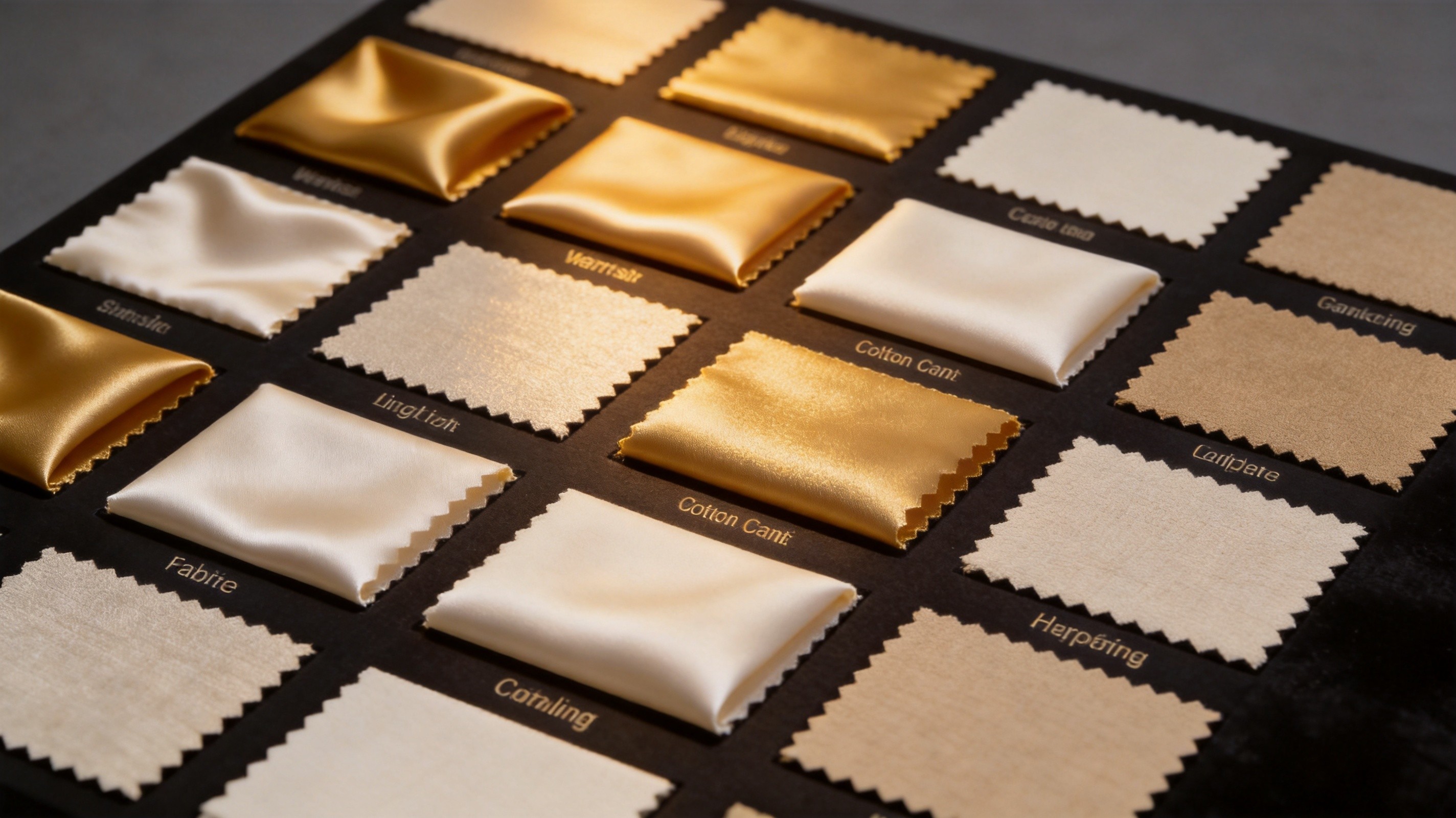
Saffiano embossing pattern provides scratch-resistant texture popular for structured handbags
Surface embossing creates the visual and tactile texture that defines PU leather's leather-mimicking capability — or its distinctive identity as a modern material.
Common Embossing Patterns
- Saffiano: Cross-hatch pattern, scratch-resistant, popular for structured bags
- Pebble grain: Natural-looking random pebble texture, versatile
- Smooth: Minimal texture, sleek modern appearance
- Crazy horse: Pull-up effect that lightens when bent
- Exotic patterns: Crocodile, python, ostrich effects for statement pieces
- Custom embossing: Brand-specific textures and patterns (custom plates required)
Embossing Depth and Quality
Deeper embossing (0.3–0.5mm depth) creates more pronounced texture that reads clearly at retail distance but can create stress points in the coating. Shallower embossing (0.1–0.2mm) creates subtler texture with better coating integrity. The right depth depends on the pattern and the bag's intended use.
PU vs PVC Differences
Understanding why PU has replaced PVC as the preferred synthetic leather for quality handbags is essential for material specification.
| Property | PU Leather | PVC Leather |
|---|---|---|
| Hand-feel | Soft, flexible, leather-like | Stiff, plasticky |
| Cold flexibility | Good (remains flexible) | Poor (becomes brittle) |
| Breathability | Moderate | Very low |
| Environmental | No chlorine, fewer plasticizers | Chlorine-based, more plasticizers |
| Odor | Minimal | Chemical smell common |
| Aging | Gradual softening | Brittle cracking |
| Cost | $2–12/sq ft | $1.50–5/sq ft |
For any handbag above basic economy tier, PU leather is the correct choice. PVC leather is appropriate only for very low-cost promotional items, rain boots, and applications where extreme water resistance is needed at minimum cost.
Cost by Grade
Premium PU leather is available in a wide range of colors and textures at a fraction of real leather cost
PU leather costs vary significantly across quality tiers, affecting both production budgeting and retail pricing strategy.
Economy grade PU ($1.50–3/sq ft) serves high-volume, trend-driven brands targeting under $100 retail. Standard grade ($3–5/sq ft) is the sweet spot for most private label brands in the $100–300 range. Premium ($5–8/sq ft) and Super Premium ($8–12/sq ft) compete directly with genuine leather at the $200–500+ retail tier. For comparison with other materials, see our materials comparison guide.
How to Specify PU Quality in Orders
Precise PU leather specifications protect your quality expectations and provide objective acceptance criteria for incoming materials.
Complete Specification Template
- Backing: Type (knit/woven), fiber content, denier
- Coating: PU type, number of layers, total coating thickness
- Total thickness: Target ± tolerance (e.g., 1.0mm ± 0.05mm)
- Total weight: Target ± tolerance (e.g., 550 GSM ± 30 GSM)
- Surface: Embossing pattern, gloss level
- Color: Pantone reference + physical standard
- Performance: All required test standards with minimum grades
- Chemical compliance: REACH, Oeko-Tex, DMFa limits
- Width: Fabric width (typically 54"/137cm or 58"/147cm)
- Packaging: Roll packing, length per roll, labeling
Critical Reminder
Always request pre-production samples (hangers) of the exact PU leather that will be used for your order. Compare these against your quality standard for hand-feel, thickness, color, flexibility, and smell. Approve samples in writing before bulk material is ordered. This simple step prevents the majority of PU leather quality disputes in handbag production.
PU Leather Care and Longevity Optimization
PU leather requires different care than genuine leather, and providing proper care guidance to end consumers extends product life and reduces warranty claims. The key differences stem from PU's non-porous surface composition:
Cleaning: Wipe with a damp microfiber cloth using mild soap solution. Avoid solvent-based cleaners, alcohol, or abrasive pads that can damage the polyurethane coating. For stubborn stains, a specialized PU leather cleaner (pH 5.5-7.0) is recommended. Unlike genuine leather, PU does not absorb conditioners, so "leather conditioners" provide no benefit and may leave a greasy residue.
Heat Sensitivity: PU leather begins to soften at approximately 80°C (176°F) and can deform at higher temperatures. Avoid leaving PU bags in direct sunlight inside closed vehicles, where temperatures can exceed 70°C. This is particularly important for bags with structured shapes, as heat deformation is irreversible in PU materials.
Hydrolysis Prevention: The most common failure mode for PU leather is hydrolysis—the breakdown of the polyurethane coating due to prolonged exposure to moisture and heat. This manifests as sticky surfaces, flaking, or peeling after 2-5 years. Higher-quality PU (200D+ with hydrolysis-resistant coatings) can resist this degradation for 5-8 years under normal conditions. Storage in climate-controlled environments (relative humidity 40-60%, temperature 15-25°C) extends PU leather life significantly.
UV Resistance: Standard PU leather fades with prolonged UV exposure. For bags likely to see frequent outdoor use, specify UV-stabilized PU with a rating of Grade 4+ on the Blue Scale test. This treatment adds approximately 8-12% to material cost but dramatically improves color retention in sunny climates.
Environmental Impact and Sustainability of PU Leather
The environmental profile of PU leather is more nuanced than simple "vegan = sustainable." Brand owners should understand the full lifecycle impacts when making sourcing decisions:
| Impact Category | PU Leather | Genuine Leather | Assessment |
|---|---|---|---|
| Carbon Footprint (per m²) | 8-12 kg CO₂e | 15-25 kg CO₂e | PU generally lower |
| Water Usage (per m²) | 15-25 liters | 150-300 liters | PU significantly lower |
| Biodegradability | Not biodegradable (50+ years) | Biodegradable (25-40 years) | Leather better |
| Microplastic Shedding | Yes (during wear) | No | Leather better |
| Chemical Processing | Solvent-based (DMF/MEK) | Chrome tanning (Cr VI risk) | Both have concerns |
| Recyclability | Limited | Limited | Both poor |
The industry is shifting toward water-based PU production, which eliminates volatile organic compound (VOC) emissions during manufacturing. Water-based PU uses water as the carrier solvent instead of DMF (dimethylformamide), creating a safer workplace environment and reducing atmospheric pollution. Major PU manufacturers like Nanbu and Toray now offer water-based product lines, and the cost premium has decreased to approximately 10-15% over solvent-based PU.
For brands prioritizing sustainability, consider recycled and bio-based material alternatives that may offer better environmental profiles depending on your specific priorities. Bio-based PU made from plant-derived polyols (corn, sugarcane) reduces fossil fuel dependence by 30-50%, though these materials currently represent a small fraction of the PU market.
Emerging PU Technologies and Next-Generation Materials
The PU leather industry is undergoing significant technological advancement, with several innovations poised to change the quality and perception of synthetic leather in the premium segment:
Microfiber-Enhanced PU: Next-generation PU leathers incorporate ultra-fine microfiber substrates (≤0.1 denier) that more closely replicate the fiber structure of genuine leather. These materials exhibit superior drape, breathability, and tactile qualities compared to conventional PU, narrowing the gap between synthetic and natural at the touch level.
Self-Healing Coatings: Experimental PU coatings can "heal" minor scratches and scuffs through heat-activated polymer flow. Applying gentle warmth (from hand contact or a hair dryer) causes the surface polymers to redistribute, filling in shallow marks. This technology is moving from automotive upholstery into the bag industry and could dramatically extend the cosmetic lifespan of PU leather goods.
Silicone-Based Synthetic Leather: A newer category of synthetic leather uses silicone polymers instead of polyurethane, offering superior UV resistance, temperature stability (-50°C to 200°C), and chemical inertness. While currently 2-3x the cost of standard PU, silicone-based leathers are gaining adoption in premium automotive interiors and are beginning to appear in luxury bag applications.
Digital Texture Printing: Advanced inkjet technology can now print photorealistic textures onto PU surfaces with tactile depth that mimics not just the visual pattern but the physical feel of exotic leathers. Crocodile, ostrich, and even wood grain textures can be replicated with remarkable fidelity, offering design possibilities beyond what embossing rollers can achieve.
Brand owners planning collections 12-18 months ahead should maintain dialogue with their manufacturing partners about material innovation timelines, ensuring access to the latest technologies as they reach commercial viability. Early adoption of superior PU technologies creates meaningful differentiation in a market where consumers increasingly scrutinize material quality.
Need PU Leather Samples for Your Next Collection?
Our team sources premium PU leather from certified suppliers, manages quality testing, and ensures specifications match your brand requirements. MOQ starts at 200 pcs/style.
Email: service@junyuanbags.com | WhatsApp: +86 17750020688
Request PU Leather SamplesFrequently Asked Questions
What does PU leather grade mean?
PU leather grade refers to quality level, determined by backing fabric density (denier), PU coating thickness, coating method, and finish quality. Higher grades use denser backing fabric, thicker multi-layer coatings, and more sophisticated finishing processes.
What is the difference between PU and PVC leather?
PU leather is softer, more flexible, more breathable, and more environmentally friendly than PVC. PU contains no chlorine, has better cold-weather flexibility, and lacks the chemical smell of PVC. For handbags above basic economy tier, PU is strongly preferred.
How long does PU leather last?
Lifespan varies dramatically by grade: low-grade lasts 1–2 years, mid-grade 3–5 years, premium 5–8 years. Factors include UV exposure, humidity, flex frequency, and contact with oils and solvents.
How do I specify PU leather quality for factory orders?
Include backing type and denier, PU coating thickness and layers, total thickness tolerance, surface finish, color reference, performance test requirements, and chemical compliance certifications. Always approve pre-production samples before bulk ordering.
Is PU leather safe for EU and US markets?
Yes, with proper certifications. For the EU, ensure REACH compliance (DMFa solvent residue ≤ 1000 ppm). For the US, CPSIA compliance for lead and phthalates may be required. Request test reports from your supplier confirming compliance.
Continue Exploring
Related guides: Leather Grade Guide, Vegan vs Real Leather, Hardware Selection Guide, and Lining Material Guide. Visit products or about us.
Limitations and Scope of This Guide
This guide covers PU leather quality grades and what to specify for your handbag order, including grading systems, testing methods, and performance expectations. It is based on our experience as a handbag manufacturer in Quanzhou, China, serving brands worldwide since 2004. Key limitations to keep in mind:
- PU leather grading is not universally standardized. Different suppliers may use different grade names for similar quality levels. Always request physical samples.
- Performance data (abrasion resistance, flexibility, hydrolysis resistance) is based on new material testing. PU leather degrades over time, especially in humid conditions.
- This guide covers PU leather for handbags. PU for shoes, clothing, or upholstery follows different quality standards and testing protocols.
For advice tailored to your specific situation, contact our team directly.